Why Choose an Aluminum Snap Lock Standing Seam Roof for Coastal Areas?
2026-10-27 20:06:41
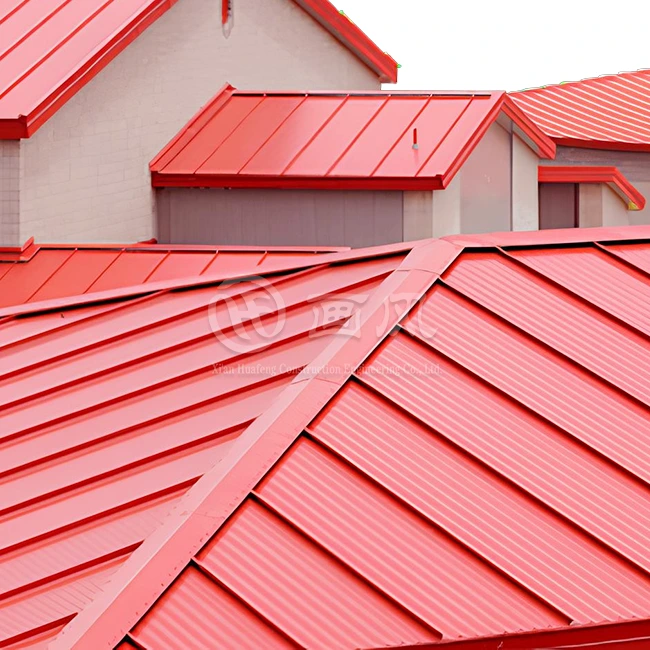
If you work in coastal roofing, you already know the pressure: salt air eats through inferior materials fast, wind loads are unforgiving, and your clients expect a roof that lasts decades without constant callbacks. An aluminum snap lock standing seam roof answers all three concerns at once. The concealed-clip design eliminates exposed fasteners, aluminum's natural oxide layer resists saltwater corrosion, and the snap engagement lets crews install 30–50% faster than mechanically seamed alternatives. For roofing contractors and distributors sourcing panels for coastal projects, this system is one of the strongest value propositions available today.

Understanding Aluminum Snap Lock Standing Seam Roofs in Coastal Applications
How the Snap Lock System Works?
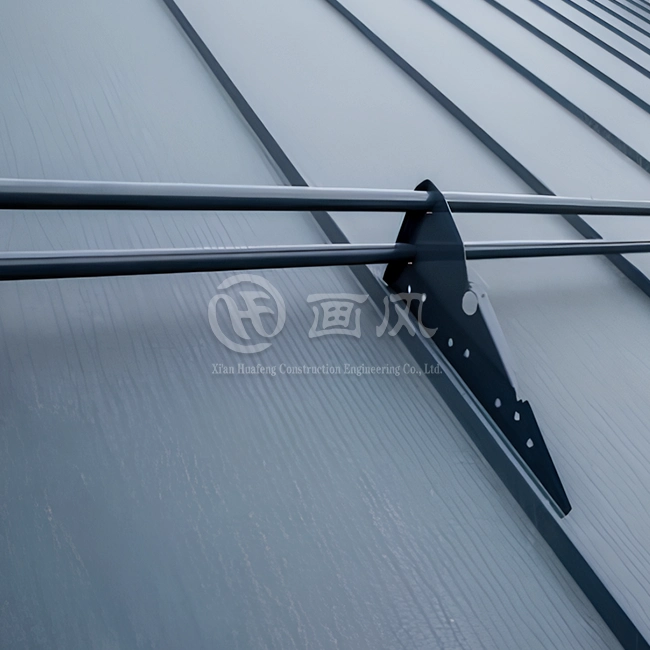
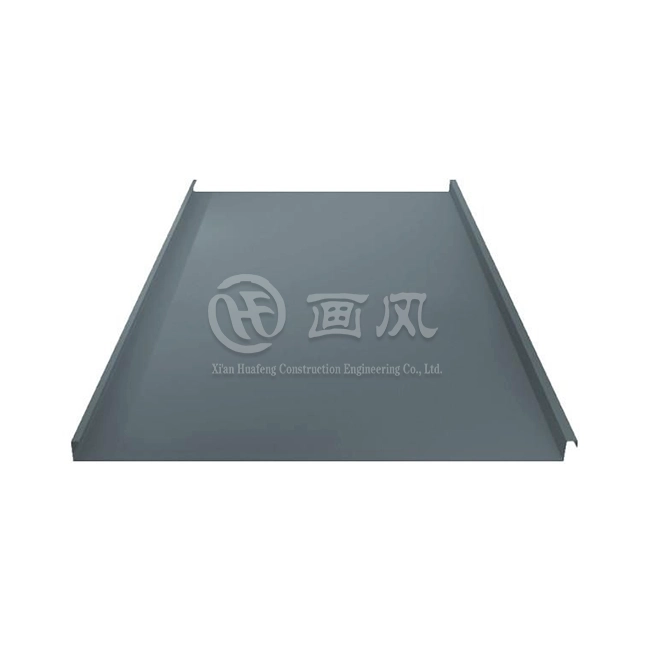
There is a man and a female leg on each side. There is no need for an on-site roll-former because the male leg presses straight into the female leg with a single downward action. The panel is held in place by a secret clip that is attached to the base under the seam. This clip allows the panel to move slightly in temperature (±15 mm). This floating connection keeps the aluminum from distorting under stress, which is very important for long runs of aluminum along warm coasts.
Why Aluminum Outperforms Other Metals Near the Ocean?
Aluminum metal has a very low density of only 2.7 g/cm³ and when it comes into touch with air, it makes an oxide layer that repairs itself. Independent tests with salt spray show that aluminum panels last a lot longer than standard galvanized steel. Also, independent study confirms that aluminum roofing panels can last longer than 50 years in marine settings. Steel with a Galvalume coating works well inland, but aluminum is still the best material for real coastal exposure.
Panel Geometry and Seam Profile
HF's coastal-grade panels have a 45 mm seam height and effective panel widths that range from 300 mm to 600 mm. Custom-made single panels can be up to 13 m long, which cuts down on horizontal laps and possible leak spots. The 45 mm seam height keeps rain driven by the wind well below the seam throat. This is very important for roofs along the Gulf Coast and Atlantic coast that are exposed to storm season.
Core Benefits of Choosing Aluminum Standing Seam Roofing in Coastal Regions
At the coast, every type of snap lock standing seam roof material is put to the test every day. The elements of high humidity, UV rays, salt particles, and seasonal storms all work together to damage roofs more quickly than in almost any other climate zone. Here are the main performance benefits that make aluminum concealed-fastener roofing the best choice for these situations according to contractors.
- Salt spray and corrosion resistance: Aluminum's passive oxide film regenerates when scratched, meaning micro-abrasions from windblown sand do not create rust pathways. PVDF-coated aluminum panels passed all 13 coating performance tests under AAMA 2605-22, including 5B dry and wet adhesion scores and zero blistering in hydrochloric acid resistance testing — verified by SGS Guangzhou Branch in November 2024.
- Wind uplift performance: With clip spacing at or below 1.5 m, the system delivers wind uplift resistance of ≥3.0 kN/m², capable of withstanding sustained wind speeds exceeding 60 m/s (216 km/h). Narrower 300 mm panels with tighter clip spacing push that rating higher, making the system viable in HVHZ-designated coastal zones.
- Energy efficiency: Aluminum's high solar reflectance reduces rooftop heat gain, directly lowering cooling loads in commercial and residential buildings. In hot coastal states like Florida and Texas, this translates into measurable energy savings year over year.
- Long warranty coverage: HF backs its aluminum standing seam panels with a 30-year product warranty, supported by PVDF coatings that retain color for more than 20 years — confirmed by AAMA 2605-22 color uniformity testing showing a ΔE of just 0.3.
HF's aluminum standing seam panels come with a 30-year guarantee, which is backed by PVDF coatings that keep their color for more than 20 years. This is proven by AAMA 2605-22 color uniformity tests, which shows a ΔE of only 0.3.
Comparing Aluminum Snap Lock Roofs with Alternative Systems
Snap Lock vs. Mechanical Lock
To fold the edges of panels 90° or 180° on-site for mechanical lock systems, you need a power seamer. It makes the seam tighter, but it takes longer to install and requires more skill from the team. After just one day of training, any worker can use snap lock systems to correctly engage the seams. That difference in speed is real money for seaside builders who have to work quickly between storm seasons.
Snap Lock vs. Traditional Roofing Materials
Asphalt shingles get wet easily and break down quickly in air that is high in salt. Clay tiles are heavy and break when they get too hot or too cold. Corrugated metal walls have fixings that are out in the open and rust quickly in coastal areas. To fix all of these problems, an aluminum concealed-fastener panel is used. This panel is also 100% recyclable when it's time to throw it away.
Snap Lock vs. Clip-Lock Systems
Hidden latches are also used in clip-lock designs, but they work in a different way. The clip-lock profile gets higher marks for ease of maintenance, but the direct seam engagement in the snap-lock profile makes it better at blocking wind. For coastal uses where wind uplift is the main concern for the structure, snap lock is the better technical choice.
Installation and Maintenance Best Practices
Clip Selection and Fastener Integrity
In seaside areas, you should only use clips made of stainless steel or hot-dipped galvanized steel for your snap lock standing seam roof. Galvanic reaction between metals that are not the same is known to cause failure in saltwater settings. HF's method puts the clip all the way below the seam bite, so there is no visible metal that water can get into.
Seam Sealant and Ventilation
Use a factory-approved continuous sealant in the female leg before putting the panel in place on slopes lower than 3:12 or whenever the project engineer asks for extra water protection according to ASTM E1646. If there is enough air flow in the attic below the deck, condensation won't be able to form, which can damage clip bolts from below.
Post-Storm Inspection Protocol
It is important to walk the roof and check the seams along the full length of each panel after a hurricane or tropical storm. An unfinished snap engagement, where the male leg isn't fully seated, makes that panel less wind resistant. Unlike mechanical lock systems that need special tools to open and close, re-engagement on a snap lock profile is quick and doesn't damage the profile.
Procurement Guidance: What Contractors and Distributors Should Know
It takes more than just finding the cheapest price per square foot to get snap lock standing seam roof panels for coastal jobs. How well your project holds up and if your warranty claim is honored are directly related to the thickness of the material, the grade of the coating, and the supplier compliance documentation.
HF has three factories that make standing seam panels. Each factory has seven production lines and more than forty machines that can make 1,000 tons of panels every month. The thickness of a metal panel can be between 0.7 mm and 1.2 mm, and it can have a PVDF or PE finish in RAL or unique colors. The smallest amount that can be ordered is 500 m²/1T, and shipping usually takes 15–20 days, which is enough time for most project purchase windows. Panels meet ASTM, DIN, JIS, BS, and GB/T standards, which gives North American contractors the paperwork they need to send to the building department.
HF's aluminum products have passed three separate SGS certifications: they are fire retardant according to AS/NZS 1530.3:1999 (all six samples did not catch fire), they are compliant with EU RoHS for all 10 restricted substances, and they pass all 13 test items in the AAMA 2605-22 coating performance pass. Contractors can look over these test results before they buy them.
Conclusion
Aluminum snap lock standing seam roof roofing is a useful solution that has been shown to work well in coastal building. Contractors and distributors can confidently specify and install this product because it is resistant to corrosion, has concealed fasteners, is easy to install, and has been shown to meet ASTM and AAMA standards. Contractors working on projects along the U.S. shore can rely on HF because it can make a lot of products, has an adjustable MOQ, and has SGS-verified certifications. The scientific case for this method is clear if you are thinking about your next coastal project panel supply.
FAQ
1. What wind speed can an aluminum snap lock standing seam system withstand?
With clip spacing at or below 1.5 m, the system resists wind uplift of ≥3.0 kN/m², equivalent to sustained wind speeds above 60 m/s (216 km/h). For high-velocity hurricane zones, narrower 300 mm panels with tighter clip spacing push performance ratings higher. Always reference the project-specific engineering uplift report for final clip spacing.
2. What is the minimum slope for this roofing system?
The snap lock profile can be installed on slopes as low as 1:12 when paired with a compatible waterproof underlayment. For slopes below 3:12, apply continuous sealant in the female leg before panel engagement to meet ASTM E1646 water penetration requirements.
3. Can snap lock panels be installed over an existing roof?
In many cases, yes. A flat, structurally sound substrate is required. Deck planarity must not exceed 6 mm variance over 3 m to prevent panel distortion. Consult a structural engineer before proceeding with a re-roof application in coastal wind zones.
4. How often should I inspect a coastal aluminum standing seam roof?
Inspect twice per year — once before hurricane season and once after. Focus on seam engagement, flashing integrity, and clip fastener condition. Reapply seam sealant wherever continuity is broken.
Partner With HF for Your Next Coastal Roofing Project
HF's aluminum snap lock standing seam roof supplier program is made for distributors and contractors who need a steady supply of materials, proof that they follow the rules, and a warranty that they can stand behind for 30 years. When coastal projects need 1,000 tons of capacity per month, lead times of 15–20 days, and SGS-certified PVDF coatings that get 5B adhesion scores and pass all AAMA 2605-22 test items, HF can deliver. You can get a price for your project or examples of our products right now by emailing huafeng@hfmetalroof.com.
References
1. Metal Construction Association. MCA Technical Bulletin: Metal Roofing Systems in Coastal Environments. 2022.
2. National Roofing Contractors Association. The NRCA Roofing Manual: Metal Panel and SPF Roof Systems. 2023.
3. American Architectural Manufacturers Association. AAMA 2605-22: Voluntary Specification, Performance Requirements and Test Procedures for Superior Performing Organic Coatings on Aluminum Extrusions and Panels. 2022.
4. ASTM International. ASTM E1592: Standard Test Method for Structural Performance of Sheet Metal Roof and Siding Systems by Uniform Static Air Pressure Difference. 2021.
5. Florida Building Commission. High-Velocity Hurricane Zone (HVHZ) Roofing Application Standards, Florida Building Code. 2023.
6. Shreir, L.L., Jarman, R.A., & Burstein, G.T. Corrosion: Metal/Environment Reactions (3rd ed.). Butterworth-Heinemann. 2000.





YOU MAY LIKE
_1769761215912.webp "Ventilation noise reduction net")