Ribbed Standing Seam Metal Roofing: Complete Buyer's Guide
2026-10-26 20:54:14
If you're sourcing metal roofing panels for residential or light commercial projects, this guide is written for you. Ribbed standing seam metal roofing combines concealed fastener technology with longitudinal stiffening ribs, producing a panel that resists oil canning, sheds water reliably, and holds up across decades of thermal cycling. Whether you're a roofing contractor managing multiple job sites or a regional distributor building a dependable supply chain, understanding what separates a quality panel from a liability is what this guide is about.

What Is Ribbed Standing Seam Metal Roofing?
Panel Anatomy and Rib Function
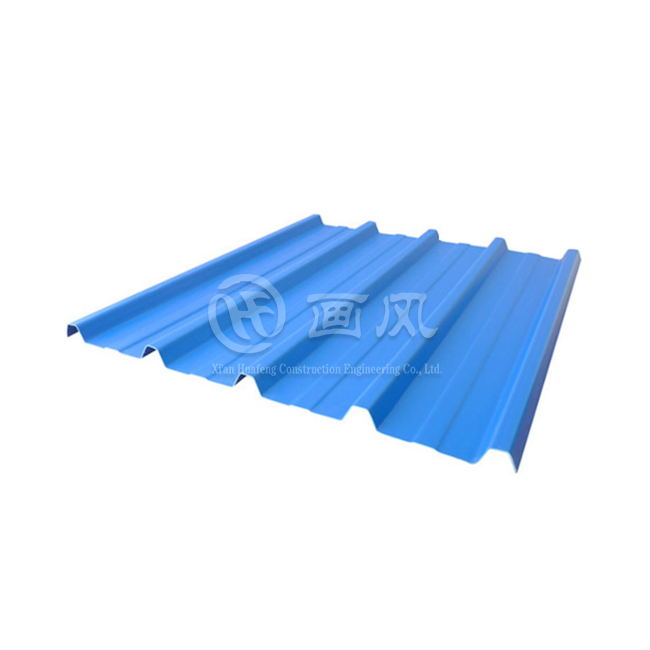
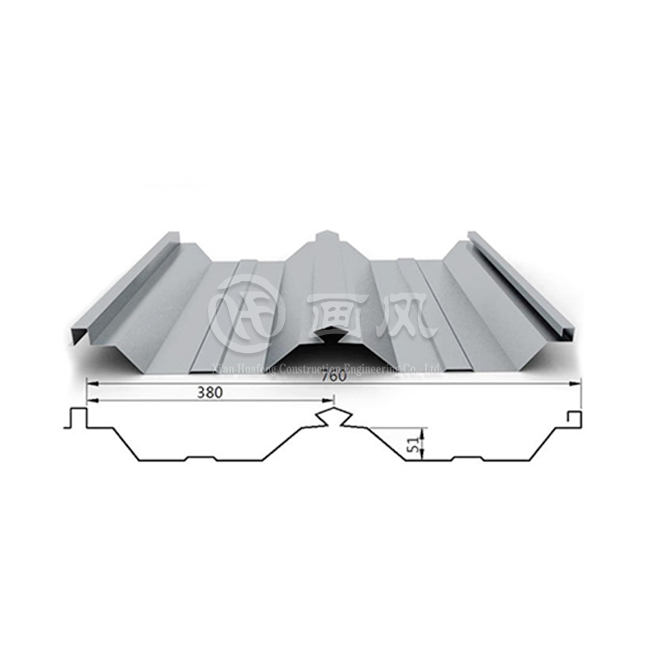
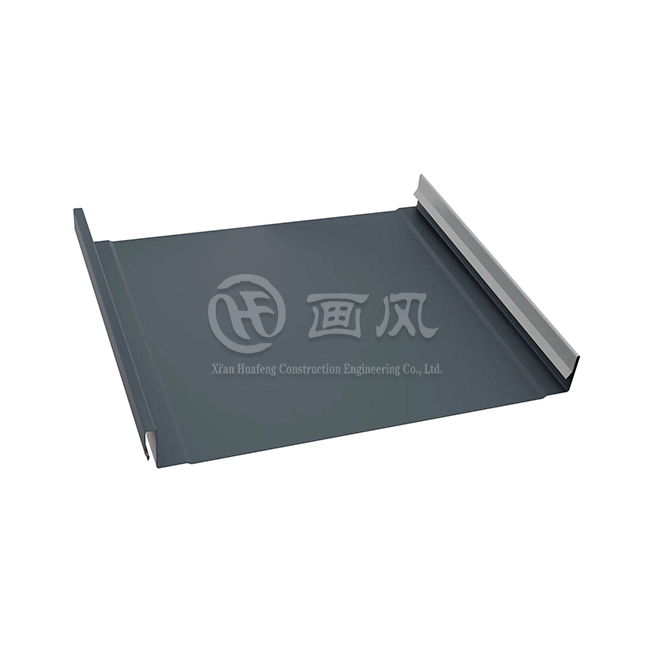
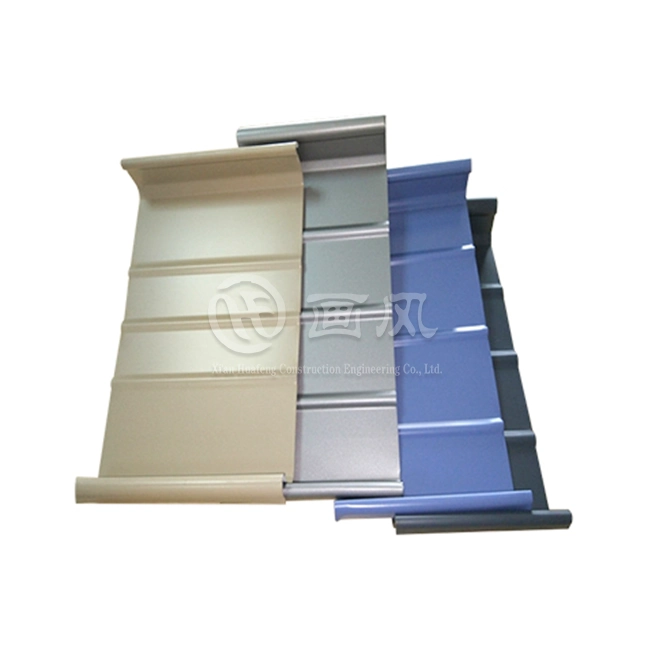
In contrast to smooth-pan hidden fastener panels, a ribbed profile has raised lengthwise ridges that are usually 1/16" to 1/8" deep and are pushed into the flat pan during roll forming. The cross-sectional moment of inertia of the panel is raised by these ribs, which work like small compression beams. Because of this, there is less waviness that can be seen when light is shining from an angle, better drainage, and a higher level of stiffness across long panel runs.
Seam Locking Technologies
There are two main types of seams used in the field. When mechanically seamed panels are folded with a power seamer, they form a single or double lock that keeps water out on slopes as low as 1:12 (with continuous sealant). Snap-lock panels are already shaped so that they can be locked in place with hand pressure. This makes them easier to install on slopes of 3:12 or more. Both systems use clips that are hidden, so no fastener goes through the panel face.
Where This Profile Gets Specified?
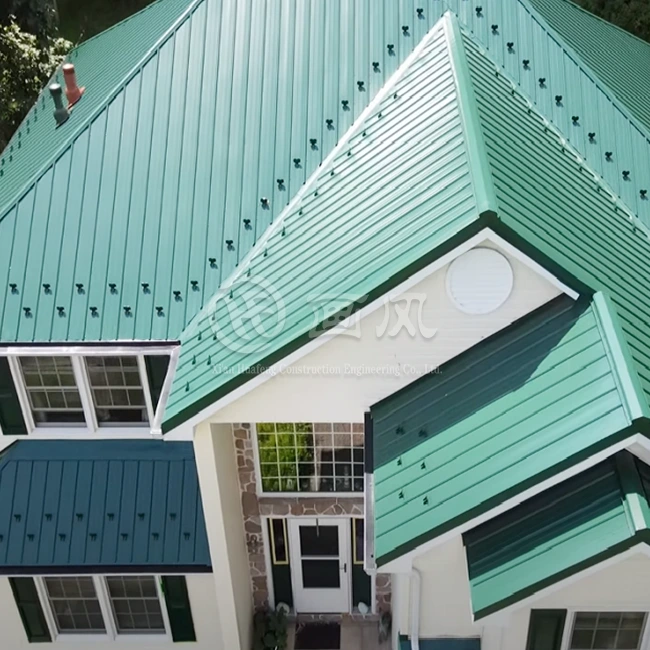
Ribbed profiles are chosen by architects and contractors for a wide range of projects, including modern homes, light commercial warehouses, agricultural buildings, and rooftops that are ready for solar panels. The hidden clip system lets solar installation clamps, like S-5! style brackets, grip the standing seam without cutting through the panel. This keeps the waterproofing integrity of the system for as long as it works.
Benefits and Performance of Ribbed Standing Seam Metal Roofing
Durability and Weather Resistance
Ribbed standing seam metal roofing panels usually have a service life of 40 to 70 years, but this depends on the substrate and coating. Capillary water entry, which is a regular problem with exposed-fastener systems, can't get through the raised gaps. In places with a lot of wind, the structure ribs stop the panels from shaking and the drumming sound from happening. The SGS test (AS/NZS 1530.3:1999) on HF's PVDF-coated aluminum panels shows that none of the six samples tested caught fire. The spark, flame spread, and heat release indices all read 0.
Energy Efficiency and Sustainability
PVDF-coated panels reflect sunlight, which cools the roof and lowers the need for air conditioning in warm places. At the end of their useful life, metal surfaces like steel, aluminum, copper, titanium zinc, and copper are all 100% reusable. When compared to asphalt shingles, which need to be replaced every 15 to 20 years and create a lot of waste, a single metal roof installation can last three or more replacement rounds of standard roofing. The lower total cost of ownership comes straight from the longer life of the profile. Here are the main upkeep benefits that make it useful for both contractors and building owners:
Maintenance Profile
Because of these features, putting contractors get calls back a lot less often, and dealers who sell the line get fewer warranty claims.
- Corrosion resistance: Galvalume (AZ50/AZ55) and aluminum substrates resist rust without annual treatment, unlike bare steel or galvanized panels in coastal environments.
- Coating durability: PVDF finishes passing AAMA 2605-22 (13/13 test items passed in SGS testing) maintain chalk and fade resistance for 30+ years, reducing recoating costs.
- Pest and mold resistance: Metal panels provide no organic substrate for moss, mold, or wood-boring insects.
These properties significantly reduce callback rates for installing contractors and warranty claims for distributors carrying the product line.
Comparing Ribbed Standing Seam Metal Roofing with Other Roofing Types
Ribbed vs. Corrugated and Exposed Fastener Panels
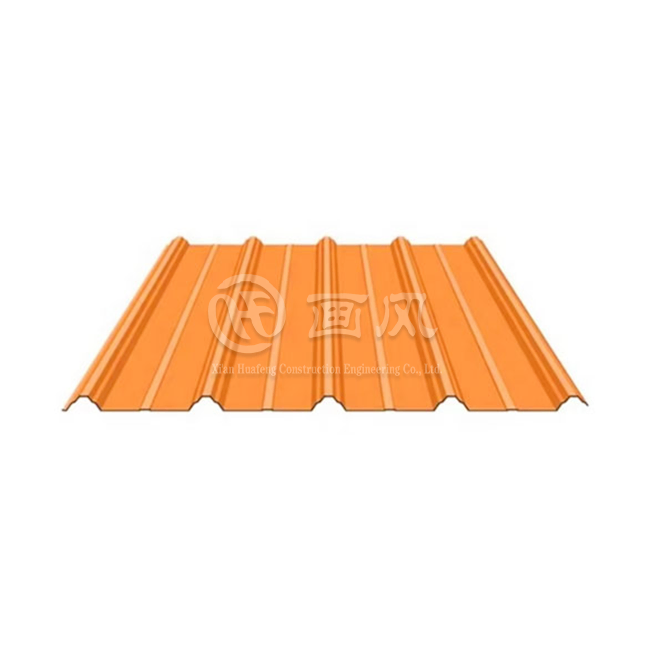
When you use exposed fasteners on corrugated panels, they go through the face of the panel and could cause leaks as the rubber washers wear out. Through a hidden clip attachment, ribbed standing seam metal roofing panels eliminate this weakness. Corrugated panels are rigid because of their wave shape, but the ribbed profile gives them more stiffness. The standing seam system also gives them a cleaner look, which is what architects like for business walls.
Ribbed vs. Asphalt Shingles and Tile
Asphalt shingles usually come with a service warranty that lasts between 20 and 30 years. They need to be checked for lifted tabs and granule loss every so often. Concrete and clay tile are both heavy, so they often need to be reinforced. They can also break when hit with a point load. A 0.5–1.2 mm thick curved metal panel is much lighter than tile, easier to install, and will hold up against snow and high winds without being too heavy.
Ribbed vs. Smooth Standing Seam Panels
When it comes to use, the main differences between ribbed and smooth standing seam panels are how they look and how they are built. Smooth panels are more likely to get oil canning, which is the noticeable wavering in wide flat-pan metal that is caused by heat stress or coil strain. The flat viewing plane is broken up by ribbed features, which makes heat movement almost impossible to see. For business-to-business buyers looking for panels for large commercial roofs, the ribbed profile lowers complaints about how the panels look without raising the cost of installation.
How to Choose the Right Panel for Your Project?
Substrate and Coating Selection
The surroundings of the project should guide the choice of panel material. For most business and domestic uses, galvalume steel is a good, inexpensive choice because it is resistant to corrosion and strong. Aluminum works better near the coast where it is exposed to salt air. Copper and titanium zinc work well for high-end building jobs that need a natural copper finish. For coats, PVDF (Kynar 500) is better than regular polyester at resisting chalking and fading over time. This is important to keep in mind for projects where color matching between reorders is important.
Thickness, Height, and Tolerance
HF panels come in a range of thicknesses and seam heights, from 0.5 mm to 1.2 mm and 25 mm to 65 mm, so they can meet a lot of different structural and visual needs. Tight tolerances for panel length directly affect field labor, since they cut down on the need for trimming and realigning on-site. Ask for a sample panel and make sure that the profile geometry works with your seaming tools and clip system before you place a bulk order.
Supplier Qualification Checklist
When builders buy in bulk, the following must-haves must be present when choosing a ribbed standing seam metal roofing supplier:
- ASTM compliance: Confirm substrate meets ASTM A792 (Galvalume) or equivalent. HF panels comply with ASTM, DIN, JIS, BS, and GB/T standards.
- Wind uplift documentation: Request ASTM E1592 structural test reports before specifying for high-wind zones.
- Color consistency: Ask for batch color data. HF's PVDF coatings achieved ΔEH = 0.3 in AAMA 2605-22 uniformity testing — well within acceptable tolerance for matched reorders.
- MOQ and lead time: HF's MOQ starts at 500 m²/1T, with a 15–20 day lead time and 1,000 ton/month supply capacity across three factories and seven production lines.
By checking these things ahead of time, you can avoid the most common problems with procurement, such as packages arriving in different colors, wind uplift fails during inspection, and installation delays caused by non-standard profiles.
Purchasing and Installation Process
Ordering and Logistics Planning
HF runs three factories with more than 40 roll-forming and processing tools. This helps contractors who are working on various jobs at the same time get consistent output. When you place your order, make sure that the lengths of the panels match the cuts on your project cut list to cut down on waste and shipping volume. Ordering panels with protective film and anti-deformation packaging is recommended, especially for long panel lengths, to avoid damage during shipping that needs to be fixed on-site, which can be expensive.
Installation Best Practices
The most important thing about fitting is making sure the clips are spaced correctly. Clips must be set at the intervals recommended by the manufacturer so that thermal expansion can happen without the fasteners wearing out. A steady power seamer pass speed keeps partial folds from happening on manually seamed profiles. On snap-lock profiles, make sure the panel is engaged by hand before going on to the next bay. HF offers technical support after the sale, and if you ask, the team at hfmetalroof.com can give you advice on how to install your project.
Post-Installation Warranty and Support
If you buy ribbed metal roofing panels from HF, the company will cover them for 30 years. EU RoHS compliance (SGS-verified, all 10 dangerous substances at or below limits) and AAMA 2605-22 coating approval help with project paperwork needed for green building ratings and business building permits. Keeping track of batch numbers and covering test certificates makes it easier to file a warranty claim if problems appear on the surface years after the installation.
Conclusion
Ribbed standing seam metal roofing is a good choice for builders and dealers who need a panel that works well in the field, ships reliably, and keeps its look for decades. Hidden fasteners, structural ribs, and high-performance PVDF coatings work together to fix the most common problems with cheaper metal roofing materials. What makes the difference between a profitable and an expensive project is choosing a provider with proof of ASTM compliance, tested coating performance, and enough production capacity.
FAQ
1. Will ribbed profiles completely prevent oil canning?
Because light-gauge metal reacts to heat stress and internal coil strain, no finish method can completely get rid of oil canning. But stiffening ribs break up the flat viewing plane, so most of the time you can't tell if something is waving. This is the best way to hide wide-pan fastener pieces that are useful.
2. What is the minimum slope for a ribbed standing seam system?
For snap-lock ribbed systems, the slope must be at least 3:12. Follow the rules in ASTM E2140 and TAS 100 for mechanically seamed systems with continuous sealant in the seam to work consistently on slopes as low as 1:12.
3. Does the ribbed profile affect PVDF warranty coverage?
Most of the time, no. PVDF warranties are based on the integrity of the resin, not the shape of the panel. In real life, ribs lower the risk of micro-cracking by spreading heat stress more evenly across the face of the panel. This keeps the covering safe over time.
4. Can solar panels or snow guards be mounted on ribbed standing seam panels?
Yes. If you use clamps that don't go through the pan, like S-5 style clips, to hold the standing seam, they will work no matter what the pan's rib pattern is. As long as the right clamp size is chosen, the rib doesn't get in the way of seam contact.
5. How does HF handle batch color consistency for large reorders?
HF's PVDF coatings are tested to meet the requirements of AAMA 2605-22. In independent SGS tests, color consistency reached ΔEH = 0.3. For big or multi-phased jobs, you need to give the RAL color code and ask for batch approval with every shipment.
Get a Quote from HF — Trusted Ribbed Standing Seam Metal Roofing Manufacturer
HF makes ribbed standing seam metal roofing panels from aluminum alloy, steel, stainless steel, copper, and titanium zinc. The panels come with a 30-year warranty, PVDF or PE finishes, and seam heights ranging from 25 to 65 mm. With a supply capacity of 1,000 tons per month and a lead time of 15–20 days, HF helps contractors and distributors manage large projects that need to be done quickly. You can email the team at huafeng@hfmetalroof.com to get samples or a quote for your project.
References
1. Metal Construction Association. MCA Technical Bulletin: Standing Seam Roof Systems. Metal Construction Association, 2021.
2. National Roofing Contractors Association. The NRCA Roofing Manual: Metal Panel and SPF Roof Systems. NRCA, 2022.
3. ASTM International. ASTM E1592: Standard Test Method for Structural Performance of Sheet Metal Roof and Siding Systems. ASTM International, 2020.
4. American Architectural Manufacturers Association. AAMA 2605-22: Voluntary Specification, Performance Requirements and Test Procedures for Superior Performing Organic Coatings on Aluminum Extrusions and Panels. AAMA, 2022.
5. Sherwin-Williams. Kynar 500 PVDF Resin Performance Data in Architectural Coatings. Sherwin-Williams Coil Coatings, 2023.
6. Oak Ridge National Laboratory. Thermal Performance of Metal Roofing Systems with Reflective Coatings. U.S. Department of Energy, Building Technologies Office, 2019.