Standard Seam Roofing System: Design, Structure and Performance Guide
2026-10-26 20:54:12
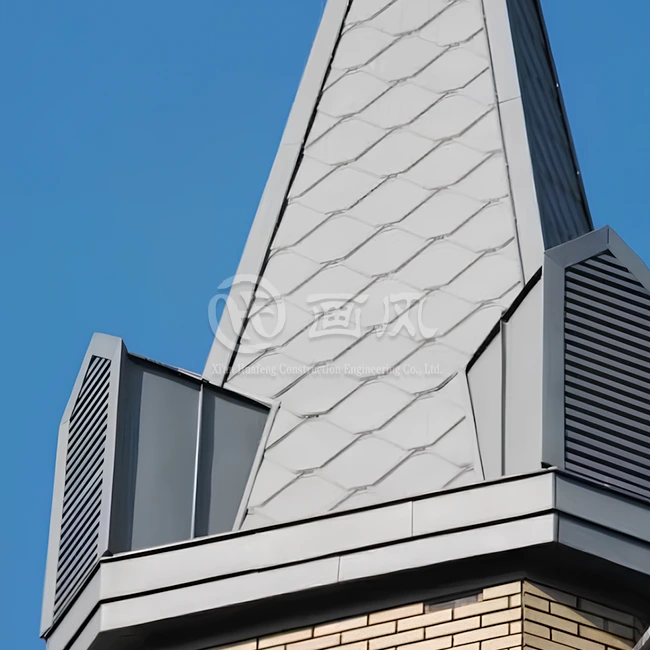
A standard seam roof panel is a concealed-fastener metal roofing system where vertical raised seams interlock to form a watertight barrier above the drainage plane. Fabricated from galvanized steel or aluminum in thicknesses ranging from 0.5 mm to 1.2 mm, these panels deliver structural strength without the weight penalty of thicker alternatives. At HF (Xi'an Huafeng Construction Engineering Co., Ltd.), we produce panels across multiple seam profiles — 25-330/400/430, 32-410, 45-400, and 65-400/430 — with PVDF or PE surface treatments and a 30-year service warranty backed by three factories and seven production lines.

Understanding Standard Seam Roof Panels: Design and Structure
Core Components and Panel Geometry
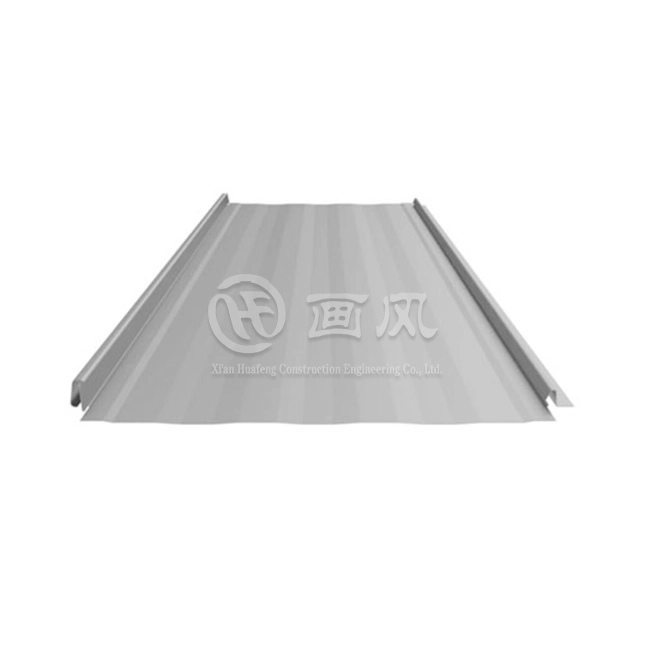
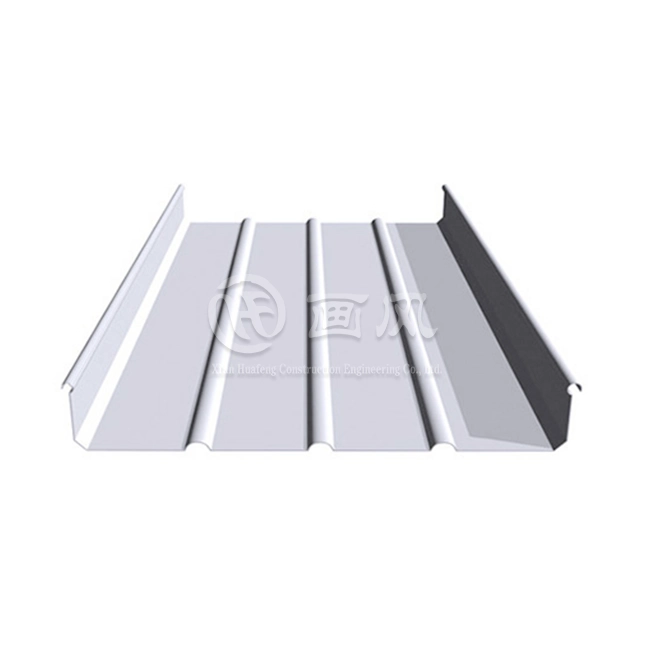
The flat pan, the raised rib, the vertical leg, and the seam cap, also called a female lock, make up a raised seam metal roof panel. The flat pan is the field area that is open to the weather. Our products have seams that are between 25 mm and 65 mm high. This determines how well they shed water and how long they last. The panels are made with widths that are between 330 mm and 430 mm so that they can be put up quickly and hold enough weight at the purlin spacing.
Seaming Mechanisms: Snap-Lock vs. Mechanical Seam
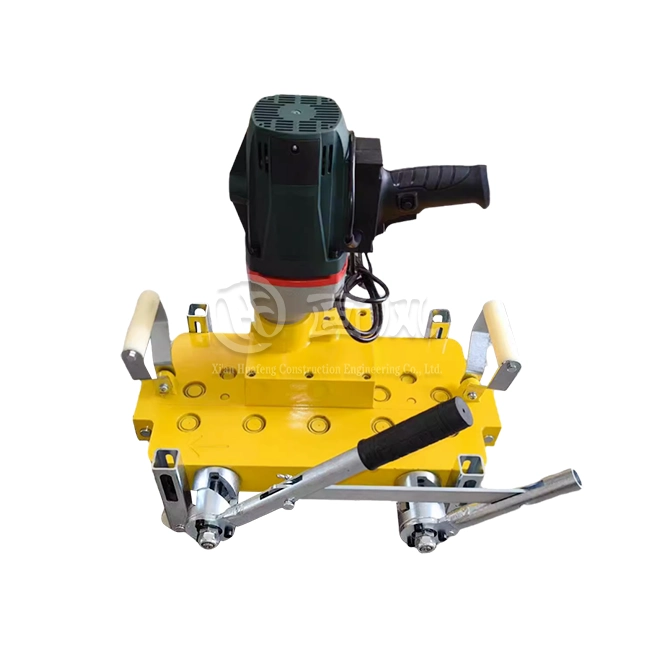
You can sew seams in a field in two different ways. When you press down on the male leg, it will click into the female leg. Setting up is faster on slopes above 3:12. For shapes that are mechanically seamed, like the 65-400, you need a driven seaming machine to fold the joint in half. This makes a seal that can stand up to 1/4:12 slopes. Which one you pick will depend on the roof's pitch and the wind-uplift grade needed by fire rules in your area.
Material Selection and Thickness Logic
For the base of a standard seam roof panel, you can use galvanized steel (G90), Galvalume (AZ50/AZ55), or aluminum alloys (3003H24, 5052H26). We have sheets with thicknesses ranging from 0.5 mm to 1.2 mm. Thin sheets are good for light commercial roofing, while thick sheets are better for heavy industrial or coastal uses. PVDF fluorocarbon coatings have been tested and found to meet the requirements of AAMA 2605-22 and pass all 13 performance tests required by SGS certification. Standard polyester finishes don't protect against UV light as well as these coatings.
Performance Benefits and Durability of Standard Seam Roof Panels
Weather Resistance and Wind Uplift
Because fasteners are concealed beneath the seam, no screw holes penetrate the drainage plane. This design eliminates the leak paths that corrugated through-fastened sheets develop over time. Panels with mechanically seamed profiles meet UL 580 Class 90 wind-uplift ratings, making them suitable for hurricane-prone regions in the Middle East, Southeast Asia, and the Gulf Coast of the United States.
Thermal Movement and Long-Term Integrity
Metal expands and contracts with temperature changes. Standard seam systems use sliding concealed clips that allow the panel to move freely relative to the substrate without slotting fastener holes or cracking sealant. This thermal float mechanism is what separates raised-seam systems from screw-down roofs in terms of long-term watertight performance, particularly on spans exceeding 30 meters common in warehouses and airport hangars.
Energy Efficiency and Sustainability
PVDF-coated panels in light RAL colors reflect solar radiation and reduce cooling loads. Our panels are produced from materials that are 100% recyclable, and the aluminum substrates we stock comply with EU RoHS Directive 2011/65/EU — confirmed by SGS testing where all 10 hazardous substances were either undetected or below specified limits. When combined with a rigid insulation layer, the assembly can meet energy codes across ASTM, DIN, JIS, BS, and GB/T standards.
Procurement Considerations for Standard Seam Roof Panels
It's not enough to just look at the FOB price to find the right source. Total landed cost and project timelines are affected by how much work can be done, how ready the paperwork is, and how consistent the product is from batch to batch. Here are some important things to think about before you make a big purchase:
For steady supply, HF has three factories with more than 40 machines and seven color-coating lines that can make 1,000 tons of goods every month. Orders don't get held up during busy times of the year like they do with suppliers who only have one plant.
With shapes like 25-330/400/430, 32-410, 45-400, and 65-400/430, as well as a width range of 0.5 to 1.2 mm, buyers can get more than one SKU from the same supplier. This makes it easy to do mixed-container activities.- Minimum Order Quantity and Payment Terms: When you place an order, the least you can get is 500 square meters, which is 1 ton. It needs 15–20 days to get there. TT and LC can both be used to pay. These are the main ways that building material suppliers in Africa, Eastern Europe, and Latin America do business.
Choose your color and brand. We offer all RAL and Pantone colors, and sellers who want to make their own lines of products can talk about OEM/private-label deals.
- Supply continuity: HF operates three factories with seven color-coating production lines and more than 40 machines, supporting a monthly output of 1,000 tons. This capacity means orders are not subject to the seasonal bottlenecks common with single-plant suppliers.
- Specification flexibility: Available profiles (25-330/400/430, 32-410, 45-400, 65-400/430) and a thickness range of 0.5–1.2 mm allow importers to source multiple SKUs from a single supplier, reducing the complexity of mixed-container logistics.
- MOQ and payment terms: The minimum order quantity is 500 square meters or 1 ton, with delivery lead times of 15–20 days. TT and LC payment arrangements are both supported, which aligns with the standard terms used by building material importers across Latin America, Eastern Europe, and Africa.
- Color and branding options: The full RAL and Pantone color palette is available, and OEM/private-label arrangements can be discussed for distributors seeking to build proprietary product lines.
When you buy something, these things make it safer, and category managers have the proof they need, like SGS test reports, AAMA 2605-22 coating certification, and AS/NZS 1530.3 fire test results, to meet the needs of different markets and customs rules, all of which are essential when specifying a standard seam roof panel.
Comparative Analysis to Support Procurement Decisions
Standard Seam vs. Corrugated Roofing
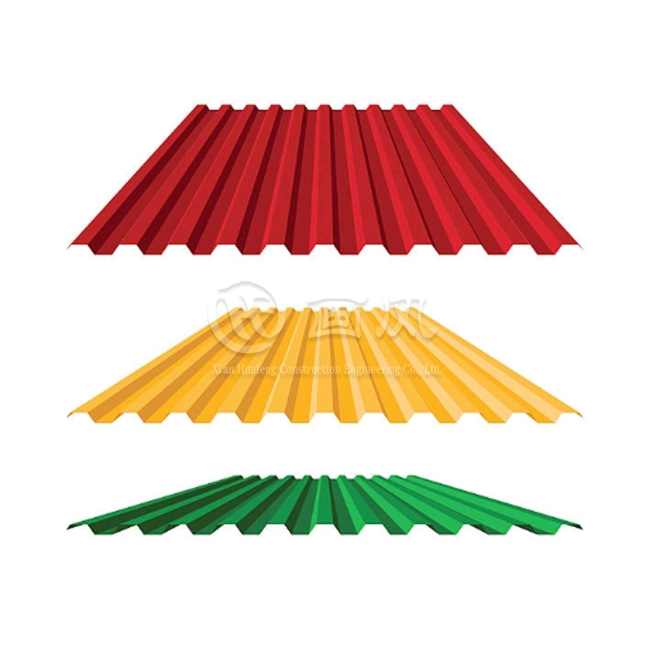
There are exposed fasteners and laps that cross each other in corrugated metal sheets. This makes many leaky spots over time and limits the longest span that can be held without support. There are normal seam designs that can handle both of these issues. It costs more to buy the raised-seam method at first, but it costs less to maintain over time. This is especially important for warehouse or industrial projects that need to meet strict standards for waterproofing and interior clearance.
Standard Seam vs. Asphalt Shingles
But asphalt shingles need to be changed every so often because they wear out quickly in windy or snowy weather. They are meant to last 20 to 25 years in mild areas. When you get a metal raised-seam roof from HF, and make sure it's put correctly, it comes with a 30-year service guarantee. This means that the roof will last longer and cost less to own over its lifetime.
Evaluating Supplier Credibility
Procurement leaders shouldn't just believe what a source says; they should also check that the seller has real quality certifications. HF has been approved by both ISO 9001 and ISO 14001, and it has more than 20 patents for roofing systems. Before you decide to buy, you can look at SGS test results from a third party to see how well the coating performs in terms of AAMA 2605-22, RoHS compliance, and burning performance.
Maintenance, Measurement, and Longevity: Maximizing Your Investment
Accurate Measurement Before Ordering
Getting an order wrong costs money. To get the area of the roof, multiply the width by the length from the top to the eave. Then, add at least 5% to account for cuts and waste along the edges and through holes. Check the load table for the panel thickness you picked to make sure the space between the purlins is correct. That is, a 0.5 mm panel is not rated for the same span as a 0.8 mm or 1.2 mm panel. They can help you avoid problems with field fit if you give them your project plans before you place your order, which is especially important when ordering a standard seam roof panel.
Routine Maintenance Protocols
It is best to check the sealant on ridge caps and wall flashings twice a year, in the spring and fall. Also, clean out the valleys and gutters and check to see if the clip fasteners are coming loose in the areas around the house that get the most wind. Panels with PVDF coating only need a light soap wash to get rid of dirt on the surface. Alcohol and window cleaner were used in AAMA 2605-22 tests to show that the coating is resistant to chemicals.
Extending Service Life Through Coatings and Insulation
Adding an extra anti-corrosion treatment to the roof's cut edges and holes when it's being put on can make it last longer in seaside or industrial areas. When you use a hard polyisocyanurate (PIR) insulation board with the panel system, it works better at keeping heat in and keeping moisture out. In places where the weather changes a lot from day to nite, this is important. These easy changes will protect the asset and cut down on the number of fixes that will need to be made over time.
Conclusion
As long as it is well-built, a raised seam metal roof will keep out the weather for many years. For the project to work, the form, thickness, base material, and finish of the panel must all match the needs of the area and building. The HF product range has four seam profiles, a thickness range of 0.5 to 1.2 mm, PVDF and PE surface options, and meets ASTM, DIN, JIS, BS, and GB/T standards. This gives importers and wholesalers the range of specifications they need to serve different market segments from a single supplier, making it a comprehensive standard seam roof panel offering.
FAQ
1. How long does a standard seam metal roof last?
With PVDF-coated Galvalume substrates and proper installation, a raised seam metal roof typically performs for 30 to 50+ years. HF backs its panels with a 30-year service warranty.
2. What is the minimum order quantity?
The MOQ is 500 square meters or 1 ton. Mixed-profile containers combining panels, accessories, and color cards are available, which helps wholesalers manage inventory across multiple SKUs.
3. Can these panels be installed on low-slope roofs?
Yes. The 65-400 mechanically seamed profile is designed for slopes as low as 1/4:12. The double-folded seam with factory sealant handles temporary water ponding without infiltration.
4. What documents are available for customs clearance?
HF provides SGS test certificates, ISO certifications, material test reports, and product origin documentation. Panels meet ASTM, DIN, JIS, BS, and GB/T standards, covering most import-market specification requirements.
5. Are custom colors available?
A full range of RAL and Pantone colors is available. OEM and private-label arrangements can also be arranged for distributors building their own branded product lines.
Get a Quote from HF — Your Trusted Standard Seam Roof Panel Supplier
HF sends 1,000 tons of standard seam roof panel products to more than 100 different countries every month. The panels are sent out in 15–20 days, and 500 m² is the lowest amount that can be ordered. The rules that ASTM, DIN, JIS, BS, and GB/T follow are used to make our panels. They also have PVDF coatings that have been checked by SGS and come with a 30-year warranty. Email huafeng@hfmetalroof.com about your project to get a bulk price quote right now.
References
1. Metal Construction Association. Metal Roofing Systems Design Manual. 2020.
2. American Iron and Steel Institute. North American Steel Framing Alliance: Guide to Steel Roofing. 2019.
3. ASTM International. ASTM E1680: Standard Test Method for Rate of Air Leakage Through Exterior Metal Roof Panel Systems. 2022.
4. American Architectural Manufacturers Association. AAMA 2605-22: Voluntary Specification, Performance Requirements and Test Procedures for Superior Performing Organic Coatings on Aluminum Extrusions and Panels. 2022.
5. National Roofing Contractors Association. The NRCA Roofing Manual: Metal Panel and SPF Roof Systems. 2021.
6. Underwriters Laboratories. UL 580: Tests for Uplift Resistance of Roof Assemblies. 2018.





YOU MAY LIKE