Why Standing Seam Copper Roof Panels Dominate High-End Roofing Trends 2026
2026-10-26 20:54:11
If you work in historic building restoration or premium architectural construction, you already know that material selection defines the outcome. Standing seam copper roof panels have held their position at the top of the high-end roofing market for decades—and in 2026, their dominance is only growing stronger. From cathedral restorations in New England to luxury coastal estates, copper's natural patina, century-long lifespan, and structural integrity make it the material that serious craftsmen and restoration contractors consistently choose over any alternative.

Understanding Standing Seam Copper Roof Panels: Features and Benefits
Copper roofs are not in style these days. This method has been used on some of the most important buildings in the world for hundreds of years, so you know it will work.
What Makes the Standing Seam Design Different?
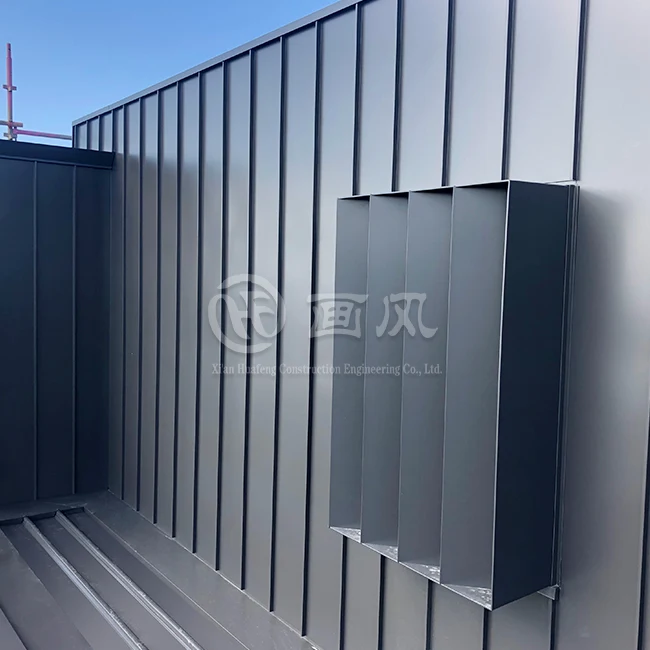
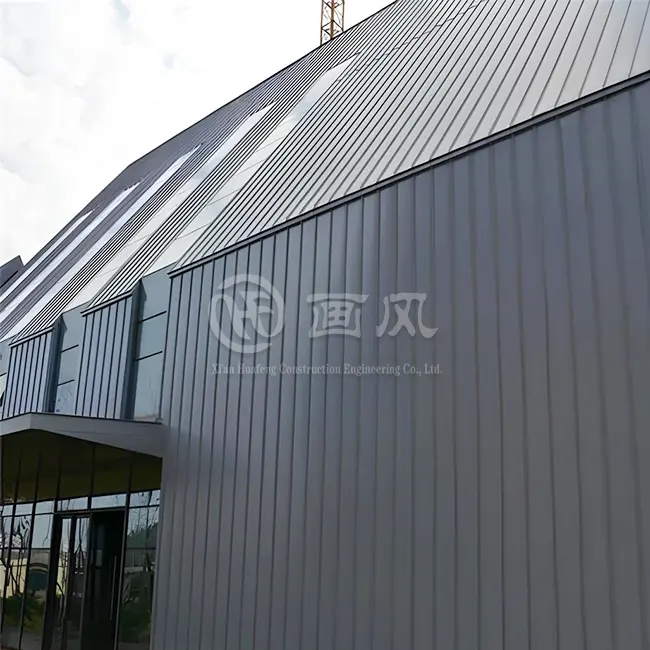
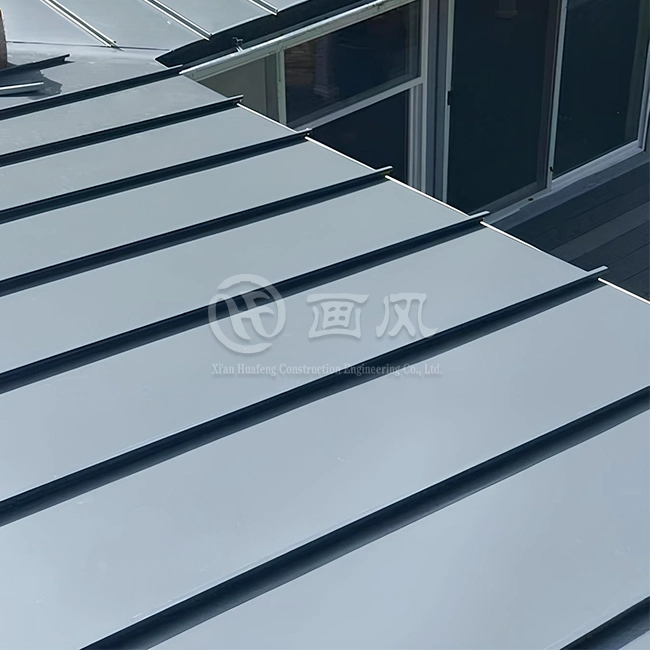
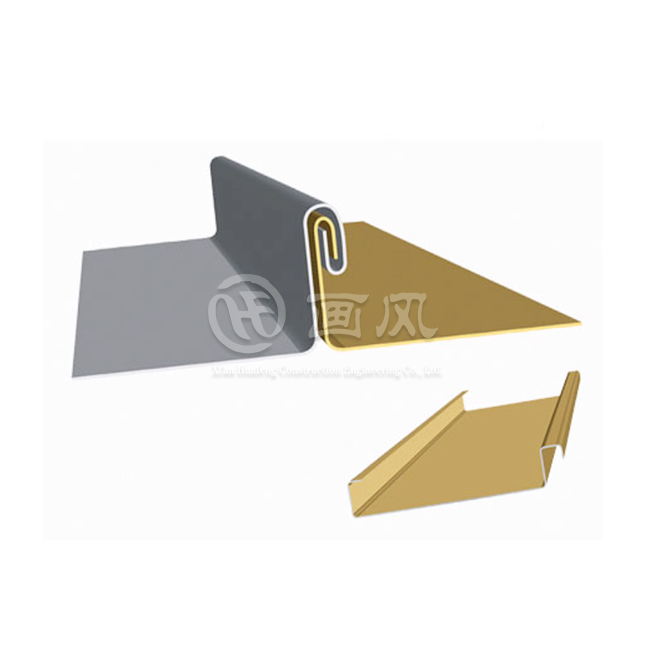
There are no screws that can be seen when you use the standing seam design because the panel joins are raised above the drainage line. With this secret clip system, standing seam copper roof panels can grow and shrink at a rate of about 16.8 µm/m·K without putting stress on the substrate or making leaky spots. The roof is sound and sealed, so water can't get in.
Material Purity and Specification
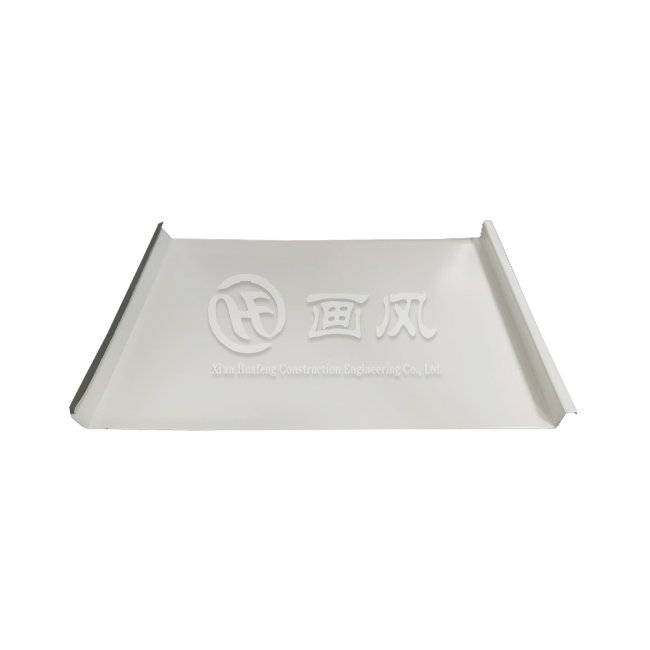
At least 99.9% of the copper used to make HF standing seam copper roof panels is pure C11000 electrolytic tough pitch copper. It has specs like 25-330/400/430, 32-410, 45-400, and 65-400/430. It is somewhere between 0.6mm and 0.7mm thick. PVDF or PE covers are two ways to treat the surface. For projects that need to match colors perfectly, there are also RAL colors and unique colors.
Longevity and Low Maintenance
Standing seam copper roof panels can last more than 100 years if they are put on correctly. Patina, the oxide layer on copper, grows naturally over time. An extra-thick layer forms on top, stopping any further rusting. Copper doesn't need to be sprayed like steel or metal that has been coated does. Moist or slimy plants can't grow on it either. Long-term repair is now a lot cheaper for jobs that are hard to get to and where it costs a lot to be down.
Why Standing Seam Copper Roof Panels Outperform Other Metal Roofing Options?
A lot of workers who have worked with steel, aluminum, and zinc agree on one thing: standing seam copper roof panels are better for long-lasting, important jobs.
Durability Compared to Steel and Aluminum
In places where salt is sprayed, steel needs protective coats. But these coats wear off over time. The metal does the job, but it doesn't feel or look like old materials, which is what projects that bring back history need. Copper is used in high-end beach homes instead of zinc or steel because salty air doesn't rust it. Steel and zinc break down after only a few decades.
The Aesthetic Advantage That Cannot Be Replicated
Copper will patinate in a way that can't be copied by coatings or paint. It will change from bright red to warm brown to its own unique blue-green verdigris. This natural age process is asked for by boards that look after historic sites, wealthy homes, and clients from institutions. Even if an old zinc panel is the same color, it can't match the depth and realness that an old copper building adds. Copper can be reused over and over again and doesn't damage over time. It's not as bad for the climate to build something because they last a long time and don't need much maintenance. Because of these things, copper roofs work well with LEED and other green building ratings. This is becoming more and more important for government and institution-funded repair projects.
Procurement Insights: Selecting and Buying Standing Seam Copper Roof Panels
A high-end repair or new building project needs standing seam copper roof panels. To find them, you have to make technical and practical choices that will have a direct effect on how the project turns out.
Key Specification Decisions
Being angry over things is just as important as being clean. Heavy-duty panel runs need H00 cold-rolled copper because it is stiffer. On the other hand, domes, barrel vaults, and curved shapes work better with O60 soft-annealed copper. The seam height you pick will affect how well the panels drain water and stand up to wind surge. The seams on HF's panels are between 25 mm and 65 mm high. When the slope is less than 3°, the mechanical double-lock standing seam is the most waterproof option.
Managing Copper Price Volatility
Roofing companies that specialize in certain types of roofs often worry about how copper prices change with the world markets. You should lock in the price of materials when the job is given, not when the order is placed. You may also be able to work with sellers who will hold prices for done jobs. Because HF can ship in 15 to 20 days, project plans can stay on track without having to keep too much stock on hand.
Small-Batch and Multi-Specification Sourcing
The minimum order number is something that specialty makers often have trouble with. Heritage repair projects often need more than one panel width and seam height to do the same job. HF lets you place small orders for custom cutting based on more than one specification. They can now get the 25-330, 45-400, and 65-400/430 profiles they need for their projects without having to buy a lot at once, which would cost more to move.
Installation and Maintenance: Best Practices for Maximizing ROI
It's not enough to just get the questions right. How well the standing seam copper roof panels were put on determines how long they will last, between 50 and over 100 years.
Fastener and Clip Compatibility
Don't let galvanic rust happen on your copper roof. It will last longer and not break as quickly. Glues, clips, and covering that are safe for copper must be made of copper, brass, or 300-series stainless steel. It's not a good idea to use stainless steel clips because they break down faster. Teams that are moving from working with steel panels to working with copper need to pay close attention to this point.
Thermal Movement and Deck Preparation
Copper panels must be easy to move around with extension clips. The space between clips can be between 300 mm and 600 mm because each panel is different. The deck should have a flat, even surface. Any flaws in the base show up as oil canning on the copper pan. You can better hide small waves if you use panels that are 0.7 mm thicker and add pan striations.
Patina Management and Inspection Cycles
Roofs that are painted need repairs more often than roofs that are copper. Every year, trash should be removed from ditches and valleys, and every 20 to 30 years, bright solder joints should be checked. You don't need to change the color. When fixing things, it's important that the old and new copper are the same color. A treatment that prepares the surface for oxidation speeds up the process of making the patina match the old copper.
Future Trends and Innovations in Copper Roofing for 2026 and Beyond
Standing seam copper roof panels can be used with thin-film solar integration because of the way the panels are shaped. Copper can move heat around well. Copper standing seam systems and solar panels built into the building have been used together in a number of European institutional projects. The traditional look of the building is kept, and power is made right inside the building. It's possible that this spot where rules for energy use and protection meet will get bigger as rules for both come together.
Integration with Photovoltaic Systems
Copper standing seam systems and solar panels built into the building have been used together in a number of European institutional projects. The traditional look of the building is kept, and power is made right inside the building. It's possible that this spot where rules for energy use and protection meet will get bigger as rules for both come together.
Advanced Coating Technologies
As long as the PVDF coatings used in HF's panel line are tested according to AAMA 2605-22 standards, the color will last for 30 years. The copper substrate doesn't rust on its own. With PVDF-coated standing seam copper roof panels, you can change how they look without making the material last less long. They can be used for jobs that don't need patina or where the color needs to fit an existing front.
Supply Chain Adaptation for Specialty Contractors
Skilled copper roofers are hard to find in Europe and on the East Coast of the US. Many things are hard to do because of this. Some sources offer pre-cut panel lengths, factory-applied sealants, and technical installation paperwork. This makes the job easier for people with the right skills and less likely that mistakes will be made. In this case, the project's success depends on choosing the right seller.
Conclusion
Standing seam copper roof panels are still the best choice for high-end buildings, and they always have been. They are made from real materials, are strong, and last longer than any other popular roofing choice. It's important for specialty roofing and repair workers that need materials for big jobs to find a source that can handle small orders of a lot of different profiles quickly. These are always the things that show if a project meets its time and quality goals.
FAQ
How long does copper take to develop a green patina?
How clean and humid the air is where you are can tell you how fast patina forms on standing seam copper roof panels. Green verdigris usually blooms every 5 to 7 years in coastal or industrial areas. In dry, hard-to-reach places, the process could take twenty years or longer. A service provider's pre-oxidation method can speed up copper repairs that need to match the color of old copper.
What seam height should I specify for a low-slope roof?
A 65mm double-lock standing seam is the best choice for slopes up to 3°. The joint stays above the drainage plane as it is raised. In low grades, the mechanical double-lock also makes a capillary break that keeps water out. Copper is naturally bendable, so panels can be shaped into a circle by a machine or put together by hand on-site without getting damaged. In fact, this is one reason why copper is better for building projects than metals like steel or zinc, which are stronger.
Can copper panels be used for curved or domed geometries?
Yes. Copper is naturally bendable, so panels can be shaped into a circle by a machine or put together by hand on-site without getting damaged. In fact, this is one reason why copper is better for building projects than metals like steel or zinc, which are stronger.
What is the standard thickness for standing seam copper panels?
When working with metal, 0.7 mm is often chosen because it is strong and simple to work with. HF has panels that are between 0.6mm and 0.7mm thick and have different specs, such as 25-330/400/430, 32-410, 45-400, and 65-400/430. These panels can be used for any project.
Get a Direct Quote from HF — Your Standing Seam Copper Roof Panels Supplier
Standing seam copper roof panels from HF (Xi'an Huafeng Construction Engineering Co., Ltd.) are made of T2-grade pure copper, have options for PVDF or PE surface treatments, and can be fully customized to any RAL color. It takes us 15 to 20 days to ship, and we can handle small orders with a lot of different needs. Specialists who can't handle high minimums or wait times they don't know about should use this. Email huafeng@hfmetalroof.com to get prices and information for your next job.
References
1. Copper Development Association. Copper in Architecture: Design Handbook. 2019.
2. Sheet Metal and Air Conditioning Contractors' National Association (SMACNA). Architectural Sheet Metal Manual, 7th Edition. 2012.
3. ASTM International. ASTM B370: Standard Specification for Copper Sheet and Strip for Building Construction. 2022.
4. American Architectural Manufacturers Association. AAMA 2605-22: Voluntary Specification, Performance Requirements and Test Procedures for Superior Performing Organic Coatings on Aluminum Extrusions and Panels. 2022.
5. U.S. General Services Administration. Historic Preservation: Technical Procedures for Metal Roofing. 2021.
6. National Trust for Historic Preservation. Preservation Brief 45: Preserving Historic Metal Roofs. U.S. Department of the Interior. 2020.





YOU MAY LIKE