Can House Standing Seam Metal Roofing Handle Extreme Weather?
2026-10-23 20:20:27
Yes — house standing seam metal roofing is genuinely built for punishment. The concealed-clip fastening system, raised interlocking seams, and PVDF-coated steel or aluminum panels work together to resist hurricane-force winds, heavy snow loads, hail impact, and intense UV exposure. Independent testing under ASTM and FM 4471 protocols confirms wind uplift resistance exceeding 140 mph when clips are correctly spaced. For custom home builders and high-end renovation contractors who need a roof that protects both the structure and the project's resale value, standing seam delivers performance that asphalt shingles simply cannot match over a 30-to-70-year service window.

Understanding Standing Seam Metal Roofing and Extreme Weather Challenges
Before looking at numbers, it's helpful to know why regular roofing materials don't work and what standing seam does differently at the design level.
What Makes Extreme Weather So Damaging to Conventional Roofs?
Asphalt shingles lose their granules when they are exposed to UV light, crack when they freeze and thaw, and lift when wind speeds stay above 80 mph for a long time. Thermal cycling can break down neoprene washers and cause fasteners to back out on metal walls with exposed fasteners. Both types of failure make places where water can get in, which get worse over time.
The Structural Advantage of Raised Interlocking Seams
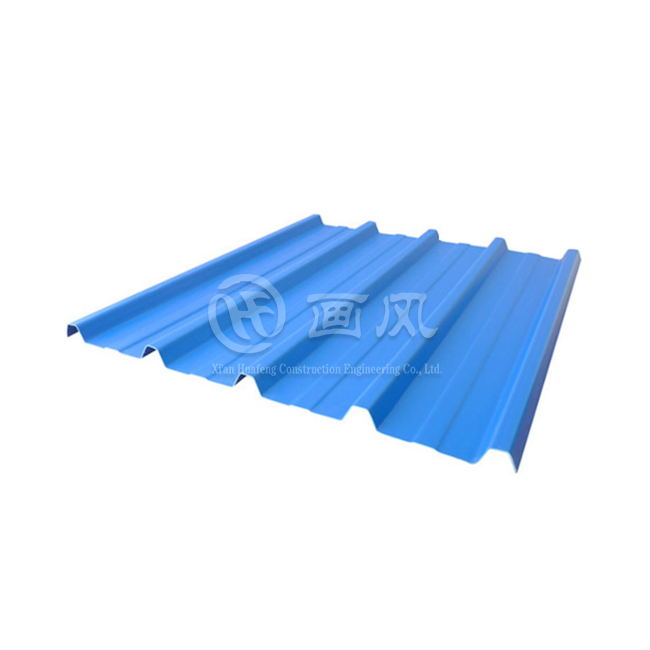
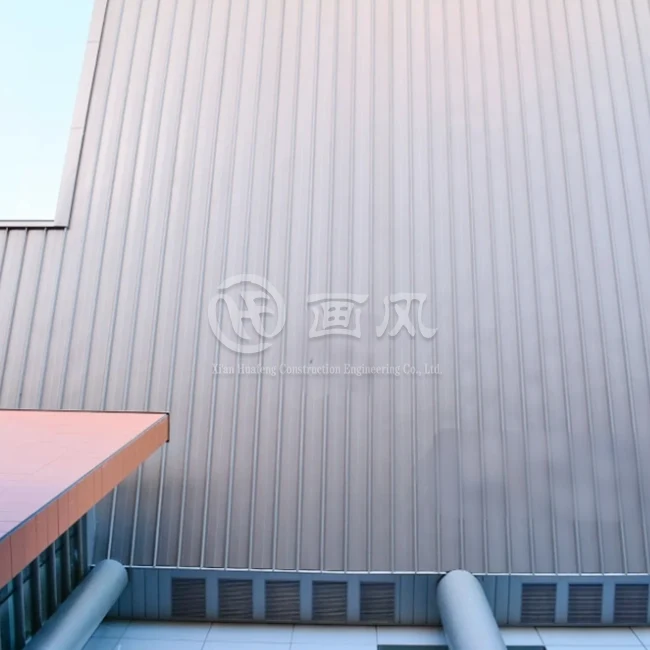
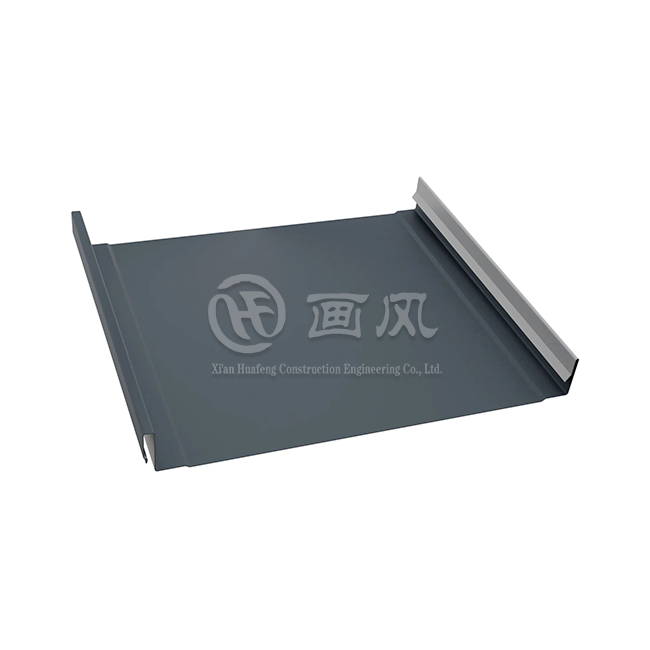
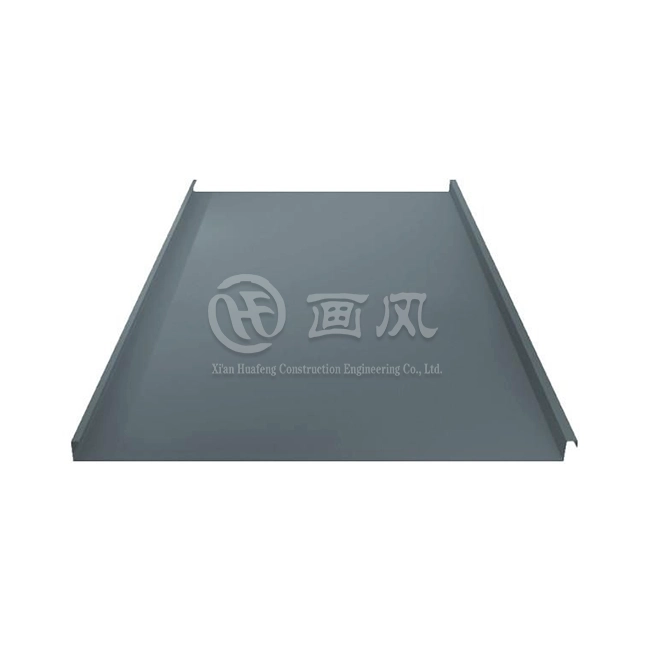
Instead of exposed screws, house standing seam metal roofing panels are joined together by raised seams that are usually 1 to 2 inches high. This shape keeps water completely away from the fasteners. The hidden clip system lets each panel expand and contract naturally with changes in temperature. This keeps the stress fractures that happen when rigid fastener holes in screw-down systems get cracked from happening.
Key Weather Threats and Corresponding Design Responses
In North America, most home roofs fail because of four weather conditions: high wind, ice jams, snow, and heat gain. Standing seam takes into account each of these factors by choosing the panel gage (0.4–1.2 mm thick), the seam height, the PVDF or PE reflective coatings, and the clip spacing. All of these factors can be adjusted by the maker to fit a certain temperature zone before the fabrication process starts.
How Standing Seam Metal Roofing Performs Under Extreme Weather
Claims made by engineers are only valid if they are backed up by official test data. What the evidence really says about four main weather scenarios is shown below.
Wind Uplift Resistance
Standing seam systems that are properly clipped usually get Class 90 grades under UL 580 and FM 4471 test procedures. This means that they can withstand wind speeds well above 140 mph. The main control variable is the clip width. Cutting the distance between clips from 60 inches to 24 inches can more than double the negative pressure capacity, which is very important for builds near the coast or in areas prone to tornadoes.
Snow Load and Ice Dam Prevention
Metal plates shed snow faster than asphalt or tile because their surface is smooth and doesn't stick to things. Also, PVDF-coated panels let melt water run off before it freezes again at the eave, which is what causes ice dams to form in the first place. It is physically impossible for water to move under high-seam profiles (45 mm and above), even if it pools for a short time.
Hail Impact and Fire Performance
House standing seam metal roofing can reach Class 4 impact resistance, which is the best UL grade, with steel panels that are 24 gage or thicker. Our SGS-approved aluminum panels (3003H24, 1.3 mm) got an ignition index of 0 in AS/NZS 1530.3:1999 testing, which means that none of the six samples caught fire. Because of this, the material is not flammable, which directly supports a Class A fire rating for the roof system.
Heat Gain and Energy Efficiency
PVDF surfaces have cool-roof pigments that reflect sunlight instead of soaking it. According to research from Oak Ridge National Laboratory, reflective metal roofing can cool down an attic by up to 34°F more than dark asphalt shingles. When it comes to custom homes in hot climates, this means less work for the air conditioner over the life of the building.
Installation and Maintenance for Optimal Weather Performance
If installation is rushed, even the best panel design won't work as well as it should. There are three things that set a 30-year roof apart from a 10-year headache.
Correct Clip Selection and Spacing
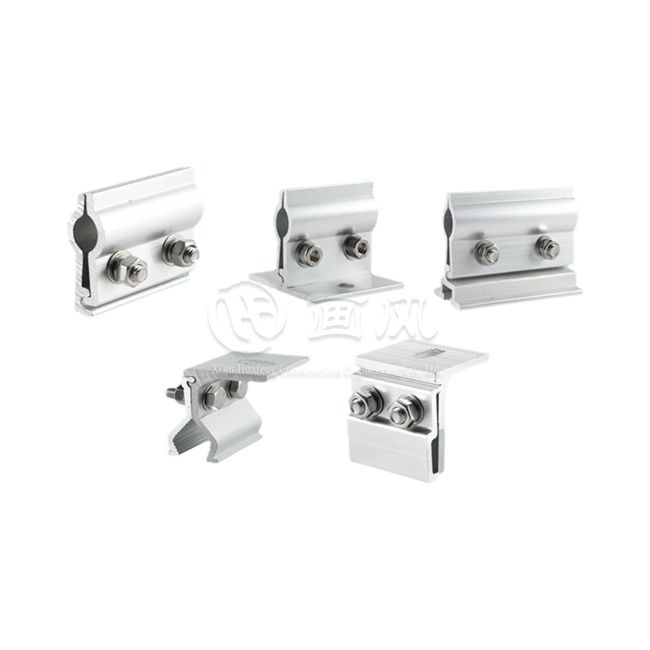
For runs longer than 30 feet, you have to use two-piece floating clips. The bottom part attaches to the deck or purlin, and the top tab slides into the gap, letting heat move two to three inches. When used on long runs, fixed clips cause oil canning stress and, in the worst cases, seam separation. If you choose 24-gauge panels with striations, the visible waviness is even lessened without affecting the panels' ability to keep water out.
Low-Slope and Pitch Transition Details
Snap-lock systems would break under water pressure at a 1:12 pitch, but mechanical double-lock seaming makes installation possible down to that level. When building a custom home with complicated shapes like valley transitions, dormers, or low-slope porch roofs, the seaming tool crimps a second fold into the seam. This makes a watertight joint that doesn't just depend on sealant.
Routine Inspection Intervals
When compared to exposed-fastener roofs, standing seam systems need less maintenance. A check every two years that looks at the state of the sealant at penetrations, the stability of the clips at the eave edges, and the wear on the coating at the cut ends is usually enough. There is no need to retighten the screws, which saves a lot of time and money over the 30-year ownership period.
Comparing Standing Seam Metal Roofing to Other Roofing Options in Extreme Weather
Custom home builders often wonder if the extra cost compared to asphalt or corrugated metal is worth it. It's easy to see the lifecycle data.
Standing Seam vs. Asphalt Shingles
Asphalt shingles have a nominal warranty of 20–30 years, but in areas with a lot of wind or UV light, they need to be replaced every 15–20 years. A standing seam system with a 30-year guarantee and a service life of 50 years or more is installed just once, while asphalt needs two or three. When you add up the prices of labor, waste removal, and project delays, standing seam has a lower total cost of ownership.
Standing Seam vs. Corrugated and Snap-Lock Metal
Fasteners on corrugated and R-panel designs are visible. As rubber washers wear down, every screw hole is a possible leak point. Snap-lock house standing seam metal roofing panels are better, but they can only be used for pitches of 3:12 or more. Standing seam, especially mechanically seamed profiles, can handle higher wind uplift, work on low slopes, and get rid of the need for fastener maintenance every 10 to 15 years.
Standing Seam vs. Tile and Slate
Clay tile and slate last about as long as metal, but they add a lot of structural dead weight—often 10–15 lb/ft² compared to 1.5–3 lb/ft² for metal. For custom homes where the builder is already figuring out the best way to frame the structure, the lighter weight of metal roofs can mean that the rafters and trusses don't have to be as big, which helps to cover some of the cost of the panels. Metal also works better than tile in areas prone to wildfires because it doesn't catch fire.
HF Metal Roof: Your Standing Seam Supplier for Demanding Climates
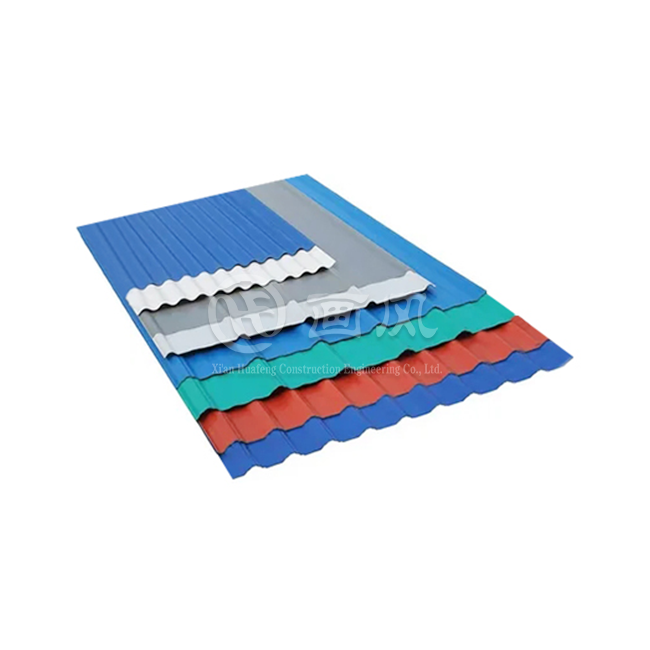
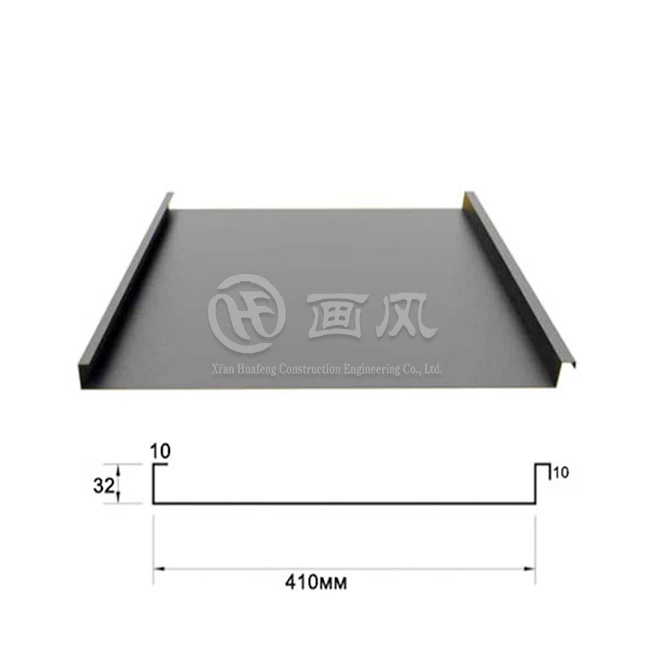
HF (Xi'an Huafeng Construction Engineering Co., Ltd.) has three factories that make standing seam metal roofing for homes. These factories have more than 40 processing tools and seven color-coating production lines. Profiles 25-330/400/430, 32-410, and 45-400 are among the options, and panel thicknesses range from 0.4 mm to 1.2 mm. PVDF fluorocarbon and PE coats are two types of surface treatments. Both come in RAL custom colors and matte finishes that builders now ask for on the fronts of modern homes.
All of the panels meet the standards set by ASTM, DIN, JIS, BS, and GB/T. Coating performance has been checked by a third party. Our PVDF finish passed all 13 of the AAMA 2605-22 tests, which included color accuracy (ΔE = 0.3), dry bonding (5B), and resistance to nitric acid. The warranty lasts for 30 years and covers both the performance of the material and the coating. The supply capacity is 1,000 tons per month, and standard delivery takes 15–20 days. For sample orders to make sure the plan works before committing to the whole project, the minimum order number starts at 500 m², which is equal to 1 metric ton.
Conclusion
House standing seam metal roofing handles extreme weather through engineering, not marketing language. Concealed fasteners, floating clips, high seam profiles, and PVDF coatings each address a specific failure mode that conventional roofing cannot overcome. For custom home builders who deliver projects where the roof is part of the design statement — not just a weather barrier — these systems provide the durability and visual consistency that support long-term property value. Backed by third-party certifications and a 30-year warranty, HF's standing seam panels offer a technically verified answer to the question this article started with: yes, they handle extreme weather.
FAQ
1. Does metal roofing make the house significantly louder during rain?
No. When installed over a solid plywood deck with a synthetic peel-and-stick underlayment, the acoustic difference between metal and asphalt is negligible. The deck and underlayment absorb impact sound before it transmits into the living space.
2. What is oil canning, and does it affect weather performance?
Oil canning is a visible waviness in the flat face of metal panels caused by internal stress during roll-forming or installation. It is an aesthetic characteristic, not a structural or waterproofing defect. Specifying thicker gauges (24 ga vs. 26 ga) and panels with striations reduces its visibility without changing the panel's weather resistance.
3. How long does standing seam metal roofing actually last?
Properly installed systems routinely reach 50 years or more. HF panels carry a 30-year manufacturer warranty covering both material integrity and coating performance — a baseline that exceeds most competing residential roofing categories.
4. Can standing seam panels be installed on a low-slope custom home roof?
Yes. Mechanically double-locked seams allow installation down to a 1:12 pitch. Snap-lock profiles require at least a 3:12 slope; below that, mechanical seaming is the correct specification.
Get a Custom Sample Quote from HF
HF sells house standing seam metal roofing for homes directly from the maker. Lead times are 15–20 days, and HF offers custom colors and a 30-year guarantee. Our team at huafeng@hfmetalroof.com can make a sample panel, make sure that the colors are consistent across batches, and keep your design specifications secret, whether you are planning a single custom build or managing large orders for several projects.
References
1. Metal Construction Association. Metal Roofing Systems Design Manual. 2022.
2. Oak Ridge National Laboratory. Thermal Performance of Reflective Roof Coatings. 2019.
3. American Architectural Manufacturers Association. AAMA 2605-22: Voluntary Specification for High Performance Organic Coatings on Architectural Extrusions and Panels. 2022.
4. ASTM International. ASTM E1592: Standard Test Method for Structural Performance of Sheet Metal Roof and Siding Systems by Uniform Static Air Pressure Difference. 2021.
5. FM Approvals. FM 4471: Approval Standard for Class 1 Metal Roofs. 2020.
6. Insurance Institute for Business & Home Safety (IBHS). Hail and Wind Resistance of Metal Roofing: Field and Laboratory Findings. 2021.





YOU MAY LIKE
(1)_1763110678300.webp "standing seam metal roof panels")