Snap-on metal roofing vs. traditional folded on site
2026-06-09 11:00:00
When you look at Snap-on metal roof systems against traditional folded on-site installs, it's easy to see which one is better: factory-precision Snap-on metal roof panels are easier to install and last longer. These concealed-fastener systems get rid of the need for hard physical work on the job site, cutting installation time by 30–50% while keeping standards tighter. With HF's 30-year guarantee, procurement managers can be sure that projects will be finished on time and at a lower total cost than with on-site production methods, where quality can vary, and weather can cause problems.

Introduction
Modern commercial and industrial buildings utilise metal roofing solutions increasingly because they endure longer and operate better. The correct metal roofing system influences every aspect of your project, from price to maintenance. We've helped hundreds of contractors and developers make this decision, and the data demonstrates that wise purchasing decisions prevent mid-project adjustments from being too costly.
This tutorial compares Snap-on metal roofing vs foldable on-site roofing in detail. It helps B2B procurement specialists choose based on project requirements, pricing, and quality. Understanding these options might help you manage risk and maximise roofing investments. This is particularly true for multi-building or staged projects that must maintain quality.
Understanding Snap-on Metal Roofing and Traditional Folded On-Site Systems
How Snap-on Metal Roofing Works
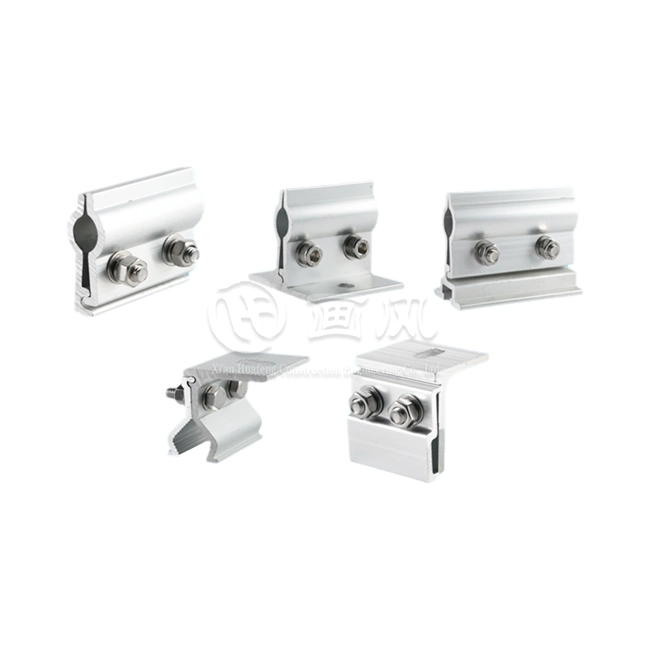
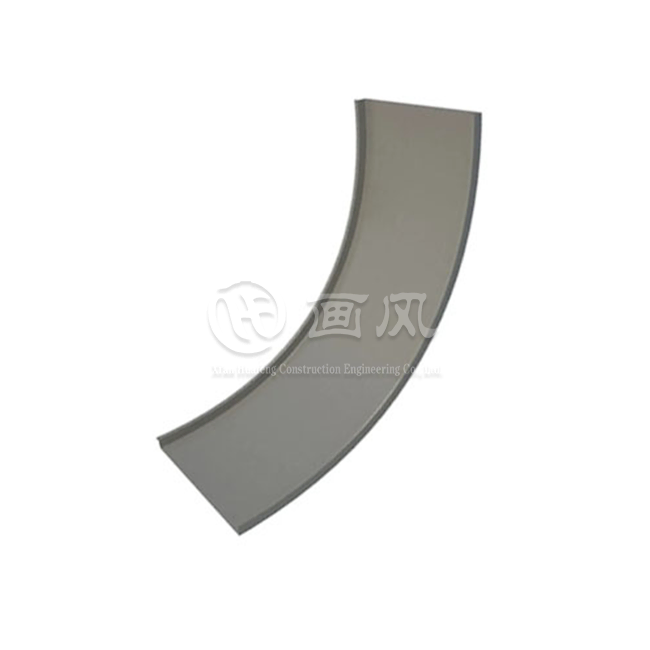
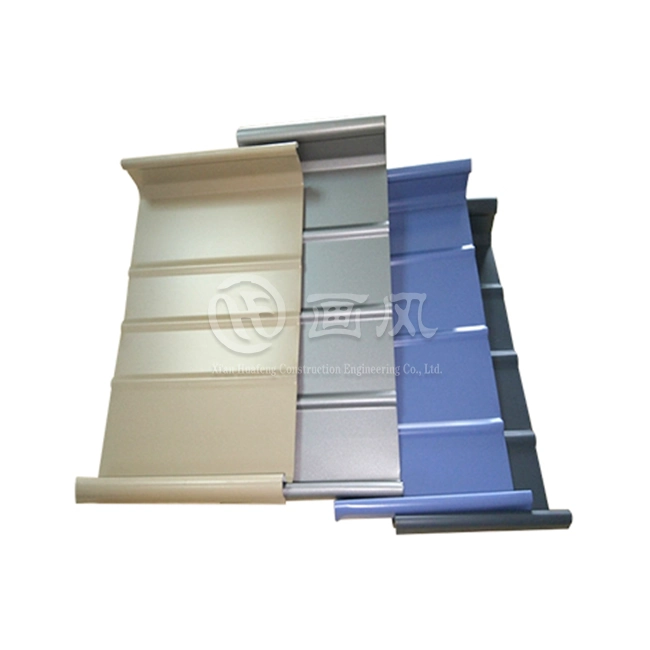
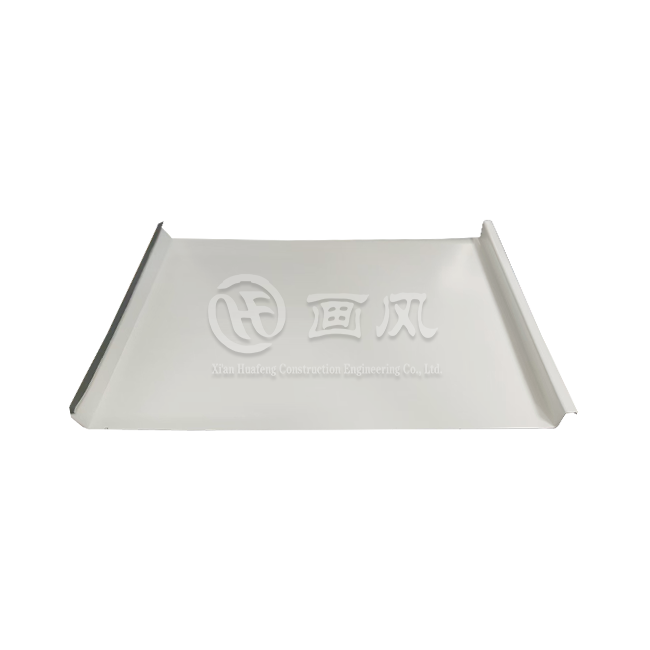
Snap-on metal roofing uses panels made in a factory with edges that fit together easily and quickly on-site. This ensures uniform quality, speeds up installation, and lowers the cost of work. HF's snap lock metal roofing uses a unique male-female leg design that connects through vertical compression. This makes concealed-fastener assemblies that keep the roof's clean lines while providing excellent weather protection. The panels come already cut to the right shape and thickness, ranging from 0.4 mm to 1.2 mm. They can be made of aluminum alloy, galvanized steel, stainless steel, copper, or titanium zinc, based on the building's needs and the needs of the surroundings.
Traditional Folded On-Site Systems Explained
For traditional folded on-site roofing, raw metal sheets are bent and shaped at the building site to fit specific sizes. This requires a lot of skilled artistry and hard work. Craftsmen use portable bending brakes to make standing seams right on the building, measure and cut coil stock, and put together roof sections. To use this method, you need skilled metal workers who know how thermal expansion works and can keep the fold angles the same even when the weather changes.
Core Technology and Material Differences
Controlled factory settings make it possible to make things with great accuracy, which leads to measured quality benefits. HF panels have PVDF or PE finishes applied to their surfaces, which protect them from UV light and keep their color for decades. These finishes meet ASTM standards for coating bonding and chalk protection. Traditional ways use finishes that are made in the field or a pre-painted coil that gets damaged when it is handled during installation. Panel width uniformity varies a lot. Systems made in a factory keep tolerances within 1mm across 12-meter lengths, but panels that are made on-site usually have 3- 5 mm differences that add up over big roof areas.
Limitations of Traditional Folded On-Site Roofing and Introduction to Snap-on Metal Roofing
Challenges with On-Site Fabrication
Traditional folded on-site roofing has problems, such as being hard to install and requiring specialized workers. There is also a higher chance of mistakes happening during the production process, and wait times can change depending on the weather. If it rains, work has to stop completely because water weakens seams before panels are fully attached. Extreme temperatures make metals harder to work with. For example, aluminum becomes rigid in cold weather, and measures become distorted when metals expand too much. The supply of workers is another problem because qualified sheet metal workers charge high wages and might not be available in all places.
How Snap-on Systems Solve Installation Problems
Pre-formed snap-on metal roofing panels make fitting simpler, minimise labour needs, and increase quality control via factory manufacturing standards. In HF's production process, automated punching places clips. This ensures consistent spacing and wind-lifting resistance per structural engineering norms. Installation teams use audible-proof panels. This reduces errors and eliminates the need for $8,000–$15,000 seaming instruments.
Looking at the typical installation stages side by side shows the difference. Old-fashioned processes include measuring, cutting, shaping edges, prepping seams, arranging panels, sealing seams, and binding. Bad weather or unpredictable personnel may stop these stages. Snap-on metal roof installation simplifies substrate preparation, clip attachment, panel positioning, and engagement. This reduces fieldwork hours by 40% for comparable occupations.
Performance Comparison: Durability, Energy Efficiency, and Maintenance
Structural Integrity and Weather Resistance
When it comes to longevity, Snap-on metal roofing panels usually have better structural integrity than folded on-site panels. This is because they are made with uniform standards and use advanced fastening systems that are better at resisting wind uplift and corrosion. The hidden clip system lets panels float freely, allowing for thermal expansion without putting stress on the connection points. This is a huge benefit in places where temperatures change by more than 80°F from summer to winter. HF's 30-year guarantee shows that they are confident in the durability of the materials. It covers both base corrosion and finish degradation that happen naturally in the environment.
Energy Performance and Sustainability Compliance
Reflective coatings and built-in insulation for Snap-on metal roof systems are energy-efficient. These reduce building energy usage and satisfy sustainability criteria. Depending on colour, PVDF coatings on HF panels have SRI values between 30 and 85. This reduces commercial building cooling needs. This performance fulfils LEED cool roofing criteria and offers purchasing teams the evidence they need to achieve green construction objectives. Finally, the materials may be fully recycled, which supports the circular economy, which is becoming increasingly essential in public initiatives.
Long-term Maintenance Requirements
Different systems have very different maintenance needs. Snap-on metal roof panels usually need less maintenance and last longer, which means they have a lower total cost of ownership, which is an important thing to think about when managing long-term manufacturing assets. The concealed fastener design gets rid of the visible screws that come loose over time. This takes care of the biggest upkeep problem with through-fastened metal roofs. Routine inspections can happen every year or every three to five years, and all that's needed to keep them looking good and working well is rainwater or light washing.
Economic Considerations: Cost Analysis and Procurement Insights
True Cost Comparison Beyond Material Pricing
Comparing prices shows that folded on-site roofing may have lower initial material costs, but higher total costs due to waste and labor-intensive installation. A close study of similar 50,000-square-foot warehouse projects shows that the average cost of materials for on-site systems is $3.50 to $4.20 per square foot, while the average cost of materials for Snap-on metal roof systems is $4.80 to $5.60 per square foot. On-site installation costs $4.50 to $6.20 per square foot, while Snap-on metal roof systems cost $2.80 to $3.90 per square foot. This is because crews can install systems faster and with less skill.
Procurement Strategy and Supply Chain Management
The two methods have very different ways of getting things. Snap-on metal roof products, like HF's systems, can only be bought from approved makers who put a lot of emphasis on quality control. To make sure production runs smoothly, orders must be at least 500 square meters or 1 metric ton. Delivery times of 15 to 20 days make planning easier, and using RAL standards to customize colors lets buildings match without having to wait longer for deliveries. Local metal supply wholesalers make it easier to get traditional folded metal roofs, but the quality of the roofs depends on how well they are installed and not on how well the manufacturers control the quality.
Contractor Selection and Warranty Protection
Factors that affect installation costs go beyond hourly rates and include the length of the guarantee. For HF's 30-year material warranty to apply, the installation must be certified and follow the written rules. This means that the choice of contractor has a direct effect on the safety of your long-term investment. Best practices for procurement include checking the training certificates of installers, looking at references from finished projects, and setting clear communication rules for quality checkpoints. By spending money up front on skilled installation teams, you can avoid warranty disputes and expensive repairs that can cost more than the money you saved by picking cheaper installation choices in the first place.
Decision-Making Guide: Choosing the Right Metal Roofing System for Your Project
Project Scale and Timeline Considerations
Whether you choose Snap-on metal roof or folded on-site metal roofing relies on the size, complexity, timeline, and type of application of the job. Snap-on metal roof systems work great for big business or industrial projects that need to be set up quickly and consistently with high quality. For example, installation speed directly affects practical revenue in distribution centers that are over 100,000 square feet. Installing during cooler months or bad weather conditions stretches building windows that would have ended if fabrication had to stop on-site.
Application-Specific Performance Requirements
Folded on-site ways might work well for smaller buildings or very specific uses where adaptability is more important than uniformity. Some historic repair projects need exact copies of current profiles that can't be made by machine systems because they are too expensive. Buildings for farms that are far away might prefer on-site ways when the cost of transporting pre-formed panels gets too high. By understanding these subtleties, you can avoid over-specifying solutions that add cost without delivering the same amount of value.
Trade-offs in Cost, Durability, and Aesthetics
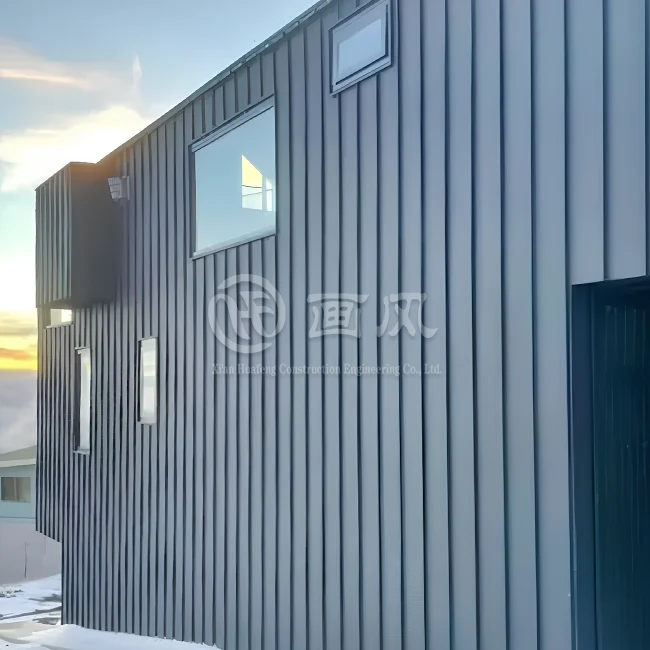
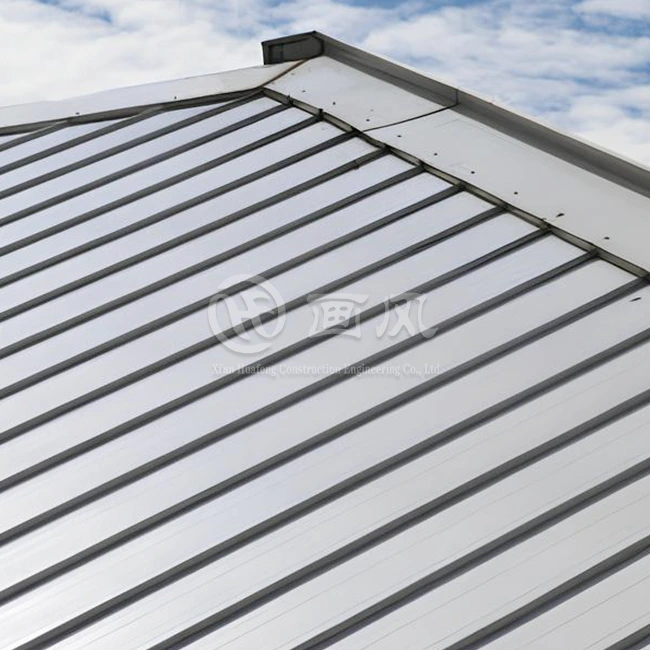
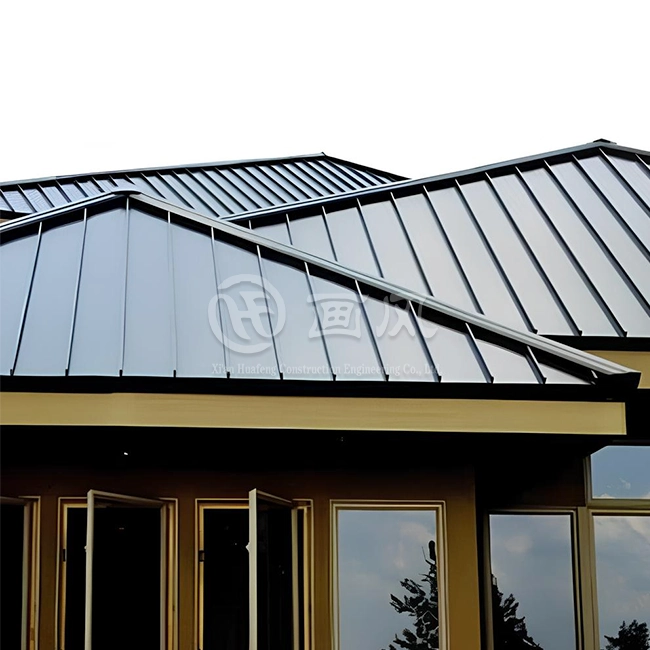
The choice grid keeps a number of different factors in check. With its clean vertical lines and wide range of color options—HF even lets you change the color to any RAL—Snap-on metal roof standing seam metal roofing looks great and is perfect for roofs that people can see on shopping malls or corporate campuses. When buildings are meant to last 30 to 50 years with little maintenance, durability benefits become very important. When weather windows are small, or building usage dates are tight, installation speed is very important. Instead of going with the lowest starting cost, procurement managers should base their decisions on which of these factors are most important for each project.
Industry Validation and Case Studies
Commercial property developers are always happy with Snap-on metal roof systems when they need to copy designs in more than one place for a job. A regional logistics business we worked with switched all 12 of their sites to HF snap lock roofing. This cut installation time by 35% and saved them 22% in costs compared to their old on-site method. The certainty made it easier to bid on projects accurately and cut down on extra funds for unexpected costs. In design-build projects, engineering companies are specifying concealed-fastener systems more and more because they know they make things more predictable and lower the need for on-site supervision.
Conclusion
Comparing Snap-on metal roof systems to the old way of folding roofs on-site shows that the latter is clearly better in terms of performance and cost for most business and industry uses. Factory-made panels from companies like HF offer uniform quality, faster installation, and better long-term durability, all backed by full guarantees. Even though the original prices of materials are higher, the total cost of ownership is lower because of lower maintenance costs and lower labor costs. Professionals in procurement should look at Snap-on metal roof standing seam systems for projects that need to stick to a strict schedule, produce consistent quality, and require little upkeep over time. The technology has grown to the point where it is now the standard for business roofs.
FAQ
1. What installation timeline should I expect for snap-on systems?
Depending on the complexity of the roof and the experience of the crew, Snap-on metal roof installations usually take 30 to 50 percent less time than folded-on-site methods. A simple 30,000-square-foot low-slope business roof might take 8–10 working days to build with Snap-on metal roof panels, but 14–18 days to build on-site. The weather doesn't have as much of an effect because the panels come ready to be put together, and the mechanical engagement process can handle light rain that would stop traditional seaming.
2. Are snap-on panels compatible with existing roof structures?
HF Snap-on metal roofing panels are designed to be used on both new buildings and roofs that have already been installed. Because they are so light—about a tenth the weight of regular clay tiles—they can be used for re-roofing jobs that don't need extra support for the structure. To be compatible, the substrate must be properly prepared, and the right flooring must be chosen. The floating clip system, on the other hand, can handle uneven substrates better than hard fastening methods. Technical support teams can look at individual retrofit situations and suggest the right connection requirements.
3. What warranty coverage protects my investment?
Factory-made roofing solutions are very reliable because they come with warranties that cover multiple years on the purity of the materials and the performance of the finish. If the product is installed correctly by experienced professionals, HF will cover substrate corrosion, perforation, and PVDF finish decline for 30 years. This full coverage goes beyond most paint warranties on field-formed systems and gives financial partners the proof they need for long-term asset planning.
Partner with HF for Your Snap-on Metal Roof Supplier Needs
With over 200,000 square meters of production space and modern color finishing lines, Xi'an Huafeng Construction Engineering Co., Ltd. has a track record of making snap-lock metal roofs. Our Snap-on metal roof systems come in a range of materials that can be changed to fit your needs, such as aluminum alloy, coated steel, stainless steel, copper, titanium zinc, and more. The widths range from 0.4 mm to 1.2 mm, and we can match any RAL color. We can make things and send them within 15 to 20 days for orders that are at least 500 square meters. Our quality systems are ISO9001 and ISO14001 approved. You can email our technical team at huafeng@hfmetalroof.com with your project details, ask for material samples, or set up a meeting with our engineering staff to talk about how to get the best deal on roofing materials and get professional installation help.
References
1. American Institute of Steel Construction. "Metal Roofing Systems: Performance Characteristics and Installation Standards." AISC Technical Publication Series, 2021.
2. National Roofing Contractors Association. "Comparative Analysis of Standing Seam Metal Roof Systems." NRCA Technical Manual, 2022.
3. Green Building Council. "Cool Roofing Technologies and Energy Performance in Commercial Buildings." USGBC Research Report, 2020.
4. Metal Construction Association. "Concealed Fastener Roof Systems: Design Guide and Best Practices." MCA Publication 102, 2023.
5. Construction Specifications Institute. "Metal Roofing Installation Labor Productivity Study." CSI Industry Research, 2021.
6. American Society for Testing and Materials. "Standard Specification for Metallic-Coated Steel Roof Panels." ASTM E1592 and Related Standards, 2022.





YOU MAY LIKE