Types of Metal Roofs – Snap Lock vs Mechanical Lock vs Exposed Fastener
2026-06-09 11:00:00
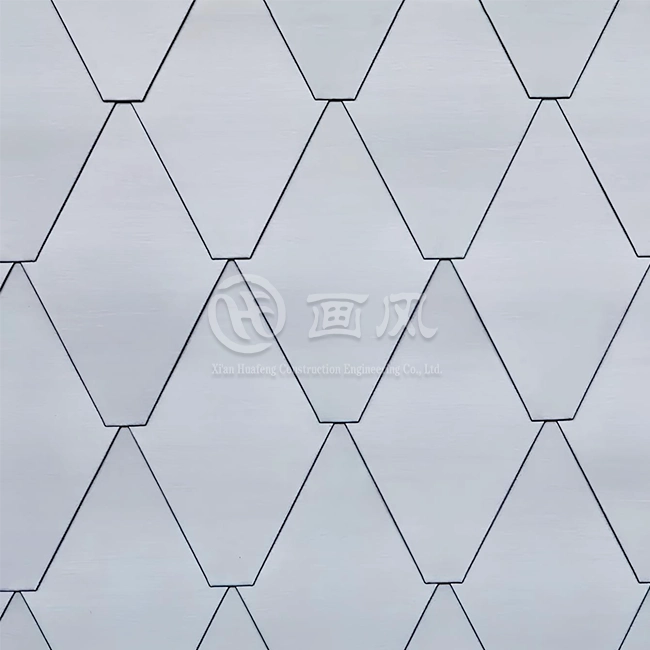
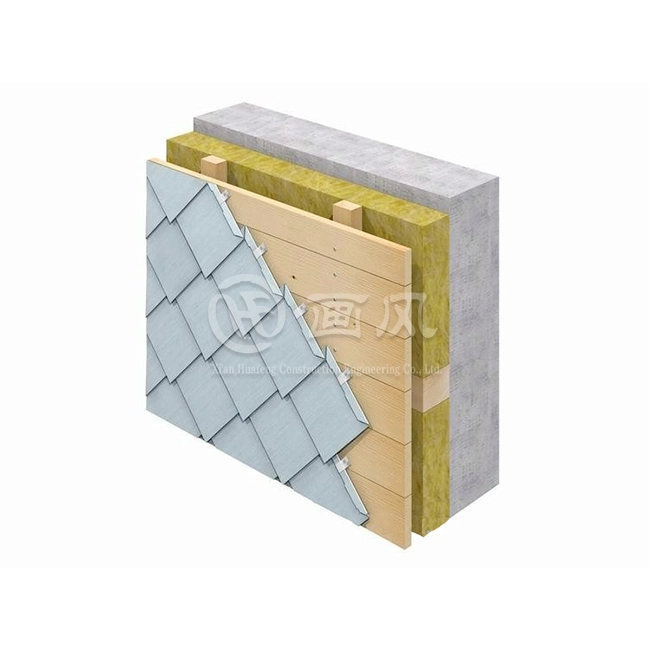
Metal roofing is becoming more popular in business, industrial, and household settings because it lasts longer and costs less over its lifetime. Picking the correct roofing system can affect how long a job takes, how much money is spent, and how well it works in the long run. There are three main types of metal roofing configurations: snap lock standing seam, mechanical lock, and exposed fastener. Each has its own fitting requirements, performance ratings, and uses. As a result of its concealed fastener technology and vertical engagement mechanism, the Snap-on metal roof system, also called snap lock, is becoming more and more popular among roofing contractors and property developers who want to speed up the installation process while still maintaining a high level of aesthetic quality.

Understanding Metal Roof Types: Snap Lock, Mechanical Lock, and Exposed Fastener
Metal roofing systems are grouped by how the panels attach and hold on to the roof deck. This has a direct effect on performance factors such as water resistance, temperature movement, and the amount of work needed for installation.
Snap Lock Standing Seam Systems
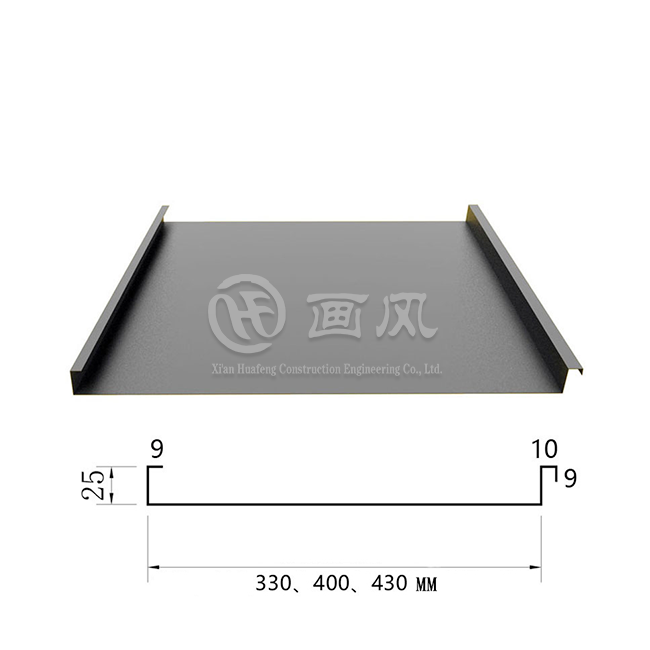
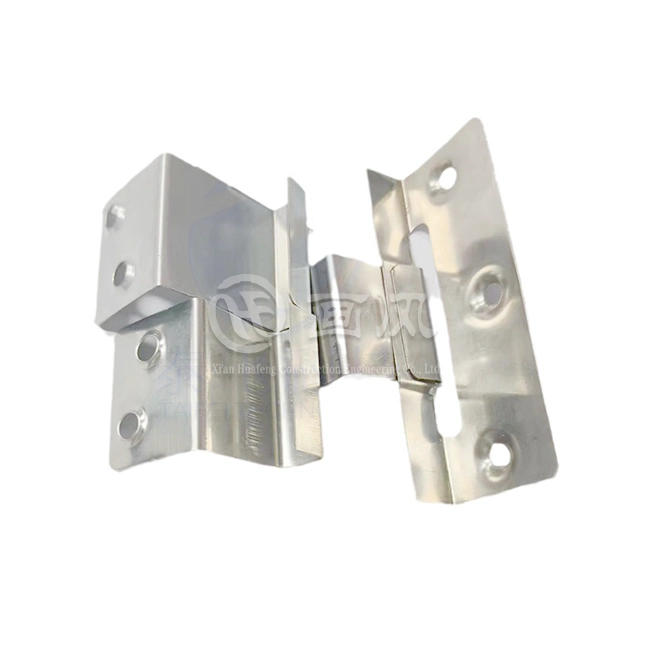
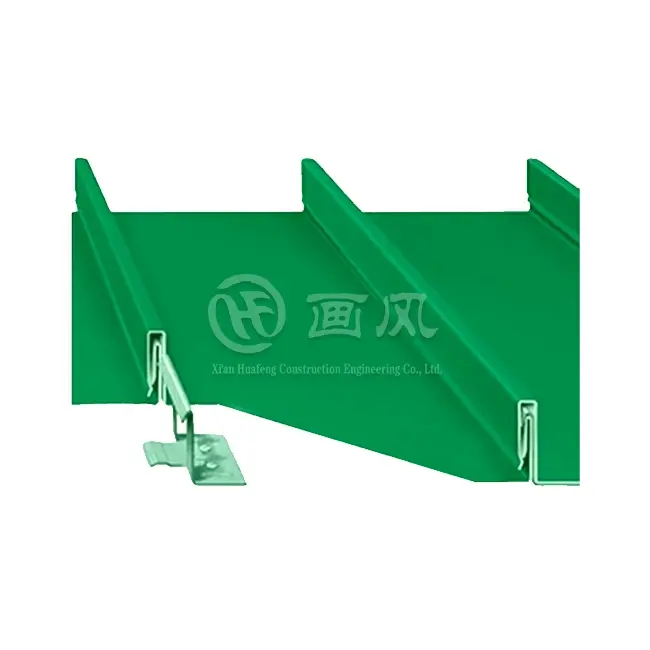
Snap lock panels' male-female leg structure clips vertically without mechanical seaming equipment. Hidden clips or built-in flanges connect panels to substrates. This helps the metal readily expand and contract with temperature. Metal roofs are often damaged by thermal stress, which loosens bolts and creates leak routes. The floating connection approach solves it. HF makes Snap-on metal roof panels from aluminium alloy, galvanised steel, stainless steel, copper, and titanium zinc. They have a 30-year guarantee and thicknesses from 0.4mm to 1.2mm, proving their reliability for commercial usage.
Mechanical Lock Roofing
Portable seaming tools that crimp the legs of two nearby panels together in a double-fold shape are needed for mechanical lock systems. This makes a seam that is very strong and resists wind uplift better than UL 90 standards, often beating them. The mechanical link makes the protection better and can be used in low-slope situations with a pitch of 0.5:12. Installation, on the other hand, needs trained professionals and special tools, which drives up labor costs and project timelines compared to snap lock options.
Exposed Fastener Panels
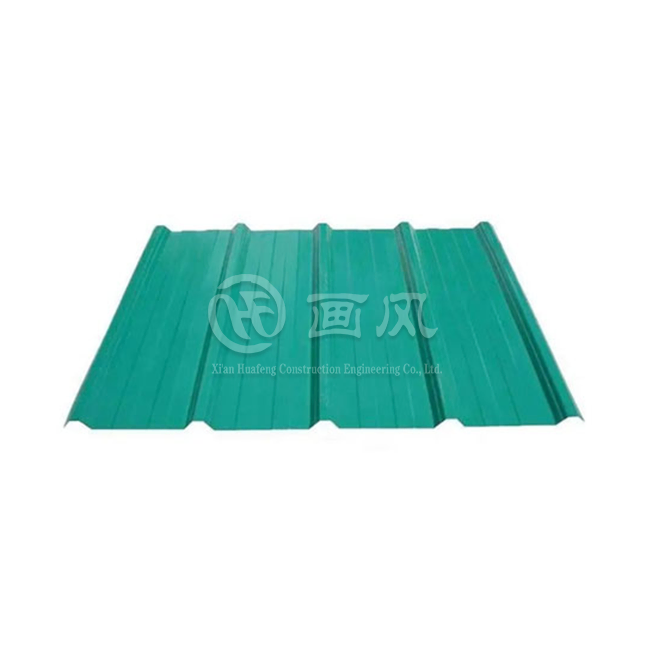
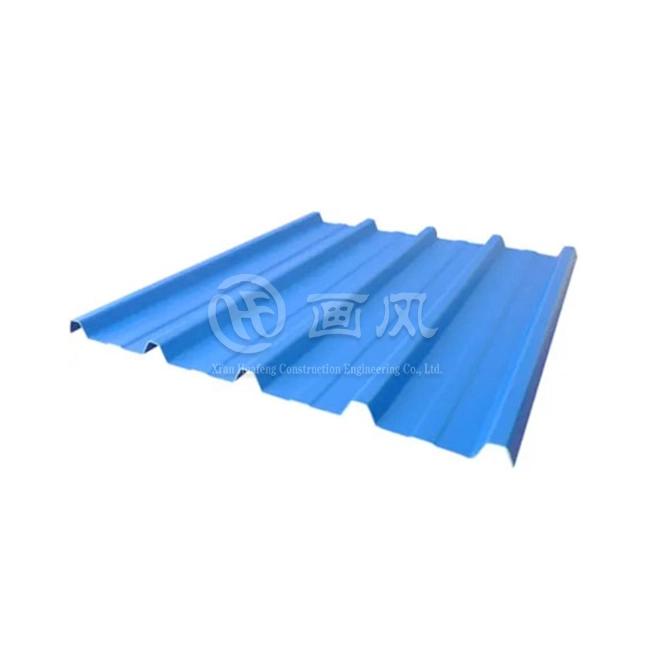
On the outside of the roof, you can see the fastener heads and neoprene washers that go through the metal surface of these typical panels and into the structure purlins. Even though exposed fasteners are the cheapest and can be put in place fastest by trained teams, they can fail because the washers wear down over time from UV light and temperature changes. Over the system's lifetime, it needs more maintenance, especially in places where temperatures change a lot or where it rains a lot.
Comparative Analysis – Snap Lock vs Mechanical Lock vs Exposed Fastener Roofs
When purchasing professionals look at metal roofing systems, they have to weigh a number of performance factors against the needs of the job and the available budget.
Durability and Weather Resistance
Standing seam methods, like snap lock and mechanical lock, are more durable over time because the fasteners are hidden. HF snap lock panels have PVDF and PE finishes that don't break down in UV light, so the color stays true and the panels don't rust after years of use. Mechanical lock systems work best in harsh coastal areas where salt air speeds up rust. However, snap lock panels made of stainless steel or aluminum alloys work just as well if they are properly described. Exposed fastener systems are naturally weak because washer tension sets and fastener holes get longer over time. This is especially a problem in places where it freezes and thaws a lot.
Installation Efficiency and Labor Costs
Snap lock panels can be installed up to 50% faster than mechanically seamed systems. This means that less work is needed and projects can be finished faster. If you buy at least 500 square meters of HF Snap-on metal roof panels for a business warehouse job, the roof can be dry-in within 15 to 20 days of placing your order, which includes our normal shipping timeframe. Snap lock configurations are slightly faster to install than exposed fastener systems, but when you look at upkeep and replacement costs over the course of their lifetime, hidden fastener systems are cheaper.
Thermal Movement Accommodation
Temperature variations cause metal roofs to expand and shrink. 100-foot aluminium panels may migrate more than 1 inch between winter and summer. Clip-attached snap lock systems offer limitless horizontal mobility. This prevents stress-related fastener loosening and panel warping. Mechanical seams adapt to temperature changes, but open fastener panels prevent metal from expanding, causing fastener damage and "oil canning."
Cost Analysis and Budget Considerations
Material costs for snap lock systems are between mechanical lock designs (highest) and visible bolt panels (lowest). A complete cost evaluation must include installation, maintenance, and service life. HF offers competitive market costs for bulk quantities and allows RAL colour matching. This allows buying managers to acquire the greatest prices without compromising quality. The 30-year warranty protects you financially if the system breaks down early, which should be considered while evaluating lifetime cost.
Snap Lock Metal Roof: Features, Benefits, and Ideal Applications
When engineers make snap lock standing seam roofing, they take into account problems that builders face on a wide range of assignments.
Technical Specifications and Material Options
HF snap lock panels may be produced to any length up to 12 meters and range from 300 mm to 600 mm; thus, they can be utilised in most construction circumstances without mid-roof splices. Galvanised steel (AZ150 and G550 grades), aluminium alloys for light purposes, stainless steel for rusty situations, and premium copper or titanium zinc for artistic statements are available. A panel thickness between 0.4 mm and 1.2 mm balances weight, cost, and structural performance. When treating the surface, PVDF coatings provide the finest weather protection while PE finishes save money.
Installation Best Practices
The foundation must be prepared and sloped before installation. A 3:12 slope is recommended for most usage, although superior underlayment systems can withstand 1:12. Hidden clips attach to structural decking at manufacturer-defined intervals, generally 12–18 inches. Before snapping each panel onto its clips, installers seat all seams throughout its length. For runs beyond 40 feet, expansion clips are needed to prevent cable binding during heat cycles. Ridge caps, eave trims, and entrance flashings must be detailed to maintain system sealing.
Maintenance Requirements and Longevity
One big benefit of Snap-on metal roof systems is that they don't need much upkeep over the course of their life. With hidden fasteners, you don't have to change the washers or tighten the fasteners as often as you have to with through-fastened systems. Regular checks should make sure that buildup of garbage hasn't stopped draining paths, and that sealants at termination points are still in good shape. The PVDF finishes on HF panels don't get moldy or mildewed, and they don't get dirty easily; in fact, rainwater is often enough to clean them. The corrosion-resistant base materials and protective coats make it possible for service lives of 30 to 50 years. In the right conditions, aluminum alloy panels can even last longer than that.
Case Study Applications
Over 85,000 square feet of old built-up roofs were replaced with HF snap lock panels at a logistics storage center in the Midwest. The project had many operational benefits, such as a 23% drop in summer cooling costs due to high solar reflectance, completion of the installation two weeks early to minimize business interruption, and the elimination of the recurring maintenance budget that had been set aside for fixing leaks. Snap lock systems are especially useful in commercial shopping spaces where the way the building looks affects how customers see it. The clean vertical lines and lack of obvious fasteners give the building a modern look that raises its value.
When to Choose Snap Lock Over Mechanical Lock or Exposed Fastener
To make a smart choice between metal roofing systems, you need to make sure that your project's technical needs are in line with its goals and limitations.
Decision Framework for Project Specifications
Construction managers should filter roofing systems for many variables. A key consideration is the building slope. Snap lock systems require a 3:12 slope; however, mechanical lock systems may function with lower pitches for hydrokinetic performance. Wind exposure must determine uplift resistance. Mechanical seams are superior in hurricane-prone coastal locations, although adequate snap lock systems can handle most interior projects. Due to short installation time, snap lock panels are recommended when speedier plans justify higher material prices by reduced labour costs. Budgets must consider lifetime expenses, not simply material expenditures. Hidden fastening systems are more expensive upfront but give superior long-term value.
Environmental Performance and Green Building Compliance
Sustainable construction initiatives are influencing company growth and material selections. Snap-on metal roof systems can help you get LEED certification due to their recycled material (HF panels are made of reusable aluminium and steel frames), solar reflectance that reduces urban heat islands, and ability to be fully recycled. Lightweight panels—about a tenth of clay tiles—reduce structural loading. This is particularly beneficial for rebuilding outdated roofs that can't hold heavier materials. Reflective coatings reduce energy expenditures and help firms meet environmental objectives. Snap-on metal roof systems are designed to meet green construction regulations.
Finding and Procuring High-Quality Snap Lock Metal Roof Panels
Choosing the right suppliers and making a good buying plan are very important for the success of a project.
Supplier Evaluation Criteria
Procurement managers should evaluate suppliers beyond pricing. Manufacturing skills determine customisation flexibility. HF offers 200,000 square meters of manufacturing space with seven colour finishing lines and automated shaping. Custom RAL colours and lengths are possible with this. Real process control and product stability certifications. For instance, ISO 9001 and ISO 14001 require planned quality management. The warranty term demonstrates the manufacturer's confidence in the product's dependability. HF's 30-year coverage exceeds industry standards and reduces capital investment risk. Technical assistance assists with specifications and installation, which are crucial for introducing new systems to purchasing procedures.
Procurement Strategies and Order Planning
Bulk purchases may save money on large projects or contractor volume guarantees. HF's 500-square-meter, one-ton minimum purchase covers most corporate requirements at economical bulk costs for Snap-on metal roof projects. Lead time planning should incorporate the 15–20-day delivery window. Project managers may arrange installation personnel around material deliveries. Custom colour orders may need extended coating and drying periods; therefore, parameters must be completed early. Supplier negotiations should include payment terms and credit programs, particularly for people managing cash flow for several employment involving Snap-on metal roof installations.
Installer Qualification and Partnership Development
Even while snap lock systems are simpler to install than mechanical seaming, you need proper training to follow the guarantee and acquire optimal performance. Supplier ties should include installer training or competent contractor networks. Contractors get skilled installation and system integration help from HF throughout the project. Long-term supplier relationships make communication simpler, prioritise urgent orders, and enable teams to work together to address difficulties when project circumstances change in the field.
Conclusion
To choose the right metal roofing systems, you need to look at their technical ability, how easy they are to install, and how much they cost over their entire life. When it comes to business uses, snap lock standing seam roofing strikes the perfect mix between hidden fastener aesthetics, ease of installation, and long-term durability. The system's ability to accommodate temperature movement stops common failure modes that affect uncovered fastener panels. It also gets rid of the need for specialized tools and trained workers that are needed for mechanical seaming. HF is a trusted partner for roofing contractors and property developers looking for quality solutions because we can make things, offer a wide range of materials, and offer a 30-year guarantee. As environmentally friendly building methods become more popular and lifetime cost analysis is used more often in purchasing decisions, Snap-on metal roof systems show clear benefits that make them worth serious thought for your next project.
FAQ
1. How long do snap-on metal roofs last compared to other roofing systems?
When placed correctly, snap lock standing seam systems can last between 30 and 50 years, based on the material used and how it is exposed to the elements. The 30-year guarantee on HF screens shows that they are expected to last that long. Mechanical lock systems last about the same amount of time, but visible fastener panels usually need fastener repair every 15 to 20 years and need to be replaced completely every 25 to 30 years because the interfaces between the panels and the fasteners wear out. The Snap-on metal roofs offer significant durability advantages in these comparisons.
2. Can snap lock panels accommodate solar panel installations?
Of course. The hidden clip connection method lets solar mounting pieces attach to standing seams without going through the roof and compromising its waterproofing. Having this feature makes Snap-on metal roof systems the best choice for business solar setups, as they can be used for two different purposes and make buildings more environmentally friendly.
3. What slopes work with snap lock roofing?
As required by industry standards, snap lock setups should have a minimum 3:12 pitch to allow water to drain properly and stop capillary entry. For flat uses, mechanical lock systems are best because they waterproof seams better, but some improved snap lock designs can handle 2:12 slopes and provide extra security for the underlayment.
Partner with HF for Premium Snap Lock Metal Roofing Solutions
Xi'an Huafeng Construction Engineering has the best Snap-on metal roof panel systems in the business and is ready to help you with your metal roofing needs. Our production infrastructure makes unique solutions out of aluminum alloy, steel, stainless steel, copper, titanium zinc, and PVDF and PE finishes in any RAL color. As a provider of snap lock metal roofs with a lot of experience, we offer reasonable prices for orders as small as 500 square meters and deliver them within 15 to 20 days. Our 30-year warranty and ISO-certified quality systems back this up. Our expert team helps you with everything from writing specifications to installing things, making sure that your project has the best performance possible. Get in touch with our experts at huafeng@hfmetalroof.com to talk about your needs and get detailed quotes for your future industrial or business roofing projects.
References
1. Metal Construction Association. (2021). Technical Bulletin: Standing Seam Roof Systems Comparison and Selection Guide. Metal Construction Association Publishing.
2. Smith, R.J. & Thompson, K.L. (2020). Thermal Movement in Metal Roofing: Engineering Solutions for Expansion Management. Journal of Architectural Engineering Technology, Vol. 45(3), pp. 112-128.
3. American Society for Testing and Materials. (2022). ASTM E1592: Standard Test Method for Structural Performance of Sheet Metal Roof and Siding Systems. ASTM International Standards.
4. National Roofing Contractors Association. (2019). Metal Panel Roof Systems Design Manual. NRCA Technical Operations Division.
5. Greene, M.P. (2021). Lifecycle Cost Analysis of Commercial Roofing Systems: A Comparative Study. Construction Economics Review, Vol. 38(2), pp. 201-219.
6. International Code Council. (2021). International Building Code Chapter 15: Roof Assemblies and Rooftop Structures. ICC Publishing Services.





YOU MAY LIKE
_1757558889992.webp "Metal Roofing Snowguards")