Best snap-on metal roof options for residential homes
2026-06-09 11:00:00
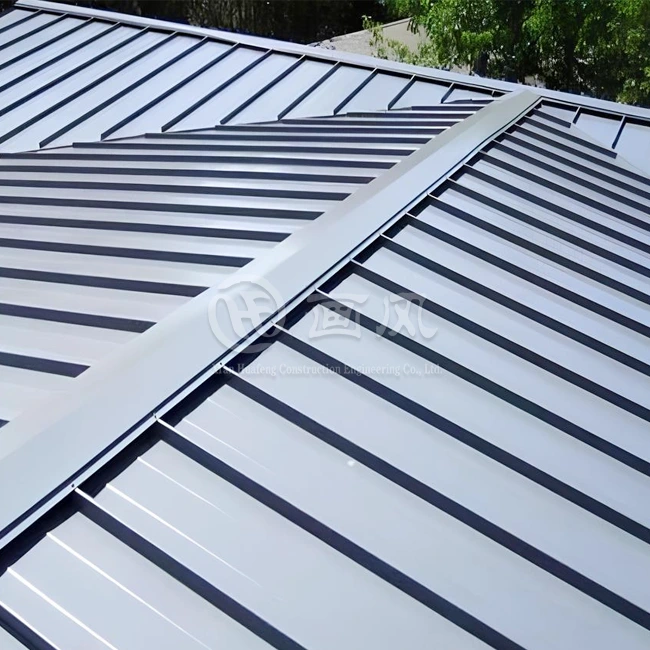
As more builders and developers look for roofing materials for home projects, Snap-on metal roof systems stand out because they are highly effective, look great in a variety of styles, and are easy to install. These standing seam systems, which are also called snap-lock metal roofs, use hidden fasteners with male and female shapes that fit together. This gets rid of screws that are showing and saves a lot of time. Snap-on metal roofs are better at resisting weather than traditional roofing methods that need special seaming tools or a lot of hand-fastening. They also cut installation costs by up to 30%, which makes them a smart choice for both new construction and renovation projects in the United States' many climate zones.

Understanding Snap-On Metal Roofs: What Makes Them Ideal for Residential Homes?
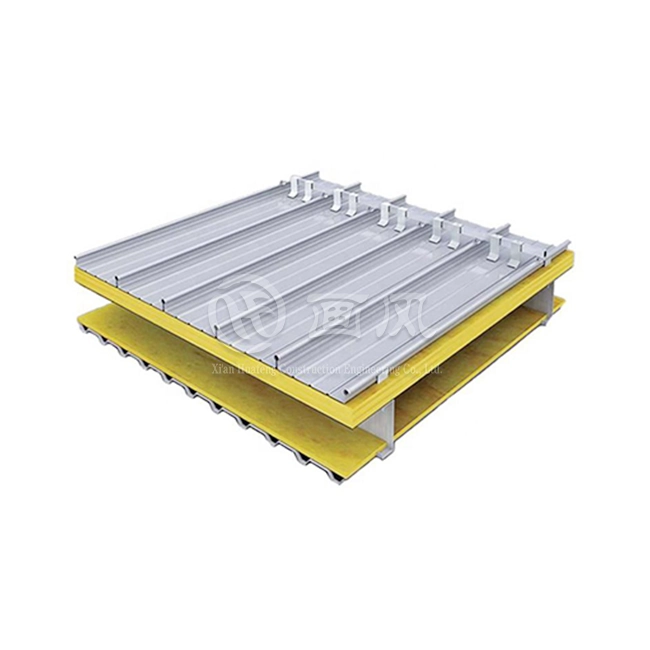
Snap-on metal roof systems are a major step forward in the technology used to build homes. One thing that makes them stand out is the way they attach to the roof. The vertical panel legs snap together either mechanically or with clips, making a continuous weather shield without any obvious screws going through the roof. This design directly fixes a common problem area in screw-down metal panels: fasteners breaking down from heat cycles causes leaks and a lot of work to do on them.
Durability Across Weather Extremes
Roofing materials that can stand up to wind lifting, hail damage, and changes in temperature are needed for residential projects in areas that get a lot of bad weather. When placed correctly, good snap-lock systems meet UL 580 Class 90 wind resistance guidelines and can withstand winds of more than 110 mph. The base materials, which are usually Galvalume steel, aluminium alloy, or speciality metals like copper and titanium zinc, don't rust naturally, which is very important for sites near water or in wet places. HF's snap-lock metal roofing comes in thicknesses ranging from 0.4mm to 1.2mm, but 0.5mm to 0.7mm is usually recommended for home use because it has the best strength-to-weight ratio.
Energy Efficiency and Thermal Performance
Using new covering technologies on modern Snap-on metal roofs makes buildings much better at using energy. PVDF (Polyvinylidene Fluoride) and PE (Polyester) finishes scatter solar energy, which means they need up to 25% less cooling in the summer than regular asphalt shingles. The mirrored qualities also help meet LEED certification standards, which makes them appealing to developers who want to build green. Besides the surface treatments, the raised seam shape makes an air gap under the roof that improves airflow, which further reduces the transfer of heat into living areas.
Low Maintenance and Extended Service Life
Lifecycle cost analysis is important to procurement managers, and snap-lock systems are appealing because they don't need much upkeep. The hidden fastener design stops the loosening and rust problems that happen with visible screw systems. Plus, the quality coatings stop UV damage, chalking, and colour loss. HF backs its snap-lock metal roofs with a 30-year promise, which shows that they are sure the material will last. Regular care only includes clearing out the gutters and removing waste every so often. Rain naturally cleans the metal surface, stopping the mould and mildew buildup that happens with organic roofing materials.
Comparing Snap-On Metal Roofs with Other Roofing Solutions
Knowing how snap-lock systems compare to other types of roofing helps people make choices about what materials to use based on the goals of the job. The comparison looks at how hard it is to install, how much it costs up front, how long it works, and whether it will work in different climates.
Installation Speed and Labor Economics
Installing snap-lock metal roofs is 50% faster than installing manually seamed standing seam systems, which need special crimping tools and people who know how to use them. Asphalt tiles are the most common type of roofing material in the U.S., but metal panels cover more area per piece, which saves time and money even though the materials are more expensive. Screw-down metal walls are easy to put up, but they don't look as nice or keep out the weather as well as designs with hidden fasteners. Tile flooring is strong, but it needs to be supported because it's heavy, and each piece has to be carefully placed one at a time, which makes the job take a lot longer.
Weather Resistance and Structural Performance
Snap-on metal roofs work better than traditional shingles in places where hurricanes or strong windstorms are common because the shingles blow off at lower wind speeds and need to be replaced more often. The constant interlocking seam makes a solid shield that water can't get through, even when it rains hard from the wind. Even though corrugated metal roofing is cheap, it doesn't look as nice or keep out the weather as well as snap-lock profiles, so it's not as good for high-end home projects. While clay and concrete tiles last a long time, they can be damaged by hail and falling trees. This is not a problem with durable metal panels.
Cost Efficiency Over the Asset Lifespan
An initial investment of $30 to 50 per cent more for snap-lock metal roofing than asphalt shingles, but the total cost of ownership is much lower for metal when repair costs and upkeep costs are taken into account. Asphalt shingles need to be replaced about every 15 to 20 years, but a good metal roof can last 50 years or more with little maintenance. Standing seam systems don't need to change fasteners as often as screw-down panels do because the holes in the fasteners get longer over time because of heat expansion. This long-term value proposition really hits home for business developers who are in charge of portfolios where replacing roofs causes tenants to stop working and uses up cash reserves.
How to Select the Best Snap-On Metal Roof for Your Residential Project
To pick the best Snap-On metal roof system, you need to carefully consider a lot of different factors, such as the material, the finishing technology, the supplier's reputation, and the weather conditions of the project.
Material Selection Based on Environmental Conditions
Climates and styles favour diverse foundation materials. Aluminium alloy doesn't corrode in seawater and is lighter, reducing structural strain in coastal environments. This is crucial for older house repairs. Steel plates, particularly Galvalume-treated ones, are sturdy and affordable for non-ocean locations. Copper's unusual colour attracts high-end homebuyers who desire something different. Stainless steel and titanium zinc are durable and high-performance, but they are costly and must be justified by the budget.
Coating Technology and Colour Retention
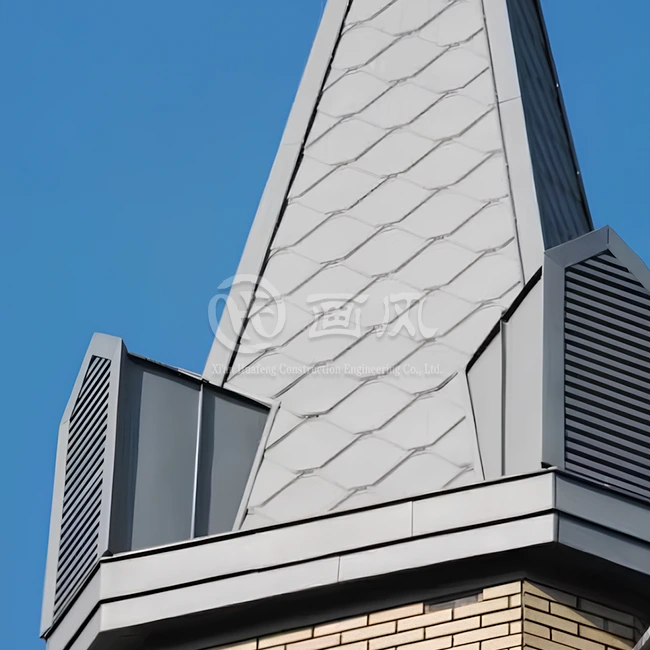
How you maintain the surface affects its appearance and heat retention. Kynar 500 PVDF coatings provide the greatest colour retention and chalk protection. Their excellent looks last 30 years or more, which is vital for visible household roof planes. PE coatings are good for low-cost tasks without high appearance demands. Colours may be changed using RAL standard colours and bespoke formulae in HF to fit interior and outdoor colour schemes. Lighter colours appear better and reflect more sunlight, saving southern areas cooling energy.
Supplier Certification and Warranty Verification
B2B buyers must thoroughly vet providers to reduce risk. Contractors should verify manufacturer certifications for ISO9001 and ISO14001 compliance. Test papers confirming UL fire ratings and ASTM E1592 structural performance ensure code compliance. Be sure to read the warranty. Full coverage should encompass material faults and coating performance with clear solutions. HF can undertake technical work and manufacture consistent goods as a high-tech corporation with curtain wall expertise and several patents.
Climate-Specific Engineering Considerations
Area natural conditions determine material needs and assembly techniques. Snow load capacity is crucial in northern states. The panel gauge, fastener spacing, and structural purlin location must withstand the weight without bending. Windy coastal areas require increased clip frequency and edge detailing to be weathertight during storms. Deserts have extreme daytime temperature variations; therefore, movable clip systems must withstand thermal expansion without buckling. Professionals purchasing goods should get engineering calculations that demonstrate compliance with local construction codes and circumstances.
Installation and Maintenance of Snap-On Metal Roofs: Ensuring Longevity and Performance
If you install Snap-on metal roof systems correctly and follow the upkeep steps that come with them, they should work as well as they should. Using experienced workers and setting up regular inspection times will protect the investment in the roof.
Installation Process and Contractor Qualifications
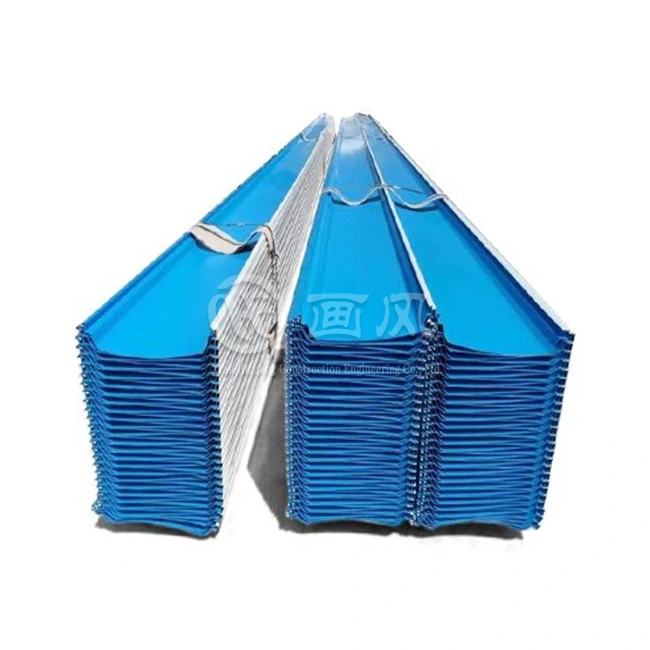
Snap-lock installation begins with substrate preparation. Make sure there's adequate ventilation, choose the correct underlayment, and flash roof modifications and penetrations. The male legs of each panel link to the female receiver of the preceding panel as they are placed vertically up the roof slope. Panels are attached to the foundation by floating clips, so they may expand and contract with temperature without stressing bolts. Hiring competent fitters who know the manufacturer's instructions will prevent clip overtightening and seam misengagement. HF recommends using licensed dealers who can assist with complex details and properly install your goods.
Maintenance Protocols and Inspection Schedules
Even though it doesn't require much maintenance, frequent checkups catch minor issues before they worsen. Roof walks once a year ensure seams are sealed, slopes are clean, and transition and flashing fasteners are snug. Frequent freshwater rinses remove salt deposits that accelerate corrosion in coastal systems. Panel surfaces normally clean themselves when it rains; however, tree-shaded parts may require moderate soaping to remove algae. Contractors should record inspection and maintenance findings to support warranty claims.
Warranty Coverage and After-Sales Support
Comprehensive guarantee programs safeguard you financially and demonstrate maker trust. Most material warranties cover structural integrity and panel holes. Colour fading and chalking above limitations are covered by coating warranties. Knowing what's not covered, such as faulty fitting or environmental pollutants, helps claims proceed smoothly. HF's 30-year guarantee demonstrates they care about product longevity, but contractors should understand how coverage transfers if property changes hands. Having fast access to professional advice for installation issues or field circumstances promotes project success and supplier relationships.
Leading Snap-On Metal Roof Brands and Procurement Options for B2B Clients
For strategic buying to work, you need to find Snap-On metal roof makers with good reputations, a wide range of products, and reliable delivery options. It is possible to make smart purchasing choices when you compare multiple providers based on quality measurements, customisation options, and logistics support.
Manufacturer Evaluation Criteria
Top snap-lock metal roof manufacturers stand out in many ways. You may build the greatest product for your project using aluminium, steel, stainless steel, copper, and unique metals. Advanced manufacturing tools, including multiple coating lines and precise panel forming equipment, ensure measurement quality and accuracy. HF's 200,000-square-meter manufacturing facilities feature seven colour coating lines and 40 processing devices. They may enhance manufacturing to fulfil massive residential projects. Innovation-driven patent files—HF has over 20—indicate technological leadership and differentiate goods.
Procurement Channels and Customisation Flexibility
Working directly with the manufacturer is best for big, customised, low-cost work. HF's 500-square-meter or 1-ton MOQ can manage medium-sized residential projects at affordable cost. Wholesale wholesalers combine orders and streamline logistics to help people handle several jobs. Online platforms allow suppliers new methods to contact consumers, but they must verify items and merchants. RAL colour matching and length customisation (up to 12 meters) enable architectural planning. Non-stock combinations may take longer. HF balances manufacturing flexibility and project schedules with 15–20-day shipment.
Quality Assurance Through Authorised Networks
Verified suppliers and skilled installers reduce the risk of fraudulent items or poor installation. Most manufacturers teach their licensed dealers to correctly install their devices. Suppliers may demonstrate their expertise by reviewing case studies and requesting samples from completed projects. SGS verification and HF's ISO9001 and ISO14000 certification prove quality methods are dependable. Procurement workers should inspect manufacturing, quality, and inventories when feasible.
Conclusion
Snap-on metal roofs are a great choice for home building because they last a long time, are easy to install, and save money over time. The hidden bolt design gets rid of common failure modes and allows for heat movement, making sure that the structure stays weathertight in harsh climates. With choices like aluminium, steel, and unique metals, you can make the product work best in different environments and look better. Even though they cost more up front than regular roofs, they pay for themselves over time because they last longer, require less upkeep, and use less energy. To have a successful implementation, you need to carefully choose your suppliers, pay attention to the engineering needs that are specific to your climate, and hire skilled installation experts. Snap-lock metal roofing systems are a smart investment in the quality of a home project for builders and developers who care about dependability, performance, and long-term value.
FAQ
1. What is the minimum roof slope required for snap-on metal roofs?
The best practice in the industry says that Snap-on metal roof systems should have an angle of at least 3:12. These roofs are not hydrostatic barriers, but rather hydrokinetic (water-shedding) systems. This means that slopes lower than 3:12 could cause water to back up at the seams during heavy rain or ice damming. Panels that are mechanically seamed and have tighter crimps work better for uses with less slope.
2. How does snap-lock roofing handle thermal expansion without buckling?
Floating clip systems separate the panel from the base, which lets it expand and contract along its length during changes in temperature without putting stress on the fasteners or warping the panel. When clip spacing is designed correctly—usually between 12 and 24 inches, based on the length and material of the panel—oil canning (visual waviness) is avoided while structural performance is maintained.
3. Can solar panels be installed without voiding the roof warranty?
Yes, solar arrays can be mounted with non-penetrating clamps that grip the standing seam. This way, leak spots are avoided, and maker warranties are not broken. This is a big benefit over shingle roofs, which need holes to be drilled into the structure. Before installing a roof, contractors should check with the producer about the best way to attach it so that the guarantee stays valid.
Partner with HF: Your Trusted Snap-Lock Metal Roofing Supplier
To take your home roofing projects to the next level, you need to work with Snap-on metal roof makers who offer technical know-how, production flexibility, and a dedication to quality that never wavers. Xi'an Huafeng Construction Engineering Co., Ltd. offers complete snap-lock metal roofing solutions with a warranty that lasts for 30 years, advanced PVDF/PE coating technologies, and a range of materials, including aluminium alloy, steel, stainless steel, copper, titanium zinc, and stainless steel, with thicknesses ranging from 0.4 mm to 1.2 mm. With 200,000 square meters of production space, we can reliably deliver orders with 500㎡/1T minimums in 15 to 20 days. We also offer a wide range of RAL colour customisation options and have quality systems that are approved by ISO9001, ISO14000, and SGS to support your project requirements. Email our technical team at huafeng@hfmetalroof.com to talk about your needs, get competitive quotes that are tailored to your growth goals, and ask for full specs. If you want a reliable and high-performing roof, look no further than HF. They serve builders and producers all over the United States.
References
1. Metal Construction Association. (2021). Architectural Metal Roofing Design Manual. Rolling Meadows, IL: Metal Construction Association Publications.
2. National Roofing Contractors Association. (2020). The NRCA Roofing Manual: Membrane Roof Systems—2020. Rosemont, IL: NRCA.
3. American Society for Testing and Materials. (2019). ASTM E1592-05: Standard Test Method for Structural Performance of Sheet Metal Roof and Siding Systems by Uniform Static Air Pressure Difference. West Conshohocken, PA: ASTM International.
4. Cool Roof Rating Council. (2022). Rated Products Directory: Metal Roofing Systems. Oakland, CA: Cool Roof Rating Council.
5. Underwriters Laboratories. (2018). UL 580: Tests for Uplift Resistance of Roof Assemblies. Northbrook, IL: UL Standards Publications.
6. Building Science Corporation. (2020). Metal Roofing Systems: Design, Installation, and Thermal Performance Considerations. Westford, MA: Building Science Press.





YOU MAY LIKE