Everything to Know About Standing Seam Wall System
2026-06-10 17:11:46
It is inevitable that metal wall systems will come up when construction and roofing companies talk about new ways to cover business and industrial buildings. The standing seam wall system is one of the best high-performance choices on the market today. It is an architectural covering solution made up of connecting vertical metal panels that make the outside look sleek and weathertight. Through its raised seam design, this advanced system keeps water out, gets rid of visible screws that weaken the structure, and provides great durability through hidden clip mechanisms. These systems are made from high-performance metals like aluminum alloys, galvanized steel, or zinc with long-lasting protected coats. They solve important problems in the industry, like heat movement failures, water entry, and loss of aesthetic appeal that happen with older cladding methods.

What Is a Standing Seam Wall System?
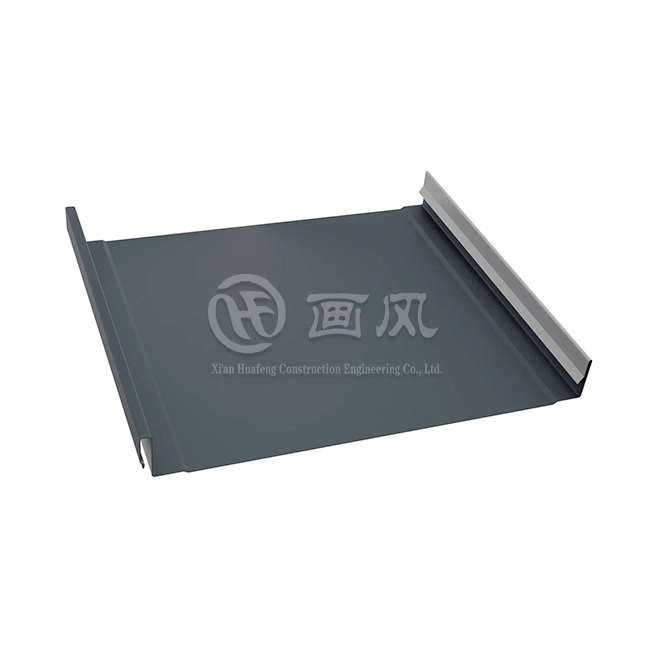
A standing seam wall system is a step forward in the technology of ornamental metal covering. This method doesn't use visible fastener profiles like most cheap buildings do. Instead, it uses vertical panels joined by raised, mechanically linked seams that sit above the panel surface. When you use hidden fixing, you can't see any screws or holes on the outside. This makes it much more weatherproof and consistent in appearance.
Core Design Characteristics
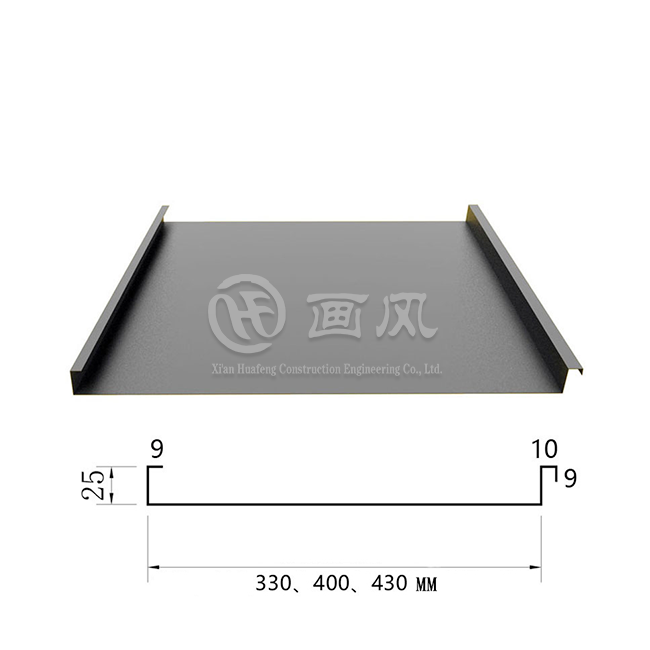
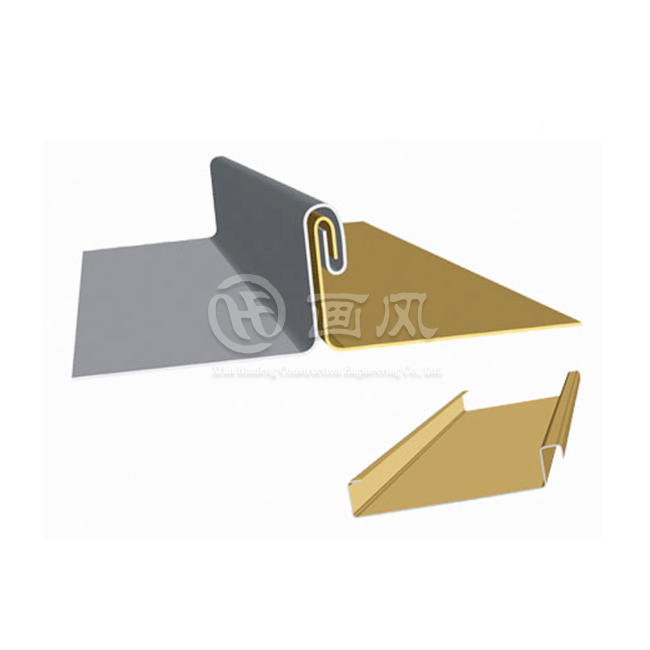
Mechanical design relies on snap-locking or roll-forming male and female panel sides. This connection seals the vertical joint continuously. Seam heights vary between 25 and 65 mm depending on wind force and drainage. Raised joints are more hydrostatically waterproof than flat-seam joints because they are above the main water flow line.
Lightweight coastal corrosion resistance is achieved using aluminium alloys AA3003, AA3004, and AA5052. Galvanised or aluminum-zinc coated steel (AZ150) provides high-rise structural stiffness. Zinc or copper make elegant architectural statements. If wind pressure protection and structural stresses are needed, the thickness may be 0.7 to 1.5 mm.
Coating Technologies and Performance Standards
Advanced covering methods protect and last. PVDF (polyvinylidene fluoride) finishes with 70% resin content, such as Kynar 500 or Hylar 5000, satisfy AAMA 2605 for high-performance organic coatings and retain colour for 20 years with Delta E values below 5. HDP coatings are cheaper and weatherproof. Mild-weather applications benefit from PE (polyester) coatings.
We produce 25–330, 400, 430, and 500 series panels. PE, HDP, or PVDF coatings may be applied to all of them depending on weather exposure and aesthetics. These coatings undergo thorough ASTM D4145 T-Bend testing to ensure the paint doesn't fracture or peel during seaming.
Benefits and Performance of Metal Cladding Systems
Modern standing seam wall systems have performance benefits that have a direct effect on the building envelope's structure and the total cost of ownership. With hidden fastening, there is no gradual degradation that happens with visible screw systems. As gaskets wear out and metal oxidizes, fastener holes become ways for water to get in. Using moving clip systems to accommodate thermal movement stops standard screw-down panels from buckling and fasteners from wearing out when temperatures change.
Structural and Weather Performance
The vertical lock-edge design and stronger rib structures increase wind pressure resistance. Properly constructed systems may withstand wind loads up to ±6000Pa, meeting ASTM E330 criteria for structural testing. Double waterproofing employs mechanical seam interlock and hot-melt butyl sealant applied by the mill within the female leg to offer continuous weather protection that fulfils ASTM E1646 water entry criteria.
Fire safety certificates pass ASTM E84 Class A non-combustible testing. This allows these systems to be employed in high-rise structures and institutions with severe fire code standards. Natural fire resistance means the metal base doesn't require further procedures or flame-retardant additives that break down.
Energy Efficiency and Sustainability Advantages
Standing seam wall systems are high-performance rainscreens that improve thermal efficiency when combined with continuous insulation and air barriers. A vent behind the panels drains water and air. Insulation and structure are protected from dampness. This assembly approach meets LEED certification requirements and reduces building costs via energy savings.
Environmental sustainability requires more than operational energy reductions. A circular economy values recyclable metal covers. Eco-management solutions in ISO 14001-certified firms save resources and waste. Fully automated punching systems and seven-colour finishing lines maximise material use while achieving ISO9001 and SGS quality standards.
Better acoustics are sometimes neglected when choosing siding. Metal panels reduce noise due to their weight and stiffness. Especially with insulated walls. This is beneficial in cities with several traffic routes or sectors where noise control is crucial for worker happiness and compliance.
Comparative Analysis: Evaluating Cladding Alternatives
When construction pros are choosing cladding, they have to weigh the original cost against the performance and upkeep needs over the lifetime of the building. Traditional plaster or brick veneer systems look good, but they require a lot of work to install and need to be repointed or sealed every so often to keep them weatherproof. Composite metal panels let you be creative with your designs because they come in a variety of shapes and styles. However, they usually have more than one material layer, which makes figuring out their thermal performance harder and adds the possibility of delamination failure modes.
Performance Against Corrugated Metal Panels
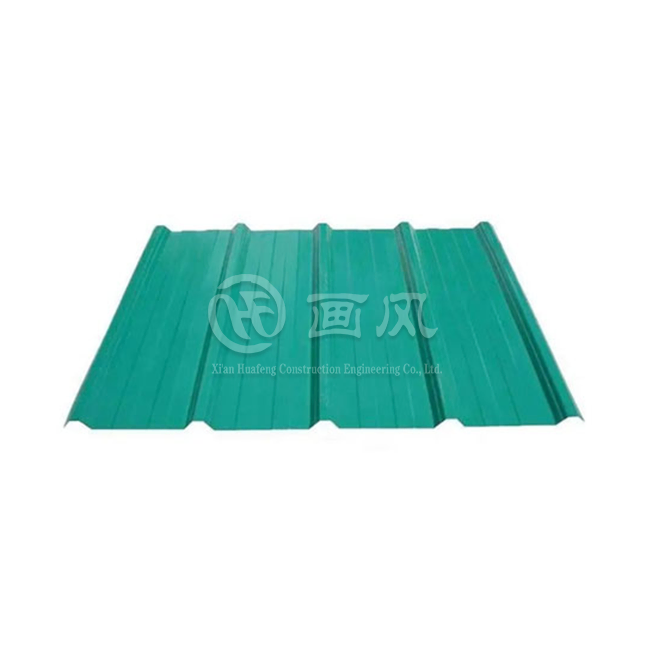
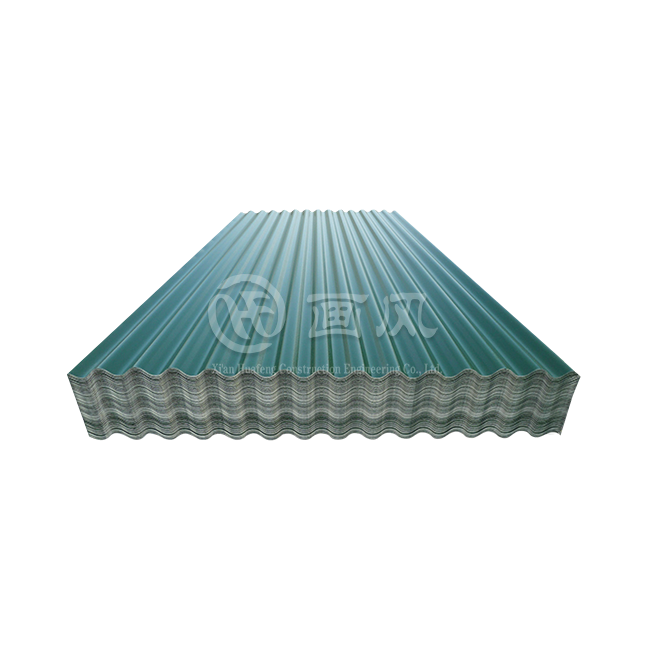
When it comes to metal sheathing, corrugated shapes are the most direct way to compare them. Even though corrugated panels work well in farming or industrial settings, the fact that they are mounted with visible fasteners makes them vulnerable. For every screw entry, you need a compression gasket that gets hard and cracks when exposed to UV light, slowly losing its ability to seal. When panels in a corrugated system meet, they make horizontal water tracks that can let water in during wind-driven rain events.
Standing seam wall systems get rid of these weaknesses by using hidden fasteners that keep all penetrations from being exposed to the weather on the inside of the building. The mechanical seam interlock makes a continuous vertical joint that naturally drains water downward, so you don't have to use seals or overlap laps. It is a little more difficult to install because you need trained crews who know how to use special seaming tools, but the better performance and lower upkeep costs make it worth it for projects that want to last.
Advantages Over Composite Panel Systems
Insulated metal composite panels are becoming more popular in business buildings because they have an insulation core built in and look good when they are installed. However, the bonded design makes recycling harder and raises fire safety issues, based on the core material used. Thermal cycling or wetness getting into the foam cores can cause delamination between the face sheets and cores, which means that panels need to be replaced long before the metal facing wears out.
Single-skin metal panel systems with different insulation layers are better for fixing things and reusing because the materials can be separated. Damaged panels can be changed one at a time without affecting nearby units, and because the construction is not composite, it does not have to go through the complicated fire testing standards that composite materials do. With separate metal and insulation layers, thermal bridging calculations are easier to do. This lets engineers correctly model heat transfer and find the best insulation thickness for goal R-values.
Coating Durability and Warranty Protection
For the best results in metal finishing systems, use PVDF coating technology. It keeps its color and doesn't chalk like HDP and PE coats do, even in harsh conditions. The fluoropolymer science is very resistant to UV breakdown and industrial air pollutants, so the look of the building doesn't need to be refinished for decades. We back up our manufacturing with a 30-year guarantee on PVDF-coated panels. This gives procurement teams long-term performance confidence that keeps capital investments safe.
The type of paint method chosen should match the project's weather conditions and expected lifecycle. For coastal jobs near salt spray, marine-grade primers and PVDF coats are needed to stop galvanic rusting. Chemical resistance is a benefit of fluoropolymer finishes in cities where air pollution is caused by factories. HDP coatings may work well in suburbs or country areas with less harsh exposures and save money, especially when 15 to 20-year service lives are sufficient for ownership spans.
Installation Process and Procurement Considerations
To carry out a project successfully, thorough specifications must be made that include information about the base, the amount of thermal insulation needed, how the air and moisture barriers will be integrated, and how the panels will be attached. For the hidden clip fastening system to work, the structure needs to be framed at certain distances apart to support wind load transfer and allow for heat movement. Sliding clips allow panels to expand and contract with changes in temperature. This keeps stress from building up in places where it would cause firmly linked systems to buckle or fasteners to come loose.
Site Preparation and Panel Installation Procedures
Surface preparation is the initial stage in weatherproofing. Check the structural frame for straightness and flatness within allowed limitations, typically 1/16 inch above panel width. Continuous air barriers and weather-resistant coatings are placed over building sheathing before clips are joined. This is the first weather protection layer for metal standing seam wall systems against UV and mechanical damage.
Panels go in bottom-up. Base starter trim aligns and projects the wall. Install each panel by lifting its male leg and connecting it to the female edge of the preceding panel. Mechanically seamed profiles need electric or gas seaming machines to incrementally squeeze legs for weathertight interlock. Hold snap-lock profiles using palm or light hammer taps. One-piece panels up to 13 meters long reduce horizontal flashing.
Engaging seams, correct clip spacing, and sealant continuity are installation quality checks. Water must not enter the panel via factory-applied caulk. Installation quality depends on the installer's competence and product specifications since the fastening mechanism is hidden.
Procurement Strategy and Supplier Selection
Working with qualified manufacturers early in design may improve performance and appearance. Custom coating makes colour matching for corporate branding or building palettes simpler by customising pattern and design beyond colour charts. Choose a panel shape that meets wind load requirements for your building's height and location. Thus, you may avoid over-specification, which raises costs without improving performance.
Supply chain issues affect project timelines and budgets. Our 1,000-ton monthly production capacity and 15–20-day delivery keep significant corporate projects on track. Businesses benefit from the 500-square-meter minimum order size and low production costs. By addressing these factors during planning, procurement teams may place orders that meet construction sequencing needs and maximise volume costs.
Clarifying guarantee terms decreases risk. Skilled installers ensure water and wind damage from faulty connections, in addition to coating performance and base corrosion resistance. Complete material and labour guarantee packages reassure management teams that building envelope investments will last.
Selecting the Right System for Your Project Requirements
The choice of a standing seam wall system must be based on review factors that are relevant to the project to make sure that the performance matches the building's use, exposure to the environment, and lifecycle goals. High-rise office buildings in the middle of cities are much more likely to be hit by garbage and wind than warehouses in the suburbs. When design teams know about these outside factors, they can choose the right material thickness, covering, and attachment system strength.
Climate and Environmental Considerations
Location determines which weathering processes stress the building shell. Salt spray accelerates corrosion in coastal projects within 1 to 5 km of seawater. Aluminium panels with marine-grade primers or stainless steel surfaces are needed. In maritime situations, concealed fastening eliminates the need for visible metal fasteners that may produce galvanic corrosion cells when metals touch electrolytes.
In the north, freeze-thaw cycles need careful heat transport adaptation. Seasonal temperature variations cause metal walls to expand and shrink, stressing their attachments. When rigid fastening inhibits heat expansion, structures buckle, while the sliding clip method allows panels to move freely. Detailing ends, edges, and holes ensures moving joints perform properly without weather entry.
Building Type and Performance Requirements
Schools and hospitals must observe rigorous fire guidelines that prohibit the use of flammable materials and limit smoke levels. Metal sheathing systems fulfil ASTM E84 Class A fire ratings without further treatment. This simplifies code compliance compared to combustible materials that need chemicals to contain flames. Public sector lifecycle cost studies examine total ownership costs over 30–50 years. Durability and little maintenance match these qualities.
Along with weather safety, industrial locations prioritise impact- and chemical-resistant materials. Heavy-gauge metal panels are sturdy and forklift- and pollution-resistant. They suit factories, distribution centers, and processors. Our thickness range, from 0.7 mm to 1.5 mm, helps design teams pick impact-resistant, cost-effective gauges based on facility exposure hazards.
Certification and Quality Assurance
Choose products from organisations with well-known quality certificates to reduce the risk of purchasing them and ensure decent materials. ISO9001 quality management certification reveals that the whole manufacturing process is planned, from raw materials to finishing and panel fabrication. ISO14001 environmental management certification highlights a company's commitment to sustainable manufacturing techniques, including waste reduction and energy efficiency.
SGS or other lab testing verifies that materials fulfil requirements. Accredited fire, coating performance, and structural load testing facilities provide design teams confidence that their products will operate as intended. We maintain these certifications because B2B buyers require more than corporate promises. They also require third-party verification.
Conclusion
Standing seam wall systems with hidden fasteners are a mature and effective way to cover the outside of business and industrial buildings. The mix of weathertight construction, low upkeep needs, and high durability provides lifecycle value that makes the investment worthwhile for projects that want to last for a long time. To choose the right system, you need to look at the weather conditions, performance needs, and aesthetic goals of the project in order to choose the right materials and covering systems. Buying from experienced makers with quality certifications and the ability to customize means that procurement teams can find materials that meet technical requirements and keep building schedules and budgets on track.
FAQ
1. What is the expected lifespan of these metal wall panels?
When placed correctly, standing seam wall systems can last anywhere from 30 to 50 years, based on the material of the foundation, the choice of coating, and the amount of weather exposure. PVDF-coated aluminum panels in mild conditions usually last longer than 40 years with little upkeep. On the other hand, steel surfaces in industrial settings might need more frequent checks for corrosion to start. Our 30-year promise guarantees efficiency and is backed by decades of field experience and fast weathering tests.
2. Can panels be customized to match specific architectural colors?
Custom color matching is one of the most important parts of how we make things. We offer more than just standard color charts. We can also customize patterns and designs to match company branding colors or go with the materials that are already in the building. Before production coating runs, color samples are accepted. This makes sure that the panels that are supplied meet the standards that have been set. Custom color production is possible with minimum order numbers of 500 square meters, and large-scale business projects can still be done at a low cost.
3. How do these systems compare in energy efficiency to insulated composite panels?
Energy efficiency is more affected by how the walls are put together than by the covering material alone. In ventilated wall systems, standing seam wall systems act as rainscreens, and continuous insulation behind the panels provides the main heat barrier. This method usually works better than composite panels because it stops thermal bridges through panel bolts and lets water drain away, which keeps the insulation's effectiveness. When you choose the right insulation layer and air barrier, you can get thermal performance that meets or beats energy code standards in all climate zones.
Get Started with HF Standing Seam Wall Systems
Because we know a lot about metal building shell solutions, we can help you with your next business or industrial project from the beginning stages of planning to the final installation. As a maker of standing seam wall systems, we offer full technical support, such as wind load estimates, thermal performance modeling, and custom color development to fit your building's style. Our production skills ensure consistent quality for projects of all sizes, and our customization services can meet color, pattern, and design needs that aren't met by standard product lists.
Email our expert team at huafeng@hfmetalroof.com to talk about the needs of your project and get full product specs. We can get you a quote quickly and set up plant tours for buying teams that are looking at a supplier's skills. Our ISO9001 and ISO14001 certifications, along with SGS testing confirmation, show that we meet the quality standards that will protect your investment in the building shell. When you work with HF, you can get a steady flow of materials, professional help, and all the other help that complicated building projects need.
References
1. American Architectural Manufacturers Association. "AAMA 2605: Voluntary Specification, Performance Requirements and Test Procedures for Superior Performing Organic Coatings on Aluminum Extrusions and Panels." 2022 Edition.
2. ASTM International. "ASTM E1592: Standard Test Method for Structural Performance of Sheet Metal Roof and Siding Systems by Uniform Static Air Pressure Difference." West Conshohocken, PA, 2020.
3. Metal Construction Association. "Technical Bulletin: Concealed Fastener Metal Wall Panel Systems - Design, Installation, and Performance Guidelines." Chicago, IL, 2021.
4. National Roofing Contractors Association. "The NRCA Metal Panel and SPF Roof Systems Manual." Third Edition, Rosemont, IL, 2019.
5. Sheet Metal and Air Conditioning Contractors National Association. "Architectural Sheet Metal Manual." Eighth Edition, Chantilly, VA, 2023.
6. U.S. Green Building Council. "LEED v4.1 Building Design and Construction: Material Selection and Lifecycle Assessment for Metal Building Envelopes." Washington, DC, 2022.





YOU MAY LIKE
_1769761215912.webp "Ventilation noise reduction net")