Benefits of Revitalizing Your Building Using Aluminum Metal Siding Panel
2026-06-10 17:11:48
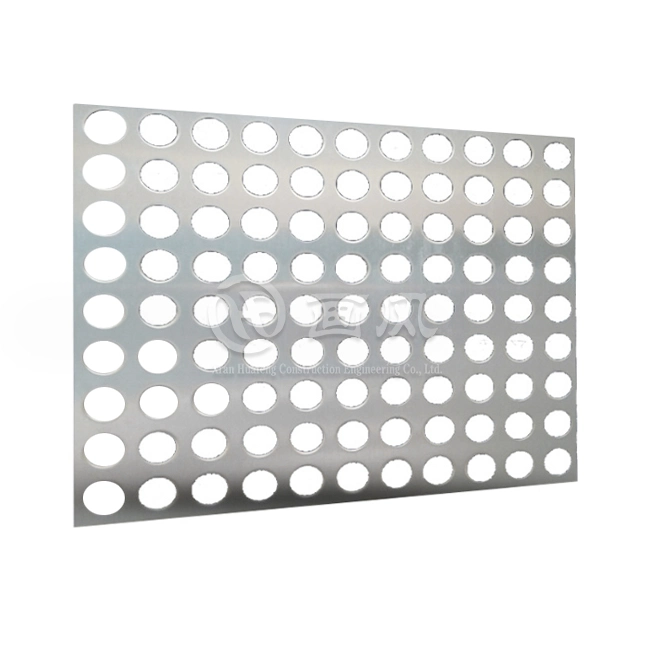
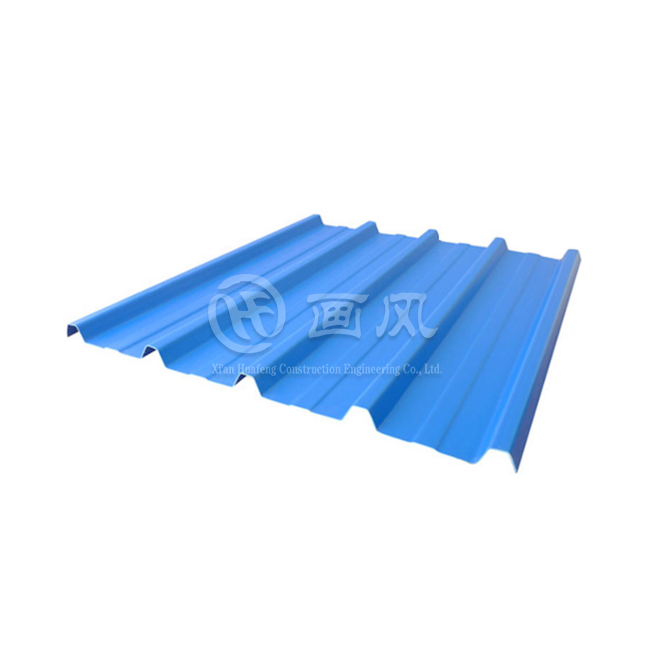
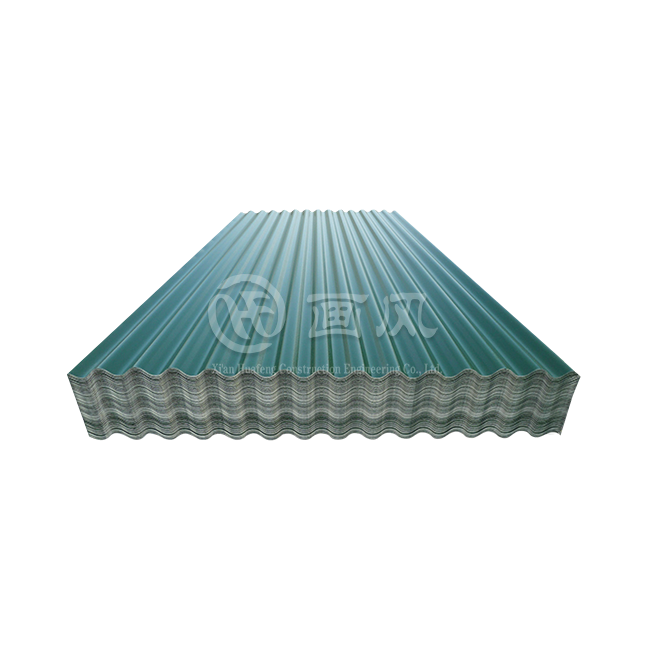
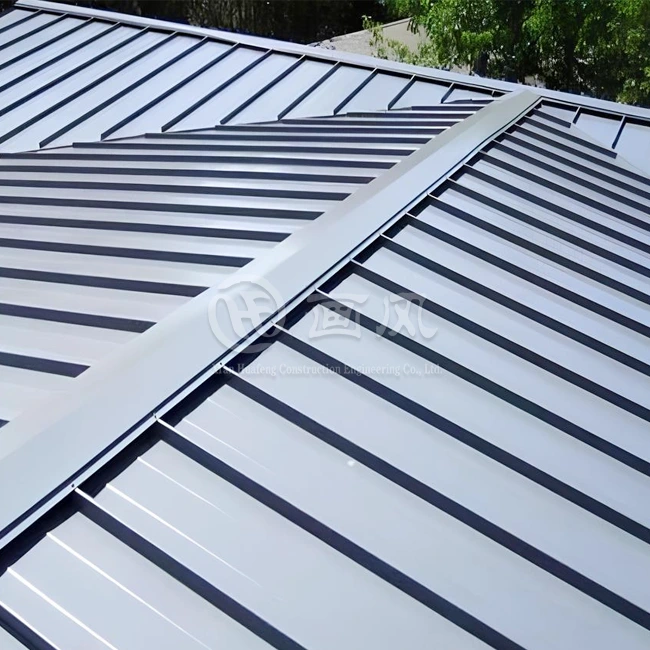
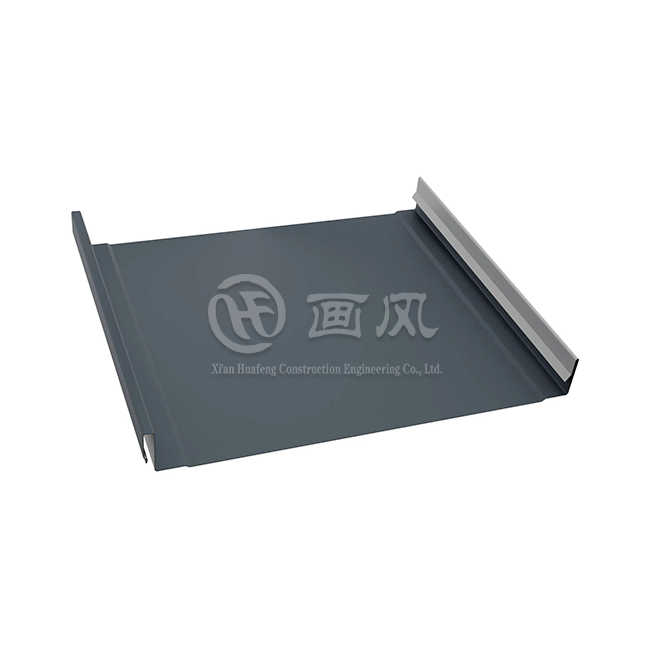
Adding aluminum metal siding panels to your building can give it a new look and many other benefits that go beyond how it looks on the outside. These cladding systems are strong but not too heavy. They last for decades without needing much upkeep and are very resistant to harsh weather. They are also very energy efficient, which lowers operating costs. They naturally don't rust, which makes them perfect for seaside and high-humidity areas where other materials fail quickly. With finishes that can be changed from PE to PVDF coats and design options that allow for company branding, these panels are a smart investment in the long-term durability and good looks of a building. Because aluminum can be recycled, these systems are even more environmentally friendly and meet the requirements for green building certifications. This makes them more appealing to construction companies and property owners in the business and industrial sectors that care about the environment.

Understanding Aluminum Metal Siding Panels and Their Advantages
When builders and procurement officers look at building envelope options, it's important to know what the materials are made of for the project to go well. Aluminum metal siding panels have changed a lot over the years, and now aluminum metal siding panels is the most popular choice for projects that want to update the look of a building's face.
What Makes Aluminum Panels Superior for Building Renovations
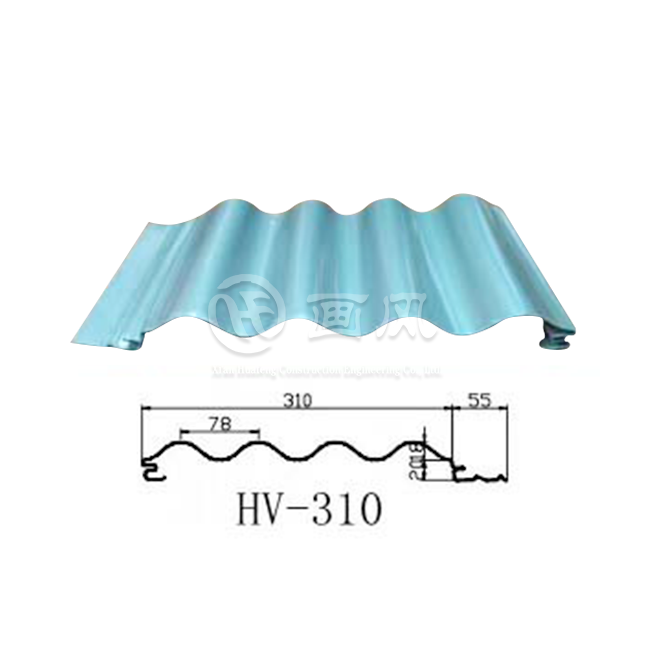
Aluminium alloy substrates like AA3003, AA3004, and AA5052 are robust and light, making fitting simpler and ensuring structural stability. The ribs are 65mm high, and the panels are 0.7mm to 1.2mm thick to withstand significant wind pressure. The material's oxide layer naturally resists corrosion. This is important in severe environments where salt and dampness accelerate material breakdown.
Different coatings improve this fundamental endurance. Polyester (PE) coatings are inexpensive and effective in warm climates, whereas HDP coats are weatherproof. The best coatings are PVDF. Multi-layer systems (5- 7 µm primer, 20- 25 µm finish) fulfil AAMA 2605 criteria for enhanced chemical stability and fade resistance. The integrity of this coating is crucial for maintaining huge corporate buildings looking the same for 20–30 years.
Energy Efficiency and Operational Cost Reduction
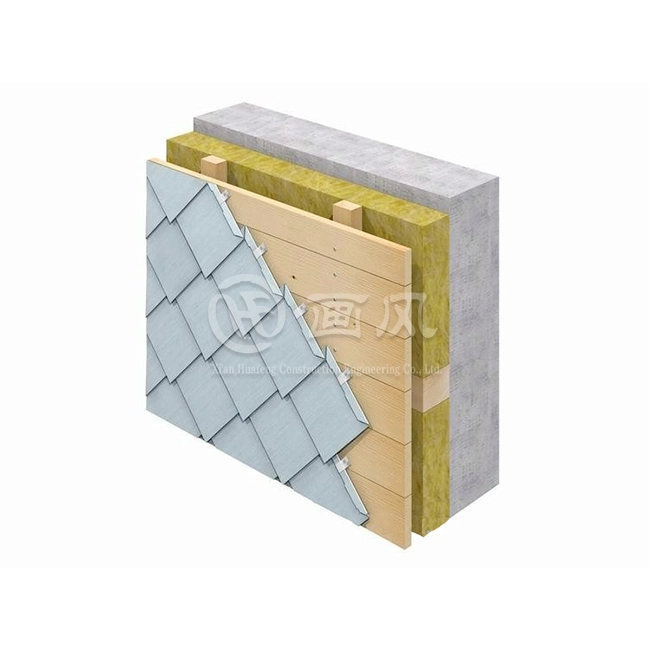
Building managers are under pressure to reduce energy usage while maintaining liveability. Aluminium metal siding panels reduce heat when correctly placed with shielding layers. Light-colored aluminium metal cladding panels reflect heat back into the room in summer. This reduces air conditioner load and energy costs.
Temperature control does more than cool you in summer. For winter heat retention, these cladding solutions work well with air barriers and insulation. This performance in summer and winter saves energy during the building's lifetime, decreasing the total cost of ownership compared to materials that need to be changed more frequently or have poor thermal qualities.
Minimal Maintenance Requirements for Large-Scale Facilities
Industrial and company property managers choose durable, low-maintenance materials. Aluminum metal siding panels just require periodic inspections and basic soap cleaning. Metal that has been properly finished remains safe and looks excellent with minimal labour, unlike wood siding, which must be painted and treated periodically to prevent decay, or steel siding, which must be inspected for rust.
This low-maintenance design is ideal for isolated sites or those in complexes with several buildings where upkeep costs pile up rapidly. Good goods come with 30-year warranties based on product trust, not marketing. This offers procurement teams realistic lifetime cost estimates for budgeting.
Aluminum Metal Siding Panels vs. Other Siding Materials: Making an Informed Choice
Materials have a big effect on how well a job turns out, how much it costs, and how satisfied people are in the long run. Comparing performance helps people make decisions about the trade-offs that come with choosing a building material.
Performance Comparison Across Material Categories
Vinyl siding is cheap and quick to install, making it popular for house improvements. However, corporate scenarios reveal its efficiency shortcomings. UV radiation fades colours and weakens materials, while temperature variations shrink and stretch objects. Due to its low pressure resistance, the material cannot be utilised in high-traffic workplaces.
Steel siding is durable and ideal for warehouses and industries. Corrosion is steel's worst drawback. Even with protective coatings, rust may occur if the foundation is scratched during installation or damaged subsequently. This vulnerability is worse in coastal places, where salt spray accelerates degradation and may require panel replacement within 10–15 years.
Other options like wood and fibre cement are attractive but need more maintenance. Wood must be treated every day to prevent rotting, insect damage, and wetness. Fibre cement is strong yet heavy, making installation difficult and perhaps requiring structural reinforcement. Aluminium is the only material that lasts, resists weather, and is simple to maintain in tough industrial applications.
Total Cost of Ownership Analysis
The cost of the materials at the start is only one part of the financial situation. In terms of starting cost, aluminum metal siding panels are usually somewhere between vinyl (which is the least expensive) and premium fiber cement (which is the most expensive). Lifecycle study, on the other hand, shows how valuable aluminum metal siding panels really is. Because they don't need much care, they don't need to be treated over and over again, and they last a long time—often over 30 years—so they don't need to be replaced every 15 to 20 years like other options do.
How well the installation is done also affects the project's costs. Because aluminum metal siding panels are light, it requires less structural load and are easier to handle, which could mean fewer hours of work compared to heavy materials. Panels can be made ahead of time in lengths longer than 12 meters, which cuts down on the number of joints that need to be made on-site and speeds up the installation process. This saves money for the general builder and speeds up the project plan.
Customization and Design Flexibility
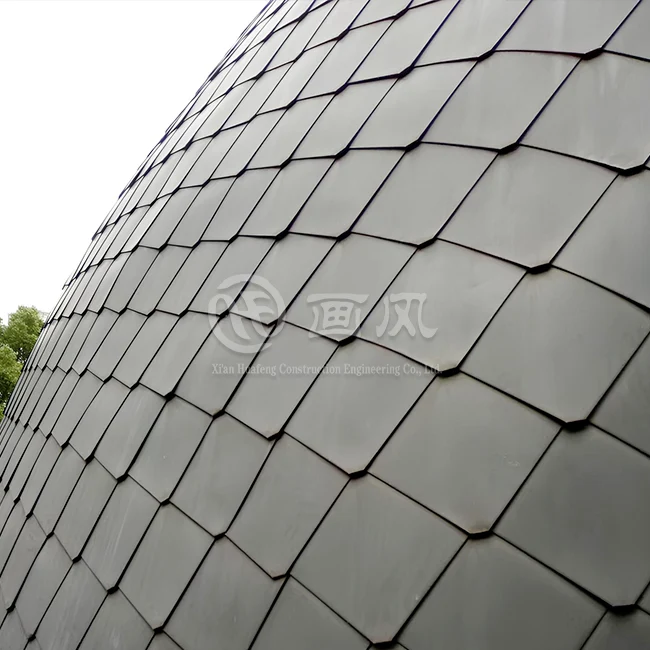
Because commercial buildings are often used to represent brands, customizing their looks is more than just a nice-to-have. Modern aluminum metal siding panel production gives customers a lot of ways to make their panels unique, such as matching colors to company themes, choosing from different patterns, and choosing from different textures, such as smooth or wood-grain simulations.
The different finishing methods—PE, HDP, and PVDF coatings—meet a range of performance and cost needs while keeping the design consistent. Spectrophotometric measurements of color stability make sure that differences between batches stay within Delta E < 1.0. This stops the obvious differences that happen with some other materials. This level of accuracy is very important when renovating parts of existing buildings or working on phased construction projects where the face needs to stay the same during installation times.
Practical Considerations for Implementing Aluminum Metal Siding Panels
The quality of the materials and the skill of the installers are both important for the success of a job. When premium aluminum metal siding panels are installed incorrectly, they don't work as well as they should. This is why choosing the right provider and keeping an eye on quality are very important when buying things.
Installation Best Practices and Common Challenges
Professional installation requires foundation preparation and fastening technique selection. Hidden binding techniques provide smooth design lines while clip designs enable thermal expansion. Installers must consider how the building structure and cladding may shift. This is particularly relevant for big surfaces because temperature fluctuations might induce size changes.
Window, door, and mechanical equipment seals must be done properly to keep water out. Without proper flashing, water may penetrate behind walls and harm hidden construction sections. Installing anything properly requires following factory instructions. Keeping the required fastener spacing and edge lengths ensures wind load values meet design specifications.
Installers may bend panels by overtightening screws, which prevents expansion. However, insufficient fastening generates wind noise and reduces weathertightness. These blunders may have been prevented, but they demonstrate the need for using skilled aluminium metal siding panel installers rather than ordinary siding installers.
Quality Control and Warranty Compliance
Procurement should include verification procedures to ensure materials satisfy requirements. PVDF treatments reach primer and topcoat levels according to eddy current thickness assessments. For panels that must be bent during installation, ASTM D4145 T-bend testing validates the coating's adhesion and flexibility.
The panels are rust-resistant according to ASTM B117 salt spray testing. Good panels resist blistering and coating degradation for 3,000–4,000 hours. These test results should be submitted with the products to prove guarantee claims if they fail early.
After choosing a provider, examine the warranty conditions. Full treatment covers material defects, colour longevity, and finish adhesion. Knowing about limits, particularly those related to installation or software, prevents disagreements years after the project is completed.
Routine Maintenance and Inspection Protocols
Aluminum metal siding panels don't need much upkeep, but regular checks can find problems before they get worse. An annual eye survey checks the state of the sealant, the fasteners, and the alignment of the panels. Any damage from crashes or bad weather needs to be fixed right away to keep water from getting behind the surface.
Cleaning needs to be kept to a minimum—every so often, washing with mild detergents gets rid of built-up dirt and biological growth without hurting coats. Do not use rough cleaners or high-pressure washing, as these can damage the finish. Coastal systems should be rinsed more often to get rid of salt deposits before they build up and speed up rusting in one area.
Cost and Procurement Insights for B2B Clients
Strategic procurement balances short-term budget limits against long-term value creation. This requires a deep knowledge of costs that goes beyond simple pricing by square foot.
Comprehensive Cost Structure Analysis
The prices of the materials used to make aluminum metal siding panels are usually affordable to reasonable, but this depends on the coating needs and the level of customization needed. The value level is made up of standard PE-coated panels in popular colors. On the other hand, PVDF-coated systems with custom color matching cost more. You can choose from widths (usually 400–600mm) and thicknesses (0.7–1.2mm), which gives you the freedom to balance performance needs with budget realities.
Installation costs depend on how hard the job is, how big the building is, how easy it is to get to, and the cost of workers in the area. Simple uses on accessible buildings cut down on the need for platforms and lifts, which lowers the cost of labor. On the other hand, installations in big buildings or projects with lots of architectural features take longer and cost more to complete. Getting bids from several qualified contractors gives you a good idea of how much the project will cost and may also show chances for value engineering.
Bulk Purchase Advantages and Supply Chain Considerations
Bulk procurement, particularly for large contracts, has several benefits. Orders above 500 square meters frequently get better rates from manufacturers. Projects that need many buildings or a phased approach might add quantities to achieve these advantages even if individual buildings fall below minimums.
Supply ability matters when choosing suppliers. Manufacturing 1,000 tonnes per month demonstrates that the system is well-established and can handle large projects without much lead time. Delivery timeframes of 15 to 20 days following order confirmation allow for proper project planning, although they may be longer with many customisations. Knowing a seller's capacity helps you prevent project delays that derail the strategy and increase soft expenses.
International purchases require shipping, import fees, and quality assurance. Suppliers having ISO9001 and ISO14000:14001 certifications demonstrate quality control and environmental responsibility, reducing the risk of purchasing from them. SGS testing assurance provides independent quality confirmation, which is useful when purchasing from unknown producers.
Selecting Reputable Suppliers and Manufacturers
You should consider more than pricing when choosing a provider. Professional assistance, changeability, and after-sales support are also important. Standard items can't solve some tasks, but manufacturers that allow you to adjust colour, pattern, and style can. This adaptability is useful for rehabilitation projects that must match existing architecture or new corporate initiatives that require their own visual identity.
Technical assistance during planning helps identify the finest materials and arrange the installation to minimise costly errors. Suppliers that provide fitting instructions, fastening requirements, and problem-solving add value to materials. This information reduces learning errors for workers new to aluminium metal siding panels.
The Success Stories and Industry Applications
Using aluminum metal siding panels in real-life situations shows how well they work in a variety of settings and situations, giving us information that helps us plan future projects.
Commercial Complex Facade Renovations
Due to salt air and storm damage, a 15-year-old coastal southeast office building was losing its foundation quicker than it could be repaired. The initial EIFS (exterior insulation finishing system) leaked water and required extensive repairs. Because they preferred long-term stability above cheap initial cost, the planners picked marine-grade aluminium metal siding panels with PVDF coatings for the makeover.
Installation showed substrate deterioration that needed repair before panel attachment. The lightweight aluminium metal siding panels made structural strengthening simpler than heavier solutions, but resulted in unexpected expenses. The wall has survived numerous strong storms three years after completion, without water or covering deterioration. The building's administration claims that greater solar reflection has reduced cooling costs by 12% and requires just a pressure wash annually.
Industrial Warehouse Applications
A Midwest transportation firm with a 500,000-square-foot storage complex replaced the front because the steel panels deteriorated significantly after 20 years in poor weather. The new design prioritised speedy installation, corrosion resistance to prevent failures, and consistency throughout the massive wall.
Prefabricated 12-meter aluminium metal siding panels accelerated installation. Six weeks were spent on the project, compared to 12 for field-assembled choices. The concealed fastener technology eliminated streaking from the exposed-fastener design. The 30-year warranty prevented premature replacement. The experiment illustrates that aluminium metal siding panels may be employed in large-scale industrial environments when installation speed and lifespan costs trump material cost.
High-Rise Curtain Wall Systems
A 40-story city-center mixed-use skyscraper utilises aluminium metal siding panels as a rainscreen above the structural curtain wall. This application required engineering for wind loads above 4kPa while maintaining the architect's smooth, solid design. The visual objectives were satisfied via invisible fastening mechanisms, rigid manufacturing standards, and performance requirements.
Before full-scale installation, comprehensive model studies ensured the structure would not allow water in and could tolerate temperature movement. After five years, the system has performed properly with minimum maintenance and no water leaks. The study illustrates how aluminium metal siding panels may help in high-rise scenarios with poor performance and significant repair costs.
Conclusion
Using aluminum metal siding panels to restore an old building has measured benefits for performance, cost, and appearance. When mixed with modern coating technologies, the material's natural toughness makes it more resistant to weather and lasts longer than many other options. Contributions to energy economy, lower running costs, and minimal maintenance needs make building management easier over long periods of time.
A full cost analysis shows that the total costs of ownership are competitive, even though the original investments are modest. This is especially true when you consider the longer service life and lower maintenance needs. Customization tools help architects and businesses reach their unique design and branding goals. Real-world uses in business, industrial, and high-rise projects show that it works well in a variety of settings. By focusing on quality assurance, supplier skills, and lifecycle value, strategic buying methods help decision-makers get these benefits while handling project risks well during building renovation projects.
FAQ
1. Are aluminum panels suitable for extreme weather environments?
Aluminum metal siding panels work great in tough conditions like seaside areas, places with a lot of wind, and places with very high or very low temperatures. Marine-grade aluminum metal siding panels with PVDF coatings can handle salt spray, which breaks down steel options in just a few years. This resistance to rust has been proven by salt spray tests for 4,000 hours (ASTM B117). Wind load engineering supports use in hurricane-prone places, and when installed correctly, it can handle pressures above 4kPa. When systems have the right thermal expansion measures, they can go from -40°F to 160°F without the coating failing or the dimensions becoming unstable.
2. How does energy efficiency compare to alternative materials?
Compared to dark-colored panels, aluminum metal siding panels with reflective coats cut sun heat gain by 30–50%, which greatly reduces the need for cooling. When combined with continuous insulation systems, aluminum metal siding panels make good thermal shields that reduce the flow of heat through conductors. The total R-value depends on how the assembly is put together, not just the coating. However, aluminum's addition to the general envelope performance is better than materials that conduct heat more easily or don't seal air well. Energy planning for specific projects figures out how much money can be saved by looking at the temperature zone and how the building is used.
3. What realistic lifespan should commercial clients expect?
Quality aluminum metal siding panels usually last between 30 and 50 years with little maintenance. During this time, PVDF coatings keep their color and protect against weather. In fact, manufacturers offer guarantees that cover 30 years against extreme fading and coating integrity loss. The substrate lasts longer than the coating. If you put aluminum metal siding panels correctly, they can stay structurally sound for 50 years or more, which could mean that you should recoat them instead of replacing them when the warranty time is over.
Partner with HF for Premium Aluminum Metal Siding Panels
Xi'an Huafeng Construction Engineering Co., Ltd. can help you with all of your building restoration needs. Our aluminum metal siding panels for sale have modern PVDF coating systems, styles that can be changed, and production quality that is ISO9001-certified. Commercial builders and developers trust these features. With the ability to produce 1,000 tons per month, shipping times of 15 to 20 days, and 30-year warranties, we can help with projects from the beginning of the design process to their long-term performance. Email our technical team at huafeng@hfmetalroof.com to talk about your specific needs, get detailed product specs, and get reasonable prices from a company that is dedicated to the success of your project and makes aluminum metal siding panels.
References
1. American Architectural Manufacturers Association. AAMA 2605: Voluntary Specification, Performance Requirements and Test Procedures for Superior Performing Organic Coatings on Aluminum Extrusions and Panels. Schaumburg: AAMA, 2021.
2. National Roofing Contractors Association. The NRCA Metal Panel and SPF Roof Systems Manual. Rosemont: NRCA, 2020.
3. U.S. Green Building Council. LEED v4.1 Building Design and Construction Guide. Washington: USGBC, 2022.
4. Aluminum Association. Aluminum Design Manual: Specification for Aluminum Structures. Arlington: The Aluminum Association, 2020.
5. ASTM International. ASTM B117-19: Standard Practice for Operating Salt Spray (Fog) Apparatus. West Conshohocken: ASTM International, 2019.
6. Lstiburek, Joseph. Building Science Principles Reference Guide. Building Science Press, 2021.





YOU MAY LIKE