Panel Layout: Standing Seam Metal Roofing Sheet Installation
2026-06-10 17:11:49
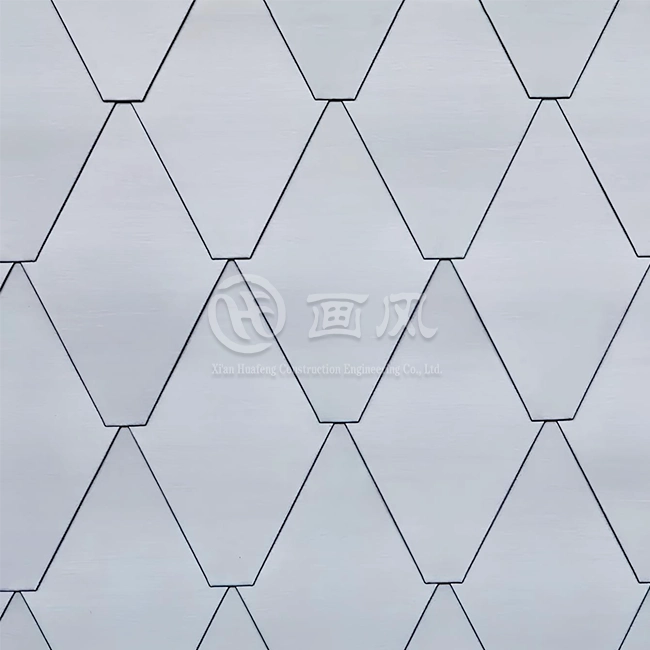
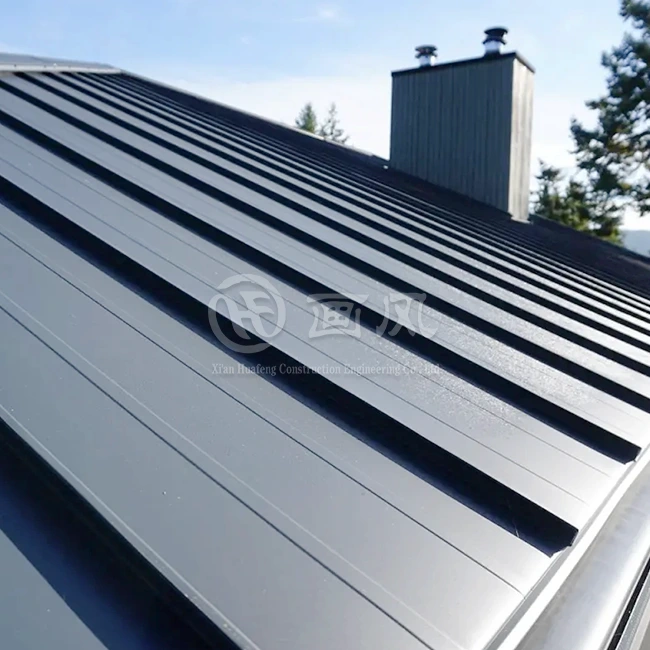
Panel arrangement for installing standing seam metal roofing sheets requires careful planning of where to put the panels, how to line up the seams, and where to put the clips to make sure that the roof will stay waterproof, be structurally sound, and be able to accommodate heat movement. The right way to lay out a building starts with getting accurate measurements of the roof's sizes, taking into account things like eave-to-ridge runs, valley connections, and entry accommodations. Standing seam metal roofing sheets have hidden fastener systems and vertical overlapping ribs that make them stand out. They need support clips spaced out strategically (usually every 12 to 18 inches) to spread wind-lifting forces and allow for thermal expansion. Unlike panels with exposed fasteners, these systems have secret attachment devices that eliminate tahousands of possible leak points.

Understanding Standing Seam Metal Roofing Sheets
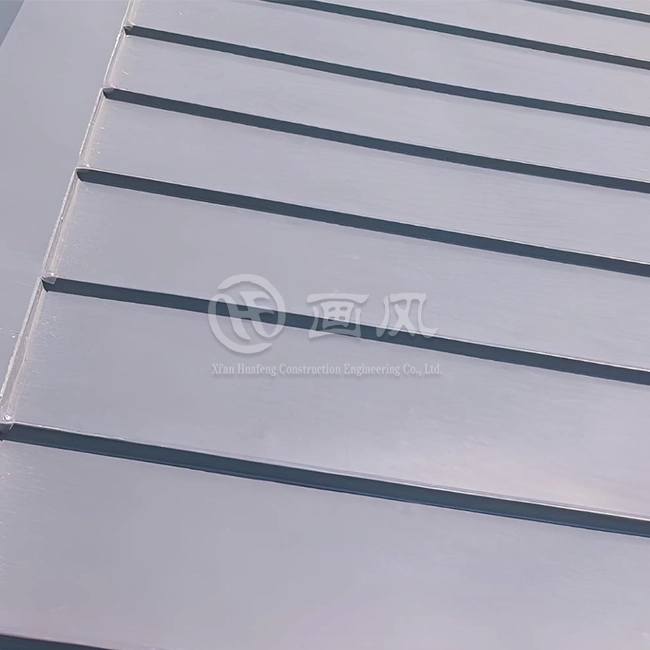
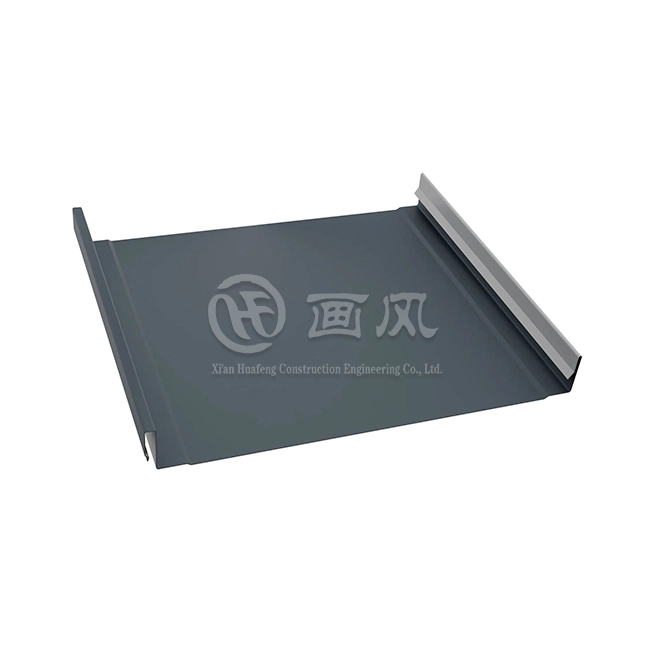
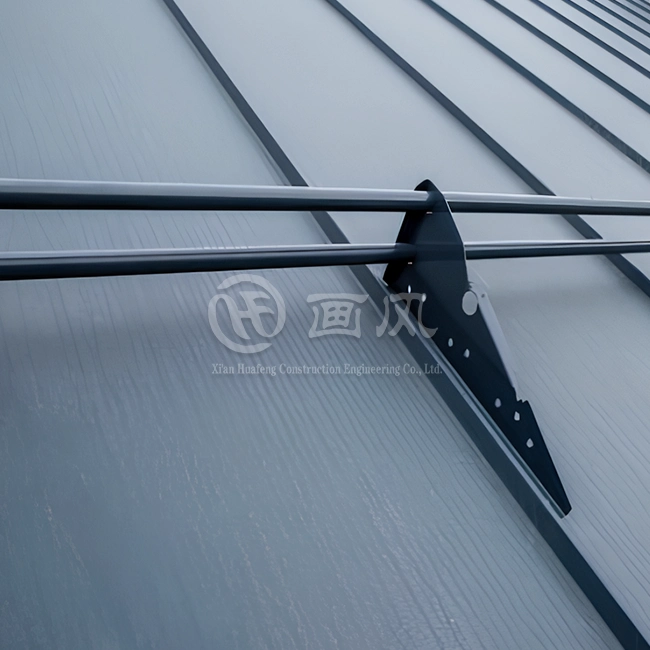
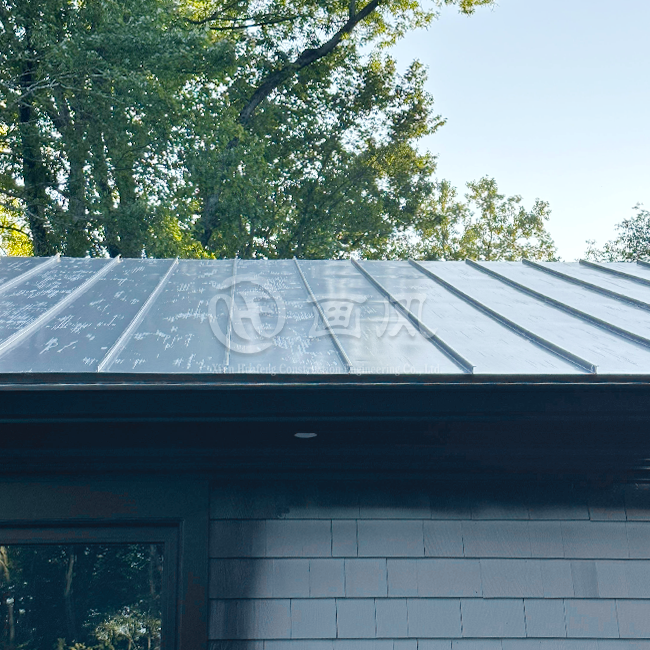
Standing seam metal roofing sheets are a type of hidden fastener metal panel system that has raised seams that fit together perfectly and join panels vertically above the drainage plane. What makes them different is how the fasteners are hidden—whether the panels connect to the roof decking with floating clips or set clips under the vertical leg. This design solves the problem that standard metal roofing has had for a long time: fasteners that break and water getting in at penetration places.
Core System Components and Panel Variations
Several crucial pieces function together in the system. Panels have 12–20-inch flat pans and 1–3-inch vertical ribs (seam heights). Mechanically joining two panels' legs together or crimping them together makes these seams weathertight. Material selection greatly impacts performance. An aluminium-zinc coating makes galvalume steel rust-resistant, while aluminium options are more durable in coastal environments and don't rust ferrous metals. Galvanised steel is inexpensive for warm regions, but copper or titanium-zinc are pricey for unusual building appearances.
Material Specifications and Performance Standards
Professional walls use high-quality materials. The substrates are 0.5 to 1 mm thick, or 24 to 22 gauge for steel. Standard panel widths are 300–500 mm. Average rib height is 32 mm, which is helpful for drainage. Panel lengths from 1 to 13 meters allow them to be utilised on various roof geometries without horizontal gaps. Durability relies on surface coatings. Cheap polyester (PE) coatings have 10-year fading guarantees. PVDF coatings withstand UV radiation and chalking better and are guaranteed for 30 years or more. Different coatings vary in thickness. Premium variants feature a 25–40 micron PVDF finish and a 10–15 micron PE backing coat.
Key Dimensional Considerations for Layout Planning
Understanding dimensional aspects is essential for hiring large-scale project managers. Panel width affects seam regularity and coverage. Wider panels minimise labour expenses but may make flat pan oil cans simpler to locate. Seam height affects water-shedding. Low-slope settings (1:12 pitch) favour taller forms. Thermal expansion is weighed against the necessity to transport the panels to the project site to determine panel length. The system is not watertight without additional flashing characteristics, although custom lengths reduce horizontal end-laps.
Panel Layout Principles for Standing Seam Metal Roofing Installation
How well the panels are laid out directly affects how quickly and reliably they work in the long run. When you plan well, you think about things like the shape of the roof, how heat moves, where the structure is attached, and how water flows. Any mistakes made during the plan design process can damage the waterproofing and may even void the manufacturer's warranty for standing seam metal roofing sheets.
Alignment and Spacing Guidelines
Aligning the panels starts at the eave, which sets up a straight line that is not parallel to the roof slope. When possible, panels should go from the eave to the ridge without stopping. This gets rid of the horizontal gaps that make sealing harder. The distance between clips is set by the maker, and clips are usually put every 300 to 450 mm along panel runs. Wind uplift resistance goes up when the space between the posts is closer. This is especially important in hurricane-prone areas where UL 90 ratings require confirmed attachment rates. When there is an eave or a ridge, you need special clips that can handle more stress. For valley integrations to work, panels need to run straight to the valley centerlines as much as possible so that there aren't any complicated flashing crossings that could cause failures.
Thermal Expansion Accommodation
Temperature changes cause metal roofing to expand and shrink. For example, a 15-meter steel panel may grow 12 mm from winter to summer. At the ends of the panels, fixed clips hold the system in place. In the middle, however, clips must float within cut holes or have two-piece designs that allow them to move longitudinally. When planning a layout, fixed places are carefully found. These are usually in the middle of panels for two-way growth or at one end for one-way movement. Panels buckle, fasteners back out, or seams separate when heat dynamics aren't taken into account. When two different roof parts meet, they need expansion joints to separate the thermal movement zones and stop stress from moving across the different roof lines.
Addressing Common Layout Challenges
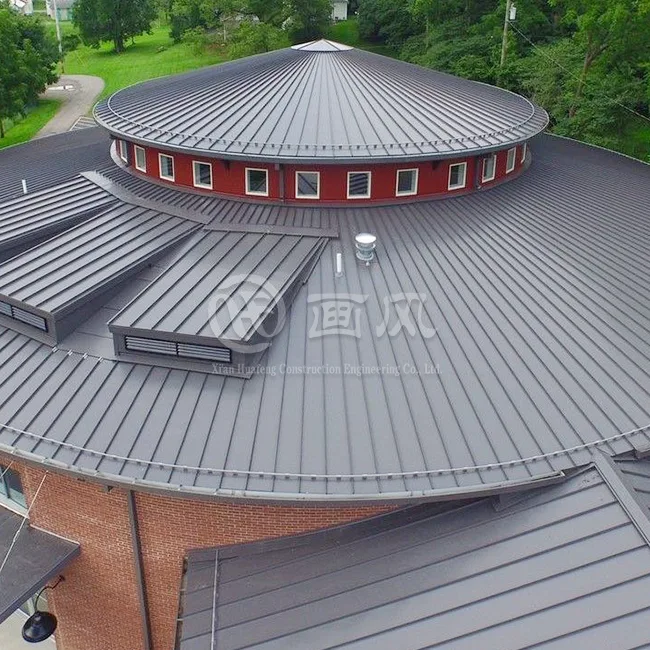
Because roofs aren't always flat, layouts need to be flexible. When uniformity is important for aesthetic reasons, panels spreading from hip ridges look good on hip roofs. However, this method makes trimming more difficult and increases waste. Panel runs are broken up by dormers and penetrations. The best plans place panels so that there are as few cuts as possible and seams stay continuous around barriers. When the eave is curved, you may need tapered panels or trim options that can be adjusted for width. When slopes are unusually short (below 3:12 pitch), tighter seam sealing rules and more clips are needed. Professional builders plan out the order of the panels ahead of time, figuring out where measurements need to be checked, or special parts need to be made to keep the installation from being held up.
Step-by-Step Standing Seam Metal Roofing Installation Process
Systematic fitting ensures structural and sealing performance. Sequential accuracy is crucial since each step builds on the previous one. Standing seam metal roofing sheet installation begins with a roof deck inspection. Metal roofs weigh 40–150 pounds per square foot (100 square feet), yet wind uplift pressures in coastal high-velocity storm zones may exceed 90 pounds per square foot. If the deck is 6 mm flat across 3 meters, panels won't warp. Underlayment depends on slope and weather. Synthetic felts function well in milder locations, while self-adhered membranes prevent ice dams better. Materials are inspected before assembly to determine panel count, shape, colour, and coating stability. Damaged finishes reduce rust resistance and invalidate warranties.
Site Assessment and Material Inspection
(The systematic methodology ensures quality outcomes by beginning with a comprehensive roof deck evaluation and material verification as detailed in the installation process overview.)
Panel Fabrication and Clip Attachment
Portable roll-forming technology is used to make custom-length panels on-site that don't have any horizontal lines. This method protects factory-applied coats better than pre-cut panels that are moved around during transport. When panels come out of shaping machines, their edges are cut and ready to be sewn together. To place clips, follow the plan marks. Then, use the right fasteners—usually stainless steel or coated screws rated for wind uplift—to attach the base plates through the underlayment to the structure framing. Accurately placing clips affects seam alignment; clips that aren't lined up right push panels out of plane, which can cause problems with how the seams look and even cause the seams to fail.
Seaming Techniques and Quality Verification
Powered seamers are used in mechanical lock seaming to crimp the legs of neighboring panels several times, making 360-degree interlocks that stop water from getting in and wind from lifting the panels. With snap-lock systems, you can install things faster by pressing or tapping pre-formed panel edges into clips by hand or with a rubber hammer. For business uses, mechanical seaming is better for the structure, while snap-lock is better for home or low-slope installations that get moderate wind. The consistency of the seams is checked by quality control. Any gaps or missing crimps show problems with the tools or the alignment of the panels. Water testing of finished parts makes sure the protection is correct before the roofing system is accepted.
Comparing Standing Seam Metal Roofing with Other Roofing Options
Understanding comparative benefits helps buying workers choose standing seam metal roofing sheets that meet the needs of the project and stay within the budget.
Durability and Lifecycle Performance
When properly kept, standing seam systems often last 40 to 60 years, which is a lot longer than asphalt tiles (15 to 25 years) and even architectural shingles (30 years). Metal plates stay structurally sound for a long time, unlike organic materials that break down when exposed to UV light and changing levels of wetness. The main problem with exposed-fastener metal roofs is that the gaskets wear out and the fasteners loosen, which means that upkeep needs to be done every 10 to 15 years. Concealed fasteners fix this problem. When it comes to low-slope uses, standing seam systems are better than single-ply membranes because they are more resistant to punctures and don't let glue degradation cause seam failures. While tile roofing lasts about as long as other types, it puts a lot more stress on the structure and is harder to install.
Cost-Effectiveness and Energy Efficiency
The initial prices of materials for standing seam systems range from $250 to $450 per square installed, based on the type of foundation chosen and the coating requirements. This is more than the 150–250 dollars per square foot price of asphalt shingles, but it's about the same as installing high-end tile or slate, when you think about the long-term value. Energy performance has clear economic benefits. For example, reflective PVDF coatings can achieve sun reflectance values above 0.70, which lowers cooling loads in business buildings by 10 to 25 percent. This means that projects can get ENERGY STAR and LEED credits, which improves building standards. Materials that can be recycled at the end of their useful life are preferred by buyers who care about the environment. For example, metal roofing is made of 25–95% recovered materials and can be remade over and over again.
Installation Complexity and Labor Considerations
Compared to regular roofing systems, they need special tools and training to be installed. While mechanical seaming tools are one-time purchases, movable roll-forming equipment can be used on more than one job, spreading out the cost over time. On average, each crew works on 150 to 250 square feet per day, which is less than the 300 to 400 square feet per day that asphalt shingles require but about the same as tile treatments. The weather doesn't affect construction much—metal roofs can be put on safely in light rain that stops asphalt work. In places where standing seam knowledge is still scarce, project schedules may be limited by the availability of contractors. This is why early contractor involvement during the planning phases is so important.
Procurement Guidance and Best Practices for Standing Seam Metal Roofing Sheets
A strategic buying plan matches the need for quality with the limitations of the budget, while also making sure that the supply chain for standing seam metal roofing sheets is reliable so that projects can be finished on time.
Supplier Evaluation and Certification Verification
Choosing certified sources starts with verification. ISO 9001 and ISO 14001 certifications show reliable and eco-friendly production. Product approvals matter. Compliance with ASTM A792 for Galvalume and A653 for galvanised steel and coating requirements (ASTM D3363 for hardness and D4214 for chip avoidance) ensures substrate compliance and finish longevity. Material quality is independently verified by SGS testing. Suppliers that provide engineering for sophisticated roof designs and installation training are more significant than those who sell basic materials.
Famous manufacturers provide benefits. Three buildings make up our 200,000-square-meter complex. The facilities include seven colour coating lines and over forty precision instruments, including automated punching and roll-forming equipment. This capability guarantees supplies for major construction projects with monthly production of 1,000 tonnes. RAL colour sets and custom-matched PE and PVDF coatings are available for 32mm to 410/500mm widths. Medium-sized organisations and smaller setups may buy 500 square metres.
Understanding Cost Drivers and Delivery Logistics
Material types and finishes affect pricing. Due to its rust resistance, Galvalume costs 15–20% more than galvanised steel. Aluminium panels cost 40–60% more than steel gauges but don't rust in maritime settings. PVDF coatings cost 25–35% more than polyester finishes but offer 10–30-year fade warranties, making them worth it for visible construction. Pattern stamping, soundproofing perforation, and custom colour formulas cost more but make the item stand out.
Delivery dates considerably affect the project schedule. Standard colour and profile pairs ship in 15–20 days. Coating formulation and manufacture may take 25–30 days for special orders. Container loads are the best way to reduce handling for projects above 2,000 square meters. Domestic suppliers can respond quicker, but they may require tariffs to import products. Request material samples before purchase to ensure colour and coating quality. This avoids expensive field shocks.
Maintenance Protocols and Performance Optimization
Proactive repair plans are important for long-term success. Inspections once a year find potential problems before they make waterproofing impossible. They check the state of the coating, the stability of the seams, and the security of the clips. Debris that builds up in valleys or behind rooftop equipment needs to be cleaned up on a regular basis to keep wetness out and slow down rusting. Freshwater rinsing every three months is good for coastal sites because it gets rid of salt crystals before they get into coating systems. Touch-up paint fixes small scratches or abrasions, keeping the base from being exposed, which causes rust. Comprehensive maintenance programs lower the total cost of ownership by extending the service life beyond the usual 50 years. This gives the roof a better lifecycle value than options that require a lot of replacements.
Conclusion
Installation success with standing seam metal roofing sheets depends on how well the panels are laid out. This has a direct effect on how well the roof will protect, how well it will support the structure, and how it will look. Planning ahead takes into account changes in temperature, makes sure that clips are placed correctly, and deals with tricky roof designs that make installation difficult for beginners. When choosing materials, procurement professionals can find the best options for each project by balancing substrate properties, coating requirements, and overall costs. Partnering with certified providers who offer full technical support, reliable shipping services, and proven production capabilities reduces procurement risks and guarantees material quality. Using systematic construction methods and preventive maintenance plans will help maximize the value of your investment. This will result in roofing systems that protect building assets for decades while supporting energy efficiency and sustainability goals.
FAQ
1. What factors most significantly impact standing seam metal roofing durability?
Longevity depends on the quality of the materials and how well they are installed. Which substrate you choose—Galvalume, galvanized steel, or aluminum—affects how resistant it is to rust in different regions. UV breakdown rates and fade protection over decades are affected by the type of coating used, especially PVDF versus polyester finishes. Wind-rise resistance and sealing integrity are directly affected by how well the installation was done, especially how often clips were attached and how fully the seams were engaged. Floating clip systems that allow for proper temperature expansion keep panels from buckling and seams from coming apart. If you do regular maintenance, like cleaning up dirt and touching up the paint, it will last longer than 50 years if you do it right.
2. Can standing seam panels accommodate complex roof geometries?
Custom manufacturing and special trim parts allow panels to fit a wide range of roof layouts. Standing seam metal roofing sheet systems can be used on hip roofs, slopes, dormers, and bent eaves, though their complexity raises the cost of installation and material waste. Panels can be cut to fit odd shapes and sizes, and the benefits of hidden fasteners are still there. For normal setups, the minimum slope requirement is usually a 3:12 pitch, but some specialized low-slope systems can work down to a 1:12 pitch with better sealing procedures. Custom length construction gets rid of horizontal gaps on most home and business roof lines, keeping the waterproofing continuous.
3. How do I select appropriate panel specifications for my project?
Material choices are based on the needs of the project. For the best corrosion protection, metal or Galvalume with PVDF coatings are best for coastal areas. Galvanized steel with polyester treatments can be used in moderate regions for less money. The gauge needed depends on the wind exposure and structural loads. For example, 24-gauge is best for home use, while 22-gauge is better for business buildings. Panel width affects how much work gets done versus how well you can see through the oil can. Wider shapes are easier to install, but they may show waviness on flat areas. Choosing the right seam height strikes a mix between how well water drains on low hills and how nice the building looks. Talking to experienced sellers can help you figure out the best specs that meet your performance needs and your budget.
Partner with HF for Premium Standing Seam Metal Roofing Sheet Solutions
To get standing seam metal roofing sheets that you can trust, you need to work with makers who have a track record of success, quality standards, and service models that focus on the customer. HF (Xi'an Huafeng Construction Engineering Co., Ltd.) runs three carefully placed factories that have seven color finishing lines and more than forty precision manufacturing machines. Each month, these factories can make more than 1,000 tons of goods. Our production infrastructure allows for full customization, including matching colors from RAL palettes and our own formulas, adding patterns and stamping them, and making profiles from 32mm to 410/500mm in size.
Quality assurance protocols align with international standards including ISO 9001, ISO 14001, and SGS guidelines, ensuring every panel meets ASTM, DIN, JIS, BS, and GB/T specifications. Material options span PE and PVDF coating systems applied to Galvalume, aluminum, galvanized steel, and specialty substrates. Delivery timelines average 15-20 days for standard specifications, supporting tight project schedules. Our minimum order quantity of 500 square meters accommodates diverse project scales while maintaining competitive pricing for standing seam metal roofing sheet suppliers serving commercial and industrial construction sectors.
We provide complimentary material samples for specification validation before full procurement commitments, reducing project risk. Technical consultation services assist with panel selection, layout optimization, and installation coordination. Contact our team at huafeng@hfmetalroof.com to discuss your project requirements, request quotations, or schedule facility tours demonstrating our manufacturing capabilities and quality control processes. Experience the difference that dedicated expertise and comprehensive support deliver for your metal roofing installations.
References
1. Metal Construction Association (2021). Guidelines for Concealed Attachment Metal Roof Systems, Technical Bulletin, Metal Construction Association Publications, Chicago, Illinois.
2. Smith, J.R. and Martinez, L.K. (2019). Thermal Movement in Metal Roofing: Engineering Solutions for Long-Span Applications, Journal of Building Envelope Design, Volume 12, Issue 3, pages 45-67.
3. National Roofing Contractors Association (2020). The NRCA Metal Panel and SPF Roof Systems Manual, Third Edition, NRCA Publications, Rosemont, Illinois.
4. Peterson, D.W. (2022). Comparative Life Cycle Assessment of Commercial Roofing Systems, Construction Materials Research Quarterly, Volume 8, Issue 1, pages 112-134.
5. American Society for Testing and Materials (2021). ASTM E1592-05: Standard Test Method for Structural Performance of Sheet Metal Roof and Siding Systems, ASTM International, West Conshohocken, Pennsylvania.
6. Chen, H. and Roberts, T.M. (2020). Coating Technology and Weatherability Performance in Architectural Metal Panels, Corrosion Science and Engineering Review, Volume 29, Issue 4, pages 289-311.





YOU MAY LIKE