How Vertical Standing Seam Metal Cladding Enhances Building Aesthetics
2026-05-21 16:16:10
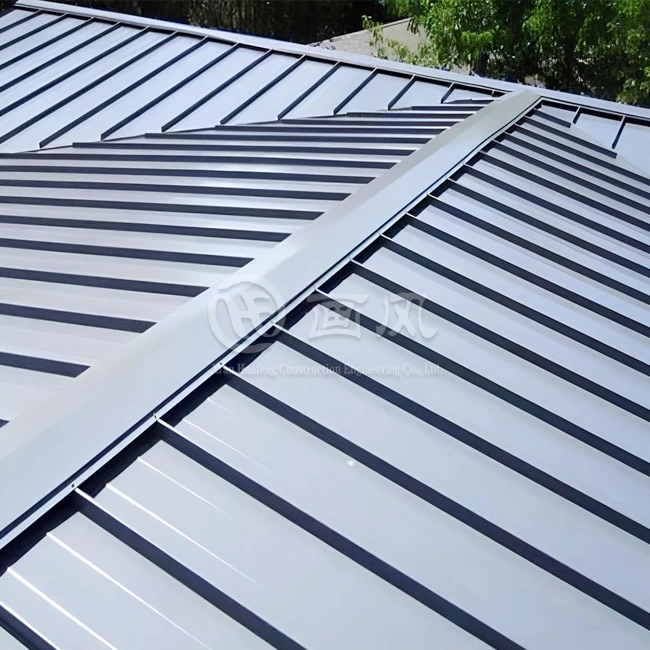
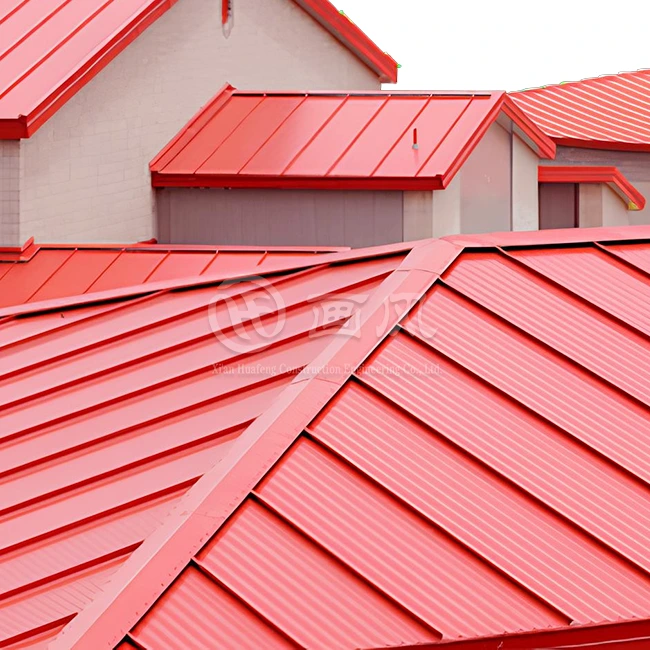
Vertical standing seam metal cladding is the best way to make building surfaces that look good and work well. This method makes buildings look better by creating straight, clean vertical lines that make the building look longer. At the same time, it makes buildings waterproof and lasts longer. The mechanically interlocking seams give the cladding a sleek, modern look that turns ordinary buildings into modern architectural statements. They also meet the high standards for weather resistance, thermal performance, and long-term dependability that procurement professionals expect from premium cladding systems.
Understanding Vertical Standing Seam Metal Cladding
The Core Design Principles
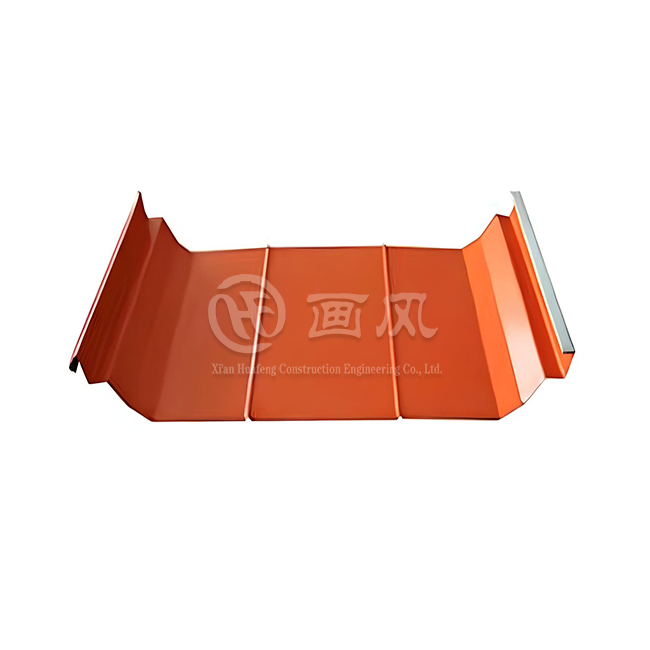
Vertical standing seam metal cladding is a high-performance way to cover the outside of a building. Metal panels run vertically from the base to the parapet and are joined by automatically locked seams that hide any fixings. In contrast to horizontal lap systems, this vertical orientation uses edges that are turned up and interlock through single or double-fold connections. This makes a continuous weather shield with no places of entry. The method solves important problems in the industry by stopping water from getting in through uncovered bolts, where gasket failure over time causes leaks. The slide clip mechanism lets panels expand and contract easily during thermal cycles. This keeps systems from deforming under stress, which can happen with tightly fixed systems.
Weather Resistance and Structural Integrity
The double-bite seam design, which includes 360-degree lock edges or mechanical pinching, keeps water out without using coatings that break down over time. This hidden drainage system stops capillary water seepage, which makes it especially useful in seaside marine sites where high-salinity settings need salt spray to be drained quickly. The vertical position makes it easier for water to run off, which keeps moisture from building up and speeding up rust. The cladding has seams that are between 25 mm and 65 mm high, which gives it great wind protection. It can handle forces greater than 3.0kPa, which are the forces of a typhoon. The stiffness of the structure allows for long spans of up to 10 meters without any support in the middle, which allows for dramatic architectural statements.
Energy Efficiency and Sustainability
In a number of ways, modern metal covering systems make a big difference in getting green building standards like LEED. Metal surfaces reflect light, which lowers the amount of heat that comes in from the sun during the summer. The composite structure has great thermal efficiency when it is made up of insulation layers and moisture-proof coverings. Metal roofing goods can be recycled up to 95% of the way, thanks to materials like aluminum alloy bases (AA3003, AA3004, and AA5052) and aluminum-zinc-coated steel sheets. The 30–50-year working life means that it doesn't need to be replaced very often, which is better for the earth. PVDF coats that meet AAMA 2605 standards offer better resistance to UV light and chalking, so they keep their good looks without needing to be repainted often, which lowers the VOC emissions that come with upkeep.
Architectural Applications and Material Types
Versatility Across Building Types
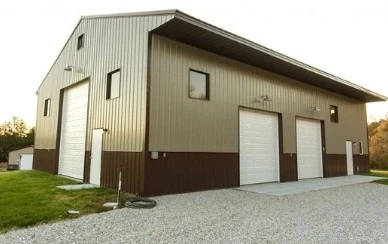
Standing seam methods can be used in a wide range of building types because they are flexible. The paneling is used to decorate the curtain walls of commercial complexes and office buildings. The continuous vertical lines give the buildings a modern, professional look. The large-span powers are used for dramatic roof uses on high-profile projects like airports, gyms, and exhibition centers. The fast drainage is good for industrial facilities like shipping stores and manufacturing plants that need reliable weather protection. Vertical standing seam metal cladding is being used more and more on modern homes in residential projects because it is low upkeep and can be used in a variety of ways. The system works great in tough conditions, like high-altitude alpine building where smooth surfaces help snow slide off, or curved business facades that need organic shapes for cultural centers and stadiums.
Material Selection and Performance Characteristics
The choice of substrate has a big effect on both how things look and how well they work. There are aluminum alloys that are very resistant to corrosion and don't weigh much, making them perfect for repair jobs that can't put too much weight on the structure. The material naturally creates an oxide layer that protects it and makes it last longer in harsh settings. Steel substrates with Galvalume coatings (AZ150 standard) offer cost-effective strength for bigger industrial uses by combining the benefits of steel's strength and aluminum's resistance to corrosion. Zinc and copper both age in different ways, getting natural patinas that give them a changing aesthetic appeal that is respected in high-end architectural projects. Stainless steel is used for specific tasks that need the highest level of corrosion protection in harsh naval or industrial environments.
Customization Through Finishes and Colors
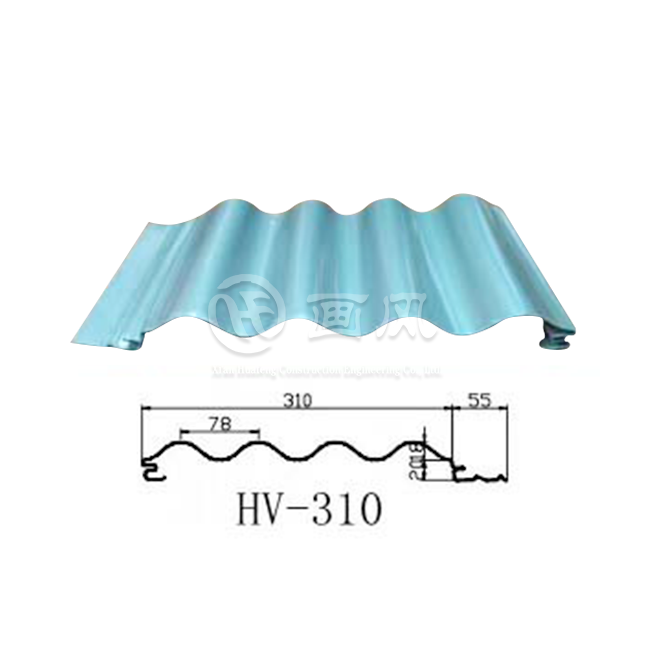
Coating technologies greatly increase the number of design options while also making things last longer. PE (polyester) finishes keep colors well and are cheap, so they are good for controlled settings. HDP (high-durability polyester) coatings, on the other hand, are better at withstanding mild weather. Polyvinylidene fluoride (PVDF) coats are the best because they keep colors stable and don't chalk up, making them perfect for tough jobs. We can make things that meet standards 25-330/400/430 and 65-300/400/430/500. For metal substrates, we can make them in any width from 300mm to 800mm and any thickness from 0.7mm to 1.5mm. Customization services go beyond what is normally available. They can handle specific color matching, pattern stamping, and unique design needs that fit with the brand's character and the building's vision.
Installation and Maintenance: Ensuring Lasting Aesthetic Appeal
Professional Installation Best Practices
To get the best look and functionality out of vertical standing seam metal cladding, it needs to be installed with great care. The level of smoothness of the substrate is an important quality control factor. For example, structural framing needs to be straight and true within the L/600 standard to avoid oil canning, a stress-related visual wave. The modular design allows for both rolling on-site and prefabrication in the plant. Panels can be longer than 12 meters to reduce the number of joints that need to be made on-site. With hidden clamp systems, there is no need for penetration fixation, so there are no leaking risks that come with using visible fasteners. Mechanical seamers have to use the right amount of pinching pressure so that the metal layer doesn't break. This is especially important for keeping PVDF finishes in good shape. The system can handle complicated shapes like matching arcs and hyperbolic curves with minimum bending radii of about 15 meters. This lets architects be creative without sacrificing weather protection.
Maintenance Protocols for Long-Term Value
Regular care keeps the shiny look that makes metal siding appealing to both owners and renters. Pollen, air pollutants, and industrial waste that can dull finishes over time can be removed by regular cleaning. For most jobs, mild detergents and soft brushes are enough. Avoid using rough cleaners that damage surfaces. Every year, checks focus on seam integrity, making sure that mechanical locks stay fully engaged and checking the consistency of factory-applied sealants inside female seam legs. The single-panel design that can be taken off makes it easy to fix small areas of damage without affecting nearby parts. This means that less work and money are needed to fix single areas of damage. As part of preventative maintenance, roof and drainage system checks are done to make sure that the water management paths are still clear. These investments in care protect the usual 30-year warranty coverage for quality systems, making sure that they work well and look good for a long time.
Comparing Vertical Standing Seam Metal Cladding with Other Cladding Options
Vertical Versus Horizontal Seam Systems
When people argue about whether seams should be vertical or horizontal, they are thinking about both usefulness and personal taste. Vertical standing seam metal cladding makes buildings look bigger and more beautiful by making strong upward visual movement. This works especially well on mid-rise and high-rise buildings. The direction naturally works with gravity-driven draining, which means that water doesn't stay on horizontal surfaces as long, which stops ponding from happening. Also, the difficulty of installation varies. For example, vertical systems let you use continuous panel runs from the roof to the wall, making frames that look like they are one solid piece. Horizontal systems need more lap joints where panels meet, which adds more places to seal that need to be done carefully. According to ASTM E1592 tests for wind uplift protection, vertical standing seam panels regularly do better in high-wind areas, which is very important for seaside and exposed areas.
Metal Cladding Versus Alternative Materials
When procurement workers look at different types of cladding, metal systems are up against fiber cement, composite panels, and standard brick veneers. The cost-effectiveness analysis shows that metal is better than project lifecycles, even though the starting costs of the metal are higher. Modular design allows for quick installation, which cuts down on labor costs and speeds up project timelines, bringing in usage income earlier. When properly protected, metal's thermal qualities make it more energy efficient than many other materials, as shown in whole-building energy modeling. Corrugated metal panels are cheaper up front, but they don't look as nice or last as long in bad weather as standing seam systems. The design of the secret fastener stops the streaking and stains that usually happens around screws that are visible. This keeps things looking clean, which protects property values. Metal covering that meets Class A fire standards according to EN13501-1 is safer in densely populated cities where fire ratings affect insurance costs and government approvals.
Procurement Insights for B2B Clients
Supplier Selection Criteria
To find suitable providers, you have to look at more than just the prices they offer. Certified qualifications show dedication to quality management. For example, ISO9001, ISO14000:14001, and SGS compliance show that process controls are carried out in a planned way. Along with our first-level building curtain wall qualifications and third-level building steel structure qualifications, these certificates show that we have a wide range of expert skills. The output potential of a supplier has a direct effect on the reliability of a project schedule. Our ability to offer 1,000 tons of raw materials every month, along with our 200,000 square meters of production and processing plants in various locations, makes sure that large-scale projects can always get what they need. The fully automatic punching systems and seven color finishing production lines make it possible to make changes quickly without lowering the quality. Patent files show how innovative a company is. For example, our 20+ registered patents for roofing systems show how technology is always changing.
Optimizing Order Specifications and Logistics
A good buying process strikes a balance between what the project needs, what the seller can do, and what the cost is. The 500-square-meter minimum order number covers most business facade uses and keeps prices low by making production more efficient. When planning includes accurate forecasts, lead times of 15 to 20 days can support tight building plans. Custom orders with specific colors, patterns, and design details need to be coordinated early on. Technical plans and finish samples make it easier to talk about the details. The benefits of buying in bulk go beyond lower unit prices. They also include combining freight costs and making inventory management easier. When figuring out the total cost of delivery, you should look at how well the panels are packaged to protect them during transport, how they are handled to keep them from getting damaged, and how willing the seller is to work with the building schedule to schedule deliveries. Building long-lasting partnerships with vertical standing seam metal cladding manufacturers who know what your project needs will bring you benefits like expert help, consistent product quality, and quick problem-solving when changes are needed in the field.
Conclusion
Vertical standing seam metal cladding changes the look of a building with its unique vertical lines, changeable finishes, and long-lasting good looks that can stand up to years of weather. The system combines beautiful architecture with useful benefits like better resistance to weather, better heating performance, and easier upkeep, all of which raise the value of the property. Professionals in procurement can help projects succeed by learning about the different types of materials available, how to put them, and how to find qualified suppliers. This cladding option is the best for business, industrial, and institutional buildings where the way the building looks directly affects how people feel about the brand and how happy their tenants are. It is aesthetically flexible, performs well structurally, and is environmentally friendly.
FAQ
1. What advantages does standing seam cladding offer over traditional cladding types?
Standing seam systems get rid of the open fixings that can cause leaks in standard cladding. This makes them much more reliable for long-term waterproofing. The hidden clip design lets heat move without putting too much stress on one area. This keeps the panels from warping and breaking, which can happen with panels that are set in place. The continuous vertical lines look better and more modern than overlapping horizontal panels with obvious fasteners from an aesthetic point of view. Durability benefits include a longer service life of more than 50 years with little upkeep, compared to 15 to 25 years for many other materials that need to be refinished or replaced every so often.
2. How does metal cladding contribute to energy efficiency?
Vertical standing seam metal cladding lowers the amount of energy a building uses in a number of ways. Reflective coats stop solar heat from being absorbed, which means that less air cooling is needed when it's hot outside. The system has very high thermal protection when it is put together with insulation layers and moisture shields in composite products. The airtight seam links cut down on the loss of conditioned air through intrusion. These performance qualities help the building get LEED certification points, which makes it more appealing to environmentally aware tenants and may make it eligible for utility incentive programs that pay for installation.
3. What customization options are available for colors and finishes?
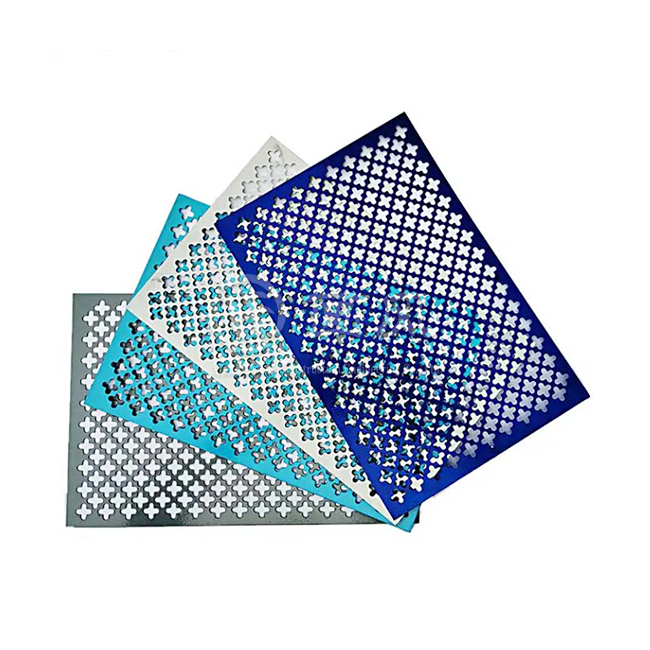
Modern finishing technologies make it possible to match almost any color to a brand's standards or an architect's palette. Standard color sets have a lot of choices, from basic colors to bright colors and shiny finishes. PVDF coats protect colors for decades, making sure that the way something looks will always be the same. Custom pattern embossing adds more than just plain colors; it also changes the texture by adding things like geometric shapes and wood grain models. Perforation choices add visual interest and serve practical purposes like sound reduction. By choosing the base, the type of coating, and the finish, buying teams can define cladding that perfectly matches the design purpose and performance needs.
Partner with HF for Your Vertical Standing Seam Metal Cladding Needs
Here at HF (Xi'an Huafeng Construction Engineering Co., Ltd.), we offer high-quality standing seam options that look great and work well. Our wide range of products comes with specs that are made to fit the needs of different projects. They are backed by ISO9001 and ISO14000:14001 certifications that guarantee quality. We can support both urgent renovations and phased new building plans because our production capacity can reach 1000 tons per month and our lead times are competitive at 15 to 20 days. Our company has been selling vertical standing seam metal cladding for a long time, and our technical team can make quotes that fit your unique design needs, material tastes, and budget. Get in touch with our experts at huafeng@hfmetalroof.com to talk about how our 30-year warranty goods and full customization services can make the walls of your next building project look better and last longer.
References
1. American Architectural Manufacturers Association. "AAMA 2605: Voluntary Specification, Performance Requirements and Test Procedures for Superior Performing Organic Coatings on Aluminum Extrusions and Panels." 2017 Edition.
2. ASTM International. "ASTM E1592: Standard Test Method for Structural Performance of Sheet Metal Roof and Siding Systems by Uniform Static Air Pressure Difference." West Conshohocken, PA, 2020.
3. European Committee for Standardization. "EN 13501-1: Fire Classification of Construction Products and Building Elements." Brussels, Belgium, 2018.
4. Metal Construction Association. "Technical Bulletin: Standing Seam Roof Systems – Design, Installation, and Performance Considerations." Glenview, Illinois, 2019.
5. U.S. Green Building Council. "LEED v4.1 Building Design and Construction: Material and Resource Credits for Metal Roofing and Cladding Systems." Washington, D.C., 2021.
6. Whole Building Design Guide. "Metal Wall and Roof Systems: Selection Criteria for Sustainable Building Envelopes." National Institute of Building Sciences, updated 2022.





YOU MAY LIKE
_1783936484206.webp "Inside locking metal aluminum cladding panel")