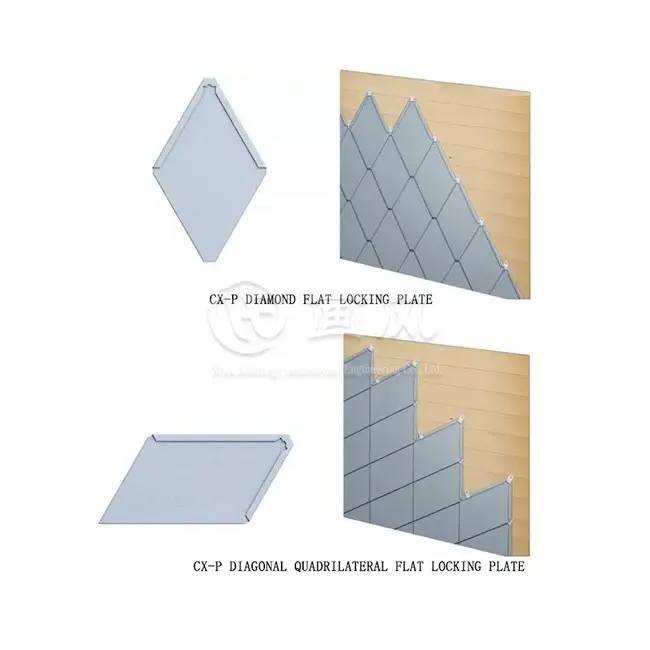
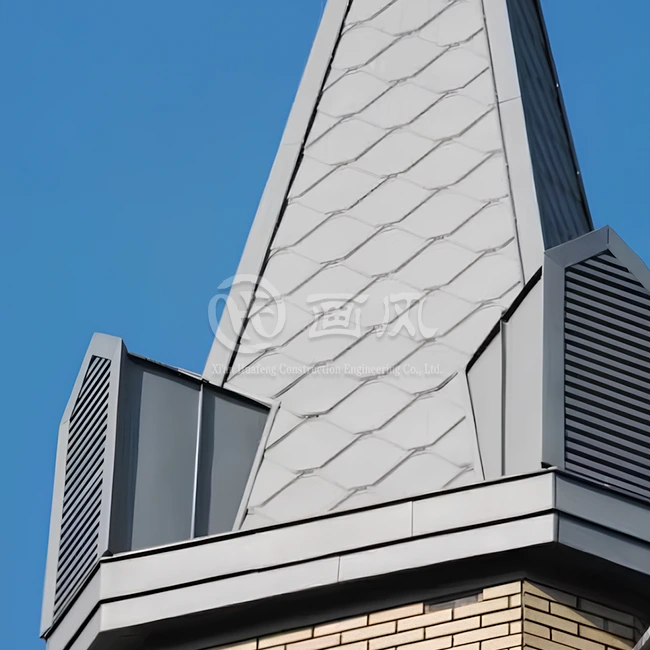
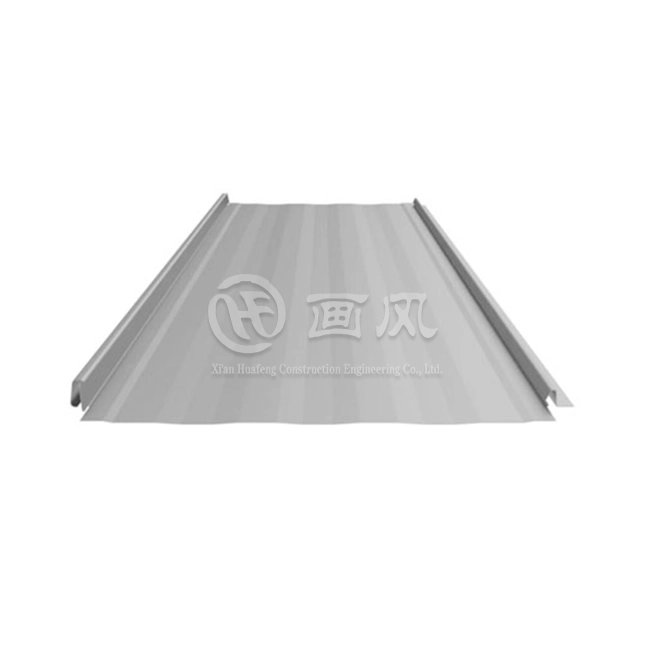
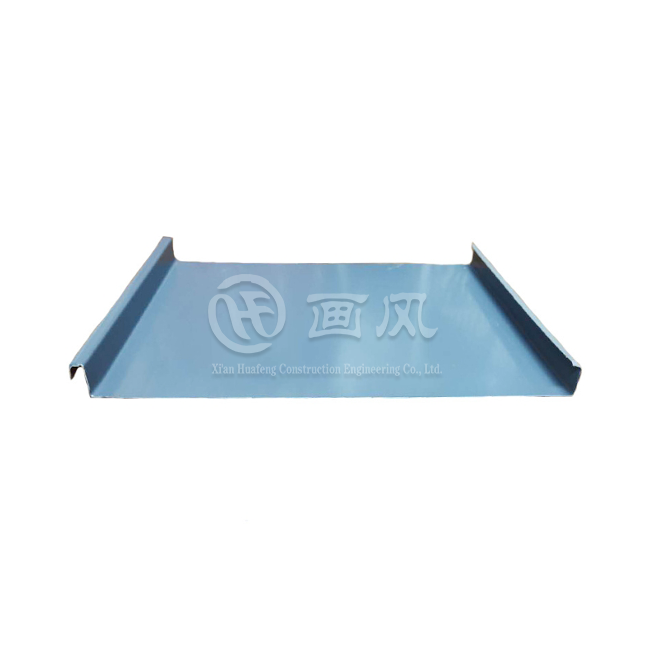
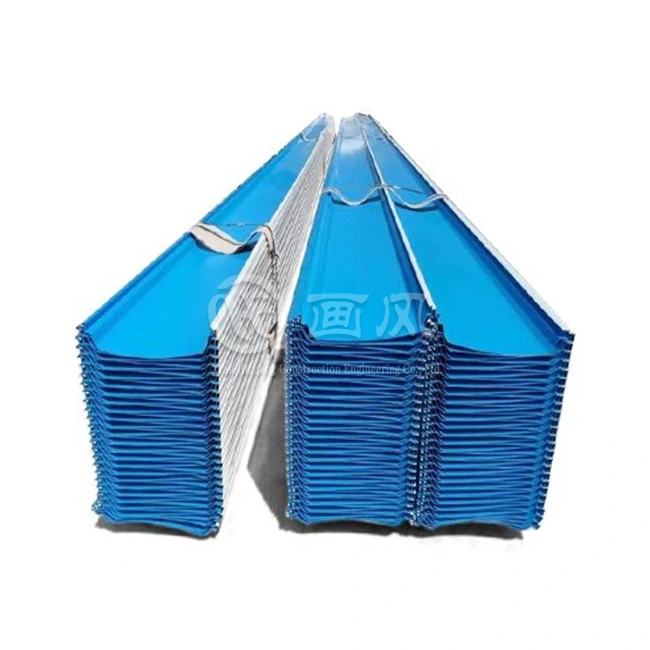
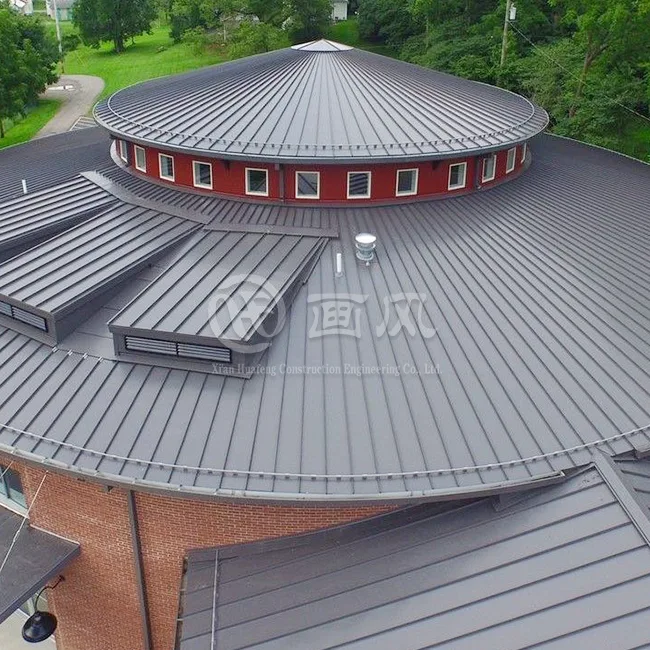
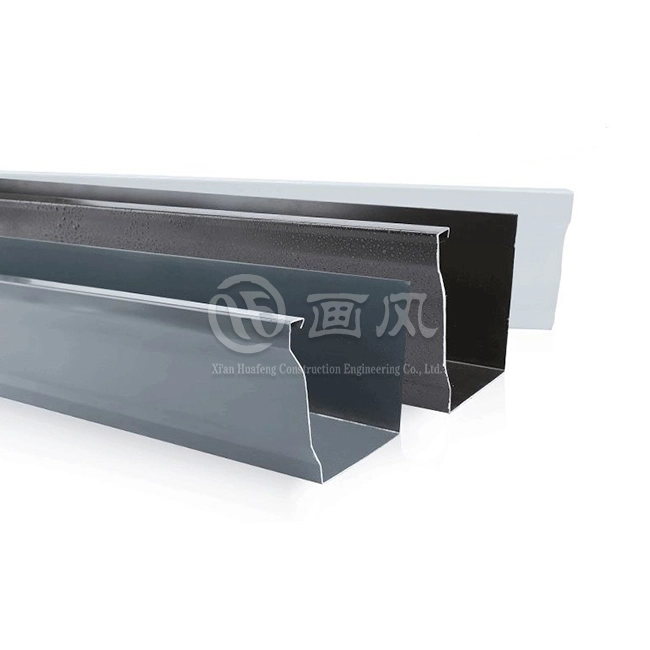
Place the first panel carefully so the male leg matches your reference line. Hold it with the engineering plans' clip. Clips attach to building supports, not panels. Keep the connection loose to adjust to temperature variations. This precise installation methodology is fundamental for Angle Lock Standing Seam Roof Panels. This element distinguishes expert installations from poor work that buckles and fails panels early. Sliding the female leg of the next panel over the male leg of the fitted panel engages the angular shape. The automatic seamer folds this link 90 degrees, creating the familiar standing seam. Keeping seaming pressure constant throughout panel runs prevents incomplete folds that reduce water resistance. Operators should see and physically confirm that seams are engaged and the lock shuts completely without gaps. Perform this action across the roof in a coordinated manner to maintain order. Panel runs longer than 30 meters may require expansion joints to allow movement while keeping them waterproof. Our engineering team estimates and joints thermal movement for extreme temperature expansion tasks.

How to Install Angle Lock Standing Seam Roof Panels for Optimal Performance
2026-05-21 16:16:08
Installation of automatically seamed metal roofs requires precise planning and execution. Due to their 90-degree vertical leg form that locks together automatically, Angle Lock Standing Seam Roof Panels keep water out and are robust. This snap-lock technique engages panel edges with hidden clips using seaming tools, not friction. This lets heat escape while maintaining weathertightness. This guide gives builders and project engineers proven methods for building things that last, satisfy quality standards, and operate well on business and industrial projects.
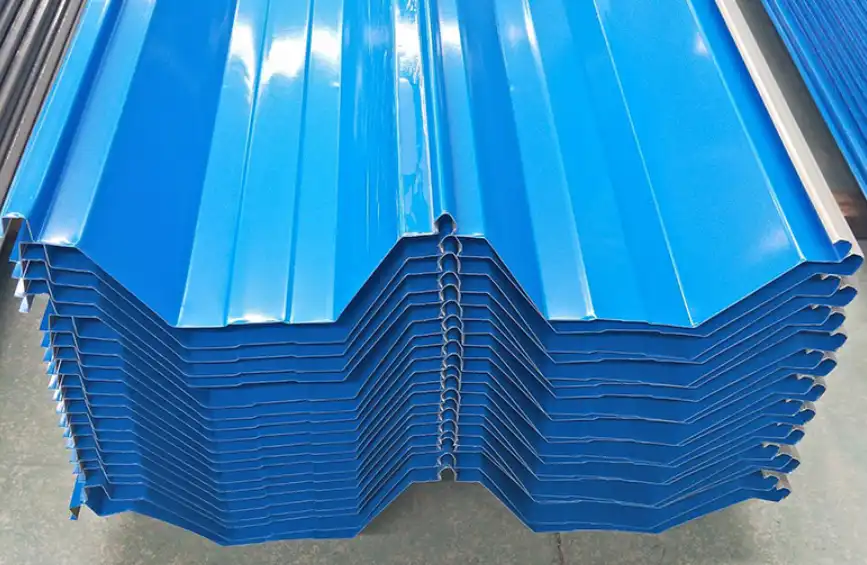
Understanding Angle Lock Standing Seam Roof Panels
Mechanically seamed metal roofing systems alleviate some of builders' biggest issues on large projects. Since 2018, Xi'an Huafeng Construction Engineering Co., Ltd. has improved its production method to create real-world roofing solutions.
What Makes This System Different
Angle locks use a vertical rib 50–115 mm above the roof deck to mechanically join adjacent panels. This raised seam pattern greatly affects water drainage. Hot-melt sealants placed at the plant in the female leg can link panels to withstand hydraulic pressure even when immersed for a lengthy time. This powerful barrier helps transport hubs and conference places stop all leaks on low slopes. Our panel bases include aluminium alloy (3004, 5052 series), alu-zinc steel plate (AZ150), or stainless steel. These materials don't rust in harsh coastal or industrial environments where chemicals accelerate rusting. Your project's wind load estimations and structure needs determine panel thickness, which is between 0.7mm and 1.2mm.
Thermal Movement Management
When temperature changes enlarge screws' fixing holes, through-fastened roofing fails. HF's standing seam systems use floating clip technology to stretch and shrink panels. For warehouses and transportation centers, 13-meter panels eliminate across seams and form a single covering. This technique maintains weathertightness and fastener life over decades of fluctuating temperatures.
Wind Uplift Resistance
The mechanical connection between the legs of the panels sends wind pressure straight to structural clips that are fixed in the roof deck. UL 580 Class 90 approval is needed for projects in hurricane-prone areas, and our systems always get it. When general builders choose roofs for government-funded infrastructure, they know that the wind resistance protects both the building envelope and the expensive mechanical systems that are kept below.
Preparing for Installation: Key Considerations
If you properly prepare your roof, it will endure 30 years or require expensive repairs within 10 years. Procurement managers working with installation teams must check several things before supplying items. Staging Angle Lock Standing Seam Roof Panels requires careful attention to detail to guarantee seamless integration.
Structural Assessment and Load Capacity
First, check that the purlins or other building supports can carry live and dead loads on a roof deck. Standing seam panels weigh 1–3 kg/m2 depending on material and gauge thickness. The amount of snow in the area may need tighter purlin spacing or thicker gauge material. Engineers should determine if the building fits these requirements without strengthening. Deck flatness affects panel alignment and oil can visibility. We recommend confirming that base changes don't exceed 6 mm over 3 meters. Uneven decking causes stress points during panel installation, resulting in waves. Correcting these flaws during planning saves a lot in repair costs.
Tool and Material Selection
Roofers may not have the tools for professional installation. Electric or gas seamers make the panel-holding angled fold. Your panels' seam profile form must be matched by these tools. Incompatible seaming equipment cause incomplete engagement, which reduces fabric weather protection and voids manufacturer warranties. Underlayment impacts heat and moisture resistance. Sewn-together high-temperature synthetic underlayments don't break down. They also prevent water damage during construction and roof use. Because large corporate projects often take multiple weather cycles to weatherproof, we employ underlayments that can resist prolonged exposure. Clip selection depends on panel setup and heat transport estimates. Fixed clips hold one end of each panel run, while movable clips hold the other. Due to wind uplift and local building codes, spacing gaps are normally 300–600 mm on center.
Safety Protocols and Regulatory Compliance
Commercial building sites must have adequately engineered guardrails, safety harnesses and anchor points following OSHA fall protection regulations. Contractors must follow extra safety regulations in high-traffic places like rail hubs or high-rise business buildings. Safety procedures before personnel go on the roof save workers and protect project owners from lawsuits. Local building officials verify installation standards through plan reviews and field examinations. Sending shop designs with seam forms, clip spacing, thermal movement provisions, and flashing details speeds up permit approval. Projects seeking LEED or other green certification must track their materials' origins, reflectivity, and recycled content. Developers with complex legal requirements can record things easier with our ISO9001 and ISO14000:14001 certificates.
Step-by-Step Installation Process of Angle Lock Standing Seam Panels
Long-term performance measures that matter to building owners, like the number of leaks, upkeep costs, and energy economy, are directly affected by how precisely the installation is done. The following method is based on best practices that have been found in hundreds of business installs around the world.
Site Preparation and Layout Planning
Setting up accurate reference lines stops alignment mistakes that build up over time and become obvious only after fitting dozens of panels. Draw chalk lines parallel to the eaves to figure out how wide the panel will actually cover. Because our panels cover 300mm to 600mm, layout planning needs to take building sizes into account to cut down on waste and make sure the panels look even. Before installing panels, roof penetrations for HVAC equipment, windows, and service access need to be planned. When flashing assemblies are put at the same time as neighboring panels, rather than being added later, they fit together better. By working together with the mechanical and electrical subcontractors, you can avoid schedule problems that would slow down the project's finish.
Underlayment and Flashing Installation
Roll the flooring across the panel direction so that there are at least 150 mm of overlap at the horizontal seams. At regular intervals, use cap nails or staples to hold it down and stop wind lifting during building. Pay extra attention to valleys and ridges where water builds up and makes leaks more likely. Adding self-adhesive coverings to these weak spots makes them even more resistant to water getting in. With eave trim and rake trim, you can set up the starter line that helps you put the first panel in place. These parts need to be level and firmly attached because later panels will be based on this first installation. Drip edges go past the skirting boards and keep water away from the building walls, which keeps the frames from rotting.
Panel Installation and Seam Engagement
Quality Control and Finishing Details
Ridge caps and edge trims conceal seam ends and finish the system. Modern architecture's clean lines are maintained by fitting these sections together with the standing seam shape. The panels' attachment must prevent water from entering these weak points while allowing the panels below to move. Check each seam for full contact, paying attention to end laps, changes, and penetration flashings. Fix fitting-related coating damage with manufacturer-approved tools. These simple solutions prevent rust from causing costly leaks.
Optimizing Performance and Longevity
Deciding on standing seam metal roofing is a big financial decision that will only pay off if it is kept up properly. Facility managers of business and government buildings should set up preventative repair programs that keep equipment in good shape and increase its useful life.
Routine Inspection Protocols
Inspections done once a year find small problems before they get worse and cause system failures that need emergency fixes. Walk along the roof's surface and look for broken panels, loose clips, or piles of garbage in the dips. Standing seam systems usually do a better job of stopping algae growth and organic buildup than other types of roofing materials, but they still need to be cleaned every so often to keep their best look and brightness. Check the quality of the sealer around the ends and penetrations. Because differential movement increases stress, these places have the worst aging. It's much cheaper to reapply sealant than to fix internal finishes that have been damaged by water or replace insulation that has been destroyed.
Thermal Performance Enhancement
In warm places, our PVDF coating systems reflect sun energy, which lowers the need for cooling. The color of these high-performance finishes stays stable for decades, unlike cheaper goods that chalk and fade. Standing seam systems achieve thermal performance levels that help buildings meet LEED certification goals and lower running costs when they are paired with the right insulation under the roof deck. Cool roof technology has grown past simple white coats. Specialized pigments now make a wide range of colors with high solar reflection. This lets builders choose finishes that look good and keep heat in while still being good for the environment. Buildings in mixed climates have to weigh the benefits of cooling seasons against the costs of heating seasons. This is why thermal modeling is so important when choosing products.
Comparative Longevity Analysis
Usually, you have to change traditional asphalt shingles every 15 to 20 years. This creates a lot of waste and stops building activities. Metal roofing from HF that is mechanically seamed comes with a 30-year promise and can last 50 to 70 years if it is properly kept. This makes lifetime cost estimates very different, which is why metal roofing is the most cost-effective option, even though it costs more to install at first. Mechanically seamed configurations are better at keeping out the weather, but snap-lock methods are easy to set up. Angle lock seams are better at keeping water out, and projects with slopes less than 3:12 pitch benefit the most from this. The mechanical fold makes two layers of water barriers that keep water out, even when panels are partly covered during heavy rain.
Procurement and Supplier Guidance for Angle Lock Standing Seam Panels
Choosing the right manufacturing partner has just as much of an effect on the result of a project as the quality of the work. Project engineers and procurement managers should look at possible providers on a number of factors that can be used to predict their long-term dependability and performance.
Certification and Quality Standards
Manufacturing certifications demonstrate process and quality control. ISO9001 accreditation shows that we employ organised techniques to ensure product consistency, and ISO14000:14001 certification shows that we take environmental management seriously. Third-party SGS verification ensures items fulfil technical criteria. These criteria are crucial since metal roofing performance depends on production tolerances. Coating thickness, substrate flatness, and seam geometry effect roof placement. Projects requiring Grade 1 building curtain wall or Grade 3 steel structural certifications require qualified providers. Xi'an Huafeng Construction Engineering Co., Ltd. is a high-tech Shaanxi corporation with 200,000 square meters of factories. This scale allows 1,000-ton monthly supply capability for large infrastructure projects without influencing transport schedules.
Customization Capabilities and Technical Support
Standard panel layouts work well for many uses, but custom solutions are often needed for big jobs. Our 7 color coating production lines and many manufacturing facilities in Hangzhou and Xi'an give us the freedom to match RAL specs or create our own finishes. Most business buildings don't have seams in the middle of their roofs because the panels are up to 13 meters long. This gives the buildings the clean look that planners want. Costly changes in the field can be avoided with technical help during the plan development phase. Our tech team has over 20 patents for new roofing systems, which shows how much they know about how to do complicated setups. This advice helps workers choose the best clip spacing for the wind loads they will be facing, pick the right thermal movement provisions, and plan out flashing assemblies for tough conditions.
Supply Chain Reliability
On-time material delivery helps maintain building plans. Our 500-square-meter minimum order quantity makes our goods appropriate for medium-sized corporate projects and helps us track manufacturing deadlines. This includes our high-performance Angle Lock Standing Seam Roof Panels. Standard delivery periods of 15 to 20 days work with most project planning cycles and don't necessitate rapid delivery costs that drain budgets. Exporting to over 100 nations provides us a global perspective and climate-specific demands. Construction contractors working abroad who must fulfil international standards benefit from this broad knowledge. Material certificates, testing documents, and engineering support consider local regulations. This simplifies approval in places where individuals don't know the regulations.
Conclusion
Finally, mechanically seamed metal roofing performs best when workers employ high-quality materials and precise building processes. Angle lock design protects against weather, lets heat travel and achieves modern business building architecture. These systems are expensive, but planning, installation, and maintenance can make them more beneficial. Purchasing managers should search for production qualifications, technical assistance, and project expertise when picking suppliers. These things predict long-term contentment better than initial price comparisons that ignore lifetime costs and performance stability.
FAQ
1. What distinguishes angle lock seams from double lock configurations?
Angle lock systems use a 90-degree fold to make an L-shaped outline, and double lock seams fold through 180 degrees to make the structure even stronger. The angle design looks better and is easy to place on slopes that are steeper. Double-lock seams keep out the weather better in low-slope situations (below 2:12 pitch) and places where it snows a lot. Which panels to use depend on the shape of the roof, the weather, and the unique design needs of each project.
2. Can solar arrays mount to standing seam roofs without penetrations?
Specialized clamping systems use set screws to connect directly to standing seams without going through the roof. This way of attaching keeps the waterproofing strong and the manufacturer's warranty valid. The non-penetrating method is especially helpful for building owners who want to add green energy capacity to existing buildings without having to worry about leaks that could damage stored equipment and interior areas.
3. How do thermal coatings affect long-term performance?
High-performance PVDF coatings don't break down when exposed to UV light, so their reflection and color stability last for decades. When compared to darker traditional roofs, these finishes cool the surface by 20 to 30 degrees. This lowers the cost of cooling in warm areas. When paired with proper upkeep, the coating keeps the substrate materials from rusting, which means they last much longer than the warranty period.
Partner with HF for Superior Metal Roofing Solutions
Xi'an Huafeng Construction Engineering Co., Ltd., a trusted Angle Lock Standing Seam Roof Panels supplier, can help you with all of your business roofing needs. We have been making Angle Lock Standing Seam Roof Panels for a long time and have state-of-the-art buildings where we consistently make high-quality products that are backed by ISO9001, ISO14000:14001, and SGS certifications. Our 30-year warranty shows that we are confident in the quality of our manufacturing, which has been built up over hundreds of successful installations in transportation hubs, meeting centers, and business buildings around the world. We offer full solutions, from the initial concept advice to the production of materials and help with installation. We can meet tight project deadlines without lowering quality standards because we can handle 1,000 tons of cargo every month, offer finishes in any RAL color, and deliver within 15 to 20 days. Email our expert team at huafeng@hfmetalroof.com to talk about your unique needs. Visit hfmetalroof.com to see our full line of products and read case studies that show how well they've worked in a variety of settings and situations.
References
1. Smith, J. & Anderson, K. (2021). Metal Roofing Systems: Design and Installation Standards for Commercial Applications. Construction Industry Press.
2. National Roofing Contractors Association (2022). Standing Seam Metal Roof Installation Manual: Technical Guidelines and Best Practices. NRCA Publications.
3. Thompson, R. (2020). "Thermal Performance Analysis of Mechanically Seamed Metal Roofing in Commercial Buildings." Journal of Building Envelope Design, 15(3), 112-128.
4. International Code Council (2021). International Building Code: Metal Roof System Requirements and Wind Uplift Standards. ICC Publications.
5. Martinez, L. & Chen, W. (2023). "Lifecycle Cost Comparison of Commercial Roofing Systems: Metal versus Traditional Materials." Facilities Management Quarterly, 28(1), 45-62.
6. Building Envelope Systems Association (2022). Technical Guide to Standing Seam Metal Roof Panel Selection and Specification. BESA Industry Standards.





YOU MAY LIKE