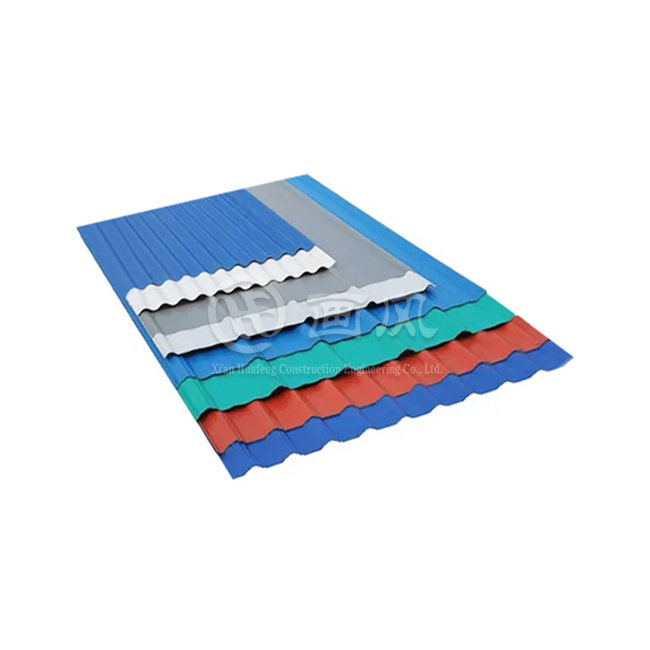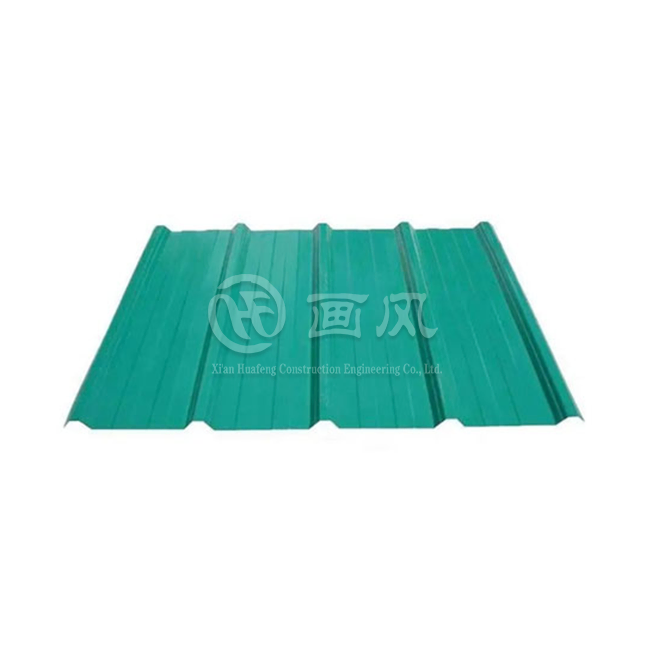
Snap Lock Standing Seam Roofing: A Seamless Solution for Your Roof
2026-05-20 20:10:17
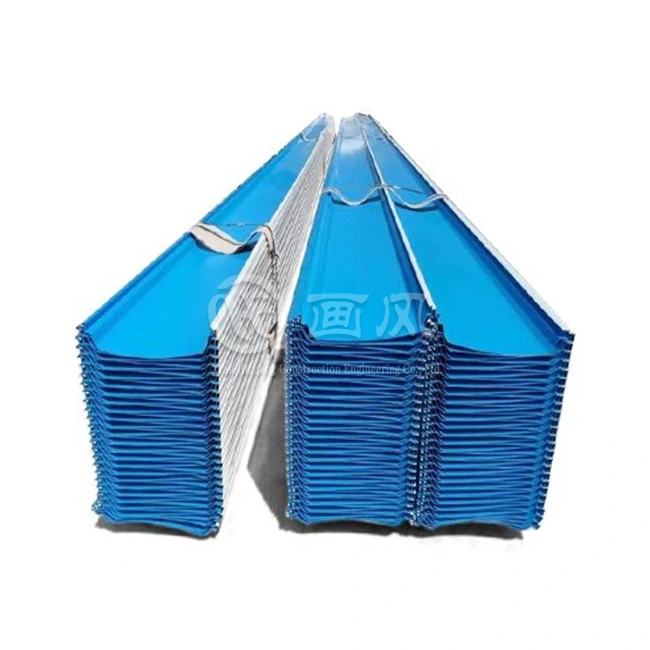
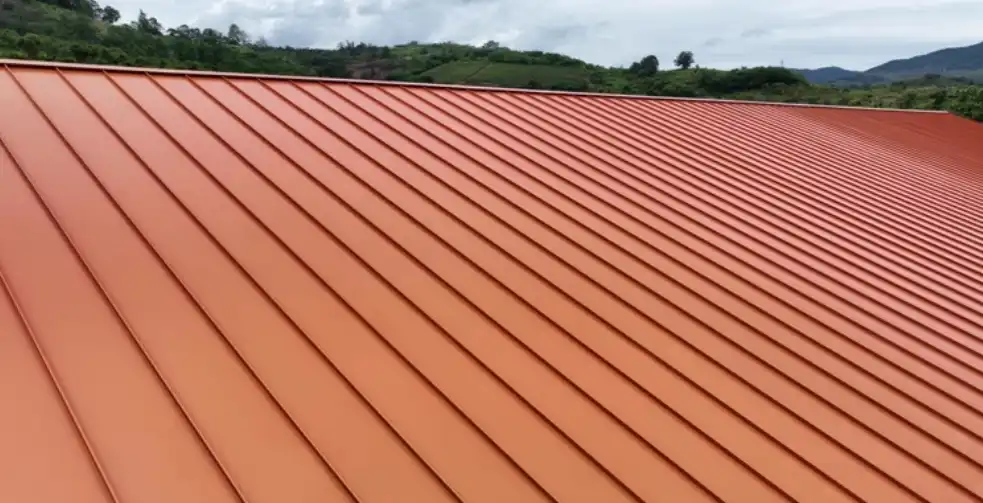
When building workers and roofers are looking for a roofing option that is both long-lasting and easy to install, the snap lock standing seam roof always comes out on top. This concealed fastener metal roofing system is unique because it has vertical panels with male and female legs that interlock and snap together securely. This means that you don't need any special mechanical seaming equipment and the roof will look great in commercial, industrial, and high-end residential settings.
Understanding Snap Lock Standing Seam Roofing
What Defines This Roofing Technology
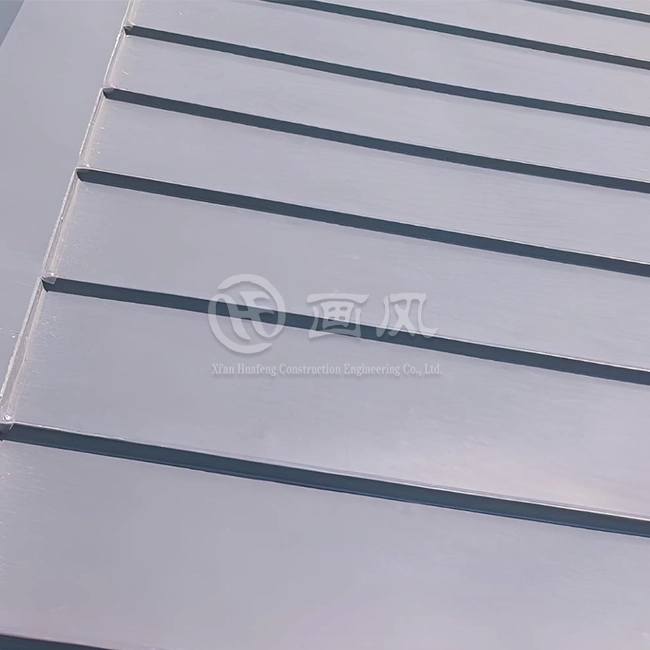
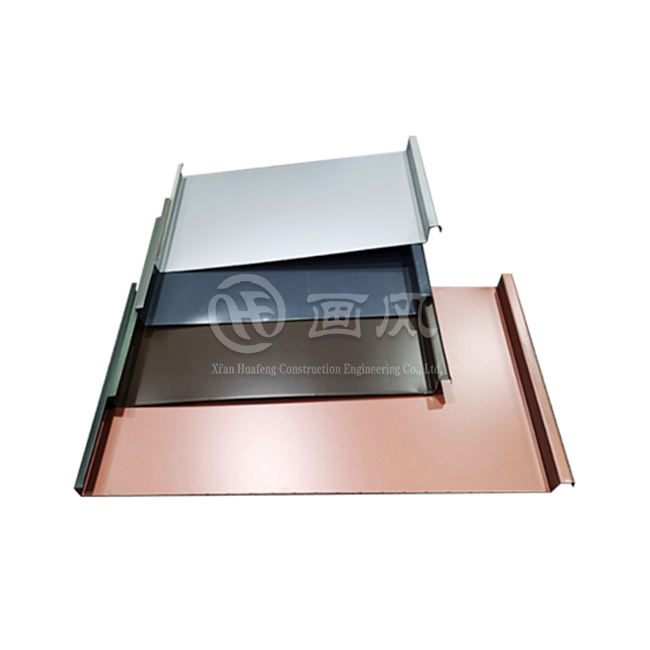
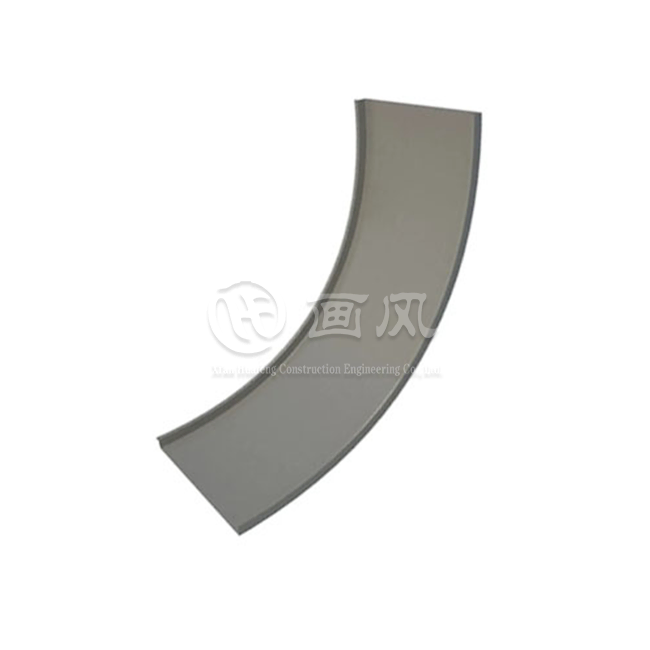
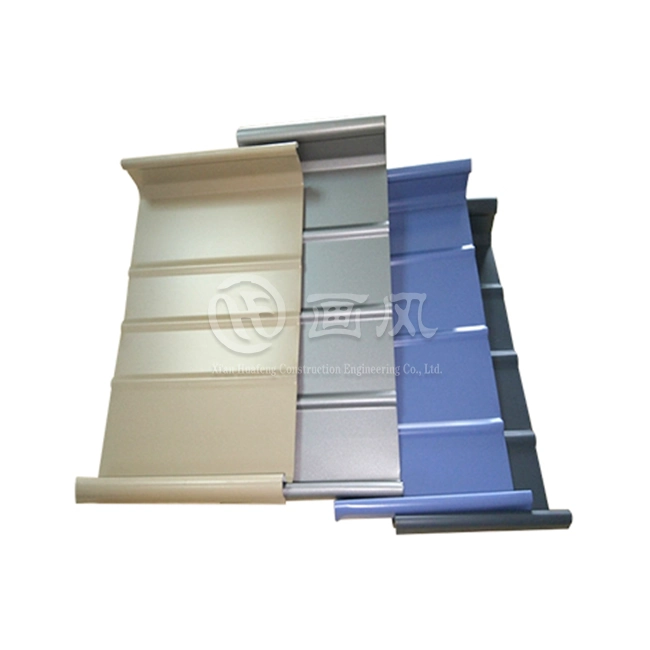
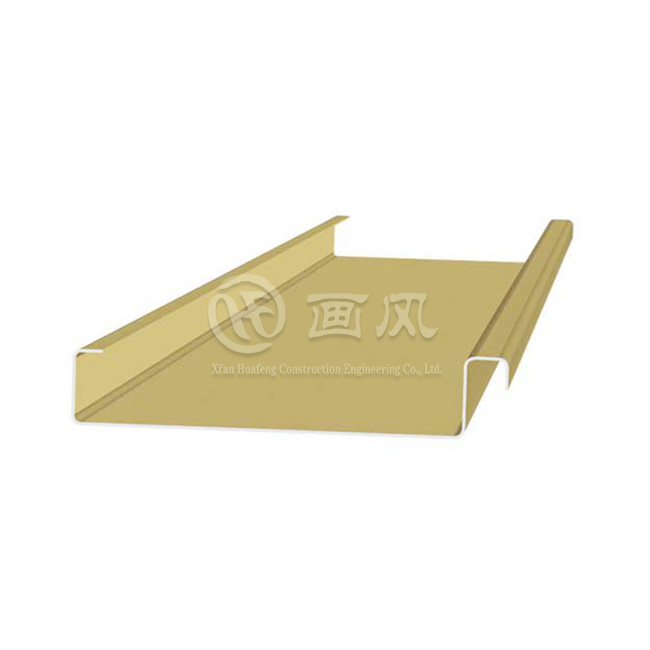
The snap lock standing seam roof is a big step forward in the engineering of metal roofs. In traditional exposed fastener panels, screws go all the way through the roofing material. This method, on the other hand, uses hidden clips that are connected to the roof deck and let the panels move freely. When two panels next to each other are put together, the male and female legs snap into place, making a seam that runs vertically along the roof surface and keeps out the weather. This design solves the problem of thermal expansion and contraction, which is a common problem in metal roofs, by letting panels move freely without putting stress on fastener points or wearing out the material.
Material Options for Diverse Project Needs
The right foundation material influences system performance and lifetime. Galvalume steel has 55% aluminium, 43.4% zinc, and 1.6% silicon. It rusts 2–6 times less than galvanised steel. This material thrives in most climates, especially dry inland areas.In humid coastal environments, aluminium is useful. Due to its low density (2.7g/cm³), aluminium needs less building support and resists salt spray corrosion better than steel. Many firms prioritise green building and LEED certification, and the material's unlimited recycling fits. Aluminium gadgets may last 50 years if maintained.Chemical and industrial facilities with corrosive air may use 304 and 316L stainless steel. Strong rust protection may justify the higher costs of the materials. HF provides standing seam aluminium alloy, steel, stainless steel, copper, and titanium zinc roofing. Different performance and structural goals may be addressed by adjusting width from 0.5mm to 1.2mm.
Protective Coating Systems
The choice of surface finish affects both how long it looks good and how well it stands up to weather. Plastic coats made of polyvinylidene fluoride (PVDF) are the best because they keep their color for over 20 years and don't fade or chalk. Over twenty years, these Kynar 500® or Hylar 5000® resin-based finishes keep their Delta E color shift values below 5. This is an important requirement for projects that need to look consistent.PE (polyester) coatings are a cheap option for projects that will be done in less harsh environments or where cost is an issue and longer guarantees on look are not a priority. HF offers both PVDF and PE finishes in RAL and custom color choices, so they can be used together in different ways and within a range of budgets.
Benefits and Performance of Snap Lock Standing Seam Roofing
Superior Weather Protection and Energy Efficiency
The main weakness of regular roofing systems is their fastener penetrations, where rubber washers wear out over time and make leak paths. The hidden fastener design gets rid of this problem. All of the bolts are placed under the overlapping seams, which gives the system hydrokinetic water-shedding properties that work best on slopes of 3:12 or more. The raised seam shape, which is 45 mm normal in HF systems, efficiently channels water and stops capillary action that could pull water into panel joints.There are more perks to thermal efficiency than just basic insulation values. Metal roofs better reflects sunlight than asphalt or composite materials, which lowers the need to cool business buildings by 20 to 30 percent during the hottest summer months. When these systems are paired with cool roof PVDF coatings that are made to reflect as much sunlight as possible, they help lower running energy costs and make people more comfortable.
Wind and Snow Load Capabilities
In places where bad weather happens a lot, structural performance standards are very important. When clip spacing stays at 1.5 meters or less, properly designed snap lock standing seam roof systems can handle wind resistance loads above 3.0kN/m² and wind speeds up to 60m/s (216km/h), which is what the EN 15601 standard says they must be able to do. The snow and live load capacity depends on the thickness of the material and the density of the purlin supports. For example, 0.7mm aluminum panels with 600mm purlin spacing can hold loads of 1.5kN/m² or more, while 1.0mm galvanized steel panels can hold loads of 2kN/m² or more.The way of using flexible connections naturally resists earthquakes, and it allows for ±15mm of movement to support structure movement during earthquakes. This flexibility is especially useful in places that are prone to earthquakes, where stiff roofs could crack or fall apart when hit from the side. When reviewing packages for permit approval, building officials and experts like seeing these written descriptions of performance capabilities.
Comparative Advantages Over Alternative Systems
For contractors working on tight project plans, installation efficiency may be the most obvious benefit. When compared to machine seamed systems, which need on-site seaming tools and special training, snap lock standing seam roof systems can be put together 30–50% faster. Mechanical lock systems need seamers to fold the edges of panels 90 or 180 degrees by hand or by robot. Snap lock panels, on the other hand, just press together vertically, which is something that most roofing teams can do after a short training time.Snap lock systems are different from permanently seamed options because they are easier to maintain. It is possible to take out and put back on individual panels without damaging the seam links between them. This makes repairs or changes necessary for future equipment setups easier. Compared to mechanically locked systems that need seam damage to get in, this serviceability lowers long-term ownership costs and operating problems.
Installation Process and Considerations for Snap Lock Standing Seam Roofs
Site Preparation and Substrate Requirements
Preparing the base correctly is the first step to a successful installation. Planarity of the deck can't vary by more than 1/4 inch over a 10-foot span. If it does, oil canning, a waviness in the metal surface that isn't physically important but looks bad, will happen. Installers use straightedges to make sure the base is flat before putting up the panels, whether they are putting them over plywood sheathing, a metal deck, or hard insulation board.The type of underlayment you choose relies on the slope and the amount of exposure. Minimum slopes of 3:12 usually need high-temperature synthetic flooring or self-adhering membrane goods that protect against weather during installation and for the whole system's life. Fully attached flooring systems keep water out during bad weather and are helpful for projects near the coast where there is a lot of wind or where it rains a lot because of the wind.
Panel Engagement and Fastening Protocol
The snap lock standing seam roof looks simple, but it's actually very important that it's done correctly. Installers put the male leg of one panel into the female leg of the previous panel, and then they hit the panels together with a special hand tool or a rubber mallet to make sure the seams are fully engaged along the whole length of the seam. Incomplete contact lowers the resistance to wind lifting and makes it possible for wind-driven moisture to get in.Pay close attention to the type of fastener and where it goes when installing a hidden clip. Galvanic rusting, which happens when different metals touch each other, can't happen with screws made of non-corrosive stainless steel or zinc alloy. The distance between clips is based on engineering standards and is usually between 12 and 24 inches on center, depending on the wind zone and panel width. When clips are too tight, they limit heat movement, which could lead to panel buckling. When clips are too loose, they don't provide enough lifting resistance.
Professional Skill Requirements and Training
Even though the system makes installation faster, it is still necessary to have professional help. Contractors who are new to snap lock systems can get training from the maker that teaches them how to properly place clips, align panels, and avoid making common mistakes. HF helps installations go smoothly by giving contractors expert advice and support after the sale. This way, contractors can avoid problems that could hurt the system's performance or void the guarantee.Craftsmanship has a direct effect on long-term weathertightness in areas like installing edge trim, finishing the ridge cap, and installing entry flashing. Professional fitters know that these changes focus water flow and thermal stress, so they have to pay close attention to maker specs and best practices described in standards like ASTM E1592 (Structural Performance) and ASTM E1646 (Water Penetration).
Procurement Guide for Snap Lock Standing Seam Roofing
Evaluating Supplier Capabilities and Certifications
Effective procurement goes beyond price, focusing on production capacity, certifications, and delivery reliability. HF operates three factories with over 40 specialized machines and seven production lines, enabling monthly output above 1,000 tons—ideal for large or multi-site projects. Custom panel lengths up to 13 meters reduce horizontal seams and potential leak points. Compliance with ASTM, DIN, JIS, BS, and GB/T standards ensures consistent manufacturing quality. ISO9001 and ISO14001 certifications confirm strong quality control and environmental responsibility, making the snap lock standing seam roof suitable for regulated and sustainability-driven projects.
Lead Times and Minimum Order Considerations
Understanding lead times and minimum order quantities helps maintain project schedules and budgets. HF typically delivers within 15–20 days after order confirmation, allowing alignment with installation timelines while minimizing on-site storage risks. A minimum order of 500 square meters or one ton supports both large projects and smaller renovations without limiting flexibility. Custom colors or specialized coatings may extend timelines, so early coordination during design phases is essential. This ensures availability, avoids delays, and helps procurement teams secure the right snap lock standing seam roof specifications efficiently.
Total Cost of Ownership Analysis
Lifecycle cost evaluation is critical when selecting roofing systems. Premium PVDF coatings cost more initially than PE options but offer superior durability, longer color retention, and 30-year warranties, reducing repainting or replacement costs. Aluminum substrates, while more expensive than steel, minimize corrosion maintenance and extend service life in coastal areas. The snap lock standing seam roof also lowers labor expenses through 30–50% faster installation compared to mechanical systems, reducing total project time. These combined savings improve return on investment and make lifecycle performance more favorable.
Choosing the Right Snap Lock Standing Seam Roofing Solution
Climate and Environmental Factors
Regional climate conditions strongly influence material and coating selection. Coastal environments require aluminum or heavily coated steel to resist salt corrosion, while desert regions benefit from PVDF coatings that withstand UV exposure and temperature extremes. High-humidity areas demand proper ventilation and vapor barrier placement to prevent condensation damage. Cold climates require systems designed for snow loads and ice dam prevention through proper detailing and thermal breaks. Selecting the right snap lock standing seam roof configuration ensures durability and performance across varying environmental conditions.
Architectural Integration and Aesthetic Considerations
Metal roofing plays an increasing role in architectural design. Standing seam profiles provide clean lines and shadow effects that complement modern styles. HF supports RAL and custom color matching, ensuring consistency across building envelopes. Panel width selection influences visual scale—narrow panels create traditional aesthetics, while wider panels produce bold, modern appearances. Structural performance is also affected, as narrower panels with closer clip spacing improve wind resistance. The snap lock standing seam roof balances visual appeal with functional performance for diverse architectural requirements.
Project-Specific Performance Requirements
Different project types demand tailored roofing performance. Commercial facilities prioritize fast installation and minimal disruption, making the snap lock standing seam roof ideal for rapid enclosure and quicker occupancy. Industrial sites value durability and low maintenance, reducing long-term operational costs. High-end residential projects require both performance and refined appearance, benefiting from premium coatings, precise installation, and minimal surface distortion. Aligning system specifications with project goals ensures optimal results in efficiency, aesthetics, and lifecycle value.
Conclusion
The snap lock standing seam roof technology in metal roofing systems gives builders, managers, and property owners who are in charge of different types of projects a lot of benefits. The hidden fastener design gets rid of the leaky spots that come with visible fastener systems. It also allows for heat movement, which would normally stress fastener points and cause them to fail early. Gains in installation efficiency lead to lower labor costs and faster project plans without lowering quality or durability. With choices like aluminum, steel, and exotic metals, you can find the right material for the job, your budget, and your personal taste in style. If you buy these systems from companies that offer strong quality certifications, full warranties, and reliable delivery schedules, they will give you great long-term value in business, industrial, and domestic settings that need long-lasting, energy-efficient roofing solutions.
FAQ
1. What minimum roof slope works with snap lock standing seam systems?
As a general rule, slopes of at least 3:12 are needed for snap lock setups. The hydrokinetic design lets water out through gravity drainage instead of making seals that can't be broken, so higher slopes are needed to stop water from getting in through the panel joints. For projects with smaller slopes, automatically seamed systems with double-locked seams are needed because they keep water out better when there is standing water.
2. How does thermal expansion affect panel length selection?
When the temperature changes, metal panels get a lot bigger or smaller. For example, steel panels get 12×10⁻⁶/°C bigger, and aluminum panels get 23×10⁻⁶/°C bigger. Long screens that are 40 feet or longer change a lot in size when the temperature changes a lot. This movement is allowed by the floating clip system, but panels that are longer than a certain length may need expansion joints or special clip designs to keep them from buckling or seams coming apart during thermal cycles.
3. Can snap lock systems achieve hurricane zone approvals?
A lot of snap lock standing seam roof profiles have UL 90 wind uplift rates and Notice of Acceptance approvals, which means they can be used in storm zones with high winds. How well something works rests a lot on the clip spacing, panel width, and fastener specs. Narrower panels with closer clip spacing have higher uplift protection and meet the strict standards of coastal building codes. The project specs should list assembled parts that have been tried and approved to work in the real installation environment.
Partner with HF for Reliable Snap Lock Standing Seam Roof Solutions
To find good metal roofing, you need a snap lock standing seam roof maker with the ability to produce large amounts of roofs, technical know-how, and quick customer service. HF has three specialized factories with more than 40 precise tools and seven production lines. These factories are certified by ISO9001 and ISO14001 to provide uniform quality. Our standing seam metal roofing systems come in a range of thicknesses and seam heights, from 0.5 mm to 1.2 mm, and are made from a wide range of materials, such as aluminum alloy, steel, stainless steel, copper, and titanium zinc. All of these materials are covered by a 30-year guarantee. We can meet your project deadlines with our 1,000-ton monthly supply capacity and delivery times of 15 to 20 days. Our PVDF/PE finishes come in RAL and custom colors that meet ASTM, DIN, JIS, BS, and GB/T standards. Email our team at huafeng@hfmetalroof.com to talk about the details of your project and find out why building companies choose HF as their snap lock standing seam roof supplier for tough business, industrial, and residential projects.
References
1. American Society for Testing and Materials. "ASTM E1592: Standard Test Method for Structural Performance of Sheet Metal Roof and Siding Systems by Uniform Static Air Pressure Difference." ASTM International, 2017.
2. Griffin, C.W. and Fricklas, R.L. "Manual of Low-Slope Roof Systems: Fourth Edition." McGraw-Hill Professional, 2006.
3. Metal Construction Association. "Technical Bulletin: Thermal Movement in Metal Building Components." Metal Construction Association Industry Guidelines, 2019.
4. National Roofing Contractors Association. "The NRCA Roofing Manual: Metal Panel and SPF Roof Systems." National Roofing Contractors Association Publications, 2020.
5. Patterson, M. "Structural Standing Seam Metal Roofs: Design Considerations and Performance Standards." Journal of Architectural Engineering, Volume 24, Issue 3, 2018.
6. Underwriters Laboratories. "UL 580: Standard for Tests for Uplift Resistance of Roof Assemblies." Underwriters Laboratories Safety Standards, 2015.





YOU MAY LIKE