Mechanical Lock Metal Roofing vs. Traditional Roofing: Key Differences
2026-05-20 20:10:15
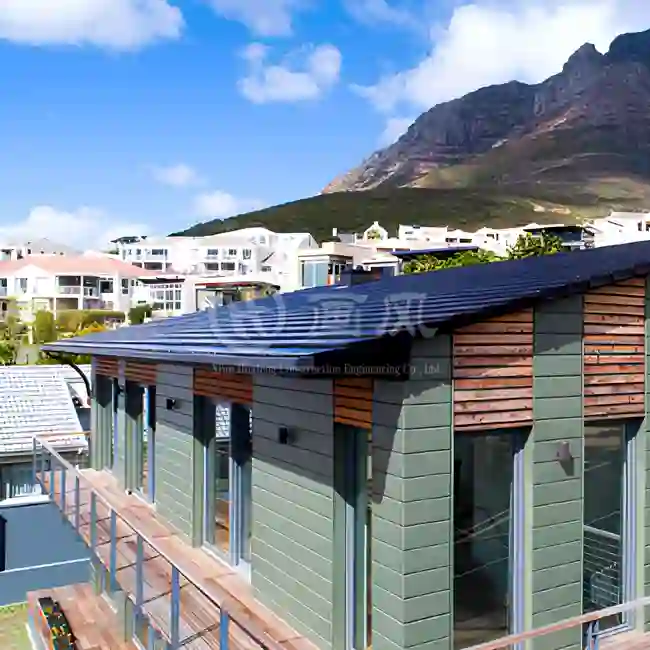
It is important for procurement managers and roofing contractors to know the basic differences between mechanical lock metal roofing and standard roofing systems when they are looking at roofing materials for business and industrial projects. Mechanical lock metal roofing is an advanced standing seam system that uses mechanically crimped seams to hold interlocking metal panels together. This makes a waterproof shield without any visible fixings. Unlike other roofing choices that use nails or screws to go through the surface, this method provides better structural integrity, better weather resistance, and a much longer service life—usually guaranteed for 30 years or more. The main difference is how these systems work when they are under stress, how they handle changes in temperature, and how they help save money on long-term operating costs.
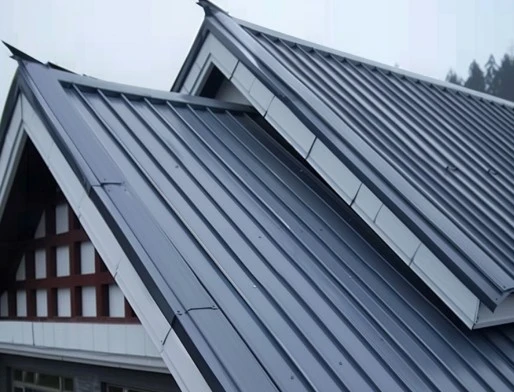
Understanding Mechanical Lock Metal Roofing
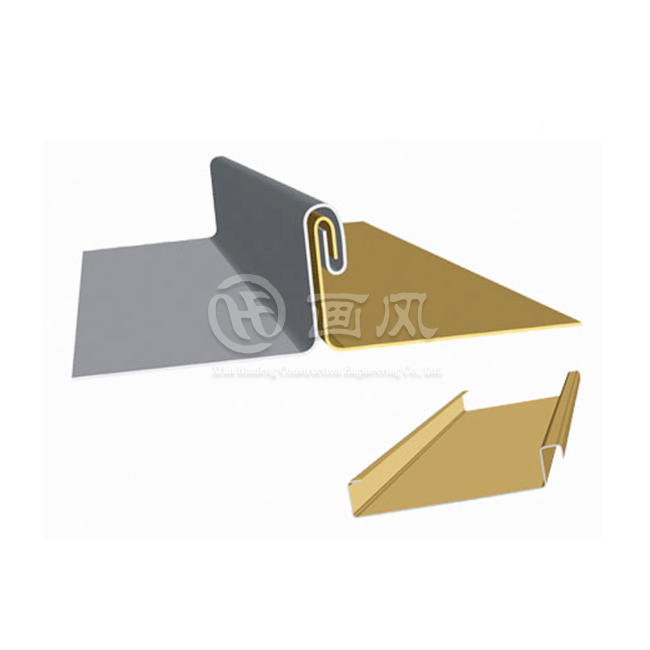
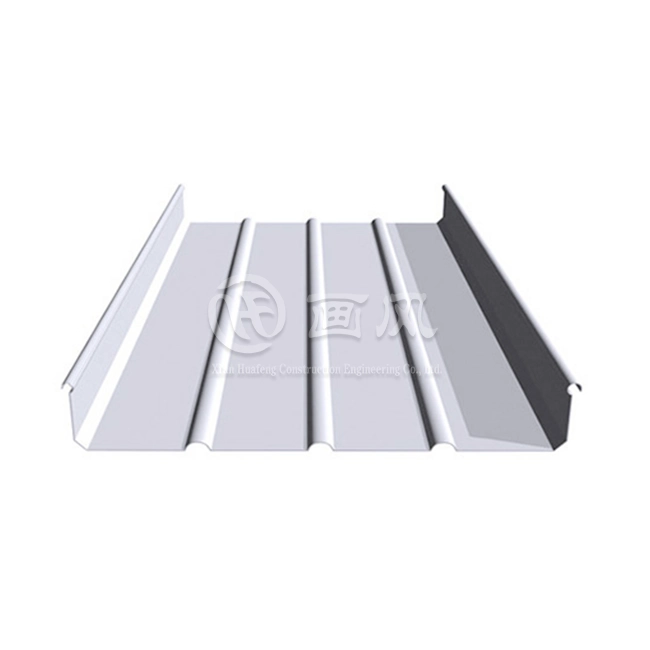
Mechanical lock metal roofing systems use special tools to fold and crimp the edges of neighboring panels together, creating either a single-lock or double-lock configuration. This engineering method makes a secret way to attach things that doesn't let water in and can handle changes in temperature by using floating clip systems that are hidden inside the seam.
Structural Design and Engineering Advantages
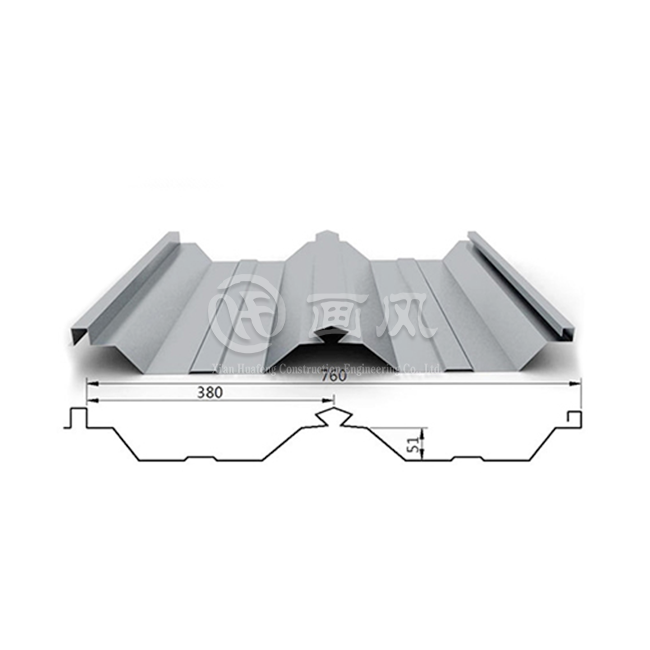
Mechanical lock metal roofing panels are better for structure because they are made of high-tensile steel, which is usually between 0.5mm and 1.0mm thick. In our factories, we make standing seam panels with ribs that are 25 mm, 32 mm, or 38 mm high. Each one is designed to meet specific performance needs. The panels have PVDF or PE coatings on the outside that make them very resistant to UV light and keep the color for a long time in a range of RAL colors. These systems are certified to meet strict international standards, such as ASTM, DIN, JIS, BS, and GB/T. This makes sure that they are in line with building rules in a wide range of markets. When done right, the double-lock seaming process makes a 180-degree turn that includes factory-applied sealant, getting waterproofing ratings of IPX4 or higher—essential for low-slope situations where water loss happens more slowly.
Performance in Extreme Weather Conditions
Wind resistance is an important requirement for buying industrial roofs. Mechanical lock metal roofing panels can survive wind speeds of more than 90 mph, which meets the standards of the International Building Code for high-velocity hurricane zones. The interlocking device stops the metal from "unzipping" like some classic metal roofs do when bad weather hits. The snow load capacity is at least 1.5 kN/m², so these systems can be used in high areas where heavy snowfall happens. The vertical rib shape helps the snow fall off naturally, and the mechanically crimped seams keep the structure strong when moving snow and ice dams put pressure on them.
Material Options and Customization
We have three plants with seven color coating production lines and more than 40 specialized tools that can make 1,000 tons of products every month. Galvalume steel, aluminum, galvanized steel, stainless steel, copper, and titanium zinc are some of the materials that can be used. Each one is chosen based on how it will be used and how it looks. Panel specs allow widths ranging from 300 mm to 500 mm and lengths from 1 to 13 meters. This means that they can be customized to fit a wide range of building styles without affecting their structural performance.
Traditional Roofing Overview and Common Limitations
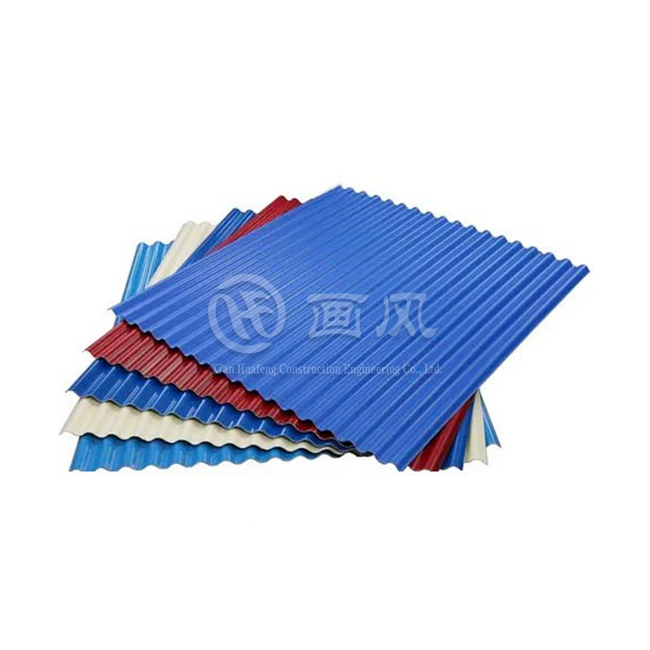
Asphalt shingles, clay or concrete tiles, and through-fastened curved metal sheets are all common types of traditional roofing materials. These well-known systems have been used in the building industry for decades because they are easy to setup and are widely available to contractors.
Material Vulnerabilities and Maintenance Demands
Asphalt shingles usually last between 15 and 25 years before they need to be replaced. How long they last depends on how they are maintained and the weather. UV damage, changing temperatures, and water getting into petroleum-based materials over time weaken them and cause them to crack, curl, and lose their granules. When figuring out the total cost of ownership, procurement managers have to include the costs of fixes in the middle of the vehicle's life and a final tear-off. Although clay and concrete tiles last longer than asphalt, they add a lot of weight to the structure and need better support, which often means spending a lot of money on expensive frame reinforcement. Individual tiles that break because of foot traffic, hail, or heat stress require ongoing care. Because these materials are porous, moss and algae can grow on them in damp places. They need to be cleaned on a regular basis to keep their look and keep them from breaking down too quickly.
Energy Efficiency Shortcomings
Traditional roofing materials tend to soak up more sun heat than metal systems that reflect it back. At times in the summer, the top of dark asphalt shingles can get hotter than 160°F, which makes cooling loads much higher in the areas below. This thermal transfer has a direct effect on running energy costs, which is becoming a bigger worry for building owners who want to get LEED approval and other green building awards. While through-fastened metal roofing has some benefits over organic materials, it also forms thermal bridges at every place where the fasteners go through the roof. These links let heat pass right through the insulation layer, which lowers the R-value of the whole roof assembly and makes it harder to meet the energy performance standards set by current building codes.
Core Structural and Performance Differences
Mechanical lock metal roofing systems are fundamentally different from traditional roofs in many ways, including how they are installed, how well they last, and how much they cost to own overall.
Installation Requirements and Expertise
For mechanical lock metal roofing panels to be installed correctly, they need to be put together by trained professionals who know how to seam things correctly. To get the seams to the right height without damaging the protected coatings, the crimping process needs to be done with steady pressure. The placement of clips and the spacing of the panels are done according to engineering standards that take into account how heat moves across big roof areas. The temperature range for installation is 0°C to 40°C, and the weather is watched to make sure that no moisture builds up while the panels are being put in place. Putting on a traditional roof requires more traditional job skills. When shingles are put on, they are overlapped and held in place with pneumatic nailers. When tiles are put on, mortar beds and mechanical fixings are needed. These well-known methods shorten the time it takes to learn new skills, but they also create a lot of entry places that could become failure points over time. Through-fixed metal panels also use exposed screws with rubber covers that break down in UV light, so they need to be inspected and fastened replacements every so often to keep their weatherproofing.
Durability and Service Life Comparison
Our mechanical lock metal roofing systems come with 30-year warranties and have been installed in a wide range of climates and have been shown to work well. The main problem with standard systems is that the fasteners wear out and let water in. The hidden fastening method gets rid of this problem. Because Galvalume coatings and PVDF finishes are naturally resistant to corrosion, the structure and appearance will stay good for as long as the guarantee lasts with little to no upkeep. Comparative research shows that standard asphalt roofing usually needs to be replaced in 20 years or less, which means that the money is completely re-invested over the life of the building. Tile systems may get closer to longer service lives, but they need to be fixed all the time because units get broken or moved around. Traditional materials have a big effect on long-term building budgets because they need to be replaced and maintained over and over again.
Thermal Management and Energy Performance
The space between the mechanical lock metal roofing panels and the roof deck below them lets air flow naturally, which keeps the inside of the building cooler. Solar reflection values are very high with reflective PVDF finishes that come in many colors and often go above 0.65 on the Solar reflection Index. This performance leads to measured drops in the amount of cooling energy needed, which is especially helpful for factories and warehouses with big roofs. Traditional materials aren't as good at managing heat as these ones. Even though cool-roof asphalt shingles are better than regular ones, they still can't reflect light as well as metal coats that are put on by the factory. Although the thermal mass of concrete tiles can help keep temperatures from going up and down too much, they don't have the active ventilation benefits that come with raised-seam metal shapes.
Procurement Considerations for Commercial Applications
A good roofing purchase matches the original cost with the value over the roof's lifetime, taking into account more than just the initial square footage costs.
Cost Analysis and Return on Investment
When compared to mid-grade asphalt shingles, mechanical lock metal roofing systems cost 40–60% more per square metre. Assembly, substrate preparation, and other variables reduce this gap. Getting rid of midlife repair costs changes budgets. Roofs with 20–50 years of service life have higher ROI.Our minimum purchase quantity of 500 square metres, or one tonne, is enough for medium-sized corporate projects and affordable for larger ones. Bulk purchases may maximise budgets for projects with several buildings or contractor stock. Without major delays, 15–20-day delivery schedules may meet project goals.
Supplier Reliability and Quality Assurance
Select roofing material providers based on manufacturing capacity, quality control, and expert support. We can handle large orders and supplies, particularly during building seasons, with three locations and seven production lines. ASTM, DIN, JIS, BS, and GB/T test third-party materials and performance.Check warranties before buying. Full coverage for material defects and performance standards like wind uplift and water infiltration decreases risk more than conventional roofing materials with limited manufacturer assistance. Project benefits include technical personnel that know local construction regulations and can help install.
Customization and Project-Specific Solutions
Custom mechanical lock metal roofing is available for commercial and industrial buildings. Unstitched panels up to 13 metres long may be stretched continually across extensive roof lines, weakening their weather resistance. Choose slope-based rib height. 25mm profiles work well on steeper slopes, whereas 38mm profiles work well in low-slope water-flow applications.Customising colours beyond RAL lets architects follow corporate branding or neighbourhood design guidelines. These roofing systems may use aluminium for coastal areas, Galvalume for general use, or copper for high-end creative projects, unlike other roofing goods.
Making the Right Roofing Choice for Your Business
To make a procurement choice, you need to carefully look at the conditions of each project and make sure they fit with your performance goals and budget.
Application-Specific Performance Requirements
Mechanical lock metal roofing works well in factories and industrial buildings with roof slopes under 3:12. Tight seams defend against weather even when short-term water pooling would permit water through nail-sealed systems. Local construction standards require mechanical seaming for commercial buildings in hurricane-prone coastal areas to prevent wind uplift.House developments with steep slopes and limited budgets may find standard asphalt shingles suitable for short-term needs, if they can accept their shorter lifetime. Replacement roofs may benefit from lightweight metal solutions that don't need expensive structural support or waste.
Long-Term Infrastructure Planning
Lifetime cost analysis is widely used by building facility managers to choose durable roofing. Mechanical lock metal roofing is environmentally friendly since it doesn't reuse resources. Companies may get LEED points and meet environmental criteria by recycling metal plates.The operational issues go beyond weather protection. Access to maintenance, future equipment installations, and building flexibility are incorporated. Without modifying roof structure, mechanical lock metal roofing systems may accommodate solar panels, HVAC equipment, and other systems. This allows greater flexibility than typical materials, which need safe walkways and load distribution.
Conclusion
Choosing between mechanical lock metal roofing and other roofing materials has a big effect on how well the project works, how much it costs over its lifetime, and how sustainable it is. Traditional systems have lower starting costs and are easier to install, but they need regular upkeep and have a short service life, which raises the total cost of ownership. Panels that are mechanically seamed are better at resisting weather, saving energy, and lasting for at least 30 years. When procurement pros look at these choices, they should put lifecycle value ahead of original price differences. This is because investments in roofing have a big impact on how much it costs to run a building over its entire life. The advanced engineering and proven performance of modern mechanical lock metal roofing systems show how the industry has changed over the years to create strong, energy-efficient building surfaces that meet today's performance standards.
FAQ
1. What makes mechanically locked seams more watertight than traditional roofing?
The crimped seam makes a fold, usually 180 degrees in double-lock designs, that incorporates sealant that was applied at the factory into the joint. This design stops capillary water from getting in, even when atmospheric pressure is high and water pools on low-slope areas for a short time. Traditional roofs use materials that overlap and are held together with visible screws or adhesives that break down over time, making leaky paths possible.
2. How does thermal expansion affect metal roofing performance?
Panels can move easily as temperatures change throughout the day and throughout the year thanks to floating clip systems that are hidden inside the mechanical lock metal roofing seam. This designed accommodation stops the stress on the fasteners and the oil-canning distortion that happens in systems that are firmly connected. Long runs of panels can move more than an inch in temperature without affecting the strength of the structure or the performance of the weather seal.
3. Can mechanical lock systems be installed over existing roofing?
Retrofitting is a regular way that mechanical lock metal roofing is used. Because the panels are so light—about 1.5 pounds per square foot—they don't need much structural support when they are put on top of old traditional roofs using elevated sub-framing systems. This method gets rid of the need to pay for removal while also making the building work better without having to make expensive structure changes.
Partner with HF for Superior Mechanical Lock Metal Roofing Solutions
For purchasing managers looking for dependable providers of mechanical lock metal roofing, Xi'an Huafeng Construction Engineering Co., Ltd. is in a unique position to offer complete roofing solutions that are tailored to the needs of businesses and industries. Our industrial infrastructure includes three specialized buildings that run seven color coating production lines. Each month, these lines can produce up to 1,000 tons of material, so we can always get it for projects of any size. Standing seam panels come in a range of sizes and shapes, including 25-330/400/430, 32-300/410/430, and 38-330/400/410. They can be used in a variety of building settings and come with a 30-year promise. In addition to supplying materials, we also offer expert consulting services to help with plan development, reviewing specifications, and coordinating installations. We follow the rules set by ASTM, DIN, JIS, BS, and GB/T to make sure that our products are code-compliant in all foreign areas. Email our procurement team at huafeng@hfmetalroof.com to talk about your project needs and get full specs that match your performance goals and delivery dates.
References
1. Metal Construction Association. "Architectural Metal Roofing Design Manual." 2022 Edition, Technical Guidelines for Standing Seam Systems.
2. American Society for Testing and Materials. "ASTM E1592: Standard Test Method for Structural Performance of Sheet Metal Roof and Siding Systems by Uniform Static Air Pressure Difference." 2021.
3. National Roofing Contractors Association. "The NRCA Roofing Manual: Metal Panel and SPF Roof Systems." 2023 Edition.
4. Whole Building Design Guide. "Metal Roofing Systems: Selection and Performance Considerations for Commercial Applications." National Institute of Building Sciences, 2023.
5. Cool Roof Rating Council. "Rated Products Directory: Comparison of Thermal Performance Across Roofing Material Categories." Annual Report 2023.
6. Building Enclosure Technology and Environment Council. "Lifecycle Cost Analysis of Commercial Roofing Systems: A 50-Year Comparative Study." Journal of Building Envelope Research, Volume 18, 2022.





YOU MAY LIKE