As a standing seam metal roof sheets supplier, we know that how skilfully standing seam metal roof sheets are chosen affects project success from delivery to decades of service. Over 40 precise shaping machines and seven coating lines are in three HF workshops. Quick and helpful customer service is also available. Foreign standards including ASTM, DIN, JIS, BS, and GB/T make our panels suitable with global project needs. With widths from 0.5mm to 1.2mm and PVDF and PE coatings in many RAL and Pantone colours, our products can be used for typical and unusual building projects. Our 1,000-ton monthly production capability and 15–20-day delivery schedules allow us to dependably handle large commercial and industrial projects. After the sale, our 30-year warranty and technical support at huafeng@hfmetalroof.com keep our partnership beneficial. Contact us today to discuss your project needs and learn why builders and developers across North America select HF for long-lasting, low-cost standing seam metal roof sheets.

What Makes Standing Seam Metal Roof Sheets So Durable?
2026-05-20 20:10:14
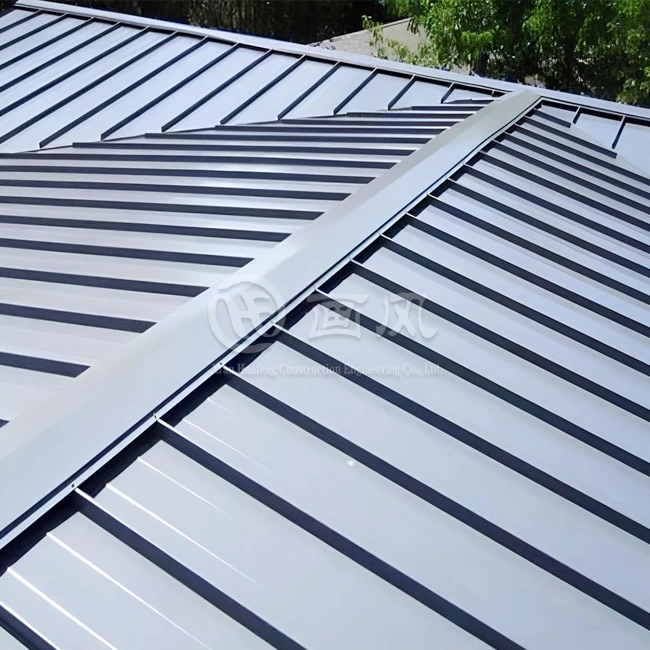
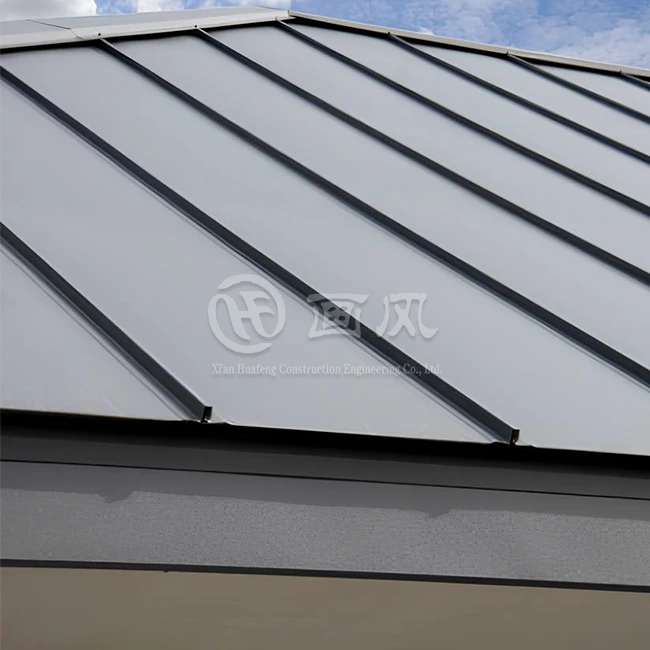
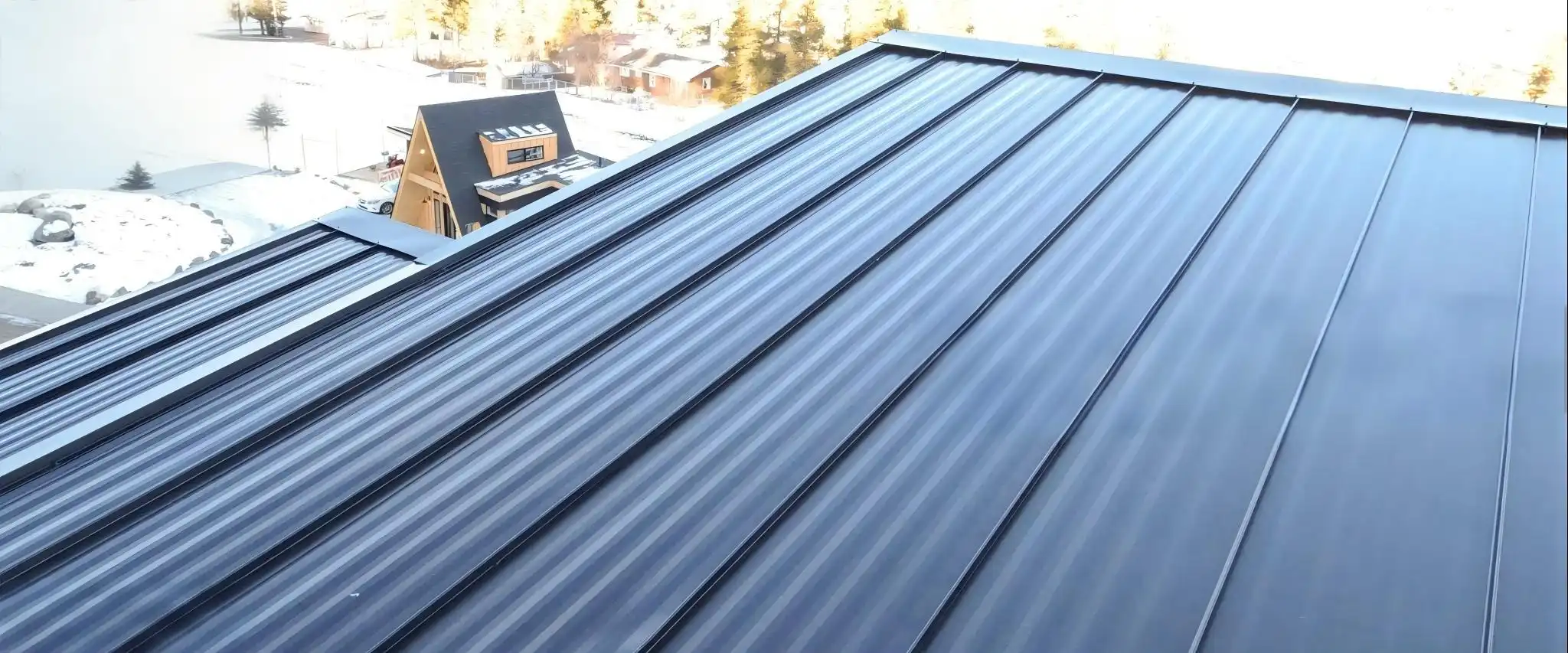
Hidden fasteners make standing seam metal roof sheets robust. This means no apparent screw holes can let water in or cause heat stress. Raised vertical seams fit nicely, allow expansion and contraction, and are waterproof. High-quality materials like galvanised steel, aluminium, and copper with modern coatings like PVDF or Galvalume survive decades without rusting or UV damage. This engineering solution addresses fastener wear, water infiltration, and heat cycle damage, which cause roof failure. It provides commercial-grade performance for over 30 years with minimal maintenance.
Understanding the Fundamentals of Standing Seam Metal Roof Sheets
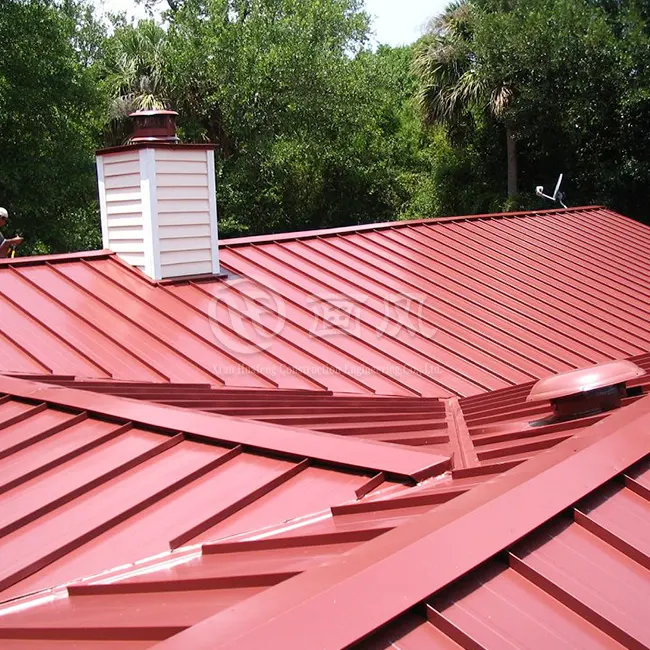
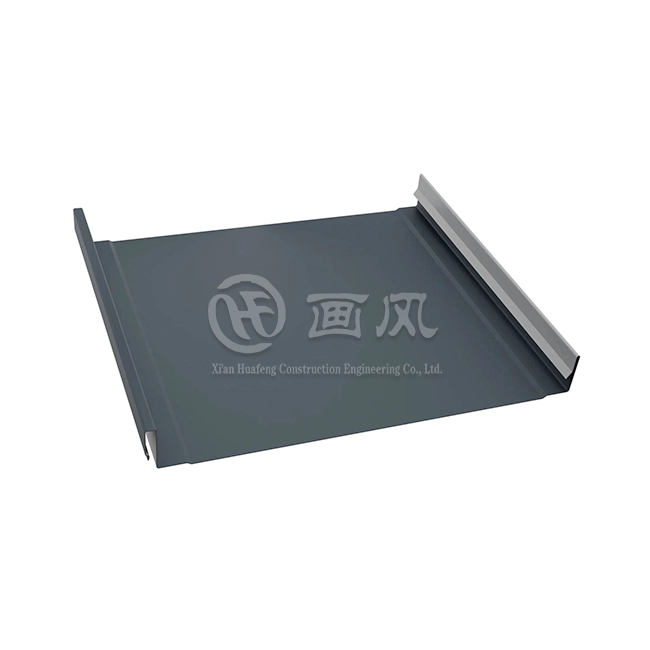
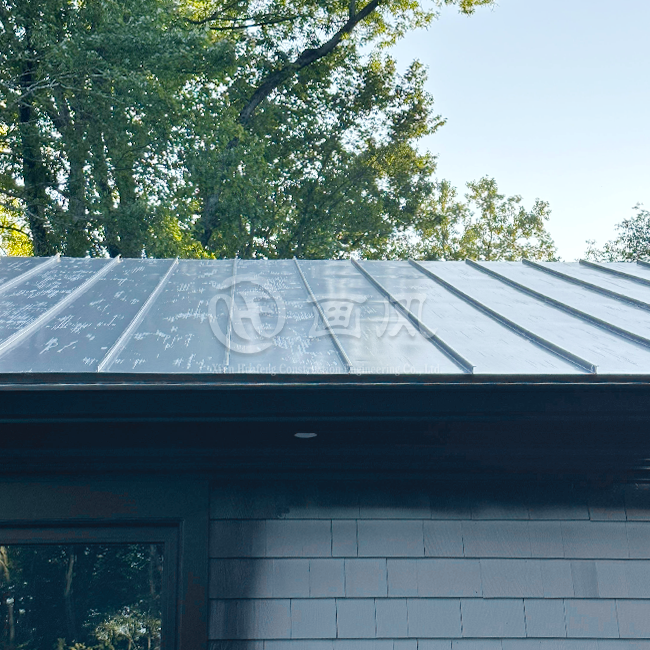
How standing seam metal roof sheets are built distinguishes them from other structures. In exposed-fastener roofing, screws penetrate panels. However, this design uses hidden clips to link to the building foundation under the seam. Over these clips, adjacent panels snap or manually sew vertical ribs 25–65 mm high. This basic difference affects how the roof handles outside pressure.
The Concealed Fastener Advantage
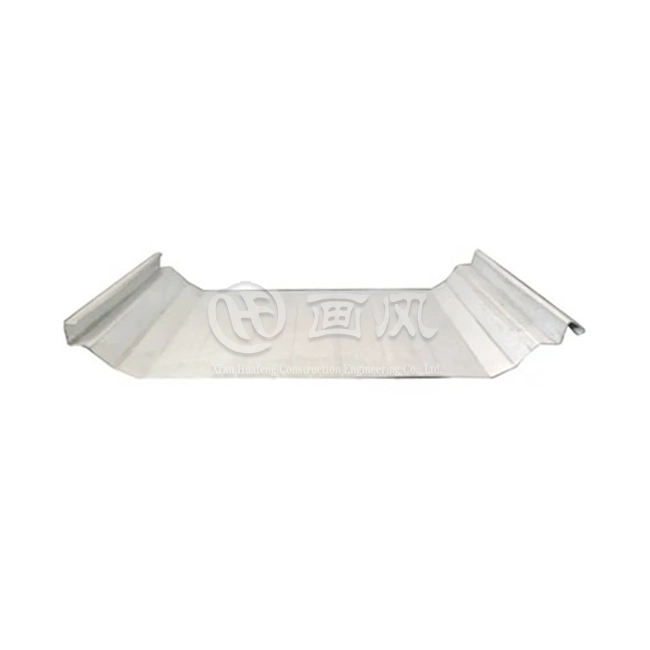
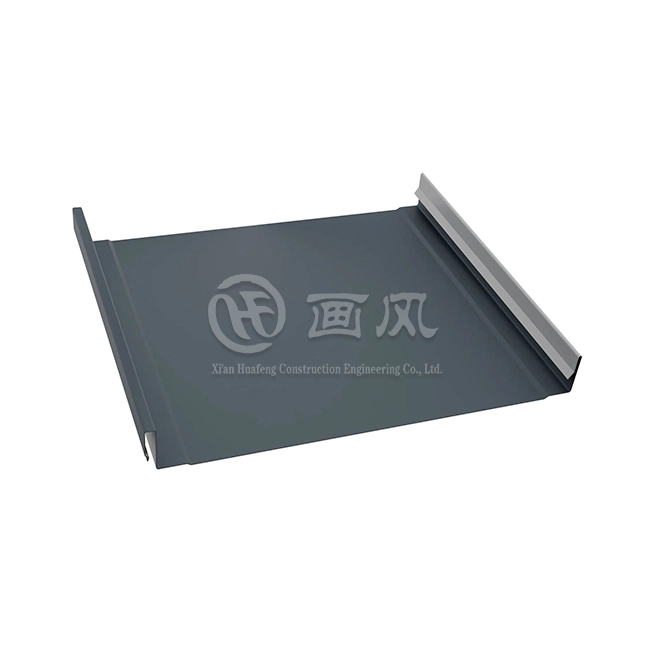
Metal roofs fail more often at concealed screws. Open screws create heat bridges and holes in the covered covering, increasing rust risk. Heat expansion lengthens bolt holes, breaking the washer-panel seal. Our Anhui, Hangzhou, and Xi'an factories make 25-330/400/430, 32-410, 45-400, and 65-400/430 panels. These panels are designed for clip systems that can withstand movement without altering connection structure.
How Raised Seams Prevent Water Infiltration
Vertical seams defend against water in multiple ways. Walls of 25–65 mm raised profiles stop capillary action and hydrostatic pressure. This is crucial for low-slope uses. Even if it rains hard from the wind, properly located seams prevent water from moving horizontally. Moisture damage in stores, factories, and other businesses is costly, hence this design is crucial.
Thermal Movement and Structural Integrity
When the temperature changes, metal roofing stretches and shrinks a lot. Between summer and winter, a 100-foot steel roof panel can move more than an inch. This movement is allowed by moving clips in standing seam metal roof sheets systems, which let panels "float" along their length while still being firmly attached. This stops the bowing, oil-canning, and fastener pull-through that happen with hard connection methods. This keeps the roof's structural integrity and good looks for a long time.
Core Factors That Make Standing Seam Metal Roof Sheets Durable
Metal roofing lasts a long time because the quality of the materials, the protection processes, and the way the system is designed all work together. Each part of a roof makes it last longer, but how they work together decides whether it lasts 20 years or 50. We keep a close eye on quality on all seven of our production lines to make sure that these important lasting factors are always the same.
Material Selection and Gauge Thickness
Base material choice directly impacts corrosion protection, strength, and lifetime cost. Galvanized steel is cheap and has a great strength-to-weight ratio, which makes it perfect for big business jobs. Aluminum is less strong than steel, but it is very resistant to rust in seaside areas. We make panels with thicknesses ranging from 0.5 mm to 1.2 mm. Heavier gauges give panels more strength and resistance to wind lifting. The 0.7mm gauge is the best in the business for most industrial uses because it balances structural performance with material economy. With a monthly production capacity of 1,000 tons, we can reliably meet the needs of big projects that need consistent material specs.
Protective Coating Systems
Surface solutions make metal roofs last longer by stopping rust and UV damage. Compared to regular polyester finishes, our PVDF (polyvinylidene fluoride) coats keep colors better and don't chalk as easily. After 20 years of contact, PVDF formulations still have 95% of their gloss, while polyester coats may start to fade within ten years. We also use polyester (PE) solutions for projects that need to stay within a budget and where durability is not as important as look. These coatings are put on in a workshop and dry under controlled conditions. This makes the bond stronger and more even than with paints that are put on in the field. Colors that meet both RAL and Pantone standards give architects more freedom without sacrificing safety.
Design Features That Enhance Longevity
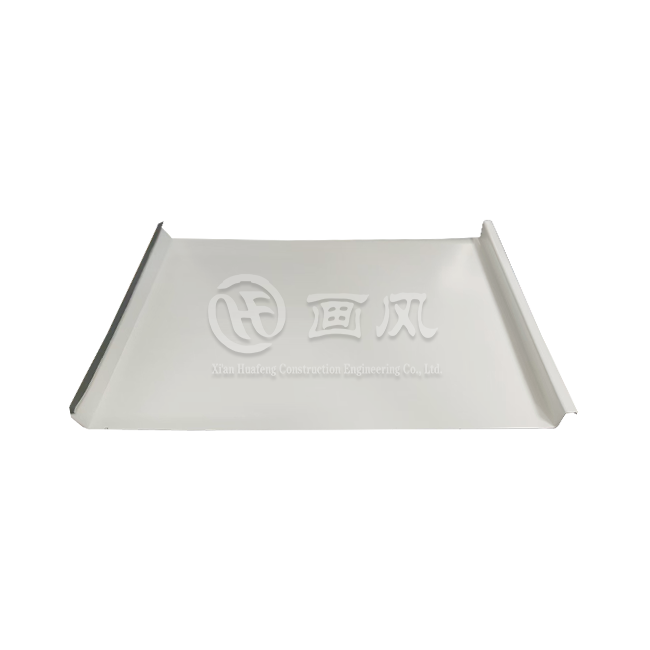
The raised seam shape does more than just keep water out. It also makes the panel stiffer to stop oil from caking and gives it more moment of inertia to fight wind. Specifications for panels like our 32-410 and 45-400 show the seam height and panel covering width. In general, higher seams work better in areas with extreme weather. The interlocking system spreads the weight across the whole roof plane instead of putting all the stress on a few bolts. This load spread is very important during high winds or heavy snowfall because it keeps the roof system from failing in one place and affecting the whole thing.
Installation Quality and Long-Term Performance
Even high-quality products fail if they are not put correctly. For a proper fitting, the panels must be perfectly lined up, the clips must be spaced correctly, and the right seaming tools must be used. Mechanical seaming makes links that are stronger and more weatherproof than snap-lock systems, but both work fine when put according to the manufacturer's instructions. Long-term performance is affected by how well the substrate is prepared, the choice of flooring, and the details of the flashing. To make sure our goods live up to their full 30-year warranty potential, we offer detailed installation instructions and expert help. Over the first ten years of service, projects finished by certified workers have much lower callback rates and upkeep needs.
Comparing Durability: Standing Seam Metal Roof Sheets vs Other Roofing Materials
People who work in procurement should know how standing seam metal roof sheets systems stack up against other options. Lifecycle cost analysis shows big changes in how often things need to be replaced, how much upkeep they need, and how well they use energy, all of which affect the total cost of ownership.
Standing Seam vs Corrugated Metal Panels
Corrugated metal roofing depends on visible screws going through the ridges of the panels. Even though these systems are cheaper at first, the fasteners need to be serviced every 10 to 15 years because the nuts wear out and the screws come loose. When the temperature changes, it pushes against the hard bolt connections, making stress points that speed up the degradation of the panel. With standing seam metal roof sheets systems, you don't have to do any of these repair steps. The form of the concealed fasteners also makes them better at resisting wind uplift, which is important for big roof areas where even light wind can create a lot of negative pressure. Industrial buildings and distribution centers are choosing standing seam metal roof sheets construction more and more, even though it costs more at first, because repair downtime and problems getting to the roof have big business costs.
Performance Against Asphalt Shingles
Asphalt shingles are most popular in homes, but they don't work well in businesses. Because they only last 15 to 20 years, metal roofs need to be replaced more than once during their useful life. Shingles don't reflect heat, they soak it up. In warm areas, this makes cooling loads 20–30% higher. They make a lot of trash that ends up in landfills—every year in the US alone, about 11 million tons. Our metal roofing systems block UV rays with cool-roof color combinations. They also qualify for LEED points because they are made with recycled materials and can be remade, and they don't have the disposal problems that come with using petroleum-based materials. Energy modeling reliably shows that buildings with metal roofs have 15–25% lower cooling costs than buildings with asphalt shingles.
Aluminum vs Steel Panel Considerations
When it comes to metal roofs, aluminum and steel each say they are better in their own ways. Since aluminum doesn't rust, it's better to use it within three miles of salty coasts, where chloride exposure speeds up steel corrosion even when coatings are used to protect it. Steel has about three times the tensile strength of aluminum, which lets smaller widths and longer spans without support. Our production standards meet the requirements of ASTM, DIN, JIS, BS, and GB/T. This makes sure that the quality of the material is the same no matter what base metal is used. Because it is cheaper, steel is usually better for inner locations and big roof areas. On the other hand, aluminum is better for coastal projects and uses where the extra weight is worth it.
Maintenance Practices to Maximize Durability
With the right care, standing seam metal roof sheets construction's longevity benefits can be kept. Even though these roofs don't need as much care as other types, ignoring them will still hurt their performance and shorten their useful life. We suggest structured upkeep plans that find small problems early on, before they get worse and need expensive fixes.
Routine Inspection Protocols
Every year, the seams, clip connection, and coating state should be checked to make sure they are still strong. Pay special attention to places on the roof where things like HVAC equipment, vents, and skylights can let water in. This is where flashing features come into play. Look for panel damage caused by people walking on them or objects hitting them, especially in places where you repair equipment. Check the gutters and pipes to make sure they drain properly, because water sitting around the edges of the roof can speed up rusting even if the coating protects it. We give facility managers thorough inspection plans that are made to fit different panel shapes and coating systems. This helps them find problems before they become leaks.
Cleaning Methods That Protect Coatings
The buildup of garbage presses water against the panel's surface, causing rusting to happen in certain areas. Every year, use soft brushes or low-pressure water to get rid of the leaves, twigs, and dirt. Pressure cleaners with more than 1,500 psi can damage the structure of coatings, so stay away from them. Most outdoor stains can be removed with water alone, but tough stains might need pH-neutral cleaners made especially for painted metal. Do not use rough pads or acidic cleaners that remove protected layers. Coastal systems should be rinsed every three months to get rid of salt layers before they get too thick. These easy steps keep the look and stop the layer from wearing off too quickly.
Addressing Repairs and Warranty Coverage
Small scratches in the layer caused by installation or maintenance need to be fixed right away to stop rust from starting. When seams separate or clips break, they need to be fixed by a professional because DIY fixes often make the problem worse. The 30-year guarantee covers flaws in the manufacturing process and the performance of the finish. This gives you peace of mind for long-term capital planning. We offer quick technical support at huafeng@hfmetalroof.com, which helps building owners and workers tell the difference between upkeep issues and warranty claims. Service agreements with qualified roofing companies make sure that you can get experienced techs who know how to work with standing seam metal roof sheets systems. This speeds up the response time during weather situations.
Procurement Guide: Selecting Durable Standing Seam Metal Roof Sheets for Your Projects
Successful procurement strikes a mix between short-term project needs and long-term performance goals. By understanding the factors for specifications, you can find suppliers who can provide uniform quality across multiple tasks and delivery schedules.
Evaluating Product Specifications and Certifications
Materials are certified for coating thickness, base composition, and production quality. Find products that meet ASTM E1646 (water penetration), ASTM E1680 (wind protection), and other fire standards. Insurance and building code regulations need Class A fire protection, which our panels meet. Coating contracts must specify chalk and fade coverage. PVDF systems rarely cover more than five NBS chalk units and five Delta E colour shift over 20 years. We provide material data sheets and third-party test reports so engineering teams can check specs without expensive independent testing.
Assessing Supplier Reliability and Capacity
Evaluations include product quality and supplier capacity to create and ship on schedule. Over 40 shaping tools and seven covering production lines are at our three plants. This provides a backup strategy for production issues. The monthly capacity is around 1,000 tonnes, allowing for quick completion of large jobs. Our minimum order size is 500 square meters, or one tonne, which is adaptable for our tiny organization. Standard shipping windows of 15–20 days keep building plans on schedule without requiring too much project site inventory. Request quality control procedures from potential providers. Our ISO9001 and ISO14001 standards demonstrate our methodical approach to consistency and environmental care.
Cost Considerations and Value Analysis
Only a small portion of materials' lifetime costs are initial. Determine the project's cost, disposal, replacement, and maintenance expenditures. Standing seam metal roof sheets cost 40% more than corrugated panels but last twice as long and require half the maintenance. We combine our production processes vertically, from coating coils to creating panels, which lowers our pricing without decreasing quality. This stops multi-tier distribution margin stacking. Volume savings apply to jobs above 10,000 square meters. Custom colour runs are available for minimum tonnage purchases. We provide extensive cost modelling support to procurement teams explaining higher-performing standards to budget-conscious clients.
Conclusion
Standing seam metal roof sheets are durable due to their high-quality materials, hidden fasteners, and protective finishes. This raised seam design prevents water entry and facilitates heat flow, solving basic roofing system issues. With steel and aluminium materials, PE to PVDF coatings, and 0.5mm to 1.2mm gauge sizes, you can customise the product for your project and purpose. Despite the larger initial investment, these benefits can continue over 30 years with good installation and maintenance, minimising lifespan expenses. Procurement workers should consider system performance rather than material pricing when selecting roofing systems for corporate and industrial applications.
FAQ
1. How long should standing seam metal roofs last in commercial applications?
Depending on the material used and how it is exposed to the weather, a good standing seam metal roof should last between 30 and 50 years. Aluminum and copper systems can last more than 50 years, while steel plates with PVDF finishes will last 30 to 40 years. Our goods come with 30-year warranties that cover both the structural stability and the performance of the coating. This shows that we are sure they will last for a long time.
2. What maintenance do metal roofs require compared to other materials?
Roofs with standing seams need a lot less upkeep than roofs made of asphalt or tiles. Usually, once a year checks and once in a while cleaning are enough. This way, you don't have to replace the shingles or fix cracks like other systems do. When put correctly, hidden fastener systems don't leak very often, which cuts down on emergency repair calls that stop the facility from running.
3. Does installation quality really affect roof lifespan?
Quality of installation has a huge effect on performance and durability. Even high-quality materials can be ruined by bad lighting details, incorrect seaming, or incorrect clip spacing. To make sure our goods live up to their full warranty potential and expected service life, we propose certified contractors who know how to install standing seams and offer expert help during the installation process.
Partner with HF for Premium Standing Seam Metal Roof Sheets
References
1. Metal Construction Association. "Guide Specification for Standing Seam Metal Roof Systems." Technical Bulletin, 2021.
2. American Society for Testing and Materials. "Standard Test Method for Water Penetration of Exterior Metal Roof Panel Systems by Uniform Static Air Pressure Difference." ASTM E1646-19, 2019.
3. National Roofing Contractors Association. "The NRCA Metal Panel and SPF Roof Systems Manual." Fourth Edition, 2020.
4. Architectural Metals Association. "Performance Characteristics of Metal Roof and Wall Panel Systems." Research Report Series, 2022.
5. Journal of Building Physics. "Long-Term Performance Analysis of Metal Roofing Coatings in Various Climate Zones." Volume 45, Issue 3, 2021.
6. Construction Specifier Magazine. "Concealed Fastener Metal Roofing: Design Considerations and Installation Best Practices." September 2022 Technical Feature.





YOU MAY LIKE