Metal Standing Seam Roofing vs. Asphalt Shingles: Which is Better?
2026-05-21 16:16:12
The argument between metal panels and traditional asphalt shingles always comes up when building companies and roofing contractors look at different roofing materials. After managing a lot of business jobs, we've found that Metal Standing Seam Roofing systems work best for buildings that need to last for a long time with little upkeep. Asphalt roofs are cheaper up front, but metal roofing lasts longer, is more resistant to weather, and uses less energy. This makes it the best choice for projects where the total cost of ownership is more important than the original investment.
Understanding Metal Standing Seam Roofing and Asphalt Shingles
Choosing the right roofing material affects both the instant cost of building and the long-term costs of running the roof. Knowing the main differences between these two methods helps procurement teams make choices that are in line with the project's goals.
Material Composition and Structure
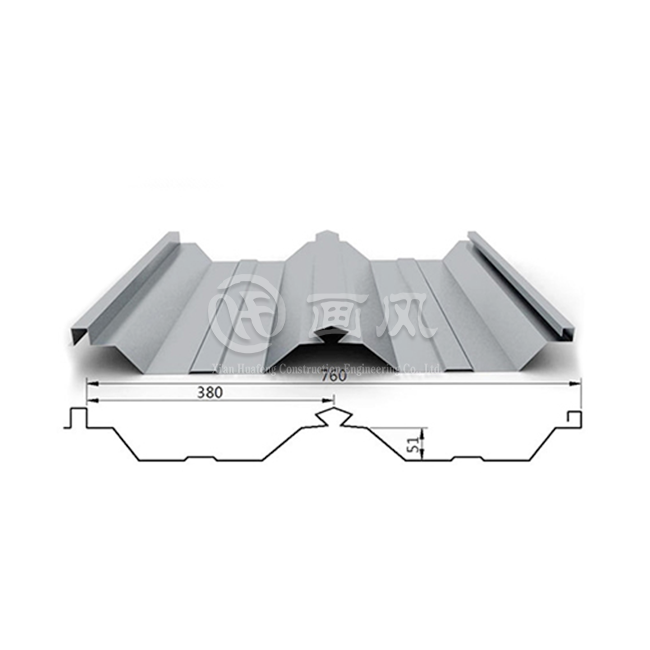
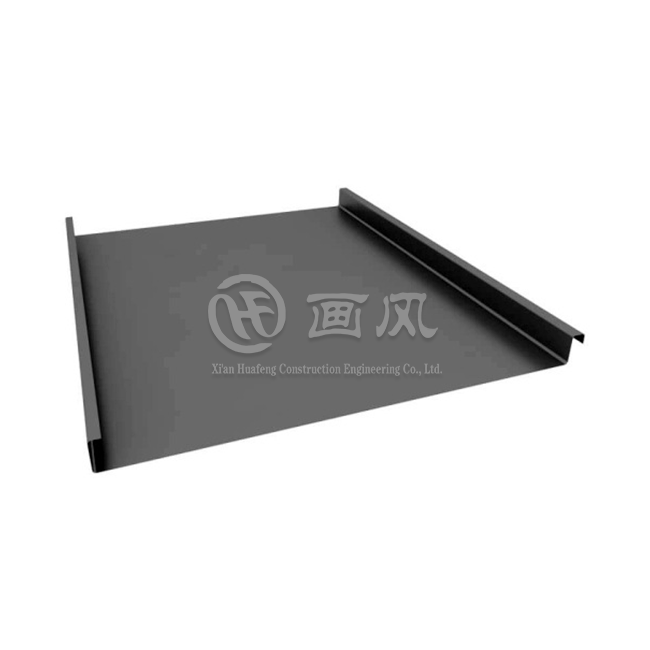
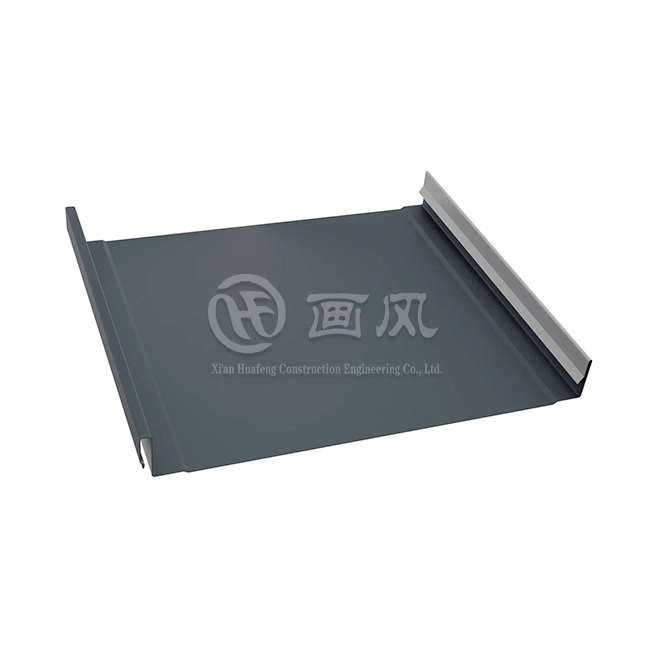
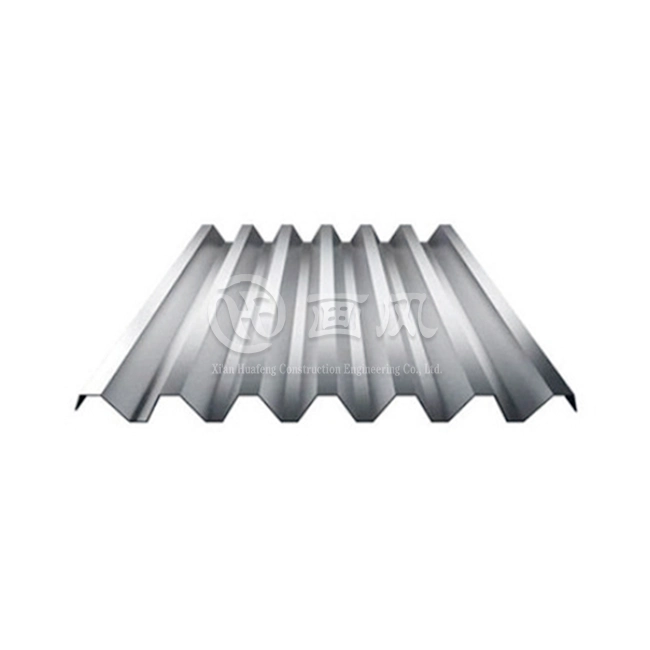
Metal standing seam panels are made up of steel or aluminum pieces that fit together with vertical ribs and hidden fixings. Most of the time, these panels are made of galvalume bases with AZ150 coatings or aluminum alloys that are 0.6 to 1.2 mm thick and have protected finishes like PVDF, PE, or HDP coatings on top of them. The 65mm seam height standard gives the structure great strength and drainage, which is especially helpful for low-slope situations or buildings with a lot of spans. Asphalt shingles are made of fiberglass or organic mats that are soaked with asphalt and have ceramic flakes on top of them. Manufacturers only offer a few regular sizes, so you can't change the way they look. During installation, overlapped shingles are nailed directly to the roof decking. This makes a lot of holes in the roof that could leak over time.
Manufacturing Standards and Quality Control
International standards like ISO9001 and ISO14000:14001 are very strict when it comes to high-performance standing seam roofing. It has to pass tests that check for wind resistance (ASTM E1592), water leakage (ASTM E1646), and structural performance. Products that have these approvals show uniform quality across production runs, which makes them reliable for use in big business settings. Different brands make asphalt shingles in very different ways, and quality standards are not as strict for them as they are for metal roofing systems.
Performance Comparison: Durability, Lifespan, and Maintenance
Premium roofing options are different from cheaper ones in how well they work over time. The real value of each material type can be seen by looking at its durability, projected lifespan, and upkeep needs.
Lifespan and Weather Resistance
Standing seam metal roofing with a 30-year warranty usually lasts for 40 to 70 years or more in a variety of climates. In most places, the galvalume layer doesn't rust, but aluminum choices work best near the coast, where salt spray speeds up metal breakdown. The automatically seamed panels can handle wind pressures above 4.5 kPa and snow loads of 1.5 kN/m², so they can be used in places where bad weather happens often. Depending on the weather and how well they are taken care of, asphalt shingles usually need to be replaced every 15 to 30 years. Loss of granules due to UV light, changing temperatures, and wear and tear over time makes them less protected. In wet places, algae and moss grow on shingle surfaces and need to be cleaned on a regular basis to keep them looking good and working properly.
Maintenance Requirements and Costs
Standing seam metal roofs don't need much care other than checking the sealant at penetrations and flashing details every so often. The continuous panel design gets rid of crosswise gaps up to 13 meters long, which makes leaks much less likely than with segmented roofing systems. To clean, all you need is water to get rid of dirt and grime. You don't need any chemicals or special tools. Asphalt roofs need more frequent maintenance, like replacing shingles that are damaged by wind, reapplying sealant, and clearing out plants. Over the roof's lifetime, these ongoing costs add up to a lot, and when looked at on a yearly basis, they often exceed the higher initial investment of metal systems.
Cost Analysis and ROI Considerations
A financial analysis looks at more than just the purchase price. It also looks at things like installation work, energy efficiency, upkeep costs, and replacement cycles. A full cost study shows how investments made at the beginning add value over time.
Initial Investment and Installation
At the beginning of the job, Metal Standing Seam Roofing systems costs about three to four times more per square foot than asphalt shingles. The prices of specialty roofing materials are higher than regular ones because they have special features like 65-300/400/430/500 shapes with PE, HDP, or PVDF finishes. Installing things that are hard to do can cost more. For example, projects that take five to ten days to install metal panels might only take one day to install asphalt roofs. But the 15–20-day delivery time for custom metal roofing that can be changed in color, pattern, and design works with most business building schedules without causing delays. Minimum order sizes of 500 square meters work for medium-sized businesses and bigger projects where economies of scale can make up for higher unit costs. A monthly supply capacity of 1,000 tons means that developers can get the materials they need, even if they are working on multiple projects at the same time in different area markets.
Long-Term Return on Investment
One big benefit of metal roofing systems is that they save energy. High levels of solar reflectance (≥0.65) lower the need for cooling because they reflect infrared energy instead of soaking it. This thermal efficiency helps meet LEED certification standards and cuts the building's running costs over its entire life. Longer life, low upkeep, and energy savings all work together to give a better return on investment, even if it costs more up front. Asphalt shingles soak up heat from the sun, which makes air conditioning use go up in the summer. Multiple replacements over the life of a metal roof raise both the direct costs of the materials and the secondary costs of the building being closed down, tenants having to move out, and the removal of construction trash. For business uses, metal roofs always shows better financial performance when buying teams look at the total cost of ownership over 40 to 50 years.
Environmental and Aesthetic Factors
Sustainability goals and building codes are having a bigger impact on roofing specs. Environmental performance and design flexibility have an impact on both how well business buildings meet regulations and how well they do in the market.
Sustainability and Energy Performance
A1 fire ratings mean that Metal Standing Seam Roofing systems can't catch fire, and it can be recycled completely when it's time to use it up. The material doesn't have any petroleum-based parts that need to be thrown away in a dump, which supports circular economy ideas that are important to people who care about the environment. Cool roofs lessen the effects of urban heat islands in busy business areas, which makes communities more resilient to climate change. Even though there are programs to recycle asphalt shingles, a lot of old shingles end up in landfills because they are contaminated by trash from tearing off roofs. Because they are made from petroleum and can't be reused in many ways, they are bad for the earth and go against green building efforts and business sustainability goals.
Design Versatility and Aesthetic Options
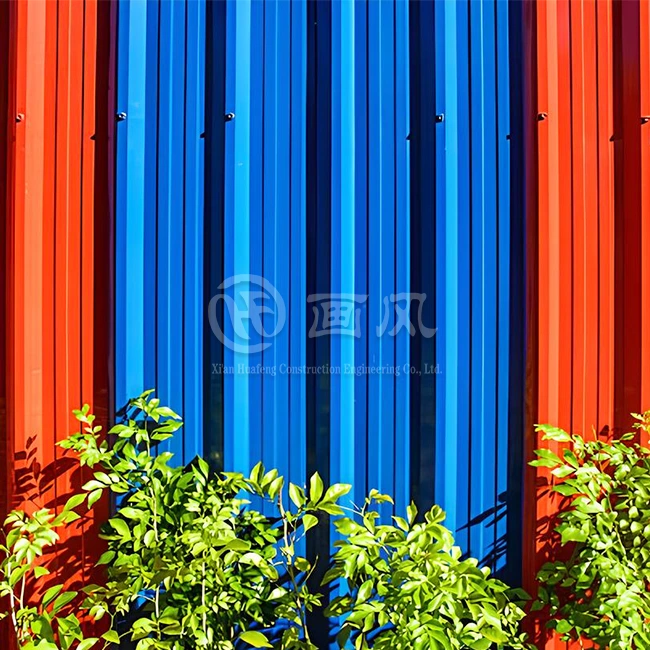
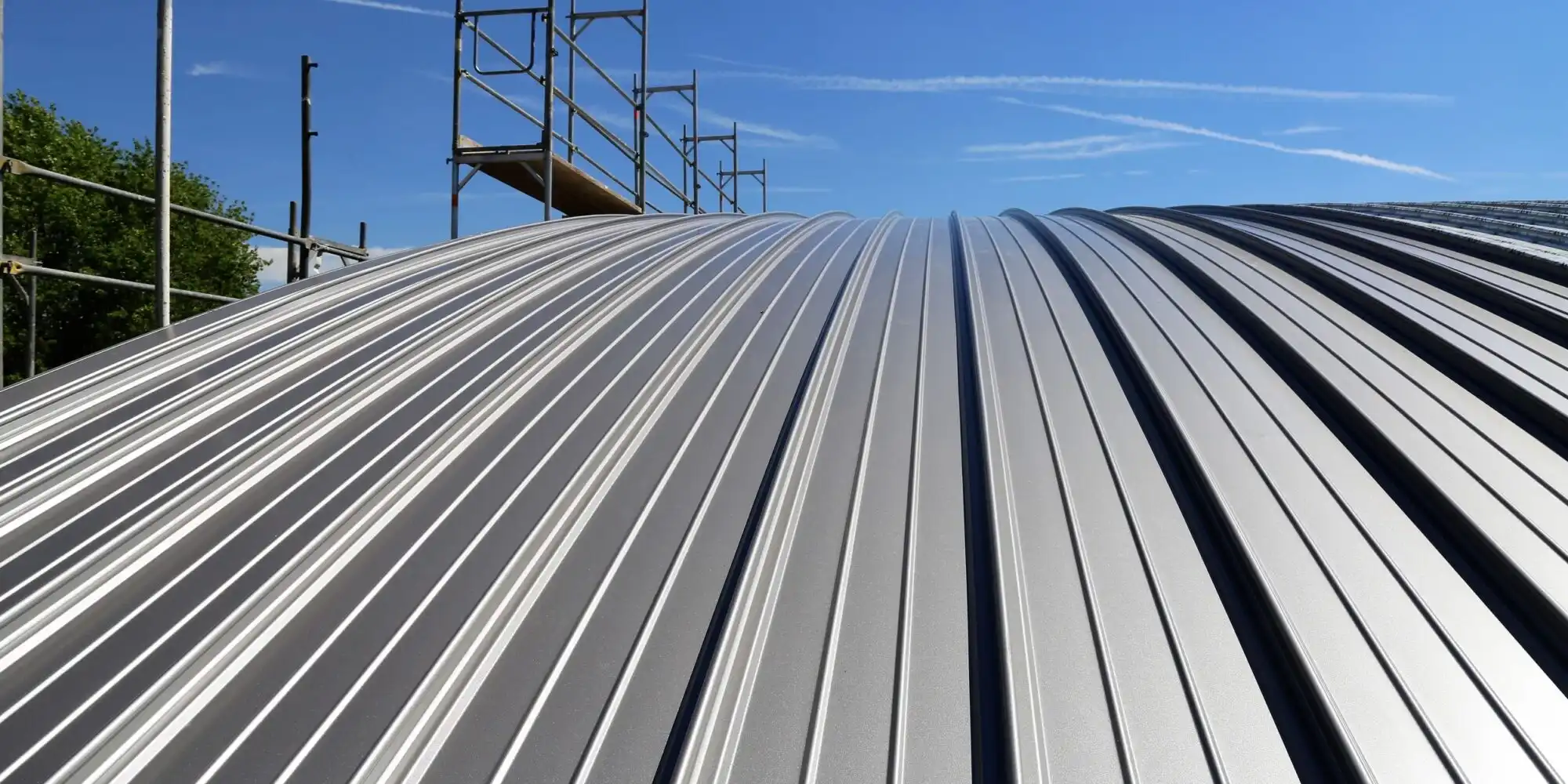
Premium metal roofing is different from normal asphalt goods because it can be customized. Custom coatings added during production make it easy to match colors to company branding, building details, and facade coordination. Panel profiles with useful coverage widths between 300 and 600 mm can be used with a wide range of architectural styles, from industrial buildings to high-end business projects. Modern builders like the clean lines of concealed fastener systems that make government buildings, business campuses, and mixed-use projects look more modern. PVDF paints keep their color for 20 years or more without fading, so buildings look the way they were meant to for the duration of the promise. Asphalt shingles only come in a few colors, and their appearance starts to get worse soon after they are put on because the flakes start to fall off and organic growth starts to show.
Making the Right Choice for Your Project
To make a purchase choice, you need to carefully look at project-specific factors like how the building will be used, the weather, your budget, and your long-term asset management plans. Value creation is optimized when the capabilities of the roofing system are matched to the needs of the business.
Project Scale and Building Type
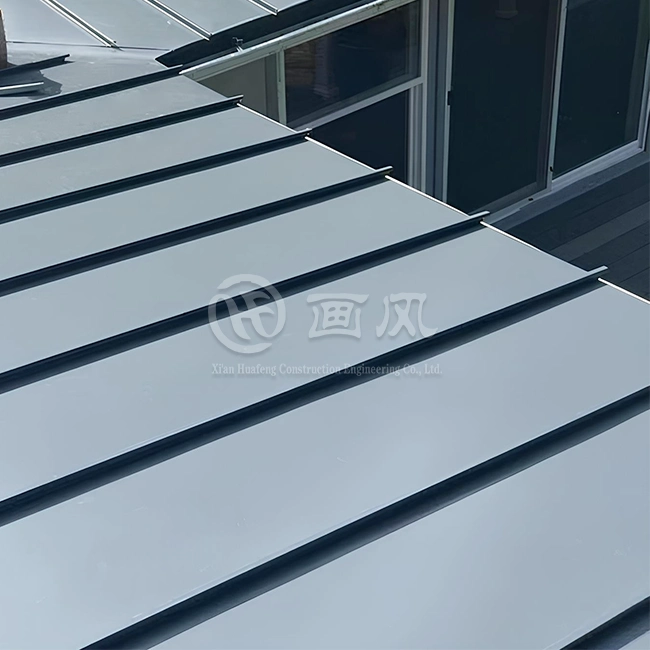
Standing seam metal roofing is great for covering large areas without the need for extra support. This is especially useful for warehouses, distribution centers, and manufacturing sites. The 65mm seam heights and automatically locked edges provide structural integrity, which is perfect for buildings where a roof failure could damage goods or stop important operations. When photovoltaic systems are added, roof surfaces can be turned into assets that bring in money. The metal panel ribs make great fixing places for solar racks without having to go through the membrane. Institutional buildings like schools and hospitals value fire resistance, durability, and low upkeep, all of which are built into metal roofing requirements. The Class A fire grade meets strict safety standards, and the longer guarantee time is in line with how the government buys things, which puts an emphasis on lifecycle value over lowest bid price.
Climate Considerations and Regional Performance
Coastal areas need materials that don't rust because salt spray speeds up the breakdown of metals. Standing seam panels made of aluminum or galvalume with improved covering systems are better at protecting against tough marine conditions than asphalt shingles, which age faster when exposed to water and UV light. Metal roofing works well in cold climates because it sheds snow and stays strong under heavy loads, so there is less chance of it collapsing or an ice dam forming. Extremely hot places use the reflective qualities of metal roofs to lower cooling costs and make people more comfortable. The thermal emissivity stops heat from moving into the building, which keeps the temperature inside fixed and uses less energy for the HVAC system. Because metal roofing is good for different climates, it is especially useful in building projects that are spread out across a lot of different areas.
Conclusion
When it comes to lifespan, longevity, energy efficiency, and total cost of ownership, Metal Standing Seam Roofing systems systems beat asphalt roofs in every category. Although the original cost is higher, the mix of low upkeep, longer warranties, and better weather resistance makes it a very good choice for business and industrial uses. Even though cheaper options might be more appealing, projects that put sustainability, long-term asset performance, and low running costs at the top of their list of priorities get the best results by selecting metal roofing.
Frequently Asked Questions
1. What lifespan can we expect from metal standing seam roofing compared to asphalt shingles?
Standing seam metal panels with 30-year warranties usually last between 40 and 70 years or more, based on the climate and the coating specs. PVDF finishes stay colored and won't rust for decades, even in tough environments. Asphalt shingles need to be replaced every 15 to 30 years. They break down faster in hot, wet, or high-UV places because the granules fall off and the temperature changes make them less effective.
2. How do maintenance requirements differ between these roofing types?
Standing seam metal roofs only need to be inspected and cleaned of garbage every so often. They don't need to have their shingles replaced or any other special treatments. The constant panel design gets rid of most of the chances of leaks. Asphalt roofing needs to have regular shingle fixes, sealant applications, plant removal, and eventually a full replacement. This means that the building will have ongoing labor and material costs for as long as it is used.
3. Is standing seam metal roofing worth the higher upfront cost?
Yes, for most commercial and industrial projects, the long-term savings often outweigh the initial investment. Metal standing seam roofing lasts much longer than asphalt shingles, requires less maintenance, and improves energy efficiency by reflecting heat. It also performs better in harsh weather conditions such as heavy rain, snow, and strong winds. While asphalt roofing may suit short-term budgets, businesses focused on durability, sustainability, and lower lifecycle costs usually see better value from metal roofing systems over time.
Partner with HF for Premium Metal Standing Seam Roofing Systems
The standing seam metal roofing systems that Xi'an Huafeng Construction Engineering Co., Ltd. offers are designed to work well in harsh business and industrial settings. We are a qualified producer of Metal Standing Seam Roofing systems, and we keep our ISO9001 and ISO14000:14001 certifications to guarantee consistent quality across our 1,000 tons per month production capacity. Our specifications include 65-300/400/430/500 profiles with PE, HDP, and PVDF coating options backed by 30-year warranties. We can fully customize your order in terms of color, pattern, and design, and we can send it in 15 to 20 days. Email our team at huafeng@hfmetalroof.com to talk about the details of your project and get cheap quotes that meet both your performance and price goals.
References
1. American Society for Testing and Materials. (2020). Standard Test Method for Structural Performance of Sheet Metal Roof and Siding Systems by Uniform Static Air Pressure Difference. ASTM E1592-17.
2. Green Building Council. (2021). Metal Roofing Systems and LEED Certification: Energy Performance and Sustainability Credits. Washington, DC: USGBC Publications.
3. National Roofing Contractors Association. (2019). The NRCA Roofing Manual: Membrane Roof Systems and Metal Panel Systems. Rosemont, IL: NRCA Technical Publications.
4. Peterson, R., & Thompson, M. (2022). Lifecycle Cost Analysis of Commercial Roofing Systems: Comparing Metal and Asphalt Performance. Journal of Building Economics, 45(3), 187-204.
5. Steel Recycling Institute. (2021). Sustainability and Recyclability of Metal Building Materials. Pittsburgh, PA: Construction Materials Research Division.
6. Wilson, K. T. (2023). Advanced Coating Technologies for Metal Roofing: PVDF Performance in Extreme Climates. International Journal of Construction Materials Science, 12(1), 34-51.





YOU MAY LIKE
_1768552571575.jpg "Aluminium Fascias")