How to Specify Ibr Corrugated Roofing Sheets for Residential Roofing?
2026-02-16 11:00:00
When planning a residential roofing project, many homeowners face confusion about selecting the right materials that balance durability, cost-effectiveness, and aesthetic appeal. Specifying IBR corrugated roofing sheets requires understanding material specifications, structural requirements, and climate considerations to ensure long-term performance. This comprehensive guide walks you through the critical factors in selecting high-quality ibr corrugated sheets that will protect your home for decades while maintaining an attractive appearance and meeting local building codes.

Understanding IBR Corrugated Roofing Sheets Material Specifications
Selecting the appropriate material specification forms the foundation of any successful residential roofing project using ibr corrugated sheets. The material composition directly impacts the roof's longevity, weather resistance, and maintenance requirements. IBR (Intermediate Bending Radius) corrugated roofing sheets are manufactured from galvanized steel, galvalume steel, or color-coated steel (PPGI/PPGL), each offering distinct advantages for residential applications. Galvanized steel provides excellent corrosion resistance through zinc coating, making it suitable for moderate climate zones. Galvalume sheets combine aluminum and zinc coatings, delivering superior rust protection in coastal or high-humidity environments.
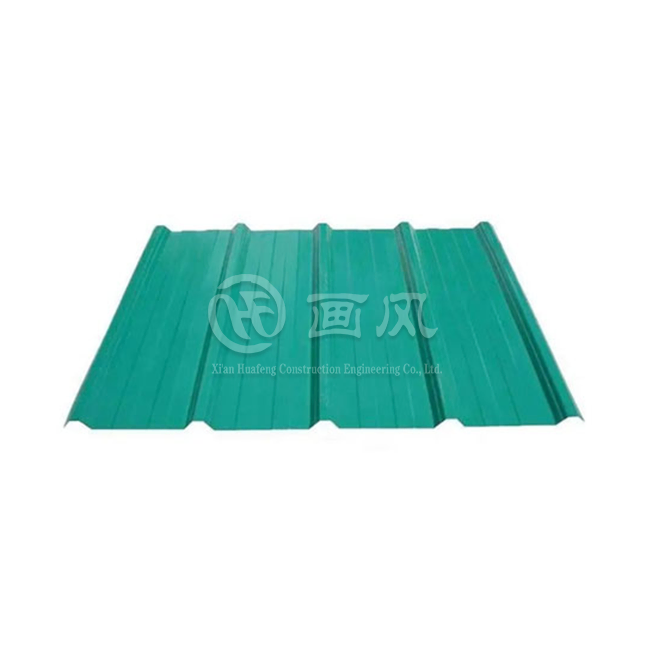
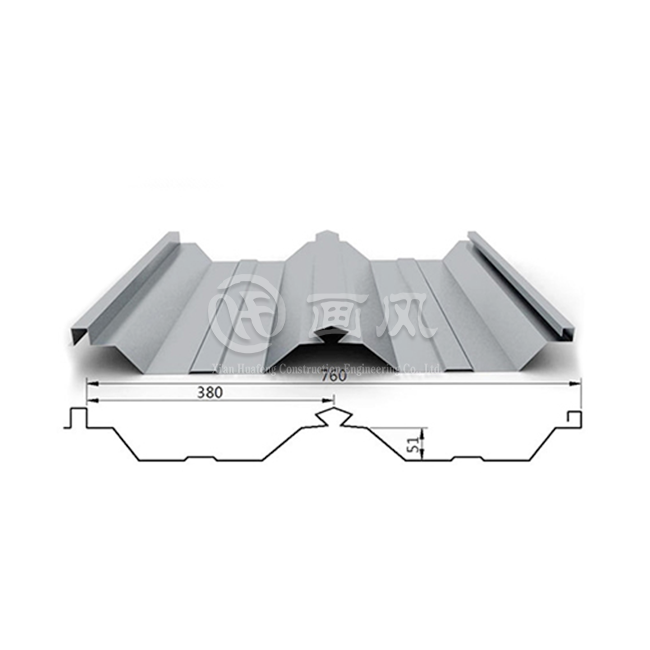
Color-coated steel options not only enhance aesthetic appeal but also provide additional UV protection and thermal reflection properties that can reduce cooling costs during summer months. The thickness specification of IBR corrugated roofing sheets ranges from 0.4mm to 1.2mm, and selecting the appropriate gauge depends on your roof's structural load requirements and expected weather conditions. For standard residential applications in areas with moderate wind and snow loads, sheets between 0.5mm and 0.7mm thickness provide adequate strength while remaining cost-effective. However, homes in regions experiencing heavy snowfall, frequent storms, or high wind speeds should specify thicker sheets ranging from 0.8mm to 1.2mm to ensure structural integrity. The corrugated design itself enhances load-bearing capacity, with wave heights typically ranging from 30mm to 75mm and wave distances between 150mm and 300mm, creating a rigid profile that effectively distributes weight and resists bending under pressure.
Coating Options and Surface Finishes
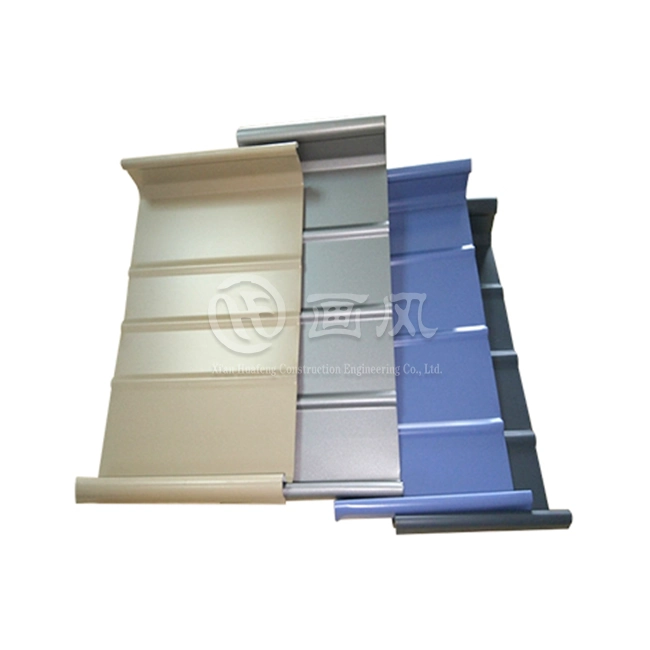
The coating applied to ibr corrugated sheets significantly influences their performance characteristics and service life. Polyester (PE) coatings represent the most economical option, offering 10-15 years of protection in standard environmental conditions with moderate UV resistance. Silicon-modified polyester (SMP) coatings provide enhanced flexibility and superior color retention, extending service life to 15-25 years even in challenging climates. For residential projects demanding maximum durability, PVDF (polyvinylidene fluoride) coatings deliver exceptional resistance to fading, chalking, and chemical exposure, with manufacturers like Xi'an Huafeng Construction Engineering Co., Ltd. offering warranties up to 30 years on PVDF-coated products. The coating thickness typically ranges from 15 to 25 microns for PE finishes and 25 to 35 microns for premium coatings, directly correlating with longevity and protective performance.
Dimensional Requirements for Residential Applications
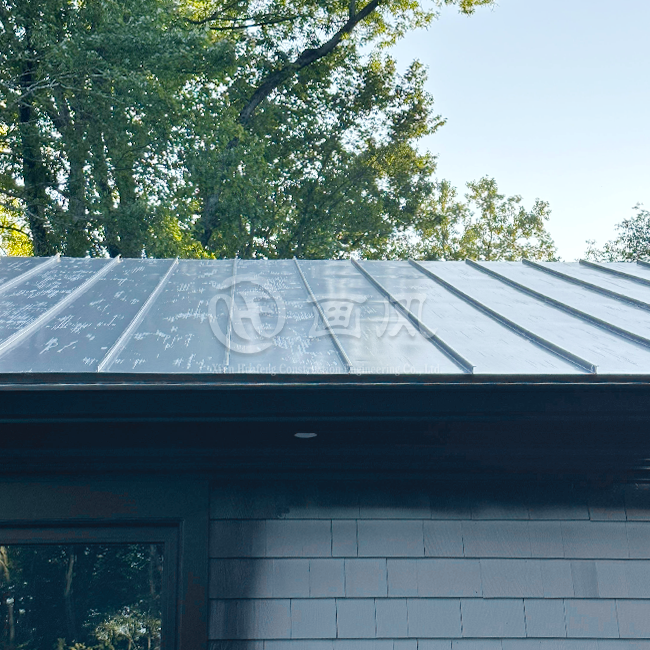
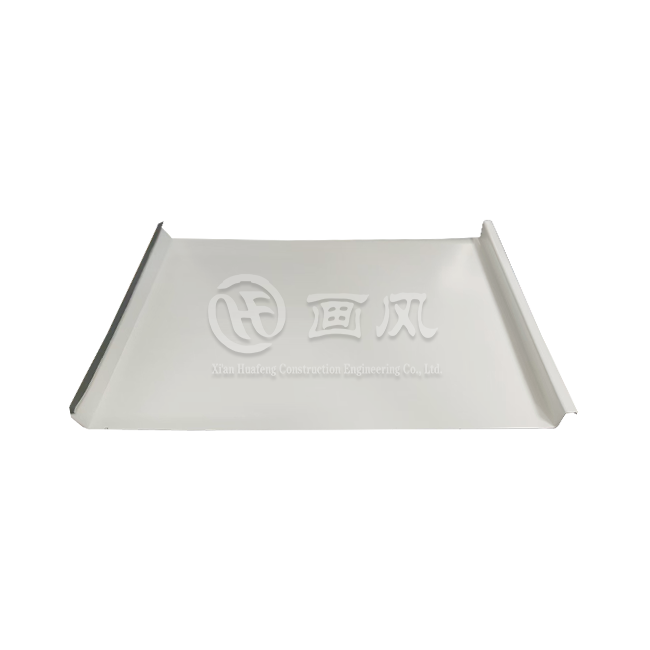
Proper dimensional specification ensures that IBR corrugated roofing sheets integrate seamlessly with your home's structural design while minimizing material waste and installation complexity. The effective coverage width of these sheets ranges from 750mm to 1100mm, with actual sheet widths slightly larger to accommodate overlap requirements. When calculating material quantities, homeowners must account for both longitudinal and horizontal overlaps, with industry standards recommending longitudinal overlaps of at least 200mm and horizontal overlaps spanning 1-2 corrugation peaks. For roof slopes less than 10 degrees, additional sealant application at overlaps becomes essential to prevent water infiltration during heavy rainfall or wind-driven rain events. Sheet length customization represents one of the most significant advantages of specifying ibr corrugated sheets for residential roofing, with manufacturers capable of producing panels from 1 meter to 13 meters in length. Ordering sheets that span the entire roof slope from ridge to eave eliminates horizontal joints, dramatically reducing potential leak points and simplifying installation. This approach proves particularly beneficial for residential designs with straightforward roof geometries, as continuous-length sheets create cleaner aesthetic lines while enhancing waterproofing performance. However, longer sheets require careful handling during transportation and installation to prevent bending or damage, and may necessitate additional labor for proper positioning and fastening.
Load-Bearing and Structural Considerations
The structural performance of IBR corrugated roofing sheets must align with your residential building's design loads, including dead loads from the roofing system itself, live loads from maintenance activities, and environmental loads from wind, snow, and seismic events. The corrugated profile significantly enhances the sheet's moment of inertia and section modulus compared to flat panels, enabling spans of 1.5 to 3 meters between purlins depending on thickness and loading conditions. When specifying these sheets, engineers must calculate the maximum allowable purlin spacing based on the expected load combinations, ensuring deflection remains within acceptable limits (typically L/180 for residential applications) to prevent ponding water accumulation or aesthetic concerns from visible sagging. Wind resistance constitutes a critical specification parameter for residential roofing in storm-prone regions, with properly installed ibr corrugated sheets capable of resisting typhoon-force winds exceeding level 12 on the Beaufort scale. The fastening method directly influences wind uplift resistance, with self-tapping screws equipped with EPDM washers providing reliable attachment when installed at recommended densities. For high-wind zones, specifications should increase fastener frequency along sheet edges and at mid-span locations, while hidden fastener systems offer enhanced aesthetics with comparable structural performance when installed according to manufacturer guidelines.
Climate-Specific Specification Guidelines
Regional climate patterns exert substantial influence on appropriate specification decisions for ibr corrugated roofing sheets in residential applications. Coastal environments demand enhanced corrosion protection due to salt-laden air, making galvalume or heavily zinc-coated galvanized steel with premium paint systems essential for acceptable service life. Homeowners in these locations should specify sheets with zinc coating weights exceeding 275 g/m² and consider PVDF topcoats that provide superior resistance to the accelerated weathering caused by marine conditions. Additionally, coastal installations benefit from stainless steel fasteners that resist rust and maintain structural integrity despite continuous exposure to corrosive atmospheres. High-cold regions present distinct challenges that require specification adjustments to address heavy snow accumulation and ice formation. These environments necessitate thicker gauge ibr corrugated sheets (typically 0.8mm minimum) to support increased dead loads from snow and ice buildup without excessive deflection. The roof slope becomes particularly important in snow country, with steeper pitches (minimum 15 degrees, preferably 20 degrees or greater) promoting natural snow shedding and reducing the risk of structural overload. Dark-colored finishes can provide marginal benefits through solar heat absorption that facilitates melting, though proper structural design remains paramount. Ice dam prevention requires careful attention to roof ventilation and insulation details that maintain consistent roof surface temperatures, preventing the freeze-thaw cycles that create damaging ice accumulations at eaves.
Thermal Performance and Energy Efficiency
The color and coating selection for IBR corrugated roofing sheets significantly impacts residential energy consumption through solar reflectance and thermal emittance properties. Light-colored finishes, particularly white, cream, and light gray options, reflect 60-80% of incident solar radiation, substantially reducing heat transfer into the attic space and lowering cooling loads during summer months. Specialized cool-roof coatings featuring infrared-reflective pigments can maintain lower surface temperatures even in darker colors, allowing homeowners to achieve aesthetic preferences without sacrificing energy performance. When combined with appropriate attic insulation and ventilation, properly specified ibr corrugated sheets contribute to comfortable indoor environments while reducing HVAC energy consumption by 10-25% compared to conventional dark roofing materials.
Installation Specifications and Best Practices
Proper installation specifications ensure that ibr corrugated roofing sheets perform as designed throughout their intended service life. The substrate preparation requires particular attention, with purlins or rafters spaced according to engineering calculations and positioned to ensure proper sheet support at corrugation valleys rather than peaks. Substrate materials typically include cold-formed steel purlins for metal building applications or preservative-treated lumber for residential wood-frame construction, with spacing ranging from 600mm to 1200mm depending on sheet thickness and loading conditions. Installing a breather membrane or underlayment beneath the sheets provides secondary weather protection and manages condensation risks, particularly important in residential applications where interior humidity levels fluctuate seasonally. Fastener selection and installation technique critically influences the weather-tightness and longevity of the roofing system. Self-tapping screws with EPDM or neoprene washers should penetrate through sheet valleys (low points) rather than peaks, positioning fasteners where water naturally drains away and compression seals most effectively. Fastener specifications typically call for 12-14 gauge screws with sufficient length to achieve three full threads into the substrate material beyond sheet penetration. Installation torque requires careful control, with over-tightening crushing the washer and creating leak paths, while under-tightening leaves gaps that allow water infiltration. Quality installations typically employ 8-12 fasteners per square meter, with increased density along sheet edges and at overlaps where wind uplift forces concentrate.
Quality Control and Inspection Points
Implementing systematic quality control during IBR corrugated roofing sheets installation prevents defects that compromise performance. Pre-installation verification should confirm that delivered materials match specifications regarding thickness, coating type, color, and dimensions, with sample measurements validating manufacturer claims. During installation, regular inspections should verify proper fastener placement, adequate torque application, correct overlap dimensions, and sealant application at required locations. Post-installation water testing, particularly at complex details like roof penetrations, valleys, and eave conditions, identifies potential leak points before the building envelope becomes occupied. Leading manufacturers like Xi'an Huafeng Construction Engineering Co., Ltd. provide installation guidance and technical support throughout the construction process, ensuring that their high-quality ibr corrugated sheets perform optimally when properly installed.
Compliance with Building Codes and Standards
Residential roofing specifications must align with applicable building codes and industry standards that govern structural adequacy, fire resistance, and weather protection. International standards including ASTM, DIN, JIS, BS, and GB/T provide testing protocols and performance criteria that ensure ibr corrugated sheets meet minimum quality thresholds for residential applications. Fire ratings constitute a critical specification parameter, with metal roofing materials typically achieving Class A fire resistance (the highest rating), providing superior protection against external fire exposure compared to combustible roofing options. This characteristic proves particularly valuable in wildfire-prone regions where ember-resistant construction details can mean the difference between structure survival and total loss during extreme fire events.
Wind uplift resistance testing per ASTM E1592 or equivalent standards validates that specified fastening patterns provide adequate connection strength to resist design wind pressures. Local building departments typically require engineering calculations demonstrating compliance with wind load provisions in the applicable building code, considering factors like building height, roof geometry, terrain exposure, and regional wind speed data. Similarly, snow load provisions require verification that the specified sheet thickness and purlin spacing combination can support design snow loads without excessive deflection. Working with experienced suppliers like Xi'an Huafeng Construction Engineering Co., Ltd., who understand international standards and can provide certified test data, streamlines the approval process and ensures code compliance.
Conclusion
Specifying IBR corrugated roofing sheets for residential applications demands careful consideration of material properties, dimensional requirements, climate factors, installation practices, and code compliance to achieve optimal long-term performance and value.Xi'an Huafeng Construction Engineering Co., Ltd. stands as a China IBR Corrugated Roofing Sheets factory, China IBR Corrugated Roofing Sheets supplier, and China IBR Corrugated Roofing Sheets manufacturer offering high quality IBR corrugated roofing sheets for sale at competitive prices. As a leading China IBR Corrugated Roofing Sheets wholesale provider, we deliver comprehensive one-stop solutions from design through installation. Established in 2018 and recognized as a high-tech enterprise in Shaanxi Province in 2020, our company operates three factories with seven color coating production lines and over 40 advanced processing machines across facilities in Anhui, Hangzhou, and Xi'an, ensuring production capacity exceeding 1000 tons monthly.
Our IBR corrugated roofing sheets comply with ASTM, DIN, JIS, BS, and GB/T standards, backed by ISO9001, ISO14000, CE, and SGS certifications, with more than 20 registered patents demonstrating our technical innovation. We provide customized solutions including color, pattern, and design modifications with a minimum order quantity of 500㎡ and delivery within 15-20 days, supported by our experienced technical team offering pre-sale consultation and after-sale service. Our products feature 30-year warranties and have been successfully installed in prestigious projects including Xiongan Station, Xi'an International Convention and Exhibition Center, and Inner Mongolia Tongliao Art Museum. Contact us at huafeng@hfmetalroof.com to discuss your residential roofing specifications and receive a detailed quotation for your project.
References
1. "Metal Roofing Design and Installation Guidelines" by Metal Construction Association Technical Committee, 2024
2. "Residential Roofing Materials: Performance and Specification" by Dr. James Patterson, Building Science Research Institute, 2023
3. "Corrosion Protection Systems for Metal Building Components" by Dr. Sarah Chen and Dr. Michael Roberts, International Corrosion Engineering Journal, 2024
4. "Structural Performance of Corrugated Metal Roof Systems Under Combined Loading" by Professor David Thompson, Journal of Structural Engineering, 2023
5. "Energy-Efficient Roofing Solutions for Residential Applications" by Dr. Emily Martinez, National Renewable Energy Laboratory Technical Report, 2024





YOU MAY LIKE
_1783936484206.webp "Inside locking metal aluminum cladding panel")