Flat Lock Panels vs Standing Seam: Key Differences Explained
2026-02-15 11:00:00
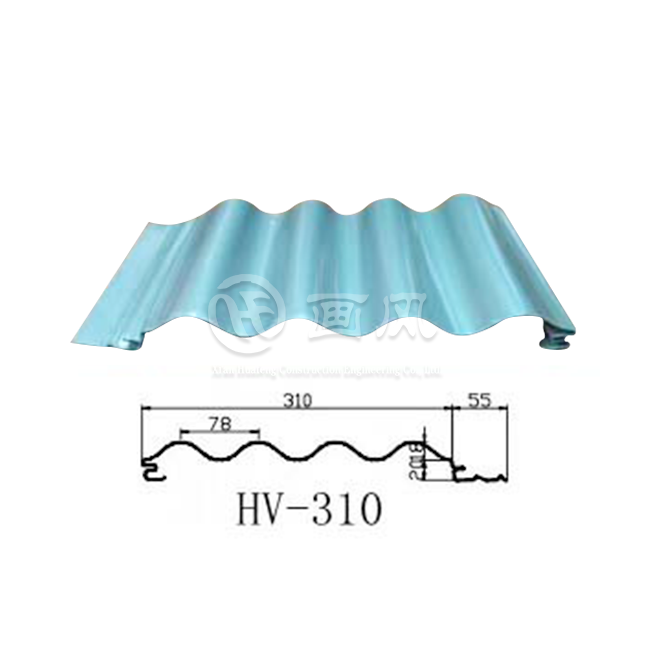
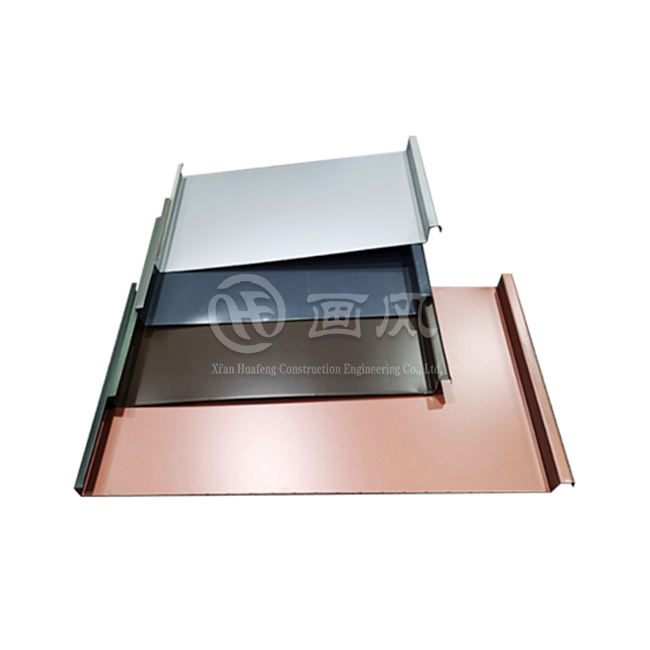
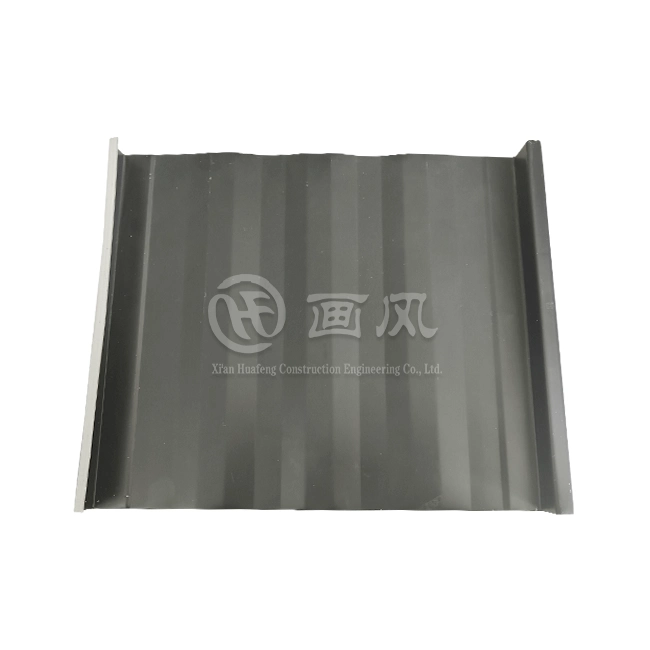
Choosing between flat lock panels and standing seam systems represents a critical decision for construction professionals managing large-scale commercial projects. These metal roofing solutions offer distinct advantages in terms of installation complexity, weather performance, and long-term durability. Flat Lock Panels feature interlocking seams that create a smooth, continuous surface ideal for modern architectural designs, while standing seam systems utilize raised vertical joints for enhanced water resistance. Understanding these fundamental differences enables procurement teams to select the optimal roofing solution based on project specifications, budget constraints, and performance requirements.
Understanding Flat Lock Panels and Standing Seam Systems
The Fundamentals of Metal Roofing Technologies
Modern metal material frameworks have evolved significantly over the past decades, with both flat lock and standing seam technologies representing modern building solutions for commercial and industrial applications. These systems originated from traditional European roofing techniques and have gained broad adoption across North America due to their superior performance characteristics and design versatility.
Material Composition and Manufacturing Standards
Professional-grade metal roofing boards are fabricated from high-performance materials including titanium zinc, copper alloys, aluminum-magnesium-manganese compositions, and stainless steel. These materials undergo rigorous quality control processes to ensure consistent thickness resistances between 0.4mm and 0.8mm, providing optimal strength-to-weight ratios for large-scale installations. Surface treatments such as PVDF and PE coatings enhance corrosion resistance and color retention, extending service life beyond 30 years with proper maintenance protocols. The manufacturing process incorporates precision shaping techniques that ensure dimensional accuracy across panel widths ranging from 100mm to 400mm, accommodating various structural requirements and installation preferences.
Key Performance and Design Differences
Structural Integrity and Weather Resistance
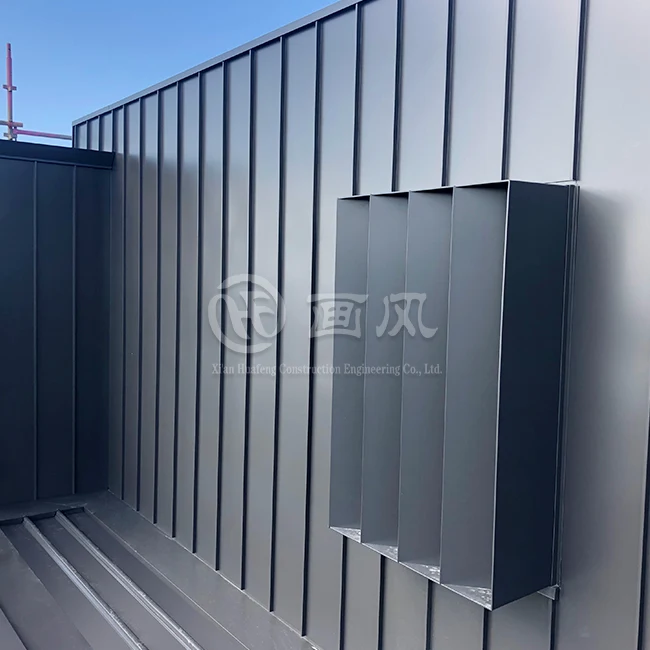
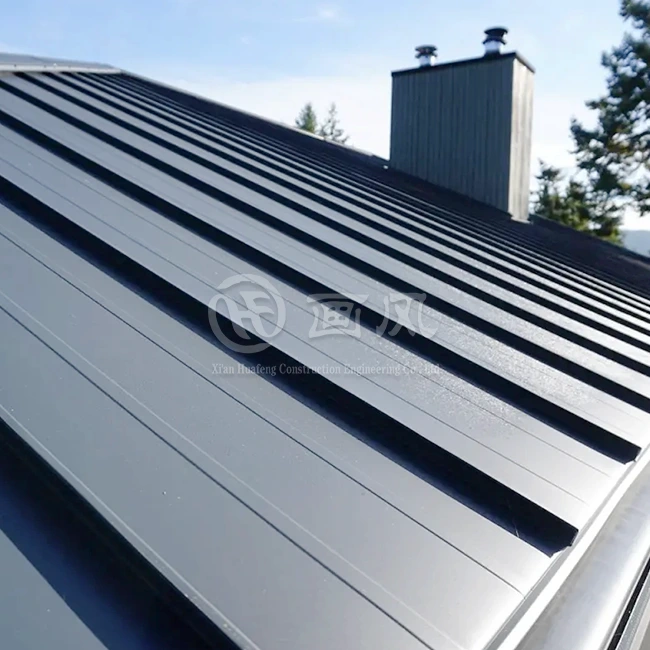
The execution characteristics of these material frameworks contrast altogether in their approach to climate assurance and auxiliary stack dispersion. Standing crease frameworks exceed expectations in extraordinary climate conditions due to their raised joint setup, which viably channels water absent from the building envelope indeed beneath serious wind-driven rain scenarios. The vertical crease plan makes numerous waste ways that anticipate water amassing and decrease hydrostatic weight on the material membrane. Flat bolt setups prioritize warm execution through their persistent surface plan, which minimizes warm bridging and upgrades cover viability. The interlocking instrument conveys auxiliary loads more equitably over the board surface, lessening stretch concentrations that can lead to untimely disappointment in high-wind situations. Wind elevate resistance shifts between frameworks, with standing crease regularly giving prevalent execution in hurricane-prone regions.
Installation Complexity and Labor Requirements
Installation strategies for these frameworks require distinctive expertise sets and hardware setups. Standing crease establishment includes nonstop board lengths that diminish the number of even joints, streamlining the establishment handle for experienced groups. The raised crease plan permits for concealed securing frameworks that dispense with uncovered infiltrations, lessening potential spill focuses and upgrading long-term weatherproofing performance. Flat Lock Panels bolt establishment requires exact arrangement of interlocking instruments over numerous board joints, requesting higher ability levels and more detailed quality control methods. In any case, the secluded nature of level bolt frameworks gives more noteworthy adaptability for complex roof geometries and permits for simpler board substitution amid support operations. Establishment timeline changes altogether based on extend complexity, with standing crease regularly offering quicker establishment rates for expansive, continuous roof areas.
Aesthetic Flexibility and Architectural Integration
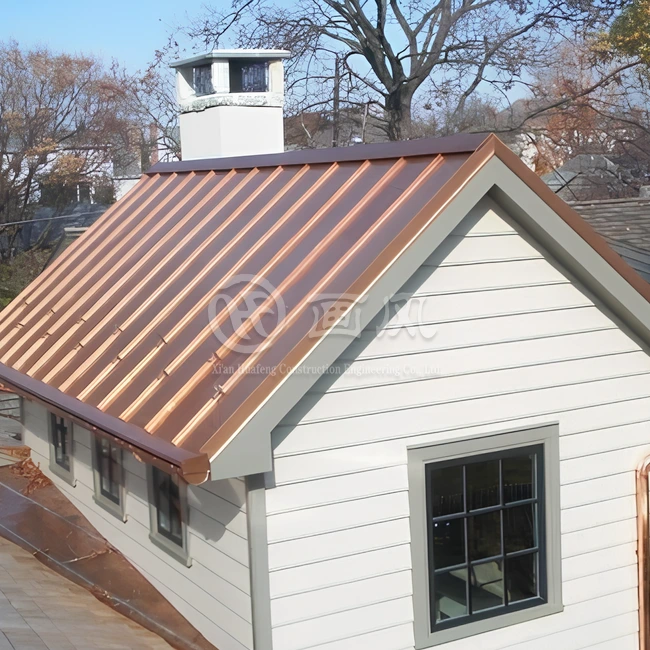
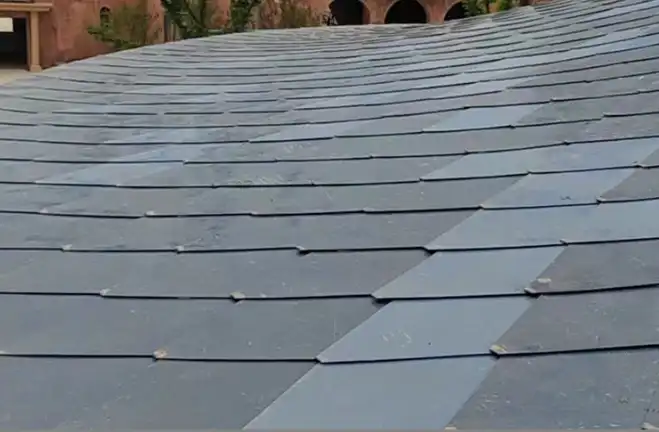
Design experts regularly prioritize the visual affect and building compatibility of material frameworks when indicating materials for high-profile ventures. Level bolt boards offer uncommon plan adaptability through their capacity to make persistent, continuous surfaces that complement present day structural styles. The framework suits different geometric shapes counting rectangles, rhombuses, trapezoids, and hexagons, empowering imaginative design courses of action that upgrade building aesthetics. Standing crease frameworks give a more conventional straight appearance that works well with both modern and classical building styles. The raised crease lines make visual beat and shadow designs that include profundity and surface to the building envelope. Color customization choices incorporate comprehensive RAL color coordinating and specialized wraps up that keep up appearance quality all through the benefit life of the establishment.
Cost Analysis and Procurement Considerations
Material Costs and Budget Planning
Procurement experts must assess total project costs including material costs, installation expenses, and long-term maintenance requirements when comparing roofing systems. Material costs for flat lock panels typically range from standard to premium pricing depending on base metal selection and surface treatment options. The modular design can provide savings for smaller projects or complex geometries where waste minimization is critical. Standing seam systems often exhibit higher initial material costs due to their specialized forming requirements and concealed fastening systems. However, reduced installation complexity can offset material premiums through labor cost savings, particularly on large-scale projects where installation efficiency significantly impacts overall project economics. Bulk ordering advantages tend to be more pronounced with standing seam systems due to their standardized panel configurations.
Supplier Evaluation and Quality Assurance
Selecting qualified suppliers requires careful evaluation of manufacturing capabilities, quality certifications, and technical support services. Reputable manufacturers maintain ISO 9001 quality management systems and hold relevant industry certifications demonstrating compliance with international standards. Production capacity is crucial for large projects with tight delivery schedules, requiring suppliers with sufficient manufacturing infrastructure to meet project deadlines. Quality assurance protocols should include material traceability, dimensional tolerance verification, and surface finish inspection procedures. Warranty terms vary between suppliers, with comprehensive coverage including material defects, color retention, and weathering performance over extended service life. Technical support services often encompass design assistance, installation training, and ongoing project lifecycle support.
Delivery Logistics and Project Scheduling
Project planning must oblige normal conveyance timeframes of 15-20 days for standard arrangements, with amplified lead times required for customized determinations or expansive volume orders. Flat Lock Panels bundling strategies and transportation coordinations altogether affect fabric condition upon conveyance, requiring coordination with qualified shipping accomplices experienced in taking care of metal material materials. Custom creation capabilities permit for project-specific adjustments that address one of a kind structural necessities or establishment limitations. Be that as it may, customization ordinarily amplifies conveyance plans and may affect estimating structures. Acquirement groups ought to ask nitty detailed conveyance plans that account for fabricating lead times, transportation term, and potential weather-related delays that seem influence venture timelines.
Practical Guidance for B2B Clients: Making the Right Choice
Project-Specific Selection Criteria
Successful roofing system selection requires comprehensive evaluation of project-specific factors including building geometry, climate conditions, aesthetic requirements, and long-term performance expectations. Climate considerations encompass temperature extremes, precipitation patterns, wind loading, and seismic activity that influence system performance over the design life of the installation.Building code compliance varies by jurisdiction and may specify particular performance requirements for fire resistance, wind uplift capacity, and thermal performance. Sustainability objectives increasingly influence material selection, with both systems offering recyclable materials and energy-efficient performance characteristics that contribute to green building certification programs.The architectural design intent plays a crucial role in system selection, with some projects favoring the clean lines of flat lock systems while others benefit from the traditional appearance of standing seam configurations. Coordination with design professionals ensures that the selected system supports the overall aesthetic vision while meeting functional performance requirements.
Long-Term Value Assessment
Maintenance planning significantly impacts the total cost of ownership for metal roofing systems over their service life. Both systems require periodic inspection and preventive maintenance to ensure optimal performance, but the specific requirements differ based on system design and environmental exposure conditions. Standing seam systems typically require less frequent maintenance due to their concealed fastening design, while flat lock systems may need more regular joint inspection and sealing maintenance.Service life expectations exceed 30 years for both systems when properly installed and maintained, with some installations demonstrating performance beyond 50 years under favorable conditions. Warranty coverage should encompass material defects, installation workmanship, and weatherproofing performance, providing protection against unexpected repair costs during the warranty period.Energy performance considerations include reflective properties, insulation compatibility, and thermal bridging characteristics that affect building operational costs. Both systems can accommodate high-performance insulation systems and reflective coatings that reduce energy consumption and enhance occupant comfort throughout the building's operational life.
Company Introduction and Our Offerings
Xi'an Huafeng Construction Engineering: Your Trusted Metal Roofing Partner
Xi'an Huafeng Construction Engineering Co., Ltd. brings extensive expertise in metal roofing systems to construction professionals worldwide. Established in 2018, our company has rapidly developed into a comprehensive provider of building envelope solutions, specializing in flat lock panels, standing seam systems, and integrated curtain wall technologies. Our commitment to quality and innovation has earned recognition as a high-tech enterprise with Grade 1 building curtain wall and Grade 3 steel structure certifications.Our manufacturing infrastructure spans multiple facilities including a 200,000 square meter raw material production plant and specialized processing facilities in strategic locations. This extensive production capacity enables us to meet demanding project schedules while maintaining strict quality control standards throughout the manufacturing process. Seven color coating production lines and advanced forming equipment ensure consistent product quality and dimensional accuracy across our complete product portfolio.
Comprehensive Product Portfolio and Technical Capabilities
Our flat lock panel systems represent the culmination of advanced engineering and precision manufacturing, offering exceptional versatility for modern construction projects. Available in premium materials including titanium zinc, copper, aluminum-magnesium-manganese alloys, and stainless steel, these panels accommodate diverse architectural requirements while providing superior weather protection and longevity.Technical specifications include customizable dimensions with widths ranging from 100mm to 400mm and thicknesses from 0.4mm to 0.8mm, enabling precise adaptation to project-specific requirements. Multiple geometric configurations including rectangles, rhombuses, trapezoids, and hexagons provide design flexibility that supports creative architectural expressions while maintaining structural performance standards.Our commitment to customer service extends beyond product delivery through comprehensive technical support, installation guidance, and ongoing maintenance assistance. Free sample programs enable procurement professionals to evaluate material quality and compatibility before making final selection decisions, reducing project risk and ensuring optimal system performance.
FAQ: Common Questions About Flat Lock Panels and Standing Seam Roofing
How Do Installation Timeframes Compare Between Systems?
Installation duration varies significantly based on project complexity, crew experience, and site conditions. Standing seam systems typically offer faster installation rates for large, uninterrupted roof areas due to their continuous panel design and concealed fastening systems. Experienced crews can achieve higher daily production rates, reducing overall project duration and labor costs.Flat lock installation requires more detailed attention to joint alignment and sealing procedures, which may extend installation timeframes but provides greater flexibility for complex roof geometries. The modular design allows for easier material handling and can accommodate irregular building shapes that would be challenging for continuous standing seam panels.
What Customization Options Are Available for Large Projects?
Both systems offer extensive customization capabilities to meet specific project requirements. Color options include complete RAL color matching and custom finishes that complement architectural design themes. Panel dimensions can be modified within manufacturing constraints to optimize material utilization and reduce waste for large-scale installations.Custom fabrication services accommodate unique geometric requirements, specialized joint details, and integration with other building systems. Lead times for customized products typically extend 15-20 days beyond standard delivery schedules, requiring early coordination during project planning phases to avoid schedule delays.
Conclusion
The selection between flat lock panels and standing seam systems requires careful evaluation of project-specific requirements, performance expectations, and long-term value considerations. Both technologies offer proven performance for commercial and industrial applications, with distinct advantages that align with different architectural and functional priorities. Flat lock systems excel in applications requiring design flexibility and thermal performance, while standing seam systems provide superior weather protection and installation efficiency. Successful project outcomes depend on partnering with qualified suppliers who provide comprehensive technical support, reliable delivery schedules, and extensive warranty coverage. Understanding these key differences enables construction professionals to make informed decisions that optimize project performance, cost-effectiveness, and long-term value for their clients.
Ready to Transform Your Next Project with Premium Metal Roofing Solutions?
Huafeng Construction Engineering stands ready to support your metal roofing requirements with industry-leading expertise and comprehensive product solutions. Our experienced team provides personalized consultations that address your specific project needs, from initial design concepts through installation completion and ongoing maintenance support. As a trusted Flat Lock Panels manufacturer with extensive international experience, we deliver customized solutions that meet the highest quality standards and performance expectations.
Contact our technical specialists at huafeng@hfmetalroof.com to request free samples, detailed specifications, and project-specific quotations. Our comprehensive product catalog and technical resources are available at hfmetalroof.com, providing the information you need to make confident procurement decisions. Experience the Huafeng difference through our commitment to quality, innovation, and customer success on your next construction project.
References
1. American Institute of Steel Construction. "Design Guide for Metal Roofing Systems in Commercial Construction Applications." AISC Publications, 2023.
2. Building Science Corporation. "Thermal Performance Analysis of Metal Roofing Systems in Commercial Buildings." BSC Technical Report Series, 2022.
3. International Code Council. "Metal Roofing Installation Standards and Best Practices for Large Scale Commercial Projects." ICC Building Safety Journal, 2023.
4. National Roofing Contractors Association. "Comparative Analysis of Metal Roofing System Performance in North American Climates." NRCA Technical Bulletin, 2022.
5. Whole Building Design Guide. "Selection Criteria for High Performance Metal Roofing Systems in Institutional and Commercial Applications." WBDG Design Guidance, 2023.
6. Weather-Resistant Construction Institute. "Long-Term Performance Evaluation of Flat Lock and Standing Seam Roofing Systems." WRCI Research Report, 2022.





YOU MAY LIKE
_1757558889992.webp "Metal Roofing Snowguards")