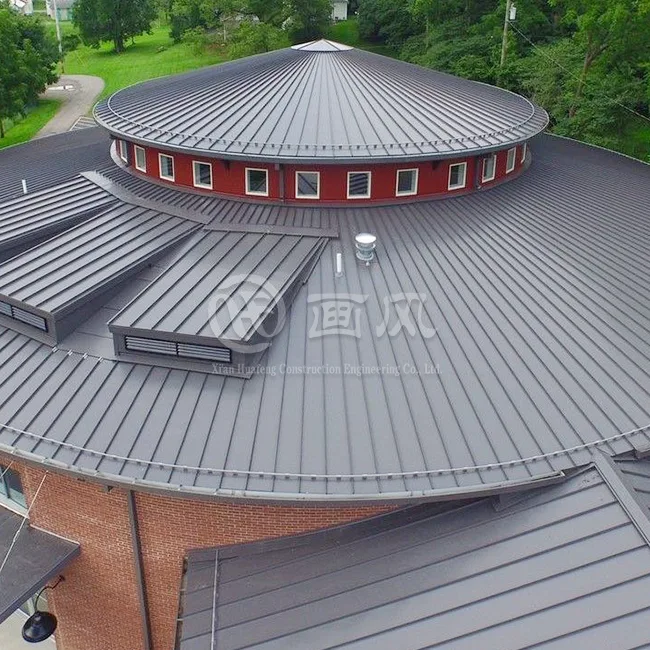
High Seam Metal Roofing vs Standing Seam: What’s the Difference?
2026-02-17 11:00:00
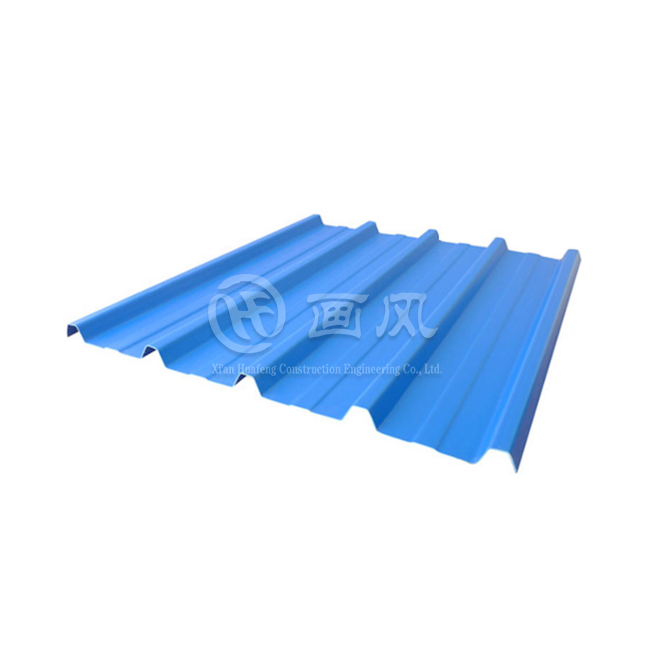
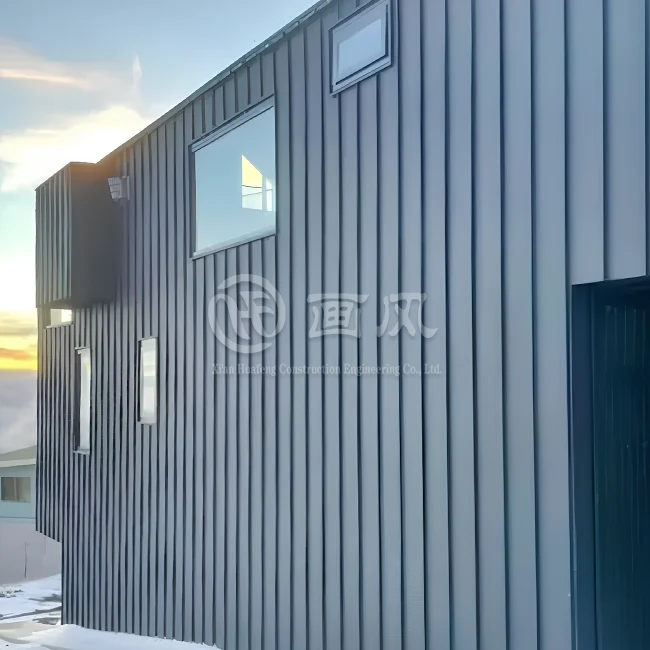
Are you staring at project specifications wondering whether to specify high seam metal roofing or traditional standing seam systems, confused by terminology that seems interchangeable yet priced differently? Understanding the distinction between these terms is crucial for architects, contractors, and building owners who need to balance performance requirements with budget constraints while ensuring long-term durability. High seam metal roofing represents an enhanced version of standing seam technology, featuring elevated seam heights of 65mm or greater compared to standard profiles, delivering superior weather protection and structural performance for demanding commercial and industrial applications where conventional systems may fall short during extreme conditions.

Understanding High Seam Metal Roofing Systems
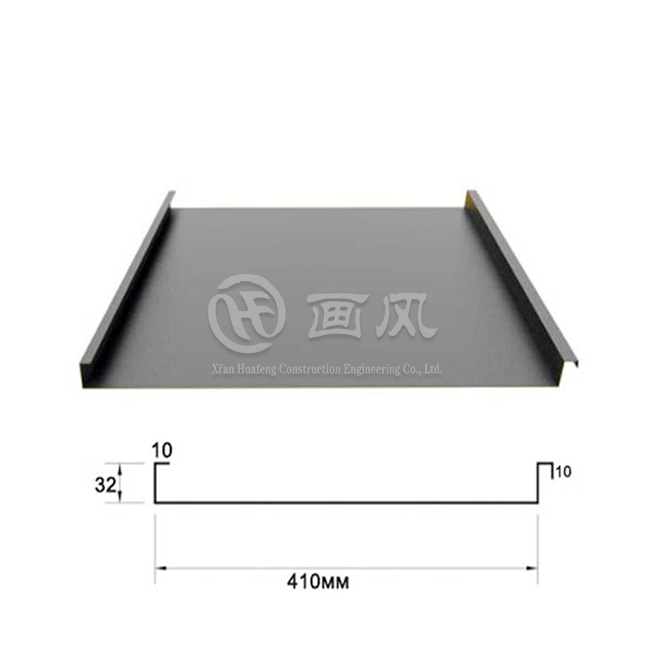
High seam metal roofing distinguishes itself through its elevated seam profile, typically measuring 65mm or higher, which significantly exceeds the standard standing seam heights of 38mm to 50mm found in conventional installations. This increased height provides exceptional water management capabilities, particularly critical for low-slope applications where water pooling presents persistent challenges. The raised seams create a more pronounced vertical barrier that effectively channels water away from vulnerable seam connections, reducing the risk of water infiltration during heavy rainfall or snow melt events. This architectural solution has gained prominence among engineers and architects specifying roofing systems for large-scale commercial facilities, industrial warehouses, and public infrastructure projects where reliability cannot be compromised. The mechanical engineering behind high seam metal roofing involves sophisticated interlocking mechanisms that accommodate thermal expansion and contraction while maintaining weather-tight integrity throughout seasonal temperature fluctuations. Unlike exposed fastener systems that rely on penetrations through the metal surface, high seam panels utilize concealed clip attachments positioned beneath the raised seams, eliminating potential leak points and extending the service life of the entire roofing assembly. Manufacturing facilities like Xi'an Huafeng Construction Engineering employ precision roll-forming equipment and automated punching systems to produce these panels with tolerances measured in fractions of millimeters, ensuring consistent quality across thousands of square meters of roofing material. The production process involves multiple quality control checkpoints, including dimensional verification, surface finish inspection, and mechanical property testing to validate that each panel meets stringent performance standards before shipment to construction sites.
Material Composition and Specifications
The substrate materials used in high seam metal roofing production encompass a range of corrosion-resistant metals selected based on environmental exposure conditions, structural requirements, and aesthetic preferences. Aluminum alloys including 3003, 3004, and 5052 grades offer excellent corrosion resistance and lightweight characteristics, making them ideal for coastal environments and applications where structural load limitations exist. Galvanized steel substrates provide cost-effective solutions with robust structural properties, while Galvalume coatings combining aluminum and zinc deliver enhanced atmospheric corrosion protection for industrial settings with aggressive chemical exposure. Premium applications may specify copper or stainless steel substrates that offer exceptional longevity exceeding 70 years with minimal maintenance requirements, though these materials command significantly higher initial investment costs. Panel thickness specifications typically range from 0.5mm to 1.2mm depending on structural span requirements, expected snow loads, and wind uplift resistance calculations performed by structural engineers during the design phase. Thicker gauge materials measuring 0.9mm to 1.2mm are commonly specified for exposed locations subject to high wind velocities or regions experiencing heavy snow accumulation where structural integrity under load is paramount. Surface treatments including PVDF and PE coatings protect the metal substrate from ultraviolet degradation, chemical exposure, and atmospheric pollutants while providing decorative color finishes that maintain their appearance throughout decades of service. These coating systems undergo rigorous accelerated weathering tests that simulate years of environmental exposure, ensuring color retention and gloss stability that meet architectural specifications for building aesthetics.
Key Differences Between High Seam and Standard Standing Seam
The fundamental distinction between high seam metal roofing and standard standing seam systems lies in the dimensional characteristics of the raised seam profile and the engineering requirements that accompany these elevated heights. Standard standing seam profiles typically feature seam heights ranging from 38mm to 50mm, adequate for most commercial applications with roof slopes exceeding 3:12 pitch where gravity-driven water drainage functions effectively. High seam metal roofing extends these dimensions to 65mm or greater, creating a more substantial vertical barrier that enhances water management performance on low-slope applications where roof pitch falls below 2:12, situations where standard profiles may experience water backup during intense precipitation events or rapid snow melt conditions. This increased seam height directly impacts the structural performance characteristics of the roofing system, particularly regarding wind uplift resistance and spanning capabilities between structural supports. The elevated profile generates greater section modulus, enabling panels to bridge longer distances between purlins while maintaining structural rigidity under imposed loads. Engineering calculations demonstrate that high seam panels can often achieve purlin spacing of 1.8 meters to 2.4 meters compared to 1.2 meters to 1.5 meters for standard profiles, potentially reducing the quantity of structural support members required and lowering overall construction costs despite the premium pricing of the enhanced panel profiles. Wind tunnel testing conducted on high seam configurations reveals improved aerodynamic performance, with the elevated seams disrupting airflow patterns that might otherwise generate uplift forces capable of compromising panel attachments during severe weather events.
Installation Methodology and Technical Requirements
The installation procedures for high seam metal roofing demand specialized expertise and precision equipment that exceeds the skill requirements for standard standing seam applications, contributing to higher labor costs but delivering superior long-term performance when executed correctly. Installation crews must utilize mechanized seaming equipment specifically calibrated for the increased seam height, ensuring consistent seam formation across the entire roof surface without gaps or incomplete interlocks that could compromise weather protection. The elevated profile necessitates modified clip designs with enhanced retention characteristics capable of accommodating the additional material weight and structural loads transmitted through the raised seams during thermal expansion cycles and wind loading events. Substrate preparation and alignment tolerances become increasingly critical for high seam installations, as any deviation from specified flatness or purlin positioning can manifest as visible distortions or "oil canning" effects in the finished roof surface. Professional installation teams conduct thorough substrate inspections before panel installation, verifying that structural supports meet specified straightness tolerances and that fastening locations align with engineering drawings. The sequential installation process involves positioning starter strips with precise alignment, systematically installing panels with continuous seam formation, and implementing quality control checkpoints throughout the installation to verify proper clip engagement and seam interlock before proceeding to subsequent sections. This methodical approach, while more time-intensive than standard installations, ensures that the completed roofing system performs as engineered throughout its service life, eliminating callbacks for metal roof seam repair caused by installation deficiencies.
Performance Advantages in Demanding Applications
High seam metal roofing demonstrates measurable performance advantages in applications where environmental conditions challenge the capabilities of standard roofing systems, particularly in regions experiencing extreme weather patterns or buildings with architectural constraints limiting roof slope options. The enhanced water management provided by elevated seam profiles proves invaluable for facilities in high-rainfall regions where conventional systems may struggle during sustained precipitation events, reducing the risk of water infiltration at seam connections that could lead to interior damage and costly repairs. The increased structural capacity enables architects to specify larger panel widths and longer unsupported spans, creating cleaner aesthetic lines with fewer visible seam interruptions while maintaining the structural performance necessary for code compliance and long-term durability. Thermal performance characteristics benefit from the enhanced air space created beneath the raised seam profiles, promoting ventilation within the roofing assembly that helps regulate heat transfer and reduce cooling loads during summer months. This passive thermal management contributes to energy efficiency improvements measurable through reduced HVAC operating costs, particularly significant for large commercial and industrial facilities where roof area represents a substantial portion of the building envelope. The elevated seams also facilitate easier integration of rooftop equipment installations, including solar photovoltaic arrays, HVAC units, and satellite communication equipment, by providing convenient attachment points that avoid penetrations through the weather-resistant panel surface. Specialized clamp systems designed for high seam profiles enable secure equipment mounting while preserving the integrity of the roofing membrane, an increasingly important consideration as building owners seek to maximize the functional utility of rooftop spaces.
Material Selection and Customization Options
The material selection process for high seam metal roofing projects involves comprehensive evaluation of environmental exposure conditions, structural performance requirements, aesthetic objectives, and lifecycle cost considerations that extend beyond initial installation expenses to encompass maintenance obligations and expected service life. Aluminum substrates offer exceptional corrosion resistance in coastal environments where salt-laden air attacks ferrous metals, while their lightweight characteristics reduce structural loading requirements and simplify handling during installation. The natural corrosion resistance of aluminum eliminates concerns about rust staining on building facades, maintaining architectural appearance throughout decades of service without the periodic maintenance interventions required for painted steel systems in harsh environments. However, aluminum's lower yield strength compared to steel substrates may necessitate thicker gauge specifications or reduced span capabilities in applications with significant structural loads. Galvanized and Galvalume steel substrates provide cost-effective solutions with robust structural properties suitable for most commercial and industrial applications where atmospheric corrosion rates remain moderate. The sacrificial zinc coating on galvanized steel offers cathodic protection that extends substrate life by preferentially corroding to protect the underlying steel from oxidation. Galvalume coatings enhance this protection by incorporating aluminum into the metallic coating, delivering corrosion resistance approaching that of aluminum at a fraction of the cost while retaining the structural advantages of steel substrates. Premium stainless steel specifications using 304 or 316 alloy grades provide unmatched corrosion resistance for aggressive industrial environments, pharmaceutical facilities, or food processing plants where hygiene requirements and chemical cleaning protocols demand materials that resist both atmospheric corrosion and chemical attack from cleaning agents and process emissions.
Surface Treatment and Color Customization
Surface treatment selection directly impacts both the aesthetic appearance and functional performance of high seam metal roofing throughout its service life, with coating systems ranging from economical polyester finishes to premium PVDF formulations offering varying levels of weather resistance and color retention. Polyester coatings provide adequate performance for budget-conscious projects in moderate climates, though chalking and color fade become evident after 10 to 15 years of exposure to ultraviolet radiation and environmental pollutants. Silicone-modified polyester formulations enhance durability beyond standard polyester systems while maintaining moderate cost premiums, representing a balanced compromise between initial investment and long-term appearance retention for projects where lifecycle aesthetics matter but budget constraints limit premium coating selection. PVDF coatings, commercially available under brand names including Kynar 500 and Hylar 5000, deliver superior weather resistance and color retention validated through decades of field performance data and accelerated weathering tests simulating extreme environmental exposure. These fluoropolymer-based coatings resist chalking, fading, and chemical degradation throughout warranty periods extending 30 years or longer, maintaining architectural appearance that preserves building value and eliminates repainting costs associated with less durable coating systems. Color customization options encompass standard architectural color palettes based on RAL and Pantone systems, plus custom color matching capabilities for projects requiring specific brand identity or aesthetic coordination with existing buildings. Advanced coating technologies incorporate cool roof pigments that reflect infrared radiation, reducing heat absorption and lowering roof surface temperatures by 20 to 30 degrees Celsius compared to standard pigments, translating directly to energy savings through reduced cooling loads and extended coating service life from reduced thermal stress.
Installation Excellence and Quality Assurance
The installation phase represents the critical transformation of engineered roofing materials into a functioning weather protection system, where the expertise and precision of installation crews determine whether the roofing system achieves its designed performance potential or falls short due to workmanship deficiencies. Professional installation begins with comprehensive substrate assessment, verifying that structural supports meet specified alignment tolerances, fastening locations correspond with engineering drawings, and surface conditions provide appropriate support for the roofing assembly. Any deficiencies identified during this preliminary inspection must be addressed before panel installation commences, as attempting to compensate for structural irregularities during roofing installation inevitably results in visible distortions and potential performance compromises that manifest as leaks or premature failures requiring costly metal roof seam repair interventions. Xi'an Huafeng Construction Engineering implements systematic quality control protocols throughout the installation process, with inspection checkpoints at critical stages verifying proper execution before crews proceed to subsequent operations. Initial starter strip installation receives particular scrutiny, as these components establish the alignment reference for the entire roofing system, with any angular deviation from specified orientation propagating across the roof surface and becoming increasingly pronounced as installation progresses. Panel placement verification ensures proper overlap at longitudinal seams and correct positioning relative to structural supports, while seam formation inspection confirms complete interlock engagement without gaps or incomplete crimping that could compromise weather resistance. Installation technicians utilize specialized tools including edge-locking machines calibrated for the specific seam profile, power seamers with adjustable pressure settings to prevent metal distortion, and measurement instruments verifying dimensional accuracy throughout the installation sequence.
Comprehensive Testing and Performance Validation
Upon completion of panel installation, comprehensive testing protocols validate that the completed roofing system performs as engineered, identifying any deficiencies requiring correction before final acceptance and warranty activation. Water testing procedures involve controlled application of water to the roof surface, observing drainage patterns and monitoring interior spaces for any evidence of water infiltration at seam connections, penetrations, or transition details. These tests simulate rainfall intensities exceeding typical storm events, ensuring adequate performance margins exist to accommodate extreme weather conditions without compromising building interior protection. Any areas demonstrating water infiltration receive immediate remedial attention, with installation crews examining seam formation, evaluating clip engagement, and implementing corrective measures to achieve complete weather protection before proceeding with additional testing cycles. Thermal imaging surveys conducted during temperature transition periods reveal potential deficiencies in insulation continuity or air leakage paths that compromise energy efficiency, enabling correction while installation crews remain mobilized on-site rather than discovering problems during building operation when remediation costs escalate significantly. Structural performance validation involves visual inspection of panel deflection under imposed loads, confirming that spanning capabilities align with engineering calculations and that no excessive deflection occurs that might indicate inadequate substrate support or improperly installed attachment clips. This comprehensive approach to quality assurance, while requiring additional time and resources beyond minimum installation requirements, delivers roofing systems that consistently achieve their designed performance objectives throughout extended service lives, minimizing lifecycle costs through eliminated callbacks and reduced maintenance obligations.
Maintenance Requirements and Long-Term Performance
While high seam metal roofing systems require significantly less maintenance compared to conventional roofing materials including asphalt shingles or built-up roof assemblies, implementing a proactive maintenance program preserves optimal performance and extends service life by addressing minor issues before they develop into significant problems requiring extensive metal roof seam repair operations. Annual inspections conducted by qualified roofing professionals identify potential concerns including loose fasteners at penetrations, debris accumulation in valleys or drainage areas, and sealant degradation at termination details or equipment curbs where age-related deterioration typically manifests first. These routine assessments enable timely intervention with minor repairs that prevent water infiltration and protect building interiors from damage, while also documenting roof conditions for warranty compliance and providing facility managers with objective condition assessments supporting capital planning decisions. Debris removal from roof surfaces and drainage systems represents the primary maintenance activity for high seam metal roofing installations, particularly important for facilities surrounded by deciduous trees or located in areas where wind-blown debris accumulates on rooftops. Organic material accumulation retains moisture against metal surfaces, potentially accelerating corrosion in vulnerable locations where coating damage has occurred or at cut edges where base metal exposure exists. Periodic cleaning using low-pressure water washing removes accumulated dirt and atmospheric pollutants, restoring reflective properties of cool roof coatings and maintaining designed thermal performance throughout the building's operational life. Chemical cleaning agents should be avoided unless specifically recommended by coating manufacturers, as aggressive solvents or alkaline cleaners may attack coating integrity and accelerate degradation, negating the protective benefits these surface treatments provide.
Addressing Common Performance Issues
Oil canning, characterized by visible waviness or distortion in flat panel areas between seams, represents an aesthetic concern that occasionally develops in metal roofing installations despite proper material selection and careful installation practices. This phenomenon results from stress accumulation within metal panels as they expand and contract during thermal cycles, with the thin gauge material unable to accommodate these stresses without deflecting into visible wave patterns. While primarily aesthetic rather than structural or functional in nature, oil canning concerns building owners and architects who specify metal roofing partially for its clean, contemporary appearance. Minimizing oil canning requires attention throughout the manufacturing and installation process, including proper coil stretching during panel forming, avoiding over-tensioning during seam formation, and ensuring adequate substrate flatness to prevent stress concentrations that trigger distortion. When metal roof seam repair becomes necessary due to physical damage from foot traffic, impact from falling objects, or age-related degradation of sealants at terminations, prompt intervention prevents localized problems from propagating into extensive damage requiring replacement of entire panel sections. Repair procedures must maintain the weather-tight integrity of the roofing system while accommodating thermal movement characteristics that enable long-term performance without recurring failures at repair locations. Professional repair services employ specialized materials and techniques specific to metal roofing systems, including compatible sealants that maintain flexibility throughout temperature extremes, mechanical fastening details that prevent stress concentration, and surface preparation protocols ensuring adhesion of repair materials to existing coatings. Attempting repairs using generic construction materials or inappropriate techniques often results in premature failure and expanded damage requiring more extensive remediation, ultimately increasing lifecycle costs and compromising building protection during the period when inadequate repairs fail to provide reliable weather resistance.
Conclusion
High seam metal roofing represents an advanced evolution of standing seam technology, delivering enhanced performance through elevated seam profiles that excel in demanding applications where conventional systems face limitations. The investment in superior materials, precision engineering, and expert installation yields decades of reliable protection with minimal maintenance obligations and exceptional long-term value for discerning building owners.
Cooperate with Xi'an Huafeng Construction Engineering Co., Ltd.
Xi'an Huafeng Construction Engineering Co., Ltd. stands as a premier China High Seam Metal Roofing manufacturer, China High Seam Metal Roofing supplier, and China High Seam Metal Roofing factory with comprehensive capabilities spanning design, production, and construction services. Established in 2018 and recognized as a Shaanxi Province high-tech enterprise since 2020, our company operates three state-of-the-art manufacturing facilities with seven color coating production lines and over 40 specialized processing machines producing High Quality High Seam Metal Roofing systems. Our 200,000 square meter raw material production plant in Anhui, combined with processing facilities in Hangzhou and Xi'an, enables monthly production capacity exceeding 1000 tons while maintaining rigorous quality standards certified through ISO9001, ISO14001, and SGS compliance. We offer competitive High Seam Metal Roofing price with customized solutions featuring thickness ranges from 0.5mm to 1.2mm, PVDF/PE surface treatments, and comprehensive material options including aluminum alloys, galvanized steel, and stainless steel substrates. Our China High Seam Metal Roofing wholesale programs serve Fortune 500 companies through our proven one-stop service model encompassing structural 3D modeling, load analysis, precision roll-forming, real-time quality control, and seamless installation with 30-year warranty coverage. With over 20 registered patents and successful project deliveries including Xiongan Station, Xi'an International Convention Center, and Inner Mongolia Tongliao Art Museum, we deliver engineering excellence that transforms architectural visions into enduring reality. Discover High Seam Metal Roofing for sale that meets your project specifications while experiencing technical support that guides you from initial concept through final acceptance—contact us at huafeng@hfmetalroof.com to discuss how our customized High Seam Metal Roofing solutions can elevate your next commercial or industrial project with proven performance and exceptional value.
References
1. Anderson, Michael & Roberts, James. "Metal Roofing Systems: Design and Performance Characteristics." Journal of Architectural Engineering, American Society of Civil Engineers.
2. Chen, David & Liu, Wei. "Thermal Performance of Metal Roof Assemblies in Commercial Buildings." Building and Environment Research Institute.
3. National Roofing Contractors Association. "NRCA Roofing Manual: Metal Panel and SPF Roof Systems." Technical Standards Committee.
4. Peterson, Sarah. "Standing Seam Metal Roofing: Installation Best Practices and Common Failures." Construction Specifier Magazine.
5. Williams, Robert & Thompson, Elizabeth. "Comparative Analysis of Metal Roofing Systems for Low-Slope Applications." International Journal of Building Science and Applications.





YOU MAY LIKE
_1768552571575.jpg "Aluminium Fascias")
(1)_1763110678300.webp "standing seam metal roof panels")