Aluminum Corrugated Siding Panels: Key Properties and Material Advantages
2026-02-18 11:00:00
When selecting exterior cladding for industrial facilities, commercial buildings, or coastal structures, project managers face a persistent challenge: finding materials that balance durability, corrosion resistance, and aesthetic appeal without compromising structural integrity or exceeding budget constraints. Aluminum Corrugated Siding Panels emerge as a strategic solution to this dilemma, offering a combination of lightweight engineering, weatherproof performance, and long-term value that addresses the most pressing concerns in modern construction. This comprehensive guide explores the material science, performance characteristics, and practical advantages that make aluminum corrugated siding panels an increasingly preferred choice for architects, contractors, and building owners seeking reliable, maintenance-conscious building envelope solutions.

Understanding Aluminum Corrugated Siding Panels: Material Science and Structural Design
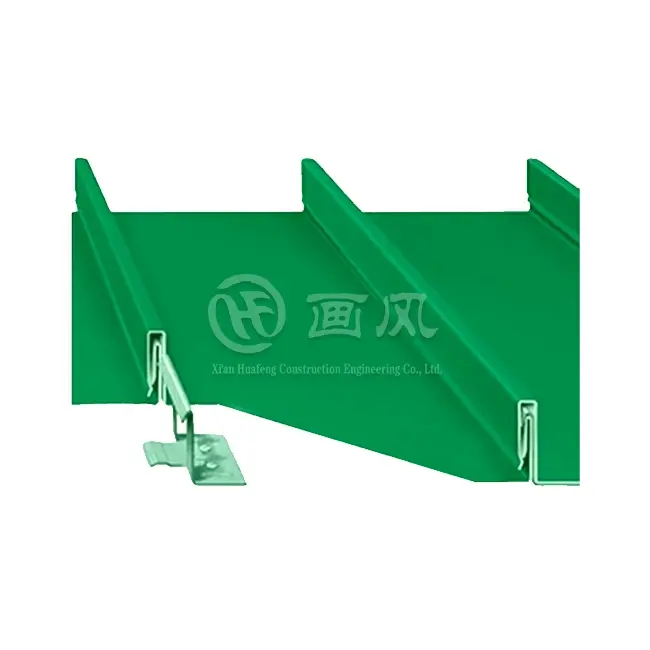
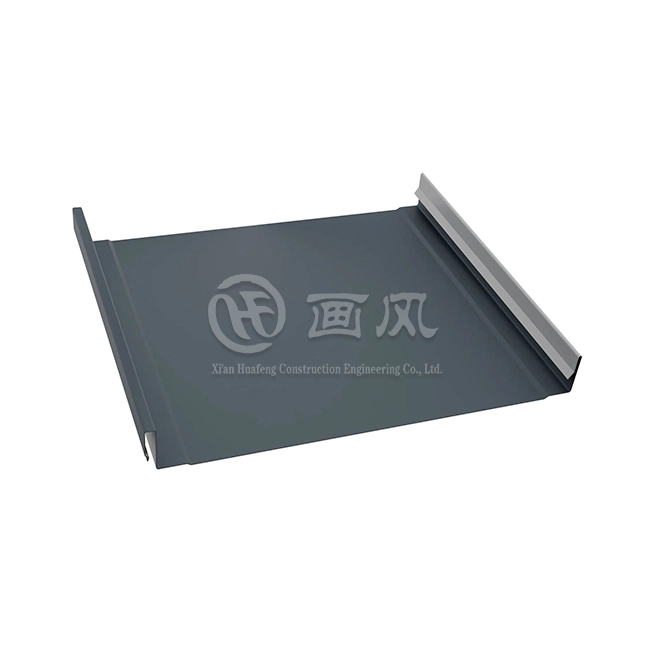
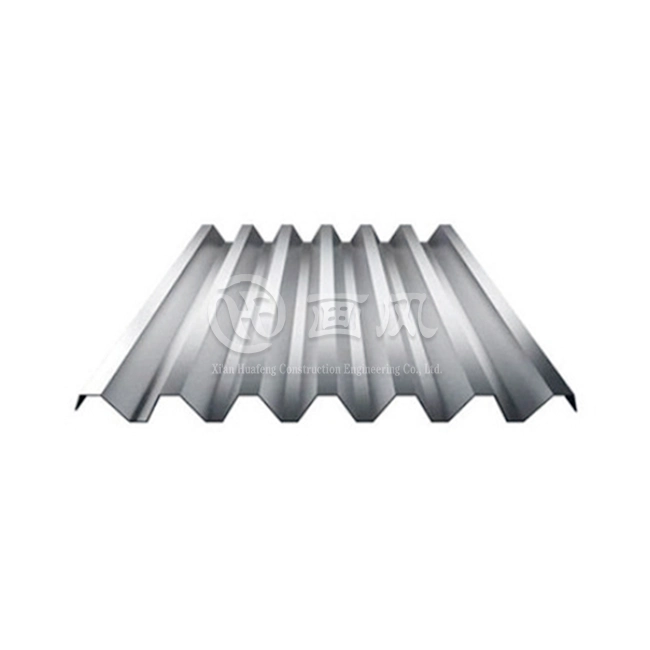
Aluminum corrugated siding panels are made from high-grade alloys like the 3000 series (e.g., 3003 and 3004) or the more corrosion-resistant 5000 series (e.g., 5052). These panels feature a wave-like profile that not only enhances aesthetics but also provides structural strength by improving stiffness through geometric principles. The corrugated design allows thinner materials to span longer distances while maintaining performance. 3003 alloy is highly formable and weldable, ideal for architectural applications, while 5052 offers superior strength and corrosion resistance for coastal environments. Manufactured using precision roll-forming technology, these panels come in customizable widths and thicknesses. Coatings like PVDF provide excellent UV resistance, color retention, and durability, extending the panel's lifespan. High-Durability Polyester coatings offer a cost-effective alternative with strong weather resistance. Together, aluminum’s natural corrosion resistance and advanced coatings form a protective system that outperforms traditional materials in harsh conditions.
Thermal and Physical Properties of Aluminum Siding Systems
Aluminum Corrugated Siding Panels play an important role in improving building energy efficiency and comfort. Although aluminum has high thermal conductivity, its reflective surface can bounce back up to 70% of solar radiation, helping reduce heat gain and cooling costs in warm climates. This makes it especially suitable for warehouses, agricultural facilities, and commercial buildings where temperature control affects operating expenses. Aluminum’s light weight—about one-third that of steel—reduces structural load, simplifies transportation and installation, and allows facade upgrades without major reinforcement. During installation, its higher thermal expansion must be managed with proper fastening systems, expansion joints, and sliding clips. When these engineering measures are correctly applied, aluminum panels provide durable, stable performance for decades while supporting efficient and cost-effective building design.
Corrosion Resistance and Environmental Durability
Aluminum Corrugated Siding Panels offer exceptional corrosion resistance due to aluminum's natural oxide layer, which forms a protective shield against further oxidation. Unlike steel, which rusts and flakes, aluminum’s oxide layer is stable and self-healing. This makes it ideal for coastal environments, industrial settings, and areas with high humidity, where traditional materials require more maintenance. Marine-grade 5052 aluminum alloy, combined with premium PVDF coatings, protects against chloride-induced corrosion, maintaining structural integrity and visual appeal. The panels perform well in environments with chemical exposure, reducing maintenance and extending replacement intervals. In addition to corrosion resistance, aluminum's impact resistance, fire safety, and biological inertness make it a durable choice. It is non-combustible, prevents fungal growth and insect damage, and resists rot, providing long-lasting performance without the deterioration seen in organic materials.
Performance Advantages and Application Benefits
The practical advantages of Aluminum Corrugated Siding Panels manifest across multiple performance dimensions that directly impact project economics, construction schedules, and long-term building operation. Understanding these benefits enables informed material selection decisions that optimize overall project value rather than focusing solely on initial material cost. The maintenance requirements for corrugated aluminum siding panels rank among the lowest of all exterior cladding options, translating to substantial lifecycle cost savings over the building's operational lifespan. Unlike wood siding that requires periodic painting and sealing, or steel panels that need rust remediation and protective coating renewal, aluminum panels maintain their appearance and performance with minimal intervention. Routine maintenance typically consists only of periodic washing with mild detergent solution to remove accumulated dirt and atmospheric deposits, a simple procedure that preserves aesthetic appearance without specialized labor or materials. The thirty-year warranty offered by Xi'an Huafeng on their aluminum corrugated products reflects manufacturer confidence in material longevity and performance stability, providing building owners with financial protection and performance assurance.
Installation Efficiency and Construction Timeline Benefits
Aluminum Corrugated Siding Panels offer significant installation benefits, accelerating construction schedules and reducing labor costs. Their lightweight design allows for single-worker handling, eliminating the need for heavy lifting equipment and reducing safety risks. Prefabricated panels, supplied with all necessary fasteners, minimize field cutting, reduce waste, and speed up installation. Huafeng’s design-build approach ensures precise panel preparation and systematic packaging for easy material staging. The interlocking installation system accommodates construction variations while maintaining weather seal integrity. Exposed fasteners, though requiring careful placement, simplify installation and reduce the need for specialized labor. Huafeng's on-site technical guidance helps installation teams follow best practices for fastener placement, sealant application, and thermal movement management, ensuring optimal performance and minimizing errors. This comprehensive approach contributes to faster, safer, and more cost-effective installation, reducing overall project costs.
Design Flexibility and Aesthetic Versatility
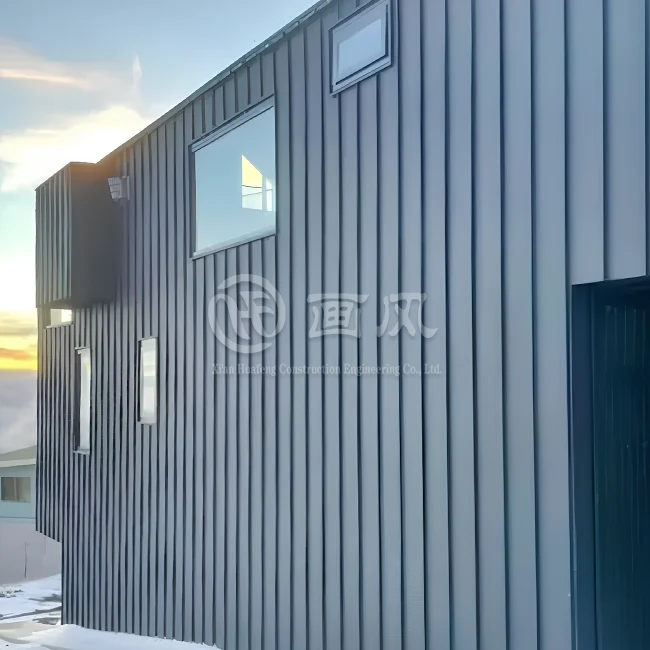
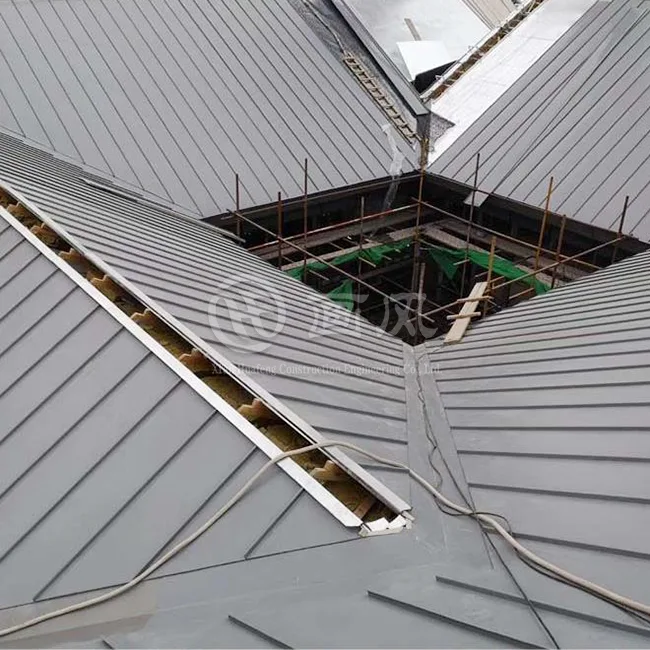
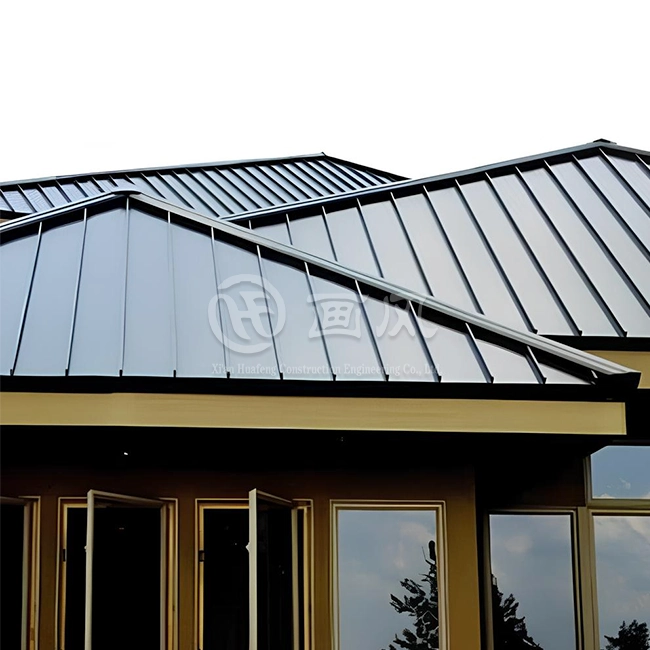
Aluminum Corrugated Siding Panels offer exceptional aesthetic versatility, supporting architectural styles from industrial to contemporary designs. Their corrugated profiles create dynamic shadows and texture, adding depth to facades without relying solely on color. Extensive color palettes, metallic and textured finishes, and fade-resistant coatings allow precise design coordination and long-lasting visual appeal. Aluminum’s formability enables curved panels, radius corners, and custom profiles, accommodating complex geometries. Coordinated roofing and wall cladding creates cohesive building envelopes, while reflective surfaces enhance visual effects. The material’s versatility has elevated corrugated panels from utilitarian use to celebrated architectural elements in residential, commercial, and institutional projects. Notable examples, such as Xiongan Station Commercial Body and Xi’an International Convention and Exhibition Center, demonstrate the balance of design flexibility, durability, and performance reliability, making aluminum corrugated systems ideal for innovative and visually striking building applications.
Sustainability and Environmental Responsibility
Aluminum Corrugated Siding Panels offer a strong environmental profile, aligning with sustainable construction goals. Aluminum is highly recyclable, with around 75% of all produced aluminum still in use today, and can be recycled indefinitely without losing quality. Recycling consumes only 5% of the energy needed for primary production, reducing emissions and energy use. The panels’ durability extends service life to 30–50 years, minimizing replacement cycles and resource consumption. Low maintenance requirements further cut environmental impact by avoiding chemical cleaners and repainting. Xi’an Huafeng’s production emphasizes efficiency and waste reduction, recycling scrap aluminum and maximizing material yield. These practices, combined with the panels’ longevity, support green building certifications and sustainable development, demonstrating that aluminum siding can deliver both high performance and environmental responsibility in modern construction.
Technical Specifications and Performance Standards
Alloy Composition and Mechanical Properties
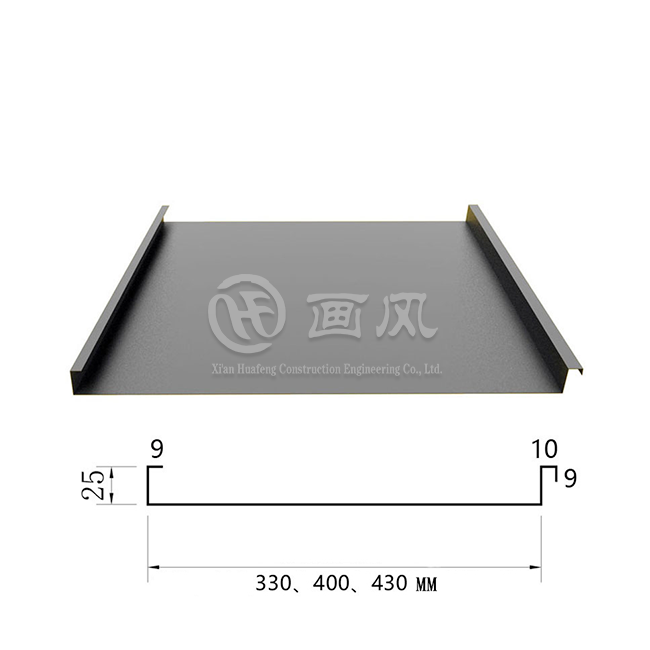
Understanding the mechanical properties of aluminum alloys in corrugated siding panels is essential for proper material selection. The 3000 series alloys, particularly 3003 and 3004, provide excellent formability with moderate strength, offering tensile strengths between 110–180 MPa and yield strengths of 40–160 MPa depending on temper. The higher-strength 5000 series, especially 5052, delivers superior mechanical properties, tensile strength up to 230 MPa, and enhanced corrosion resistance, making them ideal for marine or high-wind coastal applications. Panel thickness, ranging from 0.4 to 1.2 mm, affects structural performance, spanning capability, and dent resistance. Typical commercial and industrial applications favor 0.7–0.9 mm for a balance of performance and economy, while roofing or high-wind regions may require heavier gauges for additional rigidity and weather protection. Corrugation geometry, including wave height, pitch, and shape, further influences stiffness, spanning capability, and aesthetics.
Coating Systems and Durability
Coating selection impacts panel longevity and performance in diverse environments. PVDF coatings offer exceptional durability, color retention, chalk resistance, and chemical stability, making them suitable for high-visibility or harsh conditions. High-durability polyester coatings provide reliable performance for moderate exposures at lower cost. Premium coatings are factory-applied under controlled conditions for optimal cross-linking and adhesion, achieving superior protection compared to field-painted alternatives. Coating thickness, typically 20–25 microns for PVDF systems, enhances protective capability, ensuring decades of consistent performance.
Quality Assurance and Structural Verification
Xi’an Huafeng implements comprehensive quality control protocols, including inspection of appearance, dimensions, flatness, and curvature to maintain consistent product quality. Structural analysis and load calculations verify that panel selection meets project-specific service demands. Coating reliability is confirmed through adhesion testing, impact resistance, salt spray exposure, and accelerated weathering assessments. These measures ensure that corrugated aluminum siding panels perform reliably under anticipated mechanical, environmental, and thermal conditions.
Installation Standards and Best Practices
Proper installation of Aluminum Corrugated Siding Panels is essential for ensuring long-term performance. Critical considerations include the correct selection and placement of fasteners, which should be stainless steel with neoprene or EPDM washers to ensure corrosion resistance and a reliable seal. Fasteners should be placed at corrugation peaks to compress washers effectively and prevent water infiltration. Fastener spacing, determined by wind load and panel span, typically ranges from 300 to 450 mm. Panel overlap orientation is crucial to prevent water infiltration, with side laps oriented downwind and end laps properly sealed. Thermal movement accommodation is another key factor, with elongated fastener holes or sliding clips allowing panels to expand and contract without causing damage. Installation during moderate temperatures reduces initial stress, and technical guidance from Huafeng's specialists ensures proper installation techniques. Zero-leakage testing at project completion confirms the system's weather-tightness, providing confidence in its performance.
Conclusion
Aluminum Corrugated Siding Panels deliver a compelling combination of durability, corrosion resistance, aesthetic versatility, and lifecycle value that addresses critical performance requirements across diverse building types and environmental conditions, making them an increasingly preferred choice for architects, contractors, and building owners seeking reliable, low-maintenance exterior cladding solutions.
Cooperate with Xi'an Huafeng Construction Engineering Co., Ltd.
As a China Aluminum Corrugated Siding Panels factory, China Aluminum Corrugated Siding Panels supplier, and China Aluminum Corrugated Siding Panels manufacturer, Xi'an Huafeng Construction Engineering Co., Ltd. stands ready to deliver High Quality Aluminum Corrugated Siding Panels at competitive Aluminum Corrugated Siding Panels price for projects worldwide. Our China Aluminum Corrugated Siding Panels wholesale capabilities, backed by three factories with seven production lines and more than forty specialized machines, ensure consistent supply capacity exceeding 1000 tons monthly. With Aluminum Corrugated Siding Panels for sale meeting ASTM, DIN, JIS, BS, and GB/T standards, certified by ISO9001, ISO14000, CE, and SGS, we provide comprehensive one-stop solutions from design optimization through precision manufacturing to seamless installation. Our engineering design experience, construction expertise, over twenty patent certificates, and successful collaboration with Fortune 500 companies demonstrate our technical capability and reliability. We offer customized production services for color, pattern, and dimensional specifications, delivering projects within fifteen to twenty days with a thirty-year warranty. Contact our team at huafeng@hfmetalroof.com to discuss your project requirements and discover how our technical expertise and manufacturing excellence can optimize your building envelope solution.
References
1. Smith, J.R. and Williams, K.T. "Durability Performance of Aluminum Alloys in Marine Environments." Journal of Materials in Civil Engineering, American Society of Civil Engineers.
2. Thompson, M.A. "Thermal Performance Characteristics of Metal Cladding Systems in Commercial Buildings." Building Science Review, International Building Performance Association.
3. Anderson, P.L. and Chen, H.W. "Lifecycle Assessment of Metal Building Envelope Materials: Comparative Environmental Impact Analysis." Sustainable Construction Materials Journal.
4. Roberts, D.K. "Installation Best Practices for Corrugated Metal Panel Systems." Construction Specifier Magazine, Construction Specifications Institute.
5. Martinez, C.E. "Corrosion Protection Mechanisms in Coated Aluminum Building Products." Protective Coatings Technology International Conference Proceedings.





YOU MAY LIKE