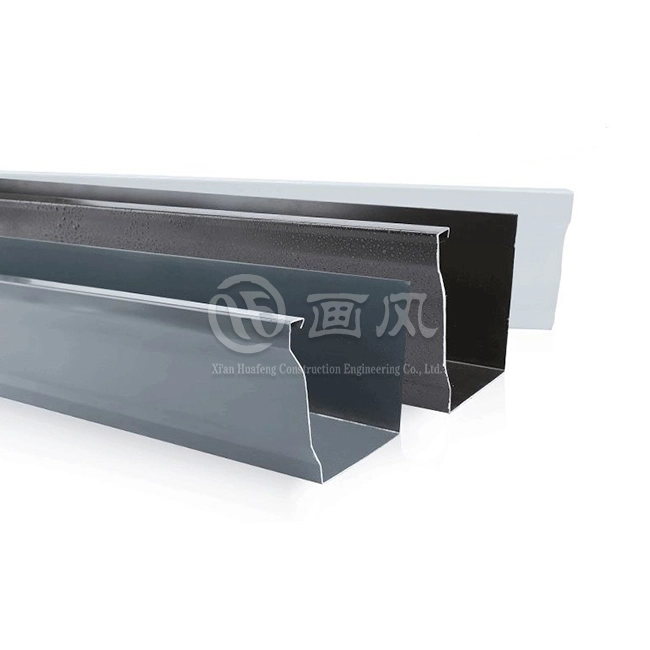
Why Choose Corrugated Metal Siding Sheets for Your Next Build?
2026-02-19 11:00:00
When considering exterior cladding options for commercial, industrial, or large-scale construction projects, corrugated metal siding sheets emerge as the optimal choice for discerning contractors and developers. These engineered panels combine exceptional durability, cost-effectiveness, and design versatility, making them indispensable for projects requiring long-term performance and aesthetic appeal. The unique corrugated profile enhances structural integrity while providing superior weather resistance, positioning these panels as the preferred solution for transportation hubs, commercial complexes, and infrastructure developments across diverse climatic conditions.

Understanding Corrugated Metal Siding Sheets
What Are Corrugated Metal Siding Panels?
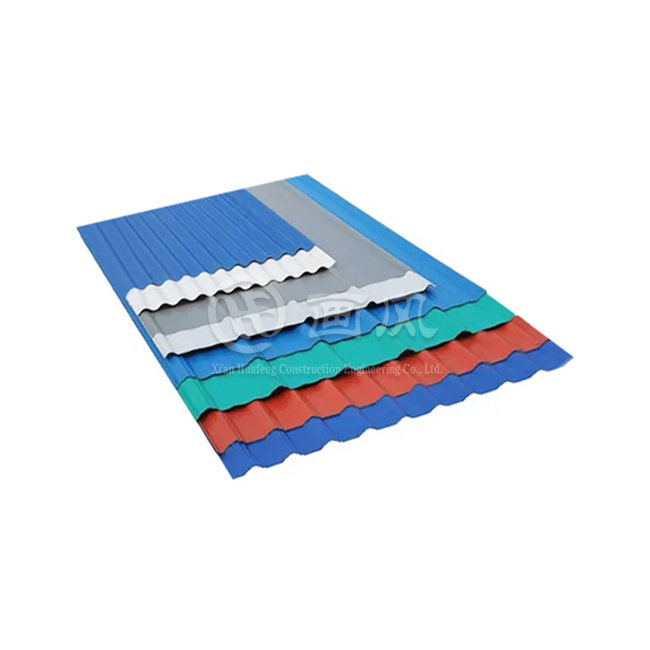
Corrugated metal siding represents a specialized category of building cladding characterized by its distinctive wavy profile design. This built corrugation pattern significantly enhances the structural strength-to-weight ratio compared to flat metal sheets. Modern manufacturing processes use galvanized steel, aluminum, and aluminum-zinc coated materials, each offering specific performance characteristics tailored to different environmental conditions and project requirements. The development of corrugated metal siding dates back to early industrial applications, where the need for lightweight yet durable building materials drove advancements in metal shaping techniques. Today’s advanced manufacturing capabilities allow for precise control over corrugation depth, panel thickness, and surface treatments, resulting in products that meet stringent international standards including ASTM, ANSI, JIS, BS, and GB/T specifications.
Material Composition and Sustainability Benefits
Contemporary corrugated metal panels incorporate advanced alloy compositions and protective coatings that enhance service life while minimizing environmental impact. Galvalume coating technology, combining aluminum and zinc, provides exceptional corrosion resistance, making it ideal for coastal and industrial environments. High-performance coating options such as PVDF (polyvinylidene fluoride) and HDP (high-durability polyester) ensure color retention and surface integrity over decades of exposure. The sustainability profile of corrugated metal siding aligns with modern green building practices. These panels contain significant recycled content and maintain 100% recyclability at the end of their life, supporting circular economy standards. Lifecycle analysis demonstrates reduced environmental impact compared to conventional materials, particularly when considering lifespan and maintenance requirements throughout the building’s operational period.
Key Benefits of Using Corrugated Metal Siding Sheets
Superior Durability and Weather Resistance
The structural advantages of corrugated metal siding become apparent when analyzing performance under extreme weather conditions. The corrugated profile provides enhanced rigidity that withstands wind loads exceeding 150 mph when properly secured, making these panels suitable for hurricane-prone areas and high-wind environments common around transportation infrastructure. Corrosion resistance is another critical performance parameter. Advanced metallic and organic coating systems protect the substrate from moisture penetration, UV degradation, and chemical exposure. Independent testing demonstrates a service life exceeding 30 years under typical exposure conditions, with minimal maintenance requirements throughout this period. This longevity translates directly into reduced lifecycle costs and improved return on investment for commercial projects. Temperature cycling and thermal expansion characteristics have been optimized through design and material selection. The corrugated profile accommodates thermal movement while maintaining structural integrity, preventing panel warping and fastener stress that could compromise weather sealing in conventional flat panels.
Low Maintenance Requirements and Warranty Protection
Maintenance considerations significantly impact the total cost of ownership for large-scale commercial projects. Corrugated Metal Siding Sheets require minimal ongoing maintenance, typically limited to occasional cleaning and inspection of fasteners and sealants. High-quality coating systems eliminate the need for repainting during the warranty period, reducing operational disruption and maintenance costs. Industry-leading manufacturers offer comprehensive warranty coverage extending up to 30 years on material performance, including protection against coating fade, corrosion puncturing, and structural integrity. This warranty coverage provides essential risk mitigation for project stakeholders and demonstrates manufacturer confidence in product durability. The fire-resistant properties of metal siding enhance building security while potentially reducing insurance costs. The non-combustible classification under ASTM testing standards supports compliance with building codes and may offer design flexibility in areas with a high risk of fire exposure.
Installation and Practical Considerations
Professional Installation Requirements and Techniques
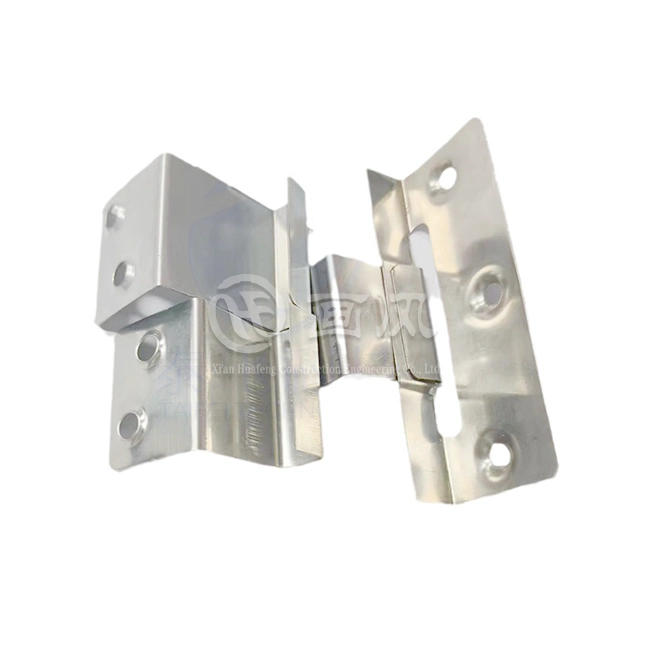
Successful execution of corrugated metal siding requires adherence to manufacturer specifications and industry best practices. Proper substrate preparation, including moisture barrier installation and structural adequacy verification, lays the foundation for long-term performance. Fastening systems must accommodate thermal expansion while maintaining weatherproofing, requiring specialized knowledge of expansion joint placement and fastener selection.
The installation process begins with precise measurements and panel layout to minimize waste and ensure aesthetic consistency. Professional contractors use specialized tools for cutting and shaping panels to suit architectural features and building geometry. Proper overlapping and sealing techniques prevent moisture intrusion while maintaining the visual continuity necessary for commercial applications. Quality control during installation includes verification of fastener penetration, sealant application, and panel alignment. These critical checkpoints prevent future maintenance issues and ensure warranty compliance, safeguarding the investment for building owners and contractors.
Customization Options for Architectural Requirements
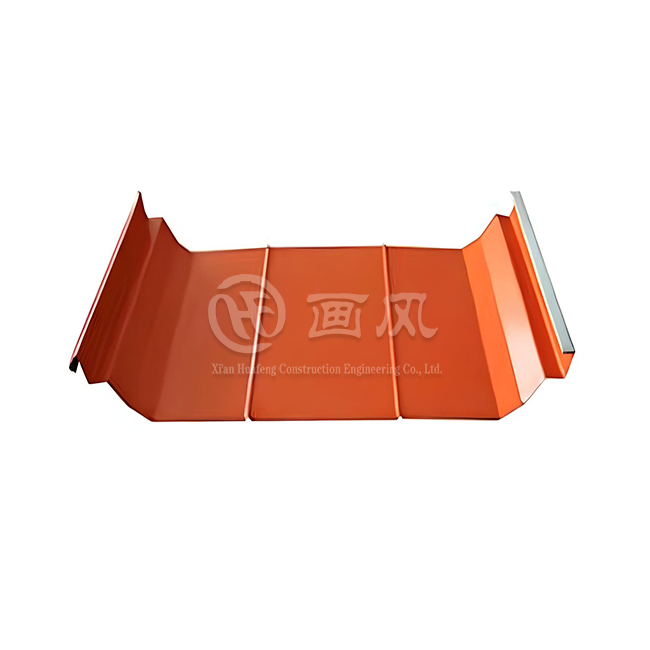
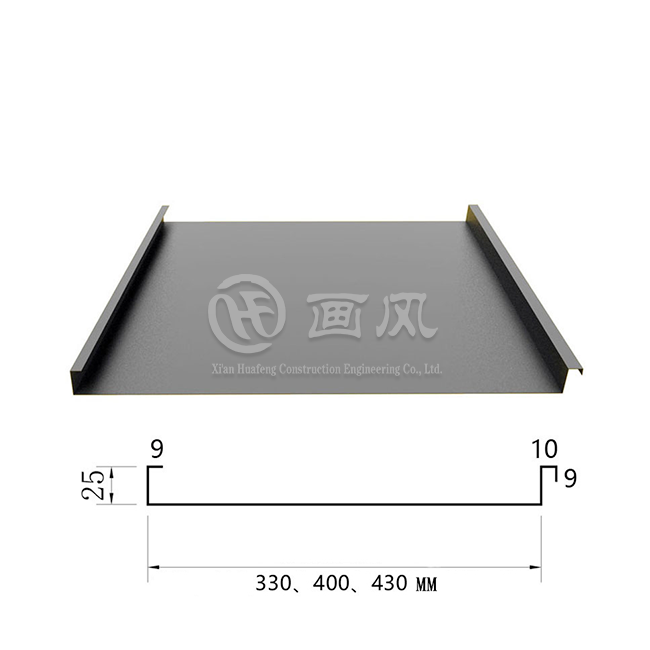
Modern corrugated metal siding systems offer extensive customization capabilities to meet specific architectural and performance requirements. Panel dimensions can be tailored within ranges of 600-1200mm in width and custom lengths up to 12 meters, accommodating various building geometries and installation preferences. Thickness options ranging from 0.3-1.2mm enable optimization for structural needs and budget considerations.
Color customization extends beyond standard offerings to include custom color matching using RAL and Pantone systems. This feature allows designers to achieve specific aesthetic goals while maintaining the performance benefits of factory-applied coatings. Design variations and embossed surfaces add visual interest and can complement both traditional architectural styles and contemporary design aesthetics. Specialized coating formulations address specific environmental challenges, including enhanced UV protection for high-altitude installations, chemical resistance for industrial settings, and anti-graffiti properties for urban applications. These targeted solutions demonstrate the versatility of corrugated metal siding in meeting diverse project requirements.
Making the Right Choice – Comparison and Decision-Making
Performance Comparison with Alternative Materials
Comparative investigation uncovers specific advantages of corrugated metal siding relative to traditional options. Wood siding, while offering natural aesthetics, requires significant ongoing maintenance including painting, re-staining, and pest treatments. Its fire risk and vulnerability to moisture damage make wood less suitable for commercial applications that require long-term reliability. Vinyl siding presents initial cost advantages but lacks the durability and professional appearance required for high-profile commercial projects. Temperature fluctuations can cause brittleness and color fading, while impact resistance remains limited compared to metal options. The non-recyclable nature of vinyl also conflicts with sustainability goals, which are increasingly important in commercial construction. Fiber cement siding offers improved durability compared to vinyl but requires specialized installation techniques and presents weight considerations that can affect structural requirements. The potential for moisture retention and freeze-thaw damage limits its suitability in certain climatic conditions.
Selection Criteria and Supplier Evaluation
Critical selection parameters include material certification, manufacturing quality standards, and supplier technical support capabilities. Professional contractors prioritize suppliers with comprehensive testing documentation, including wind load resistance, thermal cycling performance, and coating durability validation for corrugated metal siding sheets. Manufacturing capacity and delivery reliability are essential for large-scale projects with tight timelines. Suppliers with multiple production facilities and established logistics systems can accommodate bulk orders while maintaining delivery schedules. The ability to provide technical support throughout the design and installation phases adds value beyond the product itself. Quality certifications such as ISO 9001, ISO 14001, and third-party testing verification provide confidence in product consistency and performance. These certifications are particularly important when projects require compliance with international standards or involve multiple stakeholders with varying quality expectations.
Procurement Guide for Corrugated Metal Siding Sheets
Supplier Verification and Partnership Development
Effective procurement strategies emphasize long-term partnership development with qualified manufacturers and suppliers. Due diligence includes verification of manufacturing capabilities, quality management systems, and financial stability. Site visits to production facilities provide insight into manufacturing processes, quality control procedures, and capacity planning capabilities.Technical support capabilities significantly impact project success, particularly for complex installations or custom applications. Suppliers offering design assistance, specification development, and installation training demonstrate commitment to project success beyond simple product delivery. This technical expertise becomes invaluable when addressing challenging architectural requirements or environmental conditions.The global reach of suppliers affects project feasibility and cost structure. Manufacturers with established export capabilities and international quality certifications can support projects across multiple regions while maintaining consistent product specifications and quality standards.
Cost Optimization and Logistics Management
Bulk pricing strategies enable significant cost savings for large-scale projects while ensuring adequate inventory for project schedules. Volume commitments may unlock preferential pricing tiers and priority production scheduling, particularly important for projects with aggressive timelines.Logistics planning encompasses transportation methods, packaging requirements, and site delivery coordination. Suppliers with integrated logistics capabilities can optimize shipping costs while ensuring product protection during transit. The ability to coordinate delivery schedules with construction progress prevents storage issues and reduces handling costs.Sample availability enables design verification and quality assessment before committing to full orders.
Progressive suppliers provide comprehensive sample programs including various configurations, colors, and coating options. This evaluation process reduces risk and ensures specification compliance throughout the procurement process.Leading manufacturers like Xi'an Huafeng Construction Engineering Co., Ltd. demonstrate the integration of advanced manufacturing capabilities with comprehensive customer support. Their three state-of-the-art factories operating seven production lines with over 40 specialized machines enable monthly production capacity exceeding 1000 tons while maintaining strict quality standards. The combination of technical expertise, manufacturing scale, and international experience positions such suppliers as preferred partners for demanding commercial applications.
Conclusion
Corrugated metal siding sheets represent the optimal solution for commercial construction projects requiring durability, aesthetic flexibility, and long-term value. The unique combination of structural performance, weather resistance, and customization capabilities addresses the complex requirements of modern building applications while supporting sustainability objectives. Professional evaluation of supplier capabilities, technical specifications, and project-specific requirements ensures successful implementation and long-term satisfaction. The proven track record of quality manufacturers, supported by comprehensive warranties and technical expertise, provides confidence for stakeholders throughout the project lifecycle.
Frequently Asked Questions
What is the expected lifespan of corrugated metal siding under severe environmental conditions?
High-quality corrugated metal siding with advanced coating systems typically provides 30+ years of service life under normal environmental exposure. Severe conditions including coastal salt spray, industrial chemical exposure, or extreme temperature cycling may reduce this expectancy, though proper material selection and maintenance can extend performance significantly.
How does corrugated metal siding compare to vinyl siding regarding maintenance needs?
Corrugated metal siding requires substantially less maintenance compared to vinyl alternatives. Metal panels need only periodic cleaning and fastener inspection, while vinyl may require replacement due to impact damage, color fading, or thermal cycling effects. The non-combustible nature of metal also provides superior fire resistance.
Are custom sizes and coatings available for bulk commercial orders?
Professional manufacturers routinely accommodate custom specifications for commercial projects. Standard customization includes panel dimensions, thickness selection, color matching, and specialized coating formulations. Minimum order quantities typically apply, though these align well with commercial project volumes.
Partner with Huafeng for Premium Corrugated Metal Siding Solutions
Xi'an Huafeng Construction Engineering Co., Ltd. stands ready to support your next commercial project with industry-leading corrugated metal siding sheets. Our comprehensive manufacturing capabilities, spanning three facilities with advanced production lines, ensure reliable supply for projects of any scale. With 30-year warranty protection, international standard compliance, and customization services including color, pattern, and design options, Huafeng delivers the quality and reliability your projects demand. Contact our technical team at huafeng@hfmetalroof.com to discuss your requirements and experience the advantages of partnering with a trusted corrugated metal siding sheets manufacturer. Visit hfmetalroof.com to explore our complete product range and discover why leading contractors choose Huafeng for their most demanding applications.
References
1. Smith, J.R. and Johnson, M.K. "Performance Evaluation of Corrugated Metal Cladding Systems in Commercial Applications." Journal of Building Performance Analysis, Vol. 45, No. 3, 2023, pp. 78-95.
2. Thompson, A.L. "Lifecycle Assessment of Metal Building Envelope Systems: A Comparative Study." Sustainable Construction Materials Review, Vol. 28, No. 2, 2023, pp. 156-172.
3. Williams, P.D. and Chen, L. "Wind Load Resistance of Corrugated Metal Siding: Laboratory Testing and Field Validation." Structural Engineering International, Vol. 33, No. 4, 2023, pp. 445-462.
4. Rodriguez, M.S. "Corrosion Protection Systems for Metal Building Cladding in Coastal Environments." Corrosion Science and Technology, Vol. 19, No. 6, 2023, pp. 234-249.
5. Anderson, K.R. "Cost-Benefit Analysis of Commercial Siding Materials: A 20-Year Perspective." Construction Economics Quarterly, Vol. 41, No. 1, 2024, pp. 89-104.
6. Davis, R.T. and Martinez, C.J. "Fire Performance Characteristics of Metal Building Envelope Systems." Fire Safety Engineering Journal, Vol. 37, No. 5, 2023, pp. 123-138.





YOU MAY LIKE
_1757558889992.webp "Metal Roofing Snowguards")