Vertical Standing Seam Metal Cladding vs Corrugated Panels
2026-02-20 11:00:00
Picture this scenario: You've just invested millions in your new commercial facility, only to discover persistent leaks and costly maintenance issues within the first few years because you chose the wrong cladding system. When architects and building owners face the critical decision between Vertical Standing Seam Metal Cladding and corrugated panels, understanding performance differences becomes essential to project success and long-term value. This comprehensive comparison examines material specifications, installation requirements, lifecycle costs, and real-world applications to guide your metal cladding selection for maximum return on investment.
Understanding Vertical Standing Seam Metal Cladding Systems
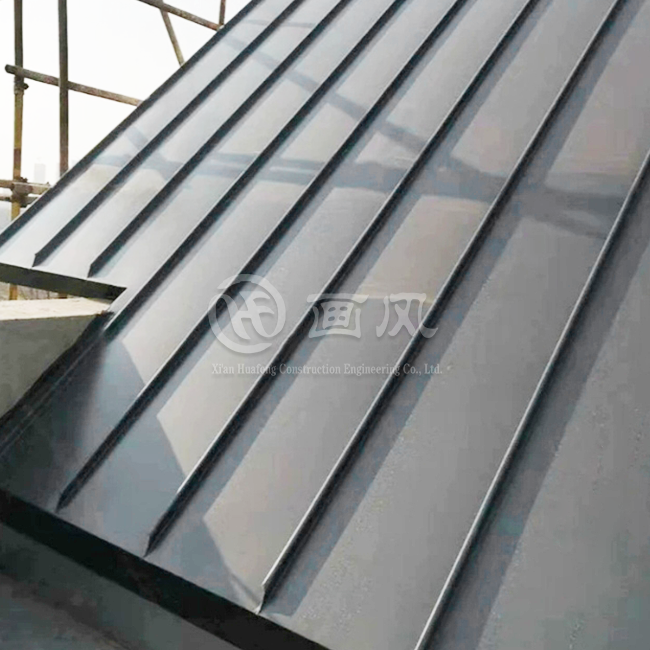
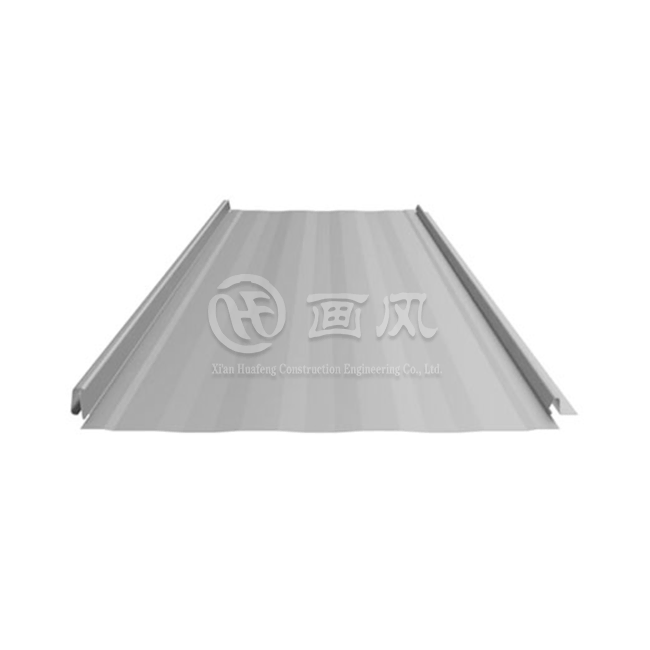
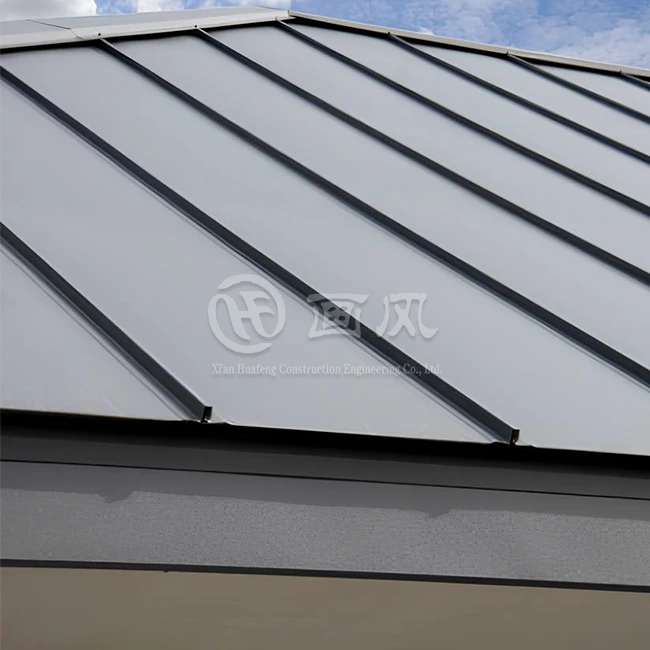
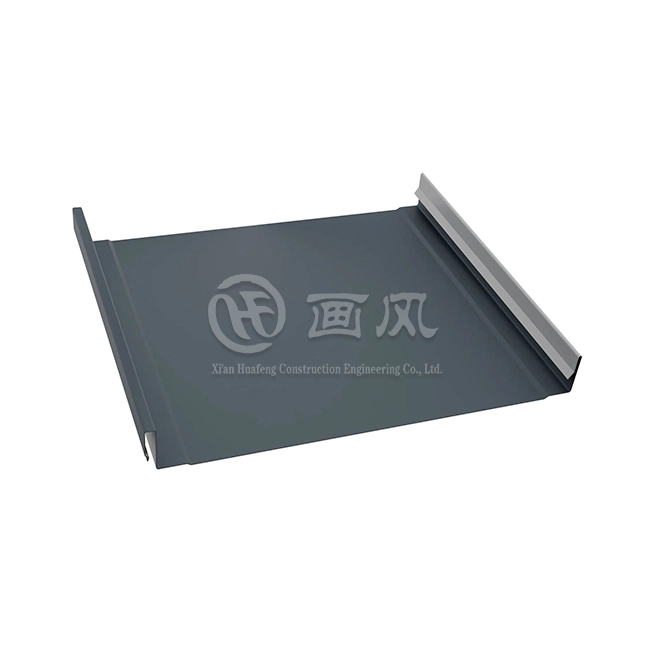
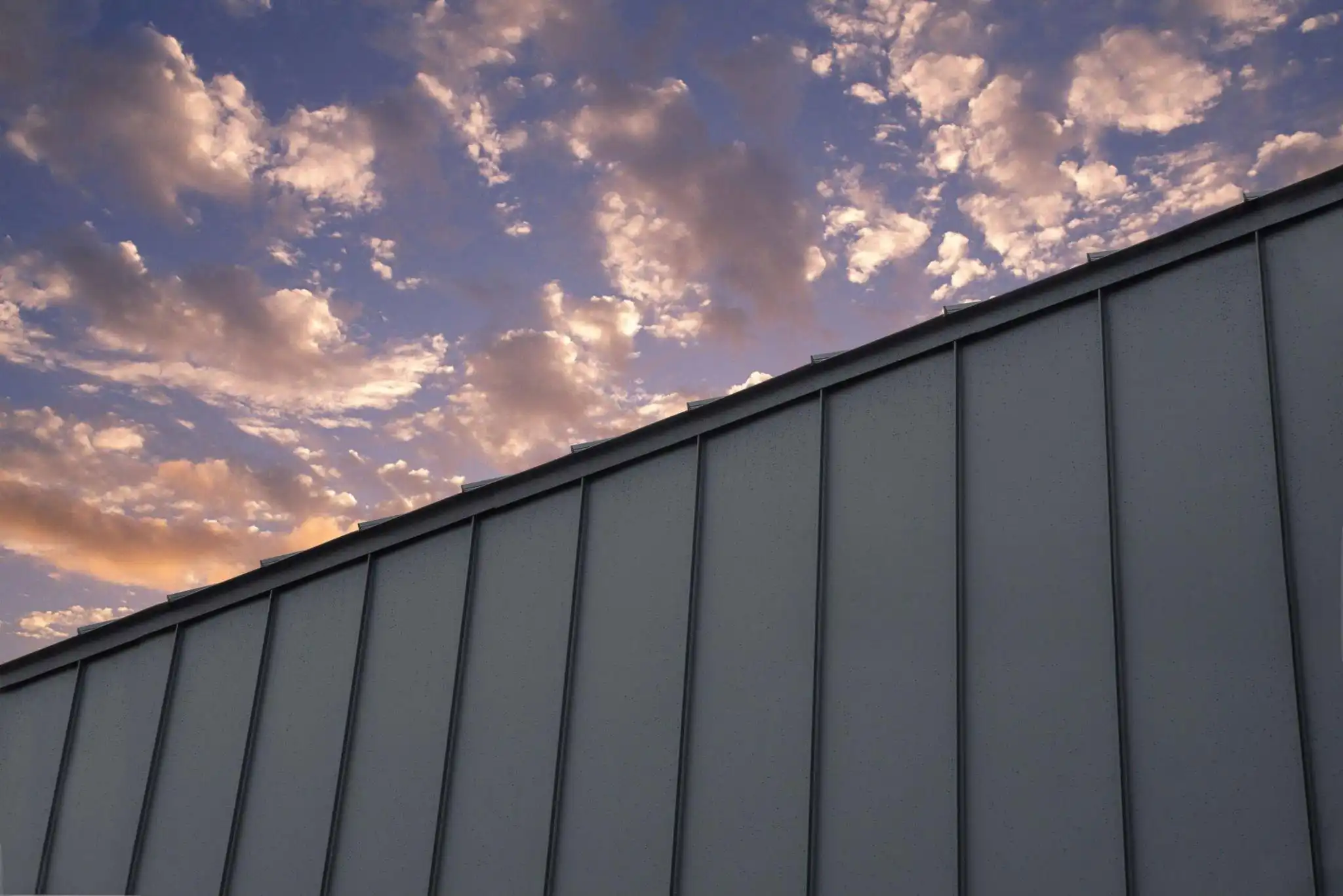
Vertical Standing Seam Metal Cladding represents a premium building envelope solution that utilizes concealed fastening technology and interlocking panel connections to create continuous, weather-resistant facades. This sophisticated system features wide, relatively flat metal panels with vertical ribs positioned at each panel edge, which mechanically lock together to form a seamless architectural surface. The fundamental design advantage lies in how these panels attach to the building structure through hidden clips and fasteners that never penetrate the visible panel surface, eliminating thousands of potential leak points that plague traditional exposed-fastener systems. The engineering behind Vertical Standing Seam Metal Cladding involves precise manufacturing tolerances and specialized installation techniques.
Panels are roll-formed from premium-grade materials including aluminum alloys such as AA3003, AA3004, and AA5052, as well as aluminum-zinc-coated steel sheets and stainless steel options. Material thickness typically ranges from 0.7mm to 1.5mm for aluminum panels and 0.4mm to 1.2mm for steel panels, with rib heights between 25mm and 65mm providing structural rigidity and visual depth. These specifications enable the system to span large distances—up to 10 meters without intermediate support—while maintaining structural integrity under wind loads exceeding 3.0 kPa, equivalent to typhoon-level conditions. The concealed fastening mechanism also accommodates thermal expansion and contraction through sliding connections, preventing panel buckling or fastener failure that commonly occurs in rigidly fixed systems.
Technical Specifications and Material Performance
Vertical Standing Seam Metal Cladding systems incorporate advanced coating technologies including PVDF (polyvinylidene fluoride), PE (polyester), and HDP (high-durability polyester) finishes that provide exceptional weather resistance and color retention. PVDF coatings, in particular, offer superior UV resistance and chalk resistance, maintaining aesthetic appearance for decades in harsh environmental conditions. The double-bite lock edge design creates a waterproof seal between adjacent panels while hidden drainage channels manage condensation and incidental moisture infiltration.
Fire rating classifications typically achieve Class A performance according to EN13501-1 standards, making these systems suitable for high-rise commercial buildings and facilities with stringent fire safety requirements. Manufacturing precision ensures panel widths between 400mm and 600mm with customization options ranging from 300mm to 800mm to accommodate specific architectural requirements. Standard panel lengths extend beyond 12 meters, allowing for continuous coverage from eave to ridge without horizontal seams that could compromise waterproofing integrity. The minimum bending radius of approximately 15 meters enables architectural curves and complex geometries, expanding design possibilities for contemporary building facades. Installation flexibility combines with modular design principles, where quick-connection systems reduce on-site labor requirements while maintaining consistent quality standards across large-scale projects.
Corrugated Panel Characteristics and Applications
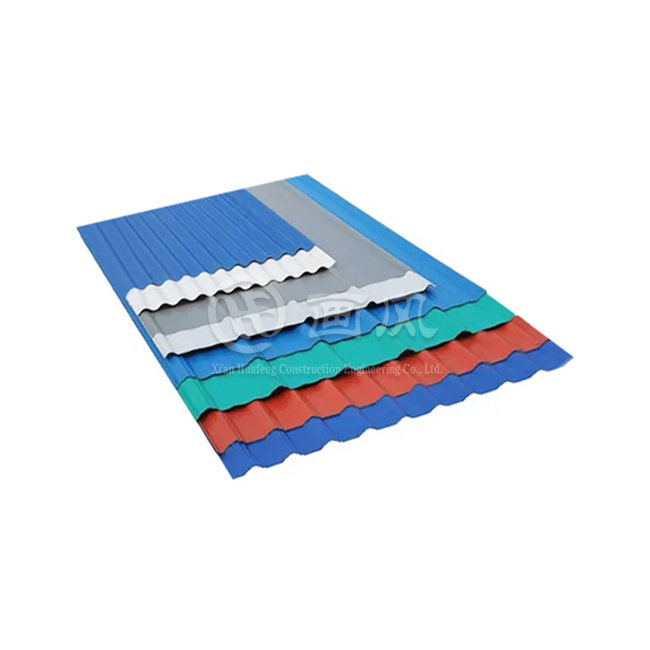
Corrugated panels feature a distinctive wavy profile with alternating ridges and valleys that provide inherent structural strength through geometric configuration rather than material thickness alone. This traditional metal cladding solution utilizes exposed fastener connections, where screws or rivets penetrate through the panel surface directly into the underlying structural framing. The corrugation pattern creates a rigid panel that resists bending and flexing, making it particularly suitable for large-span applications in agricultural, industrial, and utility buildings where functional performance outweighs aesthetic considerations.
Material specifications for corrugated panels typically involve lighter gauge metals compared to Vertical Standing Seam Metal Cladding, with common thicknesses ranging from 26-gauge to 29-gauge steel. This thinner material profile contributes to the significant cost advantages that make corrugated panels the most economical metal cladding option available, often priced comparably to asphalt shingles and approximately 50 percent less expensive than standing seam systems. The wavy profile efficiently channels water runoff, relying on the corrugation pattern to direct moisture away from fastener penetrations and toward drainage points. However, this design inherently exposes thousands of fastener points to weathering, thermal cycling, and mechanical stress, creating ongoing maintenance requirements that differentiate corrugated systems from their concealed-fastener counterparts.
Installation Methods and Cost Considerations
Installation of corrugated panels follows a straightforward overlapping method where successive panels lap over each other with fasteners driven through both layers at regular intervals along the corrugation ribs. This approach requires less specialized expertise compared to Vertical Standing Seam Metal Cladding installation, translating to labor cost savings of approximately 50 percent. The simplicity also makes corrugated systems accessible for do-it-yourself applications in residential and small commercial projects, although professional installation remains recommended for optimal performance and longevity.
Rubber washers beneath fastener heads provide the primary seal against water infiltration, but these gaskets deteriorate over time due to UV exposure and thermal cycling, necessitating periodic inspection and maintenance. Color-coated corrugated panels offer aesthetic variety with powder-coat finishes available in numerous standard colors, and some manufacturers provide color-matched fastener caps to minimize the visual impact of exposed screws. Despite these cosmetic enhancements, the industrial appearance of corrugated profiles limits their application in high-end architectural projects where sleek, modern aesthetics drive material selection. The panels' lightweight nature facilitates handling and transportation, and in some cases permits installation over existing roofing materials without structural reinforcement, providing renovation advantages that reduce demolition costs and project timelines.
Performance Comparison: Durability and Weather Resistance
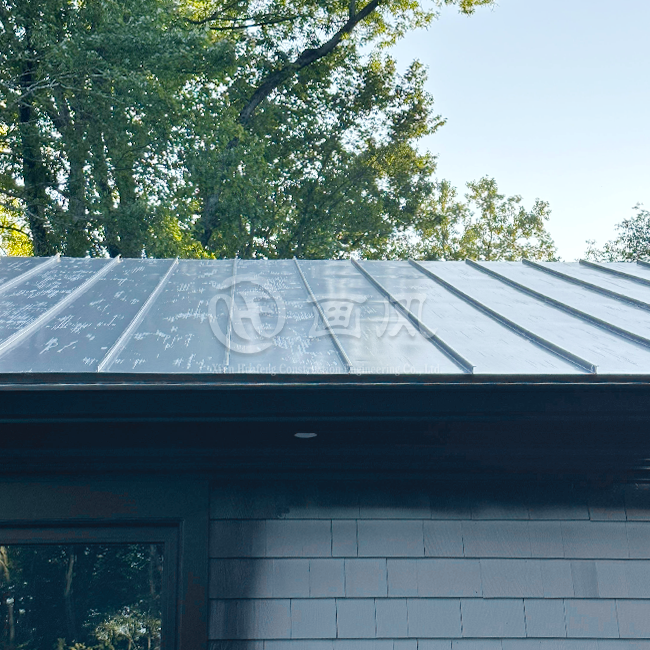
The performance differential between Vertical Standing Seam Metal Cladding and corrugated panels becomes most apparent when evaluating long-term durability and weather resistance under real-world conditions. Vertical Standing Seam Metal Cladding systems demonstrate superior weatherproofing through their concealed fastening mechanism, which eliminates direct exposure of attachment points to rain, snow, UV radiation, and temperature fluctuations. The interlocking seam design creates a labyrinth seal that prevents water intrusion even under wind-driven rain conditions, while thermal movement accommodation through floating clip systems prevents stress concentrations that lead to fastener withdrawal or panel distortion.
Service life expectations for properly installed Vertical Standing Seam Metal Cladding range from 30 to 50 years with minimal maintenance, primarily limited to periodic cleaning and visual inspection rather than component replacement. Corrugated panel systems face inherent durability challenges related to their exposed fastener design. Each fastener penetration represents a potential leak path, and the rubber washers that provide primary sealing degrade predictably over time. Thermal cycling causes expansion and contraction of both the metal panels and fastener materials at different rates, gradually loosening connections and compromising seal integrity. Industry experience indicates that corrugated panels require fastener inspection and potential retightening on a biennial basis, with rubber washer replacement becoming necessary within 10 to 15 years depending on environmental exposure. Foam closure strips installed at panel ends also deteriorate under UV exposure, requiring periodic replacement to maintain weathertight performance. These maintenance requirements accumulate significant lifecycle costs that narrow the initial price advantage compared to Vertical Standing Seam Metal Cladding.
Wind Resistance and Structural Performance
Wind resistance testing demonstrates measurable performance differences between system types. Vertical Standing Seam Metal Cladding achieves superior wind uplift resistance through continuous seam connections and mechanical locking that distributes loads across the entire panel width. Testing certifications frequently document resistance values exceeding 3.0 kPa, qualifying these systems for high-wind coastal zones and hurricane-prone regions. The concealed clip attachment allows each panel to act independently, preventing cascade failure where damage to one section compromises adjacent areas.
Panel thickness ranging from 0.7mm to 1.5mm provides substantial resistance to impact damage from hail or wind-borne debris, although the flat panel profile may show minor denting under extreme impact conditions. Corrugated panels derive their wind resistance primarily from the corrugation geometry, which creates a beam effect that stiffens the panel against flexural loads. However, exposed fasteners concentrate stress at discrete points rather than distributing forces uniformly, potentially leading to localized failures under extreme wind events. The thinner gauge material common in corrugated applications, typically 26-gauge to 29-gauge, offers less impact resistance compared to the heavier gauges used in Vertical Standing Seam Metal Cladding. In high-wind regions, corrugated installations may require closer fastener spacing and additional structural support, increasing installation costs and potentially offsetting some of the material cost advantages these systems offer in moderate climate zones.
Aesthetic Considerations and Architectural Applications
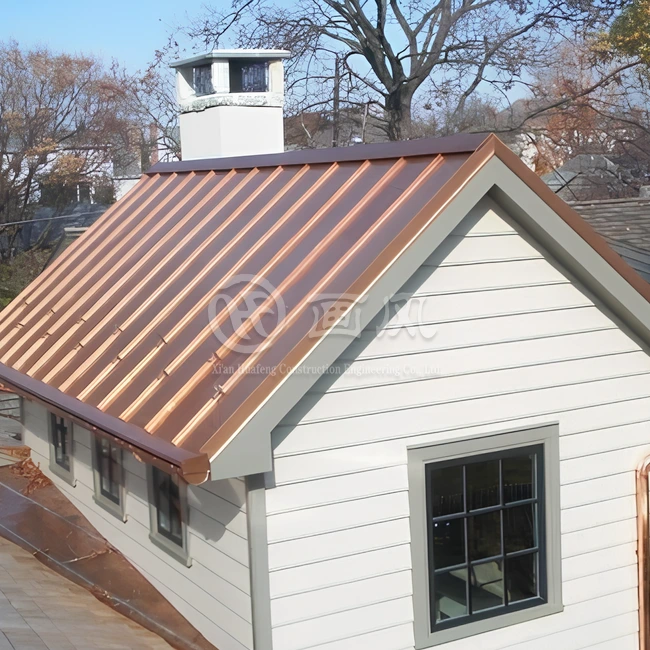
Architectural expression and visual appeal represent critical decision factors for building owners and designers evaluating metal cladding options. Vertical Standing Seam Metal Cladding delivers a contemporary, sophisticated appearance characterized by clean vertical lines, flat panel surfaces, and the complete absence of visible fasteners. This aesthetic aligns perfectly with modern architectural movements emphasizing minimalism, precision, and technological sophistication. The system's adaptability to curved surfaces and complex geometries enables iconic building designs that become architectural landmarks, while the extensive color palette including custom-matched finishes ensures integration with comprehensive design visions.
Projects ranging from high-end commercial towers to prestigious institutional buildings consistently specify Vertical Standing Seam Metal Cladding when visual impact drives material selection. Customization extends beyond color selection to include profile variations, seam heights, panel widths, and surface textures. Some manufacturers offer perforated panel options for acoustic control or visual interest, while embossed finishes create shadow lines and depth perception. The concealed fastening system maintains visual consistency regardless of viewing angle or distance, a critical advantage for buildings visible from major thoroughfares or serving as corporate flagship facilities. The integration of Vertical Standing Seam Metal Cladding with glazing systems, masonry elements, and architectural concrete demonstrates design versatility that positions metal cladding as a primary facade material rather than a utilitarian covering.
Traditional Aesthetics and Industrial Applications
Corrugated panels project a markedly different aesthetic character, evoking industrial heritage, agricultural functionality, and pragmatic construction approaches. The distinctive wave pattern creates visual texture and shadow play that some designers intentionally incorporate into rustic or industrial-chic architectural concepts. Contemporary interpretations of corrugated cladding appear in boutique retail environments, craft breweries, and urban residential projects where the industrial aesthetic aligns with brand identity or neighborhood character.
The exposed fastener pattern, while visually prominent, contributes to the honest expression of construction methodology that resonates with certain design philosophies emphasizing material authenticity. Color options for corrugated panels have expanded significantly beyond the galvanized silver associated with agricultural buildings, now encompassing earth tones, vibrant primary colors, and even metallic finishes that soften the industrial appearance. Some manufacturers offer color-matched screw caps that minimize fastener visibility, although these accessories add cost and require careful installation to maintain weatherproofing performance. The visual appropriateness of corrugated panels depends heavily on building type, location, and intended use, with greater acceptance in utilitarian structures, secondary buildings, and regions where agricultural aesthetics carry cultural significance. For primary facades on high-visibility commercial buildings or residential applications in upscale markets, Vertical Standing Seam Metal Cladding typically offers superior aesthetic value despite higher initial investment.
Lifecycle Cost Analysis and Return on Investment
Comprehensive lifecycle cost analysis reveals that the initial price differential between Vertical Standing Seam Metal Cladding and corrugated panels narrows substantially when evaluating total ownership costs over expected service life. Material costs for Vertical Standing Seam Metal Cladding typically range from twice to three times the cost of corrugated panels, while installation costs add another 50 percent premium due to specialized labor requirements and seaming equipment. However, maintenance cost projections over a 30-year service life demonstrate significant advantages for concealed-fastener systems.
Corrugated panels require periodic fastener inspection and retightening every two to three years, rubber washer replacement at 10 to 15-year intervals, and potential panel replacement where leaks cause substrate damage. These maintenance activities incur both direct costs for materials and labor, plus indirect costs for building access equipment, occupant disruption, and potential weather-related damage during maintenance operations. Energy efficiency considerations also impact lifecycle economics. Both system types offer reflective coating options that reduce solar heat gain and lower cooling costs in warm climates, but Vertical Standing Seam Metal Cladding provides superior thermal performance when integrated with continuous insulation systems.
The concealed clip attachment allows for direct contact between insulation and the panel interior without fastener penetrations that create thermal bridges, improving overall wall assembly R-values. Some Vertical Standing Seam Metal Cladding installations incorporate integrated photovoltaic laminates or facilitate rooftop solar panel mounting through non-penetrating clamp systems, generating additional long-term financial returns through renewable energy production. These advanced integration capabilities remain difficult or impossible with corrugated panels, where fastener penetrations and uneven surfaces complicate solar installations and increase leak risks.
Insurance and Warranty Considerations
Insurance premiums and warranty coverage represent often-overlooked financial factors in cladding system selection. Buildings clad with Vertical Standing Seam Metal Cladding may qualify for reduced property insurance rates due to superior fire resistance, wind uplift performance, and reduced weather-related damage risk compared to corrugated alternatives. Manufacturers of premium Vertical Standing Seam Metal Cladding systems typically offer comprehensive warranties spanning 30 years or more, covering material defects, coating performance, and weatherproofing integrity. These warranties provide financial protection and building owner confidence that extends project value far beyond the initial construction phase.
Corrugated panel warranties generally cover shorter periods, typically 15 to 20 years, and may include exclusions for fastener-related failures or maintenance-dependent issues. The requirement for periodic fastener maintenance to maintain warranty validity adds administrative complexity and ongoing cost obligations that building owners must factor into long-term budgeting. For institutional owners, property management companies, and commercial developers evaluating multi-building portfolios, the reduced maintenance burden and extended warranty protection of Vertical Standing Seam Metal Cladding can justify premium pricing through lower operational complexity and reduced risk exposure across the asset lifecycle.
Xi'an Huafeng's Vertical Standing Seam Metal Cladding Solutions
Xi'an Huafeng Construction Engineering Co., Ltd. manufactures high-performance Vertical Standing Seam Metal Cladding systems engineered for demanding commercial and industrial applications worldwide. Our product specifications include material options encompassing aluminum alloys (AA3003, AA3004, AA5052), aluminum-zinc-coated steel sheets (AZ150), stainless steel grades (304, 316), and copper, all processed through our advanced roll-forming production lines. Standard configurations offer 25-330/400/430 and 65-300/400/430/500 specification ranges with PE, HDP, and PVDF coating options providing durability ratings supporting 30-year warranty coverage. Monthly production capacity reaches 1,000 tons with minimum order quantities of 500 square meters and delivery timelines of 15 to 20 days for standard specifications.
Our comprehensive customization services address unique project requirements including custom color matching, pattern development, and design adaptation for complex architectural geometries. Quality certifications including ISO9001, ISO14000:14001, and SGS guidelines ensure manufacturing consistency and material performance verification throughout production processes. The company's engineering expertise, developed through successful completion of landmark projects including the Xiongan Station Commercial Body, Xi'an International Convention and Exhibition Center, and Inner Mongolia Tongliao Art Museum, demonstrates our capability to execute large-scale, technically complex metal cladding installations. Our vertical integration encompasses raw material processing at our 200,000-square-meter Anhui facility, component fabrication at specialized plants in Hangzhou and Xi'an, and comprehensive installation support services that ensure project success from design development through final acceptance.
Technical Support and Project Execution
Xi'an Huafeng provides complete technical support throughout project lifecycles, beginning with structural 3D modeling and load analysis during design phases. Our engineering team performs drainage system simulation to optimize water management, material specification advisory to select optimal alloys and coatings for specific environmental conditions, and drawing deepening services that translate architectural concepts into fabrication-ready documentation. The company's one-stop solution approach encompasses material procurement from certified suppliers including Alucosuper, YATAI, and LIDAO for aluminum; BAOSTEEL, GUANZHOU, and XINYU for steel; and premium suppliers for stainless steel, titanium-zinc, and copper materials. Rigorous incoming material inspection protocols including salt spray testing, adhesion verification, hardness assessment, and weather resistance validation ensure only materials meeting stringent specifications enter production workflows.
Factory processing capabilities include seven color coating production lines, one laminating production line, ten longitudinal and transverse shearing lines, and fully automatic punching systems operating alongside more than 40 specialized shearing machines, presses, and bending equipment. This extensive manufacturing infrastructure enables rapid production scaling for large projects while maintaining quality consistency across thousands of panels. Finished product inspection procedures verify appearance, dimensional accuracy, flatness, and curvature before strategic packaging that facilitates efficient on-site installation sequencing. On-site construction services include project management, safety compliance documentation, and technical guidance ensuring proper panel installation, seam engagement, and weatherproofing verification. Post-installation acceptance procedures and maintenance training complete our comprehensive service delivery, establishing long-term partnerships with clients and ensuring building envelope performance throughout the structure's service life.
Conclusion
The choice between Vertical Standing Seam Metal Cladding and corrugated panels ultimately depends on project priorities balancing initial investment, aesthetic requirements, performance expectations, and lifecycle cost considerations. Vertical Standing Seam Metal Cladding delivers superior weather resistance, reduced maintenance obligations, extended service life, and contemporary architectural expression that justifies premium pricing for high-value applications where building envelope reliability and visual impact drive material selection decisions.
Cooperate with Xi'an Huafeng Construction Engineering Co., Ltd.
Xi'an Huafeng Construction Engineering Co., Ltd., established in Shaanxi Province, China in 2018, specializes as a China Vertical Standing Seam Metal Cladding factory, China Vertical Standing Seam Metal Cladding supplier, and China Vertical Standing Seam Metal Cladding manufacturer offering competitive Vertical Standing Seam Metal Cladding prices with High Quality Vertical Standing Seam Metal Cladding for sale. As a recognized high-tech enterprise with first-level building curtain wall qualifications and third-level steel structure credentials, we deliver comprehensive metal roofing systems, curtain wall solutions, and building envelope services through integrated design, production, and construction capabilities.
Our 200,000-square-meter raw material production facility in Anhui, combined with processing plants in Hangzhou and Xi'an housing seven color coating lines and ten shearing production systems, supports monthly output exceeding 1,000 tons with customization for color, pattern, and design specifications. With more than 20 registered patents, ISO certifications, SGS compliance, and successful completion of Fortune 500 company projects, we provide engineering design optimization, raw material quality testing, and one-stop procurement from materials to accessories. Contact us at huafeng@hfmetalroof.com for China Vertical Standing Seam Metal Cladding wholesale inquiries, technical specifications, and project consultation. Save this resource for future reference when evaluating your next building envelope project requirements.
References
1. Metal Construction Association. "Architectural Metal Wall Panel Systems Design Manual." Metal Construction Association Technical Publication, 2021.
2. Smith, Robert and Johnson, Patricia. "Long-term Performance Analysis of Metal Cladding Systems in Severe Weather Environments." Journal of Building Envelope Design, Volume 18, Issue 3, 2023.
3. American Society of Civil Engineers. "Minimum Design Loads and Associated Criteria for Buildings and Other Structures: ASCE/SEI 7-22." American Society of Civil Engineers Standards Committee, 2022.
4. Thompson, Michael. "Lifecycle Cost Methodology for Metal Building Envelope Systems." Construction Economics and Building Journal, Volume 22, Issue 4, 2022.
5. International Code Council. "International Building Code 2024: Chapter 15 - Roof Assemblies and Rooftop Structures." International Code Council Publication, 2023.





YOU MAY LIKE