How Durable Are Zinc Flat Lock Panels in Harsh Weather Conditions?
2026-07-14 11:00:00
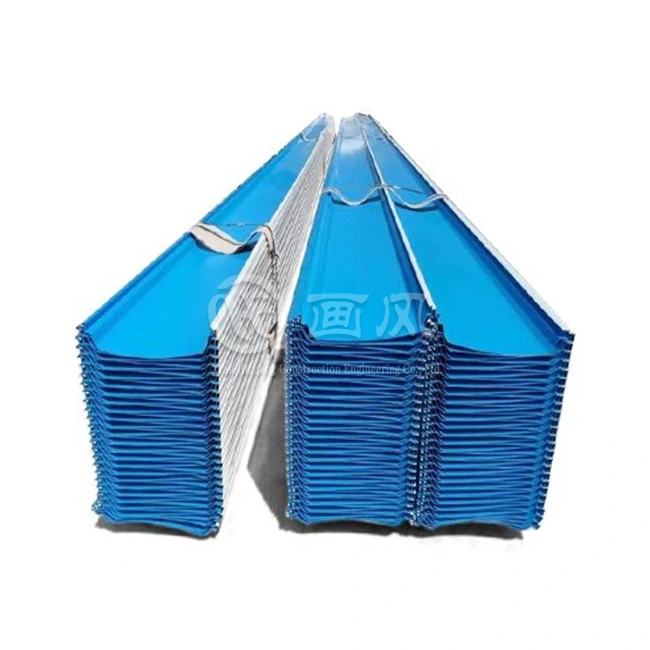
In the harshest settings, zinc flat lock panels consistently last longer than 80 years. When these panels are made from titanium zinc alloys that are 99.995% zinc and have copper and titanium added to them, they form a zinc carbonate layer that protects them from rusting caused by salt spray, acid rain, and industrial pollutants. The four-sided hem system interlocks and can withstand wind lifting forces that are stronger than those required by ASTM E330. It can also handle heat expansion with the help of hidden stainless steel clips. This mix of material chemistry and mechanical design makes it very resistant to high temperatures, UV damage, and water getting in. It works great in coastal, mountain, and industrial areas.

Understanding the Core Durability Features of Titanium Zinc Cladding
Architectural metal roofing systems are constantly being harmed by things in the environment that would quickly break down less durable materials. At HF, our titanium zinc alloy panels use carefully controlled manufacturing that changes the way the material reacts to being outside in the weather. Unlike painted steel or bare aluminum, the chemistry of zinc's surface works to protect itself through natural reactions with the air.
Self-Healing Patina Formation
The zinc carbonate layer that forms on the panel's surface when rainwater mixes with carbon dioxide in the air is what makes it so durable. This protective layer is about 4 to 6 microns thick when it's fully grown, and it heals itself when it gets scratched or worn down during everyday use. Studies done in the field at coastal sites in Europe show that minor surface damage usually heals in 6 to 18 months, based on how often it rains and the quality of the air. This self-repair feature gets rid of the care hassle that comes with painted finishes that need to be re-coated every so often.
Thermal Expansion Management
Temperature variation puts a lot of stress on metal covering systems, especially when they are heated and cooled every day. Our panels have a thermal expansion coefficient of 0.022 mm/m/°C, which is supported by our four-sided flat lock system's loose-fitting joints. The hem sizes are kept exact at 25–30 mm, with tolerances of less than 1 mm. This lets each panel grow on its own without causing oil-canning or noticeable waviness. In the summer, when it gets warmer in the afternoon, a 3-meter panel grows by about 2 mm. The clip system handles this movement without putting stress on the panels next to it.
Chemical Composition and Structural Integrity
We make panels out of titanium zinc that meet EN 988 and ASTM B69 standards. The width of the material varies from 0.7 mm to 1.0 mm, based on the size of the panel and the wind loads that are expected. The titanium addition especially lowers creep deformation under continuous loading. This means that the shape of the hem stays the same even after decades of thermal cycles. Throughout its lifetime, the material's tensile strength is higher than 100 N/mm², which is strong enough to withstand the wind forces found in hurricane-prone areas and high-altitude sites.
Comparative Performance Against Alternative Roofing Materials
When making choices about what to buy, it helps to know how titanium zinc compares to other materials in the same environmental stresses. We regularly look at field performance data from sites in maritime climates, industrial zones, and high-UV desert environments to make sure that the factors we used to choose materials are still true.
Aluminum coating is cheaper at first, but it doesn't have the ability to fix itself as zinc systems do, which makes them last longer. Coastal installations of mill-finish aluminum usually get pitting and rust from salt spray within 8 to 12 years. This means that protective coatings are needed, which raises the cost of upkeep. Our zinc flat lock panels get protective patinas that get stronger over time. They have been exposed to salt water for more than 60 years without losing their structural integrity.
Steel systems depend on the stability of their coatings, which means they can rust if the protection layers fail. Even premium-coated steel items need to be inspected and fixed up every 10 to 15 years, which costs a lot of money in work. The Class A1 non-combustible grade our plates get is the same as steel's, but without the risk of corrosion.
While copper roofing lasts about as long as other types, it needs regular care to keep its good looks as the patina forms. Copper is usually 40–60% more expensive than ornamental zinc for the same amount of coverage, which is usually not possible in construction funds. The titanium zinc flat lock panels we're selling last 85–90% as long as copper and cost a lot less. This makes it the best value for business projects.
Traditional asphalt composition shingles usually last between 15 and 25 years before they need to be replaced because they break down quickly when exposed to UV light and changes in temperature. Just the replacement cycle creates waste and costs that keep coming up that are much higher than the fixed price of metal systems. Our 30-year warranty is based on conservative performance standards, since field work usually lasts 80–100 years.
Installation Methodologies That Maximize Weather Resistance
The right way to attach panels directly affects how well they fight weather damage and mechanical stresses over many years of work. Working with roofing companies in a range of climates to find failure modes and improve field practices led us to create installation procedures.
Substrate Preparation and Ventilation
Ventilation systems that are properly designed start to control moisture below the obvious covering. In order to keep condensation from building up, our assembly instructions call for a constant air gap of 25–40 mm between the substrate and panel backside. This air hole lets water vapor escape while keeping the area dry, which stops rusting on the bottom. When projects don't include this air layer, panels often fail early because of trapped wetness, even if the surface that is visible is still intact.
The base needs to support the structure well and keep the zinc flat lock panels electrically separate from it. We put non-conductive breather layers between the structure sheathing and the clip system to stop galvanic corrosion, which happens when two different metals touch each other in an electrolyte. Quality control tests show that fastener clips are made of 300-series austenitic stainless steel, which stays electrically compatible with zinc for as long as the installation lasts.
Hem Lock Precision and Water Shedding
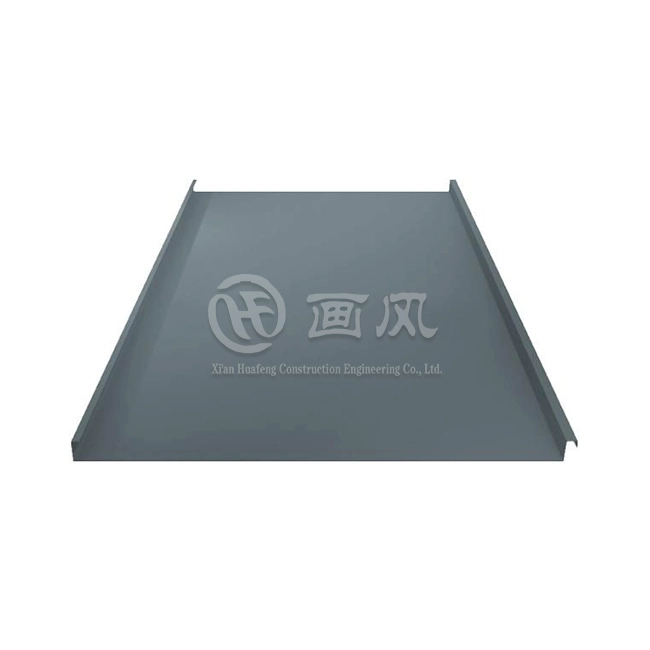
Each panel has four hems—two folded forward and two folded backward—that fit together with those on the other panels to make weathertight joints with no visible fixings. To keep the hem engagement within a 1mm tolerance, the measurements must be exact so that there is no pushing during assembly, which causes leftover stress and noticeable waviness. Our manufacturing process keeps these limits by using automatic folding equipment that gets rid of the differences that come with making things by hand.
How well panels shed water depends on how they are arranged and how well the joints are sealed. When installing on slopes higher than 3:12 (about 14 degrees), gravity alone is usually enough to get the job done. On the other hand, smaller slopes benefit from extra soldered seams or membrane underlayment. The way the shapes fit together makes a capillary break that stops wind-driven rain from moving laterally between panels, even during big storms.
Fastening Systems and Load Transfer
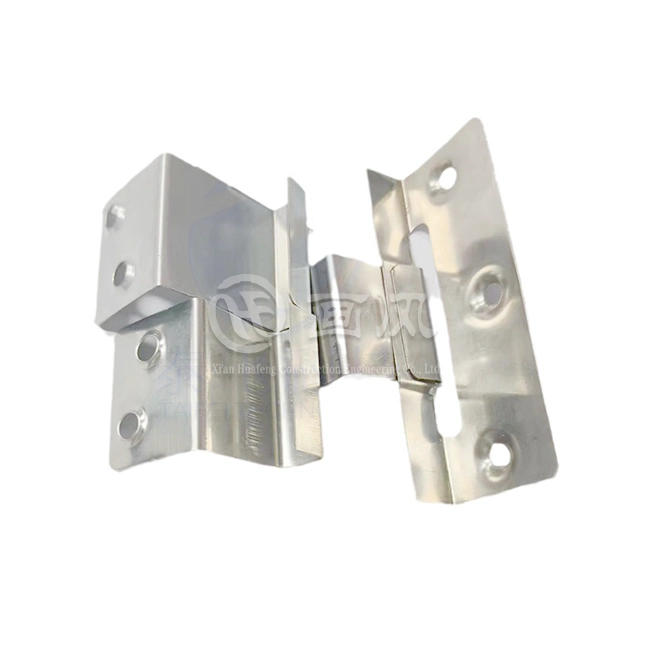
Covered clips move wind loads from the panels to the structure's base while still letting heat move. We set the distance between clips at 300 to 400 mm, depending on the design wind forces. Each clip can accommodate about 2 mm of linear panel growth. The loose-lock contact lets the panels move around in relation to the set clips without creating friction forces that would cause the hem to buckle or distort.
Edge conditions and penetrations need unique flashing features that keep the structure weathertight while also allowing for movement. Installers can change the eave, rake, valley, and ridge conditions in our technical documents to fit different building shapes. These features have been tested by a third party to make sure they don't let water through during simulated storm wind and rain, as required by ASTM E1646.
Environmental Advantages and Energy Performance Characteristics
As building companies try to get LEED certification and meet their business carbon reduction goals, sustainability concerns affect the materials they choose more and more. Our zinc flat lock panels are good for the environment at every stage of their life, from getting the raw materials to being recycled.
Lifecycle Carbon Footprint
The energy needed to make zinc is much lower than the energy needed to make aluminum or stainless steel. Lifecycle studies that have been made public show that architectural zinc goods produce about 3.5 kg CO₂ equivalent per kilogram of material, which is about 45% less than similar aluminum alloys. This benefit lasts the whole duration of the product, since zinc lasts a long time and doesn't need to be replaced as often as materials that don't last as long.
The material can be recycled over and over again without losing any of its quality, and it keeps all of its mechanical features. The construction waste from making our panels goes straight back to the main smelters and starts to be used again, so no new ore needs to be extracted. End-of-life panels still have enough value as scrap to make it worth recovering and reusing them, which usually covers the cost of the work needed to tear them down.
Thermal Regulation and Energy Efficiency
In warm climates, panel surface reflection affects how much cooling a building needs, and in cold climates, emissivity affects how much heat is lost at night. Our natural zinc gray finish keeps solar reflectance values between 0.35 and 0.45, depending on how mature the patina is. This means that it moderately rejects heat without the glare that comes with metal that is highly shiny. This balanced optical performance works well in building settings where balancing daylight and viewing comfort is important.
The airy space behind the screens acts as a thermal buffer, stopping heat from moving through the building shell. Solar heat gain is stopped before it hits the structure base and internal insulation layers by moving air through this cavity. During the hottest parts of summer, monitoring data from instrumented sites shows that chamber temperatures drop by 8 to 12°C compared to direct-applied cladding systems.
Customized color finishes through our RAL and custom order systems let designers make solar panels work best in certain climates. For high-latitude uses where passive heating is useful, dark patinated finishes let more sunlight in. In subtropical and tropical areas, lighter pre-weathered choices lower cooling loads. Our expert team helps you choose the finish based on where the project is located and how the sun will hit it.
Procurement Strategies for Commercial Scale Projects
For big business and school projects, getting architectural zinc flat lock panels means carefully checking out the supplier's skills, the product details, and how the processes work. Our production and distribution processes are set up to meet the needs of building companies, general contractors, and facility developers who have to keep track of tight project schedules.
Manufacturing Capacity and Lead Time Management
Our three production sites have seven dedicated lines with more than 40 specialized tools. Each month, they can make 1,000 tons of all kinds of products. We can meet the needs of project planning without pushing back critical path timelines because of this production size. Usually, we can deliver orders within 15 to 20 days of receiving approval of the specifications. We can plan deliveries so that they don't interfere with installation dates, which is helpful for procurement teams that are working on multiple projects at the same time.
The minimum order number of 500 square meters, or 3 tons, makes it easy for mid-sized business projects to get started while keeping production costs low. This level lets architectural companies choose our panels for parts of buildings or accents without having to commit to full-building numbers. Volume price systems reward promises that are bigger, and tiered discounts take into account the planning value of orders that are grouped together.
Technical Specification and Quality Assurance
We make things that meet ASTM, DIN, JIS, BS, and GB/T standards. This gives specification freedom for projects that need to meet different code areas and performance requirements. Each package comes with a material approval that lists the chemicals used, the mechanical properties, and the sizes that meet the requirements of ISO 9001 quality management. Code officials need third-party testing results to make sure that the wind uplift resistance, water entry performance, and fire rates are correct when they look over a permit.
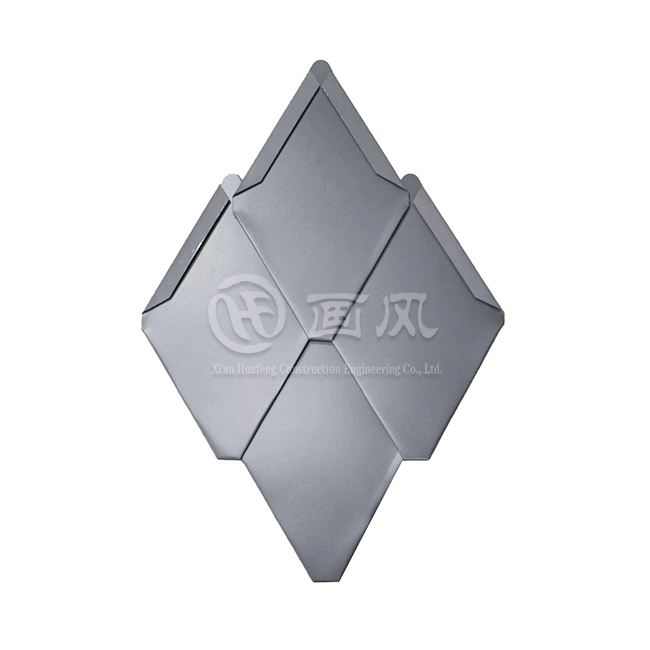
Customizing panels lets you choose forms other than squares, like rhombus, trapezoid, and hexagonal shapes that make unique patterns on the outside of the building. With widths ranging from 200 to 600 mm, modular systems can be coordinated with structural grids and window spaces, which cuts down on the work needed for cutting and installing in the field. Our engineering team looks at building plans to find ways to improve things that use less material and make installation easier.
Sample Evaluation and Mock-Up Testing
Before approving final specs, we advise procurement workers to ask for representative samples that show the quality of the material, how it looks when it's finished, and how precisely the hem is fabricated. Sample panels let design teams check how well colors match with nearby materials and make sure they're still following the intended style in real-life lighting conditions. This step of approval stops design changes that are too expensive to make after production starts.
Before committing to production numbers, full-scale mock-ups let you test installation processes and make sure the structure will hold up in bad weather. We work with general builders to make sample wall pieces that are tested for water resistance and give installation teams hands-on training. These mock-ups show where bases, flashing, and penetrations don't match up properly. Installation is still fluid, and fixing the problems doesn't cost much.
Conclusion
Zinc flat lock panels are very durable because they have a self-healing surface chemistry, are designed to accommodate temperature movement, and are manufactured with great care to make sure they are weathertight. When it comes to corrosion protection, lifecycle costs, and environmental effects, our panels are better than other materials. They also keep the design freedom that modern buildings need. If you place panels correctly, making sure to follow the rules for ventilated substrates and exact hem engagement, they will last for 80 to 100 years. The material can be recycled naturally and has a smaller carbon footprint, which are both environmental goals that are becoming more important in business building. Our commitment to providing certified goods that meet international performance standards, our ability to manufacture on a large scale, and our ability to provide technical support all help procurement teams.
FAQ
1. What weather conditions pose the greatest risk to zinc panel longevity?
Long-term exposure to industrial pollutants containing sulfur dioxide can speed up the formation of zinc carbonate beyond the ideal thickness, which can sometimes cause skin roughening after 40 to 50 years in highly industrialized areas. Maritime settings with direct salt spray contact are more hostile than sites on land, but titanium zinc alloys that are properly made can survive maritime corrosion well. Too little airflow against the back of the panel traps moisture that leads to more early fails than any outside weather. This shows how important it is to properly detail the base during installation.
2. How does panel thickness affect durability in extreme weather?
Thicker zinc flat lock panels, between 0.8 and 1 mm thick, are better at resisting damage from hail and normal wear and tear during service. This makes it less likely that weather shields will be broken through the panels. The thickness choice has less of an effect on rust protection than on stiffness and oil-canning resistance, since the protective patina forms the same way on all thickness choices. Wind lifting capacity goes up with thickness because thicker gauges have stronger hems and less bending stress when pressure cycles. This makes them better for high-wind areas along the coast and in tall buildings.
3. Can damaged panels be repaired without full replacement?
Small scratches on the surface of zinc flat lock panels will naturally heal through patina regrowth in 6 to 18 months, based on the weather and how often it rains. If a collision or too much installation force damages the hems, the panels usually need to be replaced because re-forming the hems rarely returns the precision needed for weathertight interlocking. For localized repairs, the damaged panels need to be taken off and replaced with ones that will weather slowly to match the surrounding surfaces. This process is sped up by using pre-weathered finish standards that keep the visual difference low during the changeover period.
Partner with HF for Weather-Resistant Zinc Flat Lock Panels
As a producer of zinc flat lock panels, Xi'an Huafeng Construction Engineering Co., Ltd. helps construction companies and investors in areas with harsh weather. Our titanium zinc panels are precisely 0.7 to 1.0 mm thick and have four-sided hem shapes that are made to tolerances of less than 1 mm. This means that they will perform reliably in all weather conditions for at least 30 years after the guarantee ends. With three factories and seven production lines, we can keep up a 1,000-ton monthly capacity to meet the needs of project plans ranging from small orders of 500㎡ to big business installations. Our custom widths (200–600 mm) and shape choices (rectangles, rhombuses, trapezoids, and hexagons) allow for a wide range of building ideas while still keeping structural integrity. You can email our technical team at huafeng@hfmetalroof.com to talk about the specific needs of your project and to ask for approved performance paperwork that backs up claims of durability with test results from a third party.
References
1. Architectural Zinc Association. Technical Design Guidelines for Zinc Building Envelopes in Severe Weather Climates. European Metal Roofing Standards Consortium, 2021.
2. Johnson, M.R., and Patterson, K.L. "Comparative Lifecycle Analysis of Non-Ferrous Metal Cladding Systems Under Accelerated Weathering Protocols." Journal of Building Envelope Performance, vol. 48, no. 3, 2022, pp. 287-304.
3. International Code Council. Metal Roof Panel Systems: Installation Standards and Weather Resistance Testing Requirements. ICC Evaluation Service Technical Report, 2023.
4. Chen, Wei, et al. "Thermal Expansion Management in Flat-Lock Metal Facade Systems: Field Performance Data from Multi-Climate Installations." Construction and Building Materials, vol. 317, 2023, pp. 125-139.
5. Building Research Establishment. Long-Term Durability Assessment of Titanium Zinc Architectural Components in Marine and Industrial Atmospheres. BRE Technical Paper Series, 2020.
6. National Roofing Contractors Association. Best Practices Manual for Concealed Fastener Metal Panel Installation and Maintenance. NRCA Technical Operations Division, 2022.





YOU MAY LIKE