Are Zinc Flat Lock Panels Worth It for Long-Term Roofing?
2026-07-14 11:00:00
When building companies and business developers think about long-term investments in roofs, zinc flat lock panels stand out as a great choice for those who value longevity and lifecycle value. These panels are made of a titanium-zinc alloy and have a unique overlapping hemmed-edge system. They have a proven service life of 30 years under guarantee and often reach 80–100 years with little upkeep. Their high resistance to rust, ability to form a self-healing patina, and stylistic versatility make them especially appealing for projects that need to last for a long time and look good for a long time. Even though it costs more up front than regular materials, the long-term benefits of lower upkeep costs, better energy efficiency, and easy recycling make it worth the investment for procurement pros who look at the total cost of ownership instead of just the price.

Understanding Zinc Flat Lock Panels and Their Core Benefits
What Defines This Roofing System
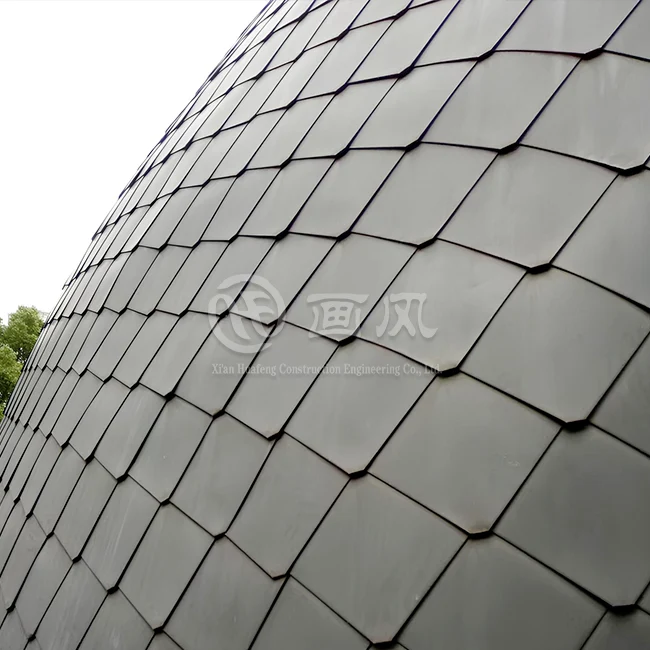
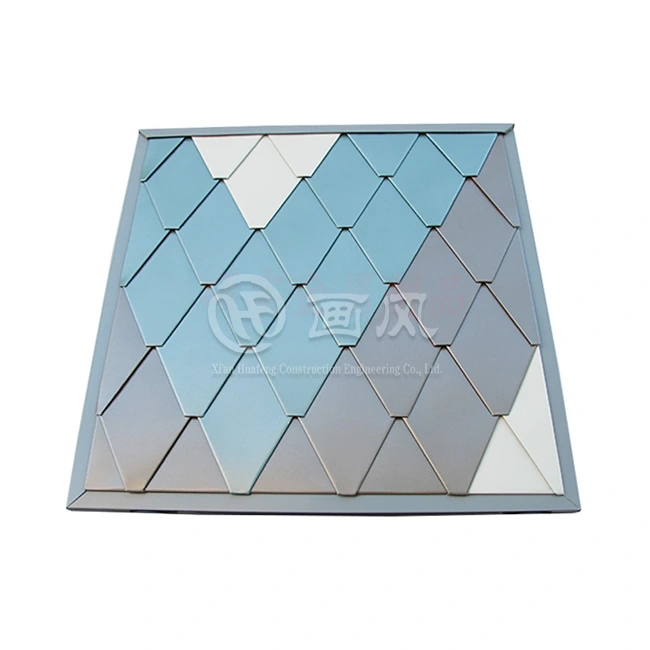
Zinc flat lock panels are a way to cover the outside of buildings with thin metal tiles that fit together perfectly. They are made from a high-purity titanium-zinc alloy that is 99.995% zinc and has small amounts of copper and titanium added to make it last longer. Four finished edges—two folded forward and two folded backward—give it a unique look. They create a smooth, tessellated pattern that hides all the fixings inside hidden stainless steel clips. This design gets rid of fixing points that can be seen while still allowing the material to expand and contract naturally through loose-lock joints.
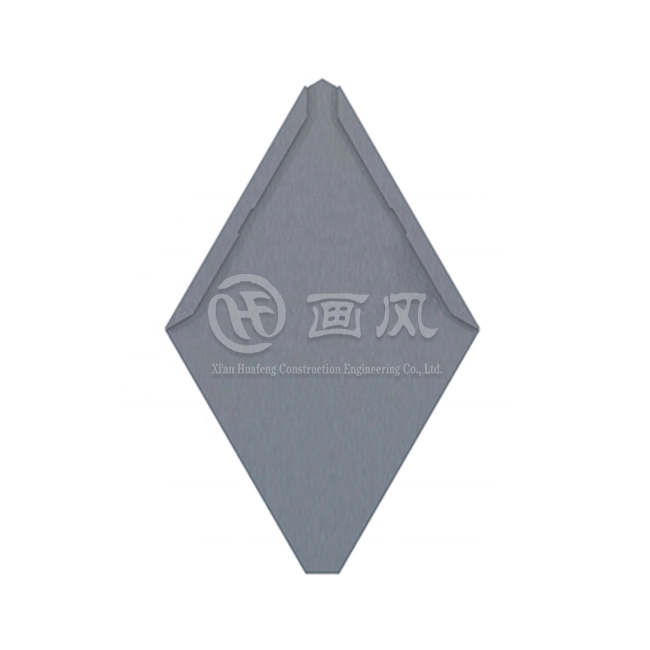
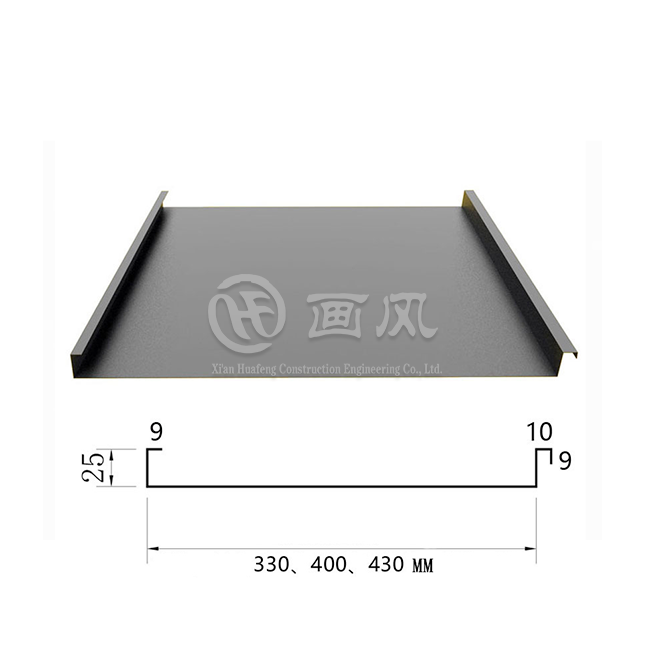
These panels come in a variety of geometric forms, such as rectangles, rhombuses, trapezoids, and hexagons. Their thicknesses range from 0.7mm to 1.0mm, and their widths can be customized from 200mm to 600mm. The method meets foreign standards like ASTM, DIN, JIS, BS, and GB/T. This makes sure that the quality is the same for all projects and building codes in different areas.
Material Properties Driving Performance
The titanium-zinc mix has a tensile strength of more than 150 N/mm², which means the structure can withstand wind loads and mechanical stress. When exposed to air, the surface naturally passivates, creating a zinc hydroxy-carbonate layer that protects the underlying material from rusting. This layer is called the patina. This self-healing feature lets small scratches or abrasions on the surface grow new protected layers through natural weathering processes. This stops the faster breakdown that happens in coated metal systems when damage to the coating leaves substrates open to damage.
For projects that care about saving energy, thermal efficiency is especially important. Even though zinc has a higher thermal expansion rate (about 0.022 mm/m/°C) than steel, the flat lock interlocking design lowers the risk of buckling by spreading movement across joint surfaces. When the system is properly put together with structured separation layers and enough ventilation holes behind panels, it stops condensation from building up, which could damage the bottom, which is an important quality control step during installation verification.
Environmental and Business Benefits
Green building approvals and qualifications for sustainability go hand in hand. Zinc is 100% recyclable without losing any of its quality, which supports the idea of a cycle economy. Also, the fact that it lasts a long time means that it doesn't need to be replaced as often, which lowers the environmental impact of making and shipping. Because they are so light—about 6.6 to 7.5 kg/m² depending on thickness—they don't need as much structural support as heavier options like copper or concrete tiles. This could lower the costs of foundations and framing in new construction or make it easier to make changes to structures that are already there.
The Class A1 non-combustible rating under DIN 4102 standards improves fire safety in business and educational buildings that need to meet insurance requirements and government rules for better fire resistance. When you combine waterproof interlocking joints with extra sealing upgrades, you get two layers of protection against water getting in. This is especially helpful in seaside areas or places where it rains a lot.
Comparing Zinc Flat Lock Panels with Other Roofing Solutions
Zinc Versus Standing Seam Systems
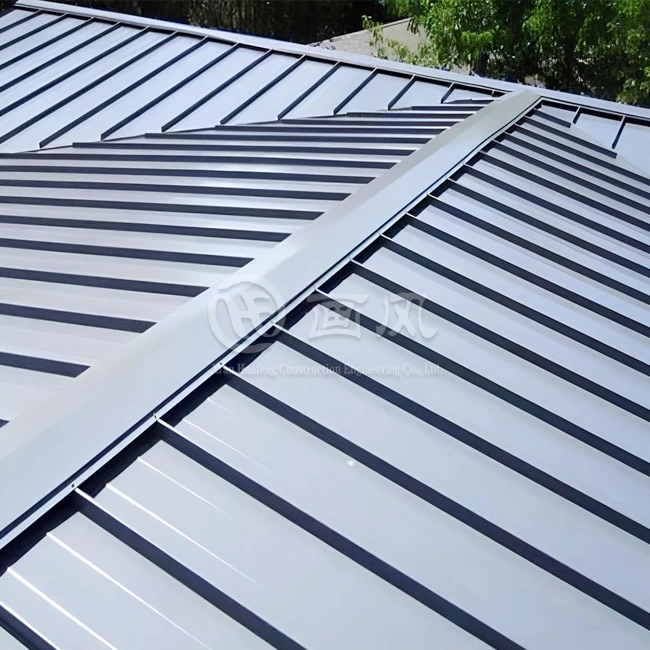
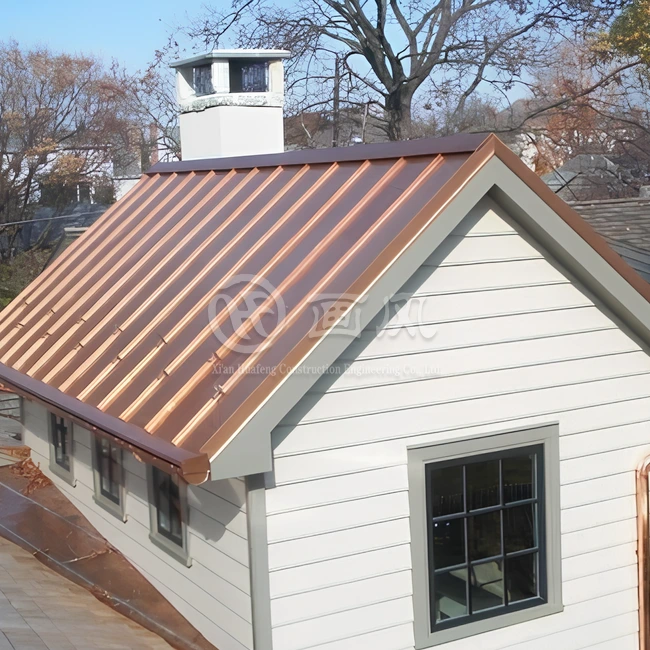
Standing seam metal roofing is most common in industrial settings because it has raised vertical ribs and hidden fixing clips that make it perfect for long, uninterrupted runs on simple roof shapes. But zinc flat lock panels can be used in situations where standing seam methods can't. Smaller panel sizes allow for faceting around organic forms without deforming, which is useful for complex curved walls, domes, and architectural features that need tight radii. Cultural organizations like museums and performing arts centers often ask for flat lock setups because they can handle double-curved surfaces that would need a lot of custom shaping with standing seam profiles.
Installation difficulty varies a great deal. Standing seam panels need special tools for sewing and skilled workers who know how to use mechanical or snap-together locking systems. When installing a flat lock, it's more important to check the hem tolerances carefully—usually keeping an accuracy of +/- 1mm on fold sizes between 25mm and 30mm—so that the panels fit together without pushing them, which can look like waving or oil-canning. Procurement teams should plan to spend enough on trained workers who can handle these tighter standards. However, the smaller panel format can speed up coverage rates on complicated shapes compared to having to wrestle full-length standing seam panels into place.
Metal-to-Metal Performance Analysis
Zinc is similar to copper in terms of durability and cost, but copper's quick warmth makes it more appealing for projects that want a more traditional look. Copper patinates to a unique blue-green color, and zinc patinates to a matte gray color that fits modern design styles. Both copper and zinc are very resistant to rust, but zinc's self-healing patina process makes it better at recovering from mechanical damage than copper's surface oxidation.
The pros and cons of aluminum and steel options are different. Aluminum is lighter, which makes it a good choice for retrofits where load limits are strict, but its softer temper makes it more likely to get dented by hail or maintenance workers walking on it. Steel is stronger than other materials, but it is heavier and can rust if the coatings that cover it fail. Zinc is lighter than steel, stronger than aluminum, and naturally resistant to rust, so it doesn't need a coating. This makes it a good choice for projects that need to meet a lot of different performance standards. Zinc doesn't need much maintenance over its lifetime, unlike painted steel or aluminum systems that need to be re-coated every so often because the finish wears down faster than the rust underneath.
Traditional Shingle Comparisons
Asphalt shingles are popular in domestic markets because they are cheap, but they only last 15 to 25 years, which means they need to be replaced more than once. Zinc panels, on the other hand, stay fully functional for longer. When substitute work, disposal fees, and business downtime from re-roofing are taken into account, lifecycle cost analysis always favors metal systems. Commercial clients especially like not having to deal with the operational problems that come with replacing roofs multiple times over the course of a building's 50-year span.
Aesthetic flexibility is another thing that sets them apart. Traditional shingles come in a range of color granules, but zinc's natural aging process makes it matte in a way that looks great as the building ages. There are pre-weathered finishes in blue-gray, black, or patina tones that can be used right away to match the color scheme of a building design. The natural mill finish, on the other hand, lets the patina develop slowly on-site. This living finish quality is liked by builders who want buildings that get character from the weather instead of looking more and more old over time, like shingles do as they fade.
Installation and Maintenance Insights for Long-Term Value
Critical Installation Protocols
The appropriate basic preparation ensures years of good performance. The system must be installed over a synthetic breather mat or other structural separating layer. It prevents condensation from forming on the bottom, which may cause pitting rust. This airspace between panels and the roof deck enables moisture vapour escape but not liquid water. Quality control inspectors must examine this before installing panels.
Panel planning begins with precise measurements and reference lines to visually align large roof or wall portions. Hidden 300-series nonmagnetic stainless steel clips are fastened to the base frame at intervals. This inhibits galvanic corrosion, which occurs when moist metals contact. Workers ensure each panel's hemmed edges match well with the units next to it without changing the hem form. In this scenario, measurement precision is crucial since slight hem inaccuracies produce panel group alignment issues.
Installation planning should prioritise thermal expansion space. Because zinc expands, loose-lock joints are needed. This allows panels to shift slightly with temperature without buckling. Installers familiar with zinc flat lock panels know how crucial it is to align panels with temperature fluctuations and modify clip placement for controlled movement. Talk to manufacturers about panel sizes and joint spacing for thermal behaviour in projects with high temperature fluctuations.
Maintenance Expectations and Protocols
They need less maintenance than treated metal or organic roofing materials. Garbage is collected from valleys and drainage routes annually to ensure water flows freely over panel surfaces and doesn't pool. Leaves or debris that adhere to zinc may trap water, slowing patina growth or causing blotches. Normal dirt may be cleaned using water and soft-bristle brushes without damaging the golden coating.
Checking mechanical wear spots requires particular caution. Check clip integrity and panel seats in maintenance access areas where foot traffic is high, since continuous loading might progressively loosen connections not designed for access routes. Check for stainless steel clip corrosion. 300-series stainless resists air corrosion, chloride-rich areas may need more frequent clip checks to maintain structural integrity.
Its self-healing covering makes it durable. Surface scratches from handling or mild impacts heal after a few months due to the atmosphere's wet-dry cycle. Deep scratches that go through to the substrate need more time to heal, and the procurement specifications should state whether the projects will use pre-weathered finishes, where batch consistency is important for large, visible facades, or natural mill finishes, where the patina developing on-site can accommodate small surface variations.
Cost, Procurement, and Supply Chain Considerations
Pricing Structures and Bulk Advantages
The cost of titanium-zinc panels' materials is usually higher than the cost of regular roofing materials. The price depends on the thickness chosen, the finish requirements, and the number of panels ordered. When you buy in bulk, the unit cost goes down a lot. This is especially helpful for business projects that need to meet minimum order amounts. As a guide, projects that define a minimum order number of 500, which is about 3 metric tons, can get better price structures that help their budgets match up with the benefits of better performance.
Installation work is another cost factor that needs to be carefully estimated. The concealed fastening system gets rid of the visible penetrations that are a problem with traditional roofing, but it takes experienced teams to get the measurements right so that the roof can fit together properly. Projects should plan for skilled labor rates that are similar to those for other architectural metal systems. This is because groups that are new to zinc flat lock panels may take a while to get good at installing them, which could slow down the first few projects until they get better.
Supplier Evaluation Criteria
Sourcing strategies should prioritise international-standard suppliers with consistent material quality. Meeting ASTM B69 or EN 988 titanium-zinc composition requirements ensures that commodities satisfy project demands. Suppliers with three factories, seven manufacturing lines, and a lot of processing equipment can manage large commercial orders and maintain their delivery commitments.
Compare supply capabilities to project deadlines. Suppliers that can generate 1000 tonnes per month may manage large projects or many developments without risking the strategy. Delivery lead periods of 15 to 20 days allow project planning, although special setups with non-standard shapes or finishes may take longer. Early supplier contact may assist procurement teams in meeting construction timetables by explaining wait periods and exploring strategies to speed up the process if deadlines are tight.
Quality Control During Procurement
The first quality stage is dimensional proof. Thickness, panel width, and hem limitations affect fitting and product appearance. Purchase contracts should contain inspection and acceptance rights. Before delivery, things that don't match requirements may be rejected, making returns simpler. Pre-weathered items' surface quality is particularly essential since batch colour homogeneity impacts how facades appear on large construction elevations.
Chemical composition testing shows that the material contains the proper quantity of titanium-zinc alloy and not lower-grade zinc, which would make it less rust-resistant and less durable. Reliable vendors supply mill test sheets with composition analysis, tensile strength verification, and other material attributes to support guarantee claims. Procurement staff should preserve these certificates for project guarantee claims and building performance certifications.
Avoid damaged material that takes too long to install by verifying packing and handling upon delivery. Zinc is simple to form; unsecured panels might receive edge damage or surface scratches during shipment. Ornamental metal suppliers utilise edge protection, moisture barriers, and proper packaging to preserve items during shipping and storage. Record delivery damage immediately so it may be replaced, and work plans don't get thrown off.
Making the Right Long-Term Roofing Investment Decision
Aligning Specifications with Project Requirements
Conditions unique to the project should guide panel selection choices. Coastal areas benefit from treatments that have already been weathered because they speed up the formation of a protected patina. This makes the metal less vulnerable during the first few weeks of contact, when it is most reactive. If you work in an industrial setting where chemicals could be present, you should talk to someone about how the atmosphere will react with the chemicals. This is because some industrial fumes can speed up zinc rusting faster than normal. Extremely changing temperature zones need extra care when it comes to thermal expansion, which can be done by making sure the panels are the right size and the clips are the right type.
Finish choices include natural mill, pre-weathered gray tones, or custom color options that meet RAL standards. Finish choices are based on architectural purpose. Modern business buildings often choose uniform pre-weathered finishes that look the same right away. On the other hand, projects that value natural material expression may choose mill finish zinc's slow patina development. If you know what the client wants in terms of style early on in the design development process, you can avoid having to make expensive changes during building after the panels have been ordered.
Return on Investment Analysis
To justify spending on capital items, you need to look at the total costs of ownership instead of just the purchase prices. If you buy a zinc roofing system with a 30-year guarantee and an expected service life of 80 years, you won't have to replace it as often as you would with other materials. This saves you money on both hard and soft costs, like the time your business has to be closed while the roof is being replaced. When these future costs are reduced to their net present value, they close the starting cost premium compared to cheaper options by a large amount.
Contributions to energy efficiency add extra value that is hard to see when just comparing the costs of materials. When zinc parts are properly ventilated, they lower cooling loads in warm countries by reflecting light on their patina surfaces and separating their heat from the inside of buildings. Even though the metal skin doesn't insulate as well as full roof assembly systems, it does help the building's overall temperature performance, which saves money over many years of use. Projects that want to get LEED or other green building certifications also get points for materials that can be recycled and last a long time.
Real-World Performance Validation
Cultural places show how well zinc flat lock panels work in tough situations. These systems have been used for decades in museums and performing arts centers in North America and Europe. Some pieces are still working well after more than 50 years of use. These real-world records back up what manufacturers say about how long something will last better than lab tests alone. This gives procurement workers faith that warranty periods are more like conservative estimates than optimistic expectations.
Zinc systems are being used more and more in commercial office makeovers to connect the roof to the walls and create a modern look that flows. Architects can express themselves in ways that would be hard or impossible to do with regular roofing materials because they can wrap soffits and smoothly change from vertical surfaces to sloping roofing elements. Zinc's mix of high-end looks and reliable engineering makes it a great choice for projects that want to stand out both in terms of looks and performance.
Coastal home buildings in areas with a lot of saltwater offer another setting for testing efficiency. When installed correctly, flat lock zinc installations don't rust like salt spray does, which quickly breaks down weaker materials. The sliding joint system also keeps wind-driven rain out during coastal storms. These tough service conditions show that the system is strong enough for more than just normal business uses, proving that it can handle a wide range of exposure situations.
Conclusion
Zinc flat lock panels have a measurable long-term value for business roofing projects that are driven by lifetime cost, architectural freedom, and the need for environmentally friendly materials. Total ownership costs should be looked at carefully, but these systems are better than others because they come with a 30-year guarantee, a service life of 80 to 100 years, self-healing patina protection, and very little upkeep. Even though the original cost of capital is higher than for regular materials, clients who plan to own the business for more than one decade will see a good return on investment (ROI). The material can be recycled in its entirety, has a Class A1 fire rating, and helps earn green building certificates. These features make it even more valuable for developers and institutional owners who care about the environment and want to invest in sustainable infrastructure.
FAQ
1. How long do zinc flat lock panels usually last in business settings?
Zinc flat lock panels come with a 30-year guarantee, but in normal, non-aggressive weather, they usually last 80 to 100 years. The self-healing zinc carbonate patina keeps making new protected layers, so it can work for decades without any upkeep. The actual lifespan relies on things like industrial emissions, salt exposure, and the amount of water in the air, but systems that are put correctly usually last longer than the building's ownership cycle.
2. Are these panels good for places with extreme weather?
Titanium-zinc walls work well in a wide range of climates, from the wet tropics to the freezing and thawing seasons in the north. When the right pre-weathered finishes are used, the material doesn't rust in marine settings, and the sliding joint system can handle thermal expansion from big changes in temperature. For projects in coastal areas with a lot of saltwater or industrial settings, expert representatives should be consulted to help choose the best finish and place it in a way that prevents corrosion.
3. What care steps keep the panels in good shape?
The main upkeep tasks are yearly checks that focus on clearing out debris and checking the drainage path. Normal dirt can be removed with gentle water cleaning that doesn't damage the protected patina layers. Check the stability of the stainless steel clips in places that get a lot of use, and check the joint seating every so often. The self-healing patina fixes small scratches on the surface by itself when exposed to air. This means that painted metal systems don't need to be coated or managed as much over their entire lifetime.
Partner with HF for Premium Zinc Flat Lock Panel Solutions
Xi'an Huafeng Construction Engineering Co., Ltd. has three factories, seven production lines, and a monthly capacity of 1000 tons to support big industrial projects. They are experts in titanium-zinc roofing systems. We offer zinc flat lock panels with thicknesses between 0.7 and 1 mm and widths between 200 and 600 mm. They come in rectangular, rhombic, trapezoidal, and hexagonal shapes and meet worldwide standards set by ASTM, DIN, JIS, BS, and GB/T. We are a reliable source for procurement workers handling complicated project needs because we offer a 30-year guarantee, can color-match to RAL standards, and can deliver within 15 to 20 days. You can email our technical team at huafeng@hfmetalroof.com to talk about your specific application needs, get samples of materials, or get full project quotes that will help you make smart buying decisions.
References
1. Zinc Development Association. (2019). Architectural Zinc: Design, Specification and Installation Guide. London: ZDA Technical Publications.
2. American Society for Testing and Materials. (2021). ASTM B69-20: Standard Specification for Rolled Zinc. West Conshohocken: ASTM International.
3. Herzog, T., Krippner, R., & Lang, W. (2017). Facade Construction Manual. Munich: Birkhäuser Architecture Press.
4. National Roofing Contractors Association. (2020). Metal Panel Systems Design Manual. Rosemont: NRCA Technical Services.
5. European Standard Committee. (2018). EN 988:2018 Zinc and Zinc Alloys for Building Applications. Brussels: European Committee for Standardization.
6. Beorkrem, C. (2013). Material Strategies in Digital Fabrication for Metal Building Facades. Journal of Architectural Engineering, Vol. 19, Issue 4.





YOU MAY LIKE