How do I choose the right high seam metal roofing for a residential property?
2026-07-14 20:50:52
In private projects, picking the right roofing system has a direct effect on the long-term value of the property, how well it runs, and how happy the tenants are. High seam metal roofing is perfect for high-quality home jobs because it is very long-lasting, good at saving energy, and looks great with a lot of different styles. The decision process is based on looking at the type of material, coating technology, dependability of the provider, and installation skills. To get the best performance and return on investment, contractors and procurement managers must match panel specifications—such as thickness (0.5–1.2mm), seam height (usually 65mm), and surface treatments (PVDF or PE)—with climate conditions, structure loads, and lifetime budget limits.

Understanding High Seam Metal Roofing: Key Concepts and Benefits
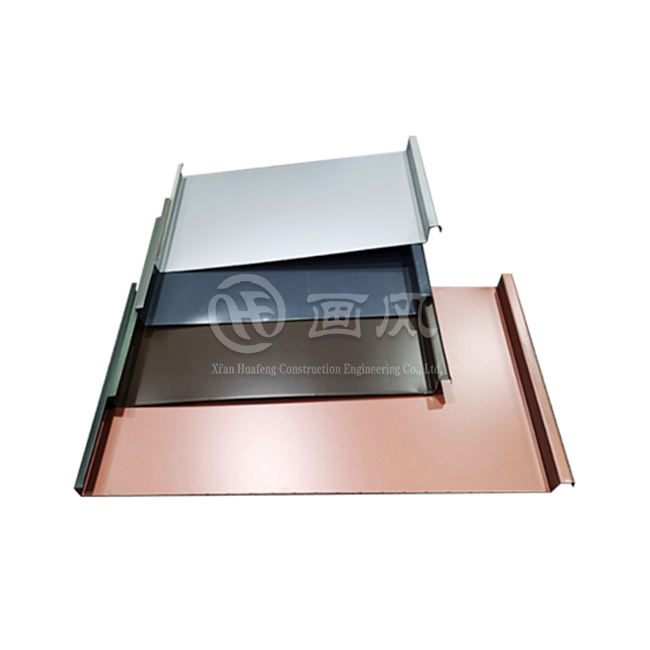
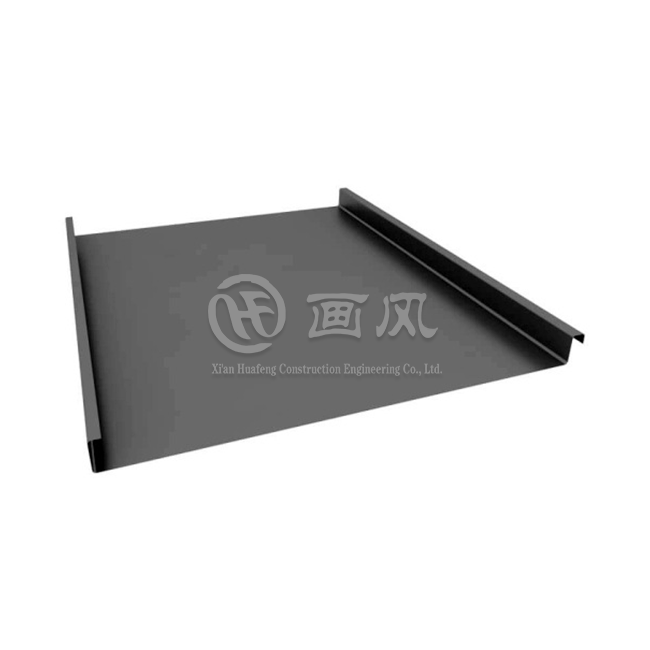
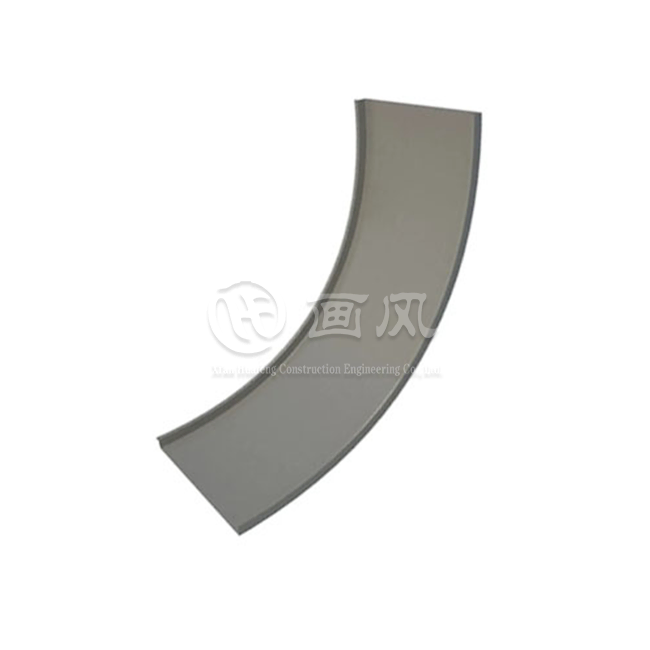
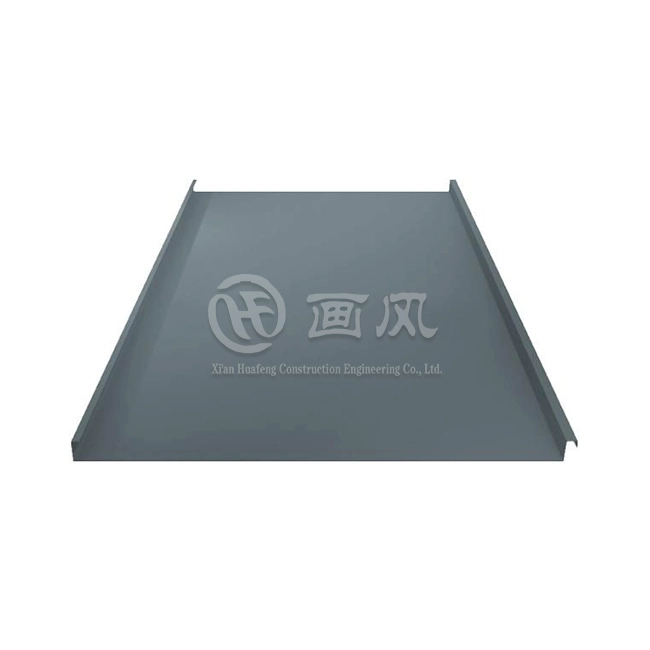
High seam metal roofing is a type of standing seam system that is differentiated by seams that are high and usually more than 65 mm tall. This engineering makes a solid wall that stops water from getting in, wind from lifting, and heat stress. Unlike most roofing materials, these systems use mechanical seaming methods—often a 360-degree Pittsburgh double-lock—that hide screws and cut leak points by over 80% compared to screw-down options. The interlocking design allows for large changes in temperature by using a sliding clip support to keep the panels from warping, even when temperatures change a lot.
Superior Weather Resistance and Structural Integrity
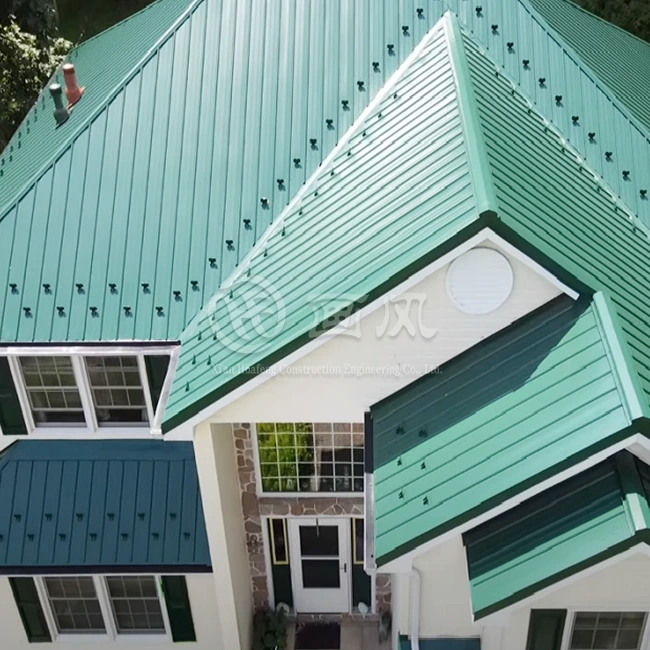
The raised seam shape makes it very resistant to wind-driven rain, snow buildup, and hail damage. As per ASTM E1592 standards, properly fitted high seam systems can handle uplift pressures greater than UL 90 ratings. This means they are perfect for coastal areas that are prone to hurricanes and places that have severe weather events. The long, continuous panels—often rolled on-site to get rid of end-laps—make waterproofing coverings that don't have any breaks and can handle low-slope uses with slopes as low as 1.5 degrees. This watertightness is very important for homes because leaks can cause damage inside that costs a lot to fix and leads to tenant complaints.
Energy Efficiency and Sustainability Advantages
High Solar Reflectance Index (SRI) values in metal roofing systems, especially when coated with PVDF, show that they save energy in a measured way. In warm places, these surfaces reflect up to 70% of the sun's rays, which lowers the need for cooling by 15 to 25 percent. The material can naturally be recycled, which is in line with LEED certification standards and green building efforts that buyers who care about the environment are increasingly demanding. Aluminum and Galvalume surfaces don't rust and don't need to be treated with harmful chemicals, which makes building envelopes healthy. The 40–70-year service life makes replacements much less common, which means less trash in landfills and less carbon absorbed over the lifetime of the building.
Low Maintenance Requirements
Unlike asphalt roofs or tile systems, high seam metal roofing installations don't need as much maintenance. The factory-applied coats keep the paint from chalking, fading, and growing microbes for decades without needing to be repainted. When you do routine reviews once a year or after bad weather, you should check the stability of the fasteners, the continuity of the sealants, and the removal of garbage from the valleys and gutters. Since wood shakes don't contain any living materials, you don't have to worry about rot, moss, or bug damage. This means that upkeep costs can be planned ahead of time, and big capital purchases can be put off for longer periods of time. This makes the assets more valuable for property owners and portfolio managers.
Core Criteria for Selecting the Right High Seam Metal Roofing
A thorough review of the project is the first step to writing a blueprint that works. The shape of the roof—its slope, area, and structural strength—determines how the panels are set up and how much support they need. Climate data, like normal weather, wind zones, temperature ranges, and exposure to the coast, help choose the right materials and coating systems. Certain fire ratings (usually Class A) or impact resistance ratings may be required by building rules and insurance companies. When architects, structural engineers, and roofing experts work together, they make sure that the project's aesthetic goals, performance standards, and budget are all in line with each other before any materials are bought.
Material Options: Steel, Aluminum, and Specialty Alloys
Galvalume steel (AZ50 or AZ55) is most often used in household buildings because it is strong for its weight and doesn't rust. The aluminum-zinc alloy covering acts as a shield and keeps things out for more than 40 years in most places. Options for thicknesses ranging from 0.5mm to 1.2mm strike a balance between weight and structural needs, especially in older buildings or projects that add on to existing ones. Aluminum (alloys 3003, 3004, or 5052) works great in seaside settings where salt spray makes steel rust faster. Its natural oxide layer heals itself when it gets scratched, so it doesn't need any other treatments to stay protected. Copper and stainless steel are the best materials for historic projects that want a unique color or great durability that lasts over 70 years.
Material choice affects temperature efficiency in ways other than how reflective a coating is. Aluminum doesn't store as much heat as steel does because it has less thermal mass. This is good in areas that tend to be cooler. But steel is stiffer than wood, so it can have bigger panel spans with fewer support purlins, which could lower the cost of the frame. Purchasing managers should ask mills to certify that the materials' makeup and mechanical qualities meet the ASTM, DIN, JIS, or GB/T standards that apply to the project. Reliable providers provide records that show how the raw materials were used, coated, and shaped into panels.
Surface Treatments and Color Durability
Polyvinylidene fluoride (PVDF) films are very good at resisting chalking and fading, and the color will stay the same for 25 years or more, even in harsh UV conditions. The glue mixture usually has 70% PVDF that is bound to the base through several coats, creating a dry film thickness of 25 to 28 microns. As part of quality control, MEK rub tests with more than 100 double rubs are done to make sure the cure is done right. PE (polyester) coats offer cheap protection that works well in mild areas or for projects that need to stay within a budget, but they fade quickly over 10 to 15 years. You can choose colors from RAL, Pantone, or special formulas that can be used to match building facades, trim, and planting.
Coating guarantees are very different from one brand to the next. Premium PVDF systems with 30-year guarantees against excessive color change (Delta E values) and film stability are a must for big home projects because they reduce risk. Buyers should carefully read the guarantee wording to make sure it covers things like being close to the coast, being exposed to industrial pollution, and meeting upkeep requirements. Striated or stamped panel finishes hide oil canning, which is the slight wave that happens on broad, flat surfaces. This makes the panel look better without affecting its function.
Cost Analysis: Balancing Upfront Investment with Lifecycle Value
How much it costs to make high seam metal roofing systems depends on the base, coating, and level of complexity. Prices run from $4.50 to $12.00 per square foot. Depending on how easy it is to get to the roof, the amount of detail work, and the pay rates in your area, installation labor adds $3.00 to $8.00 per square foot. Even though metal roofing costs 150–250% more than asphalt shingles, it is more cost-effective over its lifetime because it doesn't need to be torn off, needs less maintenance, and uses less energy. Total cost of ownership estimates over 50 years show 20–35% lower costs when replacement cycles, disposal fees, and saved damage to the inside from early failures are taken into account.
Large projects can be financed in a number of ways, such as by leasing equipment, signing energy-performance contracts that capture electricity savings, or taking advantage of green building benefits that lower tax burdens. Prices are based on minimum order numbers, which are usually 500 square meters or one ton. You can get bulk discounts by developing multiple buildings or forming relationships with other contractors to increase demand. With delivery times of 15 to 20 days, it's important to carefully coordinate schedules to avoid building delays and letting prepared surfaces get wet in the weather.
Installation and Maintenance: Ensuring Quality and Longevity
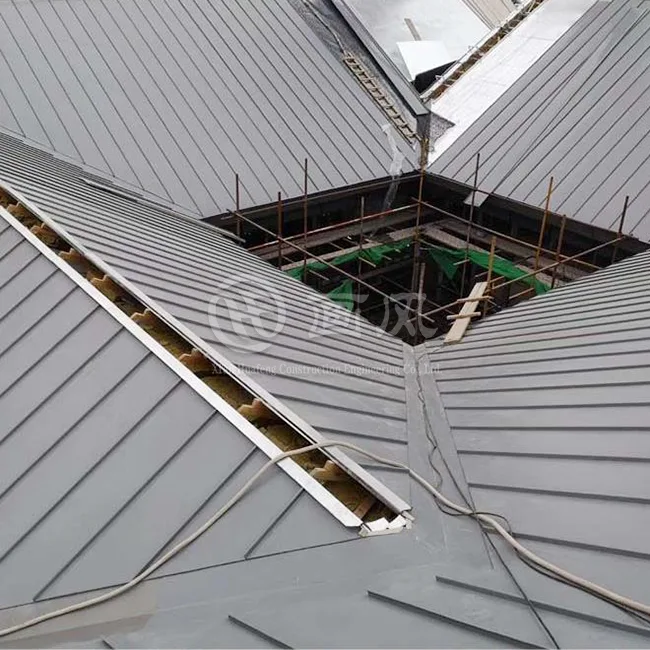
Whether theoretical performance relates to real-world reliability depends on how well the product is installed. Certified workers who know how to use the right seaming tools and methods for each maker make sure that the panels are lined up correctly, the clips are engaged, and the seam shape is always the same. The first step in the construction process is to prepare the substrate. This includes putting down a moisture shield and thermal insulation that meets the standards of the energy code. Attaching clips to structural supports lets the panel move without passing stress, which keeps the fasteners from pulling out or bowing. Site-rolled panels don't have horizontal gaps, which makes them more waterproof and better able to fit the exact measurements of the building.
Best Practices for Installation Workflow
Structured procedures are followed for successful projects. The first step is a full site study that checks the state of the foundation, the structure's ability to support weight, and how well it works with penetrations like chimneys, skylights, and HVAC equipment. Mock-up setups let you check the quality before the full-scale rollout. For example, ASTM E2140 static water pressure tests that mimic worst-case conditions can be used to test the seam integrity. On-site quality control checks include cross-cut tests that make sure the lock engages in all 360 degrees and the factory-applied sealant bead stays connected. Wind uplift resistance relies on how far apart the clips are, how wide the panels are, and how the seams are attached. These factors can be proven through UL 580 Class 90 testing or engineering estimates that are specific to the project.
Contractor selection criteria should emphasize documented experience with similar projects, manufacturer certifications, and liability insurance that covers problems with the work. References from recent home setups show how well the team communicates, sticks to schedules, and solves problems. When suppliers work together during the installation phase, technical questions, missing materials, and unexpected problems in the field can be fixed quickly and without delaying the project.
Maintenance Protocols Extending Service Life
Inspections that are done once a year after bad weather seasons find small problems before they get worse. On the list of things to check are how tight the fasteners are, the state of the sealant at penetrations and transitions, the amount of debris in the drainage paths, and the stability of the coating in high-stress areas. To make high seam metal roofing work with insulation systems, you need to pay attention to ventilation techniques that keep the bottom of the panels from getting wet. Vapor barriers and regular upkeep of the airspace keep the temperature stable and stop moisture-related rust or deck damage.
Panel fixes for things like scratches, dents, or single leaks usually involve removing a seam, replacing a damaged piece, and then re-sealing it using portable tools. Because standing seam systems are flexible, they can be fixed without having to rebuild the whole roof. Cleaning with light soaps and soft brushes keeps the coatings in good shape. Avoid using rough materials or acidic cleaners, which can damage protective films. These simple care steps keep things running well and looking good, protecting the big original investment over many years of service.
Comparing High Seam Metal Roofing to Alternative Options
Asphalt shingles are the most common type of roofing material for homes because they are easy for contractors to work with and don't cost much ($1.00-$3.00 per square foot). However, because they only last 15 to 25 years, they need to be replaced several times during a building's working life, which creates waste and costs money over and over again. Wind damage, algae growth, and temperature degradation all make upkeep more difficult. On the other hand, high-seam metal roofing systems' long life, low maintenance, and energy efficiency make them a great choice for quality-focused projects and long-term asset managers.
Performance Differentiation Among Metal Roofing Types
Standard standing seam designs with 38mm seams work well in mild conditions and with traditional building styles. The lower seam height compared to high seam systems makes them less useful for low-slope uses and less resistant to lifting in areas with strong winds. Corrugated panels are cheap and work well for utility or farm buildings, but they don't have the artistic detail and weathertightness that homes need. Flat-lock systems make unique geometric patterns that work well with complicated roof shapes, but they need steeper slopes (at least 3:12) and more work to connect each panel.
When weatherproofing, structural performance, and visual sophistication all need to be perfect, high seam setups are the best choice. The higher rib height allows for solar photovoltaic mounting systems that don't go through the membrane, which helps meet net-zero energy goals that are being required by more and more modern building rules. Thermal expansion clips made for high seam panels stop the binding that leads to center-buckle or edge-waving flaws seen in standard systems that aren't properly detailed.
Total Cost of Ownership Considerations
Lifecycle analysis finds hidden costs in options that seem like they would be cheaper. Asphalt shingle removal costs about 75 cents per square foot, and replacing them every so often can be annoying for people living in the area and for garden features. Insurance rates go down by 10–35% for metal roofs with Class 4 impact ratings, which more than covers the original price payments over a decade. Energy modeling shows that lowering the cooling load saves between $0.15 and $0.40 per square foot per year in energy costs, which add up over 50 years of ownership. More and more, property appraisals see high-quality roofing systems as value-adds that make homes easier to sell and rent for higher prices.
Trusted Suppliers, Brands, and Procurement Considerations for B2B Buyers
Supplier choice has a big impact on the success of a project, just like material choice does. Certifications like ISO 9001 for quality management and ISO 14001 for environmental standards show that well-known makers always provide high-quality goods. Matching production capacity to project timelines—suppliers giving 1000 tons of output per month from various facilities with seven production lines and 40+ machines—ensures that materials are always available. Over the course of 30 years, warranties from financially sound companies protect against covering failures, perforation, or manufacturing flaws in high seam metal roofing installations.
Evaluating Manufacturer Capabilities
When you buy something, you need to do your research on where to get the raw materials, how to apply the coatings, and how precisely the panels are formed. Suppliers who run three plants that do everything together, from painting coils to making finished panels, check the quality at every step. Following foreign standards like ASTM, DIN, JIS, BS, and GB/T makes it easier to work on projects across borders and follow the rules. Technical support teams do technical estimates, train installers, and fix problems to make sure that projects go smoothly from the beginning to the end, including guaranteed service.
Respondent providers are different from commodity vendors because they can customize their products to meet the unique needs of each project. Panel width changes, custom color matches beyond standard RAL charts, perforation designs for sound control, and the making of specialty trim all help architects solve unique problems. Minimum order amounts that take into account store space and the order of projects, allow for cost-effective purchasing without having to pay too much for inventory.
Building Long-Term Partnerships
Reliable providers put money into training programs for contractors and field reps to help with setups and provide quick customer service to solve problems. Customer happiness after the initial delivery is based on things like the availability of new parts, advice on how to do routine maintenance, and the speed with which warranty claims are processed. Clear pricing with savings for buying in bulk, rewards for paying early, and coordinated freight help purchase budgets work better. References from similar projects back up claims of on-time delivery, consistent products, and technical expertise, which is very important for buying managers who don't like taking risks.
Environmental Product Declarations (EPDs) and Health Product Declarations (HPDs) are examples of eco-certifications that list sustainable features that help earn LEED, BREEAM, or WELL Building Standard points. Suppliers who promise to lower embodied carbon by using green energy in production and recycled materials in raw materials are in line with the environmental requirements that are becoming more and more important in business buying decisions.
Conclusion
To choose the right high seam metal roofing for a home, you need to carefully look at the materials, coatings, supply capabilities, and fitting skills. Finding the best balance between performance needs and budget limits using lifetime costing shows what a great value these systems offer. When procurement managers put longevity, energy efficiency, and low upkeep at the top of their list of priorities, their projects are set up to last for decades and provide reliable service, which raises property values and makes tenants happier. Hiring qualified installers and well-known suppliers with track records lowers risks and makes sure that theoretical benefits are reflected in real-world performance that meets stakeholder standards.
FAQ
1. What is the expected lifespan of high-seam metal roofing systems?
With regular upkeep, galvanized steel and Galvalume setups can last between 40 and 50 years. In coastal areas, metal systems can last the same amount of time. Copper and stainless steel roofs can last more than 70 years, and they often last longer than the houses they guard.
2. Can metal roofing be installed over existing shingles?
In many places, building codes allow overlay systems as long as the structure can handle the extra weight and there are enough air flow standards. Taking off the old materials makes sure that the base is in good shape and makes future upkeep easier, but it costs more and takes more work.
3. How do metal roofs perform in energy efficiency compared to traditional materials?
If you compare PVDF-coated metal roofs with high SRI values to dark asphalt shingles, it lowers cooling loads by 15 to 25 percent. With the right insulation and ventilation, you can save anywhere from $0.15 to $0.40 per square foot per year on energy costs in areas that need to be cooled.
Partner with HF for Premium High Seam Metal Roofing Solutions
Getting domestic metal roofing can be hard, so you need a partner you can trust that combines great production with quick service. HF (Xi'an Huafeng Construction Engineering Co., Ltd.) runs three specialized factories with more than 40 precise tools and seven production lines. Each month, they send 1000 tons to projects all over the world. Our high seam metal roofing systems meet ASTM, DIN, JIS, BS, and GB/T standards. They come in widths from 0.5mm to 1.2mm and can be coated with PVDF or PE. We offer 30-year guarantees, RAL colors that can be changed, and shipping in 15 to 20 days for orders of at least 500 square meters. Email our team at huafeng@hfmetalroof.com to talk about your project needs and find out why HF is the metal roofing provider of choice for many discerning builders.
References
1. Metal Construction Association. Architectural Standing Seam Manual: Design, Installation, and Performance Standards. 2021.
2. American Society for Testing and Materials. ASTM E1592: Standard Test Method for Structural Performance of Sheet Metal Roof and Siding Systems by Uniform Static Air Pressure Difference. 2019.
3. Cool Roof Rating Council. Energy Performance and Life-Cycle Cost Analysis of Metal Roofing Systems in Residential Applications. 2020.
4. National Roofing Contractors Association. The NRCA Roofing Manual: Metal Panel and SPF Assemblies. Fifth Edition, 2018.
5. Green Building Initiative. Metal Roofing Contributions to LEED v4.1 and Sustainable Building Certifications. 2022.
6. International Code Council. International Building Code: Chapter 15 Roof Assemblies and Rooftop Structures. 2021 Edition.





YOU MAY LIKE
_1783936484206.webp "Inside locking metal aluminum cladding panel")
_1757558889992.webp "Metal Roofing Snowguards")