What are the advantages of snap clad standing seam roof panels?
2026-07-15 19:47:07
When purchasing managers and construction workers look at roofing systems for business and industry projects, the choice they make has a direct effect on the budget for the project, how well the building works, and how much it costs to maintain in the long run. When it comes to reliable, cost-effective metal roofing that offers excellent weather protection and aesthetic appeal, snap clad standing seam roof panel technology has become the go-to option for roofing workers and property developers. This guide talks about the specific benefits these panels offer to business buyers who are making important decisions about what to buy for big building projects all over the United States.

Understanding Snap Clad Standing Seam Roof Panels
What Makes This System Different
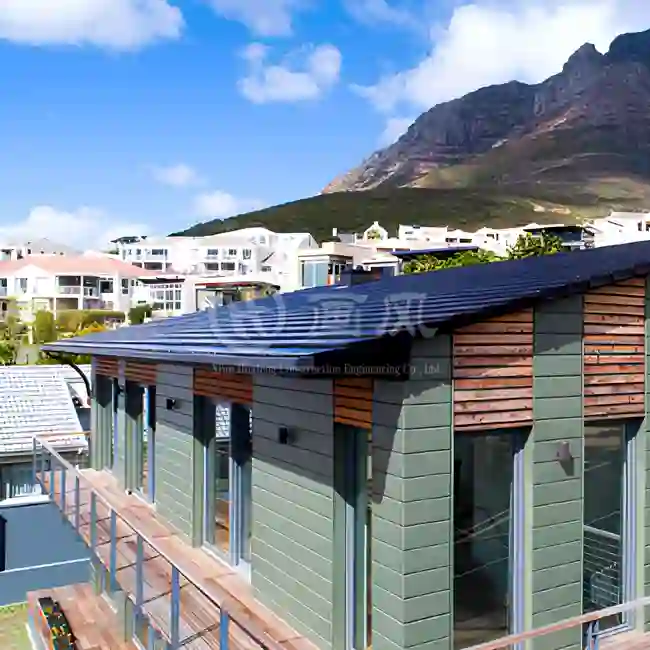
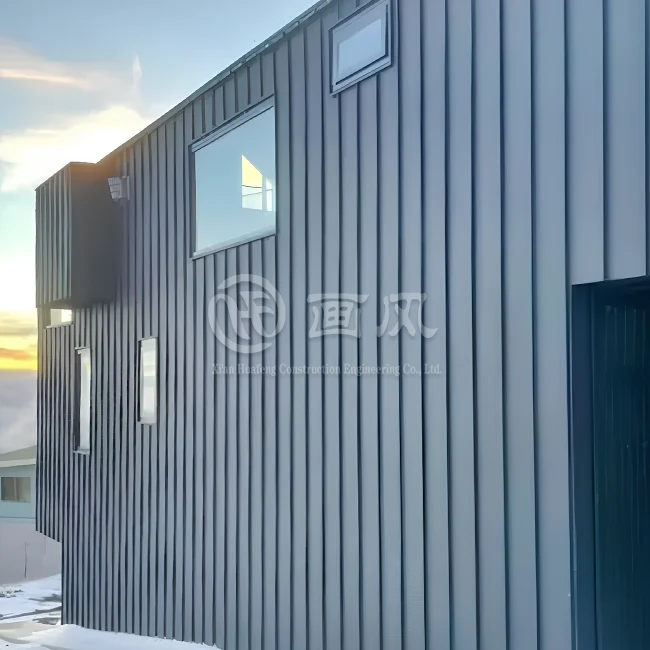
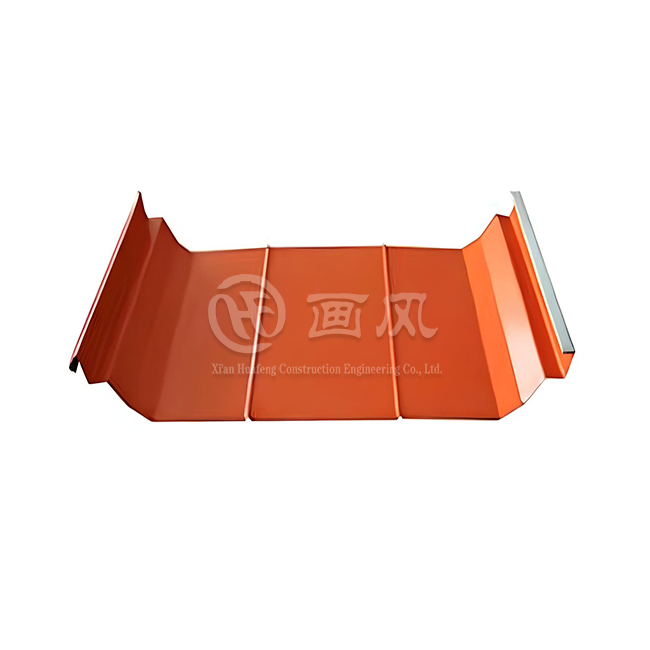
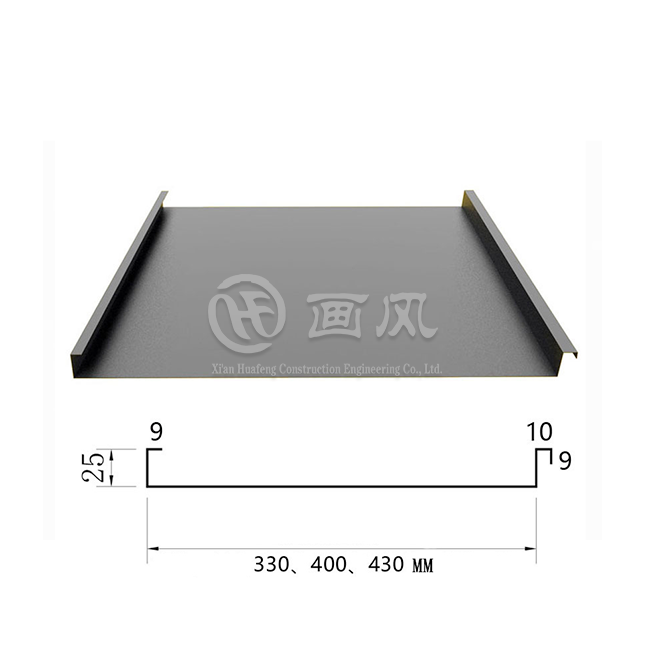
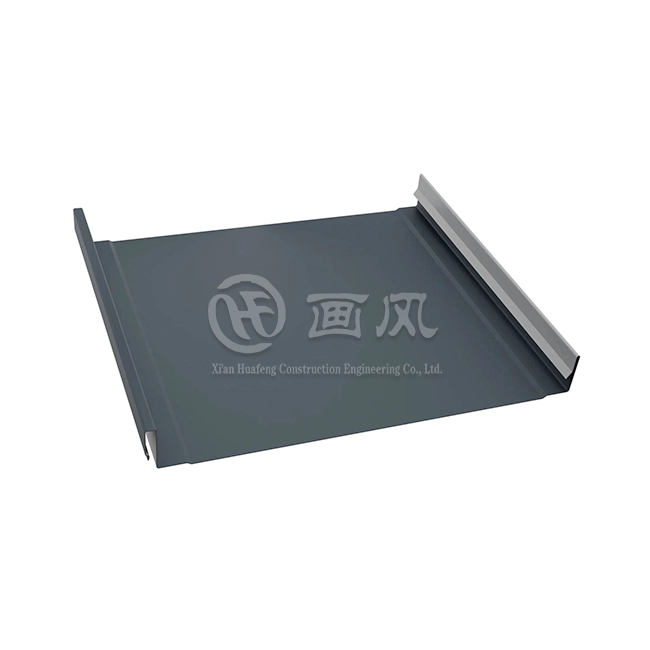
The Snap-clad standing seam roof panel design is a big step forward in the technology of metal roofs. In traditional mechanically seamed panels, each seam needs special tools and trained workers. This system, on the other hand, has a snap-lock mechanism where the male leg of one panel firmly clicks into the female leg of the next panel. This interlocking design makes a continuous water shield along the whole length of the roof, without any visible fixings that could leak over time.
Technical Construction and Materials
These panels use hidden clip systems to connect to the roof substrate. This lets the metal naturally expand and shrink as the temperature changes. The floating clip device stops panel buckling and fastener wear, which are typical problems in fixed-attachment systems. HF makes these panels from a variety of substrates, such as aluminum alloy, coated steel, stainless steel, copper, and titanium zinc, chosen based on the needs of the project, such as the need for fire resistance or resistance to rust in coastal areas.
Specifications That Matter to Buyers
The panel thickness can be anywhere from 0.5 mm to 1.2 mm, so it can be used with a variety of structural loads and budgets. The seams are 45 to 50 mm high, which makes them better at shedding water and gives the building a new look that business clients want. Surface finishes include PVDF and PE coating systems that meet international standards like ASTM, DIN, JIS, BS, and GB/T, ensuring materials are compatible across all regulatory settings for projects managed by foreign building companies.
Core Advantages of Snap Clad Standing Seam Roof Panels
The decision to specify Snap clad standing seam roof panels over alternative roofing systems stems from several compelling performance and economic factors that directly address the priorities of construction companies and property developers.
Superior Weather Protection and Structural Integrity
The elevated seam design makes a strong shield against wind-driven rain, even in harsh weather like places that are prone to hurricanes or get a lot of snow. The continuous interlock gets rid of the capillary action issues that come up with overlapped panel systems, where water can be sucked up between the joints of the panels during heavy storms. The results of tests show that these panels can handle wind lifting forces that are higher than the industry standard, making them suitable for high-rise commercial buildings and open industrial facilities where roof performance is critical.
Extended Service Life With Minimal Maintenance
HF backs these panels with a 30-year guarantee, which shows that they will really last—something that procurement officers look at when they figure out the total cost of ownership. The main point of failure in exposed-fastener systems is where weathering gaskets break down and screws come free over time. The hidden fastener design gets rid of this problem, which directly means fewer maintenance calls and lower lifecycle costs for big business properties or educational buildings.
Energy Efficiency and Sustainability Credentials
Metal roofs naturally reflect sunlight better than asphalt-based systems, which means that less cooling is needed in the summer. These panels help meet the LEED certification standards that many business developers seek for green building projects when they are combined with reflective PVDF finishes available in any RAL color. When the panels reach the end of their useful life, they can be recycled in their entirety, helping companies meet sustainability goals and environmental reporting standards.
Accelerated Installation Reducing Labor Costs
The snap-together design gets rid of the need for mechanical seaming machines and the skilled teams needed to run them. Compared to standard standing seam systems, installation teams can cover a lot more square footage per day. This directly lowers labor costs, which are often the most variable cost in roofing projects. This speed advantage is especially useful for repair projects where the building's usage plans need to be kept as smooth as possible, or for new construction, where finishing the roof starts the next phase of work inside.
Customization Flexibility for Architectural Requirements
HF gives builders and designers a lot of ways to customize the product, so they can meet exact aesthetic needs without sacrificing function. The RAL color matching system gives you almost infinite finish choices that can be used to match your company's brand or go with the faces of other buildings. You can choose from aluminum, steel, copper, or specialty alloys as a material, letting you make specifications that are specific to the setting or your design goals, from modern industrial looks to heritage restoration.
Snap Clad vs. Other Roofing Solutions: A Comparative Analysis
Performance Advantages Over Mechanically Seamed Systems
While mechanically seamed panels offer proven performance, they require trained installation crews and portable seaming machines that add equipment rental costs to projects. The Snap clad standing seam roof panel design achieves comparable weather resistance and thermal movement accommodation without this specialized equipment requirement. Installation error rates decrease substantially since the snap mechanism provides tactile feedback confirming proper engagement, whereas mechanical seaming quality depends heavily on operator skill and equipment calibration.
Cost-Effectiveness Compared to Corrugated Metal Roofing
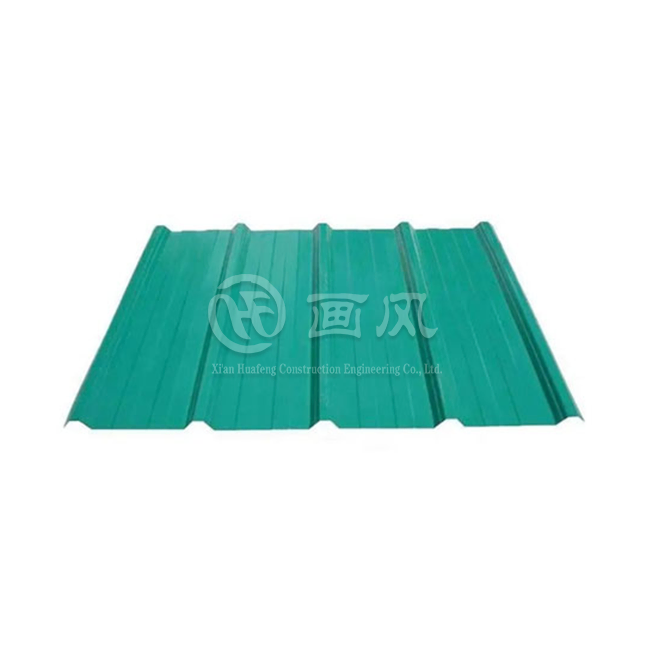
Although corrugated panels have lower original material costs, the upfront savings are quickly lost due to the need for ongoing upkeep on their exposed fastener design. When facility managers have to change fasteners and reapply sealant to corrugated metal roofs, they often wish they had chosen concealed-fastener systems. Standing seam panels have clean lines and a high-end look that can also raise property prices and attract tenants in business real estate, where aesthetics directly impact leasing rates.
Structural Resilience and Longevity
The corrective leveling leg incorporated into quality panel profiles acts as a spacer that maintains panel flatness even as substrate materials settle or shift slightly over time. This design detail minimizes the oil canning effect—visible waviness in flat metal surfaces—that can create aesthetic concerns in high-visibility applications. When combined with proper underlayment and substrate preparation, these panels maintain their appearance and performance characteristics for decades with virtually no intervention required.
Procurement and Practical Considerations for B2B Buyers
Supply Chain Reliability and Production Capacity
HF operates three manufacturing facilities with seven dedicated production lines and more than 40 specialized machines, generating a monthly supply capacity of 1,000 tons. This substantial production capability ensures consistent availability of Snap-clad standing seam roof panels, even for large multi-building projects or developers managing multiple simultaneous construction sites. The 15-20 day delivery timeframe following order confirmation allows project managers to coordinate material procurement with construction schedules effectively, avoiding costly delays.
Minimum Order Quantities and Bulk Purchasing
With a minimum order number of 500 square meters or one ton, the product can be used for medium-sized business projects and by contractors in charge of smaller, more specialized installations. The benefits of buying in bulk become important for developers who are in charge of several buildings or general builders who have a lot of construction projects going on at the same time. Being able to standardize on a single supplier and product specification across multiple projects simplifies procurement and creates opportunities for volume pricing negotiations.
Customization Process and Technical Support
Customization for a specific project starts with choosing materials appropriate to the building site and environmental exposure. For installs near the coast, aluminum or stainless steel substrates that don't rust from salt spray are best, while inland commercial buildings often specify galvanized steel for optimal cost-performance balance. Color selection follows, with powder coating or PVDF finishes applied according to fade resistance requirements. HF technical teams provide specification assistance, ensuring panel profiles and accessory components integrate properly with building envelope details.
International Standards Compliance
These panels meet ASTM, DIN, JIS, BS, and GB/T standards, which means they can be used in foreign building projects where the paperwork for regulatory compliance needs to meet the needs of more than one state. This broad agreement with standards is appreciated by engineering firms that work on projects for international companies because it makes writing specifications and getting approvals easier in a wide range of geographic markets. Quality certifications reduce the technical review burden on project engineers and building officials, accelerating permit approvals.
Case Studies and Real-World Applications
Commercial Warehouse Complex Performance
An American transportation company retrofitting 200,000 square feet of warehouse roofing across three buildings selected Snap clad standing seam roof panels to replace failing built-up roofing systems. Installation occurred during normal business operations with minimal disruption to warehouse activities below. The project achieved substantial completion two weeks ahead of schedule due to installation efficiency, avoiding expensive expediting costs. Post-installation, the facility manager reported immediate energy savings from improved thermal performance, with HVAC cost reductions offsetting a portion of the investment within 18 months.
Institutional Building Durability
A state university system chose these panels for several campus buildings because traditional roofing systems required frequent leak repairs that disrupted academic activities. The concealed fastener design eliminated the maintenance calls that had plagued older buildings, freeing facilities staff to address other maintenance priorities. The 30-year warranty coverage aligned with the institution's capital planning cycle, providing budget certainty for facilities directors managing long-term maintenance forecasts across dozens of campus structures.
Retail Development Aesthetic Appeal
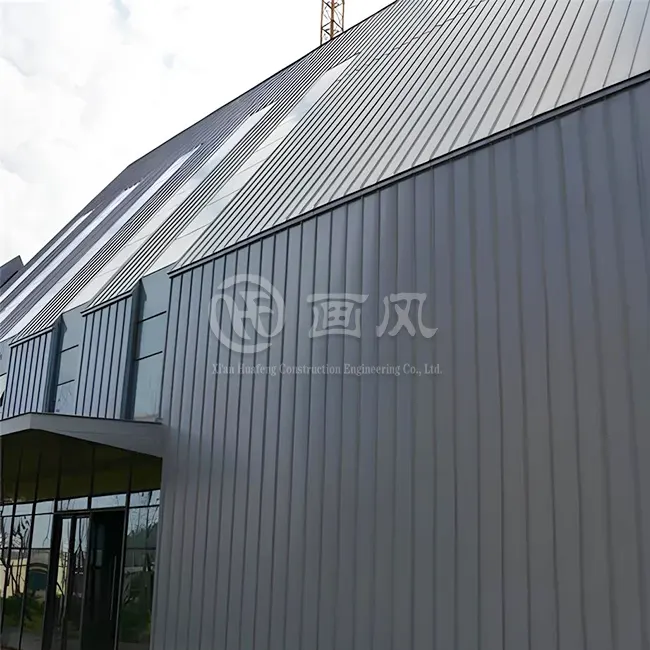
A shopping center developer chose panels with custom color matching for anchor tenant buildings, achieving the premium architectural appearance that justified higher lease rates while maintaining the weather protection essential to protecting interior retail environments. The clean vertical lines and color consistency met brand guidelines for national retailers whose corporate real estate teams approve building designs. Installation speed kept the project on schedule for seasonal tenant openings that drive retail revenue.
Conclusion
Snap clad standing seam roof panels deliver measurable advantages for commercial and industrial construction projects where weather protection, lifecycle costs, and installation efficiency determine roofing system selection. The combination of concealed fastener durability, accelerated installation capability, and extensive customization flexibility addresses the core requirements that procurement managers and construction professionals prioritize when specifying metal roofing systems. Understanding these advantages equips decision-makers to evaluate options confidently and select roofing solutions that optimize project outcomes across performance, budget, and schedule dimensions.
FAQ
1. What Minimum Roof Slope Works With These Panels?
These Snap-clad standing seam roof panels perform reliably on roof pitches as low as 2:12, making them suitable for commercial buildings where low-slope roofing traditionally required membrane systems. The elevated seam height and continuous interlock prevent water infiltration even during wind-driven rain events common in exposed locations. Projects with flatter pitches should consult with technical representatives to ensure proper substrate preparation and underlayment selection that complement panel performance characteristics.
2. How Do Thermal Movement Accommodations Function?
The floating clip attachment system allows panels to expand and contract independently of the roof substrate as temperatures cycle between day and night or across seasons. This movement accommodation prevents the stress concentrations that cause fastener pull-through or panel buckling in fixed-attachment systems. Long panel runs may incorporate specific fixity points with expansion clips spaced appropriately to control movement direction while maintaining weather seal integrity along the entire seam length.
3. Can Installation Occur Over Existing Roofing?
While direct installation over existing substrates is possible under certain conditions, optimal performance results from installation over properly prepared solid substrates with high-temperature underlayment. This approach maintains fire ratings and provides the planar surface quality that minimizes oil canning visibility. Retrofit projects should include roof deck assessment to verify structural adequacy and substrate condition before selecting attachment methods and clip spacing appropriate to existing conditions.
Partner With HF Metal Roofing for Your Next Project
HF Metal Roofing brings three decades of metal roofing manufacturing expertise to commercial and industrial construction projects across North America. As a trusted Snap clad standing seam roof panel supplier, we maintain production capacity exceeding 1,000 tons monthly across three specialized facilities, ensuring material availability that keeps your projects on schedule. Our engineering team provides technical specification support from initial design through installation completion, helping your team navigate material selection, custom color matching, and performance requirements specific to your building applications. Whether you are specifying roofing for a single commercial building or managing procurement across multiple developments, our team delivers the responsive service and quality consistency that construction professionals depend on. Contact our specialists at huafeng@hfmetalroof.com to discuss your project requirements, request technical specifications, or obtain volume pricing for your upcoming roofing installations.
References
1. Metal Construction Association. "Guide Specification for Snap-Together Standing Seam Metal Roof Panel Systems." Technical Publication Series, 2022.
2. National Roofing Contractors Association. "The NRCA Metal Panel and SPF Roof Systems Manual." Rosemont: NRCA Publications, 2021.
3. American Society for Testing and Materials. "ASTM E1592: Standard Test Method for Structural Performance of Sheet Metal Roof and Siding Systems by Uniform Static Air Pressure Difference." West Conshohocken: ASTM International, 2020.
4. Copper Development Association. "Metal Roofing Design Guide: Standing Seam Systems for Commercial Applications." New York: CDA Technical Publications, 2019.
5. Whole Building Design Guide. "Metal Roofing Systems: Selection Criteria for Commercial and Institutional Buildings." National Institute of Building Sciences, 2023.
6. Green Building Council. "LEED Reference Guide for Building Design and Construction: Metal Roof System Credits." Washington: USGBC Publications, 2021.





YOU MAY LIKE