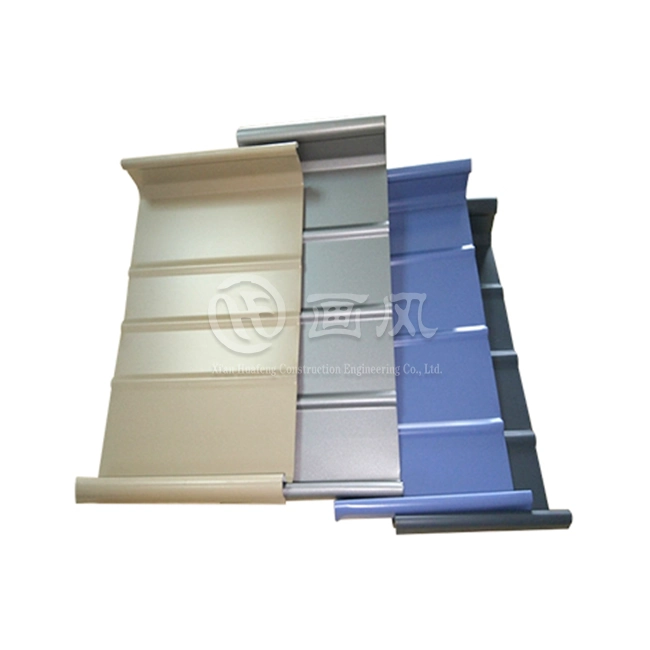
What Are The Advantages Of Double Lock Seam Roof Panel?
2026-07-13 14:59:11
The double lock seam roof panel is always the best choice when building companies and business developers look at roofing systems for tough projects. This new metal roofing technology employs a mechanical folding process that locks the edges of neighboring panels together through a full 360-degree fold. This creates a single, weathertight barrier that works better than standard snap-lock and single-fold systems. These panels are great because they are waterproof and do not need much upkeep, making them especially useful for large-scale structures where dependability is important.

Introduction
The structural stability, operating efficiency, and long-term profitability of business and industrial buildings are all directly affected by the roofing system that is chosen. Purchasing managers, roofers, and property owners are under more and more pressure to choose materials that meet strict building rules and give clear returns on investment. All over the United States, airports, stadiums, convention centers, and factories use double-lock seam roof panels as standard. This is because they meet important performance requirements that regular roofing cannot match.
This guide tells building workers everything they need to know about the mechanical design, performance, and useful benefits of double lock seam roof panel technology. We look at how this method solves long-standing problems like water getting into low-slope projects and thermal expansion stress. Knowing these technical differences helps buying teams make smart choices that balance initial costs with long-term value, making sure that projects stay within budget and last as long as expected.
What Is a Double Lock Seam Roof Panel?
Mechanical Design and Engineering Principles
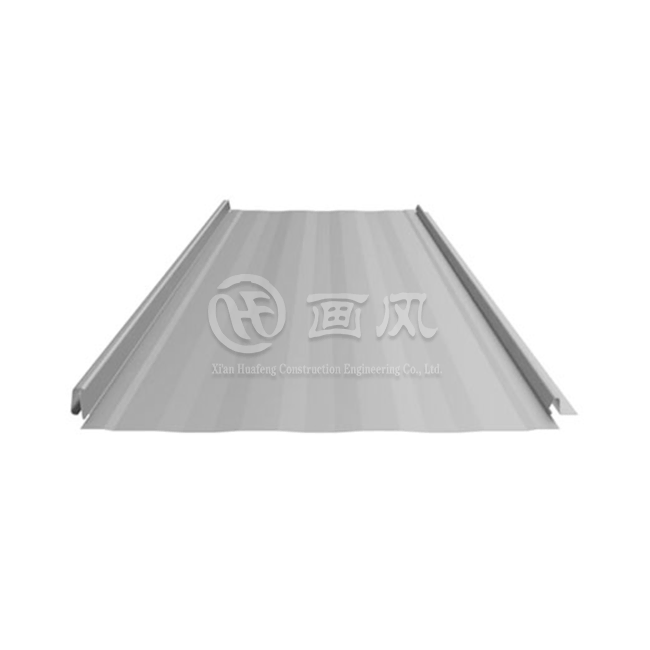
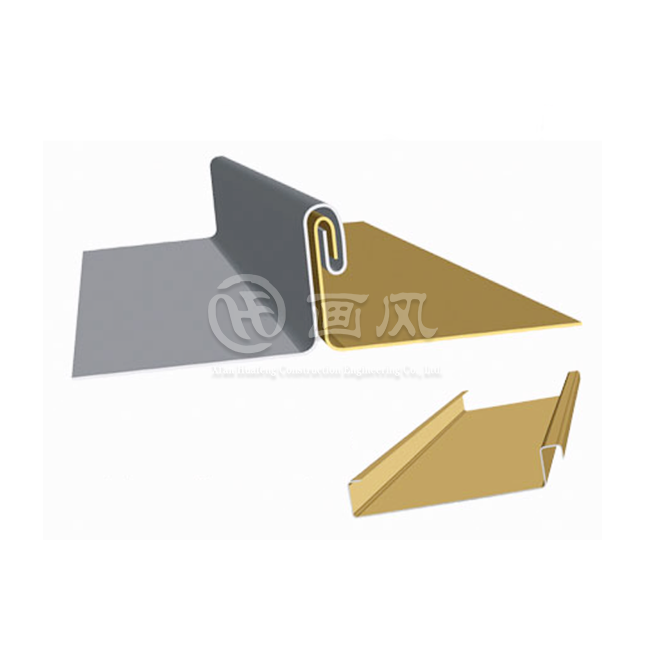
The clever way that the seams are joined is what makes this roofing system unique. During installation, the vertical legs of two panels next to each other fold together in a full 360-degree circle, making what engineers call a "double lock." This mechanical link is very different from snap-lock systems, which use friction or simple 90-degree folds. The double fold stops the capillary action that lets water get into joints that are not as well sealed, even when there is standing water during heavy rain or snowmelt.
Material Specifications and Variations
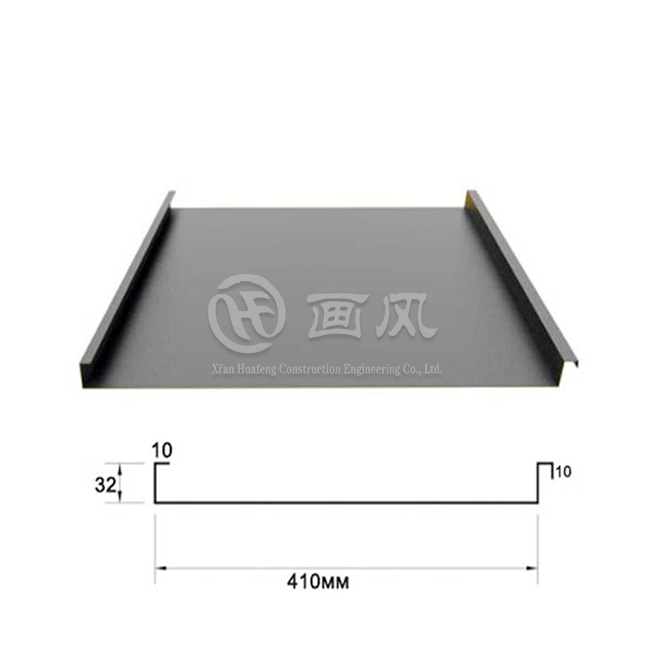
These plates are made from a variety of materials, such as coated steel, aluminum alloy, and stainless steel. Thickness values usually go from 0.6mm to 1.2mm, which lets structure engineers choose the right gauges based on load estimates and span lengths. Panel widths are usually between 400mm and 600mm to cover a lot of ground, and lengths can be changed up to 12 meters to fit long roof runs without any joints. Lock edge heights range from 25mm to 65mm. In coastal or high-altitude sites, higher profiles offer better wind protection.
Industry Standards and Compliance
Organizations like ASTM International have set strict rules for testing these screens. ASTM E1592 sets the standards for structural stability under constant static air pressure, ASTM E1680 sets the standards for resistance to air infiltration, and ASTM E1646 sets the standards for resistance to water infiltration. Following these standards makes sure that the double lock seam roof panel works properly in a wide range of climates, from the hurricane-prone Gulf Coast to the heavy snow areas of the Rocky Mountains. This system for approval gives people who work in buying faith that certain goods will meet proven performance levels.
Key Advantages of Double Lock Seam Roof Panels
Superior Weather Resistance and Structural Integrity
Because the panels are mechanically interlocked, rain driven by wind cannot get through. This means that they can be used on slopes as low as 1.5 degrees, which is something that snap-lock systems cannot do. Tests of wind lifting resistance show that the double-folded seam keeps the panels from coming apart when there is negative pressure, which happens during strong storms. This structural strength gets rid of the common ways that screw-down metal roofs fail, like fasteners backing out and gaskets wearing down over time, which create leak paths.
The hidden clip connection method lets the material expand and contract with temperature changes without putting stress on the fastener points. Metal panels do not pull against set bolts when they get hot in the summer or cool at night in the winter. Instead, they slide along the clips. This design stops oil canning, which is the noticeable waviness that happens on metal roofs that are not properly defined, and keeps the seam's waterproof integrity.
Enhanced Energy Efficiency and Thermal Performance
Several things make it so that buildings with these covering systems have measurably lower cooling costs. The raised seam shape makes a space for air under the panels, which acts as a thermal break to stop heat from transferring through the panels and into the building. PVDF or PE coats on the surface reflect solar energy, keeping the roof surface cooler than darker materials that do not reflect light. The Cool Roof Rating Council did studies that show that properly finished metal roofing can cut the amount of cooling energy used by 20 to 30 percent compared to standard built-up roofing systems.
Insulation against sound is another efficiency benefit. Rain noise is lowered by the metal base mass and the air space under the panels. Outside sounds are also less likely to get into occupied areas. This soundproofing benefit is especially useful in places like schools, hospitals, and offices where noise levels inside can make people less comfortable and less productive.
Minimal Maintenance and Extended Service Life
The strong closing mechanism gets rid of the need for regular upkeep that comes with visible fastener systems. With this type of metal roofing, building owners do not have to pay for gasket replacement, bolt tightening, and leak fixes every 5 to 7 years, which are costs that add up over time. Corrosion-resistant materials, such as hot-dip galvanized steel or aluminum alloy, keep structures strong for decades, even in tough seaside areas where salt spray speeds up metal breakdown.
Manufacturers who back these systems with 30-year guarantees show that they are likely to last a long time. This guarantee usually covers both problems with the materials and how well they waterproof, shifting the risk from the building owner to the seller. The long service life directly leads to lower lifetime costs, as building owners do not have to pay for replacements too soon and the building stays protected from the weather all the time.
Design Flexibility and Aesthetic Versatility
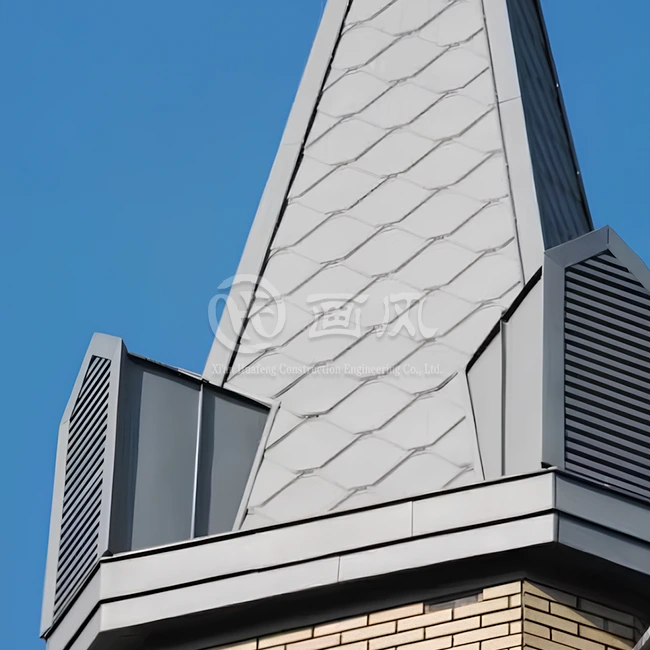
Standing seam lines give buildings a clean, modern look that architects like. Finishes that can be changed across the RAL and Pantone color groups let design teams get specific visual effects while keeping the technical performance. The method works with roofs that have complicated shapes, like curved surfaces, tapered parts, and building shells that are not straight. Panels can follow convex or curved curves without letting water in, which lets you be creative in ways that hard roofing materials cannot achieve.
The different profile heights and panel widths offer relative changes that work with a range of building sizes. Large industrial buildings with taller seam profiles have strong shadow lines, while business buildings with lower profiles want to be more understated. Because it is flexible, a single roofing technology can be used on a wide range of projects, without losing usefulness for style.
Double Lock Seam Roof Panel vs. Alternatives: A Comparative Analysis
Performance Comparison with Snap-Lock Systems
Snap-lock panels are good for projects that want to save money because they are easy to install and require less work. The panels snap together without any special tools, which means that construction costs are 25–35% lower than with mechanically seamed systems. But this ease of use comes at the cost of efficiency. Instead of a mechanical fold, the snap connection relies on friction and clip tension. This makes a joint that can separate under very strong lifting forces. The chance of water getting in is higher in low-slope situations where water is staying still and putting pressure on the snap link.
Thermal movement is harder for snap-lock systems because the link limits how much the panel can grow. As temperatures change, panels push against clip limits, which could eventually wear out fasteners or cause the link to break. The double lock seam roof panel avoids these problems by letting the seam slide freely along hidden clips, which keeps the link strong no matter how often the temperature changes.
Material Selection: Steel versus Aluminum
Steel plates are most often used in heavy-duty situations where the extra weight is necessary for structural strength. Steel that has been galvanized or galvalume-coated is better at resisting damage from impacts than aluminum. This makes it a good choice for buildings where people regularly install or fix equipment on the roof. Steel has a higher value of elasticity, which means that it does not bend as much between purlins. This keeps the flat panel looking over longer lengths.
Aluminum alloy plates are great for uses that need to be light or that are in corrosive conditions. The material's natural oxidation layer protects against erosion better than other coatings, so it can be used for longer in seaside areas or industrial areas where air pollution is a problem. Because aluminum is about one-third as heavy as steel, it lowers the load that needs to be supported by the structure. This could lower the costs of the base and framing for renovation projects where the current structure cannot support heavier roofing systems.
Lifecycle Cost Analysis Against Traditional Roofing
The material prices per square foot are lower for built-up roofs and single-ply membrane systems, which can make them more appealing to buyers who are watching their budgets. Total cost of ownership estimates, on the other hand, show big differences. Membrane systems usually need to be replaced every 15 to 20 years, but double lock seam roof panels that are put correctly usually last longer than 40 years. The costs of upkeep are very different. Metal panels only need to be cleaned and drained every so often, while membrane roofs need to be inspected regularly and have their seams fixed and holes patched.
Differences in the cost of energy add up over decades. In a hot environment, a 100,000-square-foot business building might spend $15,000 a year on cooling if it has a dark membrane roof and only $10,000 if it has a reflective metal roof. Over the course of 30 years, just the money saved on energy costs can be more than $135,000. This can cover the higher cost of installing a metal roof, which also protects better against the weather and requires less upkeep.
Procurement Insights: Selecting and Buying Double Lock Seam Roof Panels
Supplier Evaluation and Quality Assurance
For procurement to work well, manufacturers must first show that they can consistently control quality and provide expert help. Look for providers whose factories are ISO 9001-certified and have quality management systems that can be proven. Precision roll-forming tools should be part of the manufacturing process so that panels can be made with very tight tolerances (usually ±1mm across the width of the panel and ±3mm along its length). This accuracy makes sure that the seams are lined up correctly during installation, which stops fit-up problems that cause projects to run behind schedule.
Ask for full product details, such as readings of the coating's thickness, certifications of the substrate's makeup, and test results for wind uplift and water penetration. Reputable makers do not just rely on their own claims; they also provide test results from outside sources. Check that coating systems meet the AAMA 2605 standards for PVDF finishes. This will make sure that the finish will not fade or chalk and will keep its look during the guarantee time.
Lead Times and Project Scheduling
The current state of the global supply chain affects the availability of metal roofs, which makes relying on accurate wait times essential for planning projects. Standard orders can usually be delivered within 15 to 20 days by manufacturers who keep a fixed collection of standard profiles and colors. Custom colors or specialized profiles, on the other hand, may take 6 to 8 weeks. For projects with tight deadlines, involving suppliers early on in the planning phase is helpful because it lets material buying happen while permits are being processed and the site is being prepared.
Set up clear ways for you and your sellers to talk about things like confirming orders, coordinating shipping, and reaching production goals. Ask for delivery and staging times that work with the installation crew's plans to avoid problems with storage on-site or items being exposed to the weather. Just-in-time delivery services from suppliers cut down on the need for storage on the job site and make sure that supplies appear when installers are ready to start.
Total Cost of Ownership Evaluation
The purchase price per square foot is only one part of the costs of a roofing system. A full cost study looks at installation work rates, which change depending on how complicated the system is and what tools are needed. When compared to snap-lock systems, double lock seam roof panel work usually costs an extra $2 to $3 per square foot and needs skilled teams with mechanical seamers. When you compare this extra cost to the longer service life and lower upkeep needs, it becomes almost irrelevant.
The terms of the warranty have a big effect on the long-term value. A 30-year guarantee that covers both material flaws and waterproofing performance is a lot better than shorter warranties that only cover work or damage caused by the product. Check to see if the guarantee can be transferred if the building's ownership might change. Being able to move coverage increases the property's value and marketability. Instead of just looking at the original cost, figure out the real lifecycle economics by adding up the costs that you will not have to pay for things like maintenance, energy savings, and longer service life.
Installation and Maintenance Best Practices
Critical Installation Requirements
Preparing the material correctly is the first step to good performance. To stop oil canning and make sure seams are lined up correctly, purlins or structural decks must be within 6mm of being flat over 3 meters. Underlayment membranes protect against water during building and also in the long run against condensation. Products that protect against ice and water at high temperatures work well in valleys and where roofs go through holes because water builds up there.
When installing clips, it is important to keep the engineered spacing gaps in mind. These can be anywhere from 600mm to 1000mm, based on the panel profile and wind load calculations. To keep the mechanical seaming process from getting messed up, the clips must fit perfectly inside the seam gap. Installers make sure that the clips are lined up correctly before snapping the panels together because it is hard to move the panels once they are in place. The automatic seamer goes along each seam to finish the 360-degree fold, and skilled workers check the strength of each seam to make sure it engages fully without over-compressing and breaking the metal.
Ongoing Maintenance Protocols
Every six months, there should be routine checks that focus on the drainage parts, the integrity of the seams, and the state of the surface. Clear out valleys, gutters, and drains of garbage to keep water moving properly and stop water from pooling. Check the seam lines for any damage or splits that could have come from walking or putting in tools. Take care of small problems right away, before they get worse and need to be replaced.
Cleaning methods keep the look and thermal efficiency of things. Low-pressure cleaning with gentle detergent solutions can get rid of dirt, pollen, and organic matter. Do not use rough cleaners or high-pressure tools that could damage paint surfaces. In industrial settings with flying contaminants, cleaning more often keeps buildups from happening that could damage the coating or create conditions that trap moisture and encourage rusting.
Conclusion
When it comes to the performance metrics that matter most to people who own business and industrial buildings, double lock seam roof panels offer measurable benefits. The mechanical seaming process makes the roof weathertight in a way that other roofing technologies cannot, especially on low-sloped roofs where water entry is a problem. The benefits of an energy economy lower the building's operating costs over its lifetime, and the low upkeep needs mean that repairs do not have to be done as often. A more thorough lifecycle cost study shows that a more expensive roofing system has a strong economic return through longer service life, less upkeep, and lower energy costs. When procurement professionals look at different roofing choices for important infrastructure projects, these panels always provide the dependability, longevity, and performance needed for long-term success.
FAQ
1. What is the expected service life of these panels?
Installed correctly, systems usually last longer than 40 years, and many setups get close to 50 years without losing their sealing integrity. Manufacturers usually offer 30-year guarantees that cover flaws in the material and performance in bad weather, showing that they are confident in the long-term durability. The actual service life relies on the type of material used, the quality of the coating, the climate, and how well it is maintained.
2. Can these panels support rooftop solar installations?
Using non-penetrating clamps, the standing seam shape is a great place to attach photovoltaic panels. With these clamps, the raised seam is held in place directly, so there are no holes in the roof that could let water in. This way of installing keeps the guarantee valid and provides a safe base that can handle wind loads. The metal substrate's ability to bounce light and hold heat better improves the performance of solar panels by lowering the effects of heat islands.
3. How do these panels perform in extreme weather conditions?
Testing shows that it is very resilient to harsh weather. When designed and built correctly, wind uplift strength is higher than what is needed in storm zones. The continuous metal sheet quickly sheds snow and ice, keeping them from building up and damaging other types of roofs. With their low-slope design, these panels can handle heavy rain without letting water in, making them perfect for places where it rains a lot. Thanks to the thermal expansion feature built into the clip connection system, the temperature can be changed from -40°F to 180°F without affecting performance.
Partner with HF for Premium Double Lock Seam Solutions
Xi'an Huafeng Construction Engineering Co., Ltd. is an expert at making and selling double lock seam roof panel systems that are designed to work well in tough business and industrial settings. We can fully customize our products to meet standards 25-330/400/430, 32-410, 45-400, and 65-400/430, and we can make panels with thicknesses ranging from 0.6mm to 1.2mm. We keep strict quality standards by using ISO 9001-certified methods. Our work is backed by a 30-year guarantee, and we always deliver within 15 to 20 days. As an experienced company that makes double-lock seam roof panels, we offer full technical support, from helping you come up with specifications to showing you how to install them. Get in touch with our team at huafeng@hfmetalroof.com to talk about your project needs and find out how our solutions can meet your clients' needs for performance, dependability, and value.
References
1. Smith, J.R. & Anderson, K.M. (2021). Advanced Metal Roofing Systems: Design and Performance Analysis. American Society of Civil Engineers Press.
2. National Roofing Contractors Association (2022). Metal Panel Systems Design Manual, 4th Edition. NRCA Technical Publications.
3. Thompson, L.D. (2020). "Comparative Lifecycle Cost Analysis of Commercial Roofing Systems," Journal of Building Engineering, Vol. 34, pp. 201-219.
4. Metal Construction Association (2023). Technical Bulletin: Standing Seam Roof Systems Installation Guidelines. MCA Technical Services Division.
5. Patterson, R.W. & Liu, C.H. (2019). "Thermal Performance Characteristics of Metal Roofing in Hot Climates," Energy and Buildings Research Quarterly, Vol. 28, No. 3, pp. 445-462.
6. International Building Code Council (2021). IBC 2021: Roof Covering and Construction Standards. International Code Council Publications.





YOU MAY LIKE
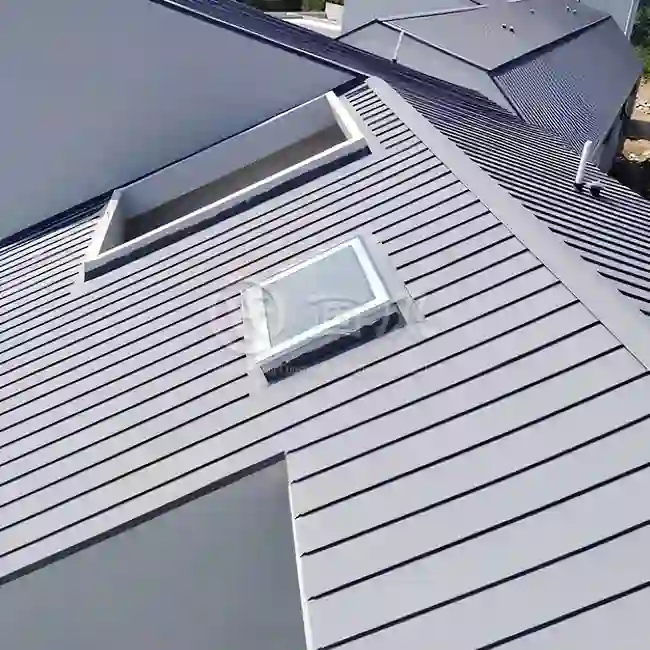
_1769761215912.webp "Ventilation noise reduction net")
_1768552571575.jpg "Aluminium Fascias")