How does double lock metal roofing perform in extreme weather conditions?
2026-07-13 14:59:09
Due to its mechanically seamed, double lock metal roofing, double-folded panel design, which forms a solid shield against wind, water, and temperature stress, double-lock metal roofing performs admirably in harsh weather. The system's 360-degree seam fold, factory-applied sealants, and hidden clip connection stop panels from lifting during storms, stop water from getting in through capillaries in low-slope applications, and allow for thermal expansion with floating clip mechanisms. Because of how it's designed, it's the best roofing material for business buildings in hurricane-prone areas, snowy mountain regions, and desert climates with big changes in temperature.

Understanding Double Lock Metal Roofing and Its Weather Resistance
What Makes the Double Lock Seam Unique
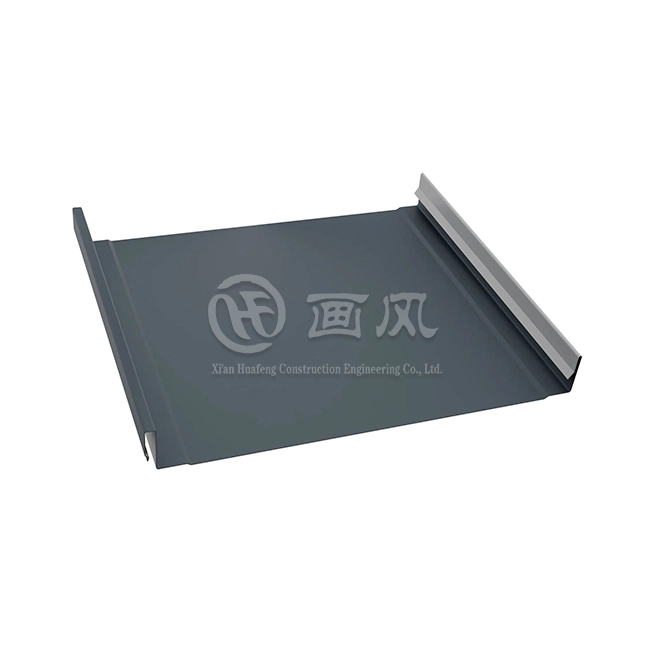
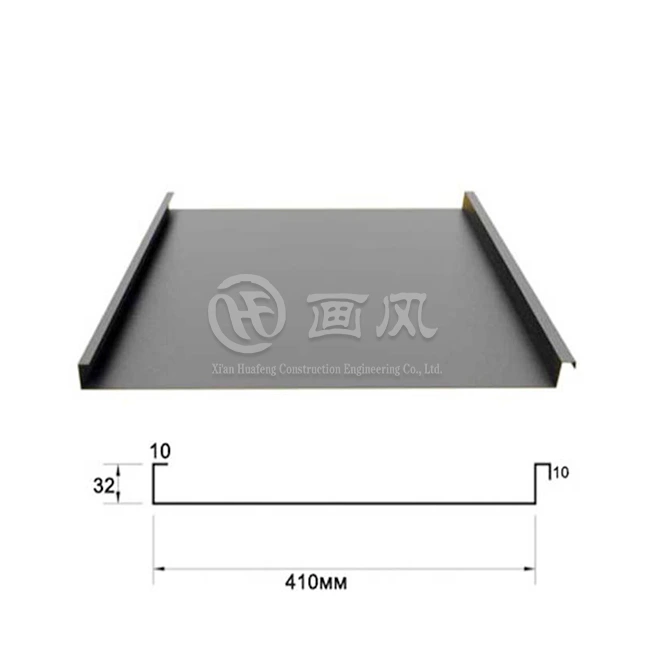
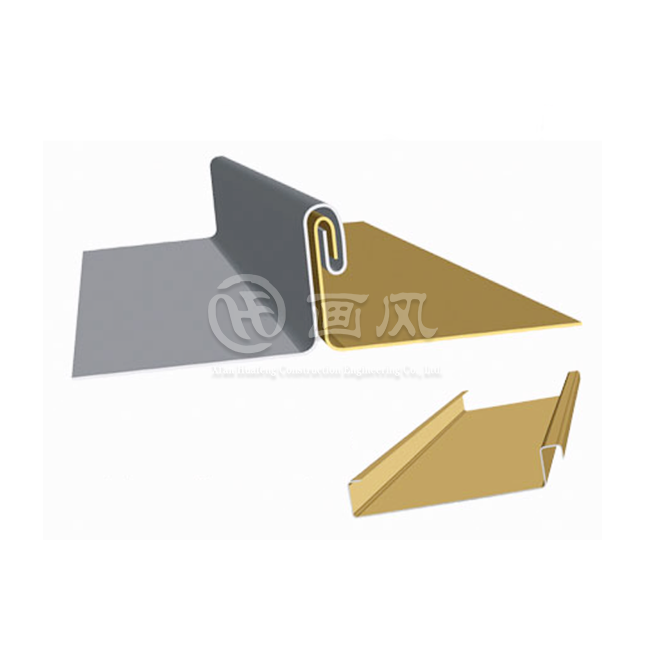
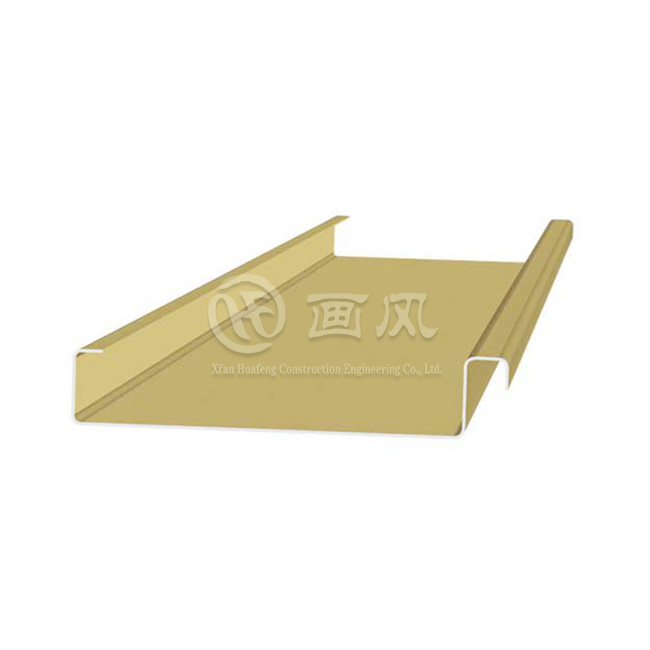
Seam form distinguishes this roofing design. The double-lock design folds the male and female panel legs twice, unlike friction-fit snap-lock devices. Hands or machines can achieve this. This prevents panels from falling apart as pressure or temperature rises. A seamless, solid roof surface with no visible fasteners through the weatherproofing is created.
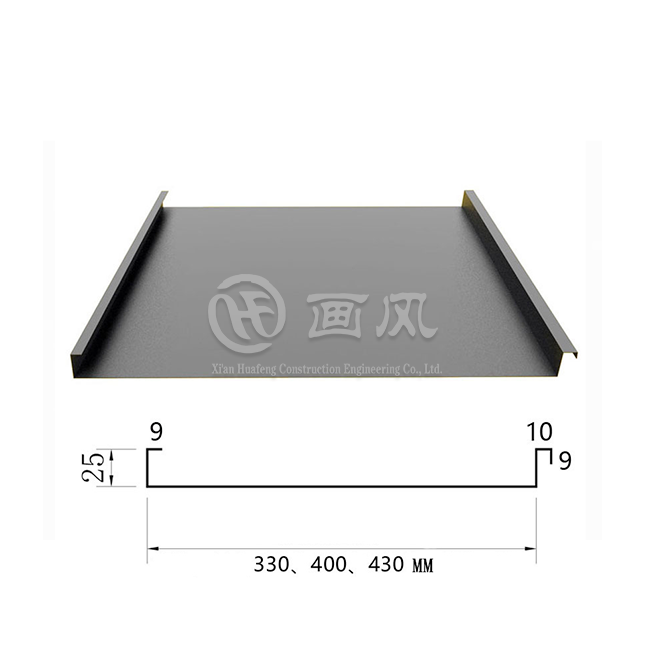
According to our experience with various commercial installations, the mechanical locking procedure incorporates concealed clips directly into the seam bundle, providing uplift resistance that exceeds UL 90 certification. Between 25 and 65 mm is the seam height. Higher forms protect coastal and high-elevation constructions against wind.
Core Weather-Resistance Mechanisms
Several built-in features make this covering system weatherproof. Even when hydraulic pressure breaks other approaches, the double-folded seam creates a capillary break that prevents water. The manufacturer sprays a hot-melt sealant within the female leg for further protection. Water flow slows down in low-slope usage with a pitch of 0.5:12 or less, making this crucial.
The system handles temperature expansion via floating clips. This allows panels over 30 meters to expand and contract without buckling or fastener pull-out. This design aspect is crucial if seasonal temperatures vary by 50°C or more. It prevents oil-canning and stress fractures from inflexible connections.
Weather protection improves with the correct materials. PVDF surface treatments (Kynar 500 or Hylar 5000) protect ASTM A792 galvanised steel, aluminium alloys, and stainless steel panels from UV degradation. Delta E colour fading measurements remain below 5 after decades of exposure. These substrates fulfil ASTM, DIN, JIS, BS, and GB/T standards and come in widths from 0.6mm to 1.2mm.
Performance Analysis of Double Lock Metal Roofing Under Extreme Weather
Wind and Storm Resistance in Hurricane-Prone Regions
Mechanical seaming is better than snap-lock methods because it creates a stronger bond between pieces in double lock metal roofing systems. According to ASTM E1592 guidelines, double-lock systems that are installed correctly can handle wind uplift forces of more than 150 pounds per square foot. This level of performance is especially important for commercial buildings near the coast, where storm winds can reach 250 km/h or more.
There are no visible fasteners, eliminating a typical corrugated and conventional metal roof failure point. Hurricanes may cause exposed bolt roofs to crumble when screws loosen and wind-driven rain enters. The double-lock design spreads wind stresses over the seam structure rather than focusing stress on a few fasteners.
Hurricane-prone area performance data supports these technological benefits. Commercial shops and distribution facilities using double lock metal roofing systems may survive Category 3 and 4 hurricanes on the Gulf Coast, but adjoining structures with conventional roofing systems may need substantial repairs or replacement.
Snow Load Capacity and Ice Dam Prevention
The roofing system can withstand significant snow loads without panel deformation or seam separation due to its structural seam design. About 1.5 meters separate the panels from the structural purlins. A load-bearing surface uniformly distributes snow weight. This characteristic is crucial in Alpine industrial locations where snow might reach 2 meters.
The raised seam shape and continuous panel design let heat escape and water drain, preventing ice jams. Architectural shingles feature flat ice-building regions. However, the standing-seam design allows snow slide and meltwater flow. Clamp snow holding systems to the seam without passing through the roof. Snow melts gently and safely, safeguarding building occupants and neighbouring buildings.
Heat Resistance and UV Protection
PVDF and PE surface coatings protect better against heat and UV radiation. Fluoropolymer coatings reflect sun light due to their chemical nature. This keeps coated metal 15-20°C cooler than uncoated metal. This thermal performance extends material life and reduces building energy usage by blocking heat from the roof system.
The coating procedures prevent chalking and colour loss, which damage appearance and protection. Accelerated ageing experiments that simulate 30 years of UV exposure demonstrate that the layer hasn't altered colour or structure. The metal foundation doesn't corrode, therefore the roofing system lasts as long as expected.
In arid places where roof temperatures may reach 80°C in summer, floating clips are essential for thermal expansion control. The device may expand 1.2 mm per 10 meters of panel length every 10°C temperature change. This prevents stress accumulation that causes panel buckling and fastener failure in tightly coupled systems.
Installation Best Practices to Enhance Extreme Weather Performance
Critical Installation Procedures for Weather-Tightness
Building procedures must be followed to maximise weather performance. For sealed seam installations, the foundation must be level, sturdy, and slope at least 0.5:12; for open installations, 3:12. Spaced and aligned structural steel or wood purlins prevent panels from bending when loaded.
Mechanical seaming requires unique instruments and skilled workers. The final double-lock profile is made by folding the panel legs in half 180 degrees using portable seaming tools. In this phase, quality control checks ensure that the seam firmly contacts the base and finish without breaking or deforming. End seam thickness is measured using a go/no-go gauge to verify formation.
Engineers use wind zone, building height, and roof design to compute hidden clip distance. The clips are secured to the structural basis using self-tapping screws with EPDM washers at 300mm to 600mm intervals, depending on uplift. The clips attach the seam during mechanical folding, preventing the cloth from lifting but allowing longitudinal movement due to temperature variations.
Avoiding Common Installation Errors
Many building approaches reduce weather efficiency and should be avoided. Overtightening screws causes stress concentrations that might damage the base or clip. Uplift resistance decreases when fasteners are under-driven and don't hit the base. Due to improper tool calibration or installation training, both problems occur.
Unconnected seams might also fail. Along the panel, the automated seamer must fold both 180 degrees. It forms the usual double-lock shape. Water may enter partial engagement gaps. Low-slope conditions where water pressure drives it into any place are particularly problematic.
Maintenance Strategies for Long-Term Performance
Preventive repair makes sure that double lock metal roofing lasts longer and can withstand different weather conditions. On an annual basis, seams should be checked to ensure they remain properly attached, coatings should be inspected for damage, and drainage systems should be kept clear of debris. Due to salt spray exposure, coastal systems require more frequent inspections, with particular attention given to fasteners and coatings to prevent rust.
Minor damage to the covering caused by walking on the roof or falling branches should be repaired immediately with compatible touch-up paint. Although PVDF coatings provide strong protection, exposed metal that remains in contact with water may develop rust, which can weaken the structure. Identifying and repairing small areas of damage early helps prevent costly panel replacement in the future.
When debris accumulates in valleys and around penetrations, it can trap water and accelerate corrosion. Cleaning these areas every three months can help prevent long-term damage. Compared with profiled metal or shingle roofs, the smooth surface of double lock metal roofing reduces the chance of debris buildup. However, industrial environments with airborne contaminants may require more frequent cleaning to maintain the roof’s appearance and performance.
Cost, Longevity, and Return on Investment in Extreme Environments
Understanding Total Cost of Ownership
The price of materials for standing-seam roofing systems ranges from $45 to $85 per square meter, based on the type of foundation material, coating, and panel layout. Because it needs to be mechanically seam-sealed and installed with special tools, the double-lock system costs 15–25% more than snap-lock options. This initial investment pays off in a big way because it lasts longer and is more resistant to weather.
40–60% of the total cost of the job goes to installation workers. When compared to snap-together systems, mechanical seaming costs more because skilled workers are needed to operate special tools. Getting rid of sealants and sealing, on the other hand, lowers the long-term costs of upkeep that come with less advanced roofing systems.
For big business projects, buying in bulk can save you a lot of money. With the ability to make 1,000 tons of steel per month, we can provide steady quality and low prices for large building projects. The minimum order size of 500 square meters, or 1 ton, makes it possible for projects of all sizes, from small business buildings to huge industrial complexes. Delivery times of 15 to 20 days keep building plans on track and allow for customization of specifications, such as panel widths of 25 to 330/400/430, 32 to 410, 45 to 400, and 65 to 400/430mm.
Lifespan Expectations and Lifecycle Value
When you put together strong base materials, better finishing systems, and a designed seam design, you get a service life of more than 30 years with little upkeep. Our 30-year guarantee shows that we trust the durability of the materials and the quality of the production. Unlike most roofing materials, which need to be replaced every 15 to 20 years, this one will last a lot longer.
The saved replacement costs must be included in the total cost of ownership estimate. A business building that will be used for 50 years might need three asphalt shingle roof repairs, each costing about $50 per square meter. This would add up to $150 per square meter in roofing costs. A single standing-seam installation that lasts the life of the building gets rid of these ongoing costs and keeps businesses from having to deal with the disruptions that come with multiple construction projects.
Less upkeep is needed, which increases the lifecycle worth even more. Since there are no visible bolts, they don't need to be tightened or replaced as often as they do on regular metal roofs. The PVDF covering keeps its protective properties without needing to be painted again, so you don't have to spend a lot of money coating the whole roof every ten years.
Energy Efficiency and Insurance Benefits
PVDF-coated metal roofing is 20–40% less likely to need to be cooled than dark-colored regular roofing because it reflects more heat. This success makes the system eligible for LEED credits and other green building standards, which could lead to tax breaks and higher property values. Metal roofing parts can be recycled over and over again, which is in line with companies' pledges to sustainability and the concepts of the circular economy.
Insurance companies know that metal roofing systems are better at resisting fire and wind, so they often lower the rates of business buildings in high-risk areas by 10 to 30 percent. The Class A fire grade and proven hurricane performance lower the chance of a claim, which has real-world financial benefits that help with project return on investment estimates.
Comparing Double Lock Metal Roofing With Alternatives for Extreme Weather
Performance Comparison With Snap-Lock Systems
Friction-fit panel joints on snap-lock metal roofs make installation faster because there is no need for mechanical seaming. This method works well for homes and small businesses with steep slopes where appearance is more important than ultimate weather protection. However, the friction-based connection is not as strong as manually folded joints used in double lock metal roofing systems.
The important difference becomes clear in the most challenging conditions. Uplift tests show that snap-lock panels can come loose at wind speeds of 90 to 120 pounds per square foot, which is much lower than the 150 pounds per square foot that double-lock systems can withstand. This performance gap means that commercial buildings in hurricane-prone areas or regions with strong winds face a higher risk of serious roof failure.
The double-lock design also provides better water resistance. The friction-fit connection of snap-lock systems can create pathways for water penetration, especially in low-slope applications. Snap-lock systems perform well on steep residential roofs where water drains quickly, but they are not recommended for commercial buildings with slopes below 3:12, where standing water may create long-term hydrostatic pressure.
Traditional Roofing Material Limitations
Architectural shingles and clay tiles are the most popular types of roofs for homes, but they don't work well for business uses that need to withstand harsh weather. Shingle systems rely on layers that meet to keep water out, but this design flaw means that rain driven by the wind can get through the gaps. Damage reports from hurricanes always show that shingle roofs take a lot of damage while metal roofs next to them stay intact.
Because clay tile roofs are so heavy (about 50 kg per square meter), they need a lot of structural support, which raises the cost of building. Tile is easy to break when it hits something hard, like snow or wind-blown debris. Standing-seam metal roofs are better at keeping out the weather and supporting weight than tile roofs, even though tiles look nice on some architectural types.
For farming and basic commercial buildings, corrugated metal roofing is a cost-effective option. Because the fasteners are visible, there are many places where water can get in as the washers wear out over time. The wave profile also collects garbage and doesn't block the wind as well as physically seam standing-seam profiles. For business buildings that need to work reliably for a long time, corrugated metal is a waste of money because it needs to be maintained often and needs to be replaced too soon.
Selecting Quality Suppliers and Installation Partners
For harsh weather roofing projects to be successful, they need to work together with providers who uphold strict quality standards and provide full support. To make sure that products are always of high quality and that businesses run in a way that doesn't harm the environment, factories should show that they follow the ISO 9001 quality management system and the ISO 14001 environmental management system.
When working on tight building schedules for big business projects, production ability is important. Suppliers with multiple factories and a lot of production equipment, like our three factories, which have seven production lines and more than 40 specialized tools, can handle large orders while still keeping quality control in check. This infrastructure makes it easy to respond quickly to project needs and make sure that materials are always available during the building.
Professional providers are different from commodity vendors because they offer technical help throughout the entire project lifecycle. Having engineering help with the planning process makes sure that the panel specs, fastening patterns, and installation details are all in line with the needs of the project and the conditions on the site. On-site installation support helps workers deal with tricky roof shapes and bad weather, which keeps them from making mistakes that hurt the system's long-term performance.
Warranty coverage is an important way for building owners and project creators to reduce risk. Comprehensive warranties that cover both flaws in the material and the performance of the coating, like our 30-year guarantee, show that the maker is sure that the product will last. Commercial roofing projects are big investments that need to be protected by warranties with clear terms and quick claims handling.
Conclusion
Standing-seam metal roofing with automatically seamed profiles, such as double lock metal roofing, performs better than many other roofing systems in harsh weather conditions, thanks to its design features that other roofing systems can't match. When you combine the strength of the double-folded seam with modern base materials and protective coatings, you get a roofing system that can withstand hurricane-force winds, heavy snow loads, and severe weather without allowing water intrusion. The system's long service life and low maintenance requirements make its lifecycle value attractive, which explains its higher initial cost compared to less expensive options. If building owners, developers, and roofing contractors want to protect commercial and industrial buildings reliably, they should choose standing-seam systems from manufacturers with strict quality standards and comprehensive technical support.
FAQ
1. What minimum roof slope works with double lock metal roofing?
When a factory-applied sealer is built into the seam fold, the system can handle slopes as low as 0.5:12, which is about 2 degrees. Because of this, it can be used on business roofs that are almost flat, where other standing-seam systems might let water in. Steeper slopes of 3:12 or more allow installations that aren't sealed, but still have great weather resistance thanks to the capillary break design of the mechanical seam.
2. How does thermal expansion affect panel performance?
Floating clip connection methods let panels bend and stretch as the temperature changes without putting stress on them. As the seasons change, roof temperatures can go from -30°C to +80°C, which can cause panels longer than 30 meters to move a few millimeters along their length. The clips move along the structure base while still resisting lifting. This stops the clips from buckling and the fasteners from pulling out, which can happen with rigid connection methods.
3. Can damaged panels be repaired, or must they be replaced?
Minor harm to the cover from walking on it or hitting it with something can be fixed with repair paint that is appropriate to stop corrosion. The double-lock seam, on the other hand, is a fixed structural link that can't be easily undone without damaging the panels or special tools. When a panel is badly damaged, the damaged part is usually cut out, and a new panel with new seam links on both ends is put in its place.
Partner With HF for Your Double Lock Metal Roofing Projects
As a reliable double lock metal roofing supplier, Xi'an Huafeng Construction Engineering Co., Ltd. takes on difficult business roofing jobs in a wide range of climates by using its excellent manufacturing skills and technical know-how. Our three production sites, which are home to seven coating lines and specialized forming equipment, provide consistent quality on a large scale. Each month, they can produce more than 1,000 tons of material to meet the needs of large-scale building projects. Our standing-seam products come with a 30-year warranty because we are confident that the materials meet international standards such as ASTM, DIN, JIS, BS, and GB/T.
Our expert team can help with engineering from the planning stages all the way through installation, no matter if your project needs to be resistant to wind in coastal areas, able to handle snow loads in mountainous areas, or water-tight on low slopes for modern business buildings. We offer unique solutions that meet the needs of each project. Our width ranges from 0.6mm to 1.2mm, we offer a wide range of RAL and Pantone colors, and our PVDF/PE coating systems are made to withstand harsh conditions. Get in touch with us at huafeng@hfmetalroof.com to talk about your roofing needs with a company that is dedicated to the success of your project.
References
1. Metal Construction Association. "Guidelines for Proper Installation of Standing Seam Metal Roof Panels." Technical Bulletin Series, 2021.
2. American Society of Civil Engineers. "Minimum Design Loads and Associated Criteria for Buildings and Other Structures (ASCE 7-16)." Standards Publication, 2017.
3. Johnson, R.W., Miller, P.A. "Performance Evaluation of Metal Roofing Systems in High-Wind Events: A Post-Hurricane Analysis." Journal of Architectural Engineering, Volume 28, Issue 3, 2022.
4. National Roofing Contractors Association. "Metal Panel Roof Systems Design Manual." Technical Resource Publication, 2020.
5. Zhang, L., Thompson, K.R. "Thermal Performance and Energy Efficiency of Reflective Metal Roofing in Commercial Buildings." Building and Environment Journal, Volume 195, 2021.
6. International Code Council. "International Building Code Chapter 15: Roof Assemblies and Rooftop Structures." Code Requirements and Commentary, 2021 Edition.





YOU MAY LIKE