What Is Double Lock Seam Roof Panel? Complete Roofing System Guide
2026-07-13 14:59:07
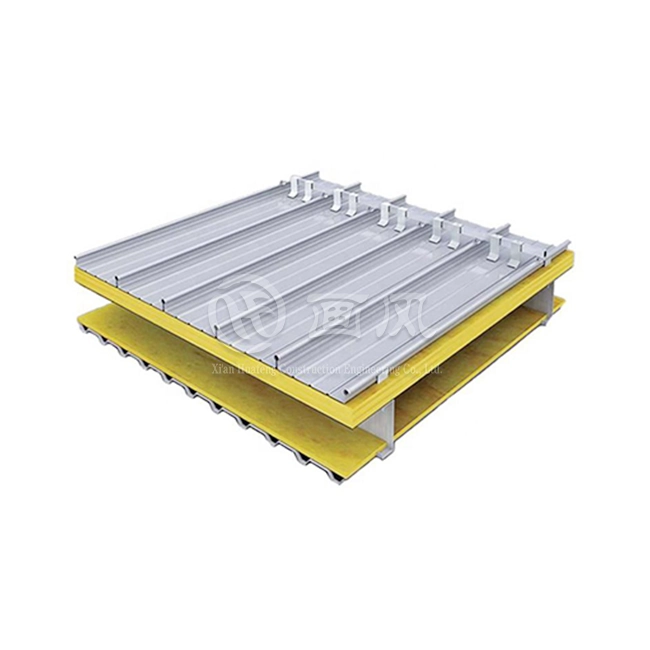
A double lock seam roof panel is the best metal roofing system because it has a 360-degree mechanical folding process that makes a seam link that is fully waterproof and structurally stronger. This advanced joint method is better than single-lock or snap-lock systems because it is more resistant to weather, better at handling wind lifting, and doesn't leave any fasteners on the roof surface. The method uses hidden moving clips that allow for thermal expansion while keeping the structure strong in large-span situations.
Modern business roofs depend on double-lock seam roof panels, which are known for their strong locking system and long life. These panels are very important for big business and industry projects, especially when it comes to global B2B buying, where quality, speed, and durability are valued highly. This guide goes into great detail about double lock seam roof panels to help buyers, engineers, and procurement managers make smart choices. It does this by outlining technical features, performance benefits, and procurement issues that are important for international standards and industrial uses.

Understanding Double Lock Seam Roof Panels
What Makes the Double Lock Seam Unique
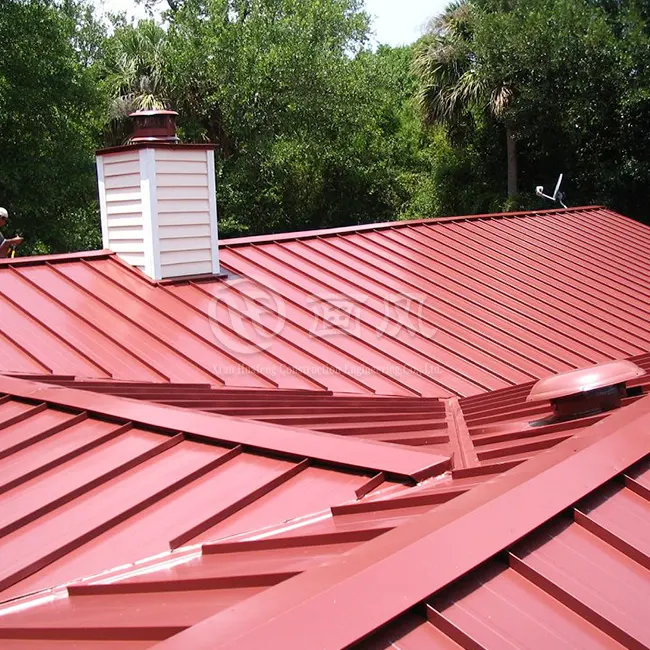
The double lock seam roof panel has a unique mechanical connecting system that makes it stronger and more resistant to the weather than other types of metal roofing. The vertical legs of panels next to each other fold together in a full 360-degree double fold, making a solid shield against water getting in. This mechanical link gets rid of the need for seals alone, solving important problems in the industry like water getting in at low slopes with pitches as low as 1.5 degrees. The raised seam shape is usually between 25 mm and 65 mm high, which keeps water away from the connection points.
Manufacturing and Installation Process
The first step in making something is carefully rolling metal coils into panel shapes with both male and female seam lines. On-site production of panels in continuous lengths longer than 12 meters gets rid of the weak end-laps that are a problem with shorter panel systems. Panels are put up on top of hidden clips that are attached to the roof deck, and then heavy-duty motorized seamers are used to go along the seam line and finish the double fold. Skilled workers and special tools are needed for this process, but the end result is a roof system that is completely waterproof and strong.
Material Selection and Performance Characteristics
Different panel materials have big effects on how long they last, how well they fight corrosion, and how well they work generally in different climates. Because it is strong and doesn't cost much, galvanized steel is good for manufacturing warehouses and other business buildings. Aluminum metals, especially types AA3003 and AA3004, are better at resisting corrosion in seaside or chemically-rich areas. Stainless steel is the best material for buildings that need to last for decades without any upkeep. A very important part of effectiveness is also the coating method. PVDF finishes are very resistant to fading and UV damage, and they look good for more than 40 years. PE coatings are a cheaper choice for projects that will only be exposed to mild weather conditions. Thicknesses range from 0.6mm to 1.2mm, with larger gauges being used in high-wind areas or on projects that need long spans between structure supports.
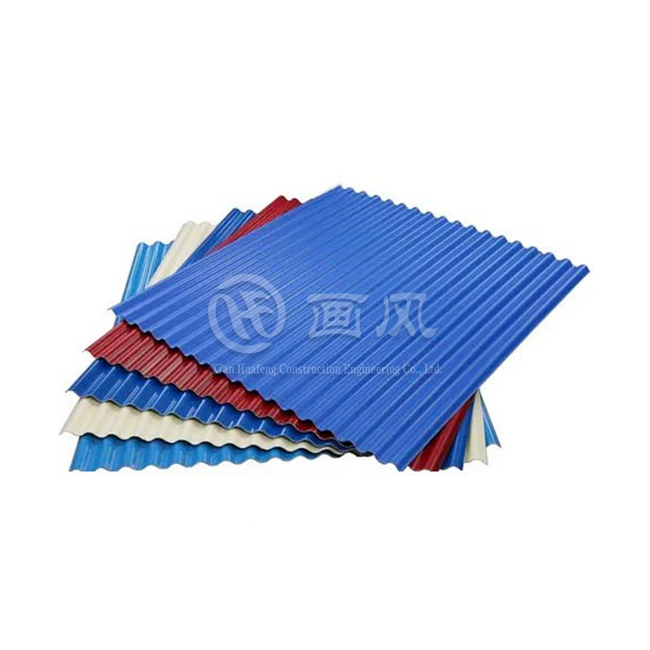
Many color choices are available through RAL and Pantone matching systems. These systems help builders realize their design goals while keeping the technical benefits of metal roofs. The AAMA 2605 standards for coating thickness and longevity are followed by these factory-applied finishes. This makes sure that the quality is the same across large project numbers.
Benefits and Performance of Double Lock Seam Roof Panels
Exceptional Weather Resistance and Structural Integrity
The durability of double lock seam roof panels in tough environments is truly impressive. The 360-degree mechanical lock keeps the panels from coming apart when there is negative wind pressure, which is a typical way for cheaper systems to fail during hurricane-force winds or other severe storms. Heavy snow loads are handled well because the waterproof seal stops ice dams from forming, and the standing seam shape makes it easier to shed snow. Because it can stay together on slopes as low as 1.5 degrees, the system is perfect for current building designs with nearly flat roof parts, where other systems would fail. When tested against ASTM E1592 standards for wind uplift, systems that are properly fitted can withstand forces of more than 200 pounds per square foot.
The benefits of the structure go beyond being resistant to the weather. The overlapping gaps spread the weight of the roof over a larger area, which lowers the stress that causes fasteners to wear out. Sliding clips allow for thermal movement, which stops oil canning and panel warping that hurt both performance and look. Because of this way of thinking about design, roofs usually last longer than 50 years in well-kept installations.
Energy Efficiency and Thermal Performance
In addition to being long-lasting, these screens make buildings much more energy efficient. The raised seam design makes an air gap between the metal surface and the insulation below. This lowers thermal bridging, which is a big reason why a lot of heat moves through regular roof parts. When compared to dark membrane roofs, reflective metal surfaces, especially those coated with light-colored PVDF, block 20 to 30 percent more sun rays. This means that they need less cooling. This performance helps the building get LEED approval and lowers its operating costs over its lifetime.
The hidden fastener method gets rid of thermal shorts that are caused by screws going through screw-down metal roofing, which makes the thermal envelope even better. Facility managers like it when the HVAC runs for less time, which means lower energy costs and longer machine life.
Maintenance Practices for Extended Service Life
With proper upkeep, something will work for decades without any problems. Every year, the seams should be inspected to make sure they are still attached and to look for any splits or rust at the ends. Getting rid of debris from roof slopes and around penetrations stops water from pooling, which speeds up rusting. Re-coating or touching up scratched areas keeps the shield against the weather in good shape. Compared to membrane roofs, which need to be patched up often, these systems are naturally low-maintenance, which saves a lot of money over their lifetime.
Simple checking procedures are good for facility managers. It only takes a few hours a year to walk the roof to make sure it drains properly, check the stability of the clip attachments, and make sure the sealant doesn't break at changes. These low-level care needs free up resources for other important tasks at the building, and they also protect the large investment made in the roof assembly.
Comparison and Decision-Making for Roofing Solutions
Structural and Performance Differences Among Panel Types
To pick the right roofing panel, you need to know the main differences between the different methods that are out there. Single lock seam panels have a 90-degree fold that works well for most uses, but doesn't provide the extra weather protection that double lock systems do. Using factory-applied clips that snap into panel edges, snap lock panels get rid of the need for field seaming. This makes installation easier, but they need higher minimum slopes and don't fight wind uplift as well. Traditional standing seam systems with visible bolts are cheap, but they create thermal bridges and possible leak spots that make them less effective over time.
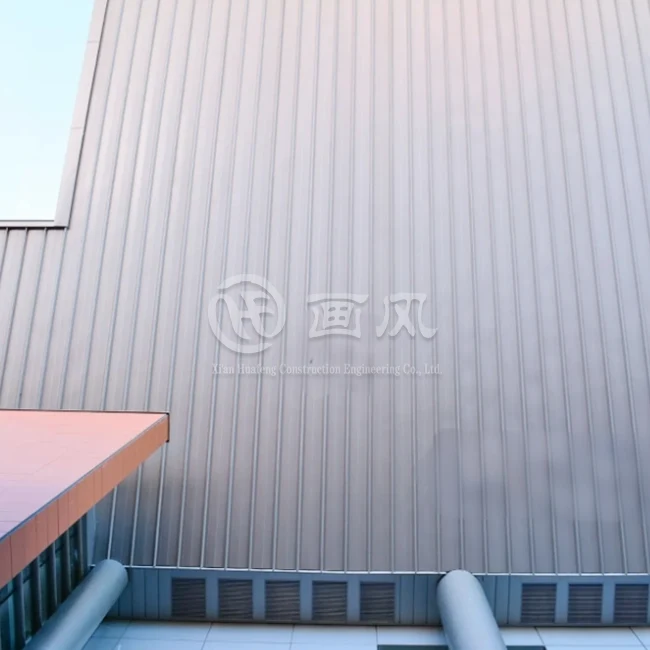
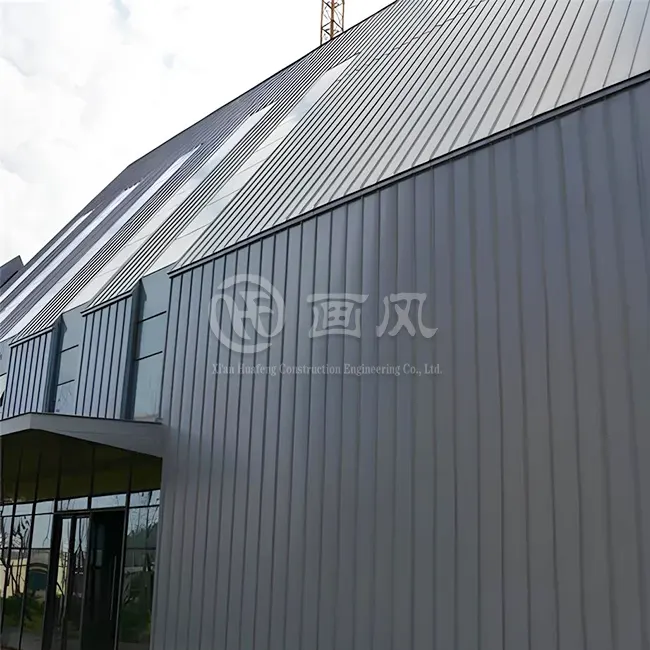
When complete weatherproofing is a must, the double lock seam works great. Airports choose this system because it doesn't have the failure modes that come with basic designs. This is important because water damage inside the building could stop important operations. High-value designs in exhibition centers make the extra cost of installation worth it by lowering risk.
Cost-Benefit Analysis for Procurement Decisions
Material and construction costs for double lock seam roof panels are usually 15 to 25 percent higher than those for snap lock systems. The price of the metal and coating can run from $4.50 to $8.00 per square foot, and the cost of fitting can add another $3.00 to $5.00 per square foot. This initial investment pays off in a measured way: lower maintenance costs, more energy savings, and a longer service life.
Lifecycle cost analysis over a 40-year time is always done by procurement pros who find that double lock seam roof panels have a 20–35 percent lower total cost of ownership than membrane roofing, which needs to be replaced every 15–20 years. Saving energy adds to these benefits, especially in places where it gets cool during the day. Using non-penetrating clamps to connect solar panels directly to standing seams makes the system more future-proof, so when green energy becomes important, it won't be necessary to make expensive changes to the roof.
Trade-offs are the difficulty and length of the building process. Even though they aren't very good at what they do, snap lock systems may be better for projects that need to be finished quickly. Projects with limited funds might be willing to deal with the upkeep of screw-down methods. When making decisions, it's important to weigh these things against the goals of the project, the service environment, and the standards of the people who own the project.
Procurement Guide: Buying and Installing Double Lock Seam Roof Panels
Supplier Evaluation and Quality Assurance
When using B2B buying platforms to find double-lock seam roof panels, suppliers must be carefully screened. Certifications in the field set the first standards for qualifications. ISO 9001 certification shows that a company has quality management methods for industry, and ISO 14001 certification shows that a company cares about the environment. Suppliers should show proof that their products meet ASTM E1592 for structure performance, ASTM E1680 for air infiltration, and ASTM E1646 for water penetration protection. Material approvals that check the metal's makeup, coating thickness, and corrosion resistance qualities keep you from getting low-quality goods that hurt the results of your project.
To evaluate a person's reputation, they look at their finished project files, especially installs that were done in similar climates and types of buildings. References from purchasing managers at similar facilities show how quick the seller is, how reliable their deliveries are, and how good their technical support is. Environmental standards are becoming more important to businesses that care about longevity. Green building goals can be met by suppliers who offer recycled metal content, low-VOC finishes, and take-back programs for old materials. These suppliers may even help you earn LEED points.
Pricing, Customization, and Logistics Management
Prices for large orders usually depend on the type of material, the finish chosen, and the amount of the order. Galvanized steel panels with PE coats are the most affordable option. On the other hand, aluminum panels with PVDF finishes cost more but last longer, so they are worth it. When a project is bigger than 50,000 square feet, volume prices start to make sense. On large orders, you can negotiate savings of 10 to 18%. For normal specs, lead times are usually between 15 and 20 days. However, for unique colors or coatings that aren't available on the market, lead times can go up to 25 to 30 days.
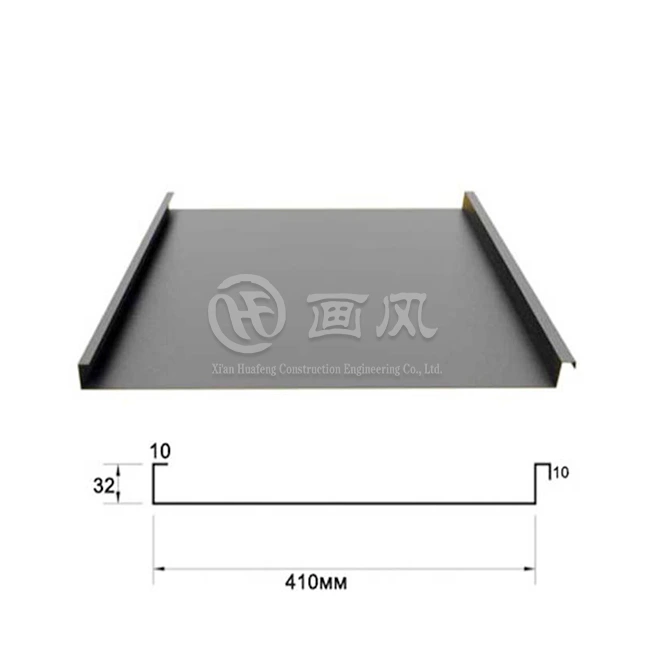
Customization choices meet the needs of a wide range of projects. Panel shapes such as 25-330/400/430, 32-410, 45-400, and 65-400/430 can be used to meet different structural and aesthetic needs. There are thickness options ranging from 0.6mm to 1.2mm that take weight, strength, and cost into account. Color matching to exact RAL or Pantone values makes sure that the architectural concept is clear. Service life warranties that last up to 30 years give you long-term performance security backed by the name of the maker.
For big business projects, logistics handling is very important. By planning delivery times around building plans, you can avoid expensive storage fees and the hassle of moving materials. Making sure that delivery cars can get to the site easily and take panels up to 12 meters long will help avoid problems at the last minute. By setting clear rules for getting inspections, shipping damage can be found before installation starts, which protects project schedules and budgets.
Installation Planning and Cost Expectations
Before planning the installation, a structural analysis is done to make sure that the roof deck can hold the metal panel system, the insulation layers, and the snow loads that are expected. The estimates for purlin spacing make sure that there is enough support density. For standard uses, this is usually between 1200mm and 1500mm on center. Thermal movement formulas figure out the clip spacing and type, matching a safe connection with the panel's need for freedom to expand and contract.
Installation times depend on the size of the job and the knowledge of the team. When conditions are good, a skilled team can usually add 2,000 to 3,000 square feet every day. Weather delays, complicated roof shapes, and deep penetrations all slow down work. The range of $3.00 to $5.00 per square foot for total installation costs shows how much labor costs, how easy the spot is to get to, and how complicated the job is. Ten to fifteen percent should be set aside in the budget for unexpected problems that come up when the old roof is taken off.
Quality control during installation centers on making sure seams are straight, clips are installed correctly, and the base is ready. When mechanical seamers turn something all the way around, they have to do it without breaking the metal or hurting the coatings. The distance between clips must meet technical standards, and the torque on the fasteners must be just right to allow heat movement without letting the clips lift. The end look is directly affected by how flat the substrate is, since metal roofing shows up any uneven decking. Taking care of these details during installation keeps warranty claims from happening and guarantees years of reliable service.
Conclusion
Double-lock seam roof panels are the best metal roofing technology on the market. They offer the best weather protection, structural performance, and long-term value for business and industrial uses. The 360-degree mechanical seam makes a barrier that doesn't let water in and can handle harsh weather. It also lets heat move across big areas of the roof. Galvanized steel, aluminum alloys, and stainless steel are just some of the materials that can be used to make products that fit the needs of different environments and budgets.
The extra money spent on these systems compared to simpler ones pays off in the long run through lower upkeep costs, better energy economy, and service lives that often last over 50 years. When purchasing, professionals are looking at different roofing options, it's helpful for them to know the technical differences, performance benefits, and lifetime cost effects that make double lock seam roof panels the best choice for buildings that need to be reliable and last a long time. Carefully choosing a provider, paying close attention to the details of customization, and installing the roof in a way that prioritizes quality will ensure the success of the project and years of trouble-free use.
FAQ
1. What distinguishes double lock seam from single lock seam panels?
The main difference is in the shape of the seams and how well they keep out the weather. Double-lock seam roof panels have a full 360-degree fold that creates two barriers against water entry. Single lock seams, on the other hand, only have a 90-degree fold that provides good but not better protection. This difference is very important in low-slope situations where water pools and tests the seam's strength, and in high-wind areas where lifting forces try to separate panel connections.
2. Can double-lock seam systems accommodate solar panel installations?
In fact, these double-lock seam roof panel methods are the best ones for supporting solar panels. Clamps that don't go through the roof's protection can be attached directly to the high seam ribs to hold the solar panels in place. This way of attaching the panels keeps the guarantee valid and makes it easier to change the layout or add to the array in the future without having to make any more roof penetrations.
3. What minimum roof slope is required for proper installation?
Because double lock seam roof panel systems are better at keeping out the weather, they can be installed on slopes as low as 1.5 degrees, which is much lower than the 3:12 minimum needed for snap lock panels. Modern architectural plans with nearly flat roof parts can still use this feature, and it will still completely shed water.
Partner with HF for Your Metal Roofing Solutions
HF can help you with your business roofing jobs by providing you with the best double lock seam roof panel systems, which are designed to handle tough conditions. As a metal roofing company with a lot of experience, we offer full services that include choosing the right materials, giving expert advice, and making unique panels. Our production choices range from 25-330/400/430 to 65-400/430 profiles, with thicknesses from 0.6mm to 1.2mm and PVDF or PE surface finishes in the RAL or Pantone colors you choose.
Our product is different because it can be delivered quickly (15 to 20 days), comes with a 30-year warranty on performance, and comes with expert help throughout the whole buying process. Our quality control systems are up to ISO standards, and our panels have to pass strict ASTM testing methods to make sure they work well in structures and don't get damaged by the weather. Our team has decades of experience working with building companies and roofing contractors all over North America. Whether you need a sample to be evaluated, pricing for big orders, or help with installation, we can help.
Contact our specialists at huafeng@hfmetalroof.com to talk about the specifics of your project. We provide detailed quotations, technical specifications, and material recommendations tailored to your climate conditions and building performance objectives. Discover why discerning procurement professionals choose HF as their trusted double lock seam roof panel supplier for projects demanding uncompromising quality and reliability.
References
1. American Architectural Manufacturers Association. "AAMA 2605: Voluntary Specification, Performance Requirements and Test Procedures for Superior Performing Organic Coatings on Aluminum Extrusions and Panels." Schaumburg: AAMA, 2017.
2. Metal Construction Association. "Technical Bulletin: Structural Performance Testing of Metal Roof and Wall Systems." Glenview: MCA, 2019.
3. National Roofing Contractors Association. "The NRCA Metal Panel and SPF Roof Systems Manual." Rosemont: NRCA, 2020.
4. ASTM International. "ASTM E1592: Standard Test Method for Structural Performance of Sheet Metal Roof and Siding Systems by Uniform Static Air Pressure Difference." West Conshohocken: ASTM, 2021.
5. Copper Development Association. "Metal Roofing Design Guide: Architectural Applications and Installation Practices." McLean: CDA Publication, 2018.
6. Cool Roof Rating Council. "CRRC Product Rating Program Manual: Radiative Properties of Roofing Materials and Their Impact on Building Energy Performance." Portland: CRRC, 2020.





YOU MAY LIKE