Flat Lock Zinc Cladding Panels: A Sustainable Solution for Building Exteriors
2026-03-03 14:38:28
Materials that satisfy environmental requirements and provide outstanding durability are essential for modern building projects. The ideal combination of these demands is provided by flat lock zinc cladding panels, which provide contractors and architects an elegant external solution that blends durability and environmental responsibility. These cutting-edge panels enhance any building design with their exceptional weather resistance, easy installation capabilities, and unique visual appeal. Flat lock zinc cladding systems have become the go-to option for construction businesses looking for dependable, environmentally friendly building envelope solutions because of its self-healing qualities and more than 50-year durability.
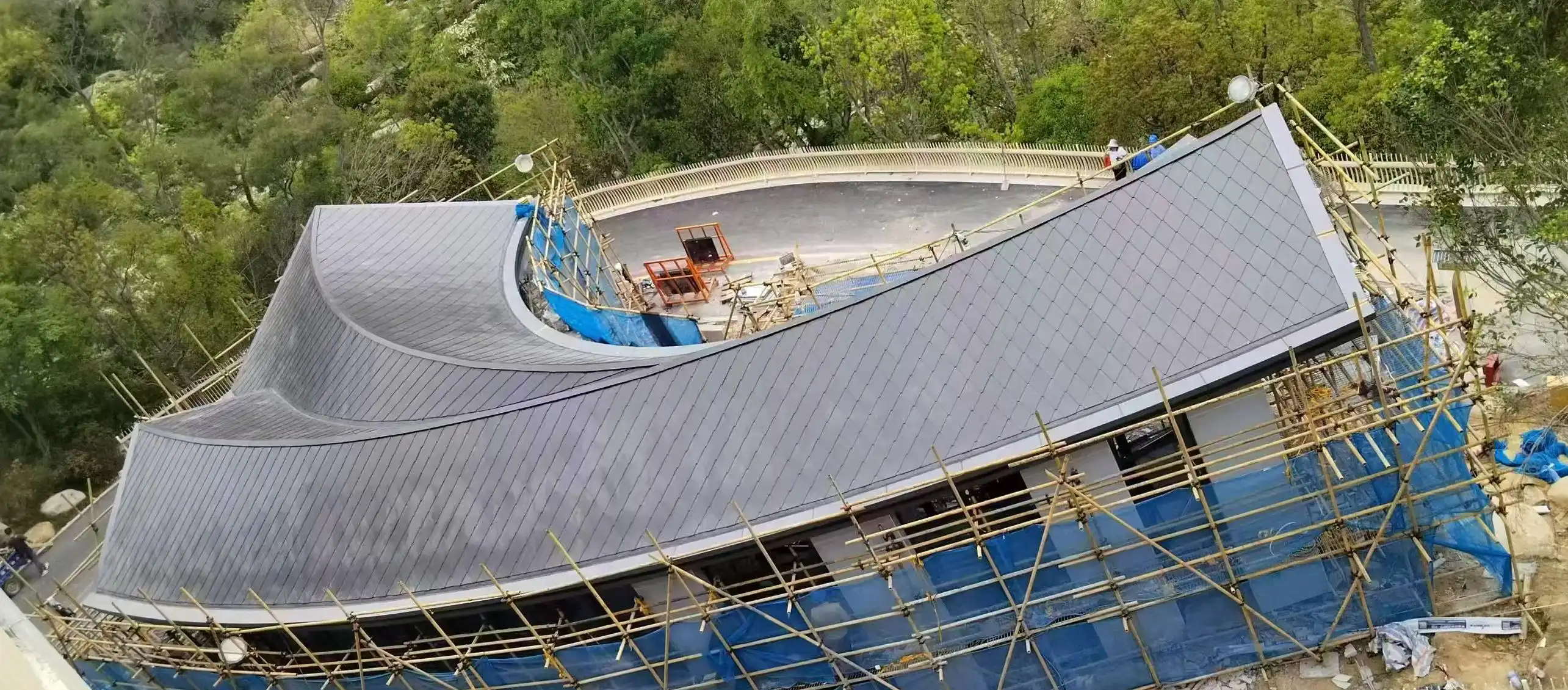
Understanding the Technology Behind Zinc Cladding Systems
The distinctive interlocking mechanism and material composition of flat lock zinc cladding are the technical highlights of this product. The carefully regulated quantities of copper and titanium in titanium-zinc alloy panels produce a substance that naturally acquires a protective patina coating. Superior corrosion resistance is guaranteed by this zinc coating process in comparison to conventional construction materials.
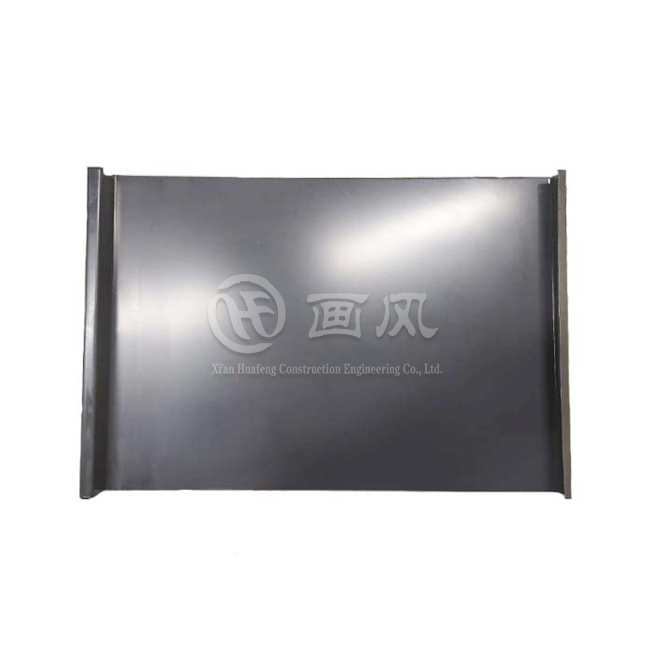
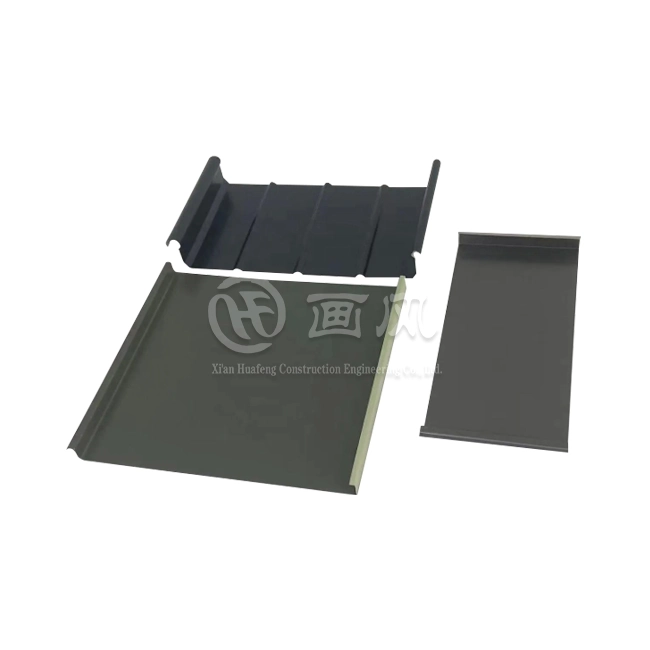
This method produces weather-resistant panels that exhibit exceptional stability in temperatures ranging from -40°C to 80°C. Potential water penetration spots are eliminated by the very seamless connections made between panels using the flat lock joint technology. While preserving structural integrity, this seamless metal cladding method offers architects a level of design freedom never before possible.
The fact that these lightweight metal panels lower the total building load without sacrificing performance is appreciated by construction experts. The architectural cladding system is far lighter than similar materials, weighing around 5.5 kg/m² at standard 0.8mm thickness. Consistent panel dimensions and joint alignment are guaranteed by advanced production methods, which makes installation of large-scale projects more efficient.
Environmental Benefits and Sustainability Features
In order to get green certifications, contemporary construction projects now must take sustainable building materials into account. From manufacturing to recycling at the end of their useful life, Flat Lock Zinc Cladding Panels provide outstanding environmental benefits. The manufacturing approach significantly lowers the carbon impact by using around one-third the energy required for copper manufacture.
Unlike many traditional exterior materials, these panels are completely recyclable. Panels may be recycled without losing quality and keep their material worth once a project or refurbishment is finished. This circular economy strategy fits in well with business sustainability programs and LEED certification standards.
Chemical maintenance treatments are not necessary since zinc surfaces are self-cleaning. The look of panels is maintained by natural weathering processes without the need for frequent coating or painting. Over the building's operating lifespan, this maintenance-free feature offers considerable financial savings while reducing the long-term environmental effect.
Improved building thermal performance is a result of energy-efficient cladding characteristics. Energy needs for heating and cooling may be decreased by improving total building envelope efficiency via the installation of the right insulation technologies.
Design Versatility and Aesthetic Applications
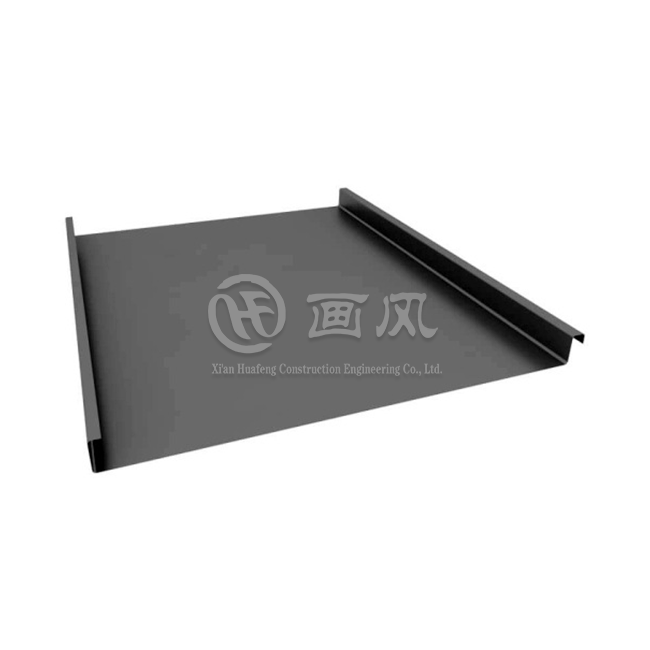
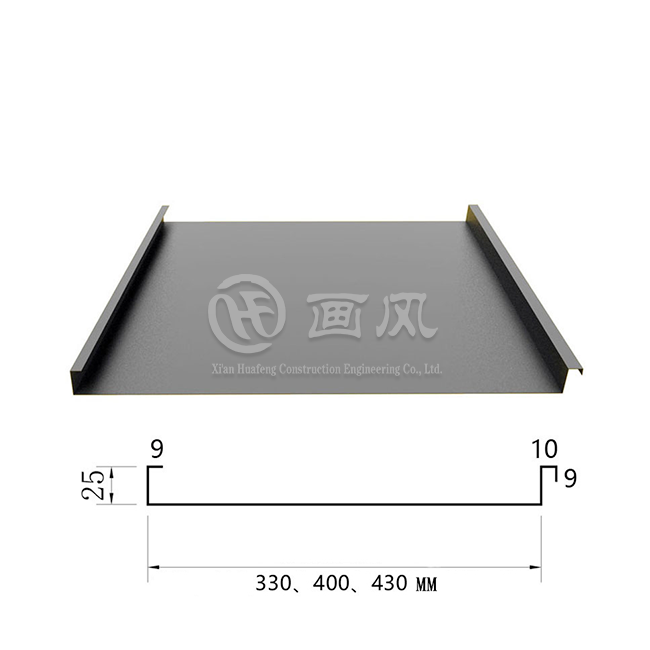
Flat lock metal roofing and cladding solutions significantly increase the design options for modern facades. Complex geometric patterns and architectural expressions are made possible by the panel format's support for hexagon, trapezoid, rhombus, and rectangular combinations. Adjustable widths ranging from 300 to 600 mm enable accurate design implementation.
Beyond the characteristic gray patina of natural zinc, there are several color possibilities. While specialist treatments may provide graphite gray, blue gray, or black oxidation finishes, RAL color standards offer a wide range of palette options. These treatment choices allow for dramatic modern design statements or smooth integration with pre-existing architectural features.
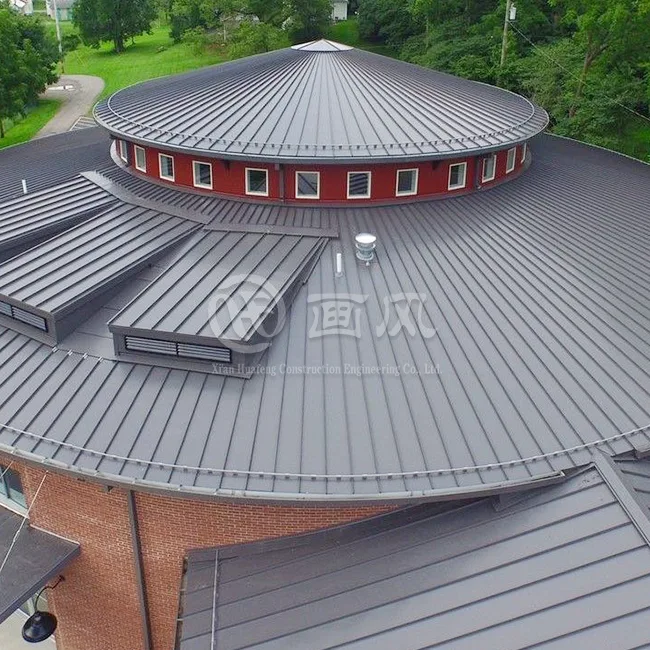
Building facades get visual depth and richness from the three-dimensional look that flat lock joints provide. Architectural interest is increased by this delicate shadow line technique without overpowering design compositions. Careful panel arrangement and expert installation methods make it possible to create intricate curved surfaces and folding facades.
The elegant look and durability of Flat Lock Zinc Cladding Panels are especially advantageous for theaters, museums, and cultural institutions. The material is perfect for applications that need both long-term performance and instant visual impact since it ages elegantly while retaining structural integrity.
Installation Advantages and Technical Performance
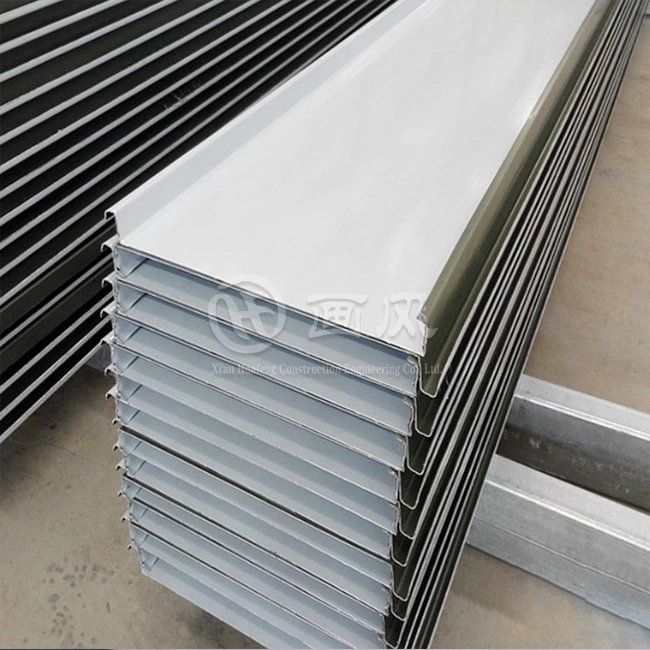
For construction teams with tight project timelines, installing flat lock panels has many benefits. The interlocking technology guarantees uniform joint quality while simplifying installation. Standardized connection techniques speed up project completion and reduce the need for specialized tools.
Performance of durable external cladding surpasses industry norms in a number of areas. Testing for salt spray resistance shows remarkable compatibility for coastal environments. Dependability in a variety of geographical locations and climatic circumstances is ensured by the pH 6–12 environments' steady performance range.
Correct system installation improves acoustic performance. With the right supporting materials, sound transmission class ratings of STC≥30dB help achieve noise control and building comfort goals. In urban settings, this acoustic improvement is especially advantageous for commercial and institutional constructions.
For high-rise and commercial applications, fire safety compliance satisfies building code requirements by meeting Class A non-combustible rating standards. The limitations that are often connected to other external cladding materials are removed by this safety classification.
Comparing Zinc to Alternative Cladding Materials
Zinc has a better lifespan performance than aluminum, steel, or composite alternatives, according to an examination of metal facade systems. Calculations of the total cost of ownership show considerable long-term benefits, despite the initial material prices seeming greater. Manufacturer confidence in material performance is shown in the 30-year warranty duration.
Comparisons of corrosion-resistant cladding show how zinc's inherent defenses outperform coated alternatives. Zinc's patina layer constantly fixes small surface damage on its own, unlike painted or powder-coated surfaces that need to be renewed on a regular basis. Without assistance, its self-healing feature maintains its protection and look.
Comparisons of maintenance requirements clearly favor zinc systems. Every 5 to 15 years, traditional materials often need to be cleaned, painted, or coated. Rainwater provides natural surface maintenance for zinc sheet metal roofing and cladding systems, which only need to be inspected and cleaned occasionally.
Structural design and foundation needs benefit from weight considerations. When compared to concrete or masonry cladding options, the lightweight nature of Flat Lock Zinc Cladding Panels lowers the dead load on buildings. Larger panel spans and less structural support are made possible by this weight advantage.
Long-term Performance and Maintenance Considerations
Zinc roof panels have decades of well-documented performance records, demonstrating their remarkable endurance. Construction experts may rely on accurate performance forecasts because to the product's anticipated 50+ year lifetime and 25-year maintenance-free cycles. Accurate lifespan cost analysis and building operation planning are made possible by this predictability.
Frequent inspection procedures prioritize drainage system operation and connection integrity above worries about material deterioration. Beyond routine building maintenance, panel surfaces need very little care. Compared to the cladding material itself, gutter and downspout systems need more regular inspections.
Testing for weather resistance verifies performance in harsh climates. Tests for moisture exposure, UV exposure, and thermal cycling verify the material's durability over time. These test findings provide scientific proof to support warranty terms and performance estimates.
The quality of a professional installation has a big impact on long-term performance results. System success is determined by appropriate fastening methods, thermal expansion allowance, and water management specifics. Achieving optimum performance is ensured when working with skilled zinc installation professionals.
Conclusion
For modern building projects, flat lock zinc cladding panels provide the best possible mix of performance, sustainability, and visual appeal. Their remarkable longevity, low maintenance needs, and full recyclability meet the changing needs of ecologically responsible building techniques. With decades of demonstrated performance and extensive technical assistance from skilled manufacturers, these systems provide dependable solutions for a range of architectural applications to building professionals. Long-term benefits of investing in high-quality zinc cladding systems include lower maintenance expenses, improved building performance, and classic visual appeal that maintains architectural vision for many generations.
Ready to Transform Your Next Project with HF's Premium Zinc Solutions?
Xi'an Huafeng Construction Engineering Co., Ltd. stands ready as your trusted flat lock zinc cladding panels manufacturer, delivering exceptional quality through our 7 production lines and 20+ advanced machines. Our engineering team provides comprehensive technical support from design through installation, ensuring your project achieves both aesthetic and performance objectives. Contact huafeng@hfmetalroof.com today to discuss your specific requirements and receive detailed technical specifications.
References
1. Building Research Establishment. "Zinc in Construction: Performance and Sustainability Analysis." Construction Materials Research Journal, 2023.
2. International Zinc Association. "Lifecycle Assessment of Zinc Building Materials: Environmental Impact Study." Sustainable Construction Materials Review, 2022.
3. American Institute of Architects. "Metal Cladding Systems: Design Guidelines and Performance Standards." Architectural Specification Handbook, 2023.
4. European Committee for Standardization. "Flat Lock Metal Panel Systems: Installation and Performance Requirements." Building Envelope Technical Standards, 2022.
5. Green Building Council. "Sustainable Cladding Materials: LEED Credit Optimization Strategies." Environmental Building Design Quarterly, 2023.
6. Construction Industry Research Association. "Weather Resistance Testing of Metal Building Envelope Systems." Building Performance Analysis Journal, 2022.





YOU MAY LIKE