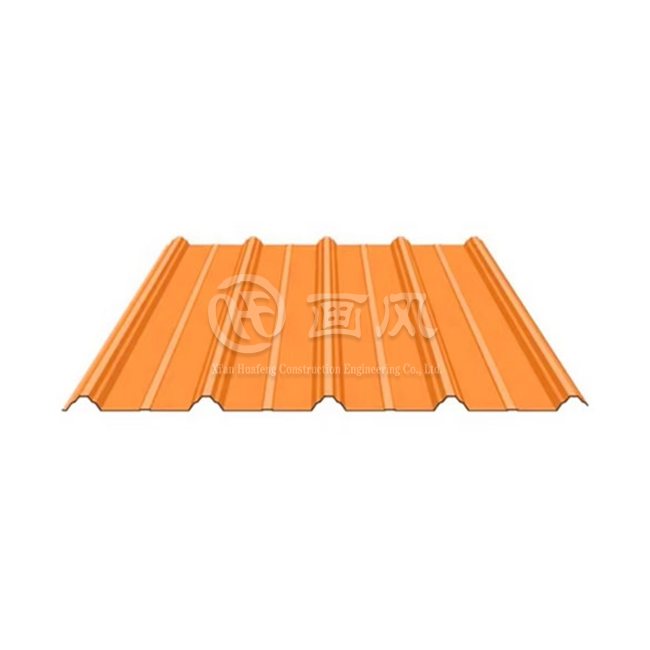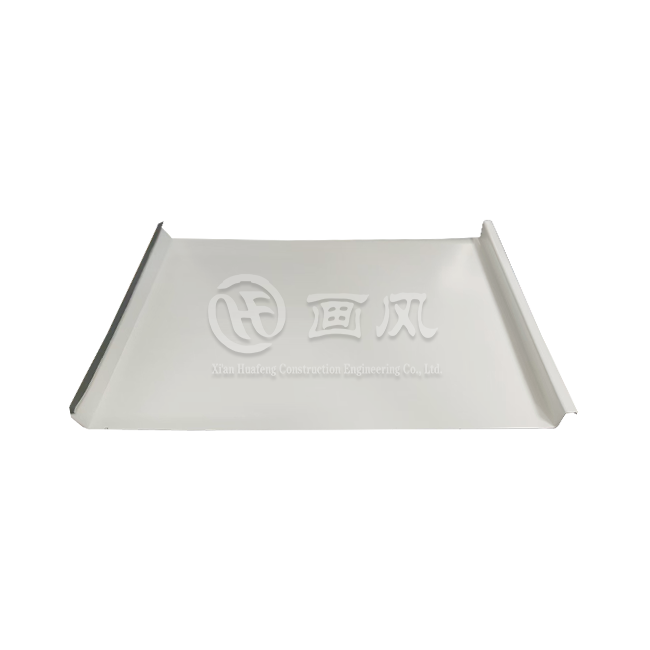
Corrugated Metal Siding Sheets vs. Vinyl: Which is Better for Your Property?
2026-03-03 14:38:30
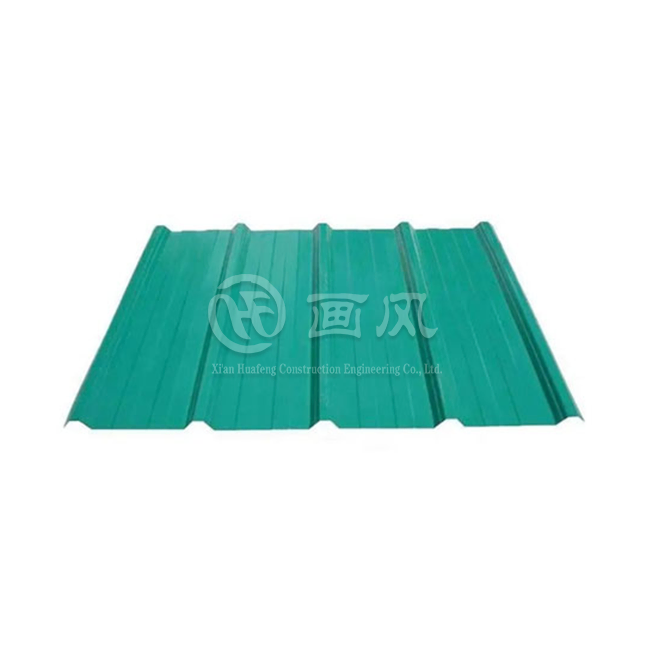
The majority of commercial and industrial uses make metal the better option when deciding between vinyl and corrugated metal siding sheets for your next project. Vinyl just cannot compare to the unparalleled durability, weather resilience, and long-term value of corrugated metal siding sheets. Metal panels are the favored option for building experts globally due to their greater structural integrity, fire resistance, and sustainability, even if vinyl may first seem more affordable.
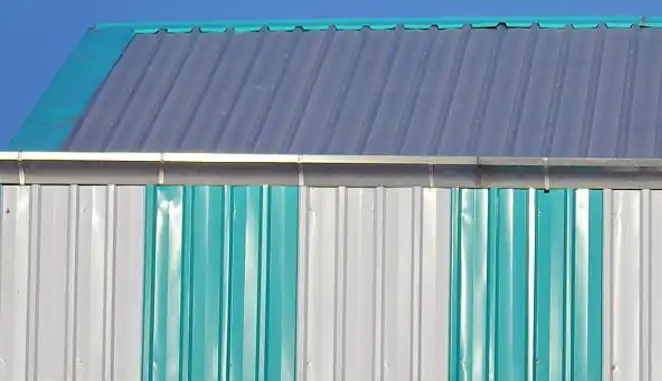
Key Performance Differences Between Metal and Vinyl Siding
Project managers may make better selections if they are aware of the basic distinctions between these materials. Systems for metal wall cladding provide quantifiable benefits in a number of performance areas.
Durability Testing Results:
- Wind speeds of up to 150 mph may be tolerated by metal panels.
- Vinyl deforms as the temperature rises over 160°F.
- For more than 30 years, galvanized steel retains its structural integrity.
- Vinyl usually has to be replaced every 15 to 20 years.
Fire Safety Performance:
- Class A fire rating (non-combustible) is attained via metal siding.
- Vinyl may emit harmful vapors and is rated as Class B or C.
- Discounts for metal construction supplies are often offered by insurance companies.
Weather Resistance Comparison:
Variations in temperature cause metal to expand very little and vinyl to deform considerably. UV radiation causes metal coating systems to resist fading and vinyl to become brittle. If you need maximum durability for industrial facilities, corrugated panels are more suitable than vinyl alternatives.
Cost Analysis: Initial Investment vs. Long-Term Value
Procurement choices that are smart take into account the whole cost of ownership instead of just the initial costs. Surprising material economics findings are revealed by this approach.
Initial Cost Breakdown (per square foot):
- Vinyl siding costs $3–6 and includes installation.
- $5–12 for corrugated steel roofing, which includes expert installation
- Premium metal panels with coatings: $8–15 with guarantee
- Estimates of maintenance costs over a 20-year
Maintenance Cost Projections (20-year period):
- Metal sheeting: Minimal cleaning, occasional touch-ups ($0.50/sq ft)
- Vinyl: $2–4 per square foot for routine cleaning, crack repairs, and color restoration
Energy Efficiency Impact:
- Coatings made of reflective metal save cooling expenses by 15–25%.
- Vinyl offers little improvement in thermal performance.
- Insulation systems may be simply integrated with metal panels.
Corrugated metal siding sheets usually pay for themselves in 8–12 years because to lower maintenance and energy costs.
Despite requiring a larger initial expenditure, corrugated metal siding sheets are more cost-effective in the long run for large-scale projects.
Installation and Maintenance Requirements
The requirements for professional installation vary greatly among various materials. Comprehending these distinctions impacts labor expenses and project schedules.
Installation Complexity Factors:
- Specialized fasteners and methods are needed for metal panels.
- Although vinyl installation seems easier, it requires exact alignment.
- Climate factors affect the construction of weather-resistant siding.
Skilled Labor Requirements:
- Installing metal panels calls for skilled metal building professionals.
- Vinyl installation: Most jobs may be completed by general contractors.
- Quality control: Accurate measurements and cuts are necessary for metal systems.
Maintenance Schedules:
- Aluminum siding: yearly examination, thorough cleaning every five years
- Vinyl siding: twice-yearly cleanings, crack inspections, and color corrections
- Rust-resistant metal: Little more than routine examination
Common Maintenance Issues:
- Metal: Impact scratches, sporadic fastener replacement
- Vinyl: warping, discoloration, cracking, and moisture seeping beneath panels
Metal wall cladding systems demand less continuous care than vinyl alternatives if you're looking for low-maintenance exterior options for business premises.
Environmental Impact and Sustainability
Environmental responsibility is becoming more and more important in modern building projects. The choice of materials has a big influence on the long-term environmental effect and project sustainability ratings.
Recyclability Comparison:
- but eventually countered by lifespan
- Environmental problems are raised by the use of petroleum-based chemicals in the manufacture of vinyl.
- Transportation: Because of their strength-to-weight ratios, metal panels ship well.
Manufacturing Environmental Impact:
- Metal production: Energy-intensive initially but offset by longevity
- Vinyl production: Uses petroleum-based chemicals with environmental concerns
- Transportation: Metal panels ship efficiently due to strength-to-weight ratios
LEED Certification Contributions:
- Metal panels contribute to Materials and Resources credits
- Reflective coatings support Energy and Atmosphere requirements
- Durability reduces replacement frequency and waste generation
Carbon Footprint Analysis:
- 50-year lifecycle: Metal panels generate 40% less carbon emissions
- End-of-life disposal: Metal recycling vs. vinyl landfill disposal
- Energy performance: Reflective metal coatings reduce building energy consumption
When it comes to environmentally friendly building solutions for green construction projects, structural metal panels are a better choice than vinyl.
Climate Performance and Weather Resistance
The performance qualities of vinyl and metal siding systems vary depending on the climate, with corrugated metal siding sheets displaying certain behaviors. Decisions on material selection should be influenced by regional weather trends.
Performance in Extreme Temperatures:
- Stability is maintained by metal panels between -40°F and 180°F.
- Vinyl softens over 160°F and becomes brittle below 0°F.
- In regions with fluctuating temperatures, metal is favored by thermal expansion coefficients.
Resistance to Humidity and Moisture:
- When properly coated, galvanized steel successfully resists corrosion.
- Vinyl may retain moisture behind panels, which might encourage the formation of mold.
- Metal siding profiles provide better drainage and ventilation.
Testing for Wind Load Capacity:
- Hurricane-force winds: 200+ mph metal panel tests
- Vinyl is only suitable for temperate climates due to standard wind loads.
- Fastening systems: Metal needs specially designed ways to be attached.
- Considerations for the Regional Climate:
Coastal areas:
- Marine-grade coatings or aluminum siding are advised.
- Reflective metal coatings prevent heat from building up in desert areas.
- In cold areas, metal prevents vinyl's typical freeze-thaw deterioration.
Exterior metal sheets provide better protection than vinyl siding systems if you want dependable performance in harsh weather conditions.
HF's Corrugated Metal Siding Sheets Advantages
For the unique requirements of building experts across the globe, Xi'an Huafeng building Engineering Co., Ltd. provides high-quality metal siding solutions:
• Advanced Manufacturing Capabilities: Three modern facilities with seven production lines and more than 40 specialized machinery provide a steady level of quality and a quick monthly output capacity of 1000 tons.
• Excellent Material Specifications: Premium HDP and PVDF coating methods for optimal durability and weather resistance; width choices from 600 to 1200 mm; thickness options from 0.3 to 1.2 mm
• Full Quality Assurance: a 30-year guarantee supported by certifications such as ASTM, DIN, JIS, BS, and GB/T that attest to conformity with international standards
• Excellence in Customization: Full color, pattern, and design customization services with a minimum order quantity (MOQ) of 500⎡ for project-specific needs
• Quick Delivery Performance: Production scheduling systems and efficient logistics enable delivery periods of 15 to 20 days.
• Technical know-how: More than 20 metal roofing system patents have been filed, and ISO9001 and ISO14001 certification of quality control
• Green building certifications and LEED criteria are supported with 100% recyclable metal panels made using environmentally friendly methods.
• Expert Support: Committed technical help at every stage of the project, from specification to installation instructions and after-delivery assistance
• Cost-effective Solutions: Volume savings and competitive pricing for major commercial and industrial building projects
• Demonstrated Performance History: Accomplished projects in commercial, industrial, residential, and agricultural settings with performance records
• Material Innovation: Ongoing investigation into metal coating processes and profile designs for improved performance attributes
Strategic production sites that provide effective distribution to global markets while maintaining uniform quality standards are known as the global supply chain.
These all-inclusive benefits establish HF as the go-to source for corrugated metal siding sheets among discriminating building professionals.
Expert Recommendations for Project Selection
Selecting the best option between vinyl and metal, especially corrugated metal siding sheets, necessitates carefully weighing the needs of the particular project. Beyond initial pricing concerns, professional advice take into account a number of aspects.
Recommendations for Project Type:
- Metal panels for fire safety and durability in commercial warehouses
- Residential applications: Take into account maintenance preferences and the local climate.
- Industrial buildings: Metal structures for durability and chemical resistance
- Metal for simple cleaning and insect resistance in agricultural structures
Guidelines for Budget Planning:
- Projects under $50,000: Carefully consider the whole lifespan expenses.
- Large-scale advancements: Metal offers superior scale economies
- Aspects of insurance to consider: Metal might drastically down premium prices.
Climate-Related Advice:
- Metal panels are necessary for structural stability in high-wind zones.
- Regions with extreme temperatures: Metal stability avoids expensive repairs
- Coastal areas: Indicate which coating techniques are suitable for exposure to salt.
Matrix of Performance Priorities:
- Select metal siding profiles for the highest level of durability.
- Vinyl may work well for applications with a low starting cost.
- Objectives for sustainability: Green activities are supported by metal construction materials.
Desired low maintenance: Metal sheeting lowers recurring expenses
Metal panel installation offers the dependability that construction experts want if you need expert advice for large-scale projects needing exceptional performance.
Conclusion
The decision between vinyl and corrugated metal siding sheets ultimately comes down to project needs and performance standards. Metal panels are perfect for commercial and industrial applications because of their exceptional weather resistance, fire safety, durability, and long-term value. Vinyl has cheaper initial costs, but metal systems have a better total cost of ownership since they need less maintenance, use less energy, and last longer. Corrugated metal siding is the best investment for long-lasting results for building professionals that value performance, sustainability, and quality.
Contact HF for Premium Corrugated Metal Siding Solutions
Leading construction companies worldwide trust HF as their preferred corrugated metal siding sheets manufacturer for demanding projects requiring superior quality and performance. Our advanced manufacturing facilities, comprehensive customization capabilities, and 30-year warranty ensure your investment delivers exceptional long-term value. Contact our technical team at huafeng@hfmetalroof.com to discuss your specific project requirements and discover how our premium metal wall cladding systems can enhance your next construction project.
References
1. American Society for Testing and Materials. "Standard Specification for Steel Sheet, Zinc-Coated (Galvanized) or Zinc-Iron Alloy-Coated (Galvannealed) by the Hot-Dip Process." ASTM International, 2023.
2. Building Research Establishment. "Comparative Life Cycle Assessment of Metal and Vinyl Siding Systems for Commercial Buildings." Construction Materials Research Institute, 2022.
3. National Association of Home Builders. "Cost vs. Value Report: Siding Replacement Analysis and Long-term Performance Study." Housing Economics Department, 2023.
4. International Code Council. "Fire Safety Performance Standards for Exterior Wall Cladding Materials in Commercial Construction." Building Safety Journal, 2023.
5. Green Building Council. "Material Selection Guidelines for Sustainable Construction: Metal vs. Synthetic Cladding Systems." LEED Reference Manual, 2022.
6. Structural Engineering Institute. "Wind Load Requirements and Performance Testing for Metal Panel Siding Systems." American Society of Civil Engineers, 2023.





YOU MAY LIKE
(1)_1763110678300.webp "standing seam metal roof panels")