Uses of Standing Seam Brackets in Commercial Roofing Projects
2026-03-05 15:24:51
Standing seam brackets serve as essential mounting solutions in commercial roofing projects, offering secure attachment points for various equipment without compromising roof integrity. These specialized clamps secure onto raised seams of metal roofs, eliminating the need for roof penetrations that could lead to water infiltration. Understanding their diverse applications helps construction professionals maximize building functionality while maintaining structural safety and aesthetic appeal.
Why Standing Seam Brackets Are Essential for Modern Commercial Buildings?
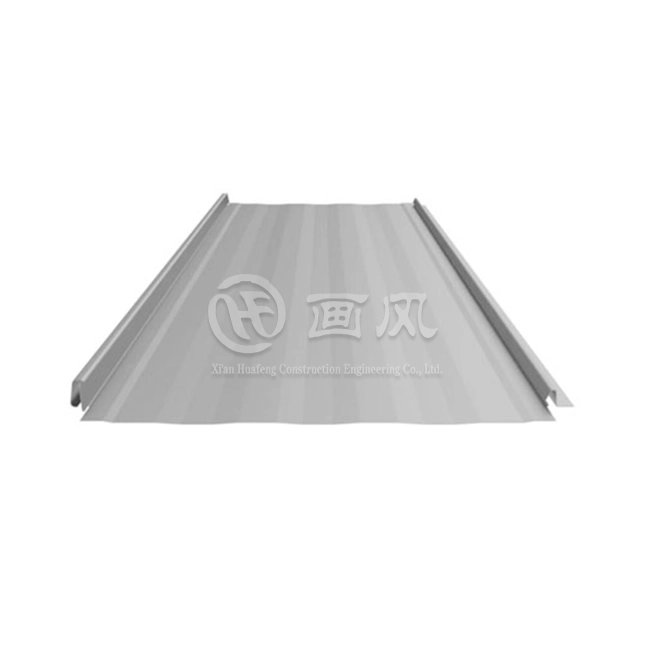
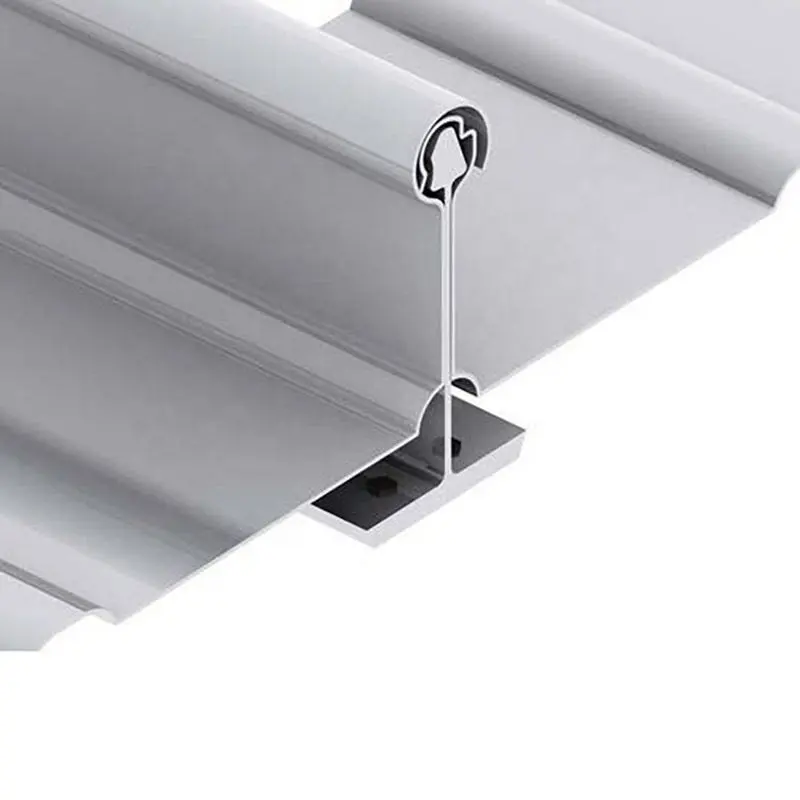
Why it's important for modern commercial buildings to have standing seam brackets As industrial roofing has changed over the years, it has brought new problems that can't be solved with old fixing methods. Many modern buildings need to have many roof-mounted systems, such as solar panels and HVAC units. All of these systems need to be securely attached to the roof without hurting the membrane. From our work at Xi'an Huafeng Construction Engineering, we know that property owners are looking for ways to keep roof warranties while also making complex building systems work. This change is part of a larger movement in the building business toward environmentally friendly methods and lower long-term costs. Because they have high surfaces, standing seam metal roofing systems easily meet these needs. But for good installation, you need special hardware that was made just for these uses. Generic bolts don't always spread loads evenly, which can damage seams and even cause the roof to fail.
Key Applications of Standing Seam Brackets in Commercial Settings
Solar Panel Installation Systems
In business settings, solar fixing is probably the most common way that standing seam clamps are used. Because these setups need hundreds of fixing points spread out over big areas of roof, penetration-free connection is very important for keeping the roof's structure. Professional workers use certain bolt arrangements to hold up solar panel rails without affecting the roof's ability to keep out the weather. The bolts attach directly to standing seams, making strong hold points that can handle heavy loads like snow and wind. Our aluminum alloy 6063-T5/T6 clamps are resistant to rust, so they can be used for long-term solar systems. The 30-year promise we offer is exactly the same length of time that solar panels usually last, so the system will always work well.
HVAC Equipment Mounting
Due to their heavy weight and tendency to vibrate, rooftop HVAC units are hard to place in a traditional way. When standing seam clamps are made for HVAC uses, they have features that keep the structure strong while preventing vibrations. Custom bolt heights are often needed for these kinds of setups to work with certain machine gaps and pipe configurations. Our solutions are fully customizable, so builders can tell us exactly what sizes they need for their HVAC plans. The ability of our clamps to resist rust is especially useful in HVAC applications, where humidity and changes in temperature can make the situation difficult. The high-strength metal design doesn't bend when loaded and unloaded over and over again, which is typical of HVAC operation.
Snow Guard and Retention Systems
In places where it snows a lot, commercial buildings need snow retention systems to keep ice dams and quick snow escapes from becoming dangerous. Standing seam clamps are the best way to place these important safety features. To place a snow guard, you usually need a lot of bolts spread out in a way that follows certain technical formulas. Because these systems can be installed without making any holes in the roof, there are no possible leaky spots, and they will work reliably all winter. Different types of snow guards can be used with our mounts, from simple bar systems to complex modular retention networks. The steady binding force, provided by components like the Standing Seam Bracket, ensures that the load is distributed evenly across the roof structure.
Roof Access and Safety Equipment
Fall prevention devices are necessary for business buildings because roof upkeep needs to be done safely. For safety bars, stairs, and personal fall stop systems, standing seam clamps hold them in place. Because worker lives depend on proper installation and performance, these safety uses need to be very strong and reliable. Our clamps are stronger than what the industry requires and are still flexible enough to work with a wide range of safety system setups. Maintenance paths that are attached to standing seam frames keep people from walking on the roof and damage it, while also making it safe to get to equipment. This helps the roof last longer and make sure it meets safety standards at the same time.
Telecommunications and Antenna Mounting
There needs to be a lot of transmission equipment in modern business buildings, like cell phones and satellite systems. Standing seam clamps make it possible to place these fragile electrical systems in a safe way. To keep the signal quality high, antenna placements need to be perfectly aligned and resistant to shaking. The high-strength construction and anti-deformation qualities of our clamps keep tools in place even when the environment is stressful. When installing telecoms equipment, the non-penetrating method is especially useful because cable wiring can follow roof lines without the need for extra roof penetrations.
Signage and Architectural Elements
Commercial buildings often have design and sign features on the roofs that need to be mounted securely without affecting the look of the building. Standing seam clamps have hidden connection points that work well with metal roofing systems. When big signs are put up, they create a lot of wind loads that need to be safely passed to the building frame. These forces are spread out across several seam places on our frames. This keeps the stress from building up in one place, which could damage the roofing system. Seam-mounted clamps give architectural elements like colorful screens or features that are built into the building a clean look. The fastening gear stays out of sight while providing strong support for the structure.
Lightning Protection Systems
To keep business roofs safe from lightning, wires and grounding systems must be put in a planned way. Standing seam clamps are the best way to place these important safety systems while keeping the electricity flowing properly. There are strict electricity rules and efficiency standards that these systems must follow. Our metal clamps are very good at conducting electricity and don't rust, which could damage the system over time. Lightning protection wires can be run along standing lines, which makes installations look clean and professional and fits in with the general design of the building.
Benefits That Make Standing Seam Brackets the Preferred Choice
Preserving Roof Integrity
When using traditional fastening methods, holes have to be drilled through the roof surface. This makes failure places that can cause expensive water damage. This risk is taken away by standing seam bolts, which clamp onto existing roof features without going through them. This method keeps the roof manufacturer's guarantee valid and provides safe fixing places. Insurance companies are becoming more aware of this benefit, and buildings with non-penetrating mounting systems—using components like the Standing Seam Bracket—often qualify for lower insurance rates.
Cost-Effective Installation
Not having to seal around fastening points cuts down on building time and costs by a large amount. Contractors don't have to use special closing methods or do follow-up checks to finish installing brackets. Our basic bracket designs can fit most popular standing seam shapes, so you don't have to make them yourself. Having a minimum order number of 1000 pieces helps projects get what they need quickly and cheaply.
Long-Term Performance
Our braces are so durable and good at what they do that we back them with a 30-year guarantee. This extra security gives building owners peace of mind about their mounting system purchases. The aluminum structure makes sure that the performance stays the same over a wide range of temperatures. The natural resistance to rust of the material gets rid of the need for upkeep that comes with steel fixing systems.
Design Flexibility
Customizable bracket arrangements can be used for almost any business roofing job. The engineers on our team work directly with builders to find answers to the most difficult mounting problems. Most industrial equipment needs can be met by brackets with heights ranging from 60 mm to 210 mm. For specific uses, custom shapes other than these basic choices are still possible.
Installation Considerations for Commercial Projects
Professional installation requires understanding both the bracket specifications and the specific standing seam profile being used. Proper seam engagement ensures optimal load distribution and prevents damage to the roofing system.
Our technical support team provides installation guidance and load calculation assistance for complex projects. This support helps contractors avoid common installation errors that could compromise system performance.
Quality control during installation proves critical for long-term success. Each bracket must achieve proper seam engagement and alignment to ensure uniform load distribution across the mounting system.
Conclusion
Standing seam brackets represent a fundamental evolution in commercial roofing technology, addressing the growing need for secure, non-penetrating mounting solutions. Their applications span from renewable energy installations to critical safety systems, each benefiting from the preservation of roof integrity and long-term performance reliability.
The investment in quality bracket systems pays dividends through reduced maintenance costs, extended roof life, and enhanced building functionality. As commercial buildings become increasingly complex, the role of sophisticated mounting solutions like standing seam brackets will only continue to expand, making them essential components of modern construction practices.
Frequently Asked Questions
What load capacities can standing seam brackets support?
Load capacities depend on multiple factors including bracket design, seam profile, and roof structure. Our aluminum alloy brackets typically support loads ranging from 50 to 500 pounds per mounting point when properly installed. Specific load ratings require engineering analysis based on your exact application and roof configuration.
How do weather conditions affect bracket performance?
Our brackets undergo rigorous testing for temperature cycling, wind resistance, and moisture exposure. The aluminum alloy 6063-T5/T6 construction maintains structural integrity across temperature ranges from -40°F to 180°F. The anodized surface coating provides additional protection against UV exposure and atmospheric corrosion.
Can brackets be installed on any standing seam profile?
Most standard commercial standing seam profiles accommodate our bracket designs. Common profiles include 1-inch, 1.5-inch, and 2-inch seam heights with various locking mechanisms. Our engineering team can evaluate compatibility with specific seam designs and recommend appropriate bracket configurations.
What maintenance do the brackets require after installation?
Aluminum brackets require minimal maintenance due to their corrosion-resistant properties. Annual visual inspections help identify any loose connections or damage from extreme weather events. The anodized coating typically maintains its protective properties for decades without additional treatment.
How do building codes affect bracket installations?
Local building codes may specify requirements for roof-mounted equipment and attachment methods. Our brackets meet or exceed most standard code requirements, but specific installations should be reviewed by qualified engineers. We provide engineering support to help ensure code compliance for major projects.
What customization options are available for special applications?
We offer comprehensive customization including bracket height, width, and clamping mechanisms. Color matching, special coatings, and integrated features like cable management can be incorporated into custom designs. Our 15-20 day delivery schedule accommodates most project timelines while allowing for custom modifications.
Partner with HF for Your Standing Seam Bracket Requirements
Xi'an Huafeng Construction Engineering delivers industry-leading standing seam bracket solutions backed by comprehensive technical support and reliable delivery performance. Our manufacturing capabilities include three factories with seven production lines, ensuring consistent availability for projects of any scale. Contact our team at huafeng@hfmetalroof.com to discuss your specific requirements and discover how our premium standing seam bracket solutions can enhance your next commercial roofing project.
References
1. National Roofing Contractors Association. "Commercial Roofing Manual: Membrane Roof Systems." NRCA Publications, 2019.
2. Smith, Robert J., and Michael Chen. "Structural Performance of Non-Penetrating Roof Mounting Systems in Commercial Applications." Journal of Building Engineering, Vol. 45, 2021.
3. American Society of Civil Engineers. "Minimum Design Loads and Associated Criteria for Buildings and Other Structures." ASCE/SEI 7-22 Standard, 2022.
4. Thompson, Sarah K. "Lightning Protection Systems for Commercial Buildings: Design and Installation Guidelines." Fire Protection Engineering Quarterly, Vol. 28, No. 3, 2020.
5. International Solar Energy Society. "Best Practices for Solar Panel Mounting on Standing Seam Metal Roofs." Solar Installation Standards Manual, 2023.
6. Building Performance Institute. "Weatherization and Energy Efficiency Standards for Commercial Roofing Applications." BPI Technical Bulletin, 2022.





YOU MAY LIKE
(1)_1763110678300.webp "standing seam metal roof panels")