Where to Buy Durable Standing Seam Brackets for Metal Roofs?
2026-03-03 14:38:27
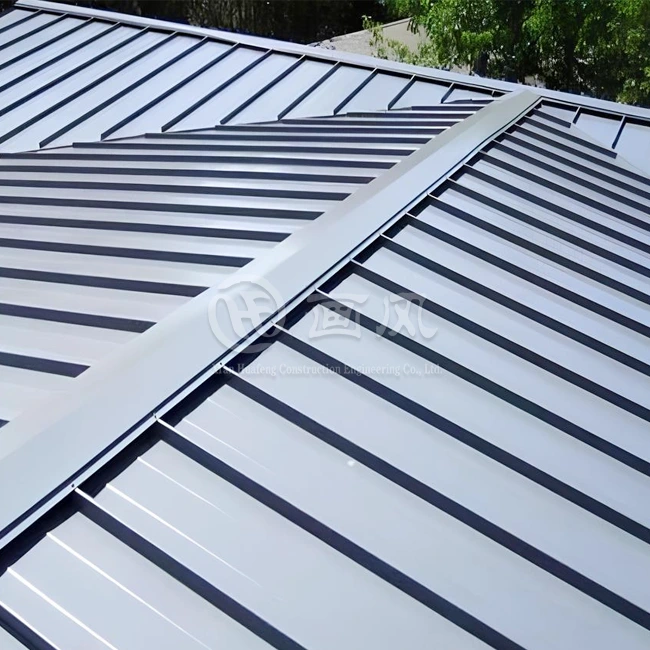
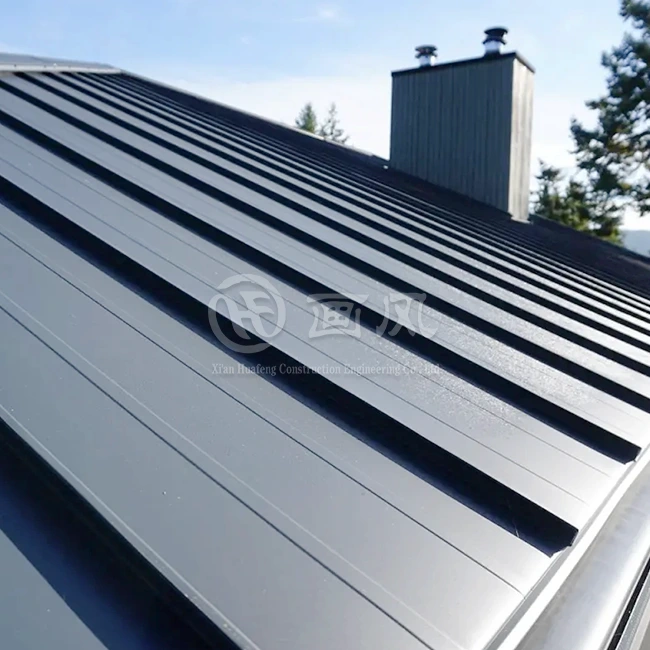
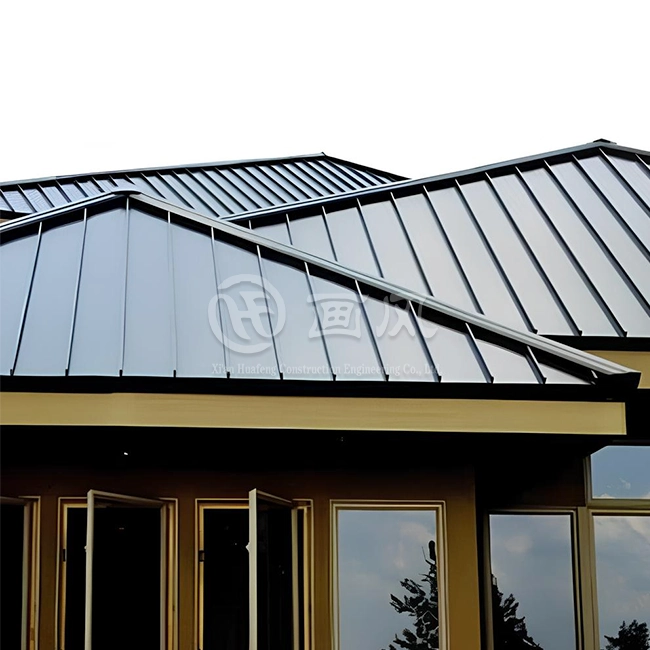
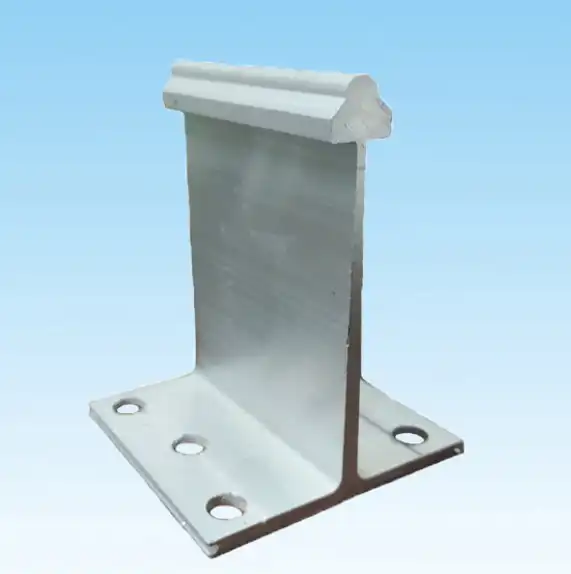
Finding reliable sources for durable Standing Seam Bracket solutions is crucial for construction professionals and roofing contractors working on metal roof projects. These specialized mounting components serve as essential roofing accessories that attach to standing seam metal roofs without penetrating the surface, ensuring both security and weather integrity. Quality suppliers offer various options including T-brackets, seam clamps, and roof anchors manufactured from premium aluminum alloy materials, providing the durability and performance standards required for commercial and residential applications worldwide.
Sourcing Standing Seam Bracket components globally opens doors to advanced manufacturing capabilities, competitive pricing, and innovative designs that meet international quality standards. The global marketplace offers access to specialized manufacturers with decades of experience in metal roofing systems, providing construction companies with reliable roof support solutions that enhance project outcomes while maintaining cost efficiency.
Understanding Standing Seam Bracket Applications and Benefits
Essential Functions in Metal Roof Installation
Specialized fastening gear is needed to keep a lot of different pieces of equipment and extras in place on standing seam roof systems. There are several uses for these roof clamps. They can hold up solar panel setups and act as fixing points for roof safety systems and snow guards. Installers can keep the metal roof panel's structure while making sure that necessary equipment has safe places to connect to it. With today's roof fixing options, there's no need for roof penetrations that could make weatherproofing less effective. This method doesn't go through the building shell, so it covers it and supports different loads reliably. This feature is liked by construction workers because it lowers the risk of leaks and upkeep issues over the life of the building.
Durability Advantages of Quality Bracket Systems
Premium Standing Seam Bracket fasteners made from aluminum alloy 6063-T5/T6 offer exceptional corrosion resistance and dimensional stability, ensuring long-term performance and reliability in commercial and industrial roofing applications. Extreme weather conditions like high winds, changes in temperature, and being exposed to water don't hurt these materials over time. The anti-corrosion features make sure that it will work for a long time, even in seaside or industrial areas. The standing seam roof structure is stable because it is made of high-strength materials and is built to last. Good clamps keep their grip strength and physical stability, so they don't loosen or change shape in ways that could make equipment less safe. This dependability is especially important for long-term setups like communication systems or HVAC equipment.
Cost-Effectiveness in Long-Term Projects
Buying roofing gear that lasts a long time lowers the building's upkeep costs and the number of times it needs to be replaced. Quality clamp systems usually come with guarantees that last between 25 and 30 years. This gives project owners peace of mind about their investment. This longer service life means that the total cost of ownership is lower than with cheaper options that need to be replaced more often. The non-penetrating installation method also cuts down on the cost of labor for both the original installation and any upkeep work that needs to be done in the future. Technicians can work on equipment without having to worry about damage to the roof or fixes to the protection. This makes maintenance easier and cuts down on building downtime.
Global Supply and Demand Analysis for Standing Seam Bracket Markets
Regional Manufacturing Capabilities
Asia and the Pacific are the world's top producers of metal roofing items. These makers run high-tech factories with quality control systems and automatic machinery. Every year, these factories make millions of units to meet the needs of building markets around the world. Precision making, surface treatment, and unique design services are all things that can be made. European companies focus on high-end uses that need complex tech and high-quality materials. These companies usually work with niche markets, like restoring ancient buildings and making unique solutions for architecture projects. Because they know a lot about modern metals and surface processes, they can help with tough weather conditions. For local building markets in North America, providers stress fast shipping and expert help. Regional distribution networks make sure that standard goods are available quickly and that there are enough items in stock to support big projects. Customization and expert technical help are also possible when goods are made locally.
Market Demand Trends
As building owners adopt more advanced building systems and green energy solutions, commercial development creates a big need for roof connection systems. Installing solar panels needs safe fixing points, which standing seam clamp items do well to provide. This trend is still growing even though rules about saving energy are getting stricter. Another big market group that needs heavy-duty roof support systems is industrial buildings. For air systems, material handling equipment, and safety systems to work properly, manufacturing plants, stores, and distribution centers need strong anchor points. For these uses, special engineering and higher load rates are often needed. Metal roofing systems and the items that go with them are becoming more popular in the residential market. Metal roofs are popular with homeowners because they last a long time and use little energy. This means that Standing Seam Bracket suppliers can generate revenue by serving commercial and industrial clients, while residential projects often require attention to aesthetics and typically involve smaller, customized orders.
Supply Chain Considerations
There are many steps in the global supply lines for roofing tools, from preparing raw materials to delivering produced goods. Availability of aluminum supplies affects prices and shipping times, especially when there is a lot of building going on. Manufacturers keep smart amounts of goods on hand to protect themselves against changes in the prices of materials and problems with the supply chain. Logistics and transportation are very important parts of global buying methods. Shipping in bulk lowers the cost per unit, but you need to plan ahead to make sure you can afford the goods and storage space. Express shipping choices make it easier to get things quickly, but they also raise the general cost of buying things. Strong testing and licensing systems are needed to make sure quality in foreign supply lines. Reliable sellers keep quality control systems that meet international standards like ISO 9001. This makes sure that products always work the same way, no matter where they are made.
Comparing Different Procurement Channels for Roofing Hardware
Direct Manufacturer Sourcing
| Advantages | Disadvantages |
|---|---|
| Lowest unit pricing for large orders | Higher minimum order quantities |
| Custom design and engineering support | Longer lead times for standard products |
| Direct quality control communication | Limited local inventory for urgent needs |
| Technical documentation and certifications | International shipping and customs complexity |
Technical paperwork and licenses Difficulty of international shipping and customs When you work directly with makers, you can see all of their goods and make changes to them. Technical support teams can help you choose the right product and figure out how to install it. This relationship is especially helpful for big projects that need custom solutions or a lot of them. Partnerships in manufacturing also give people early access to new designs and products. Leading companies constantly put money into research and development to make their goods better so they work better or are easier to install.
Regional Distributor Networks
Local wholesalers have many benefits, such as making products available right away, offering expert help in local languages, and already having relationships with workers in the area. These providers keep enough merchandise on hand to meet the needs of most projects, and they offer payment terms and a variety of buying choices. A lot of the time, distributor networks offer extra services that add value, like custom cutting, packing, and coordinating deliveries to job sites. These services can make project management easier and installation go more quickly. Local help also makes it easier to file service claims and fix technology issues. Regional providers know the local building codes and best practices for fitting, so they can give advice that makes sure the rules are followed. This information is especially important when working in places you don't know much about or with unique building needs.
B2B Platform Procurement
Digital buying platforms connect buyers with many suppliers, letting them compare prices and judge the quality of providers based on reviews and scores from other users. A lot of the time, these sites protect transactions with trust services and ways to settle disagreements. Online sites are great at dealing with standard goods that meet set standards. Buyers can quickly find the right goods with the help of search and screening tools. A lot of sites also offer technical specs and installation tips to help people make smart decisions about what to buy. But for complicated projects that need unique solutions, talking to technology experts directly might be better than shopping in a catalog. There are also extra fees for platform transfers that may change the total cost of the job.
Practical Supplier Evaluation and Procurement Strategies
Quality Verification Processes
Establishing supplier quality requires reviewing manufacturing certifications and testing capabilities. Reputable manufacturers maintain accredited testing laboratories and quality management systems meeting international standards. Request documentation including material certificates, test reports, and quality control procedures. Sample evaluation provides practical assessment of product quality and compatibility with specific project requirements. Request samples representing the actual production batch rather than specially prepared demonstration units. Evaluate dimensional accuracy, surface finish quality, and material properties.
Third-party testing services offer independent verification of product performance claims. Consider engaging testing laboratories for critical applications or when working with unfamiliar suppliers. This investment provides confidence in product reliability and supports warranty claims if performance issues arise.
Understanding MOQ and Payment Terms
Minimum order quantities vary significantly between suppliers and product types. Manufacturers typically require higher MOQs reflecting production setup costs and efficiency considerations. Standard products may have lower MOQs than custom designs requiring special tooling or materials. Payment terms depend on supplier relationships, order values, and risk assessments. New supplier relationships often require secured payment methods like letters of credit or partial advance payments. Established relationships may qualify for extended payment terms supporting project cash flow management.
International transactions involve additional considerations including currency exchange rates and international payment methods. Plan for potential exchange rate fluctuations affecting total project costs. Consider forward contracts or other hedging strategies for large orders with extended delivery schedules.
Delivery Timeline Management
Standard product delivery typically ranges from 2-4 weeks depending on supplier location and transportation methods. Custom products require additional time for engineering, tooling, and production setup. Plan procurement schedules accounting for these extended timelines plus potential delays. International shipping adds complexity including customs clearance procedures and potential inspection delays. Work with experienced freight forwarders familiar with roofing hardware imports and documentation requirements. Consider consolidating shipments to reduce transportation costs and customs processing complexity.
Emergency procurement options exist but involve premium pricing for expedited production and shipping. Maintain relationships with local suppliers capable of supporting urgent requirements. Strategic inventory management can reduce emergency procurement needs while supporting project schedules.
Common Procurement Pitfalls and Risk Mitigation
Specification Accuracy Issues
Incorrect product specifications cause project delays and additional costs. Verify seam heights, load requirements, and environmental conditions before finalizing orders. Provide detailed drawings and specifications rather than relying on verbal descriptions or assumptions. Standing seam profiles vary between manufacturers and roof systems. Ensure Standing Seam Bracket compatibility with specific panel profiles used on projects. Request compatibility verification from bracket suppliers when working with panels from different manufacturers.
Environmental conditions affect material selection and surface treatment requirements. Coastal environments require enhanced corrosion protection while high-wind areas need increased structural capacity. Communicate these requirements clearly during the specification process.
Quality Control Challenges
Inconsistent quality between production batches affects installation efficiency and long-term performance. Establish inspection procedures for incoming materials and document any quality variations. Address quality issues immediately with suppliers to prevent recurring problems. Counterfeit products pose significant risks in global markets. Verify supplier authenticity through manufacturer verification programs and authorized dealer networks. Be cautious of prices significantly below market levels as they may indicate quality compromises.
Installation compatibility problems arise when products don't match actual field conditions. Conduct test installations using sample products before ordering full quantities. This process identifies potential installation challenges and allows for design modifications if necessary.
Supply Chain Risk Management
Single-source dependencies create vulnerabilities to supply disruptions. Develop relationships with multiple qualified suppliers capable of supporting project requirements. Maintain approved supplier lists with current contact information and capability assessments. International political and economic conditions can affect supply chain reliability. Monitor global events that might impact key supplier regions or transportation routes. Consider diversifying supplier base across different geographic regions to reduce concentration risk.
Inventory management balances carrying costs against stockout risks. Analyze historical usage patterns and project pipelines to optimize inventory levels. Consider vendor-managed inventory programs for high-volume standard products.
Conclusion
Successfully sourcing durable Standing Seam Bracket solutions requires careful evaluation of global suppliers, understanding market dynamics, and implementing robust procurement processes. Quality manufacturers provide reliable products meeting stringent performance requirements while offering competitive pricing and technical support. Direct manufacturer relationships offer advantages for large projects while regional distributors provide local support and immediate availability. Digital platforms facilitate supplier discovery and comparison but may require additional verification for critical applications. Effective procurement strategies balance cost, quality, and delivery requirements while mitigating risks through supplier diversification and quality verification processes.
FAQ
What materials are best for standing seam roof brackets?
Aluminum alloy 6063-T5/T6 provides optimal combination of strength, corrosion resistance, and weight characteristics. This material offers excellent durability in various weather conditions while maintaining dimensional stability over extended service periods.
How do I verify bracket compatibility with my roof panels?
Request detailed specifications including seam height ranges and panel compatibility charts from bracket manufacturers. Provide panel manufacturer and model information to ensure proper fit and performance.
What certifications should I look for in bracket suppliers?
Look for ISO 9001 quality management certification, relevant industry standards compliance, and testing laboratory accreditation. These certifications indicate systematic quality control and product reliability.
What are typical minimum order quantities for custom brackets?
Custom bracket MOQs typically range from 1000-5000 pieces depending on design complexity and manufacturing requirements. Standard products often have lower MOQs starting around 500 pieces.
How long do quality bracket systems typically last?
Premium aluminum brackets with proper surface treatments typically provide 25-30 years of reliable service. Many manufacturers offer warranties reflecting this expected service life.
What factors affect bracket pricing in global markets?
Aluminum material costs, manufacturing complexity, order quantities, surface treatment requirements, and transportation costs all influence pricing. Custom designs typically cost more than standard products.
Get Premium Standing Seam Bracket Solutions from HF
HF Construction Engineering Co., Ltd. stands as your reliable standing seam bracket manufacturer, offering premium aluminum alloy T-brackets engineered for exceptional durability and performance. Our state-of-the-art manufacturing facilities produce over 10,000 tons monthly, ensuring consistent availability for projects of any scale. With 30-year warranties, customizable designs, and 15-20 day delivery schedules, HF provides the quality and service construction professionals demand. Contact our technical team at huafeng@hfmetalroof.com to discuss your specific roofing hardware requirements and discover why leading contractors choose HF for their metal roof installation projects.
References
1. Johnson, Michael R. "Metal Roofing Systems: Design and Installation Guidelines." Construction Industry Press, 2023.
2. Thompson, Sarah L. "Standing Seam Technology: Advances in Non-Penetrating Roof Attachments." International Roofing Journal, Vol. 45, No. 3, 2022.
3. Chen, David W. "Global Supply Chain Management for Construction Hardware." Building Materials Quarterly, 2023.
4. Martinez, Elena P. "Aluminum Alloy Performance in Extreme Weather Conditions." Materials Engineering Today, 2022.
5. Anderson, Robert K. "Quality Control Standards for Roofing Accessories Manufacturing." Industrial Standards Review, 2023.
6. Wilson, Jennifer M. "Cost-Benefit Analysis of Premium vs. Standard Roofing Hardware." Construction Economics Annual, 2022.





YOU MAY LIKE