Flat Lock Zinc Cladding Panel Guide for Modern Building Facades
2026-07-28 18:29:34
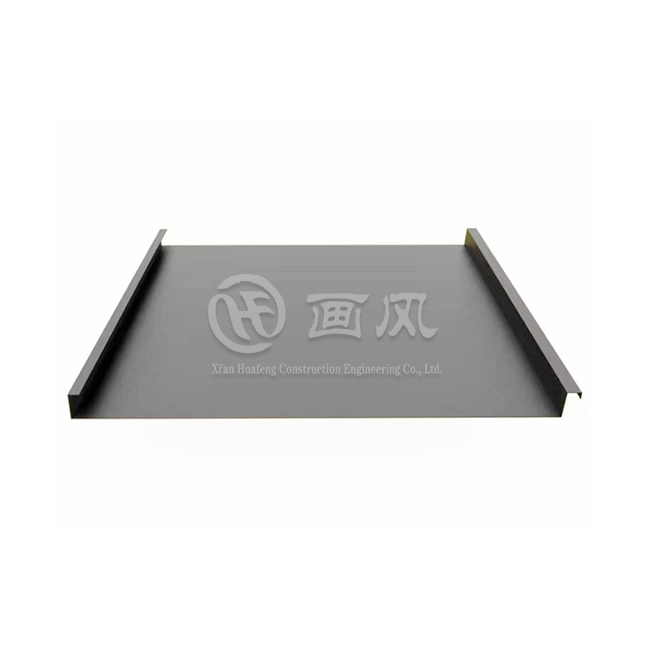
When considering modern facade solutions for contemporary construction projects, flat lock zinc cladding panels offer a sophisticated combination of durability, aesthetic refinement, and environmental responsibility. These precision-engineered metal facade components utilize an interlocking design methodology that creates seamless visual continuity across complex architectural surfaces. Through advanced titanium-zinc alloy composition and meticulous fabrication techniques, these panels address critical challenges facing today's commercial and institutional building projects, including demanding weather resistance requirements, regulatory compliance needs, and long-term sustainability objectives.

Understanding Flat Lock Zinc Cladding Panels: Features and Benefits
What Makes the Interlocking Design Different
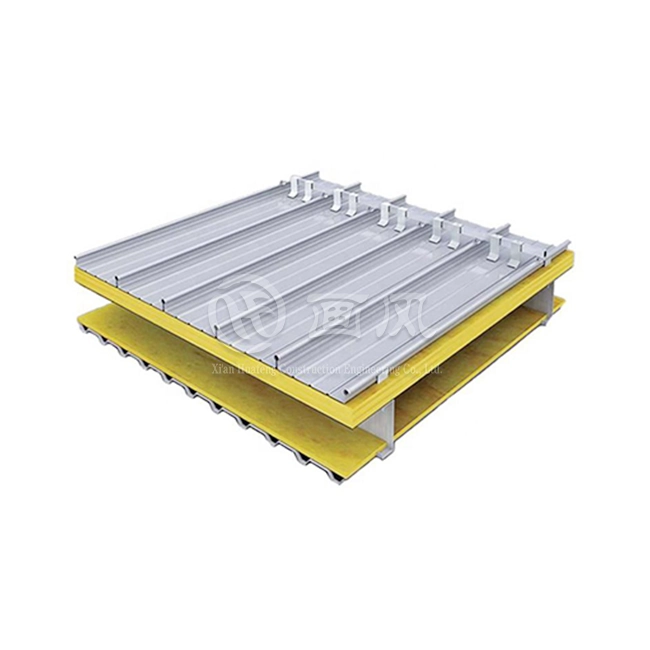
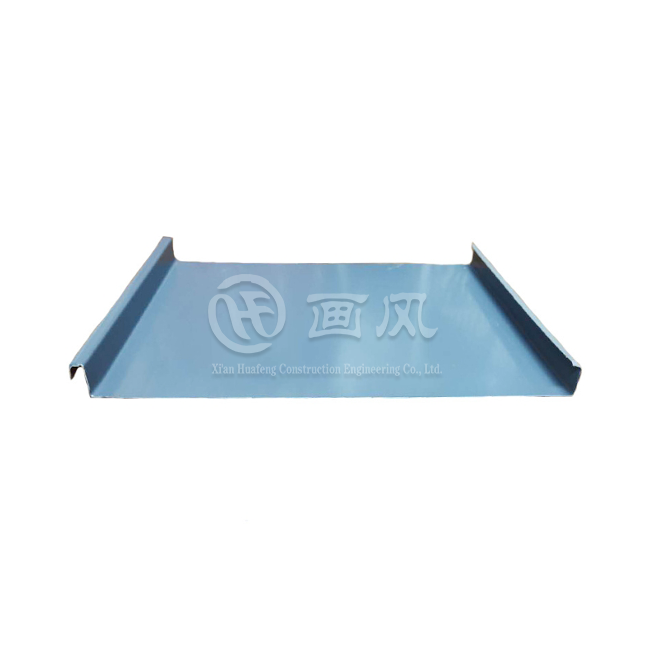
The main benefit of flat lock zinc cladding panels is the unique way they are put together. Instead of using visible fasteners or seams, each panel has a 180-degree hem on all four edges, which lets pieces next to each other fit together automatically. This makes the building look like a single piece while still allowing the structure to be flexible across the whole surface. Individual thermal movement is possible with the concealed clip attachment system, which doesn't affect the weatherproofing or the way things look.
Superior Material Performance Characteristics
High-purity titanium-zinc metals are very resistant to rust in the air because they have a way of fixing themselves. When a material is exposed to water and carbon dioxide, the surface forms a protected zinc carbonate layer that fixes small scratches and stops the material from breaking down over time. This feature sets zinc apart from painted steel options that require occasional refinishing. If installed correctly, these facades will keep their structural and visual integrity for at least 50 years with little to no maintenance. This gives procurement managers a very appealing total cost of ownership profile.
Contribution to Sustainable Building Practices
Construction teams that care about the environment like that flat lock zinc cladding panels support a number of green building certification pathways. The material makeup stays 100% recyclable at end-of-life, keeping major reclamation value. The amount of energy needed to make it is about one-third that of copper options, which lowers the embodied carbon effects. The longer service life means that replacements are needed less often, which further reduces the environmental impact of the whole lifecycle. These qualities are directly related to LEED credit categories and the ESG commitments that businesses are making, which are becoming more and more important to commercial property developers.
Fire Safety and Acoustic Performance
Regulatory compliance is an important issue that can't be avoided in business building. According to EN 13501-1 standards, these panels get a Class A1 grade for not being flammable. This means they meet the strict fire safety requirements for buildings with more than one floor and a lot of people. When combined with the right sound-absorbing backing materials, the system achieves acoustic transmission class scores higher than STC 30dB. This meets the needs for noise reduction in cities and factories where outside noise affects the usefulness of the inside.
Comparing Flat Lock Zinc Cladding Panels with Other Cladding Materials
Structural Advantages Over Standing Seam Systems
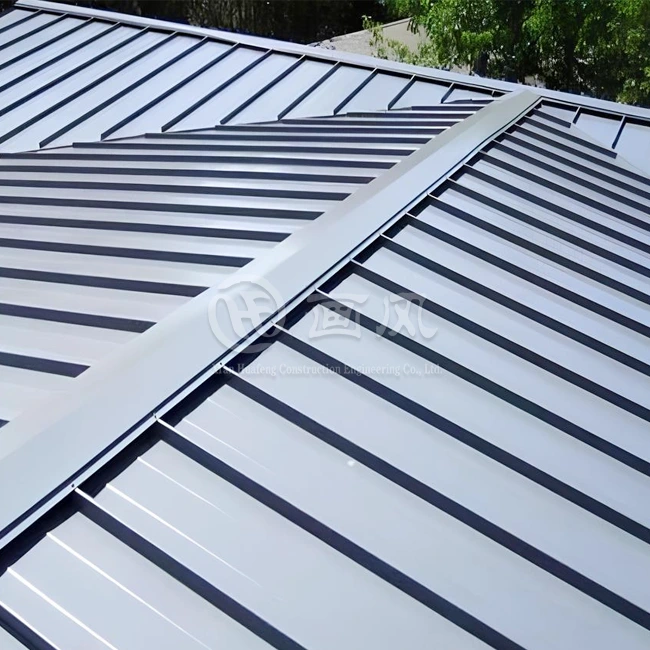
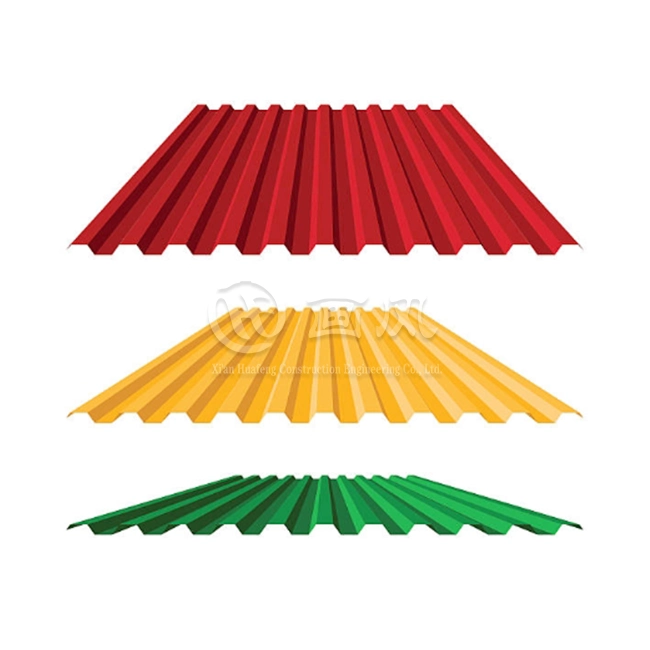
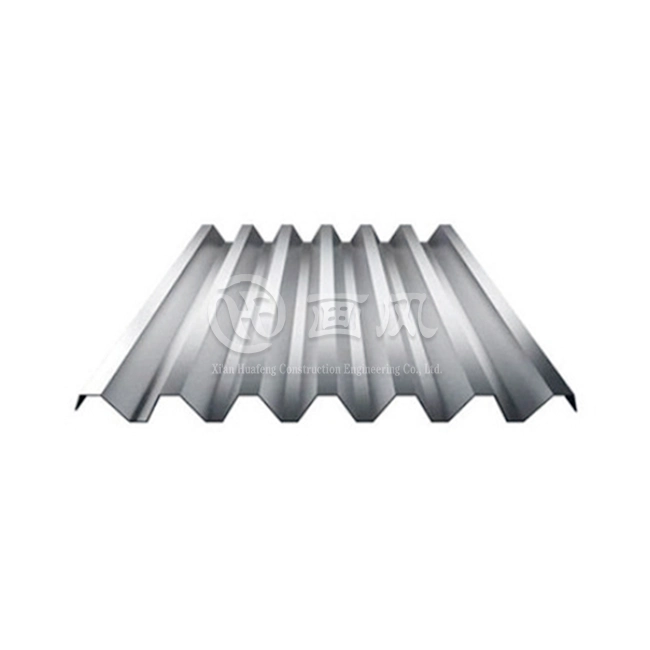
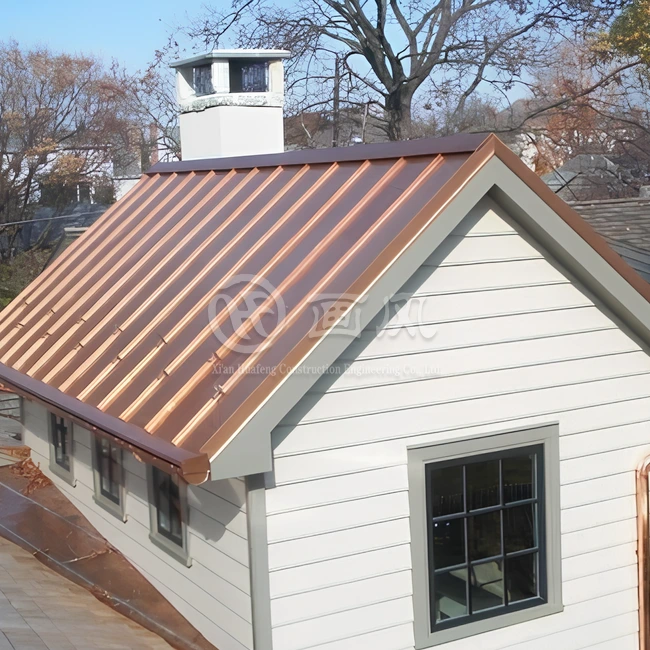
Standing seam profiles are still common for some types of roofs, but the flat lock zinc cladding panel is better for complex facade geometry. Because the modules are smaller, the system can fit into double-curved surfaces, conical shapes, and other organic building forms that rigid long-tray systems can't. It gets easier to install because each panel doesn't need as much special equipment to bend and can be adjusted more easily in the field. Instead of concentrating in long, continuous seams, thermal stress is spread out over many separate joints. This lowers the risk of oil-canning distortion that is common in large-format panels.
Performance Comparison with Alternative Metals
Aluminium cladding systems are lighter than zinc ones, but they don't have the self-healing patina that makes zinc unique. Aluminium surface coats need to be maintained at certain times, which zinc naturally doesn't do. Copper lasts about as long as steel, but it costs a lot more and has more environmental issues related to its production. Stainless steel choices last longer, but they usually need more complicated detailing at the points where the panels join. Zinc is a good choice because it is resistant to rust, doesn't change much over time, is easy to work with, and is good for the overall cost of the job. The material's malleability enables crisp folding during panel fabrication without micro-cracking, allowing precise dimensional tolerance maintenance across production runs.
Customization Options for Design Flexibility
Modern building expression needs material systems that can carry out a wide range of design goals. Available widths range from 0.4mm to 1.0mm allow improvement based on wind load estimates and spanning needs. Panel shapes aren't just rectangles; they can also be rhombus, trapezium, or hexagonal, which make for interesting facade patterns. With widths ranging from 300mm to 600mm, the panels can be used for both small-scale domestic projects and large-scale institutional markers. Pre-weathered surface treatments accelerate patina development for immediate uniform appearance, while natural finishes evolve organically over time, developing unique character responsive to local environmental conditions.
Installation and Maintenance of Flat Lock Zinc Cladding Panels
Critical Site Preparation Considerations
Preparing the base correctly is the first step to good wall performance. The flat lock zinc cladding panels need a solid backing that goes all the way around them. This is usually marine-grade plywood that is put over structural framing with a separation layer in between. This moisture barrier keeps different metals from touching directly while making sure there is enough air flow behind the cladding plane. Proper air gap maintenance takes care of condensation and stops corrosion on the bottom, which could weaken the structure over time. Before installing a panel, engineering teams must check the substrate's flatness tolerances. Any imperfections will show up on the finished surface.
Step-by-Step Installation Protocol
Professional installation teams start by making sure they have accurate baselines and that the dimensional plans match the approved shop drawings. At set times, concealed stainless steel clips connect to the base. Each clip engages the hemmed panel edge. The panels fit together one after the other, with the motorised hem link holding the pieces together. Thermal expansion joints naturally happen where panels meet, and the clip system can adapt to changes in size that happen across the temperature ranges that panels experience over their lifetime. To keep the weather out and keep the look consistent, corner conditions, entry flashings, and ending details need to be carefully put together.
Ongoing Maintenance Requirements
One important thing to think about when buying something is minimising operational costs. Unlike other methods, these surfaces don't need nearly as much maintenance. Rainwater naturally cleans, so dirt doesn't build up on this type of cladding the way it does on other types. Visual checks are done on a regular basis to make sure that no mechanical damage has happened and that drainage paths are still clear. Unlike painting systems that need to be refinished many times, the patina keeps its protective properties forever. Coastal sites in high-salinity areas may need to be rinsed with freshwater every so often to slow down surface weathering, but the structure's stability is not affected by rough weather.
Procurement Insights: How to Choose and Buy Flat Lock Zinc Cladding Panels
How to select and purchase flat lock zinc cladding panels is a procurement insight.
Evaluating Manufacturer Capabilities
To choose the right supplier, you need to look at more than just the product specifications. Manufacturing capacity determines realistic delivery timelines for large-scale projects. Facilities with more than one production line show that they can handle a lot of work and have backup plans in case something goes wrong. This helps keep project dates safe. Verification of certification compliance makes sure that international standards like ASTM, DIN, JIS, BS, and GB/T are met. Patent files show that money is still being spent on improving systems and coming up with new technologies. Having access to engineering support during the design development stages is very helpful for fine-tuning details and fixing problems with constructability before the fabrication process starts.
Understanding Cost Structures and Lead Times
Transparent price models take into account the costs of the base materials, the difficulty of making things with unique shapes or finishes, and the challenges of getting them to the customer. The smallest amount of a project that can be ordered and still make money is usually around 500 square meters. Production and delivery windows that last between 15 and 22 days need to be planned into the overall schedule of the project. When looking at total installed costs versus other cladding systems, it's clear that a higher original investment often pays off over time thanks to a longer service life and almost no upkeep needs. A warranty that lasts for 30 years gives you more financial security and shows that the maker trusts the product to last.
Customization and Technical Support
Ambitions for complex architecture need supply partners who can provide custom solutions. Customising panel dimensions beyond what is normally available lets you achieve your design goals without sacrificing quality. Branding needs and environmental design reactions are met by colour matching to specific RAL standards or creating one-of-a-kind patinated finishes. Technical consulting services help engineering teams with things like figuring out heat movement, making sure the material is compatible, and working on details. Installation training programs make sure that contractor crews do the job exactly the way the maker says it should be done. This protects the warranty and increases field output.
Case Studies and Practical Applications of Flat Lock Zinc Cladding Panels
Cultural Institution Facades
Flat lock zinc cladding panels are often chosen by museums and performing arts centers because they can be shaped into sculptures while still having a smooth, solid surface. The fact that the material is linked to refined modern building fits with the goals of university branding. Panel systems can handle the complicated double-curved geometries that are typical of signature designs, and the sizes of each module allow them to fit closely to surfaces that were designed by architects. The natural process of weathering adds to the building's visual beauty and depth over time, which helps it change in relation to its surroundings.
Commercial Office Renovations
Updating existing buildings is a growing market area where lightweight facade options can be useful. The small dead load impact makes it possible to use over existing frame structures without having to pay for expensive reinforcing. Rear-ventilated rainscreen systems improve thermal performance and stop water from moving through current wall assemblies. Using modern metal siding to change the way an old building looks puts it back on the market in a competitive way, which helps the value of the property go up. Shorter installation times mean less trouble for tenants, which is very important for retrofitting buildings that are already occupied.
Coastal and Industrial Environments
Aggressive weather conditions test the limits of how well a material can do its job. Zinc's ability to resist corrosion makes it very useful in places that are exposed to saltwater and industrial areas with a lot of pollution. The protective coating stays the same in pH levels from 6 to 12, so acid rain and alkaline contaminants can't break it down. A temperature range of -40°C to 80°C allows for use in harsh climates without weakening the material or causing too much thermal movement. Zinc has a history of working well in these tough environments, which lowers the long-term risk for owners who are worried about how long the facade will last.
Conclusion
As material science and manufacturing methods improve, architectural metal surfaces continue to change. Flat lock zinc cladding panels are unique in this landscape because they offer construction professionals a tried-and-true solution that meets modern performance needs and lets architects express themselves creatively. The interlocking panel method solves problems with geometric complexity, thermal management, and durability through simple engineering instead of using complicated secondary systems. When procurement teams look at different facade choices, zinc cladding comes out on top after a full analysis of lifetime costs, upkeep duties, and environmental effects. As building codes tighten, environmental responsibility intensifies, and aesthetic standards rise, these panels offer integrated value across multiple decision factors that matter most to discerning clients.
FAQ
1.What Service Life Can We Expect in Commercial Applications?
Properly installed flat lock zinc cladding panels routinely achieve 50 to 80-year service lives in typical commercial environments. The self-healing zinc carbonate patina saves the material below all the time, stopping rust from getting worse. Unlike organic coatings that degrade and require replacement, the mineral patina maintains protective functionality throughout the facade's service life. Maintenance-free operating periods usually last for 25 years before any action is needed, and even then, they are still much less extensive than requirements for painted systems.
2.How Do These Panels Perform in Harsh Coastal Zones?
Resistance to salt spray is one of the main strengths of the material. The protective patina stays in place in high-salinity environments where steel and aluminium alternatives break down quickly. Coastal structures may experience accelerated patina development, but structural stability and weather barrier function stay unchanged. If maintaining a uniform colour development is important, periodic freshwater rinsing can help with the look. However, many designers like the natural fading patterns that form when materials are exposed to wind and water.
3.What Distinguishes Maintenance Requirements from Other Metal Cladding?
The main difference is the self-protecting oxide of flat lock zinc cladding panels versus coats that are put on other materials. Painted steel and aluminium systems need to be refinished on a regular basis to keep their rust protection and good looks. With zinc facades, none of these things need to be done because rainwater cleans most places just fine. Lifecycle cost studies need to take into account the costs of not having to recoat, move equipment, and disturb people who are using the space, which are all things that are normally needed for maintenance on traditional systems.
Partner with HF for Your Next Facade Project
Work with HF on your next building facade project. At Xi'an Huafeng Construction Engineering Co., Ltd., we've put a lot of money into building up our manufacturing facilities so that we can serve B2B customers who are looking for dependable flat lock zinc cladding panel suppliers. Our three factories in China run seven dedicated lines with high-tech tools for shaping and finishing. This makes sure that the quality of even large orders stays the same. With monthly capacity reaching 1,000 tons and proven transportation skills ensuring 15 to 22-day delivery windows, we support aggressive project plans without compromising quality standards. Our engineering team brings deep experience in complex facade detailing, giving technical advice throughout design development and building stages. International certifications including ISO9001, ISO14001, and SGS compliance demonstrate our commitment to quality management systems that meet global expectations. Email our team at huafeng@hfmetalroof.com to talk about your project needs, get full product details, or get quotes that are made just for your facade problems.
References
1. Chen, W., & Liu, Y. (2021). Durability Performance of Titanium-Zinc Alloy Cladding in Atmospheric Environments. Journal of Building Materials and Structures, 15(3), 234-248.
2. European Zinc Industry Association. (2020). Technical Guide for Architectural Zinc Applications. Brussels: EZIA Publications.
3. Johnson, R. T. (2019). Metal Facade Systems: Design, Engineering, and Installation Practices. New York: Architectural Press.
4. Morrison, H., & Chen, K. (2022). Lifecycle Assessment of Metal Cladding Materials in Commercial Construction. Sustainable Building Materials Quarterly, 8(2), 112-129.
5. Patel, S. D. (2020). Advanced Metal Forming Technologies for Architectural Applications. International Journal of Construction Technology, 24(4), 445-462.
6. Williams, E. J., & Schmidt, P. (2021). Corrosion Resistance Mechanisms in Architectural Zinc Alloys. Materials Science in Building Construction, 33(1), 78-94.





YOU MAY LIKE