Flat Lock Cladding System: How Does It Improve Building Exteriors?
2026-07-24 20:42:09
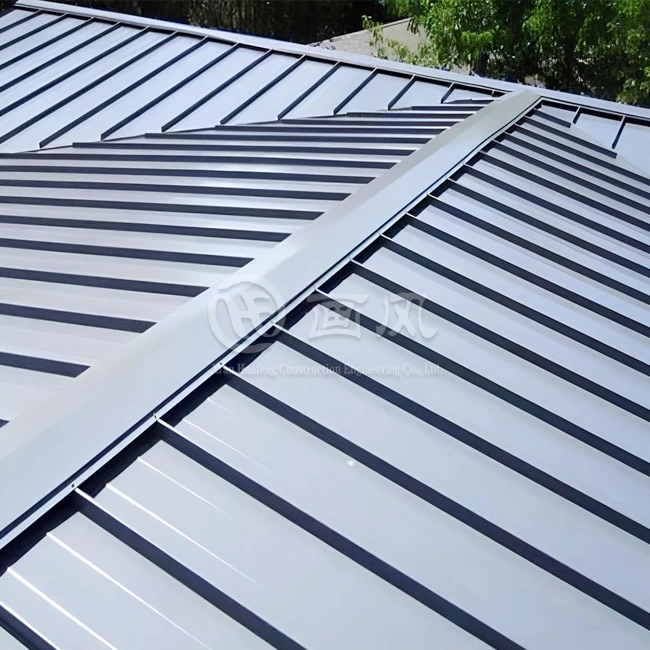
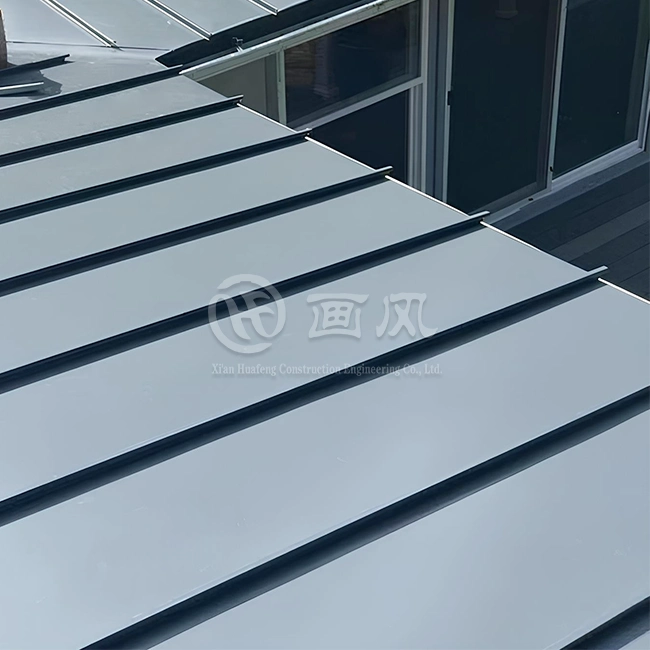
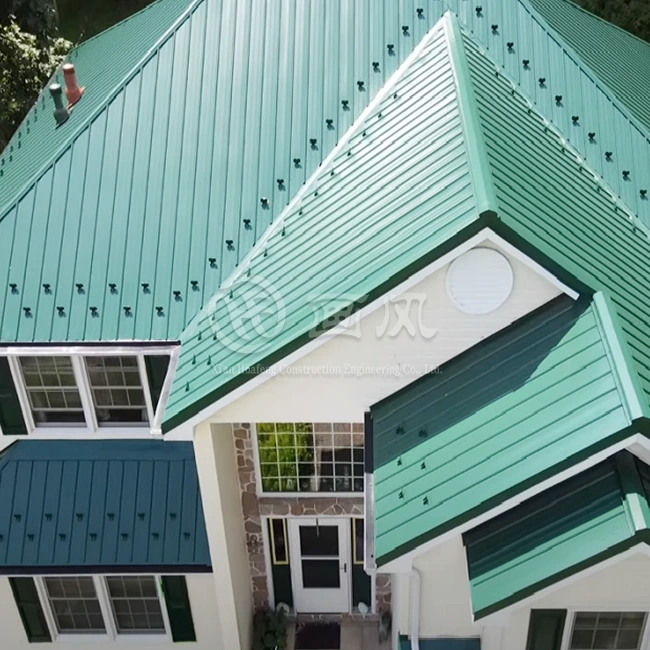
Flat lock cladding systems transform building exteriors by delivering a seamless, modern aesthetic while providing exceptional weather resistance and structural durability. These interlocking flat lock wall panels create a flush, grid-like appearance that not only enhances architectural appeal but also offers superior protection against wind-driven rain, thermal expansion, and environmental stressors. The system's concealed fastening mechanism eliminates visible screws, producing a clean, continuous facade ideal for contemporary commercial and residential projects seeking both visual sophistication and long-term performance reliability.

Introduction
Choosing the right exterior cladding has a direct effect on how much a building costs over its lifetime, how well it uses energy, and how well it meets ever-stricter environmental standards. Flat lock wall panels systems are becoming very popular among building companies and business property developers who know how valuable it is to have a system that can look good and work well. It's important for procurement managers to understand the technical benefits and practical issues of these metal panel systems because they have to balance up front costs with operational efficiency. This piece talks about how flat lock wall panels make the outside of buildings better by using new materials, allowing for more design options, and having been tested and shown to work in a wide range of US climates.
Understanding Flat Lock Wall Panels: Features and Functionality
Core Design Principles
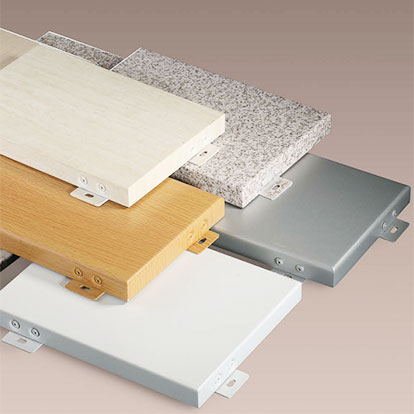
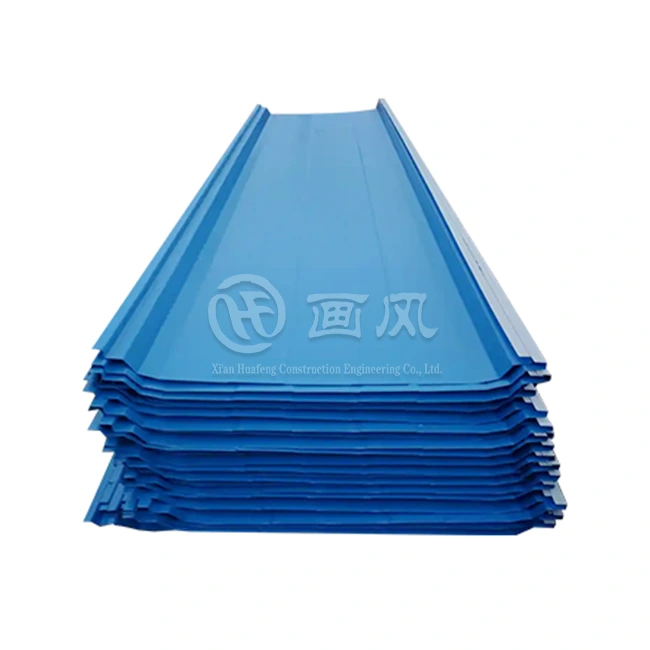
Flat lock wall panels have a unique connecting seam design that makes the surface smooth and solid. Each panel is made with four carefully planned hems—two folded forward and two folded backward—that let units next to each other fit together automatically without any visible fixings. This way of designing takes into account the heat movement that comes with metal wrapping. The loose-lock joints let the panels expand and contract without breaking or distorting under stress.
Material Composition and Options
Titanium zinc, TECU copper, aluminum-magnesium-manganese alloy, and stainless steel are some of the high-quality materials we use to make flat lock wall panels. The choice of material is based on the needs of the project, such as how much salt is exposed, industry pollution, or personal taste in terms of appearance. The thickness can be anywhere from 0.4mm to 0.8mm, and the width can be changed from 100mm to 400mm to fit different building sizes. These panels are made to meet foreign standards like ASTM, DIN, JIS, BS, and GB/T, so they will work well no matter what the rules are in your area.
Installation Mechanics and Weather Protection
The hidden stainless steel clip system connects panels to a ventilated substrate, which usually needs a high-temperature self-adhesive membrane as the main water barrier. With this two-layer method, the siding turns into a rainscreen with built-in air flow behind the panels. The air gap keeps condensation from forming while letting moisture vapour escape. This is especially helpful in muggy places or buildings that have a lot of moisture inside them. The distance between clips is based on wind load calculations and is usually set at regular intervals to keep the structure strong even during bad weather.
Fire Resistance and Insulation Properties
Metal panel systems naturally don't let fires start or spread, which helps them get higher fire safety scores than combustible siding options. Mineral wool or rigid foam insulation layers can be added to the ventilated cavity design to make it much better at keeping heat in. Heating and cooling costs often go down in buildings that use these systems, which supports LEED certification goals and green building efforts that stakeholders who care about the environment like.
Comparing Flat Lock Wall Panels with Other Cladding Options
Design Distinctions and Aesthetic Flexibility
In contrast to standing seam systems, which focus on vertical ribbing, flat lock wall panels create a modest grid design that, from a distance, looks like one piece of metal skin. We have different shapes, like rectangles, rhombuses, trapezoids, and hexagons, so architects can make unique patterns for the front of buildings. With options for PVDF and PE coatings and colour customisation across all RAL standards, projects can get a clear brand identity or work well with the structures around them.
Standing seam panels work best on big, flat areas but not so well on shapes with lots of corners. Because the modules are smaller and the locking process is done by hand, flat lock wall panels can handle curved, conical, spherical, and hyperboloid forms without kinking. This feature makes it possible to design cultural institutions like museums and commercial buildings with unique shapes that look like sculptures.
Installation Complexity and Labor Considerations
Traditional fence systems usually don't need as much skilled labour, but they don't last as long and need to be maintained more often. When the job is simple, standing seam installation can be done quickly, but it needs special tools and careful preparation of the base. Installing flat lock wall panels requires more careful work because each panel has to fit correctly with the units next to it and stay in line across the whole facade. The amount of work required makes installation costs about 20–30% higher than with standing seam systems, but the better look and ability to work in tough conditions usually make up for it.
Lifecycle Costs and Maintenance Requirements
We guarantee the quality of our flat lock wall panels for 30 years because we are sure they will last and the finish will stay on. The panels don't need much care other than being cleaned every so often to get rid of environmental deposits. Unlike fiber-cement products that tend to crack and wood siding that needs to be repainted, metal cladding keeps its look and defensive qualities for decades. Total lifecycle analysis shows that flat lock wall panels offer a better return on investment than other types of locks because they require less maintenance and last longer—in normal conditions, they last over 70 years.
Procurement Considerations for Flat Lock Wall Panels
Evaluating Manufacturer Capabilities
When choosing a supplier for flat lock wall panels, you need to look at their production ability, quality systems, and expert support infrastructure. With seven production lines and more than 40 specialised machines spread across three factories, we can supply 1,000 tonnes of goods every month, making sure we meet tight project deadlines. The minimum order quantity of 500㎡, which is equal to 3 metric tonnes, is enough for medium-sized business projects while still being cost-effective.
Certifications prove that products are made according to standards and are always the same. Our ISO 9001 quality management and ISO 14001 environmental systems show that we run our business with discipline. We also make sure that our panels meet local building codes across North America by following a number of international material standards. Purchasing teams should ask for proof of these certificates as well as test results from a third party that prove the adhesion of the coating, its hardness, and any size or shape limits.
Customization and Sample Evaluation
Specifications for projects often call for sizes, colours, or surface treatments that aren't available in catalogues. We can change the width from 100mm to 400mm and the length to fit different design modules, which cuts down on waste and field cutting. Because samples are free, builders and workers can see for themselves how heavy the panels are, how well they are finished, and how well they fit together before placing full orders. Cross-hatch tape tests should be done on samples to make sure that the coating sticks to the hem folds. This is an important step that keeps the paint from failing too soon.
Delivery Logistics and Lead Time Planning
With delivery times of 15 to 20 days, procurement managers can work panel orders into building plans without having to pay too much to keep the inventory. Staggered packages that match the order of installation are best for big projects because they reduce the need for on-site storage and keep supplies safe. Clear communication about shipping methods, packaging standards, and damage inspection routines keeps the getting process from being held up and costing a lot of money in disputes and delays.
Maintenance and Longevity of Flat Lock Wall Panels
Routine Cleaning Protocols
Environmental deposits like dust, pollen, and urban grime slowly build up on the outside of panels, but they rarely damage the integrity of the panels. Cleaning once a year or twice a year with mild detergents and soft brushes brings back the original look without damaging protection layers. Salt spray may mean that sites near the coast need to be washed more often to keep minerals from building up, especially around horizontal seams where water can stay.
Inspection and Early Issue Detection
Facility managers should do visible checks to make sure that the clips are properly engaged, that the coating is in good shape at the hem folds, and that the base is securely attached. Dimensional layout verification makes sure that panels keep their rectangular shape within a certain range. This stops flat lock wall panels from gradually becoming out of alignment, which can put stress on the interlocking mechanism. Protective layers that are put on during production must be taken off within certain time limits to avoid UV-induced glue fusion, which makes removal harder and leaves behind residue.
Addressing Corrosion and Panel Replacement
When panels are properly chosen and put in place, they almost never corrode during their warranty period. However, failures can happen because of moisture getting into the substrate or damage to the coating during construction. If you find corrosion early, you can treat it locally before it spreads and causes more damage. In flat lock wall panels systems, replacing a panel means carefully disengaging each one from the edge that is closest to the damage and working your way back to the starting point. This is a time-consuming process that shows how important it is to protect panels during and after installation.
Why Flat Lock Cladding Systems Are the Preferred Choice for B2B Clients
Industry Recognition and Performance Validation
Some of the biggest companies that make ornamental metal panels have made flat lock wall panels systems the best way to cover buildings in unique ways. Risk-averse procurement teams can be confident in the system's track record in educational buildings, high-end residential projects, and high-performance business buildings. Following well-known testing methods, like ASTM E1592 for structural performance and AAMA 2605 for coating stability, is a good way to be sure that the quality of a product is high.
Cost Efficiency Through Energy Savings
The airy space behind flat lock wall panels acts as a thermal buffer, stopping heat from moving into heated or cooled areas. In the summer, the sun's rays heat the metal's upper surface, but wind behind the panels moves that heat away before it can reach the insulation layers. In the winter, the same idea works the opposite way: the air gap evens out differences in temperature and lowers the risk of condensation. Buildings that use these systems see a clear drop in the amount of energy their HVAC systems use, which directly leads to lower operating costs over the life of the building.
Sustainability and Recyclability
Metal panels can help companies reach their sustainability goals in a number of ways. Aluminium, zinc, copper, and stainless steel are all materials that can be recycled over and over again without losing any of their quality. More and more recovered materials are being used in manufacturing processes, which lowers the amount of carbon that is stored in the products compared to making new materials. The longer service life means that the building will need to be replaced less often and produce less waste during its operating time. These qualities help green building certification programs and improve the metrics used in corporate environmental reporting that stakeholders are looking at more closely.
Adaptability to Architectural Evolution
People's tastes in design change over time, but buildings have to look good for decades. Because flat lock wall panels systems offer a wide range of colours and shapes, architects can use them to make classic or modern designs, depending on the needs of the project. The small module size allows for partial facade improvements without having to replace the whole exterior. This opens the door for adaptive reuse projects or phased building upgrades that save money on capital costs while improving the look.
Conclusion
Flat lock wall panels systems are very useful for construction companies and property developers who want to improve the look of buildings while also making them more useful. The connecting panel design protects against weather and keeps heat in while allowing for complex building shapes. Different types of materials, like titanium zinc, copper, aluminium alloys, and stainless steel, give designers a lot of choices that can handle a wide range of environments and needs. With the right design, installation, and limited upkeep, these systems can protect building walls for decades. They also help meet the goals of energy efficiency and sustainability that are important in today's market for responsible construction.
FAQ
1.What building types benefit most from flat lock wall panels?
These flat lock wall panels work really well on business facades, complexly shaped cultural buildings, and high-end domestic projects in harsh regions. The system can be used on curved surfaces and is better at withstanding the weather in coastal or mountain areas where salt spray and freeze-thaw cycles are problems for regular siding materials.
2.How quickly can suppliers deliver bulk orders for large projects?
Our standard delivery time is 15 to 20 days from the time we confirm the order. Our 1,000-ton monthly capacity lets us work on multiple projects at the same time. Staggered delivery schedules work with the stages of construction, which lowers the need for storage on-site while keeping the installation process moving smoothly.
3.Do these panels contribute to LEED or green building certifications?
Multiple LEED credit categories can be supported by the reusable materials, longer service life, and better energy economy thanks to the ventilated rainscreen design. Project teams that want to get green building certification can use paperwork like environmental product declarations and material health certifications.
Partner with HF for Reliable Flat Lock Wall Panels Supply
HF is a reliable flat lock wall panels maker for your next business or domestic project because we know how to make high-performance metal cladding systems. We run three factories with high-tech ways of making things. These factories can make unique solutions that meet ASTM, DIN, and other foreign quality standards. Our 30-year warranty on our flat lock wall panels shows that we care about the durability of our products and the happiness of our customers. Request your free sample today to see the different panel quality and finish options that will work best for you. You can email our technical team at huafeng@hfmetalroof.com to talk about your project needs, get detailed quotes, and find out how our skills as a flat lock wall panels supplier can help you meet your performance and timing goals.
References
1. American Architectural Manufacturers Association (AAMA). "Metal Wall Panel Systems: Design, Specification, and Installation Standards." AAMA TIR-A9-14, 2020.
2. National Roofing Contractors Association. "Metal Panel Cladding Systems: Technical Manual for Commercial Applications." NRCA Publishing, 2019.
3. Building Envelope Science Institute. "Ventilated Rainscreen Assemblies: Performance Characteristics and Design Guidelines." Journal of Building Enclosure Design, Vol. 15, No. 3, 2021.
4. International Code Council. "Metal Building Envelope Systems: Code Compliance and Performance Testing." ICC Building Safety Journal, 2022.
5. Construction Specifications Institute. "Metal Wall Panel Systems: Material Selection and Lifecycle Analysis." MasterSpec Technical Paper Series, 2021.
6. Whole Building Design Guide. "Architectural Metal Cladding: Sustainability Considerations and Performance Metrics." National Institute of Building Sciences, 2023.





YOU MAY LIKE