Flat Lock Zinc Cladding Panel: Benefits, Uses and Design Options
2026-07-24 20:37:14
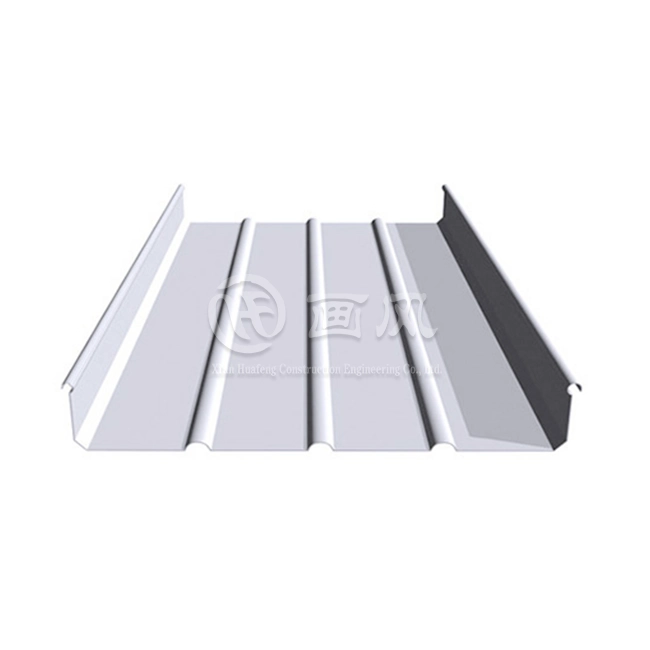
Flat lock zinc cladding panels represent a sophisticated architectural cladding solution that combines timeless aesthetics with modern engineering performance. These interlocking metal panels are crafted from high-purity titanium-zinc alloy and employ a distinctive four-sided hem system that creates a sleek, uniform building envelope. Unlike traditional standing seam systems, the flat lock design allows architects to achieve seamless transitions across complex geometries while maintaining exceptional watertightness and structural integrity. This makes the system particularly valuable for construction companies and commercial developers seeking durable, low-maintenance façade solutions that deliver both visual appeal and long-term performance.

Understanding Flat Lock Zinc Cladding Panels
What Makes Flat Lock Systems Unique
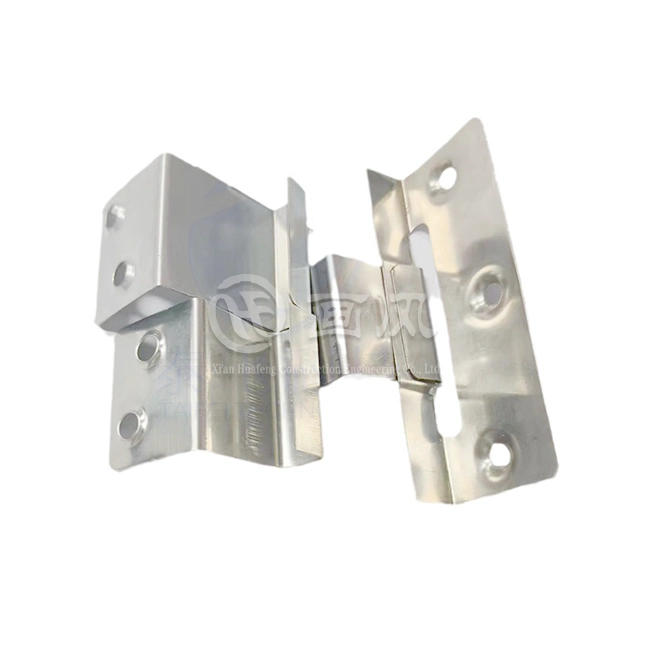
The 180-degree overlapping hem on all four panel edges of the flat lock zinc cladding panels makes it fundamentally different from other metal covering methods. This makes a single layer of metal that fits perfectly on both flat and curved surfaces. Each panel connects to adjacent units through concealed stainless steel clips anchored to a solid substrate, typically plywood with a separation layer that ensures proper ventilation. This clip system lets different panels expand and contract on their own as the temperature changes. This keeps the structure of the facade from being distorted by thermal stress.
At HF, our panels are made from a titanium-zinc combination that is 99.995% pure zinc and has small amounts of copper (0.1%–1%) and titanium (0.06%–0.2%) that make it easier to work with and last longer. These panels come in different thicknesses, from 0.4 mm to 1.0 mm, so they can meet a wide range of wind load requirements and design specifications. The standard width is between 300mm and 600mm, but our three factories, each with seven production lines, can change the sizes to fit your project needs.
Technical Advantages Over Traditional Systems
The smaller flexible sizes of flat lock zinc cladding panels solve a major problem in modern architecture: oil canning. Large metal panels often show noticeable waviness under thermal stress, but the flat lock system's segmented method keeps superior flatness across the building shell. This trait proves especially useful for commercial property developers who value visual consistency in their projects.
The material's self-healing properties set it apart from painted steel alternatives. When zinc is exposed to water vapour and carbon dioxide in the air, it forms a protective layer of zinc carbonate that naturally covers small scratches and stops corrosion from getting worse. This passive protection system makes the material last longer than 80 years in most settings, and our basic product comes with a 30-year guarantee.
Benefits of Flat Lock Zinc Cladding Panels for B2B Applications
Exceptional Durability in Demanding Environments
Roofing workers who work near the coast or in industrial areas always have to deal with materials breaking down. The combination of titanium and zinc that we use is very strong in harsh conditions. It doesn't rust from salt spray and stays stable at pH levels from 6 to 12. Our flat lock zinc cladding panels resist temperature changes from -40°C to 80°C without compromising structural performance, making them perfect for projects across various climatic zones throughout the United States.
The Class A fire rating, which means the material is non-combustible, adds an extra layer of safety that helps projects meet strict building codes. The method only puts about 5.5 kg/m² of dead weight on existing buildings when 0.8 mm thick panels are used. This makes it a great choice for renovation projects where foundation capacity is an issue.
Energy Efficiency and Operational Cost Reduction
When properly placed, flat lock zinc cladding panels do more for a building's thermal environment than just protect the structure. When paired with rear-ventilated rainscreen assemblies, the system creates an air gap that improves insulation values and controls wetness effectively. This ventilated design prevents condensation buildup that commonly degrades standard wall systems, saving the base and internal insulation over decades of service.
Because the material naturally reflects light, it keeps business buildings cooler in the summer by lowering the amount of heat that comes in from the sun. Because the surface doesn't need to be maintained and cleans itself with rainwater, the building's operating costs stay remarkably low over its entire life. When purchasing officers look at the total cost of ownership, they will see that while the original investment may be higher than painted steel choices, the long-term value is higher because of the lack of painting cycles and low maintenance needs.
Sustainability and Green Building Credentials
Environmental duty used to be something that business developers could choose to do, but now it's a must. This need is completely met by flat lock zinc cladding panels. The material can be recycled over and over again and has a high value as a new product. Also, the way we make it uses about one-third as much energy as making copper. This environmental profile supports the LEED and BREEAM certification paths. It helps projects get green building labels that make them more marketable and make tenants happier.
Our factories in Anhui, Hangzhou, and Xi'an are all certified by ISO 14001 for environmental management. This makes sure that responsible manufacturing methods are used all along the supply chain. The material's longevity itself represents a sustainability advantage—a 50-year maintenance-free cycle means fewer resources spent for repairs and replacements compared to systems requiring frequent involvement.
Design Options and Applications of Flat Lock Zinc Cladding Panels
Versatile Aesthetic Possibilities
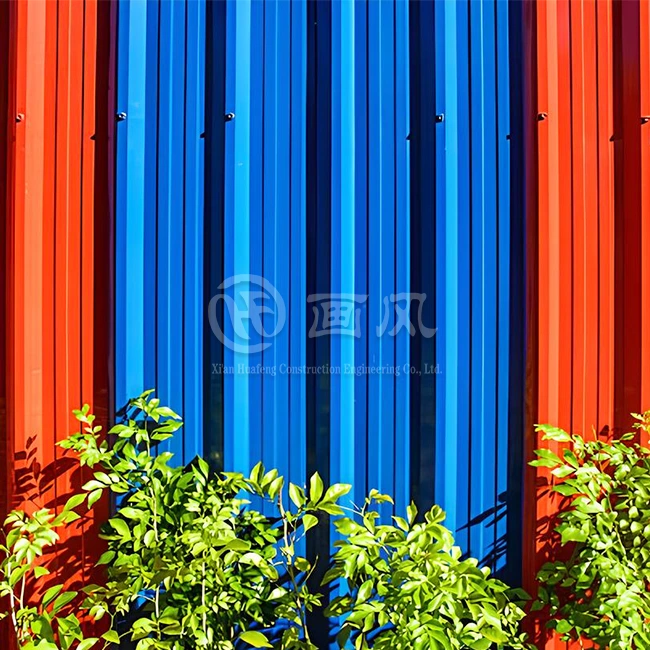
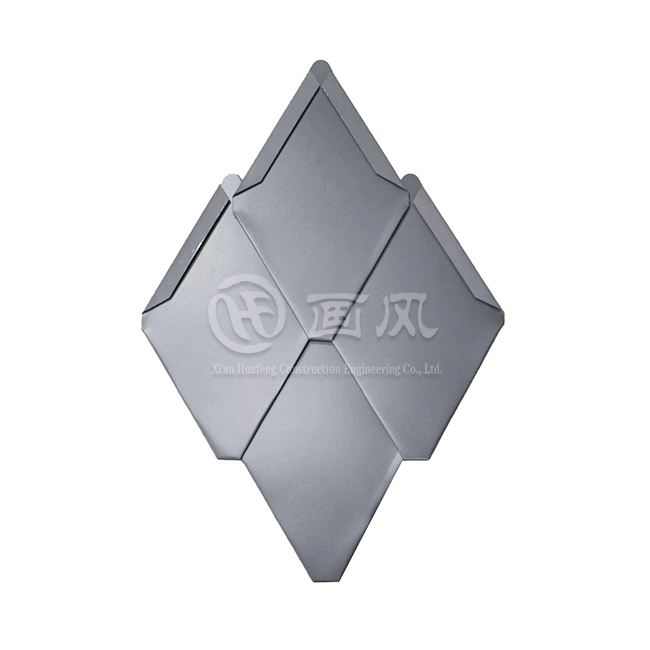
One of the best things about flat lock zinc cladding panels for builders is that it gives them a lot of design options. We have many geometric shapes, such as rectangles, rhombuses, trapezoids, and hexagons, that can be put together in running bond, diagonal, or custom patterns to make unique textures for the outside of buildings. Surface treatments include natural zinc grey, graphite grey, blue grey, and black oxidation finishes. For projects that need specific colour matching, RAL colour choices are also available.
Because the material is flexible, it can be used to make complex shapes without micro-cracking. This lets you fold things neatly and work with edges precisely, keeping your lines smooth as you go from one edge to the next. This quality is very useful for cultural sites like theatres and museums, where the architecture needs to be both visually dramatic and technically precise. The flat lock pattern's three-dimensional quality gives it depth and shadow play that changes as the light changes throughout the day.
Practical Applications Across Building Types
Flat lock zinc cladding panels give commercial buildings a professional look and don't need much maintenance. The system is used in shopping malls, hotels, and office buildings to make curtain walls, canopies, and accent pieces that look good without having to be maintained all the time. With the right sound-absorbing backboard, the system can achieve STC≥30dB, which makes it good for places that need to reduce noise.
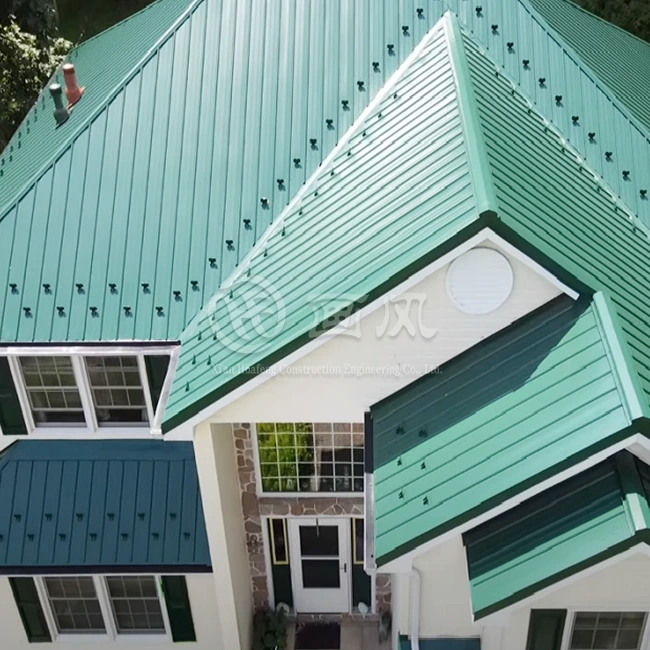
Zinc siding is being used more and more in high-end residential projects because it is durable and looks good for a long time. The method shines in high-altitude and coastal settings where harsh weather conditions test conventional materials. Historical building restoration projects use the material's ability to look like traditional metal roofs while still meeting current performance standards and lasting longer.
Comparative Analysis with Alternative Materials
When compared to standing seam zinc systems, the flat lock method provides more physical freedom and can better handle complex curved surfaces thanks to its smaller module size. Flat lock zinc cladding panels have a more unique patina growth and last longer than aluminium cladding, but it costs more at first. Aluminium and copper last about the same amount of time, but copper uses a lot more energy to make and costs a lot more per square metre.
The decision matrix for material selection should weigh project-specific factors including architectural complexity, environmental exposure, budget parameters, and desired aesthetic character. Our engineering team can do a thorough comparison study that is tailored to your needs. This helps procurement teams make choices that are both technically sound and cost-effective.
Installation, Maintenance, and Longevity
Professional Installation Protocols
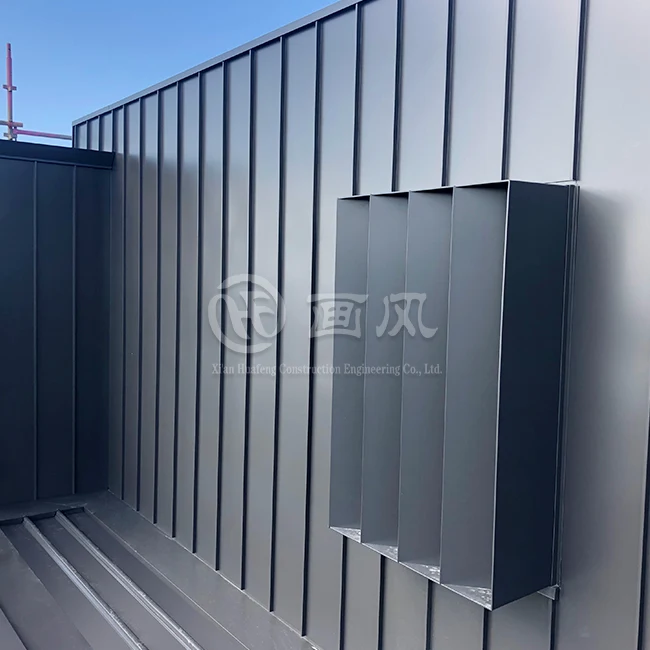
Whether flat lock zinc cladding panels work as well as they could depends on how well it is installed. The first step is to prepare the substrate, which is usually plywood sheathing over structural framing with a separation membrane that stops moisture transfer and galvanic interaction. This makes sure that the base is continuous and smooth. Hidden stainless steel clips are placed at set intervals based on the size of the panel and calculations of the wind load. This ensures a secure mechanical connection while allowing thermal movement.
The panels are put up in a planned way, with the four-sided hem of each unit connecting the clips and panels next to it to make a continuous surface that locks together. Overtightening fasteners (which stops thermal expansion), not allowing enough air flow behind panels, and mixing metals that don't work well together (which causes galvanic corrosion) are all common mistakes that people make when installing things. Our technical support team gives detailed installation instructions and can also suggest qualified contractors who know the right way to do things to make sure your project turns out perfectly.
Maintenance Requirements and Long-Term Care
The fact that flat lock zinc cladding panels don't need much upkeep is a big operational benefit. The self-cleaning finish doesn't need to be painted or sealed because rainwater naturally washes away dirt and pollution. Routine maintenance mostly involves looking at the system to make sure that the panels are properly engaged and that the fasteners are intact. This should be done once a year or after bad weather.
If fixes are needed, like if they were damaged by an accident, individual panels can be changed out without affecting the units next to them. This keeps costs and inconvenience to a minimum. Because the material is easy to work with, skilled contractors can make replacement panels that match and look like the originals. Our warranty gives you extra safety, and buying from approved sources makes sure you can get expert help for as long as the building lasts, so you get the most out of your cladding investment.
Procurement Considerations and Supplier Selection
Understanding Cost Structure and Pricing
Pricing that is clear helps buying managers make correct budgets for projects. flat lock zinc cladding panel prices per square metre can be low or high, based on the number of panels, the style chosen, and the size of the order. Customisation requests, like asking for non-standard sizes, shapes, or colours, come with extra fabrication costs that should be added to predictions of how much the whole job will cost. Our minimum order quantity of 500㎡, which is about 3 tonnes, allows for small production runs while still being available for medium-sized business projects.
Developers who are in charge of multiple projects or workers who are keeping an inventory of materials can get better prices by buying in bulk. When shipping goods internationally, things to think about include the best way to load containers, coordinating delivery times, and filling out customs paperwork. This is where experienced suppliers really shine, going above and beyond just providing materials. Our shipping time frame of 15 to 22 days works with project schedules and upholds quality control standards that guarantee consistent product performance.
Evaluating Supplier Credentials and Capabilities
Choose of supplier has a direct effect on the success of the project. Reputable manufacturers show that their products meet international standards like ASTM, DIN, JIS, BS, and GB/T. This is proven by testing and certification done by a third party. Our ISO 9001 quality management certification and ISO 14001 environmental certification show that our manufacturing processes and products are consistent with what we say they are.
Production capacity is important for projects that need to be finished quickly or need a lot of materials. HF has three factories with a total of seven production lines and more than 40 specialised machines. These factories can supply 1,000 tonnes of materials every month, making sure that even large commercial projects can get the materials they need. We have more than 20 registered patents for roofing and cladding systems. These patents show that we are always coming up with new ideas and improving our technical knowledge, which leads to better product performance.
Value-Added Services That Facilitate Project Success
In addition to providing goods, complete support services set different sellers apart so they can work as true partners. Custom manufacturing lets panels be pre-cut and shaped to the exact measurements of a project, which cuts down on the work that needs to be done on-site and makes installation easier. During the planning process, our experienced engineering team gives technical advice on how to best arrange panels for both looks and ease of installation, while also making sure that all local building codes are followed.
We offer responsive contact methods (email us at huafeng@hfmetalroof.com) that handle questions or concerns as they come up, even after the warranty period is over. This level of involvement helps roofing workers and construction companies finish projects quickly and easily. It also builds trust in the material's performance, which can lead to future projects specifying it. We are a reliable source for building envelope solutions because we offer high-quality products, technical know-how, and dependable service.
Conclusion
Flat lock zinc cladding panels offer a great mix of architectural flexibility, long-lasting quality, and environmental friendliness that meets the needs of building companies, roofing workers, and business developers. The interlocking system can handle complicated shapes while still being waterproof, which makes it useful for a wide range of uses, from business facades to cultural sites. With proper installation and minimal maintenance requirements, these systems provide decades of reliable service backed by comprehensive warranties. The material's environmental friendliness and ability to help with green building certifications are in line with changing industry standards. Its classic look also makes sure that buildings look good for a long time.
FAQ
1.What advantages do flat lock zinc panels offer over traditional cladding options?
The four-sided hem system that locks into place is more geometrically flexible than hard sheet materials. This lets the cladding fit around curves and complicated building shapes. The zinc patina doesn't need to be painted again, and it protects against corrosion, which makes the service life longer than 80 years. The modular design minimizes visible thermal distortion (oil canning) that affects large-panel systems, maintaining consistent visual quality across the building envelope.
2.How do these panels perform in harsh coastal or industrial environments?
Titanium-zinc alloy demonstrates excellent resistance to salt spray corrosion and remains stable across pH ranges from 6 to 12, making it well-suited for coastal installations and industrial zones where environmental exposure challenges conventional materials. The protective patina layer that forms on its own resists corrosion over time without the need for sealants or coatings. The material stays structurally sound at temperatures ranging from -40°C to 80°C.
3.Are zinc cladding panels truly recyclable and sustainable?
When it comes time to recycle, flat lock zinc cladding panels can be used again and again and has a high value. It also takes about one-third as much energy to make zinc cladding as copper. The material qualifies for green building certification credits under LEED and BREEAM systems, supporting sustainability objectives while the extended service life reduces resource consumption associated with replacement cycles common to shorter-lived cladding systems.
Partner with HF for Your Next Zinc Cladding Project
Xi'an Huafeng Construction Engineering Co., Ltd. is ready to help you realise your construction goals by providing high-quality flat lock zinc cladding panel options that are designed to work well and are made to strict standards. As a reliable supplier with three strategically placed factories that can make more than 1,000 tonnes of goods every month, we offer consistent quality that is backed by international certifications such as ISO 9001 and SGS verification. Our technical team has a lot of experience with metal building shell systems. They can help you with planning and installation to make sure your project turns out perfectly. Whether you're choosing materials for a historic cultural center or a large-scale commercial development, our solutions can be changed to fit your needs. They come in a range of shapes, finishes, and sizes. Email us at huafeng@hfmetalroof.com right now to talk about your project needs and get a full price that shows how we can meet the needs of discerning B2B buyers.
References
1. Anderson, M. (2021). Metal Cladding Systems: Performance and Design Guidelines for Commercial Architecture. Building Envelope Institute Press.
2. Chen, L., & Roberts, K. (2020). "Comparative Life-Cycle Assessment of Architectural Metal Cladding Materials." Journal of Sustainable Construction Materials, 8(3), 145-162.
3. European Standard EN 988:2012. Zinc and zinc alloys - Specifications for rolled zinc sheet for building.
4. Harris, J. (2022). Advanced Building Envelope Technologies: Materials Selection for Durability and Energy Efficiency. Construction Publishers International.
5. Miller, D., & Thompson, S. (2019). "Thermal Performance of Ventilated Rainscreen Cladding Systems in Commercial Buildings." Building Science Review, 44(2), 78-94.
6. Zhang, W. (2023). Modern Metal Roofing and Cladding: Technical Guide for Architects and Engineers. Architectural Materials Research Foundation.





YOU MAY LIKE
_1769761215912.webp "Ventilation noise reduction net")