Why Choose Flat Lock Zinc Cladding Panel for Architectural Projects?
2026-07-24 20:33:48
Selecting the right cladding system transforms architectural vision into enduring reality. Flat lock zinc cladding panel represents a sophisticated solution combining aesthetic refinement with exceptional performance characteristics. This titanium-zinc alloy system employs an interlocking installation method that creates seamless facades, adapting effortlessly to complex geometries while delivering decades of maintenance-free service. The material's self-healing patina naturally protects against environmental stressors, making it ideal for construction companies and commercial developers seeking durable, sustainable building envelopes that meet both design ambitions and rigorous performance standards.

Understanding Flat Lock Zinc Cladding Panels
What Makes Flat Lock Systems Unique
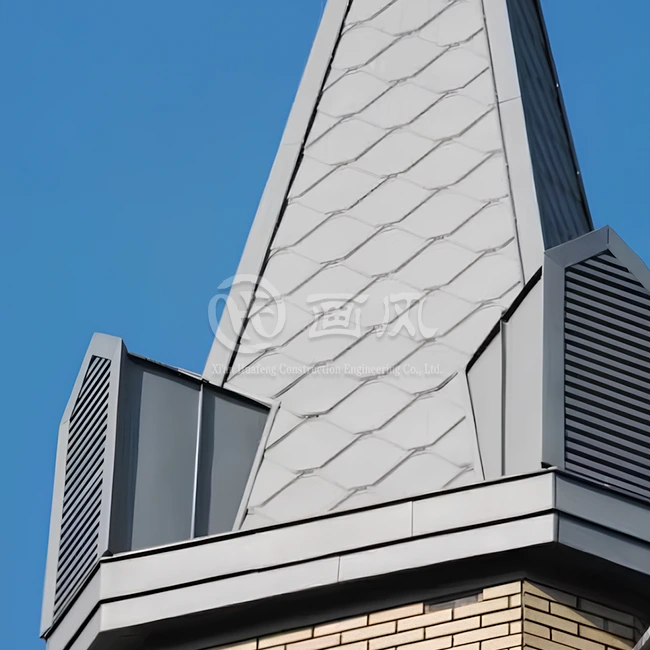
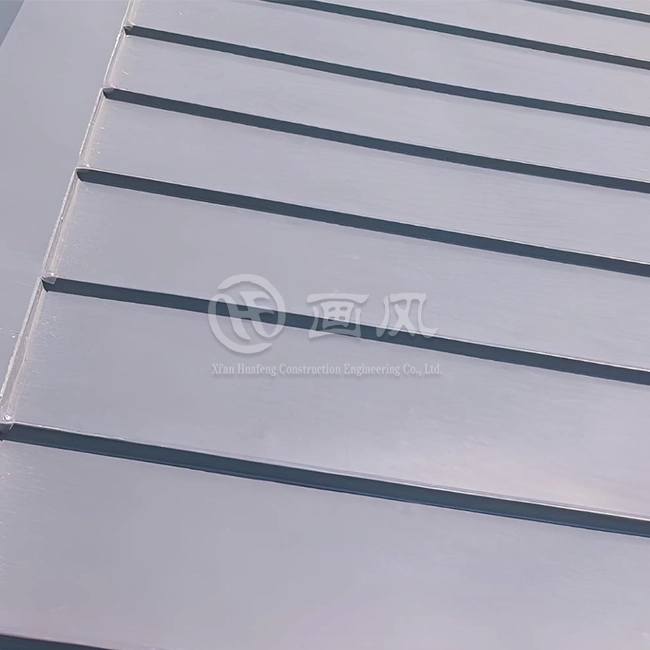
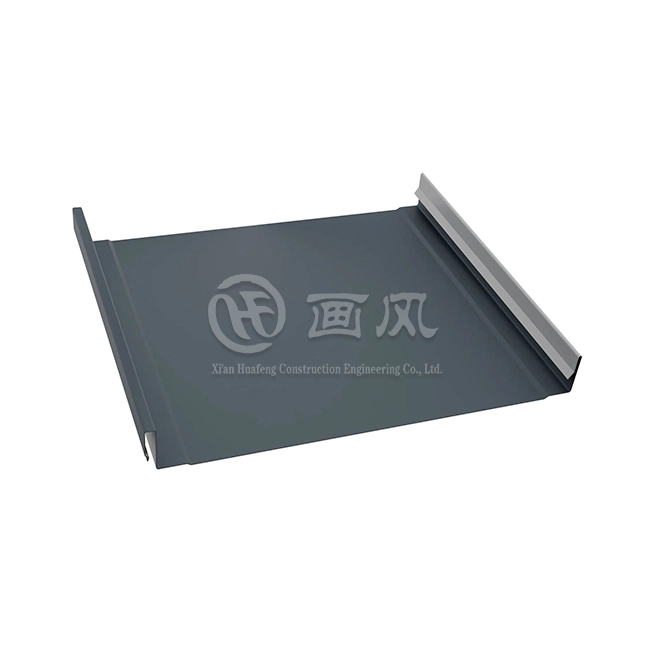
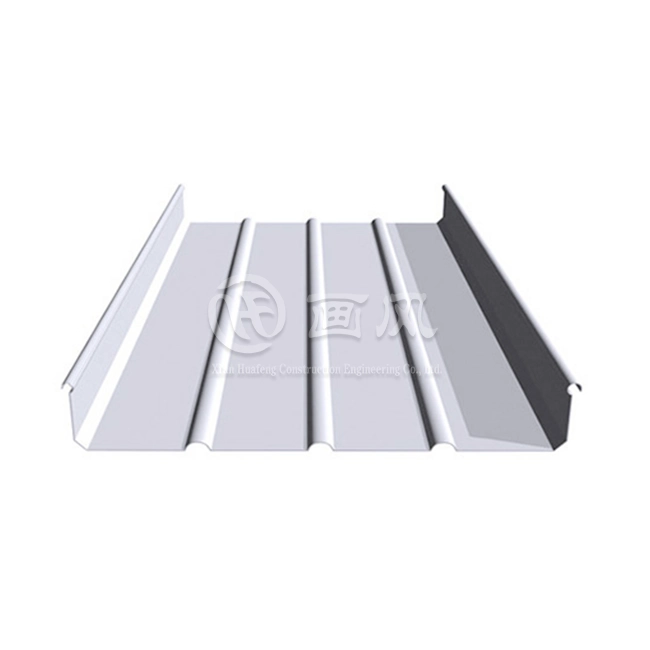
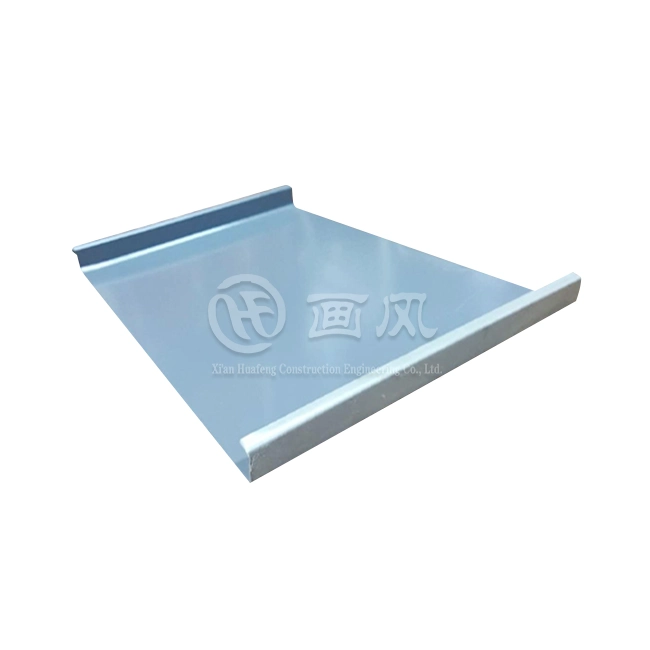
This is what makes flat lock systems different: Flat lock zinc cladding panels are unique because they have an interlocking panel design. Each square, rectangle, rhombus, trapezium or hexagonal block links to the ones next to it using hidden fastening systems. Unlike standing seam profiles that create vertical striations, this method creates smooth, continuous surfaces with minimal visible interruption. The system relies on four-sided hems that lock together, secured to substrates through stainless steel clips that accommodate thermal movement while maintaining weathertight integrity.
Material Composition and Technical Standards
Quality titanium-zinc alloy is made up of 99.99% pure zinc, 0.1 to 1% copper, and 0.06-0.2% titanium. It meets the standards set by ASTM B69, EN 988, DIN, JIS, BS, and GB/T. This particular metallurgical recipe makes the material easier to work with while also making it more resistant to rust. The density of 7.2 g/cm³ provides structural stability without imposing excessive dead loads on building frameworks—a critical consideration for renovation projects where existing structural capacity constrains material selection.
Available Configurations and Finishes
A lot of customisation choices give architects a lot of freedom. The thickness of a panel can be anywhere from 0.4mm to 1mm, but 0.7mm to 0.8mm is usually enough for most facade uses. Lengths can usually go up to 3 meters, and widths can be changed from 300mm to 600mm depending on the needs of the job. Some surface treatments are pre-passivation, which makes the patina develop evenly, pre-oiling, which protects against the weather right away, and pre-weathering, which gives the metal instant grey tones. There are more colour options than just natural zinc grey. These include graphite grey, blue grey, black oxidation, and RAL-matched custom finishes. These allow for a wide range of aesthetic tastes in both business and domestic settings.
Core Advantages of Flat Lock Zinc Cladding Panels for Architecture
Exceptional Longevity and Minimal Maintenance Requirements
The material science behind flat lock zinc cladding panels centers on its remarkable self-healing property. When exposed to carbon dioxide and water vapour in the air, the surface forms a zinc carbonate layer that covers small scratches and stops progressive corrosion. This natural patination process increases the useful life to 50–100 years, and it can run for more than 25 years without any maintenance. Lifecycle costs are much lower for roofing workers and property owners than for painted metal systems that need to be refinished often or composite materials that tend to come apart.
Sustainability Credentials and Environmental Performance
Buying choices in the building business are based on environmental responsibility. Zinc siding systems can be recycled over and over again while keeping all of their original qualities. This supports the circular economy and is in line with LEED and BREEAM certification requirements. The energy needed for production is about a third of that needed for copper fabrication, and the material's durability gets rid of the waste streams that come with cladding options that don't last as long. Buildings seeking green building certifications find this standard adds measurably toward environmental scorecards.
Thermal Efficiency and Energy Cost Reduction
While primarily valued for exterior performance, zinc cladding systems contribute to building envelope thermal management when integrated with ventilated rainscreen assemblies. The thinness (about 0.8 mm) and light weight (about 5.5 kg/m²) make rear-ventilated cavity fitting easier, which improves insulation and controls interstitial condensation. When the right insulation materials are added to the assembly, it gets good thermal resistance values that lower the need for heating and cooling. This means that the building will use less energy over its entire life.
Fire Safety and Regulatory Compliance
In many places, safety codes for commercial construction require exterior assemblies to be made of non-flammable materials. According to EN 13501-1, zinc cladding has a Class A1 fire rating, which is the highest non-combustible rating that can be given. This natural fire resistance takes away any worries about flame spread or toxic fume production during fires. This makes it easier for regulators to give approvals and could lower insurance rates for commercial property portfolios.
All of these benefits address the main concerns of construction professionals looking at cladding systems for big projects. When you combine durability, care for the environment, thermal contribution, and safety compliance, you get strong value propositions that make specification consideration worthwhile.
Comparative Analysis: Flat Lock Zinc Cladding vs Other Cladding Materials
Performance Against Aluminum and Copper Systems
Arguments about which material to use often center on whether aluminium, which is cheaper, or copper, which looks more expensive, is better. The flat lock zinc cladding panel is in a good middle ground because it has a better patina look than aluminium, which tends to react with oxygen in a chalky way, and it costs a lot less than copper installs. The self-healing zinc carbonate layer is better at resisting rust than the aluminium oxide formation. This is especially true near the coast, where salt spray speeds up the breakdown. Copper takes decades to get a verdigris patina, while zinc only takes months to reach stable grey tones. This means that the appearance can be planned around project schedules.
Advantages Over Stone Cladding and Corrugated Profiles
Traditional stone cladding makes significant structural demands, often requiring improved supports and complex anchoring systems. Zinc panels are much lighter than natural stone—5.5 kg/m² compared to 40–100 kg/m² for dimensional stone—so they can be used to improve the look of a building without adding to its weight. Compared to corrugated zinc profiles, flat lock systems eliminate the visual repetition of wave patterns, offering refined aesthetics suited to contemporary architectural languages. Because they are flexible, they can be put together to make complex curved shapes that hard stone pieces can't do without a lot of cutting and waste.
Warranty Considerations and Supplier Reliability
Buying choices depend on how trustworthy the maker is and how their guarantees work. Leading suppliers that offer 30-year warranties backed by ISO 9001 quality management certification and SGS testing verification give customers peace of mind that the products they buy will meet their needs. Bulk supply, like 1000 tonnes of monthly capacity from makers with multiple production lines, makes sure that project deadlines can still be met, even for big developments. Delivery windows of 15 to 22 days work with construction schedules that can't wait for long lead times, and the minimum order quantity of 500㎡ fits with how projects usually go.
Procurement and Installation Considerations for B2B Clients
Sourcing Strategy and Supplier Selection
Finding makers with a wide range of skills is the first step in effective buying. Facilities with seven production lines and more than 40 specialised machines show the ability to grow to meet large orders. A production infrastructure that covers 200,000 square meters and has dedicated processing plants makes sure that quality control is maintained at all stages of production. Certifications like CE, ISO, and SGS prove that international standards are being followed, which lowers the risk of not following the rules when doing business across borders.
Installation Methodology and Professional Requirements
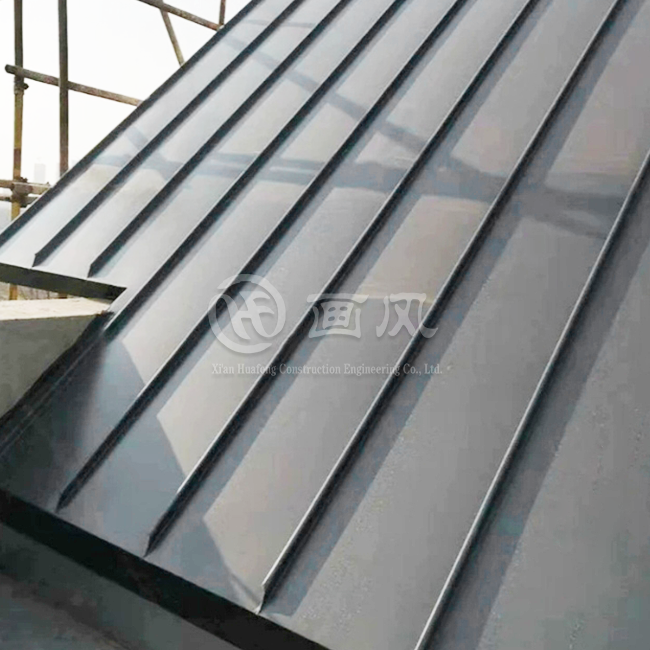
The performance of a flat lock zinc cladding panel system depends on how well it was installed. The process starts with preparing a solid substrate, which is usually plywood with the right separation layers. Clips are then placed at regular intervals. Each panel is held in place by a four-sided hem system and clips that can handle the material's natural 0.022 mm/m/°C heat expansion rate. Professional installation teams that know how to handle zinc can avoid common mistakes like galvanic corrosion from fastener materials that don't work with zinc or gaps in the panels that don't let air flow through properly, which traps moisture against the panels' undersides.
Budget Analysis and Cost-Effectiveness
In a full financial analysis, the initial costs of materials are not the only things that are looked at. Installation labour, substrate preparation, and lifecycle maintenance costs are also included. Even though zinc cladding costs more than plain painted steel, it has a better total cost of ownership because it doesn't need to be painted and lasts for more than 50 years. A thorough study of the price per square metre should take into account the need for customisation, the complexity of the panels, and the practicalities of the project site. When lifecycle factors are given the right amount of weight, comparing zinc's fixed costs to options like fibre cement boards or composite panels shows how competitive zinc is.
Customization Capabilities for Complex Projects
Ambitions in architecture often call for non-standard layouts. Manufacturers that give custom width specs, a range of geometric forms (including rectangles, rhombuses, trapezoids, and hexagons), and custom colour matching can meet the needs of any design. The material is easy to shape, so it can be crisply folded without micro-cracking during manufacturing. This lets you make complicated shapes that keep their structural integrity. Technical support teams that help with design help turn architectural ideas into specs that can be built, connecting the artistic vision with the real-world execution.
Why Flat Lock Zinc Cladding Panel Should Be Your Preferred Choice
Proven Performance Across Diverse Applications
Real-world applications back up theorised benefits. Flat lock zinc cladding panels are used by cultural institutions like museums and theatres because they can cover complicated shapes and give off an air of modern polish. The material's professional look and low maintenance needs help commercial office buildings keep operations running smoothly. Coastal residential projects need finishes that are resistant to salt spray better than painted finishes that need to be fixed up often. Lightweight installation that keeps the original structure parts while improving weather protection is helpful for restoring historic buildings.
Adaptability to Design Vision and Technical Requirements
Different types of architecture need different kinds of materials. Zinc cladding can be used on both vertical facades and roofs with slopes greater than 25 degrees, making building envelopes that are one solid piece. The system can handle hyperbolic surfaces and folding facades that let you be creative with geometry in ways that aren't possible with rigid sheet materials. This flexibility also applies to acoustic issues; when paired with the right sound-absorbing backboards, assemblies achieve STC values of 30dB or higher, which meets the needs for noise control in urban settings.
Weather Resilience Across Climate Zones
Geographic application covers a wide range of situations. UV resistance keeps the colour stable even when exposed to direct sunlight, and temperature tolerance from -40°F to 80°F makes sure it works in all kinds of continental climates. Corrosion resistance in pH 6–12 environments works in both acidic industrial zones and alkaline coastal areas. The self-cleaning effect from rainwater runoff reduces the need for maintenance in places where it rains a lot. However, the performance is still strong in dry climates where regular washing may be required.
Future-Ready Material Selection
Zinc cladding will likely be useful for a long time because of new trends in sustainable building and the circular economy. Increasing regulatory focus on embodied carbon calculations favors materials with high recyclability and longer service lives. New developments in surface treatment technologies keep making the aesthetic options bigger while keeping the core performance features the same. Zinc has a history of performance that fits with the rising demand for high-performance building shells. This means that the choices being made now are important for changing the way buildings are made.
Conclusion
Architectural excellence demands materials that deliver across multiple dimensions—aesthetic impact, structural performance, environmental responsibility, and economic viability. With their proven metal qualities, advanced assembly methods, and full maker support, flat lock zinc cladding panels meet all of these interdependent needs. Construction companies and commercial developers evaluating facade solutions find compelling advantages in the material's self-healing longevity, sustainability credentials, and design flexibility. With its instant visual appeal and decades-long sturdiness, zinc cladding offers value that goes far beyond the initial installation. This makes it a smart investment in building performance and occupant happiness.
FAQ
1.How Long Does Zinc Cladding Last in Commercial Environments?
Titanium-zinc alloy cladding has a 50–100 year service life in most commercial settings when it is installed correctly. The self-healing patina constantly regenerates protective layers, preventing corrosion even in difficult urban or seaside atmospheres. Under normal conditions, maintenance-free operation lasts for 25 years. After that, very little attention is needed, just regular checks and cleaning in very dirty places.
2.What Maintenance Do These Panels Require Compared to Other Metal Claddings?
Flat lock zinc cladding panels don't need nearly as much upkeep as painted steel or aluminium systems. During the material's lifetime, it won't need to be refinished because the ageing layer protects it naturally. Rainwater cleans surfaces naturally, so they don't need to be washed often, unless they live in a dry area or an industrial area with a lot of dust. This is very different from painted metals, which need to be re-coated every 10 to 15 years.
3.Can Panels Be Customized for Complex Architectural Designs?
A lot of customisation options allow for different design ideas. Manufacturers make shapes like rectangles, rhombuses, trapezoids, and hexagons. The sizes range from 0.4mm to 1.0mm, and the widths range from 300mm to 600mm. Custom colour matching using RAL standards and surface pre-treatments makes it possible to perfectly match the look of a project to its colour scheme. Because the material is malleable, it can be crisply folded to make complex shapes while still maintaining its structural integrity.
Partner with HF for Premium Zinc Cladding Solutions
Xi'an Huafeng Construction Engineering Co., Ltd. is a reliable supplier that makes flat lock zinc cladding panels and offers high quality products thanks to its modern production facilities. Our seven dedicated production lines and over 40 specialized tools guarantee consistent manufacturing standards across every order. We have three carefully placed factories that can produce on 200,000 square meters of space. We can keep up a 1000-ton monthly supply that keeps project plans on track without any problems. We're confident in the performance of our materials because we offer a 30-year guarantee. Our ISO 9001, ISO 14001, and SGS certifications show that we are committed to meeting international quality standards. With a minimum order quantity (MOQ) of 500㎡ and delivery times of 15–22 days, we offer quick service that fits with construction schedules. Email our engineering team at huafeng@hfmetalroof.com to talk about your building covering needs and get quotes that are specifically made for your project.
References
1. Anderson, K., & Morrison, P. (2021). Metal Cladding Systems in Contemporary Architecture: Performance and Aesthetic Integration. Architectural Materials Press.
2. Chen, L., Martinez, R., & Wu, J. (2020). Sustainable Building Envelopes: Comparative Life Cycle Assessment of Facade Materials. Journal of Green Building Technology, 15(3), 112-134.
3. European Standards Committee. (2019). EN 988: Zinc and Zinc Alloys for Building Specifications. Brussels: European Committee for Standardization.
4. Hoffman, D. (2022). Durability and Weathering Performance of Architectural Zinc Alloys. Building Science Quarterly, 28(2), 45-67.
5. International Zinc Association. (2020). Zinc in Architecture: Technical Guidelines for Design and Installation. Durham: IZA Publications.
6. Richardson, T., & Patel, S. (2021). Comparative Analysis of Metal Cladding Systems: Cost, Performance, and Sustainability Metrics. Construction Economics Review, 19(4), 201-223.





YOU MAY LIKE
_1768552571575.jpg "Aluminium Fascias")