Visual checks and clearing out garbage from drainage paths are all that are needed to keep these systems in good shape. This is a lot easier than maintaining membrane roofing or tile systems, where individual parts need to be replaced or resealed constantly. As a Flat Lock Panels manufacturer, we design systems without visible screws, so there isn't a usual failure point, since thermal cycling tends to loosen surface-mounted hardware over time, which can cause leaks and structural damage. The fact that we offer a 30-year warranty shows that we are confident in the product's long-term performance. However, data from finished projects shows that with proper care, it usually lasts longer than 50 years. This durability fits with how real estate companies and institutional clients handle their assets, figuring out how much it costs to run a building over many years or decades.

Flat Lock Panels for Roofs: A Durable, Long-Lasting Option
2026-05-15 18:01:19
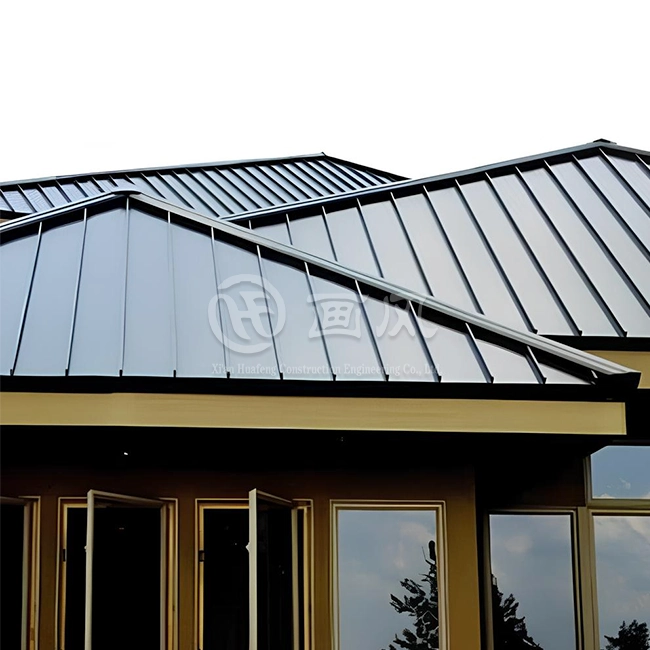
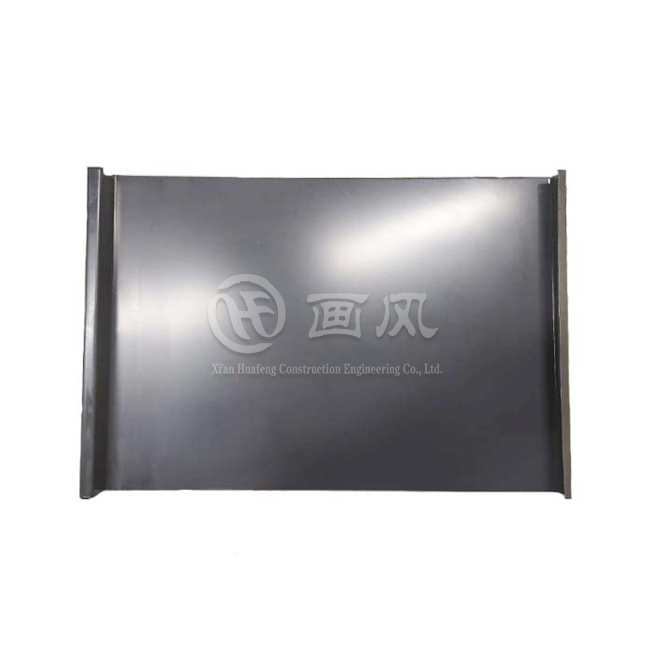
When evaluating roofing solutions for large businesses or public buildings, construction company managers always consider how well they perform under pressure. Flat Lock Panels are unique architectural metal cladding. They have diamond, rectangular, hexagonal, or trapezoidal interlocking tiles. These tiles form a low-profile, concealed-fastener surface that allows heat move while looking like one piece. This approach uses a four-sided folded hem that sits practically flush against the substrate, making it unique. This makes it ideal for complex shapes and high-design projects that require visual continuity and structural stability.
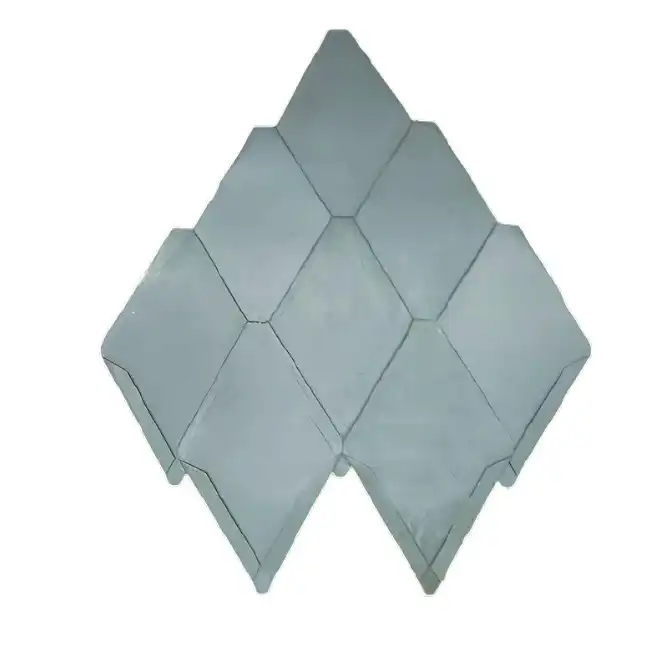
What Are Flat Lock Panels and How Do They Work?
Understanding the Interlocking Mechanism
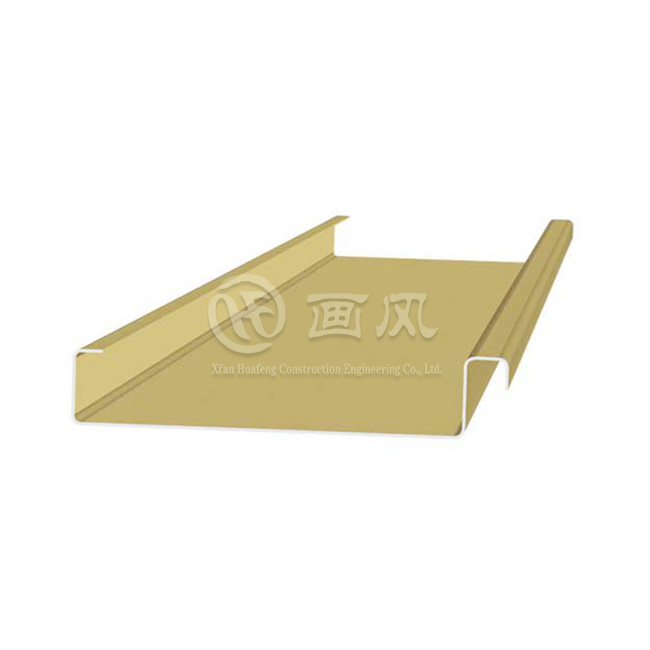
This roofing system relies on precise four-edge folding. Hide clips or nailing flanges attach each panel to the next. A single "floating" skin travels independently from the base. This engineering solves a major issue: metal expands and contracts with temperature. The panel shape allows longitudinal and transverse seams to connect without buckling. With temperature-sensitive materials like titanium, zinc, and copper, this is crucial. The installation depth is usually less than an inch. This provides the surface its flat aspect while strengthening the structure with dense fastening patterns that withstand wind lifting pressures above industry requirements.
Material Composition and Performance Characteristics
We create products from several high-quality materials at Xi'an Huafeng Construction Engineering Co., Ltd. Titanium zinc naturally sheens and repairs minor scratches. Tecu copper is durable—it's commonly used for over 70 years—and many builders chose it for landmark projects because of its colour shift. Aluminum-magnesium-manganese metals are corrosion-resistant and lightweight, making them appropriate for transportation hubs and conference facilities that need structural load calculations. Strong stainless steel variants are suitable for harsh weather or fresh air near the seaside. For diverse design needs, the panel's thickness can be modified from 0.4mm to 0.8mm and width from 100mm to 400mm. Our seven colour coating production lines treat surfaces with PVDF and PE coatings. This ensures colour consistency between RAL standards and palettes. These coatings improve UV resistance and reduce repair time, addressing procurement teams' lifetime cost concerns when calculating total cost of ownership.
Installation Process for Large-Scale Projects
Professional construction starts with preparing the base and using underlayment systems that include protections for air flow and wetness. Our technical teams work with builders to make sure that the clips are spaced correctly—usually every 12 to 16 inches—so that they can handle the metal's expected expansion coefficient. The hidden fastening method gets rid of any open holes or penetrations that could affect the drainage. This is an important requirement for government-funded infrastructure because warranty claims and repair costs can kill the project. Because the technology is modular, building plans can be sped up. Panels come from our processing facilities in Hangzhou and Xi'an already put together, which cuts down on the need for on-site work and delays caused by bad weather. This operational efficiency makes sense for general contractors who have to work with tight deadlines on business real estate projects or transportation hubs where a building's occupants depend on knowing when it will be finished.
Key Benefits of Flat Lock Panels for Roofing Applications
Durability That Withstands Extreme Conditions
Engineers who specify roofs always say that weather resistance is the most important thing to look for in high-exposure jobs. The design of the interlocking hems makes safety zones that overlap and keep water away from the seams, even during windy rainstorms that are common near the coast or on tall buildings. Independent testing shows that systems that are installed correctly stay watertight even when hurricane-force winds are simulated and the temperature changes in a way that looks like decades of seasonal changes. Corrosion protection is more than just treating the surface. Because of the way aluminum-magnesium-manganese alloys and stainless steel are made, the base itself doesn't oxidize. This is different from galvanized options, which can break down once the protective layers wear off. This metallurgical edge means less upkeep and a longer service life, which has a direct effect on the return on investment estimates that CFOs and procurement directors look closely at when they evaluate suppliers.
Lifecycle Cost Optimization Through Minimal Maintenance
Energy Efficiency and Sustainability Credentials
Because rainscreen systems have open cavities, they improve thermal performance. The air gap between the panels and the base slows down the movement of heat, which means that less cooling is needed in the summer and fewer ice dams form in the winter. When combined with the right insulation layers, the system makes a measurable contribution to LEED certification goals and energy code compliance, which are becoming more and more important factors for government contracts and company sustainability requirements. Material recycling reduces the damage that ends-of-life products do to the earth. Aluminum, copper, and stainless steel all have high scrap values and can be recycled without losing any of their quality. This supports the ideas of the circle economy, which buying teams that care about the environment like. At our 200,000-square-meter factory in Anhui, we use waste reduction methods that are recognized by ISO14001 environmental management standards. This gives written proof of responsible manufacturing that makes supplier qualification reviews stronger.
Flat Lock Panels vs. Other Roofing Options: Making the Right Choice
Structural and Aesthetic Comparisons
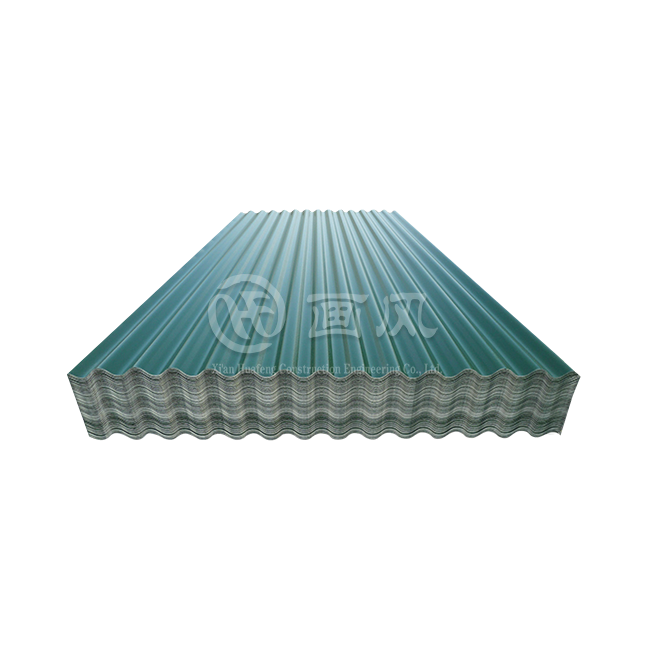
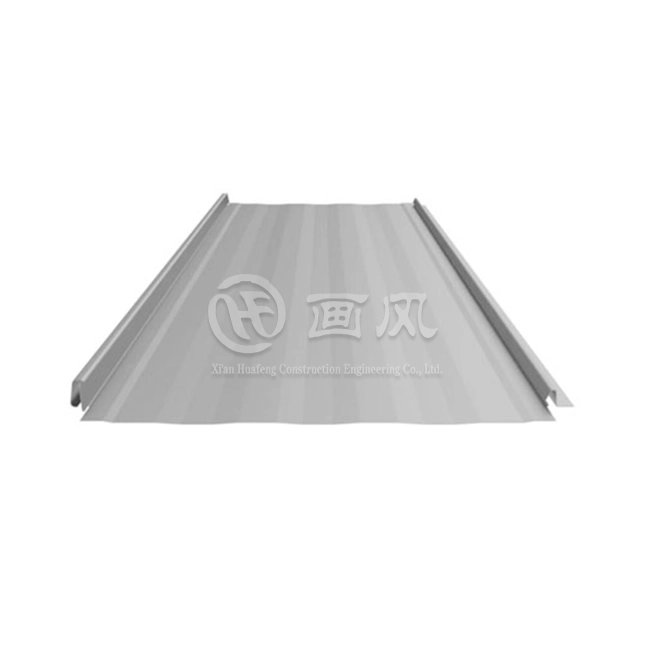
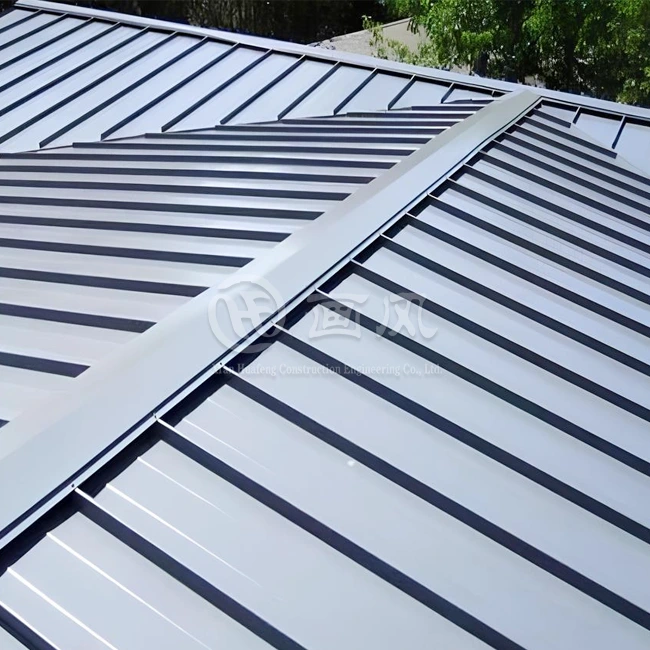
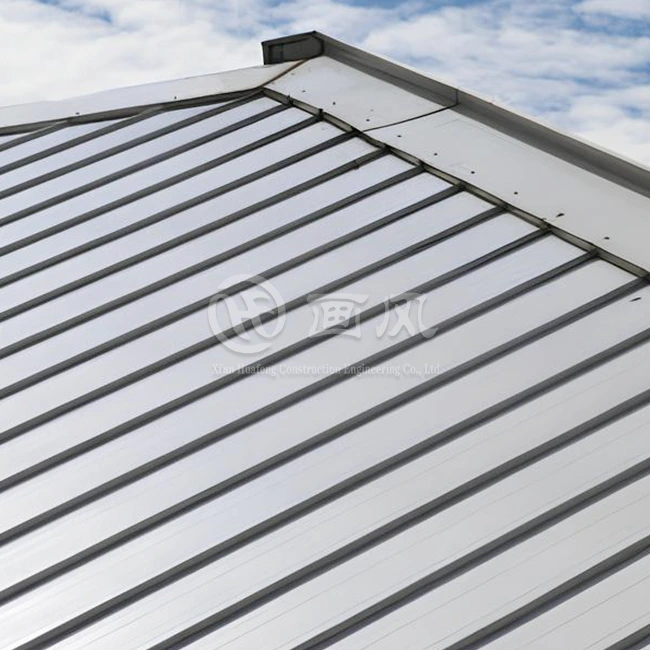
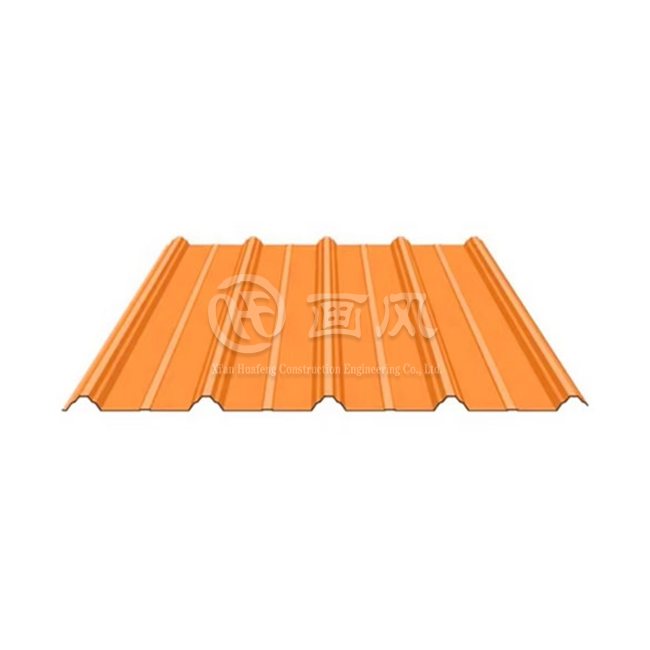
Standing seam systems make up most of the metal roofing market, especially for industrial uses. However, they can't always be used when architects want smooth surfaces or complex bent shapes. The vertical rib shape makes lines that might not go with the overall design of modern surfaces. The low-profile configuration, on the other hand, can easily fit concave, convex, and hyperboloid shapes without having to pay extra for special pre-forming. This makes it the best choice when builders want to use organic shapes in meeting centers or cultural institutions. Snap-lock panels are faster to install because they don't need any tools to put together, but they don't allow for heat movement like four-sided linking does. This limitation can show up as oil-canning or seam separation in extreme temperatures on big roof expanses, which are popular in business buildings and traffic hubs. Even though corrugated metal panels are cheap, they don't have the refined look or hidden fastening that curtain wall builders need when the exterior and roof need to speak the same architectural language.
Financial Considerations for Procurement Teams
The initial cost of the materials makes Flat Lock Panels more expensive than asphalt shingles or basic curved profiles, but lifetime analysis always shows that they are a better investment. Longer replacement times, less upkeep work, and better energy efficiency all help to recover initial costs within the first ten years of service. When you buy in bulk through our distribution network, you can get volume savings that bring down the price difference. This is especially helpful on campuses with multiple buildings or staged development projects where standard specs allow for economies of scale. Different makers offer very different warranty terms, so it's important to directly compare when negotiating with a seller. Our full coverage includes flaws in the material, the stability of the finish, and the performance of the structure. It is backed by ISO9001 quality management paperwork and third-party SGS certifications. This risk reduction is very important for people involved in the project, whose reputations and finances could be at risk if the roof fails and stops the building from working or leads to a lawsuit.
Procurement and Installation Guide for B2B Clients
Supplier Qualification and Selection Criteria
Due diligence begins with technical manufacturing licenses. Our Grade 1 building curtain wall and Grade 3 steel structure certifications demonstrate our compliance and technical expertise in North American and international markets. The Shaanxi Province government designated our company high-tech in 2020. Our approximately 20 patents for new roofing systems and installation methods demonstrate that we invest in research and development. Production capacity affects delivery reliability, which is crucial when building plans penalise material delays. Our integrated supply chain includes companies in Anhui that create raw materials, Hangzhou and Xi'an that make parts, and organised transportation agreements that allow 15–20-day delivery from order confirmation. With 10 longitudinal and transverse shearing lines, fully mechanised punching systems, and over 40 specialised manufacturing equipment, many project orders may be processed without compromising quality. Client referrals from similar projects can offer you confidence that conventional marketing materials can't. Procurement managers should discuss installation issues, contractor coordination, and long-term performance with technical contacts at finished convention centers, high-speed rail stops, and business towers. Peer feedback typically reveals practical strengths or flaws before a hard project begins.
Optimizing Pricing and Logistics
Materials, unique fabrication, surface treatment choices, and freight should be priced separately. Our sales staff provide accurate quotations with material selections or panel layouts that satisfy design goals at varied pricing points. You can budget and discuss value engineering. Volume pledges across project phases can be discounted using tiers. Early procurement allows strategic inventory positioning to hedge against metals and commodity price swings. Logistics planning involves more than shipping products. We work with skilled carriers who know how to pack architectural metal panels, shield them from vibrations, and transport them in a climate-controlled fashion to maintain the coating and substrate. We consolidate containers and process customs for European and North American enterprises. This simplifies contractor procurement and reduces clearance delays that disrupt development plans.
Installation Support and Quality Assurance
Hiring licensed labour reduces the biggest risk in metal roofing performance: poor workmanship. Our technical support network includes contractor team training, on-site supervision throughout crucial installation steps, and warranty coverage checks after installation. This comprehensive support approach distinguishes manufacturing partners that ship products from those who care about project success. Technical and senior management teams understand this difference in long-term supply agreements. After-sales service includes building maintenance guidance, part availability, and problem-solving throughout its lifespan. Renovations and additions to decades-old structures are easier with the original fabrication specs and material traceability papers. This preserves architecture and avoids costly reverse engineering when building systems need to be updated.
Case Studies and Practical Applications
Solving Complex Design Challenges
This Midwest convention center project had a hyperbolic paraboloid roof that covered 40,000 square feet, strict water infiltration performance requirements due to sensitive equipment in the exhibition spaces, and an extremely tight 18-month construction schedule due to events already scheduled. Traditional standing seam methods required a lot of custom shaping, which increased costs and delayed production. Our scientific team recommended rectangular interlocking panels constructed of 0.7 mm aluminum-magnesium-manganese alloy with a PVDF finish that matched the client's brand colours. The system could angle smoothly across the curved surface without special tools due to the modular panels' 240mm width. The concealed clip spacing was based on the alloy and area's thermal expansion. This prevented the clips from breaking, hurting a competitor's proposal on a similar job. The panels were transported to meet the contractor's installation timeline, therefore the installation went well despite the tight schedule. After the project is finished, it is inspected annually for three years to ensure no water leaks and that the coating appears the same. Based on EPDM membrane roofing experience, the site manager anticipates upkeep expenses at 60% of their budget.
Customization for Architectural Distinction
More and more, high-end business projects want roofing systems that are more like design statements than useful building parts. Diamond-shaped panels made of natural copper were used in a recent project to build a corporate offices. The material's patina development was used to create a changing visual character that fit with the company's green branding. The four-sided interlocking system worked with the diagonal placement layout and kept up the structural performance and drainage standards needed for the building to get LEED Platinum certification. Custom color options go beyond the usual RAL choices. Our color coating lines can match specific brand colors or work with nearby building materials to make sure that mixed-material surfaces, which are popular in modern design, look good together. This versatility is liked by design-build teams and building firms that see roofing as an important part of the general look and not something that is added on at the last minute.
Conclusion
When picking roofing systems for large businesses and building projects, you must consider performance variables including durability, appearance, and supply chain reliability. Flat Lock Panels performs better in all of these areas, especially for projects with complex geometries, severe protection requirements, or long operational timeframes that increase maintenance costs. Specification teams can choose the greatest thermal performance, corrosion resistance, and visual character for each building's climate and design goals among aluminium alloys, stainless steel, copper, and titanium zinc. Working with makers with technical certificates, production scale, and project support capabilities reduces procurement risk and enhances project results.
Frequently Asked Questions
1. What maintenance protocols ensure optimal lifespan?
Every six months, inspections should focus on clearing the drainage path, checking the stability of fasteners in easy-to-reach places, and checking the state of the coating. Get rid of the buildup of dirt and grime that keeps water on metal surfaces. Because of how the mechanical seams are designed, most systems don't need to have caulk reapplied. However, exterior flashings may need to be checked every so often. Our technical documentation includes upkeep plans for each project that are based on the materials used and how they will be exposed to the climate.
2. How do costs compare to alternative metal roofing systems?
Initial material costs are usually 15–25% higher than basic standing seam profiles, but lifetime cost analysis shows that they break even within 8–12 years when upkeep costs are cut down and replacement times are shortened. Total cost of ownership goes down even more when you consider the savings you'll get on your insurance premiums and the better energy efficiency. When you buy in bulk and use the same specs for multiple buildings, the difference in starting costs is much smaller.
3. Can panels accommodate steep slopes or unusual roof shapes?
The system works on roofs with slopes greater than 30 degrees, and its flexible design lets it fit into bent, conical, and other complicated shapes. The panel sizes and clip spacing can be changed to accommodate different levels of curves without affecting the weather protection. Our engineering team gives installation details for each project that include load estimates and thermal movement for non-standard uses. This makes sure that the project meets all building codes and is covered by the guarantee.
Partner With HF for Your Next Roofing Project
With over five years in architectural metal systems, Xi'an Huafeng Construction Engineering Co., Ltd. partners with sourcing teams for major industrial and infrastructure projects. As a Grade 1 certified Flat Lock Panels manufacturer and curtain wall specialist, we deliver durable, aesthetically pleasing panels that offer long-term value. Our 200,000-square-meter production base features advanced coating, manufacturing, and quality control systems, ensuring reliable materials and timely deliveries every 15–20 days to keep your project on schedule. We serve general builders, curtain wall subcontractors, and developers with customizable panels in premium metals like titanium zinc, copper, aluminum-magnesium-manganese, and stainless steel. Contact our sales team at huafeng@hfmetalroof.com for project details, free samples, and tailored quotes. Trusted by leading firms across North America and globally, explore our full range at hfmetalroof.com and start your project today.
References
1. American Architectural Manufacturers Association. "Metal Roof System Design Manual: Installation Standards for Interlocking Panel Systems." AAMA Publication Series, 2021.
2. Construction Specifications Institute. "Comparative Analysis of Metal Roofing Performance in Commercial Applications." CSI Technical Research Report, 2022.
3. National Roofing Contractors Association. "Lifecycle Cost Evaluation of Metal Roofing Materials for Large-Scale Infrastructure." NRCA Industry Study, 2020.
4. International Building Code. "Weather Resistance and Structural Load Requirements for Low-Slope Metal Roof Assemblies." IBC Chapter 15 Standards, 2021 Edition.
5. Metal Construction Association. "Thermal Movement and Fastening Best Practices for Architectural Metal Panels." MCA Technical Bulletin, 2023.
6. Green Building Council. "Sustainable Material Selection Criteria for Metal Roofing in LEED-Certified Projects." USGBC Documentation Standards, 2022.





YOU MAY LIKE