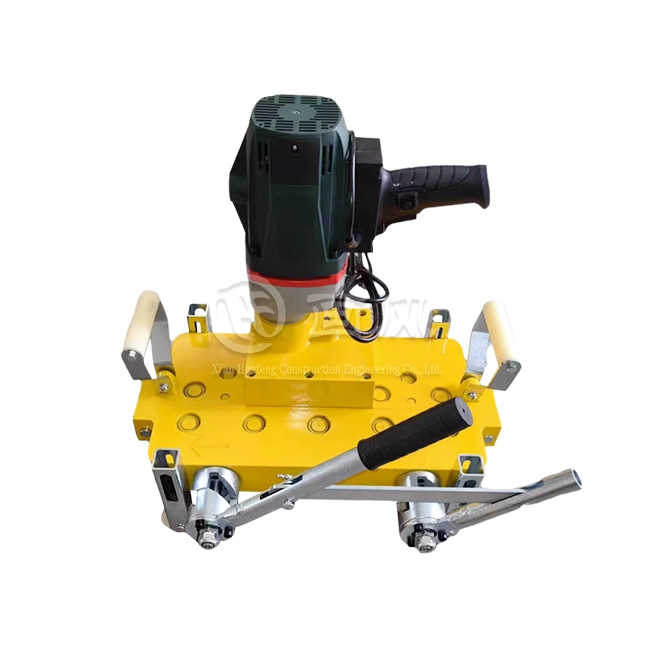
How 032 Aluminum Standing Seam Roofing Reduces Long-Term Maintenance
2026-05-14 18:31:50
Keeping up with standard roofing systems can be expensive and cause problems with operations. However, 032 aluminum standing seam roofing is a revolutionary option because it almost never needs the regular upkeep that is needed for other materials. Because of its aluminum-magnesium-manganese alloy makeup and natural resistance to corrosion, this roofing system stops common failure modes like rust penetration, fastener degradation, and water leakage. The standing seam design allows for changes in temperature while keeping the structure weathertight, which means that it will need a lot fewer fixes over its lifetime. This means that procurement workers who are in charge of business or industrial buildings can plan ahead for lifetime costs and keep operations running as smoothly as possible.
Understanding the Maintenance Challenges in Traditional Roofing Systems
Traditional roofing materials require a lot of upkeep, which can slow down operations and make it harder to plan finances. A lot of serious problems exist with traditional methods that need constant care and money to fix.
Weathering and Material Degradation
When exposed to weather stress, asphalt shingles and normal steel panels break down very quickly. Within 15 years, UV light breaks down the organic chemicals in asphalt, making it weak and prone to cracks. Steel roofs rust with red rust, which happens faster in damp or seaside areas. This means that they need to be recoated often to keep the structure from breaking. These materials also get thermal stress from the daily processes of swelling and shrinking, which causes tiny cracks that spread over time.
Water Intrusion and Structural Impact
When fastener systems are left out in the open, they create hundreds of possible leak points across the surface of a roof. Each entry increases the chance of failure, especially since UV light and changes in temperature weaken rubber seals. When water gets into the building shell, it starts a chain reaction of problems that include damaged insulation, rotting structure members, and damage inside the building. Most of the time, fixing the damage costs three to five times as much as fixing the roof's weakness in the first place.
Total Cost of Ownership Concerns
The costs of maintenance add up slowly but surely over the life of a roof. During bad weather events, emergency fixes mean that businesses have to close and pay workers more than usual. For planned repair to happen, it has to be scheduled around production cycles and entry for contractors has to be arranged. This causes hidden output losses. Because of these things, standard roofing systems are much more expensive than their initial installation costs show. This makes it harder for building managers to accurately plan their capital budgets.
How 032 Aluminum Standing Seam Roofing Resolves These Maintenance Issues
Through engineering and material science, 032 aluminum standing seam roofing technology gets to the root reasons of the need for upkeep. This method makes measurable gains to success in a number of operational areas.
Corrosion Immunity Through Aluminum Chemistry
As soon as aluminum alloy screens are exposed to air, they create a protected layer of aluminum oxide. This microscopic barrier fixes itself when it gets scratched, stopping the slow breakdown that kills steel roofs. The aluminum, magnesium, and manganese mix used in high-quality systems gives the panels better tensile strength while also completely blocking rust. This makes them perfect for use in coastal areas, chemically-rich industrial settings, and places where acid rain happens. Galvanized steel coats wear off over time, revealing weaker material underneath. Aluminum, on the other hand, is resistant to corrosion throughout its entire length.
Concealed Fastening Eliminates Leak Paths
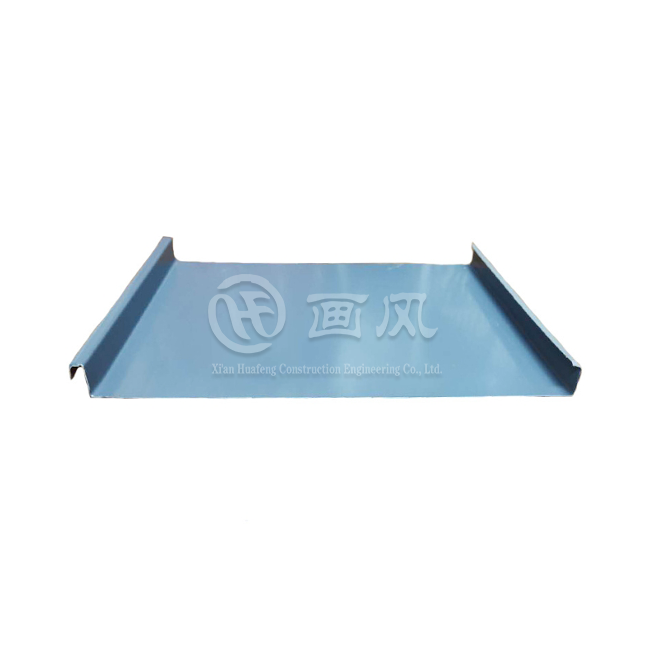
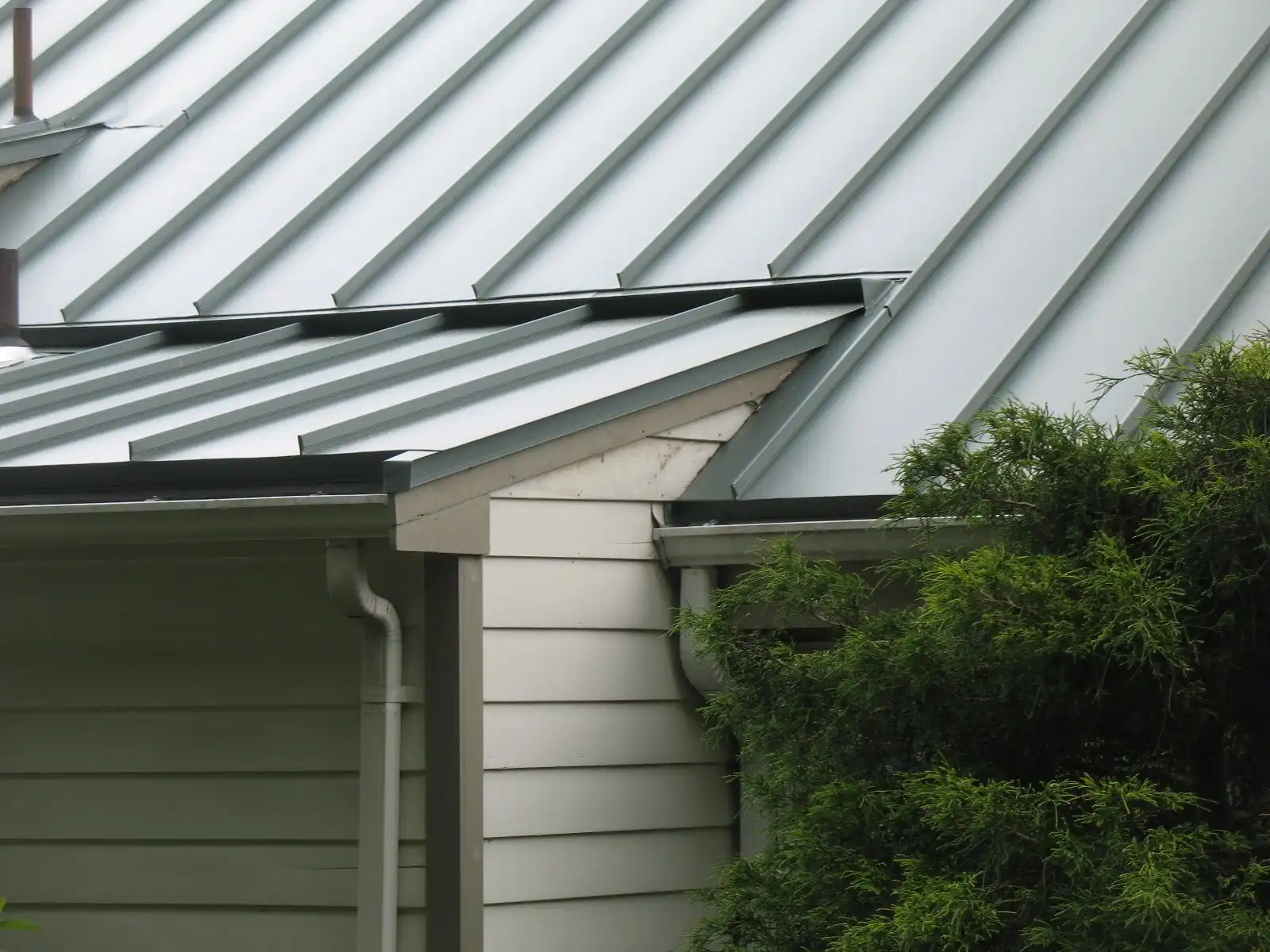
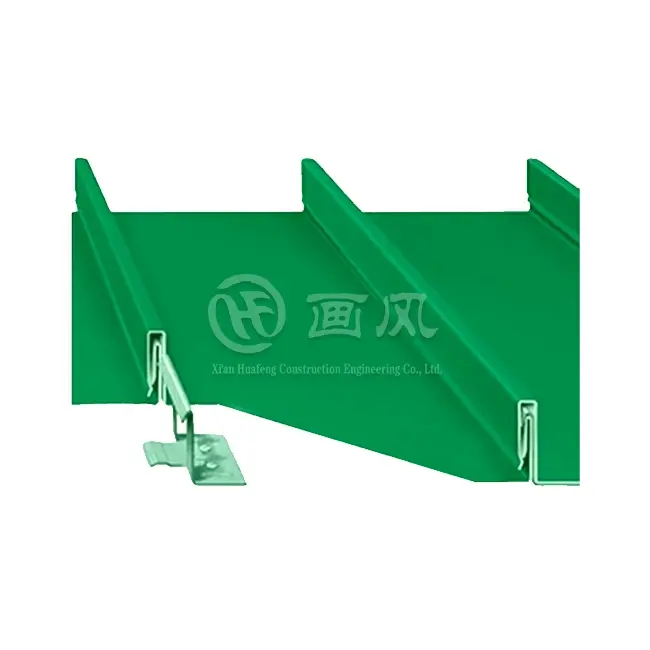
The mechanically interlocking edges of the standing seam shape keep any visible screws from going through the weather shield. Panels are connected to the structure deck with hidden clips. This lets the metal surface expand and contract without putting stress on the fastener points. This floating clip system works with aluminum's heat expansion rate without putting too much stress on any one area, which could wear out fasteners or bend the panel. The raised seams successfully shed water, keeping it away from weak connection points and stopping the pooling that normally speeds up roof failure.
PVDF Coating Extends Surface Integrity
High-performance fluorocarbon finishes keep the metal base from breaking down in the environment. PVDF resin coats keep their color and don't chalk for more than 20 years, even when exposed to strong UV light. These coats meet the requirements of AAMA 2605, which means they will last even in tough environments. The finish makes the surface smooth and non-porous, so dirt doesn't stick to it. Rainfall can also clean the surface naturally, so upkeep workers don't have to do it as often.
Documented Performance in Demanding Applications
Over ten years, industrial buildings that switched from built-up roofs to 032 aluminum standing seam roofing systems saw their upkeep costs drop by more than 80%. In warm regions, warehouse operations record the end of the need to recoat every year and fix leaks. These real-life results show that 032 aluminum standing seam roofing that is properly specified and installed does what procurement professionals need it to do without any upkeep, so they can get accurate total cost of ownership estimates.
Technical Advantages of 032 Aluminum Standing Seam Roofing Over Alternatives
The choice of material has a big effect on the amount of long-term upkeep needed and the performance over the whole span. Comparing technical qualities helps people make smart decisions about what to buy.
Weight Advantages for Structural Compatibility
Aluminum covering doesn't put much of a load on structure systems—about 0.45 pounds per square foot. This trait is especially useful for retrofitting situations where the roof frame was made for lighter materials originally. The lighter weight makes it possible to place over old buildings without having to pay for expensive structural reinforcement. This makes the project more feasible while still keeping safety margins. Steel roofing usually weighs three times as much as asphalt roofing. This means that older buildings might not be able to handle the extra weight and fitting choices are limited.
Thermal Performance and Energy Efficiency
Aluminum's high sun reflection index makes it less likely to absorb heat than darker materials. When these roofs are covered with PVDF coats that reflect light, they can reach reflectance values higher than 80%. This makes cooling loads much lower in warm areas. When properly finished with insulation layers, the material's thermal conductivity improves the performance of the building environment as a whole. These energy-saving features help meet the standards for LEED certification and lower running costs throughout the lifecycle of the building, which adds value beyond the cost savings from less upkeep.
Longevity and Lifecycle Comparison
Good 032 aluminum standing seam roofing systems usually last between 40 and 50 years with little maintenance. This longevity comes from the way the material is made, not from coatings that cover it but wear off over time. Roofing made of steel needs to be recoated every so often to keep it resistant to rust. This adds up over time and takes away from the initial cost savings. Traditional materials, like asphalt shingles, need to be replaced completely every 15 to 20 years. This means that they cost more to dispose of and install each time, which adds to the overall cost of ownership. Aluminum systems have a long service life that fits with long-term building planning horizons. They work reliably for decades without needing to be replaced too soon.
Procurement Considerations for 032 Aluminum Standing Seam Roofing
Making strategic choices about what to buy improves both the short-term success of a project and the long-term performance of an asset. There are a number of things that need to be carefully considered during the buying process.
Material Specifications and Standards Compliance
Checking the alloy's makeup and thickness tolerances is the first step in quality assurance. The ASTM B209 guidelines for aluminum sheet goods should be used in the specifications to make sure the material meets structural needs. The width of 0.8 mm is the best compromise between saving weight and keeping the structure rigid for most business uses. To make sure the finish lasts, coating specs must list the PVDF percentage and refer to AAMA 2605 performance standards. To avoid getting lower-quality materials instead, buyers should ask for mill certificates that list the alloy's composition and mechanical qualities.
Supplier Capacity and Customization Capabilities
Infrastructure for production has a direct effect on how reliably projects are delivered. HF runs three dedicated plants with more than 40 specialized tools and seven production lines. This gives them the manufacturing power to finish big projects quickly. This infrastructure allows for special fabrication, such as panel profiling from 25 mm to 65 mm high and color matching to RAL standards or unique needs. The minimum order number of 500 square meters, or one ton, can be used for both large business installations and smaller, more specialized projects. This gives you options for all sizes of projects.
Quality Certifications and Installation Standards
Supplier licenses show that the company is good at making things and knows a lot about technology. Systems that meet ASTM, DIN, JIS, BS, and GB/T standards show that they meet worldwide quality standards and can be used on global projects. Expertise in installation is also very important, because bad methods can damage even the best materials. Working with providers that offer approved installation services makes sure that the clips are spaced correctly, the seams are engaged, and the material can move with the temperature. Well-known companies like HF offer 30-year warranties on their products because they are sure that the product will last and that the work will be done correctly. This shifts the performance risk from the buyer to the company that made the product.
Lead Time Management and Supply Chain Coordination
Delivery plans affect how long a job takes and how much money comes in and out. Standard wait times of 15 to 20 days for custom production mean that you need to plan ahead, but they are still competitive for engineered metal roofing goods. Buyers who are in charge of more than one part of a project should organize the arrival times of materials to keep building from being held up and to reduce the amount of storage space needed on-site. Suppliers can better assign their production capacity when they have clear information about project schedules and possible changes. This lowers the risk of delivery problems that affect building schedules.
Maintenance Tips to Maximize the Lifespan of 032 Aluminum Standing Seam Roofing
Even roofing systems that don't need much care can benefit from basic maintenance routines that keep them working well for decades. Using simple methods saves the original investment and keeps the benefits of operations going.
Scheduled Inspection Protocols
Visual checks done once a year find small problems before they get worse and cost a lot to fix. Facility management teams should check the seams' soundness and see if the mechanical locks are broken or separated. The sides of the panels should be checked for any strange dents or deformations that could mean there are problems with the structure or damage from an accident. Drainage parts like gutters and drains need to be cleaned out so water doesn't back up and stress the links on the roof. These checks usually don't take long, but they let you know right away if something needs your attention, which helps you avoid emergencies that stop operations.
Debris Management and Surface Cleaning
Organic matter that builds up keeps water in and can cause limited corrosion in materials that are normally tough. Regularly removing leaves, twigs, and sediment keeps the drains working right and stops the tree from wearing out too quickly. PVDF-coated surfaces are usually cleaned well by rain, but buildings in areas with a lot of dust or pollution might benefit from low-pressure washing every once in a while. By staying away from rough cleaning methods, you can protect the coating's structure and keep the finish that protects the metal underneath from the elements.
Professional Service Relationships
Getting to know qualified metal roofing workers will make sure you have access to their knowledge when you need specialized service. Certified workers know how metal plates move when it comes to heat and can find problems that regular maintenance staff can't. Service under a warranty usually needs to be done by approved workers. This is why these ties are so important for protecting maker guarantees. Scheduled repair deals help you plan your budget and make sure that service is always available without having to pay extra for emergencies. This supports the total cost of ownership benefits that led to the choice of materials in the first place.
Conclusion
032 aluminum standing seam roofing completely changes how much it costs to maintain business and industrial buildings. This answer protects against weather for decades with little maintenance because it doesn't have the problems of rust, fastener exposure, and material degradation that happen with other systems. The natural qualities of the material, along with designed seam designs and protective coatings, get to the bottom of why roofs fail instead of just putting off the inevitable wear and tear. 032 aluminum standing seam roofing is a smart investment for procurement workers who are looking at lifecycle costs and operational dependability. It protects both physical assets and financial predictability over long service horizons.
FAQ
1. What Service Life Can Be Expected From Aluminum Standing Seam Systems?
Roofing made of aluminum that is put correctly should last between 40 and 50 years, but many projects last longer. Organic materials break down over time, but this material doesn't rust or break down slowly. Manufacturers offer 30-year warranties because they are sure the product will last for a long time. The warranties cover both the quality of the material and the performance of the finish as long as the upkeep instructions are followed.
2. How Does This Roofing Perform in Extreme Weather Conditions?
032 aluminum standing seam roofing panels can handle harsh weather conditions like strong winds, heavy snowfall, and big changes in temperature. When placed correctly, the mechanical seam joints can withstand wind uplift forces equal to a Category 5 storm. The material is flexible, so it doesn't break when it freezes, and its thermal qualities let it expand in very hot weather without buckles or stress on the fasteners.
3. Are Custom Colors and Profiles Available for Architectural Requirements?
Modern makers allow for a lot of customizing to meet a wide range of aesthetic and functional needs. Colors usually come from the whole RAL range, plus special matching for brand stability or projects that bring back old things. Panel sizes range from 25 mm seams that are barely noticeable for home use to 65 mm seams that are very noticeable for business use. Because of this, aluminum roofing can meet both technical performance requirements and artistic style goals for a wide range of building types.
Partner With HF: Your Trusted 032 Aluminum Standing Seam Roofing Manufacturer
HF has the production know-how and high-quality products that business projects need. Our 032 aluminum standing seam roofing systems are made with high-quality aluminum-magnesium-manganese alloys and PVDF finishes. They are designed to get rid of the problems that building managers have with upkeep and lifecycle costs. We have the production capability and technical standards that B2B procurement workers need. We have three factories, seven production lines, and a wide range of quality certifications, such as ASTM and ISO compliance. Our 30-year guarantee and shipping times of 15 to 20 days show that we are confident in our products and our business. Get in touch with our team at huafeng@hfmetalroof.com to talk about your project details and find out how working with a skilled 032 aluminum standing seam roofing supplier can change the performance and cost of upkeep for your building's roof.
References
1. Metal Construction Association. "Guidelines for Concealed Attachment Metal Roof Panel Systems." Technical Bulletin Series, 2021.
2. American Architectural Manufacturers Association. "Voluntary Specification for Performance Requirements and Test Procedures for Superior Performing Organic Coatings on Aluminum Extrusions and Panels (AAMA 2605-18)." Standards Publication, 2018.
3. Aluminum Association. "Aluminum Design Manual: Specification for Aluminum Structures." Engineering Standards, 2020.
4. National Roofing Contractors Association. "Metal Panel Roof Systems Design Manual." Technical Reference Guide, 2019.
5. Cool Roof Rating Council. "Product Rating Program: Radiative Properties and Thermal Performance of Roofing Products." Performance Database Documentation, 2022.
6. ASTM International. "Standard Specification for Aluminum-Alloy Sheet and Plate (ASTM B209)." Materials Standards, 2020.





YOU MAY LIKE
_1768552571575.jpg "Aluminium Fascias")