Why Aluminum Standing Seam Roofing is Ideal for Long-Term Durability?
2026-05-15 18:01:24
When construction companies and roofing contractors evaluate roofing materials for commercial and residential projects, durability ranks among the top priorities. Among various metal roofing options, 032 aluminum standing seam roofing has emerged as a preferred choice for projects requiring exceptional longevity, corrosion resistance, and minimal maintenance. This roofing system combines the inherent advantages of aluminum alloys with precision-engineered standing seam profiles, delivering performance that meets the demanding requirements of modern construction standards while addressing critical concerns about lifecycle costs and environmental impact.
Understanding 032 Aluminum Standing Seam Roofing
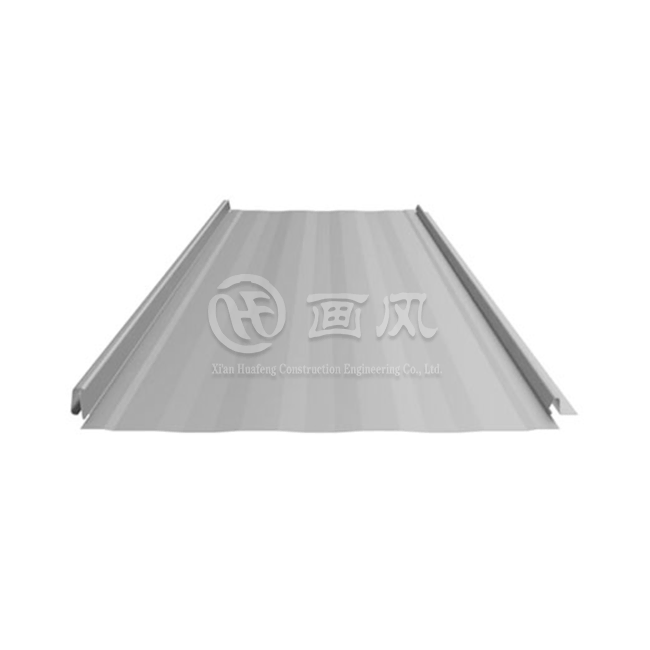
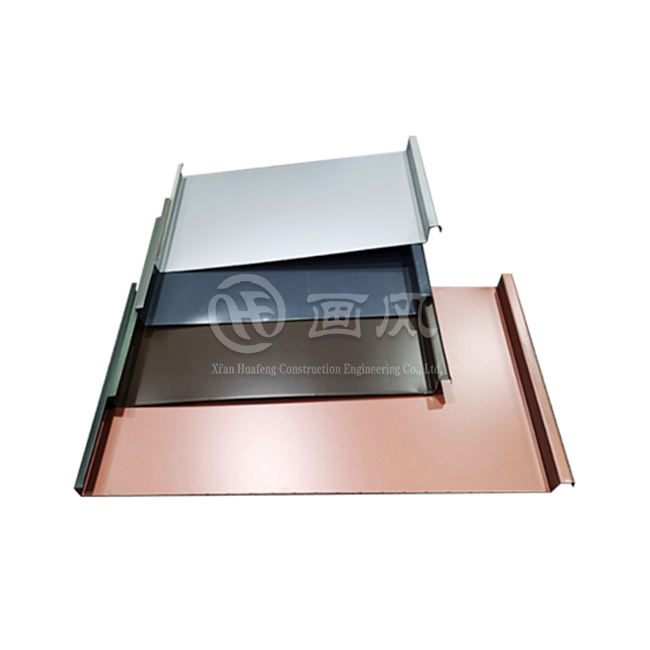
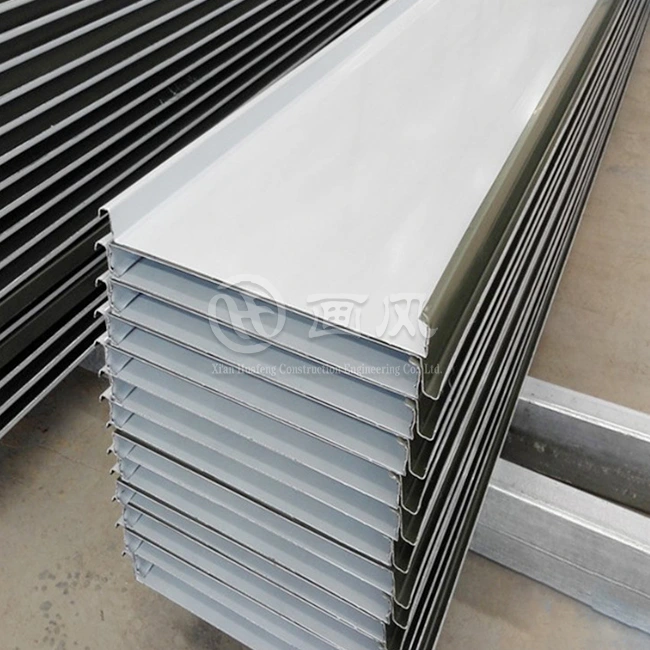
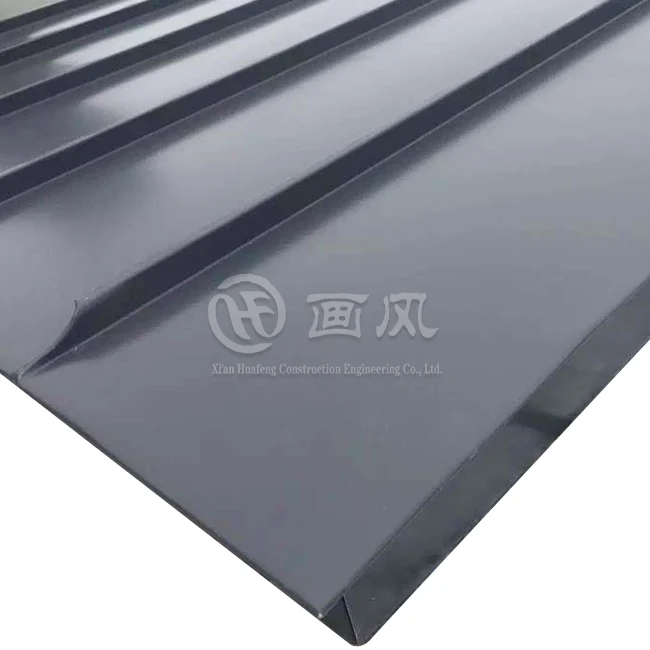
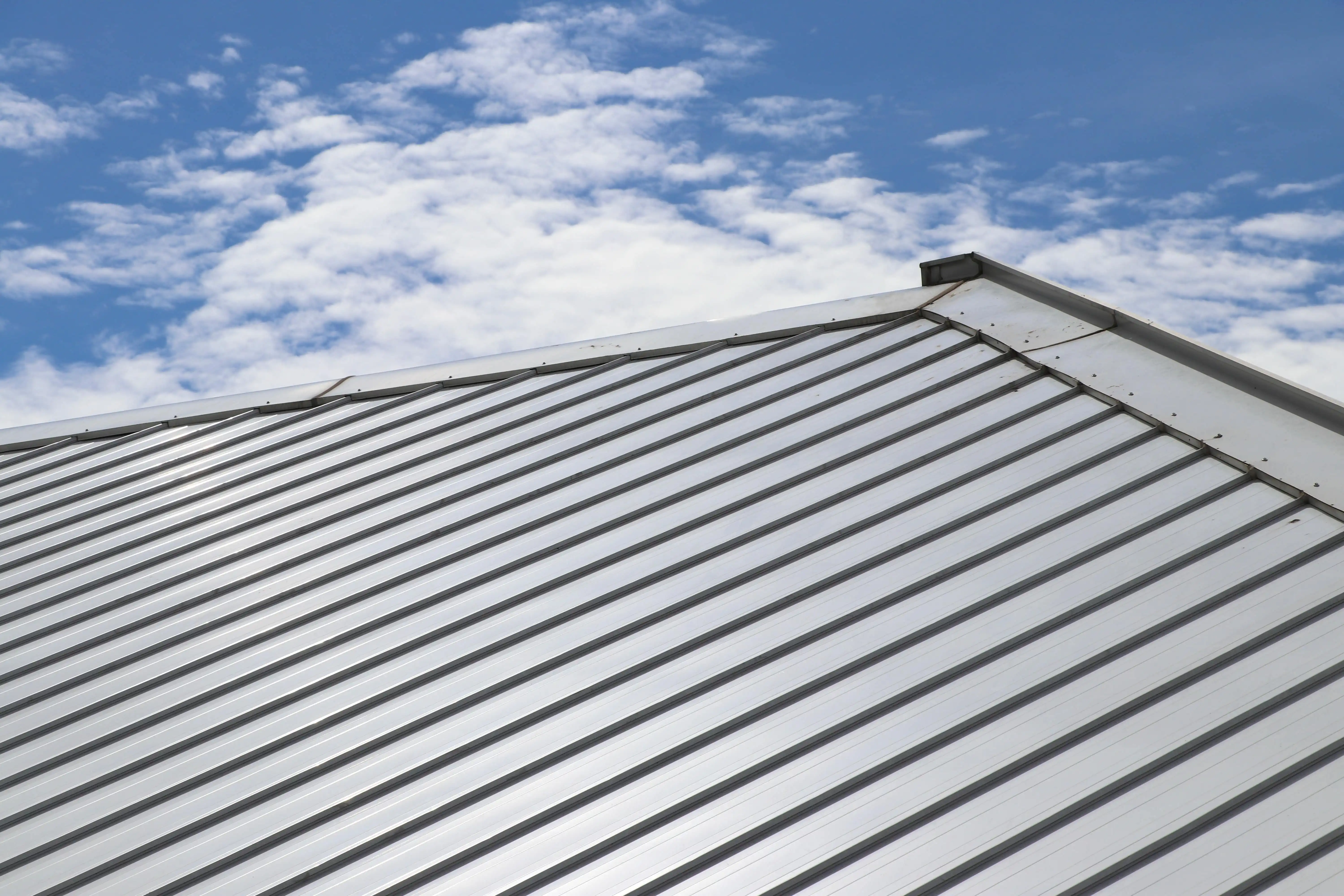
The number "032" refers to the width of aluminum panels, which is 0.032 inches, or about 0.8 mm. This is an industry-standard measure that strikes a good balance between strength and weight. 032 aluminum standing seam roofing systems are different from other types of roofs because they have panels that run vertically from top to eave. These panels have raised seams that connect to make a barrier that keeps out the weather. This method is different from others with open fastener panels because the fasteners are hidden. This means that water can't get in and the fasteners won't rust over time.
Technical Specifications That Define Performance
HF's 032 aluminum standing seam roofing is made from high-quality aluminum alloys, usually from the 3003, 3004, or 3005 series. These alloys contain magnesium and manganese, which make them stronger and less likely to rust. In our three factories, which have seven production lines and more than 40 specialized tools, these alloys are made with great care. The quality is always the same and meets foreign standards like ASTM, DIN, JIS, BS, and GB/T. The PVDF (polyvinylidene fluoride) finish that we put on our metal panels protects them from UV rays and the weather so well that the colors stay true for decades, even in tough conditions. This coating system, which is acknowledged for meeting the standards of AAMA 2605, makes a surface that cleans itself when rainwater falls on it. This means that much less upkeep is needed.
Concealed Seam Locking Mechanism
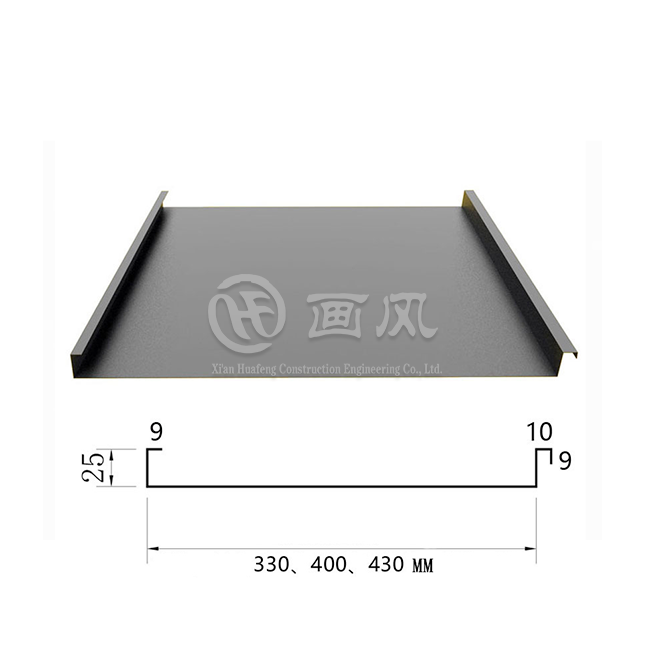
The mechanical lock edge system is an important engineering part of standing seam roofing that determines how well it works. With the help of special tools, the ends of the panels are crimped together to make a double-lock seam that can stand up to harsh weather and is very good at closing. Panel lengths are usually between 300mm and 450mm, and rib heights are between 25mm and 65mm (1" to 2.55"). Rib heights improve both drainage and structural strength. This raised shape keeps water from pooling and speeds up runoff, which keeps the building surface from getting damaged by water.To get the most out of metal standing seam systems, they need to be installed by a professional. The floating clip connection method allows for thermal expansion and contraction, which is something that aluminum does naturally since it has about twice the expansion rate of steel. This keeps panels from buckleing and fasteners from wearing out, which could affect their long-term performance.
Core Benefits of 032 Aluminum Standing Seam Roofing for Long-Term Use
Roofing durability is more than just being able to withstand bad weather. It also includes a number of performance factors that affect the total cost of ownership and the building's ability to work over many years with 032 aluminum standing seam roofing.
Superior Corrosion Resistance Compared to Alternatives
Aluminium is inherently corrosion-resistant, a major benefit. This is particularly true in coastal and industrial locations where seawater and chemical pollutants accelerate steel roof breakdown. Air quickly forms a tiny coating of aluminium oxide on aluminium. This layer self-heals when damaged, preventing steel roofing corrosion. Because salt air voids galvanised steel warranties, only aluminium standing seam panels are available for coastal houses.Galvanising or coating steel roofs prevents rust. However, these layers of protection wear away over time, particularly when steel is cut or fastened. Copper roofing resists corrosion but costs more and may taint neighbouring building surfaces with copper ions from rain and snow. Composites don't rust, but they're weaker and less recyclable than metal.
Extended Lifespan and Lifecycle Cost Advantages
HF aluminium standing seam roofing has a 30-year warranty, demonstrating its endurance. With good installation, the roof should endure 40–50 years. This extended lifespan reduces lifetime expenses significantly compared to asphalt shingles that need to be changed every 15–20 years or painted steel panels that need to be re-coated to prevent corrosion.Lightweight aluminium panels—about 3 kg per square metre, one-third the weight of steel roofing—put less stress on building structures. Repair projects where the roof cannot support heavy roofing materials without costly reinforcing benefit from this attribute. New building projects may save on structural engineering and base costs if the dead load is smaller.
Energy Efficiency and Sustainability Compliance
High sun reflection makes aluminium roofing systems heat-retaining. Solar Reflectance Index may approach 80 for finished panels. This reflection minimises heat absorption, lowering cooling costs and enabling green buildings get LEED certification. Aluminium recycles without losing quality and saves energy. This supports circular economy notions, which are increasingly important in buying decisions.Energy-efficient, resilient, and recyclable standing seam metal roofing is ideal for green building and environmental compliance.
Practical Maintenance Recommendations
More regular inspections extend the life of aluminium standing seam roofing, which needs less maintenance. Once a year, panel seams should be visually inspected to verify proper connection, penetration sealants, and debris-free valleys and equipment. In low-rain locations, cleaning PVDF-coated panels may remove tough coatings, although they usually clean themselves. Avoid walking on the fragile metal surface to avoid denting. Walk straight on panel flats over structural supports to prevent deformation.
Comparing 032 Aluminum Standing Seam Roofing With Alternatives
When purchasing workers are looking at different roofing systems, it's helpful to know how 032 aluminum standing seam roofing panels stack up against other materials in terms of performance and cost.
Performance Against Steel Roofing Systems
When compared to aluminum, steel standing seam roofing has higher tensile strength and is more resistant to damage from hail and foot traffic. The 24-gauge steel that is often used for industrial roofing is stiff, which may make it better for areas with long panel runs or heavy machine installation needs. However, the fact that steel is easily corroded is a big problem, especially in wet places, along the coast, and in industrial settings where chemicals speed up the rusting process. Over the life of a steel roof, maintenance costs go up a lot because protection coats need to be replaced and rust damage needs to be fixed or the roof has to be replaced early.When comparing weights, metal clearly wins. The lower structural load has real benefits for both new building and retrofitting. Total lifetime costs usually favor aluminum, even though it may cost more at first because it lasts longer and needs less upkeep, which makes up for the higher price.
Aluminum Gauge Variations and Selection Criteria
For certain uses, thicker types of metal, like 0.040-inch or 0.050-inch grades, offer better resistance to dents and stiffness. These bigger sizes are good for projects where the extra cost is worth it because of the high foot traffic or where worries about the look of panel waviness (oil canning) call for the highest level of rigidity. The 0.032-inch gauge, on the other hand, is the best balance for most business and domestic uses because it provides good structural performance while keeping costs low. The 0.8 mm thickness of HF's metal standing seam panels meets industry standards in all foreign markets. This means that they can be installed in any way and meet building code requirements in North America, Europe, and Asia.
Real-World Performance Validation
Roofing workers and property managers are always happy with how well aluminum standing seam works in tough conditions. Salt air would quickly damage steel alternatives in coastal areas of Florida, but aluminum has been used in projects there for decades without any problems. Commercial warehouses like shiny metal roofs because it doesn't need to be maintained and lowers their energy costs. Lifecycle cost studies show that aluminum systems are a better deal over traditional roofing materials, even though they cost more up front. This is why more schools and government buildings are choosing them.
Procurement Insights: Buying 032 Aluminum Standing Seam Roofing
Procurement managers can make better buying choices for big roofing jobs with 032 aluminum standing seam roofing when they understand how costs are structured and how to choose suppliers.
Cost Components and Pricing Structures
Aluminium pricing, finishing requirements, and production complexity determine aluminium roof material costs. PVDF coatings cost more than polyester finishes but last longer and don't chalk, making them worth it for long-term applications. Non-RAL colours, panel width variations, and custom rib heights may affect unit cost and minimum order quantity.HF's minimum order size of 500 square metres, or one metric tonne, is sufficient for medium-sized jobs while allowing economies of scale to lower prices. Bulk purchases save money on major projects and contractor supplies. Construction designs allow 15–20 days if orders and schedule are correct. If you need something fast, manufacturing may be faster.
Supplier Selection Criteria
You must go beyond unit cost for reputable suppliers. Manufacturing expertise, quality certifications, and after-sales support are all important. Multiple-product manufacturing plants show stability and expansion to meet project needs. Three HF factories house seven specialist production lines. A solid, flexible supply chain allows these enterprises to fulfil requests of various sizes and demands.International standards including ASTM, DIN, JIS, BS, and GB/T assure product uniformity and local construction laws. Buyers may trust these approvals that products will meet engineering standards and pass third-party audits throughout construction. Full warranties like HF's 30-year coverage decrease client risk and show manufacturer confidence.Suppliers working on sophisticated customisation or installation projects must tackle technology issues quickly. Along with supplies, established companies with competent technical teams may help with needs, generate detailed designs for difficult roof shapes, and troubleshoot installation.
Why Choose 032 Aluminum Standing Seam Roofing for Your Projects?
When making strategic choices about roofing, you have to weigh short-term project budgets against long-term performance and total cost of ownership. 032 aluminum standing seam roofing systems have clear advantages in both of these areas.
Lightweight Profile and Structural Benefits
Because metal roofing has less dead load, it opens up possibilities that wouldn't be possible with heavy materials. Renovation projects can improve roofing systems without having to add the structural support that would be needed for heavy-gauge steel, slate, or tile. When lightweight aluminum roofing is specified from the planning phase on, new building projects may not need as much structural steel or base requirements. This can save money that helps to partly offset the higher cost of the roofing material. This weight advantage is especially useful for business buildings with a lot of spans, warehouses, and educational buildings, where lowering loads over time can save a lot of money on building costs.
Adaptability to Environmental Regulations
Building rules are putting more and more emphasis on environmental and energy economy, and aluminum standing seam roofing is ready to meet these new standards. Many places have adopted "cool roof" standards to cut down on urban heat island effects and building energy use. High sun reflection is one of the reasons for these standards. Complete recyclability fits in with efforts to create a circle economy and policies that encourage sustainable purchasing that are becoming more popular in both the public and private sectors. Choosing metal roofing shows care for the environment while also meeting performance needs, which is appealing to stakeholders who are becoming more worried about the effects on sustainability.
Return on Investment Validation
Commercial property developers say that investing in high-quality roofs leads to faster lease-up rates and higher rental rates in competitive markets where building quality sets properties apart. Standing seam profiles have real market value because they look good and are known to last a long time with little upkeep. Manufacturing plants and transportation operations save money on energy costs and can keep running without having to stop for repair, which would happen with less durable roofing systems. Over the course of a building's life, these practical gains add up, giving investors the money they were looking for.
Conclusion
When choosing roofing materials for business projects, it's important to think about how well they work technically, how much they cost over their lifetime, and how they affect the environment. 032 aluminum standing seam roofing has clear advantages in all of these areas. 0.8 mm aluminum plates with PVDF treatments are worth many decades after they are installed because they don't rust, last a long time, and need little upkeep. When combined with proper engineering, professional installation, and parts from well-known manufacturers that meet international standards, aluminum standing seam systems give builders and property developers the durability and performance they need for a wide range of projects, from small residential developments along the coast to large commercial buildings.
FAQ
1. How long does aluminum standing seam roofing actually last in harsh climates?
When placed correctly, an aluminum standing seam roof with a PVDF coating can last for 40 to 50 years, even in harsh conditions like seaside areas that are exposed to salt, industrial areas that are polluted with chemicals, and places where the temperature changes a lot. The natural aluminum oxide layer protects against rust permanently and doesn't wear away like coatings on steel do. Good PVDF finishes keep their color and surface structure for decades, even when exposed to strong UV light.
2. Can aluminum roofing panels be customized for specific architectural requirements?
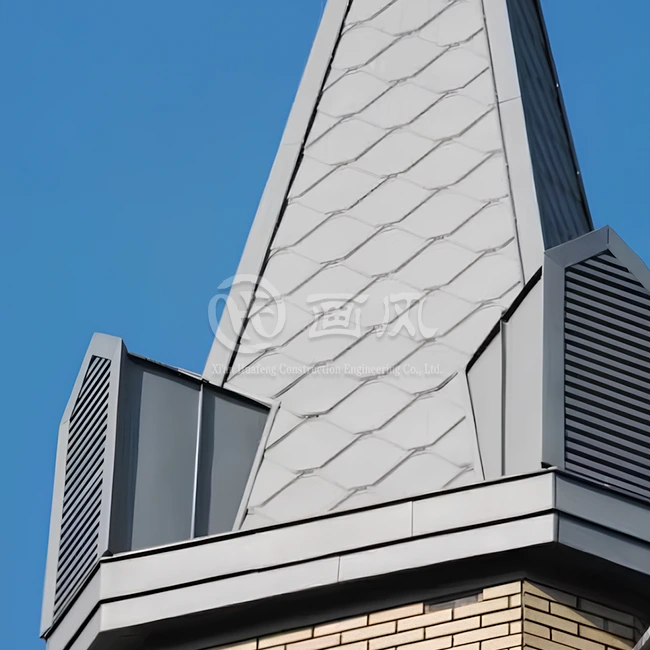
Because aluminum is flexible, it can be shaped to fit complicated building shapes like curved surfaces, barrel ceilings, and conical structures. Panels can be manually bent while they are being made, and rib heights ranging from 25 mm to 65 mm allow for both useful and aesthetic customization. In addition to standard RAL color choices, you can also get colors that are exactly what you want for your design. For unique specs, the minimum order quantity is usually around 500 square meters.
3. What maintenance does aluminum standing seam roofing require?
The only maintenance that needs to be done is a yearly eye check to make sure the seams are still strong and to clear away any debris that has gathered. Because PVDF-coated metal is self-cleaning, it doesn't need to be washed in most areas because rainwater removes surface spots naturally. Denting can be avoided by not walking on panels when you don't have to, but panels can still be walked on for equipment maintenance as long as the right precautions are taken and you only step on panel flats above structural supports.
Partner With HF for Premium Aluminum Standing Seam Roofing
Construction workers looking for a dependable 032 aluminum standing seam roofing provider will find that HF has the quality, capacity, and support they need to complete their projects successfully. Our three factories and more than 40 specialized machines make sure that the standard of our products is always high and that we can send them quickly, within 15 to 20 days. The 0.8 mm aluminum panels with PVDF finishes are made to meet foreign standards like ASTM, DIN, JIS, BS, and GB/T. They also come with a full 30-year protection that shows we care about their long-term performance. With flexible minimum orders starting at 500 square meters, customization choices like RAL color matching and panel configurations from 25mm to 65mm rib heights make it possible to make solutions that fit the needs of any project. Email our team at huafeng@hfmetalroof.com to talk about the details of your project and find out how HF can help you reach your roofing goals with reasonable prices and skilled technical advice.
References
1. American Architectural Manufacturers Association. AAMA 2605: Voluntary Specification, Performance Requirements and Test Procedures for Superior Performing Organic Coatings on Aluminum Extrusions and Panels. Schaumburg: AAMA, 2017.
2. Aluminum Association. Aluminum Design Manual: Specification for Aluminum Structures. Arlington: The Aluminum Association, 2020.
3. Cassidy, Robert E. Metal Roofing Systems: Design and Installation Best Practices. New York: McGraw-Hill Professional, 2019.
4. International Code Council. International Building Code: Chapter 15 Roof Assemblies and Rooftop Structures. Washington D.C.: ICC, 2021.
5. National Roofing Contractors Association. The NRCA Roofing Manual: Metal Panel and SPF Roof Systems. Rosemont: NRCA, 2021.
6. Scharff, Robert and the Editors of Fine Homebuilding. Roofing with Metal: A Complete Guide to Installing a Metal Roof. Newtown: The Taunton Press, 2018.





YOU MAY LIKE