Why Mechanical Lock Metal Roofing Is a Game Changer for Roof Durability?
2026-05-15 18:01:25
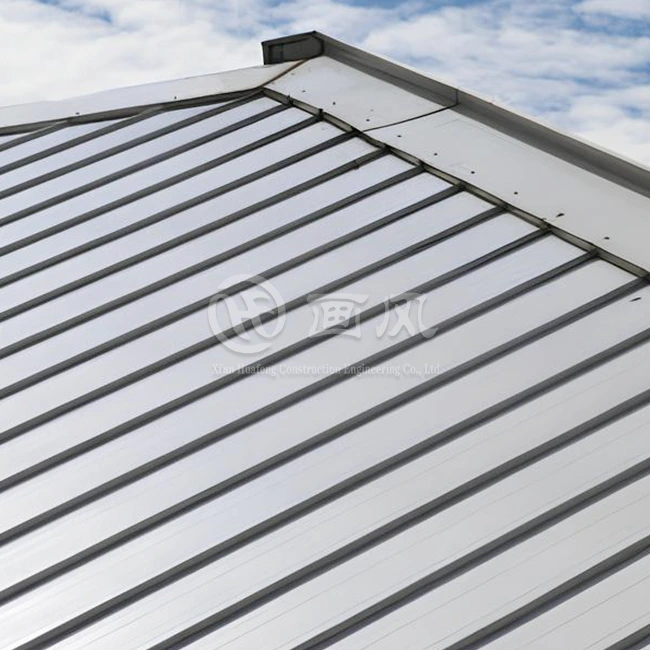
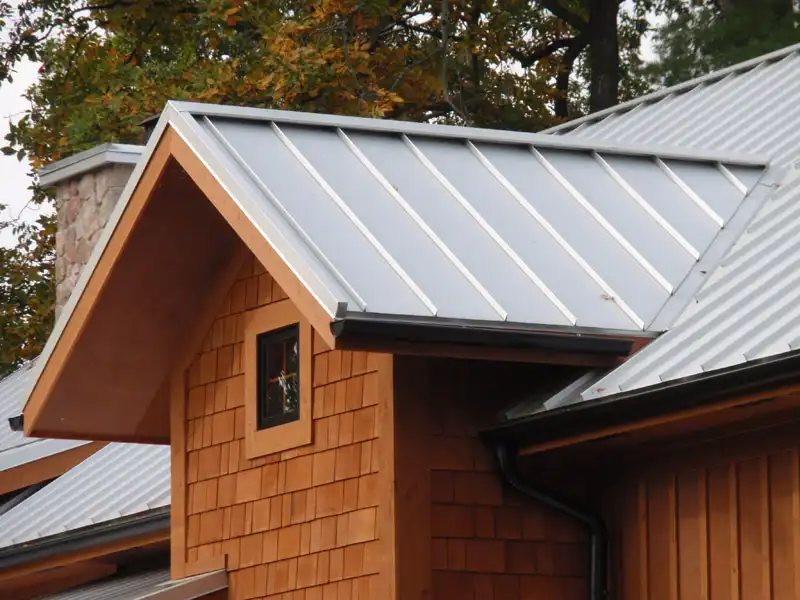
For building workers, mechanical lock metal roofing is the answer. This is a hidden fastener system where panel edges physically join through crimped seams instead of depending on friction or screws that are visible. This structural standing seam design makes a barrier that keeps water out and can handle wind speeds over 90 mph. It also gets rid of the problems that come with traditional roofs, like fasteners that can get through. Mechanically locked seams are a result of careful engineering that directly leads to longer roof life, lower lifecycle costs, and solid safety for businesses and factories.
Understanding Mechanical Lock Metal Roofing: What It Is and How It Works
The Mechanical Interlock Principle
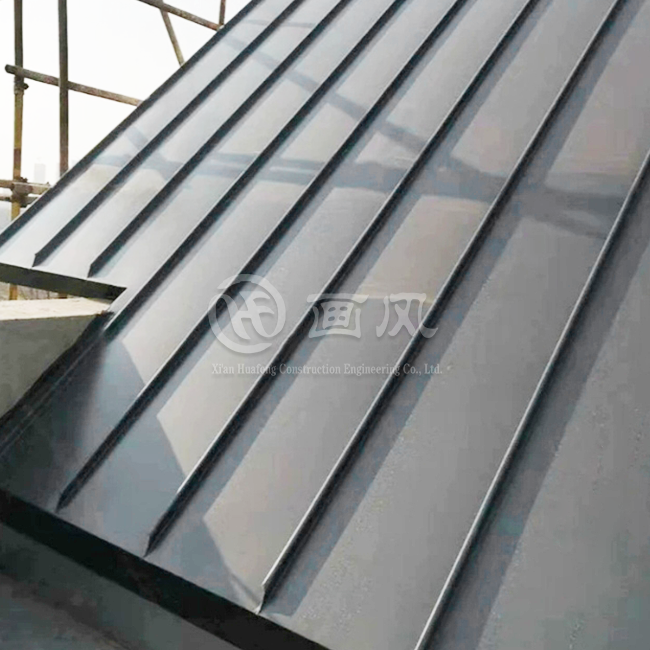
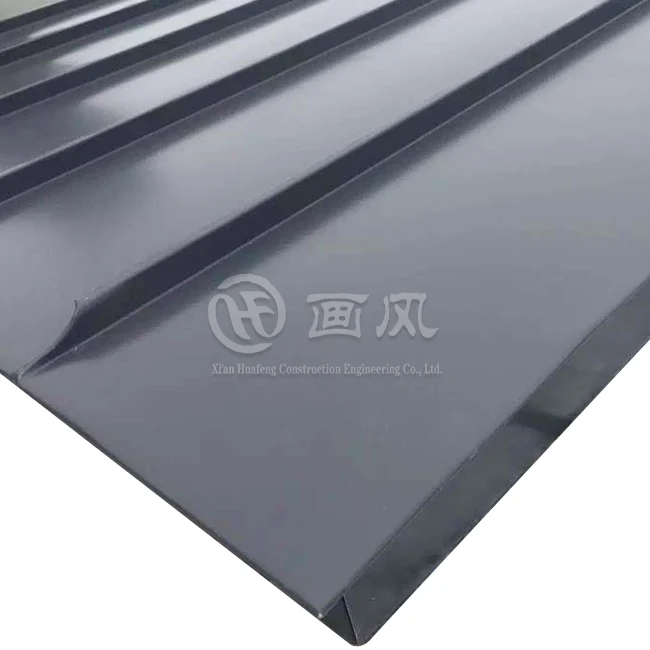
Mechanical lock systems work by carefully bringing the male and female panel legs together and then using special tools to join them together. Mechanically seamed roofs make lasting connections through 90-degree single-lock or 180-degree double-lock folds. Snap-lock profiles, on the other hand, use spring force to hold panels in place. With this method, you can make a continuous, one-piece surface where each seam joins panels together structurally. When you use secret fastening, the connection clips stay hidden under the interlocked seam. This keeps them safe from UV light, water, and changes in temperature.
Profile Specifications and Material Options
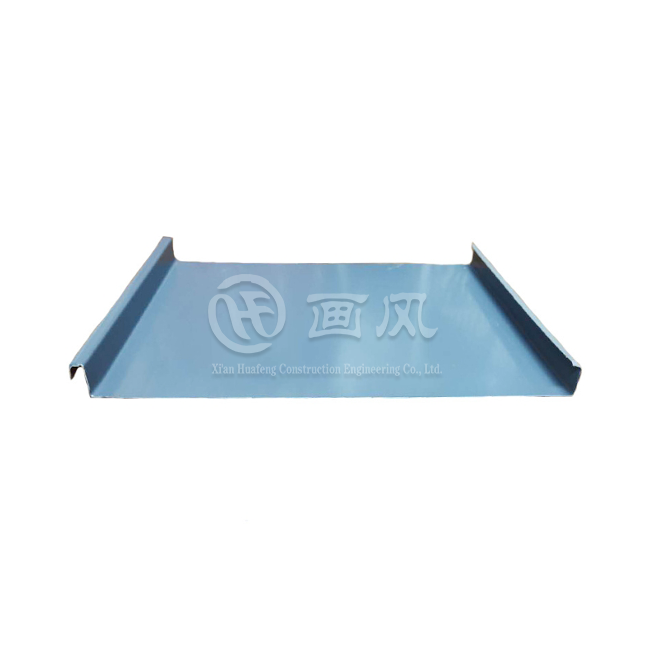
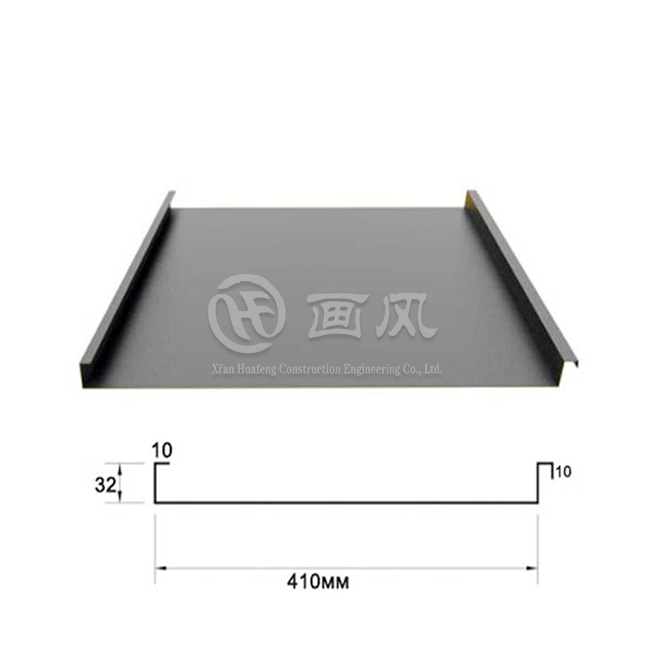
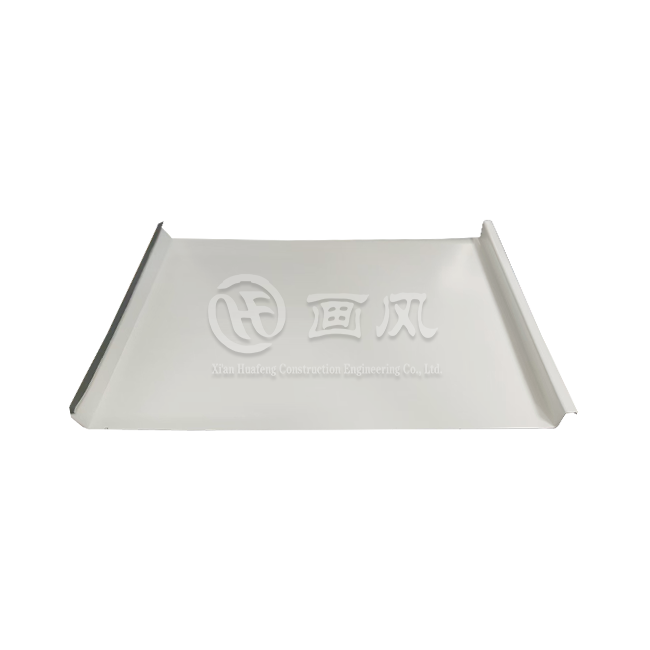
When automatic locks are used, standing seam panels usually have rib heights between 25mm and 38mm and panel widths between 300mm and 500mm. The thickness of the material can be anywhere from 0.5 mm to 1 mm, based on the needs of the structure and the wind loads in the area. Base materials include high-grade Galvalume steel, aluminum, and stainless steel. Each has its own benefits. Galvalume's aluminum-zinc alloy coating makes it very resistant to rust, which makes it perfect for use in seaside and industrial settings. Because it has a better weight-to-strength ratio, aluminum can be used to make improvements to current buildings that don't need reinforcement. Panels come in lengths of up to 13 meters, so they can be used on long roof runs without having to worry about horizontal seams that could let water in.
Surface Protection Through Advanced Coatings
PVDF fluoropolymer coatings are the best way to treat the surface of manually locked roofs, and they come with a 30-year warranty against chalking and fading. These Kynar 500 or Hylar 5000 resin systems are put on uncovered surfaces at a thickness of 25 to 40 microns. They make a molecular barrier that stops UV damage. Because the covering is flexible, the panels can handle being folded 180 degrees during seam crimping without micro-fracturing, which is very important for long-term weather protection. When budget limits are greater than the need for extreme toughness, PE polyester coatings are a cost-effective option. Customization of colors is based on RAL standards and exclusive color schemes. This allows for building harmony while keeping the reflective qualities that lower cooling loads.
Distinguishing Mechanical from Snap-Lock Systems
The main difference between these two types of standing seams is how they are attached and how well they work. Snap-lock panels come with pre-formed clips that hold the panel legs in place even when there is mechanical interference. This makes installation quick on roofs with slopes higher than 3:12. This speed advantage comes with some drawbacks, such as less resistance to wind lifting, unsuitability for low-slope uses below 2:12, and the possibility that seams will separate under extreme stress. Field seaming with electric or hand seamers is needed for mechanical lock metal roofing. This takes more time and effort, but the structure works better. When double-locked with sealant, the bent connection stays strong on slopes as low as 0.5:12. This makes it a must-have for large business buildings where water could pool.
Why Mechanical Lock Metal Roofing Ensures Superior Roof Durability
Eliminating Traditional Failure Points
There are three main ways that conventional roofing systems usually fail: fastener entry leaks, heat movement stress, and panels coming apart during wind events. Exposed fastener metal roofs use rubber washers to cover thousands of screw holes, but after 10 to 15 years of UV exposure and temperature cycle, these gaskets start to break down. Screw-down methods also firmly attach panels to the base, which can lead to oil canning and fastener backing-out when the metal grows and shrinks. Shingle and built-up roofs loses granules, cracks, and seams that don't hold together properly, so they need to be replaced after 15 to 20 years.
Fundamentals of engineering are used in mechanical lock metal roofing to fix these problems. The concealed clip attachment lets the panels float easily when the temperature changes, allowing them to expand up to one inch for every 100 feet of length without putting stress on the connection points. The crimped seam gets rid of the need for seals or plugs at panel joints, making a barrier that water can't get through by capillary action. According to ASTM E1592 tests, uplift strength is higher than Class 90. This means that roofs stay put during hurricane-force winds that would damage other systems.
Corrosion Resistance Through Material Science
Exposed fastener roofs cause galvanic corrosion cells when different metals come into contact with water. This happens when steel screws go through aluminum panels or when metal roofing meets raw lumber. These risks are kept to a minimum by mechanically locked systems that use hidden attachments and the right mix of materials. In crimped seams, the constant metal-to-metal contact stops water from getting in, which speeds up the rusting process in secret structural parts. The AZ50 or AZ55 coating standard on Galvalume steel acts as a sacrifice for protection, with the aluminum part oxidizing to protect the steel. This metal advantage makes the roof last 50 years or more in regular conditions and 30 years or more in harsh coastal conditions.
Performance Data from Commercial Applications
Independent tests show that mechanical lock roofs has measurable benefits for longevity. According to ASTM E1646 tests for water penetration, there is no loss at 12 inches of steady static head pressure. However, snap-lock systems start to leak at 6 to 8 inches. Thermal cycling tests that put panels through 500 rounds of -40°F to 180°F temperature changes show that properly placed mechanical lock roofs don't have any seam separation or coating failure. In 2019, researchers looked at 200 business buildings over 15 years and found that mechanical lock systems needed 70% less upkeep work than exposed fastener roofs and 85% less work than modified bitumen installs. When you combine strong structure with long-lasting materials, you save more than 40% on operational costs compared to other options.
Installation and Maintenance: Ensuring Long-Term Performance
Professional Installation Requirements
Proper installation starts with accurate clip placement on supports (typically 12–24 inches), ensuring thermal movement and preventing panel stress. Seaming requires calibrated tools for correct pressure; too little weakens seams, too much damages coatings. Visual checks confirm tight engagement. Quality control includes continuous sealant in low-slope systems and proper terminations. Installation should occur within 0–40°C. Certified training ensures correct practices and maintains warranty compliance.
Maintenance Protocols for Extended Lifespan
Compared to other systems, mechanical lock metal roofing doesn't need much upkeep, but regular checks make sure it works at its best. Every year, eye inspections should check the integrity of the seams, checking for signs of panel separation or damage to the coating near the ends, where stress is most likely to be felt. Getting rid of debris from roof slopes and draining points stops water from pooling, which can speed up corrosion even in systems that are well-designed. Detail checks should be done every three years to make sure that the clips are still attached securely and that the panels can move freely in terms of temperature.
Return on Investment Analysis
Hidden fastener roofs eliminate washer replacement, reducing maintenance compared to exposed systems. Damaged panels can be locally repaired without full replacement. Mechanical lock roofs cost 15–20% more upfront but last about 50 years—far longer than bitumen or shingles—offsetting costs over time. Reflective coatings cut cooling loads by 10–25%, saving energy annually. Combined durability, low upkeep, and efficiency deliver over 35% lifecycle savings and support LEED credits.
Making the Right Choice: Mechanical Lock Metal Roofing vs. Other Roofing Solutions
Comparing Metal Roofing Systems
Snap-lock standing seam suits residential and light commercial roofs, cutting labor 20–30% but limited by wind ratings and slope requirements. Screw-down panels are cheapest ($3–$5/ft²) but need maintenance due to exposed fasteners, fitting low-priority buildings. Mechanical lock systems provide Class 90+ wind resistance, work on low slopes, and cost $8–$14/ft². Despite higher installation costs, their 50-year lifespan and low upkeep make them the best long-term investment.
Metal vs. Non-Metal Alternatives
Asphalt shingles are low-cost ($1–$3/ft²) but last only 10–20 years and add landfill waste. Clay and concrete tiles last longer but are heavy, costly to reinforce, and prone to breakage. Built-up and modified bitumen roofs need frequent recoating and replacement, while TPO and EPDM offer improvements but still face seam and UV issues. Mechanical lock metal roofing avoids these problems, providing durable, low-maintenance performance.
Sustainability and Energy Performance
Metal roofing improves sustainability through reflectivity and recyclability. Light-colored roofs achieve high solar reflectance and thermal emittance, reducing surface temperatures by 50–60°F and lowering cooling demand by 10–25%. Though production energy is high, it is offset within years of use. Unlike disposable materials, metal is fully recyclable. It also supports LEED credits for recycled content, heat island reduction, and reuse, aligning with net-zero building goals.
Procurement and Partnering: Finding the Right Mechanical Lock Metal Roofing Supplier
Evaluating Manufacturer Capabilities
Project success relies on product quality, reliable delivery, and expert support. Manufacturers must match production capacity to project scale; large facilities with multiple lines ensure fast output. HF’s three factories produce over 1,000 tons monthly, supporting projects of all sizes. Compliance with ASTM, DIN, JIS, BS, and GB/T standards, plus ISO 9001 and 14001 certifications, ensures consistent quality, safety, and color matching across multi-phase deliveries.
Customization and Technical Support
For big business projects, custom specs are often needed that aren't available in normal products. Custom roll-forming die sets may be needed for different panel widths, different rib heights, or exact color matches. Qualified providers have engineering teams that can do structure estimates for wind loads and thermal movement studies that are specific to the project. The expert staff at HF makes panel layout drawings, seaming specs, and clip spacing suggestions that are specific to the shape of the building and the rules in the area. This help before building stops problems in the field that slow things down and cost more than planned.
Logistics and Delivery Coordination
Warranty terms reflect product durability: premium PVDF coatings often guarantee 30 years against chalking and fading, while Galvalume steel offers 40–50-year anti-perforation coverage. Transferable warranties help maintain asset value, though exclusions (e.g., poor maintenance, standing water) apply. Logistics matter—long panels require careful transport planning. Regional suppliers reduce costs and delays. Standard delivery is 15–20 days, with phased shipments, accurate orders, and 5–10% waste allowances ensuring smooth project execution.
Conclusion
For building workers who want their commercial and industrial roofs to last as long as possible, mechanical lock metal roofing is a tried-and-true option. The system's designed benefits—concealed fastening that blocks leak paths, mechanical seam integrity that can withstand harsh weather, and premium coatings that can survive decades of UV exposure—affect its ability to last for 50 years with little upkeep. Projects gain from better resistance to wind uplift, the ability to work on slopes, and energy economy that lowers costs and supports sustainability goals. The higher original investment pays off in a measurable way through longer replacement cycles and lower upkeep costs compared to standard roofing systems. Choosing qualified providers with a track record of manufacturing, full warranties, and quick technical support is the best way to make sure that the project goes smoothly and saves buildings and people who live or work in them for generations.
FAQ
1. What Makes Mechanical Lock Systems More Weather Resistant Than Other Metal Roofing?
When the male and female panel legs fold together in 90° or 180° angles, the crimped seam link makes a physical barrier. This stops water from getting in through capillary action, which can happen with friction-fit systems. Hidden clips let the material expand with temperature changes without putting stress on the connection points. This keeps the weathertightness even when temperature changes loosen fasteners that are visible. According to ASTM E1646 testing, there is no water entry under 12 inches of hydraulic pressure.
2. How Long Does Mechanical Lock Metal Roofing Typically Last Compared to Traditional Options?
When placed correctly, mechanical lock roofs with PVDF coatings can last more than 50 years in normal conditions and 30 to 40 years in harsh seaside conditions. This makes modified bitumen last twice as long (20–25 years) and asphalt shingles last three times as long (15–20 years). The hidden fastener design gets rid of the main reason screw-down systems fail: visible fasteners wear out and leaks happen within 15 to 20 years.
3. Can Mechanical Lock Panels Be Installed Over Existing Roofing Systems?
Clip-attached sub-framing that makes ventilation room and heat breaks is often used for retrofit setups over existing roofs. Due to their low weight (1.5 to 2.5 pounds per square foot), metal panels can usually be installed without adding extra support to the structure, as long as the current roof decking is still in good shape. This method avoids the waste and hassle of tearing off the roof, while also making the building more energy efficient and extending the roof's life by decades beyond what is possible with other methods.
Partner with HF for Superior Mechanical Lock Metal Roofing Solutions
When looking for a mechanical lock metal roofing maker, you need to be sure of their production capacity, technical know-how, and ability to deliver on time. HF has all of these things, as shown by their three factories, seven finishing lines, and over 40 specialized machines that produce 1,000 tons of metal roofing every month. Our standing seam panels are made to strict ASTM, DIN, JIS, BS, and GB/T standards. They come in thicknesses ranging from 0.5mm to 1mm and have PVDF/PE surface finishes that are backed by 30-year warranties. Different project needs can be met with custom specs like 25-330/400/430, 32-300/410/430, and 38-330/400/410 profiles. RAL and unique color matching make sure that the colors fit the architecture. HF offers delivery windows of 15 to 20 days and a minimum order size of 500 square meters, which are good for both large-scale projects and phased building. Our engineering team makes sure that the system works right from the start by doing technical math, giving installation instructions, and providing help after delivery. If you need roofing for a building on the coast that needs to be resistant to hurricanes or a factory with a low roof that needs to be waterproof, HF has the quality and service that construction workers need. Email huafeng@hfmetalroof.com to talk about the needs of your project, get detailed specs, or set up product samples that show how committed we are to providing the best mechanical lock metal roofing.
References
1. American Society for Testing and Materials. "ASTM E1592 - Standard Test Method for Structural Performance of Sheet Metal Roof and Siding Systems by Uniform Static Air Pressure Difference." West Conshohocken: ASTM International, 2020.
2. Metal Construction Association. "Technical Bulletin on Mechanical Seam Standing Seam Roof Systems: Design, Installation, and Performance Criteria." Glenview: Metal Construction Association, 2021.
3. National Roofing Contractors Association. "The NRCA Roofing Manual: Metal Panel and Steep-Slope Roof Systems." Rosemont: National Roofing Contractors Association, 2019.
4. Cool Roof Rating Council. "Rated Metal Roofing Products Directory: Solar Reflectance and Thermal Emittance Values." Oakland: Cool Roof Rating Council, 2022.
5. Kalinger, P. and Morrison, D. "Lifecycle Cost Analysis of Commercial Roofing Systems: A Comparative Study of Metal, Membrane, and Built-Up Systems." Journal of Architectural Engineering, Vol. 24, No. 3, 2018.
6. Galvalume Steel Manufacturers Association. "Galvalume Steel in the Built Environment: Performance Data from 50 Years of Global Applications." Cleveland: Steel Market Development Institute, 2022.





YOU MAY LIKE