Copper Standing Seam Roofing Panels Benefits for Historic Buildings
2026-09-04 19:24:24
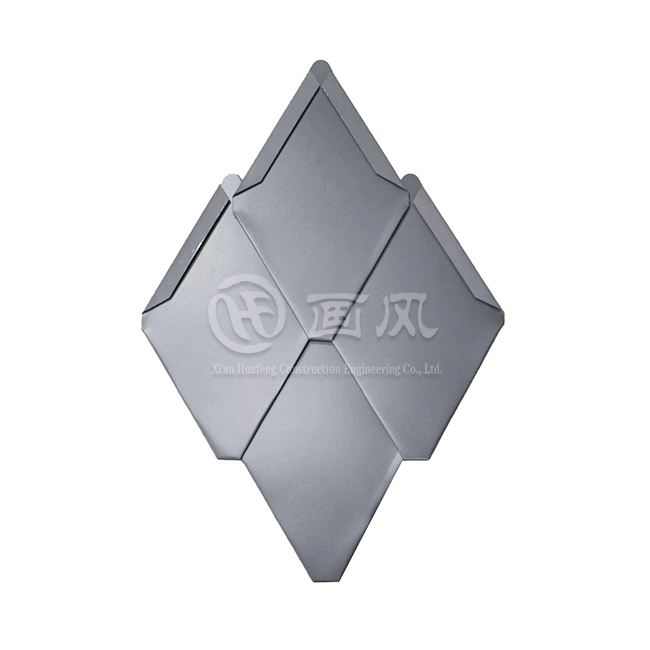
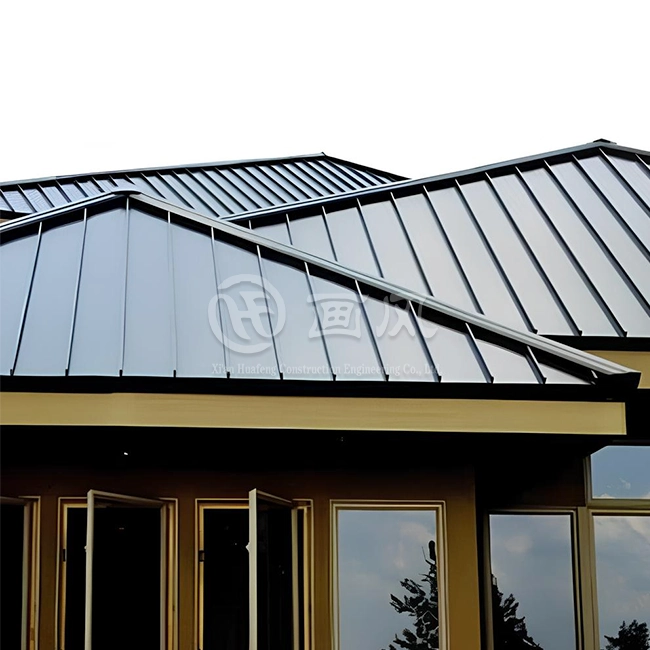
Whether you are rebuilding a historic church in Boston, or refurbishing a century-old municipal building, selecting the proper roofing material is not only a practical choice, but rather a commitment to the preservation of architectural history. Indeed, copper standing seam roofing panels are the ideal product for restoration builders and historical preservation professionals across the United States. These panels blend the mechanical stability of interlocking raised seams with the natural tendency of copper to acquire a protective patina, providing structural integrity and true visual character that respects the original architectural purpose of historic buildings.

Understanding Copper Standing Seam Roofing Panels in Historic Building Applications
What Makes This System Suitable for Heritage Projects
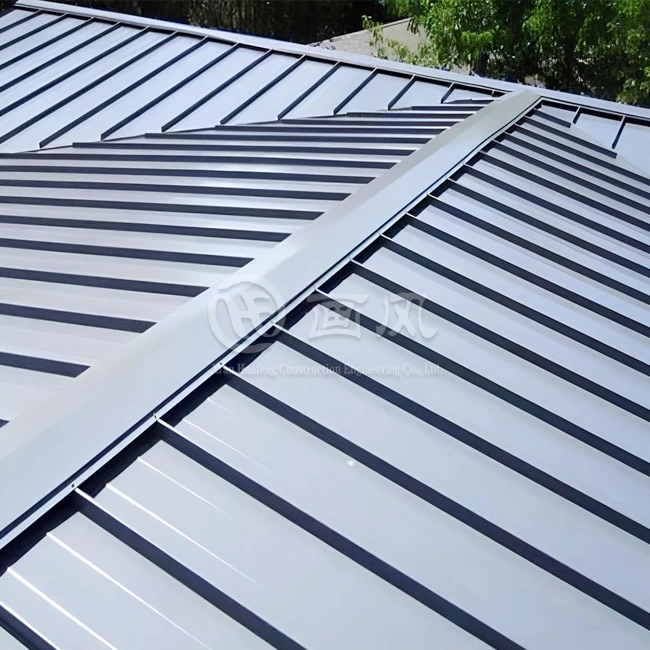
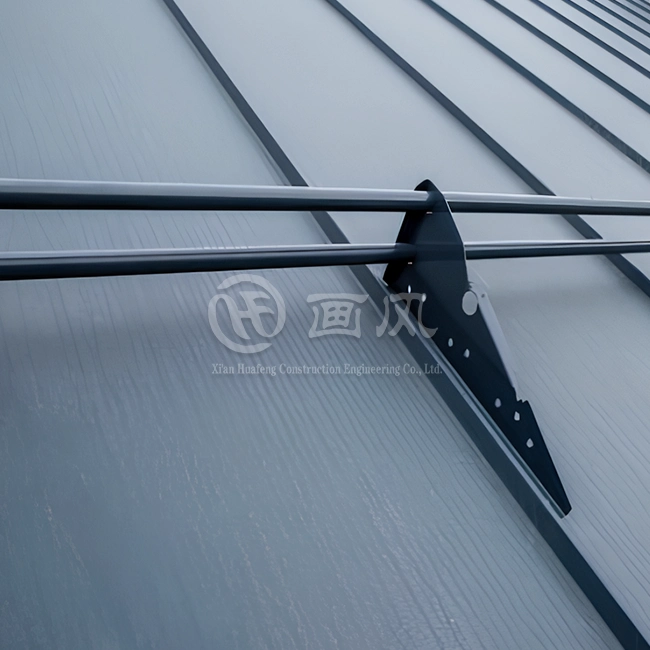
Standing seam panels use hidden clips under the seam joint instead of open fastener systems that go through the roofing material. This design gets rid of any gear that can be seen and could ruin the historic look. It also lets the copper naturally expand and contract with changes in temperature, with a thermal coefficient of about 1.68 mm per meter per 100°C. The mechanical double-lock seaming process makes a waterproof seal without using sealants that break down over time. This fixes a problem that many traditional roofing systems have.
Compliance with Preservation Standards
The Secretary of the Interior's Standards for the Treatment of Historic Properties stress the importance of using materials that are the same in makeup, form, and feel as the original. High-purity copper panels that meet ASTM B370 standards have the same chemical makeup as historic copper roofs, so they will look good and hold up well. When looking for panels for a restoration project, it's important to check the alloy composition—panels should have at least 99.9% pure copper to get the right patination and last a long time.
Installation Considerations for Sensitive Structures
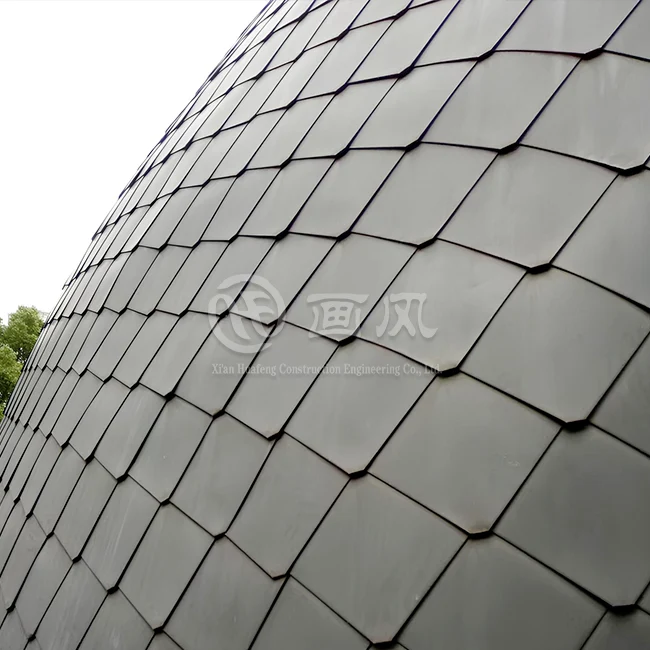
Heritage buildings often have roofs with odd shapes, artistic dormers, and flashing details that are so complicated that they need to be made just for the building. Copper is easy to shape, so it's perfect for rotunda domes and church towers. Panels can be made into curved surfaces and complex shapes without micro-fracturing. Certain installation methods are used to protect the historic layers below. For example, slip-sheet barriers are used to stop galvanic reactions with existing metal parts, and careful coordination is used to make sure that decorative trim doesn't get damaged while panels are being put in place.
Key Benefits of Copper Standing Seam Roofing Panels for Historic Structures
Unmatched Service Life with Natural Protection
The patination process is what makes copper roofing systems different from polished metal roofing systems. Copper makes a brownish layer called cuprous oxide within months of being installed. This layer slowly changes into cupric sulfate, which is a verdigris green color, over 5 to 20 years, based on how long it is exposed to the environment. This patina forms a protective barrier that heals itself and stops oxygen from getting in, which stops corrosion (Copper Development Association, 2022). Copper roofs from the past in Europe have been known to last more than 200 years, showing how long-lasting the material is when it is placed correctly.
Energy Performance in Older Building Envelopes
Because most old buildings don't have modern insulation, the thermal efficiency of the roof system is very important. Copper standing seam roofing panels have reflectivity that makes it less likely for heat to build up in the summer, and the standing seam system, similar to striated metal roof panels, makes a space for air to flow under the roof deck. This ventilation path helps keep the attic at the right temperature, which is important for museums that need to keep their collections safe by controlling humidity. It also makes the climate inside more stable, which is good for older structure timbers.
Sustainability Aligned with Preservation Philosophy
Keeping heritage buildings in good shape naturally follows sustainable practices because it makes them last longer. Copper supports this approach because it can be recycled over and over again without losing any of its quality. When copper panels are no longer needed, they are still worth a lot as scrap metal and can be melted down to make new roofing material. This creates a closed-loop material cycle. Copper has a smaller lifecycle environmental effect than roofing materials that need to be replaced every 20 to 30 years because the energy used to make it is spread out over a century or more of use.
Comparing Copper Standing Seam Roofing Panels with Other Roofing Materials
Copper versus Steel and Aluminum Standing Seam Systems
While galvanized steel and aluminum standing seam panels are cheaper at first, they are less resistant to rust and don't last as long. Steel systems depend on zinc coatings that wear off over time, causing rust to form within 30 to 50 years, depending on the environment. Aluminum forms a chalky oxide that covers the base metal and protects it. This oxide gives the metal a matte gray look that isn't as interesting as copper patina. Copper is a noble metal, so it won't corrode when it comes into contact with less noble fasteners, as long as stainless steel or copper clips are used. This is especially important in buildings that have a mix of old and new metals.
Copper versus Traditional Slate and Clay Tile
Some people who are very strict about historic preservation say that old metal roofs should be replaced with slate or clay tiles that are more like the originals. Copper weighs about 140 pounds per square for 20-ounce material, while slate weighs about 800 to 1500 pounds per square. Both materials have realistic looks, but they are much heavier when it comes to structure loads. A lot of old buildings can't handle extra dead loads without expensive structural strengthening. Copper standing seam systems last about as long as slate systems, but they put less stress on the structure, so they can be used in buildings that can't hold much weight.
Total Cost of Ownership Analysis
Lifecycle cost modeling that looks at installation, upkeep, and replacement processes over a 50-year time can help with buying choices. Copper costs between $15 and $25 per square foot to install, while coated steel costs $8 to $12 and high-grade slate costs $12 to 18. When replacement cycles and upkeep costs (coatings need to be reapplied to steel every 15 to 20 years) are taken into account, copper usually equals or beats steel in terms of cost by year 30 to 40. Quality copper systems come with a 30-year warranty that covers material defects. Roofs that are installed correctly usually last 100 years or more without needing any major repairs.
Installation and Maintenance Process for Copper Standing Seam Roofing Panels
Specialized Installation Requirements
Certified workers who have done historical work before know how important it is to protect decorative elements, work with preservation architects, and use both traditional and modern methods of construction. The system for attaching uses hidden clips that are spaced 12 to 18 inches apart to allow for thermal movement. The clips can be fixed or moveable depending on the length of the panel. The double-lock fold, which secures the edges of two panels next to each other, can be made by mechanical or hand-operated seamers. This creates a 180-degree closure that keeps water out even when it's raining hard and the wind is blowing.
Substrate Preparation and Compatibility
Instead of modern plywood, historic roof decks are often made of tongue-and-groove wood planking or skip covering. Installers have to check the condition of the substrate and put down the right underlayment, which is usually synthetic slip sheets or rosin paper, before installing copper standing seam roofing panels. This keeps condensation from building up but lets vapor pass through. Paying close attention to the flashing around chimneys, dormers, and roof penetrations needs custom sheet metal fabrication to match historic profiles. All transitions must be soldered using traditional methods to ensure waterproofing throughout the whole structure.
Selecting Qualified Suppliers and Installation Partners
When you buy copper panels from companies that have worked on heritage projects before, you know that you can get unique fabrication and expert support. Depending on the needs of the project, suppliers should show that they follow ASTM, DIN, JIS, BS, and GB/T standards. They should also provide material certifications that confirm the purity of the copper and the temper (soft O60 temper for complex forming, H00 temper for standard applications). Because copper is valuable and can be seen in finished works, it needs to be carefully packaged to keep it from getting scratched or stained during shipping.
Procurement Guide: Sourcing Copper Standing Seam Roofing Panels for Historic Projects
Identifying Qualified Manufacturers and Suppliers
To start sourcing successfully, you need to check potential suppliers against certain criteria that are important for heritage projects. Manufacturing capacity is important—suppliers with multiple production sites and tools just for standing seam profiles show they can handle large project numbers. A supplier with three factories, seven production lines, and more than 40 machines has the infrastructure to support steady production and meet delivery schedules. This is especially important when repair timelines are limited by grant funding deadlines or weather conditions that change with the seasons.
Material Specifications and Customization
Standardized sizes don't always work for historic buildings, so copper panels with a range of specification options are needed. Panels are usually between 0.6mm and 0.7mm thick, which is about 16 to 20 ounces of copper. For low-slope uses or areas with a lot of wind uplift, stronger material is required. There are different ways to treat the surface, such as a mill finish for natural patination, PVDF or PE coats for color matching existing parts, and pre-weathered treatments that speed up the patina development. Contractors can match specific architectural requirements written in preservation plans with custom color options that follow RAL standards.
The panel shape must fit the building's architecture. For example, seam heights between 25 mm and 65 mm work for a range of roof pitches and visual sizes. For better exposure, larger governmental projects may call for profiles between 65 and 430 mm, while 25 to 330 mm is a common size for domestic historic homes. Customizing the length to the needs of the project cuts down on field joints and possible leak points.
Evaluating Supply Capacity and Lead Times
Heritage repair companies don't usually keep a lot of supplies on hand; instead, they buy things as needed for specific projects. The production capacity of the supplier is very important. A manufacturer that can make 1,000 tons of goods every month shows that they can handle bigger projects for institutions without having to extend lead times. Delivery times of 15 to 20 days are standard and work with building schedules. However, if you have unique needs, you may need to stretch the production windows. Copper standing seam is affordable for medium-sized restoration projects because you only need to order 500 square meters, which is about 1 metric ton. This is the size of many historic building roof sections.
Certification and Standards Compliance
Because of preservation review processes and applications for historic tax credits, heritage work has stricter documentation needs than most commercial projects. Suppliers should show proof that the materials they offer meet recognized standards. For projects in North America, this means ASTM standards; for restoration work in Europe, it means DIN standards; and for projects in other parts of the world, it depends on the national standards that apply. This proof is needed when preservation boards look over material submissions or when asking for historic rehabilitation tax credits that need proof of the use of the right materials.
Conclusion
The unique requirements of historic building repair are met by copper standing seam roofing panels, which combine traditional workmanship and modern engineering, unlike striated metal roof panels that are more suited for contemporary industrial applications. Because it is very durable, naturally patinates over time, and meets preservation standards, the material is the first choice for contractors who have to protect architectural heritage. When buying things, people have to weigh the costs over their whole life against how they look and how well they work over time. Copper is one material that meets both of these needs. Putting money into good copper roofing systems saves ancient buildings for future generations and gets rid of the costs and problems that come with having to re-roof them all the time. As restoration professionals across the US continue to protect landmarks and heritage buildings, copper standing seam technology gives these buildings the dependability and authenticity they deserve.
FAQ
1. How long do copper standing seam roofs last on historic buildings?
When built correctly, copper roofing systems often last longer than 100 years, and there are cases in Europe where they have lasted over 200 years. The natural patination process makes a protective layer that keeps forming itself and stops corrosion. This gets rid of the typical degradation curve that is seen in metal systems that are coated. How long something lasts depends on how well it was installed, how well the substrate was prepared, and how little damage it gets during service.
2. Does copper roofing meet environmental sustainability requirements for historic preservation projects?
Copper is very environmentally friendly because it can be recycled without losing any of its quality, and it lasts a very long time, which means that less material is used over its entire lifecycle. The energy used in production is spread out over a century or more of use, which is better for the environment than materials that need to be replaced every 20 to 30 years. Many applications for preservation tax credits successfully list copper's long-lasting qualities along with its historical significance.
3. What maintenance does copper standing seam roofing require?
The only maintenance that needs to be done is an eye review once a year, clearing debris from valleys and other roof features, and checking the flashing solder joints every so often. In contrast to covered metals that need to be repainted, copper naturally forms a protective patina without any help. Managing patina wash-off in the first ten years keeps nearby brickwork from getting stained, but it doesn't change how well the roof works.
Partner with HF for Your Historic Restoration Copper Roofing Needs
For specialized historical restoration jobs, you need a copper standing seam roofing panels supplier that knows both how to install them and how to meet the needs of preservation, especially for striated metal roof panels. HF (Xi'an Huafeng Construction Engineering Co., Ltd.) has manufacturing skills that are perfect for use in historic buildings. They have three dedicated factories with seven production lines that can make anything to fit architectural needs. Our panels meet international standards like ASTM, DIN, JIS, BS, and GB/T. This makes sure that material certifications meet the needs of preservation reviews. We offer the freedom that heritage projects need by offering panel specs that include seam heights ranging from 25 to 430 mm to 65 to 430 mm, thicknesses of 0.6 to 0.7 mm, and custom RAL color matching. Our 1,000-ton-per-month production capacity and 30-year warranty support both big institutional repairs and small-scale historic preservation work. Quality copper is available for mid-sized projects with a minimum order size of 500 square meters. Email our technical team at huafeng@hfmetalroof.com to talk about your historic building repair needs and get personalized material suggestions that respect architectural history and last a hundred years.
References
1. Copper Development Association. (2022). Copper in Architecture: Design Handbook. New York: Copper Development Association Inc.
2. National Park Service. (2023). Preservation Brief 16: The Use of Substitute Materials on Historic Building Exteriors. Washington, DC: U.S. Department of the Interior.
3. The Construction Specifier. (2021). "Standing Seam Metal Roofing Systems for Historic Restoration Projects." The Construction Specifier, 74(8), 42-51.
4. Whole Building Design Guide. (2023). Historic Preservation: Metal Roofing Systems. National Institute of Building Sciences.
5. Journal of Architectural Conservation. (2020). "Material Compatibility in Heritage Roofing: Copper Systems Performance Analysis." Journal of Architectural Conservation, 26(2), 134-149.
6. American Institute of Architects. (2022). Architectural Graphic Standards for Historic Preservation. 12th Edition. Hoboken: John Wiley & Sons.





YOU MAY LIKE
_1781690542318.jpg "Self-adhesive waterproof membrane")