Advantages of standing seam copper roof panels for residential homes
2026-09-04 19:24:22
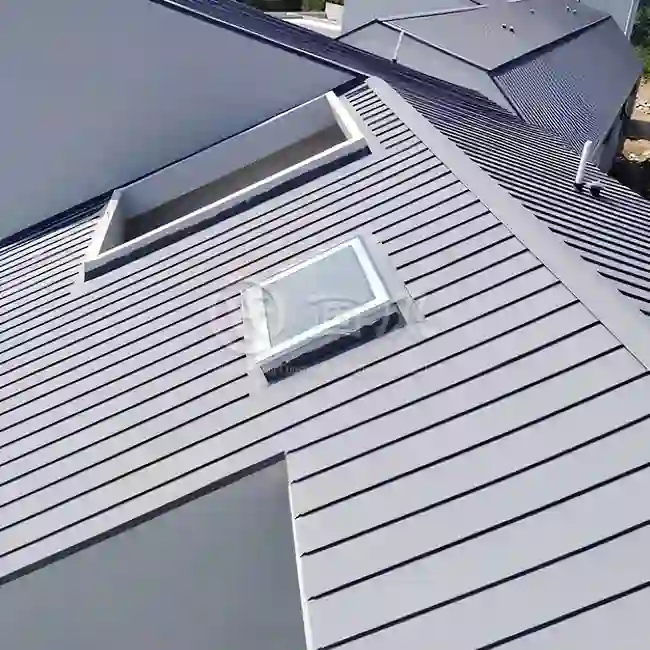
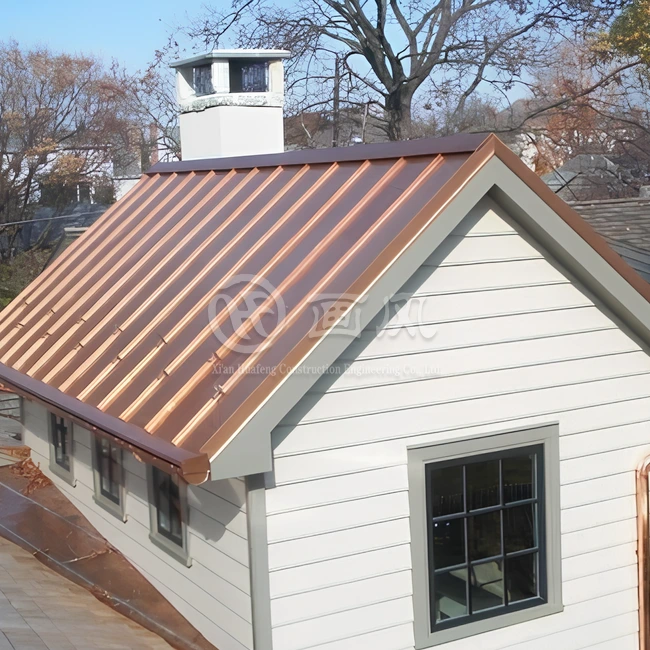
Standing seam copper roof panels provide unparalleled durability and timeless aesthetic appeal for residential building. These mechanically seamed, high-purity copper systems provide greater waterproofing and structural flexibility to accommodate thermal expansion while retaining watertight integrity. Copper’s inherent corrosion resistance, ability to build a protective patina over decades, and complete recyclability make these panels a top choice for restoration contractors and high-end residential projects where performance over a century with minimum intervention is required.

What Are Standing Seam Copper Roof Panels and Why Are They Ideal for Residential Homes?
Defining the Standing Seam Copper System
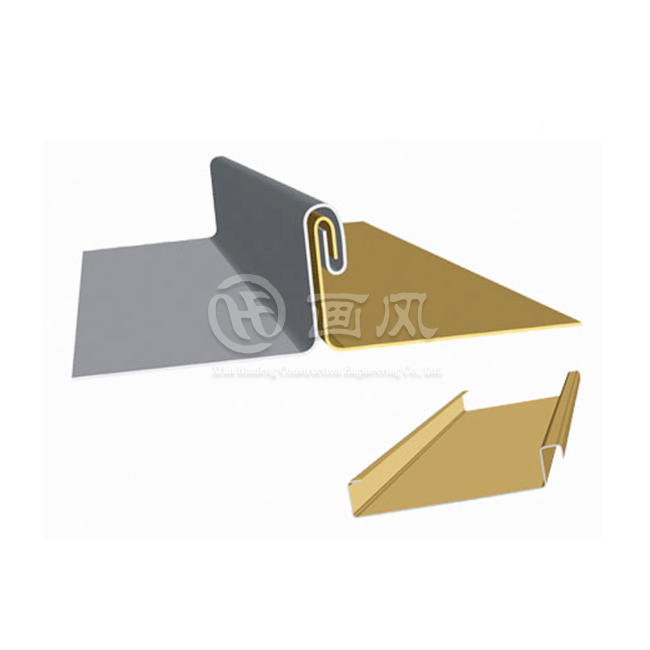
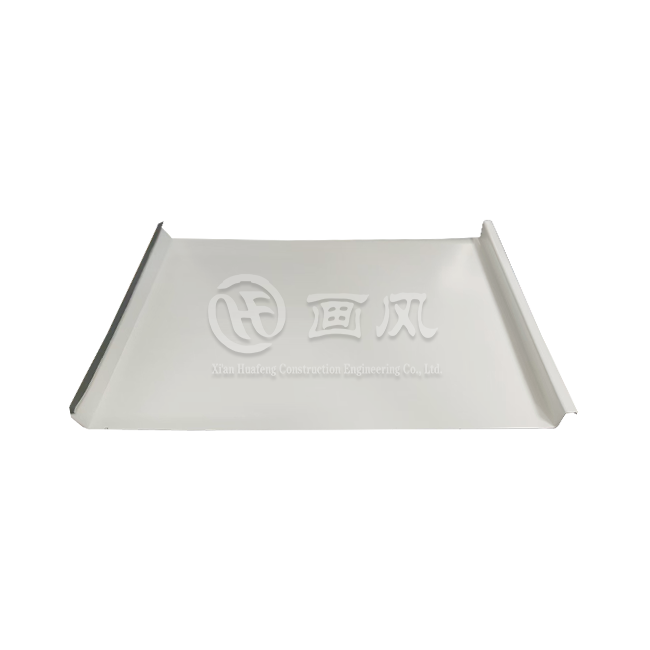
The standing seam copper roof panels are long copper sheets connected by rising seams, 25 to 65 mm above the drainage plane. The copper sheets are commonly constructed of C11000 electrolytic tough copper or C12200 phosphorus deoxidized copper which is more than 99.9% pure. Different from systems with visible fasteners, the metal may still move in these panels since they link to surfaces via concealed clips. This closes penetration points that might leak. Double-lock or mechanical seaming is used to produce hermetic connections. Factory applied sealants are squeezed during installation to prevent capillary water infiltration.
Why Copper Excels in Residential Environments
Copper's natural features solve important roofing problems. The material creates a self-healing patina that stops further corrosion. This patina changes from bright copper to brown cuprous oxide and then to the unique green-blue verdigris. For passive protection, this oxidation layer doesn't need the regular maintenance that painted steel or aluminum systems do. Copper panels from HF come in a range of thicknesses, from 0.6mm to 0.7mm, and come in shapes such as 25-330/400/430, 32-410, 45-400, and 65-400/430. They are made to meet ASTM B370 standards and can be treated with PVDF/PE to give them special RAL colors.
Sustainability Meets Craftsmanship
Because the material can be recycled over and over again, it meets green building standards that are becoming more and more important to restoration experts and high-end residential developers. Copper keeps its full value through recycling processes, while hybrid materials lose their structural integrity. HF has seven color coating lines and more than 40 precision fabrication machines spread out across three factories in Anhui, Hangzhou, and Xi'an. These machines make sure that the dimensions are correct, which is very important for heritage restoration projects that need to meet both historical accuracy and modern performance standards.
Key Advantages of Standing Seam Copper Roof Panels for Residential Applications
Century-Scale Longevity
When put correctly, copper roofing systems often last more than 100 years, which is much longer than asphalt roofs (20–30 years) or aluminum panels (40–50 years).HF backs its standing seam copper panels with a 30-year promise, which shows that they are sure the material will last. Because there are no biological bonds, which break down when exposed to UV light, brittleness problems that happen with composite materials in very cold or very hot temperatures (-50°C to 150°C) are gone.
Superior Weather Resistance
Standing seam copper roof panels have seams that are elevated one to two inches above the plane of the roof. This creates a capillary barrier that inhibits water from travelling even when it rains hard and quickly. Copper is a great choice for coastal projects since metal does not rust or corrode when exposed to chloride. After years of exposure to salt spray, galvanised steel or painted surfaces will deteriorate. HF’s panels include mechanical seaming that complies with UL 580 Class 90 wind uplift. This is critical for residential construction in hurricane or high-wind zones.
Minimal Lifecycle Maintenance
Copper naturally kills bacteria, which stops algae and moss from growing without using chemicals. The patina layer doesn't need to be painted or coated again after 5–7 years in wet industrial settings or 20 years or more in dry areas. According to maintenance rules, valleys and gutters should only have garbage cleared out once a year, and solder joints at flashings should be checked every 20 to 30 years. This means that institutional clients who manage portfolios of more than one building will save a lot of money on running costs.
Thermal Performance and Energy Efficiency
Copper's high thermal conductivity (about 385 W/m·K) means that you need to be careful when choosing a flooring, but it does a good job of letting heat escape in the summer. Copper roofs lower cooling loads by 10 to 15 percent compared to dark asphalt shingles when they are paired with good ventilation systems. In addition to helping with LEED certification, this cuts down on long-term energy costs, which is a big deal for procurement managers who look at whole-lifecycle costs.
How Standing Seam Copper Roof Panels Work: Installation & Functionality Explained
Mechanical Seaming and Thermal Accommodation
Copper has a thermal expansion coefficient of 16.8 µm/m·K. The standing seam system takes this into account with floating clip assemblies. Clips that are 12 to 24 inches apart connect to substrates, which are usually solid plywood or heavy-gauge steel decks. This lets the panels move along the length of the board when the temperature changes. You can fold double-lock seams by hand or with a machine. The male leg interlocks with the female leg, making two bends that press the sealant together and keep the seams weathertight without letting the fasteners go through.
Installation Protocol for Residential Applications
Professional installation starts with preparing the substrate to make sure it is flat within 1/4 inch every 10 feet to avoid oil canning (visible waves). Choosing the right underlayment—usually synthetic slip-sheets or high-temperature felt—keeps copper from reacting with metals that are not the same as it. Panels must be oriented to meet slope standards (at least 3° for standing seam systems), and eave and ridge flashings must be made from copper stock that matches. With automated punching lines and longitudinal shearing equipment, HF's 15–20 day delivery timeframe fits with the tight project schedules that are common in restoration contracts.
Avoiding Common Installation Pitfalls
When incompatible fasteners touch copper, galvanic corrosion is the main way they break. Copper, brass, or 300-series stainless steel clips are the only ones that can be used by installation teams. Galvanized steel screws cause electrolytic reactions that cause them to fail early. Checking the seam integrity means making sure that the tightness is the same along the lengths of the panels. If the seams aren't locked properly, water can get in. HF's quality systems are ISO9001 and ISO14001 certified, which means that the measurements are accurate enough to meet the needs of mechanical seaming. This means that fewer adjustments need to be made on-site.
Comparison with Other Roofing Materials: Making the Right Choice for Your Projects
Copper vs. Aluminum and Steel
Aluminum is lighter and cheaper than other materials, but it only lasts 40 to 50 years and can chalk when exposed to UV light, so it needs to be replaced more often. Even high-end Galvalume® steel systems need to have their coatings maintained, and the edges of cuts can rust. Copper's patina naturally protects without covering wearing off, so landmark buildings that need to be re-roofed often but can't afford the $200–$400 per square foot cost of scaffolds.
Copper vs. Traditional Shingles and Slate
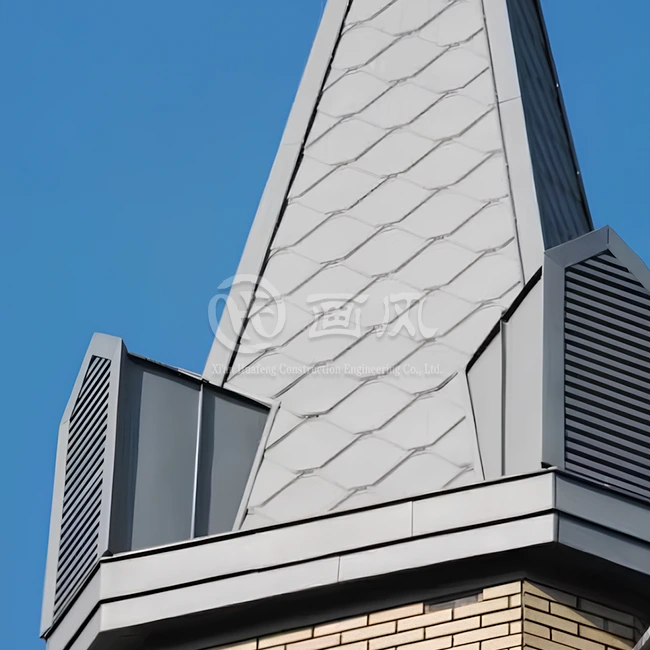
Every 20 to 30 years, asphalt shingles need to be replaced because the granules fall off and the organic mat breaks down. Standing seam copper roof panels last as long as slate roofs, but slate roofs weigh 800 to 1,500 pounds per square, while copper roofs weigh 150 to 200 pounds, so they often need to be reinforced. Copper panels can be shaped into complicated shapes like domes, barrel vaults, and surfaces that taper, which isn't possible with hard slate tiles. The HF panels can be cut to any length (up to 12 meters), which cuts down on the number of seams on continuous roof planes and improves the visual continuity that is valued in high-end residential design.
ROI Analysis for Restoration Projects
Copper costs 300–500% more than other materials at first, but lifecycle analysis shows that the costs are equal when replacement times, upkeep work, and property value increases are taken into account. The National Association of Realtors found in a 2020 study that copper roofing raises the value of homes in heritage districts by 6 to 8 percent. Copper's historical accuracy mixed with modern seaming technology meets "repair-in-kind" requirements and modern building codes for restoration contractors who work with church vestries or historical groups.
Procurement Considerations for Standing Seam Copper Roof Panels
Pricing Variables and Order Customization
The price of copper panels changes with the London Metal Exchange rates, but fixed-price contracts offered during the bidding part of a project keep prices stable. The unit cost depends on the panel thickness (0.6 mm vs. 0.7 mm), seam height (25 mm vs. 65 mm), and surface treatment (natural patina vs. pre-oxidized vs. PVDF coating). Standard domestic profiles and custom historical replication can both be made with HF's specification freedom, which includes RAL-matched colors and custom widths. This is possible without the prohibitive MOQ requirements that bigger makers have.
Vendor Reliability and Technical Support
When evaluating a supplier, the ability to make things, quality certifications, and support after delivery should come first. HF has three production facilities that cover 200,000 square meters and have automated color coating and laminating lines. These facilities make sure that the panel geometry is always the same, which is important for mechanical seaming. Process control is shown by ISO9001 certification and first-level curtain wall qualifications. Technical staff provide seam detail drawings and thermal movement estimates that are necessary to avoid installation conflicts.
Logistics and Delivery Timelines
When you ship copper panels overseas, they need to be carefully packed so that the surface doesn't get scratched during transport. The 15-20 day lead time from HF allows for the project phasing that is common in restoration work, where material staging is limited by scaffolding windows and weather. Procurement managers should check the proper way to package items (using protective film and making the box stronger) and set up an inspection for delivery to record any damage that happened during transport before the installation starts.
Conclusion
Standing seam copper roof panels are a combination of traditional artistry and high-tech performance. They are made to last for hundreds of years thanks to mechanically seamed systems that block leaks and allow for heat movement. Copper's self-protecting patina, low upkeep needs, and ability to be recycled completely all address lifetime cost concerns that are important to businesses buying in the restoration and high-end residential markets. HF's manufacturing skills—which include ISO-certified quality systems, flexible specs, and reliable delivery within 15 to 20 days—make the company a good choice for builders who need consistent materials and quick technical responses for a wide range of project sizes.
FAQ
1. How long does copper roofing maintain watertight integrity?
When installed correctly, standing seam copper systems don't let water in for more than 50 years. The strength of the seam depends on how well it was mechanically joined and how far apart the clips were. The raised seam design keeps water out, even when there is an ice dam, and the bronze layer always protects the base metal.
2. Can copper panels be installed over existing roof structures?
Putting copper panels on top of old roofs needs a structural assessment to make sure the load capacity and condition of the substrate. Solid decking should be used instead of spread flooring, and condensation should not form if there is enough air flow. Professional testing makes sure that it works with current shapes and lighting connection points.
3. What factors accelerate or delay patina formation?
Humidity, airborne pollutants, and salt exposure all speed up the patination process. In coastal or industrial areas, green patina appears in 5 to 7 years, but in dry rural areas, it may take 20 years or more. Chemical solutions that speed things up artificially can cause color changes and surface wear.
Partner with HF for Your Copper Roofing Projects
HF has been working with metal roofs for 30 years and has the latest production equipment to help repair contractors and high-end home builders all over the world. Our standing seam copper roof panel systems have a thickness of 0.6 to 0.7 mm, can be customized with RAL colors, and come with 30-year warranties. They provide the consistent material and precise dimensions needed for heritage restoration and high-end residential projects. We are a qualified provider of standing seam copper roof panels with ISO9001 and ISO14001 certifications. We offer expert help from the initial specification stage all the way through installation. You can talk to our team about your project needs, ask for samples, and get specific scientific information that fits your buying needs by emailing huafeng@hfmetalroof.com or visiting hfmetalroof.com.
References
1. Copper Development Association. (2019). Copper in Architecture: Design Handbook. CDA Publication 123.
2. National Roofing Contractors Association. (2021). Metal Roofing Systems: Performance and Longevity Study. NRCA Technical Services.
3. Oak Ridge National Laboratory. (2020). Cooling Energy Savings Potential of Reflective Roofing for Residential Buildings. ORNL/TM-2020/1556.
4. Journal of Architectural Conservation. (2018). "Cost Analysis of Historic Roof Restoration Materials." Journal of Architectural Conservation, 24(3), 210-228.
5. National Association of Realtors. (2020). Remodeling Impact Report: Exterior Features. NAR Research Department.
6. ASTM International. (2022). ASTM B370 – Standard Specification for Copper Sheet and Strip for Building Construction. ASTM Volume 02.01.





YOU MAY LIKE