Choosing Trapezoidal Standing Seam Metal Roofing Panels? Start Here
2026-09-12 23:09:11
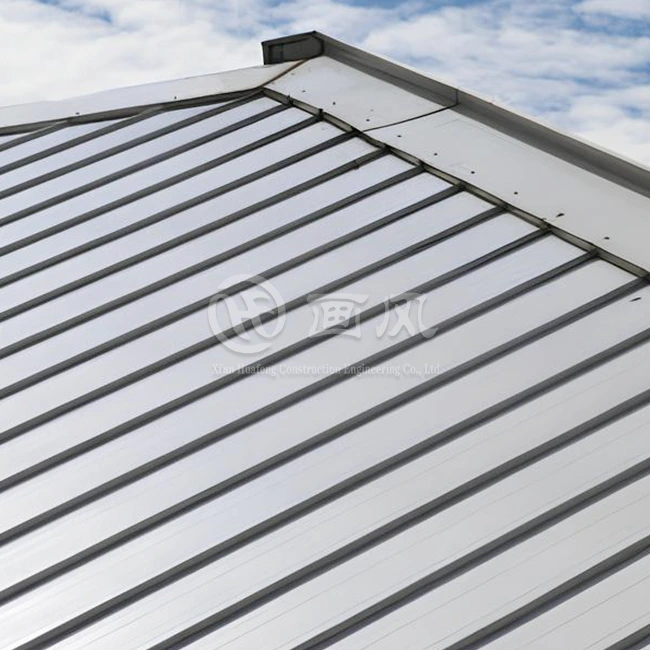
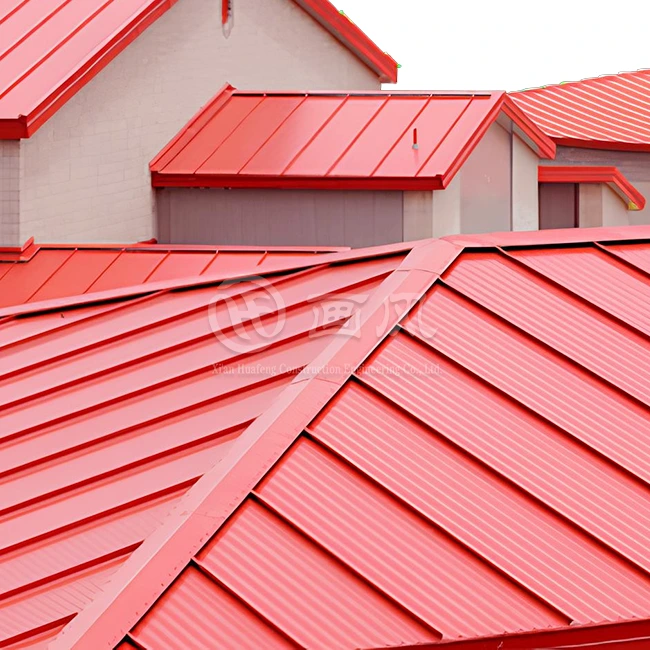
If you're sourcing roofing materials for a large-scale industrial or commercial project, trapezoidal standing seam metal roofing deserves serious consideration. This system combines structural rigidity, watertight seam design, and long-term weather resistance in a single panel profile — making it the dominant choice for warehouses, logistics centers, and manufacturing facilities worldwide. This guide walks you through what sets this roofing type apart, how to evaluate your options, and what to look for when procuring at scale.

Understanding Trapezoidal Standing Seam Metal Roofing
What Defines the Trapezoidal Profile?
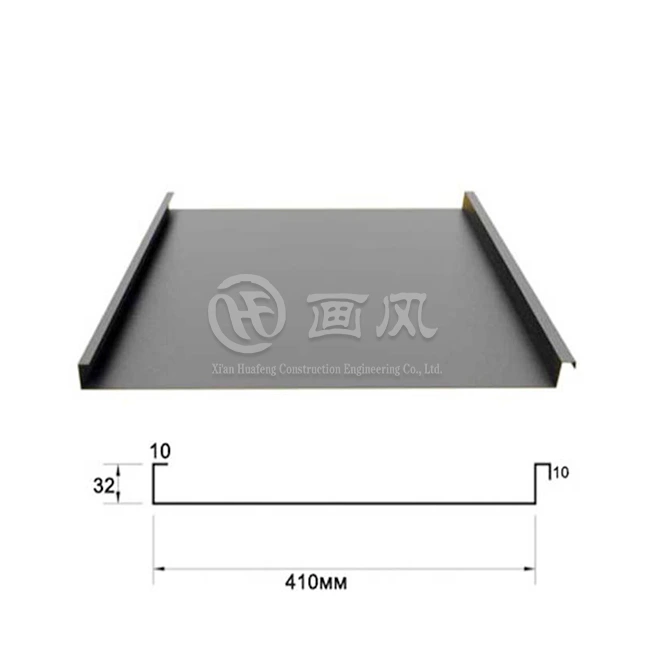
The trapezoidal shape features flat panel parts surrounded by higher trapezoidal ribs. These ribs are designed to make the structure stronger by raising the section modulus of the panel, letting the trapezoidal standing seam metal roofing span bigger purlin spacings (usually 1.5m to 2.5m) without needing a continuous substrate. This lowers the cost of steel frames for big buildings, providing a major benefit for EPC contractors working with tight budgets.
The seam method uses hidden clips, sometimes called floating or sliding halters, to attach the panel to the base. This allows the panel to expand and contract with temperature changes. Then, an automatic field seamer crimps the panels together into a 360-degree double-lock seam with sealant applied at the plant. The result is a barrier that keeps water out and works reliably at slopes as low as 1.5 to 2 degrees.
Core Performance Characteristics
These panels are rolled out of high-tensile steel (G550/S550 grade) or aluminum alloys. They feature luxury metallic coats, usually AZ150 Galvalume, and organic finishes like PVDF (Kynar 500) or PE coatings. PVDF coating is made of fluoropolymers and keeps its color even after long-term UV exposure, while PE coating is a cheaper choice for environments with less rust. Most rib heights are between 25mm and 100mm, with 75mm being the industry standard for best spanning performance.
The moving clip system's heat dynamics are very important. Unlike screw-down profiles that hold the sheet tightly to the purlin and cause fastener holes to elongate over time, the standing seam clip lets the sheet move longitudinally. For long building runs, this eliminates the fatigue cracking that shortens the life of roofs that are normally fastened.
Comparing Trapezoidal Standing Seam Roofing with Other Roofing Types
Procurement teams often compare trapezoidal standing seam metal roofing to corrugated metal sheets, through-fastened trapezoidal shapes, and standard built-up roofs. Every comparison shows a consistent pattern.
Corrugated sheets depend on visible screws that go through the surface of the panel. Over 10 to 15 years, washers break down and create leak paths, which is a major cause of failure for facilities storing goods sensitive to wetness. When you use this system, there are no more visible screws because all attachments are moved below the seam line.
The lifetime cost benefit is significant compared to asphalt shingles or clay tile. Metal roofing systems last two to three times longer than asphalt options, according to a 2019 study in the Journal of Green Building. They also require much less upkeep over a 30-year period. This gap is important for project owners looking at the total cost of ownership instead of just the upfront cost. The trapezoidal shape makes a significant structural impact compared to standard vertical-leg standing seam profiles, as the panel itself resists lateral racking forces as a diaphragm, proven by UL 580 Class 90 wind uplift ratings.
Factors to Consider When Choosing Trapezoidal Standing Seam Metal Roofing Panels
Choosing the right panel design means looking at several connected factors. Professional procurement teams always put these core criteria first for trapezoidal standing seam metal roofing projects:
- Wind uplift rating: Ask for test results from a third party that use ASTM E1592 or FM Global 1-90. These standards make sure structures work well under even static pressure and are required by many insurance companies and owner-specified projects.
- Coating system and substrate: An AZ150 Galvalume substrate with a PVDF topcoat can last for 40 to 50 years in settings that aren't coastal. For industrial areas near the coast, AZ200 or metal surfaces are better at resisting salt spray.
- Panel geometry and span capability: Make sure the steel width and rib height are the right size for the space between your purlins. A 75mm rib made of 0.6mm G550 steel can usually span 1.8m, but larger gauges or thicker ribs can make this span longer.
- Water infiltration certifications: Check the results of the ASTM E1646 (water penetration) and ASTM E1680 (air leakage) tests. These show that the sealing works well inside the seam when it rains hard from the wind.
- Customization capability: Cut-to-length production is helpful for projects with non-standard eave-to-ridge dimensions. Check to see if the maker can make the panels exactly the way you drew them to avoid wasteful field cuts and inconsistent measurements.
Procurement Guide for Trapezoidal Standing Seam Roofing Panels
Buying trapezoidal standing seam metal roofing in bulk adds a level of complexity to logistics. As important as the scientific performance of the panel is the supplier's ability to meet production schedules, ensure proper packaging, and provide accurate paperwork.
Important things to look for in a seller include ISO 9001 certification, mill test records for each batch of coils, and proof of experience delivering in stages to busy building sites. When projects have tight critical-path schedules, a provider who can promise 15–20 day lead times with phased dispatch matches your installation order and lowers the chance that the schedule will slip.
The price of large orders depends on the material grade, coating, order volume, and customization. While PVDF-coated panels are more expensive than PE-coated options, the longer guarantee on the finish often meets owner requirements. Setting up a clear BOM (bill of materials) linked to engineering plans before asking for quotes removes confusion about the scope of work and gives your buying team a solid way to compare prices. Support after the sale is also important; make sure you have written confirmation of warranty terms for both the base rust warranty and the finish coating warranty before signing the contract.
Why Top B2B Clients Trust Our Trapezoidal Standing Seam Roofing Solutions?
Xi'an Huafeng Construction Engineering Co., Ltd. (HF) is known for consistently making high-quality products and being flexible on a large scale. Founded in 2018 and recognized as a high-tech company in Shaanxi Province in 2020, HF operates 200,000 square meters of production space in Anhui, with additional plants in Hangzhou and Xi'an. Seven color coating lines, ten shearing lines, and fully automated punching equipment allow for high-volume, custom production without affecting panel tolerance.
HF's trapezoidal standing seam metal roofing systems carry a 30-year warranty, with panel finishes available in both PE and PVDF coatings. The MOQ starts at 500㎡, accommodating mid-scale project phases, while standard delivery runs 15–20 days from order confirmation. Color, pattern, and profile customization are available to match owner-specified aesthetics or regional building codes.
The company holds ISO 9001, ISO 14001, and SGS certifications, alongside more than 20 registered patents for roofing system design. Clients sourcing through international tender platforms or EPC contractor networks consistently cite HF's documentation capability — including structural test reports, mill certificates, and acceptance records — as a differentiator that simplifies owner approval processes.
Conclusion
Trapezoidal standing seam metal roofing works well where other systems fail, such as on large buildings, low-sloped areas, and high-wind coastal sites where waterproof integrity and thermal movement accommodation are non-negotiable. The final choice about buying depends on matching panel specifications to structural demand, making sure the seller can deliver on time, and confirming the quality of the paperwork for owner acceptance. When these variables align, the system creates a covering layer that outlasts the building's primary use cycle with minimal maintenance.
FAQ
1. What is the minimum slope for this roofing system?
Mechanically seamed systems with sealant applied at the plant in the seam cap work successfully at slopes as low as 1.5 to 2 degrees (about 1:30). For snap-lock profiles, steeper pitches are usually needed. Check the system's slope rating before defining on nearly flat uses.
2. Can solar panels be mounted without penetrating the roof?
Yes. Clamps that don't go through the material can be used with S-5! or similar hardware and directly grip the trapezoidal seam rib. This keeps the waterproofing of the roof covering and the guarantee coverage in good shape.
3. How does thermal expansion behave over a large roof area?
During thermal cycling, the hidden floating clip lets each panel move along its length. Every day changes in temperature can cause panels to move 40–60 mm along a 100-meter building run. The clip system can handle this without fastener wear or hole extension.
4. What kind of paperwork should I ask the provider for?
Ask for the ASTM E1592 wind uplift test reports, the ASTM E1646 water penetration test reports, the mill test certificates for the substrate coating mass, and the manufacturer's guarantee paperwork, which should include terms for both the substrate and the finish.
5. What is the realistic service life?
Independent tests show that a 40–50 year service life is possible in non-marine settings with an AZ150 Galvalume substrate and a PVDF topcoat. HF backs up its systems with a 30-year warranty, and the steel supplier can offer mill finish warranties as well.
Get a Custom Quote from HF — Trapezoidal Standing Seam Metal Roofing Supplier
HF delivers precision-manufactured trapezoidal standing seam metal roofing panels with a 30-year warranty, PE and PVDF coating options, and cut-to-length customization matched to your engineering drawings. With a 15–20 day lead time and phased delivery capability, we support active construction schedules without disruption. Send your project drawings and quantity schedule to huafeng@hfmetalroof.com to request a tailored quotation today.
References
1. Journal of Green Building — "Comparative Lifecycle Analysis of Metal and Asphalt Roofing Systems," 2019.
2. Metal Construction Association — Metal Roofing Systems Design Manual, 2020.
3. FM Global — Property Loss Prevention Data Sheet 1-90: Metal Roof Deck, 2021.
4. ASTM International — Standard Test Method E1592: Structural Performance of Sheet Metal Roof and Siding Systems, 2022.
5. Sherwin-Williams — PVDF Coatings for Architectural Metal: Performance and Longevity Guide, 2020.
6. Whole Building Design Guide (WBDG), National Institute of Building Sciences — Metal Roofing, 2021.





YOU MAY LIKE
_1781690542318.jpg "Self-adhesive waterproof membrane")