Snaplock Metal Roof Panels: Maintenance Tips for Homeowners
2026-09-10 20:04:59
Snaplock metal roof panels represent one of the most practical roofing investments a homeowner or contractor can make. With a concealed fastener design, interlocking panel legs, and surface finishes engineered to resist UV degradation and moisture infiltration, these panels demand far less upkeep than conventional roofing systems. That said, "low maintenance" does not mean "zero maintenance." Knowing what to inspect, when to act, and how to choose quality materials from the outset can extend the service life of your roof system well beyond industry averages — and protect every dollar of your project budget.

Understanding Snaplock Metal Roof Panels: Basics and Benefits
What Makes the Snaplock System Distinct
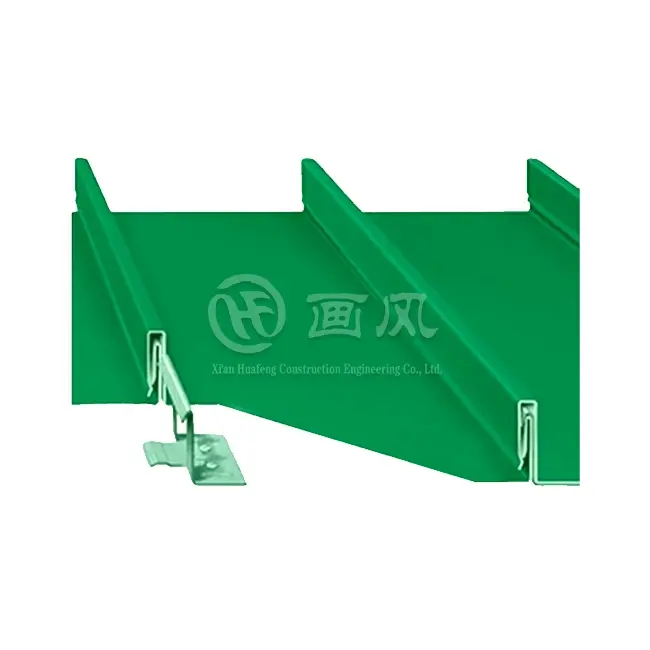
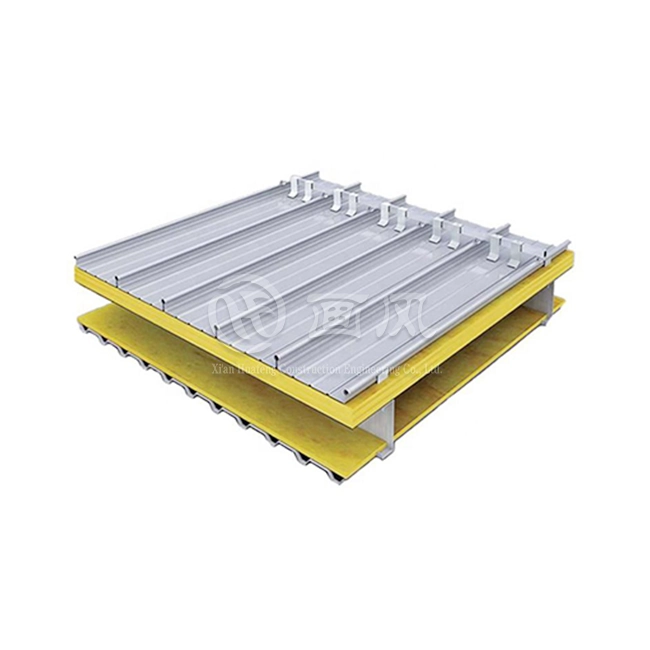
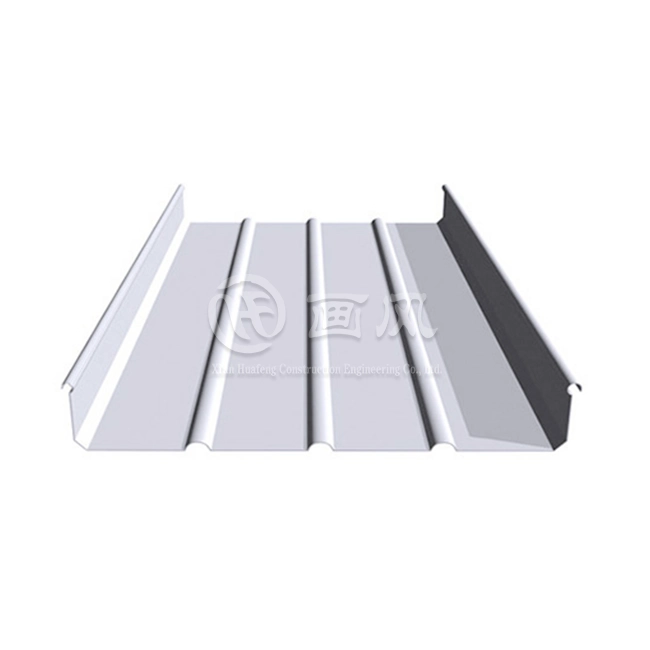
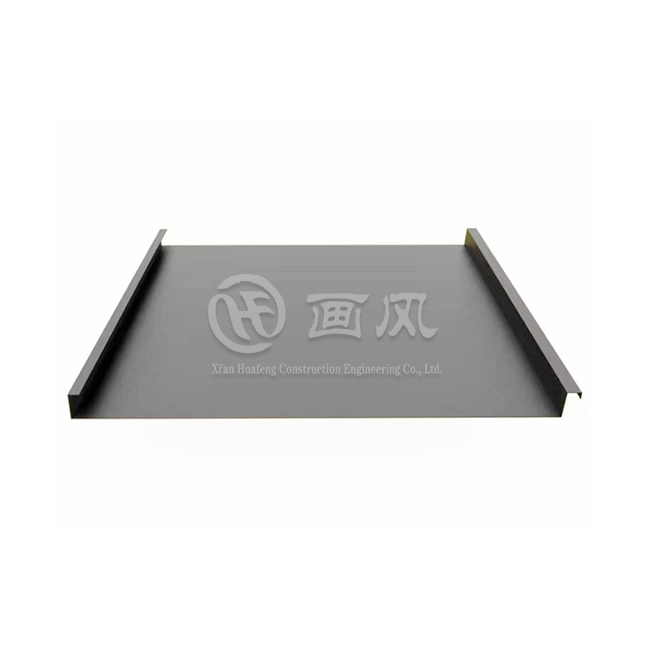
A Snaplock metal roof panels is connected by a male-female interlocking shape that holds each panel leg in place without the need for mechanical seaming tools or visible fixings. The hidden clip system lets the metal stretch and shrink along its length when the temperature changes. This stops the panel from buckleling and the fastener hole from getting longer, which happens a lot with screw-down roofs. The end result is a single, waterproof surface that works well on slopes of 3:12 or higher and doesn't need sealing at the field seams.
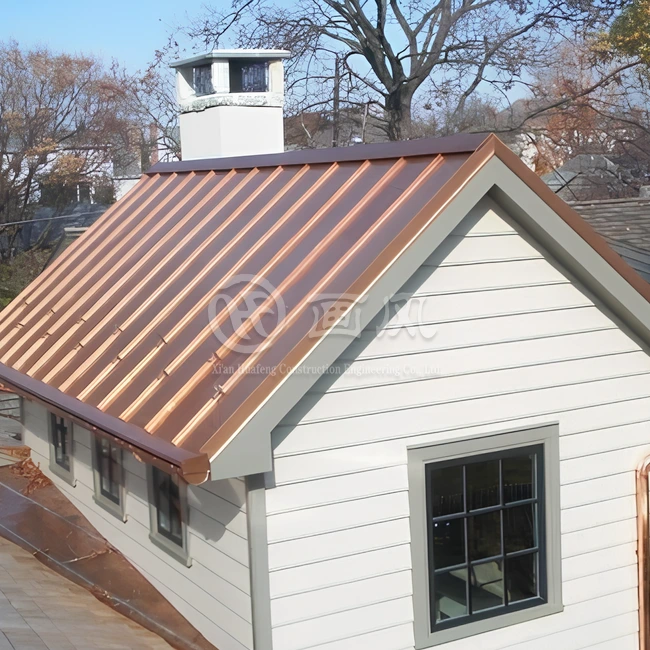
The bases for HF's Snaplock metal roof panels come in aluminum alloy, coated steel, stainless steel, copper, and titanium zinc. It is between 0.4 mm and 1.2 mm thick, and the panel ribs are 45 mm high. PVDF (Kynar-grade) and PE polyester coats in any RAL color or custom color can be used to finish the surface. The system meets the requirements of ASTM, DIN, JIS, BS, and GB/T. It also comes with an ISO9001 and SGS-backed 30-year guarantee.
It's important to make a note of the main performance features that set this panel type apart from others. Here are the most important technical benefits:
- Thermal movement accommodation: Floating clips keep stress from building up at connection places, which lowers the risk of oil canning and increases the time that the coating stays on.
- Hydrokinetic waterproofing: The tight link lets water escape when the wind blows, so you don't need to add extra protection to the panel joints.
- Substrate versatility: Panels can be used on stable decks made of plywood or metal, and they can be mounted with solar panel clamps without going through the panels.
- Class A fire rating and Class 4 impact resistance (UL 2218): Both ratings lower insurance costs and make sure that buildings meet stricter business building rules.
Because of these features, reactive maintenance is done less often and costs less, which is the main reason metal roofing contractors and facility managers choose this system for high-value projects.
Common Maintenance Issues and Their Causes
Over time, even a standing seam system that was installed correctly can become weak. Most problems with Snaplock metal roof panels can be traced back to three main causes: the coating wearing off, seams getting messed up by machinery, and debris building up.
Coating and Substrate Degradation
When exposed to direct sunlight for more than 30 years, PVDF coatings don't chalk or fade, but PE polyester coatings may show surface oxidation sooner in high-UV or coastal areas. Galvalume surfaces (AZ150 coating weight) are very good at protecting cut edges from corrosion, but zinc-rich touch-up paint needs to be used right away on bare steel edges that are left uncovered during manufacturing or field cutting. To avoid salt-spray pitting in coastal installations, substrates made of aluminum or stainless steel are the best choice.
Seam Displacement and Panel Movement
Friction and clip contact are what make Snaplock metal roof panels work. In places where there is a lot of snow, pulling forces can build up and pull panel legs away from clips. This is a type of failure that mechanical seam panels are better at stopping. In cold places, installing snow guards with clamp-mount brackets instead of penetrating fasteners is necessary to spread the load and keep the panels from coming apart.
Pine needles, leaves, and pooled water at valley joints are examples of debris that speeds up coating wear and forms localized corrosion cells. If these micro-environments aren't fixed, they can damage the protection in the most hydrostatic parts of the roof plane.
Proactive Maintenance Tips for Snaplock Metal Roof Panels
A high-performance roof system keeps working as it should with regular repair. The following protocols are based on advice from the NRCA and manufacturers.
Biannual Inspection Protocol
Plan to do checks every spring and fall. Check the following things during each inspection:
- Panel seams and interlock engagement: Make sure that none of the legs have come loose from their clips, especially near the ridges and eaves where heat movement tends to build up.
- Flashing and trim junctions: Over time, butyl tape seals at penetrations (pipe boots, skylights, HVAC curbs) harden and crack. Replace any that have cracks on the surface.
- Fastener flanges at perimeter: Make sure that the edge conditions haven't changed because of wind lifting.
- Gutter and valley cleanliness: Get rid of organic matter right away; wet organic matter holds water against coating surfaces.
After these checks, you'll have a good idea of how your roof is doing before the yearly stress loads come in.
Cleaning and Surface Care
Low-pressure water (less than 1,500 psi) and a light cleanser with no pH value should be used. Do not use rough brushes or scrubbing pads on PVDF or PE finishes. Cleaners that use solvents hurt the chemistry of coatings and cancel warranties on finishes. Using a soft cloth and weak oxygen bleach on dark panel areas will get rid of mildew or lichen and won't hurt the coating.
Touch-up paint that is the same color as the original RAL standard should be used to fix small scratches on the surface that show bare wood. For all panel orders, HF provides color-matched touch-up formulas that make sure the color stays true across the roof plane.
Comparison: Maintenance Requirements vs. Other Roofing Types
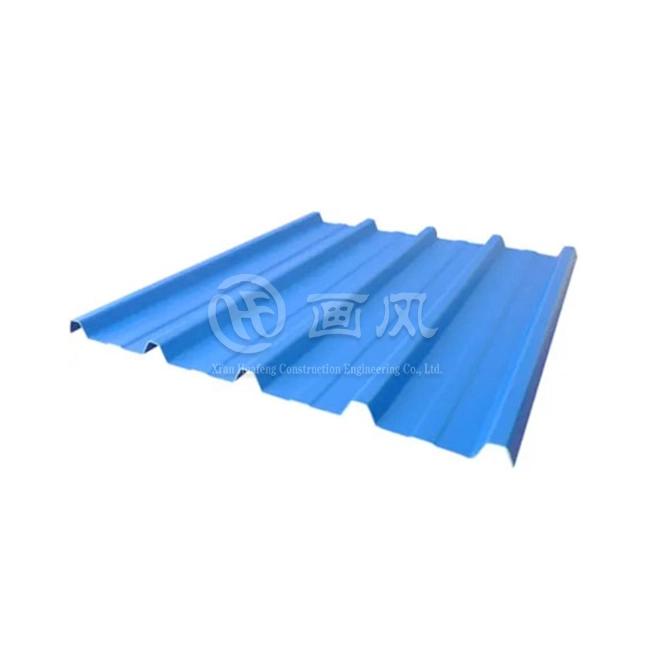
When it comes to upkeep, Snaplock metal roof panels are in a different category than other methods. Mechanical seam panels work better when there is a lot of snow or the slope is very low, but they need to be sewn on-site and require more work to inspect crimped seams. Corrugated metal panels with visible bolts have hundreds of penetration points that need to be inspected every 5 to 7 years for rubber washers. Snaplock metal roof panels get rid of this ongoing maintenance problem completely.
Compared to standing seam metal profiles, asphalt shingles have a shorter service life (15–25 years, based on temperature), need to be checked for granule loss more often, and don't do as well when the wind blows up. In high-wind zones (HVHZ) and coastal areas, where Snaplock metal roof panels with aluminum substrates perform better than asphalt in terms of both service life and maintenance frequency, the difference in lifecycle costs is most noticeable.
Selecting Quality Snaplock Metal Roof Panels for Easier Maintenance
The best strategy for maintenance starts with the specification stage. The amount of maintenance a roof system needs over its lifetime depends on the gage choice, the coating system, and how reliable the supplier is.
Specification Criteria That Reduce Long-Term Maintenance
When hail hits, heavier gage material (0.7 mm and up) doesn't get oil canning or denting. In UV-heavy and coastal settings, PVDF finishes work better than PE coats. Panels with built-in strengthening rods make the structure less wavy and better able to handle wind pressure.
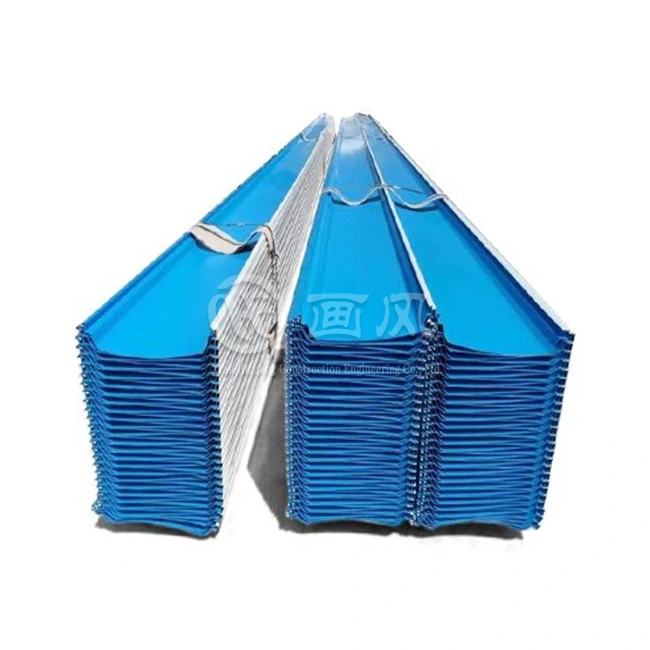
HF makes Snaplock metal roof panels in three factories that have a total of seven production lines and more than forty tools for shaping and finishing. They can keep up a supply of 1,000 tons per month. Dimensional tolerances are kept very tight between production batches, which is very important for contractors who are in charge of keeping colors consistent across multiple phases of a project. The MOQ is 500 m², which is equal to 1 ton, and the normal shipping time is 15 to 20 days. These are the same times that most projects need to be bought.
Conclusion
A Snaplock metal roof panels system only really holds its value over time if it gets the right kind of maintenance from time to time. To protect a 30-year roof investment, it's important to do things like inspect it every two years, clean up any debris right away, touch up the coating on any exposed edges, and install a clamp-mount snow guard. How much upkeep the system really needs depends on the type of base, coating grade, and panel gage that are chosen. The most cost-effective thing a buying manager or homeowner can do is make sure the right specifications are given from the start and work with a dependable provider.
FAQ
1. How often should I inspect a snaplock metal roof?
It should be done twice a year, once in the spring after freeze-thaw cycle and once in the fall before winter loading. Also, do an eye check after any event with heavy wind or hail.
2. Can I walk on snaplock panels for inspection?
If you walk straight on panel flats, you could damage the finish and cause oil to can. For close-up inspection work, use walk boards spread out across several ribs or hire a trained roofing worker.
3. What is the expected service life of HF snaplock panels?
The Snaplock metal roof panels system from HF comes with a 30-year guarantee. With the right care, aluminum alloy substrates with a PVDF finish can last between 40 and 50 years in mild regions.
4. Are snaplock panels compatible with standard seaming tools?
To put up Snaplock metal roof panels, you don't need any mechanical seaming tools. The panel legs click into hidden clips, which makes installation much faster than options that use mechanical seams.
5. What is the minimum order from HF?
The minimum order quantity is 500 m², which is equal to 1 ton, and the wait time is usually 15 to 20 days.
Partner With HF — Your Trusted Snaplock Metal Roof Panels Supplier
HF unites three factories, seven production lines, and a performance guaranty that lasts for 30 years into a single, reliable supply chain. Whether you need Snaplock metal roof panels for a small home improvement project or a big commercial one, HF has the gage tolerances you need, PVDF/PE finish options in all RAL colors, and the ASTM-compliant paperwork your procurement team needs. HF can be reached at huafeng@hfmetalroof.com to talk about project details and wait times.
References
1. National Roofing Contractors Association (NRCA). The NRCA Roofing Manual: Metal Panel and SPF Roof Systems. NRCA, 2022.
2. Metal Construction Association (MCA). Metal Roof Systems Design Manual. MCA, 2021.
3. ASTM International. ASTM E1592: Standard Test Method for Structural Performance of Sheet Metal Roof and Siding Systems by Uniform Static Air Pressure Difference. ASTM International, 2019.
4. Oak Ridge National Laboratory. Thermal Performance of Metal Roofing Systems. U.S. Department of Energy, 2020.
5. Sherwin-Williams. PVDF Fluoropolymer Coating Performance Data for Metal Roofing Applications. Sherwin-Williams Coil Coatings, 2021.
6. Florida Solar Energy Center (FSEC). Reflective Roofing and Energy Savings in Residential Buildings. University of Central Florida, 2020.





YOU MAY LIKE