How to Install Snaplock Metal Roof Panels: Step-by-Step Guide
2026-09-10 20:04:55
Installing snaplock metal roof panels correctly determines whether a roofing system performs for decades or fails within a few seasons. This guide walks through every critical phase—from pre-installation planning to final inspection—using techniques aligned with ASTM standards and real-world field practice. Whether you manage a commercial re-roofing project or coordinate large-scale procurement, understanding the full installation workflow helps reduce labor costs, minimize material waste, and protect your warranty. HF's concealed-fastener standing seam panels, available in aluminum alloy, Galvalume steel, stainless steel, copper, and titanium zinc, are engineered to meet those demands.

Understanding Snaplock Metal Roof Panels
What Sets the Snaplock Profile Apart
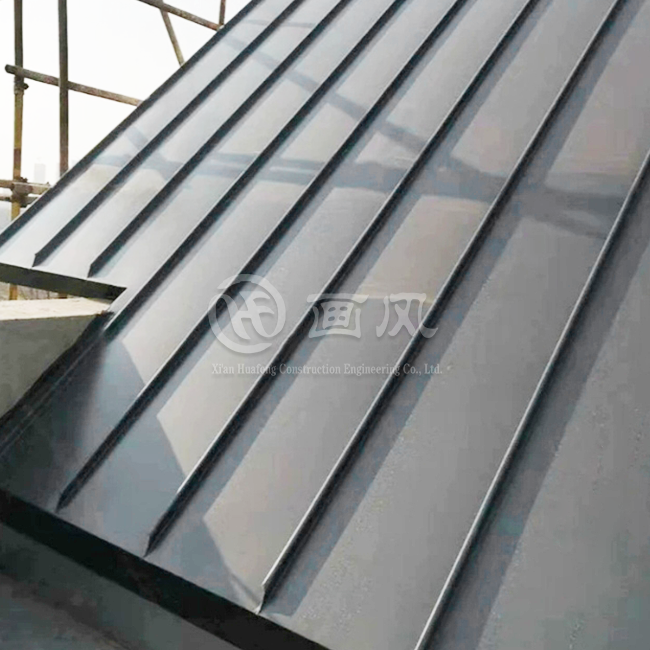
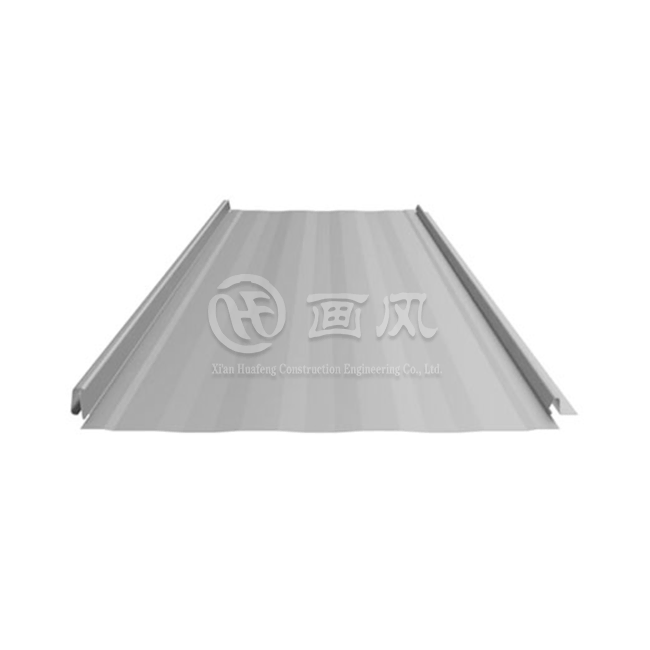
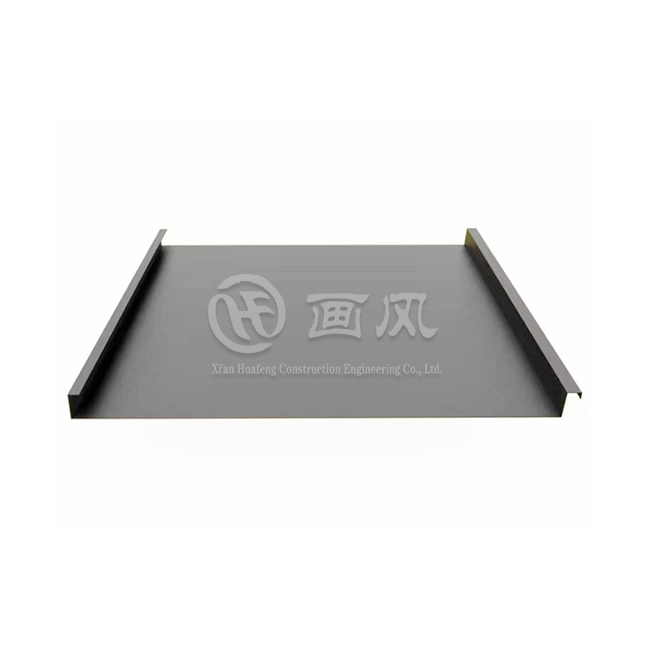
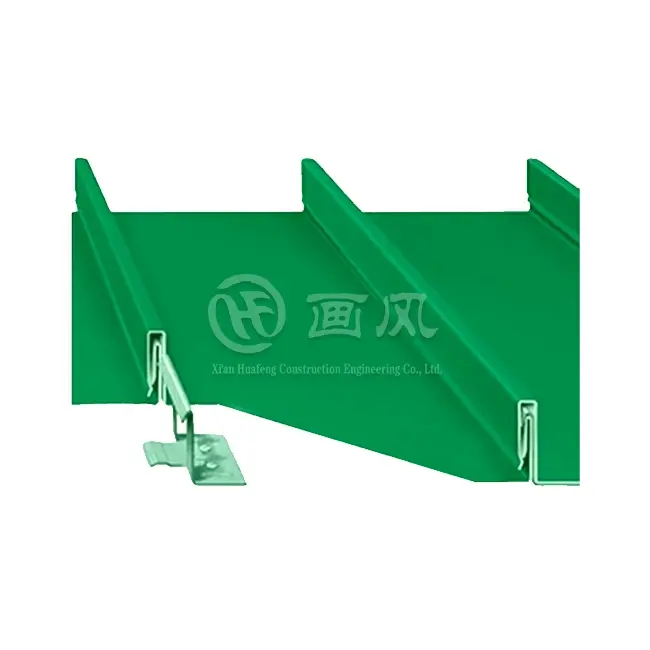
A concealed-fastener standing seam system called a snaplock metal roof panels system locks panels together by clicking the male leg of one panel directly over the female leg of the panel next to it. This can be done without using any special tools. With slotted holes, the clip or nailing flange lets the panel move longitudinally while keeping it attached to the deck. The system works well on slopes of 3:12 or more, and in some structural configurations, it can work on slopes as low as 1:12. This is because the design lets water flow away instead of holding it.
Snap-together metal roofing doesn't have any visible rubber washers like through-fastened curved sheets do, which is known to cause long-term leaks. Installer standards from the Metal Construction Association (MCA) say it cuts on-site work time by more than 50% compared to manually seamed panels.
Each of HF's snaplock metal roof panels has a 45 mm rib height and a thickness range of 0.4 mm to 1.2 mm. They can be coated with PVDF (Kynar 500®-grade resin) or PE polyester in any RAL or custom color. Panels are made in three factories that use over 40 forming tools and seven finishing lines that meet ASTM, DIN, JIS, BS, and GB/T standards. They ship within 15 to 20 days.
Pre-Installation Planning and Preparation
Structural Assessment and Material Quantification
Make sure the roof deck can hold the system before you order the panels. Most architectural snaplock metal roof panels designs need a strong base, like a metal deck or plywood sheathing with no gaps bigger than 1/4 inch. Carefully measure the roof field, as the amount of waste at the hips and valleys is directly related to the panel length tolerance. HF can make panels up to 12 m long, which means that long industrial slopes don't have to have as many mid-run splices.
Add 5 to 10 percent more to your takeoff to account for cuts, holes, and damaged items that may happen during transit. With a MOQ of 500 m², or 1 ton, buying teams can make sure that orders are closely aligned with project numbers. This way, there is no extra inventory that ties up working capital.
Selecting the Right Panel Specification
It is necessary to match panel material to surroundings. Here are the main things you should think about when choosing a supplier before you place an order:
- Coastal or high-salt zones: Aluminum alloy or stainless steel substrates don't rust like chloride-driven corrosion does, which wears down Galvalume steel over time. HF has standard lead times for both.
- High-wind and snow regions: In places with a lot of wind and snow, a 22- to 24-gauge (0.6- to 0.7-mm) panel with stronger clips that are rated to ASTM E1592 wind-uplift loads keeps the panel from coming loose under suction pressure. Before you define, ask your source for the test report.
- Color consistency across large orders: PVDF coatings keep color within tight Delta-E tolerances for 30 years or more, so large orders will always be the same color. PE polyester is a cheap material that can be used inside. HF's batch-controlled coating lines reduce color differences between batches, which is a problem that companies who are in charge of handling phased deliveries always have.
These rules protect both the building and the contractor's responsibility when they apply for a weathertightness guarantee.
Step-by-Step Installation Process
Phase 1 — Deck and Underlayment
Clean the substrate and look it over. Fix any loose decking, then put down a vapor-permeable underlayment that sticks itself from the eave to the ridge and overlaps 6 inches on the horizontal seams and 12 inches on the vertical seams. The NRCA says to put the drip edge over the flooring at the eaves and before it at the rakes.
Phase 2 — Clip Layout and Panel Positioning
Set up a straight line by snapping a chalk line at the eave. With the female leg facing up, place the first panel. As shown on the engineering plans, drive clips into the nailing flange every so often, usually every 12 to 24 inches, but this can change based on the wind zone. Slotted clips should be used on snaplock metal roof panels longer than 20 feet to allow for temperature expansion without bowing or oil canning.
Phase 3 — Snap Engagement and Progression
Place the male leg of the second panel over the female leg of the first panel and press down hard until you hear a click. Don't hammer because it changes the shape of the profile. As you go across the field, check your placement against your chalk line every three panels. Misalignment builds up; finding it early saves a lot of money on ridge work.
Phase 4 — Ridge Cap and Penetration Flashing
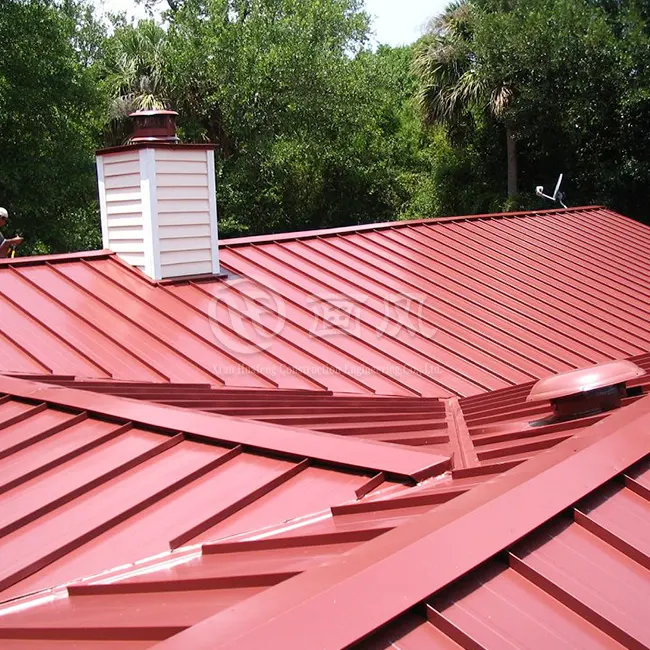
Put continuous closure strips on the ridge to cover the open ends of the ribs and seal them. Then, put the ridge cap on top of them. When pipes, vents, or windows go through the wall, use factory-formed curb flashings instead of field-cut sheet metal whenever you can. There is no need for sealant along the field lines; only at these changeover points.
Phase 5 — Final QC Inspection
Go along every seam and make sure it's all fully engaged. Make sure that no fastener has gone through the panel face. If the snow guard clamps are required, make sure they are attached to the seam ribs instead of going through the panel. Take pictures of the installation to prove it for the warranty.
Maintenance Tips and Longevity Enhancement
Routine Inspection Protocol
A snaplock metal roof panels system with a PVDF finish and a good base doesn't need much maintenance. Check twice a year, once after winter and once after storm season. Clean out the valleys and gutters of any debris to keep water from pooling at the eave edge, which is where corrosion starts on any metal system.
Check the contact of the seams around the edges, especially at the corners where heat cycling is most noticeable. When seams come apart in high-wind areas, it means that the clip spacing may need to be increased with more clips or structural adhesive tape that is rated for bonding metal to metal.
If an impact damages a panel, individual panels can be replaced without affecting the whole field because the concealed-fastener design lets the panel come off from the ridge downward. HF's 30-year guarantee covers flaws in the material and coating. When making a claim, it's important to keep the receipts and pictures of the installation.
Procurement Insights for Snaplock Metal Roof Panels
To find standing seam panels on a large scale, you have to look at more than just the unit price when comparing sources. The things that separate a smooth project from an expensive delay are the dependability of lead times, the integrity of the packaging to keep it from deforming during transport, and the compliance paperwork.
As a direct producer of snaplock metal roof panels, HF cuts out middlemen and gives buying teams direct access to production schedules. HF can supply up to 1,000 tons per month from its factories in Anhui, Hangzhou, and Xi'an. It can handle both large orders from distributors and custom runs made just for a project. You can show architects, building officials, and insurance companies your ISO 9001, ISO 14001, SGS, or CE certifications.
When HF packages panels, they use corner-protected packs with moisture-barrier wrapping to avoid the warping and surface-scratch problems that often lead to claims against overseas suppliers.
Conclusion
A good snaplock metal roof panels installation begins a long time before the first panel gets to the roof. A system that works at or beyond its rated service life has a properly prepared deck, clips that are spaced out correctly, and seams that are confirmed to be engaged. When buying panels, making sure that the specs match the area's wind, snow, and corrosion needs and then getting them from a company that offers provable test results and color-consistent coatings is the best way to protect both the project margin and the long-term client relationship. Because HF makes a lot of different products and has clear certifications, it is a good supplier for large builders and wholesalers in the North American market.
FAQ
1. What slope is required for snaplock panels?
Most snaplock metal roof panels designs need a minimum slope of 3:12 because they are hydrokinetic. Some structural snaplock designs that are made to span open purlins can work at lower pitches; always check the manufacturer's technical data sheet before making a choice.
2. How do I prevent oil canning?
Oil canning is a visible effect, not a loss of the structure. It looks worse when you use a heavier gauge (0.6 mm or 22 ga), choose panels with stiffening striations, make sure the substrate is flat, and don't overtighten the nailing flange during installation.
3. What is the difference between snaplock and mechanically seamed panels?
Snaplock metal roof panels can be used on slopes of 3:12 or more and can be locked in place with hand pressure. Panels that are mechanically seamed are closed on-site, can handle water pressure at slopes as low as 0.5:12, and are the best choice when there is a chance of ponding. Snaplock is 20–30% faster to set up.
4. Does HF provide ASTM E1592 wind-uplift test reports?
Yes, HF can give procurement teams ASTM and other foreign compliance documents upon request, which they can then send straight to project engineers or building departments.
5. What is the minimum order quantity?
The minimum order quantity is 500 m², which is equal to 1 ton. Within this range, you can get custom lengths, widths, and RAL colors.
Partner with HF for Your Next Roofing Project
HF makes precision-manufactured snaplock metal roof panels with supplier-grade quality, including PVDF and PE coatings, ASTM-compliant substrates, and a 30-year warranty. They can make 1,000 tons of panels per month and have lead times of 15 to 20 days. No matter if you are expanding a distribution network or looking for materials for a major business project, our expert team is ready to help with specs, samples, and proof of compliance. To get a personalized price right away, email huafeng@hfmetalroof.com or go to hfmetalroof.com.
References
1. Metal Construction Association (MCA). Metal Roof Systems Design Manual. 2022.
2. National Roofing Contractors Association (NRCA). The NRCA Roofing Manual: Metal Panel and SPF Roof Systems. 2023.
3. ASTM International. ASTM E1592: Standard Test Method for Structural Performance of Sheet Metal Roof and Siding Systems. 2021.
4. ASTM International. ASTM E1646: Standard Test Method for Water Penetration of Exterior Metal Roof Panel Systems. 2020.
5. Oak Ridge National Laboratory. Thermal Performance of Metal Roofing Systems. U.S. Department of Energy, 2019.
6. Sherwin-Williams. PVDF Coatings for Metal Roofing: Performance and Durability Standards. 2021.





YOU MAY LIKE
_1781690542318.jpg "Self-adhesive waterproof membrane")
_1769761215912.webp "Ventilation noise reduction net")