Best galvanized standing seam metal roofing for coastal climates
2026-08-20 19:37:02
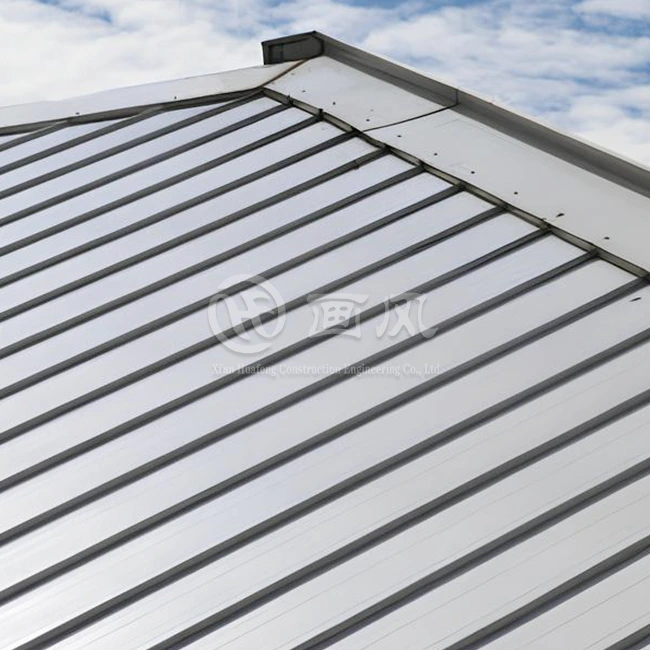
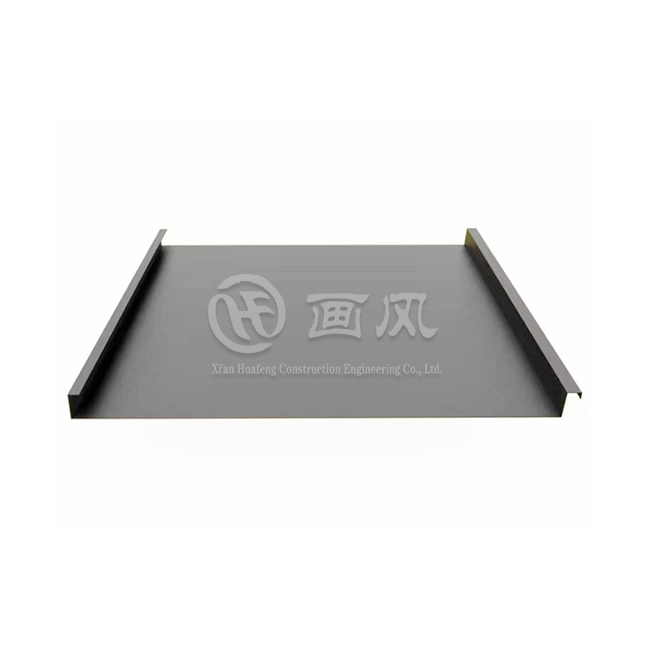
When selecting roofing materials for coastal environments, galvanized standing seam metal roofs consistently emerge as the premier choice for construction professionals. These roofing systems combine vertical raised seams with concealed fastening technology, utilizing steel substrates protected by a sacrificial zinc coating that delivers exceptional corrosion resistance against salt-laden air, high humidity, and punishing wind loads. Unlike exposed-fastener systems that deteriorate through thermal cycling, the mechanically interlocked panels of galvanized standing seam metal roof configurations provide hydrokinetic water shedding and structural integrity that withstands decades of maritime exposure. With proper specification—particularly G90 zinc coating standards and PVDF surface treatments—these systems routinely achieve 30-year service lives in the harshest oceanfront conditions, making them the cost-effective, sustainable solution for procurement leaders managing coastal commercial, industrial, and residential projects.

Understanding Galvanized Standing Seam Metal Roofing and Its Suitability for Coastal Climates
The Science Behind Galvanized Coating Protection
Metallurgically connected and hot-dipped galvanized zinc finish on galvanized standing seam metal roof panels. As a replacement anode, this zinc layer corrodes faster to preserve the steel basis underneath. Zinc "heals" tiny wounds or scratches during installation or servicing by providing cathodic protection, preventing corrosion. Industry standard G90 coatings cover 0.90 ounces of zinc per square foot of panel area, or 275 grams per square meter. For years, this standard has worked in maritime environments where chloride-rich moisture accelerates oxidation.
The vertical seam design gives this roofing system a clear edge over others. From the ridge to the eave, the panels don't have any horizontal joints, so water can't get in. Mechanical seaming, like snap-lock or double-lock profiles, makes connections that are waterproof without going through the weather surface. This design allows for thermal expansion with hidden clip systems that let panels move freely while keeping their weathertight structure.
Coastal Environmental Challenges and Material Response
Strong gusts, salt spray, and prolonged high humidity may harm oceanfront structures. Sea winds blow salt particles onto rooftops. The water-attracting salt particles generate severe electrolytic conditions. Traditional coated metals with insufficient base security break down and perforate after 10–15 years. Galvanized steel may last 50 years if maintained because its zinc layer prevents corrosion.
Performance also depends on wind uplift resistance. Standing seam systems may receive UL 90 wind ratings for hurricane-prone locations when installed with structural clips. The mechanical seaming procedure connects panel sides continuously. This distributes lifting pressures over the roof field rather than on a few fasteners. With clip spacing (12–18 inches on centre) and structural purlins, these systems can withstand hours-long gusts.
Because light-reflecting coatings keep the roof above dew point, humidity may be controlled. PVDF coatings on galvanized bases block 60–70% of the sun's rays, decreasing surface temperatures by 20–30°F over dark asphalt systems. In coastal locations with humidity levels over 80%, condensation on the roof decking may cause mould and structural failure. This thermal management prevents condensation.
Key Benefits of Galvanized Standing Seam Metal Roofing for Coastal Applications
Superior Corrosion Resistance Compared to Alternative Materials
Material selection tests done in marine settings show big differences in how well things work for galvanized standing seam metal roof. In most regions, Galvalume (55% aluminum-zinc alloy) is very resistant to corrosion. However, galvanized steel works better in farm settings where ammonia is present and paint sticks better for custom color uses. Galvanized steel is more structurally stiff than bare aluminum at the same widths. This means that oil canning (visible waviness) is less likely to happen in long panel spans. Copper systems are very resistant to rust, but they cost 300–400% more than coated steel systems and need to be installed by people who know what they're doing.
Because of galvanic action, the zinc coating on galvanized panels actively protects cut edges and fastener holes. When installers drill through panels to mount equipment or make field cuts during installation, the zinc around the edges of the exposed steel protects them electrochemically. This keeps the edges from rusting quickly, which happens with other coated metals. This feature comes in very handy for retrofitting projects or future roof changes that need to make field tweaks.
Energy Efficiency and Environmental Sustainability
Metal roofing systems reflect sunlight and release heat, saving energy. Light-colored PVDF topcoats on galvanized substrates achieve 0.65-0.70 total solar reflectance. This allows ENERGY STAR and cool roof certification. Business buildings use 15–25% less cooling due to its reflectivity, saving money. Standing seam design allows continuous insulation layers to fit without thermal bridging, allowing roof systems with R-values beyond R-38 for cold storage or conditioned space.
Environmental issues are increasingly influencing purchases. In typical manufacture, 30–35% of galvanized steel is recycled, and it may be recycled completely without losing quality. The material-to-material recycling cycle reduces landfill waste and manufacturing energy. Recycling and purchasing from local producers gain LEED points for projects. Roofs that can support non-penetrating solar panel mounting solutions that link to standing lines without affecting weatherproofing are suitable for net-zero energy buildings.
Maintenance Efficiency and Warranty Assurance
To maximize service life, coastal installations require regular maintenance. Galvanized standing seam metal roofs need less maintenance than others. Make sure rubbish behind penetrations and in valleys is removed annually. Organic stuff trapped against the zinc layer keeps water in. Rinsing salt spray-exposed locations within 1,000 feet of the surf with fresh water every three months removes chloride accumulation before it accelerates corrosion. Simple maintenance takes two to three hours per 10,000 square feet each year.
Warranty structures demonstrate the manufacturer's confidence in the material's performance. A 30-year guarantee covers material faults and weathertight performance for Xi'an Huafeng Construction Engineering's galvanized standing seam metal roofing when installed according to manufacturer specifications. Accelerated aging tests and coastal site field monitoring data support this warranty duration as the service life. The guarantee only applies if qualified contractors install and maintain the device per manufacturer's instructions. Contractors hired by procurement teams must meet these standards.
How to Choose the Best Galvanized Standing Seam Metal Roof for Coastal Climates
Critical Technical Specifications for Marine Environments
The width of the material has a direct effect on how long galvanized standing seam metal roof lasts and how well it looks. Instead of the lighter 26-gauge choices, 24-gauge (0.6mm) or 22-gauge (0.76mm) steel frames work better for coastal uses. When hail or other objects hit them, thicker materials don't dent as easily. They also make it harder to see oil cans and make it harder for fasteners to pull through during high wind events. Manufacturers like HF offer a thickness range of 0.4 to 1.2 mm, which makes it easy to match the material exactly to the span needs and loading conditions.
The most important corrosion protection specification is the weight of the galvanized coating. A layer of at least G90 (90 ounces per 100 square feet, or about 275 g/m²) is enough to cover most coastal uses that are less than 3 miles from saltwater. If the location is right next to the ocean and less than 1000 feet from the waves, G115 or a heavier cover should be chosen. During production, the zinc coating must be checked over and over again using magnetic induction scales or laboratory weigh-strip-weigh tests to make sure it meets the requirements. This is because lighter coatings (G60 or G40) are not suitable for sea exposure.
Comparative Analysis: Material Alternatives and Performance Trade-offs
Comparing roofing materials objectively aids purchasing. Galvanized steel competes with Galvalume-coated steel, aluminium, and stainless steel in maritime regions. Galvalume systems withstand corrosion better than galvanized ones but cost 10–15% more. Galvanized steel performs better in ammonia-filled agricultural settings, paint stays better for bespoke colours, and field adjustments are simpler. Exposure and project aesthetics determine the option.
Aluminium roofing is 60% lighter than steel, making retrofit structural requirements simpler to achieve. The material forms an oxide coating that resists seawater erosion. These advantages are excellent, but they cost 150–200% more, are less stiff, and are more susceptible to oil canning and impact. The most corrosion-resistant material, stainless steel, may survive over 60 years in coastal areas. Because it costs 400–600% more than galvanized steel, it can only be utilized for long-lasting special projects.
Cost-performance improvement requires accurate lifecycle analysis. A galvanized standing seam metal roof with G90 coating, PVDF finish, and 24-gauge base costs $8–12 per square foot to install in industrial environments. With minimal care, this investment will pay for itself in 30–40 years at $0.20–$0.40 per square foot every year. Asphalt shingle systems costing $4 to $6 per square foot must be updated every 12 to 18 years in severe coastal locations. They have greater lifetime costs because to disruption charges and inflation.
Installation and Maintenance Best Practices for Coastal Galvanized Standing Seam Metal Roofs
Installation Protocols for Maritime Exposure
Long-term success begins with substrate preparation. Galvanized standing seam metal roofs need strong decking or well dispersed structural purlins, depending on panel form. Vapour-permeable synthetic underlayments allow moisture escape while preventing water during construction, making them ideal for coastal applications. Large commercial projects might take months to install, thus these underlayments must be UV-stabilized for 180 days.
Fastening requires additional attention in windy areas. Hidden clips hold each panel's female leg to structural elements. This allows temperature change without lifting. Shape and wind affect clip spacing. Fields are 18 inches on centre, while boundary zones are 12 inches. They must be corrosion-resistant stainless steel or coated screws with EPDM washers. To avoid the panels being too tight and not moving, they must be torqued to the manufacturer's standards, generally 15–20 ft-lbs.
Weathertightness depends on seam engagement. Mechanical pressure connects factory-formed male and female edges in snap-lock profiles. They work on slopes above 3:12. Portable tools fold two panels at right angles to make 180-degree interlocks for double-lock seaming in low-slope circumstances as low as 1:4:12. Lap-seam leaks are eliminated by continual mechanical seaming. ASTM E1680 and E1646 water entry tests demonstrate that factory-applied sealant in seam legs protects coastal usage up to 1000 feet against saltwater from wind-driven rain.
Preventive Maintenance for Extended Service Life
The shoreline requires greater maintenance than the heart of the nation. Inspections every three months for the first year following installation uncover warranty-covered installation issues. After that, inspect the coating, fasteners, and panel connection every year to ensure they're still OK.
Cleaning considerably affects corrosion rates. Fewer than 1000 feet from the coast, rinse roofs with fresh water every three months. This removes chlorine before it corrodes. Rinsing the coating in the shade prevents heat shock. Use low-pressure water (under 1200 PSI) to preserve the coating. Debris behind pipes, HVAC equipment, or in valleys must be removed because organic matter attached to metal surfaces traps water in.
Find corrosion early to correct it before the substrate perforates. Fasteners, cut edges, and areas where various metals meet galvanized walls (which might generate galvanic cells) should be checked annually. White zinc corrosion products provide active sacrificial protection. The procedure is typical. Reddish-brown rust patches indicate a failing coating and need immediate cleaning, priming, and topcoating. Most manufacturers produce touch-up paint products that match the original styles and can correct minor issues.
Paperwork determines warranty compliance. Procurement managers should keep maintenance records including check dates, results, and fixes. This documentation proves warranty compliance and aids storm damage insurance claims. Having a licensed professional do annual inspections ensures the system is in excellent condition and maintained properly.
Trusted Suppliers and Procurement Strategies for Coastal Galvanized Standing Seam Metal Roofs
Supplier Qualification Criteria
A supplier's manufacturing capacity reflects their ability to meet project deadlines without sacrificing quality, particularly for galvanized standing seam metal roof. Three facilities with seven production lines and over 40 specialized machines allow Xi'an Huafeng Construction Engineering to produce 1000 tons per month. The infrastructure can handle 50,000–100,000 square foot commercial roofing jobs without delays. Smaller suppliers are inexpensive but can't fulfill deadlines or handle multiple contracts.
Quality clearances verify process compliance. Quality and environmental management systems are certified by ISO9001 and ISO14001. Products need ASTM A653 galvanized coating certification and DIN, JIS, BS, and GB/T regulations. ASTM D4145 requires vendors to furnish third-party zinc coating weight, substrate mechanical property, and paint system performance data. Reports should include T-bend flexibility testing.
Technical skills outweigh manufacturing. Providers who allow customization may provide custom panel lengths, colour matching, and sound or air flow perforation. HF has 0.4–1.2mm thicknesses and 25–330/400/430, 32–410, 45–400, and 65–400/430mm seam heights for different spans and aesthetics. PVDF and PE surface treatments combine performance and cost with consistent quality.
Cost Analysis and Procurement Optimization
Galvanized standing seam metal roof prices depend on material thickness, coating requirements, surface treatment, and order volume. Materials typically cost $3.50–$6.00 per square foot. Installation adds $4.50 to $6.00 per square foot, depending on roof intricacy and local labour prices. Volume savings apply to purchases over 10,000 square feet. Eight to twelve percent savings apply to purchases above 50,000 square feet.
Managing leads on time prevents project delays. Standard manufacturing periods for up to 5000 square meters are 15–20 days from order confirmation to shipment. Custom colour matching or unusual forms might take 25–30 days. Ordering should be synchronized with construction plans, taking into consideration shipping time (10–14 days for international maritime freight, 3–5 days for domestic truck transport) and weather delays or inspection pauses.
Minimum order amounts demonstrate manufacturing economies of scale. HF minimums of 500 square meters or 1 metric ton may manage medium-sized commercial projects while being accessible to smaller contractors. Projects below these levels may incur startup costs or wait longer to be grouped with other clients. By entering bulk purchase agreements, developers with many projects may avoid minimums, gain lower pricing, and secure capacity allocation.
Sample confirmation reduces purchase risk. Before making complete production orders, request physical samples to ensure colour, finish, and size correctness. Samples should be T-bend tested to ensure the coating is flexible and adheres well, salt spray tested according to ASTM B117 to ensure rust resistance, and sizes confirmed against restrictions. By investing beforehand, this firm avoids costly rejections after manufacturing.
Conclusion
Galvanized standing seam metal roofs are the best for beach environments since they are sturdy, rust-resistant, and long-lasting. Sacrificial zinc protection, concealed fastening mechanisms, and heat management tackle seawater, high humidity, and strong winds issues. These systems come with a 30–50-year guarantee, minimal maintenance, and green building certification credentials when specified by procurement specialists. Success requires G90 zinc coatings, PVDF surface treatments, and a solid foundation. Qualified installers and preventive maintenance programs are also crucial. Supplier selection criteria that emphasize manufacturing capacity, quality approvals, and technical assistance ensure projects get items that fulfill rigorous coastal performance requirements on schedule.
FAQ
1. What service life can I expect from a galvanized standing seam roof in direct saltwater exposure?
Galvanized standing seam systems with G90 zinc finishes and PVDF topcoats endure 30–40 years in coastal settings less than 3 miles from seawater when correctly constructed. If cleaned with fresh water every three months, ocean installations less than 1,000 feet from the waves may endure 40–50 years. Because it prevents salt buildup. Maintenance and product quality determine service life. Thicker substrates (24-gauge vs. 26-gauge) and heavier zinc coatings (G115 vs. G90) provide longer protection.
2. How does galvanized steel compare to aluminum roofing for coastal applications?
Galvanized steel is stiffer than aluminium, making oil cans difficult to discern across vast panels. The price is 35–50% lower. Aluminium is lighter than steel and rust-resistant, making retrofit structural demands simpler. Project priorities determine the option. The finest cost-performance balance with the correct specifications is galvanized steel, whereas aluminium is preferable for purposes where weight reduction justifies higher prices or unique colour needs necessitate the highest paint adherence.
3. What maintenance protocols extend roof lifespan in marine environments?
Coastal systems need to be rinsed with fresh water every three months in areas directly exposed to salt spray (less than 1000 feet from the surf) and once a year in areas 1000 to 3000 feet from the surf. Every year, inspections should make sure that debris has been cleared from valleys and behind penetrations, that the coating is still in good shape, and that early signs of corrosion need to be fixed. These methods usually take two to three hours per 10,000 square feet per year, which is a small investment for a big increase in service life.
Partner With HF for Your Coastal Roofing Projects
When you're ready to buy a coastal galvanized standing seam metal roof, Xi'an Huafeng Construction Engineering is ready to help with their proven production skills and full technical support. Our three factories run seven specialized production lines that can produce up to 1000 tons of goods every month. This makes sure that your project stays on schedule, and our ISO9001 and ISO14001 standards show that we always provide high quality products. We make coastal-grade systems with G90 zinc coatings, PVDF surface treatments, and thickness options ranging from 0.4mm to 1.2mm across a range of seam profiles (25mm to 65mm heights). These systems come with 30-year warranties and meet ASTM, DIN, JIS, BS, and GB/T standards. Our team offers custom solutions, such as matching RAL and Pantone colors. Orders start at just 500 square meters, and delivery is made within 15 to 20 days. You can email our technical sales team at huafeng@hfmetalroof.com to talk about the needs of your project, ask for samples to be tested for quality assurance, or get specific quotes from a reliable galvanized standing seam metal roof seller that wants your coastal building project to go well.
References
1. American Society for Testing and Materials. "Standard Specification for Steel Sheet, Zinc-Coated (Galvanized) or Zinc-Iron Alloy-Coated (Galvannealed) by the Hot-Dip Process." ASTM A653/A653M, Annual Book of ASTM Standards, Volume 01.06.
2. Metal Construction Association. "Technical Bulletin: Corrosion Resistance of Metallic-Coated Steel Roofing in Coastal Environments." MCA Technical Services Department, 2021.
3. National Roofing Contractors Association. "The NRCA Roofing Manual: Metal Panel and SPF Roof Systems—2023 Edition." NRCA Publications Department.
4. Cool Roof Rating Council. "Rated Products Directory: Metal Roofing Product Performance Data." CRRC Annual Technical Reports, 2023.
5. Green Building Initiative. "LEED Reference Guide for Building Design and Construction: Materials and Resources Credit Documentation." U.S. Green Building Council Publications, 2022.
6. International Code Council. "International Building Code Chapter 15: Roof Assemblies and Rooftop Structures—Wind Uplift Resistance Requirements for Coastal Zones." ICC Digital Codes Premium Service, 2021 Edition.





YOU MAY LIKE
_1769761215912.webp "Ventilation noise reduction net")