Best galvanized standing seam metal roof suppliers
2026-08-20 19:37:05
Procurement experts look for galvanized standing seam metal roof suppliers who satisfy high requirements, offer dependable logistics, and provide consistent quality. Galvanized standing seam metal roofs include vertical raised seams and a zinc-coated steel base for weatherproofing and corrosion protection. The ideal supplier has manufacturing capacity above 1,000 tons per month, ASTM, DIN, and ISO certifications, and bespoke solutions with delivery times of 15-20 days to meet project deadlines.

Introduction
Galvanized standing seam metal roof profiles are popular with US construction businesses and property developers, changing the industrial roofing scene to metal roofing systems. Due to their durability in adverse climates, from southwestern heat to northern winter, they were chosen. Finding a reputable supplier goes beyond pricing. Consider manufacturing expertise, material certifications, customization choices, and post-sale support. This study examines what makes excellent sellers stand out in this competitive industry. This will assist procurement experts balance project demands and corporate objectives. If you know technical requirements, quality standards, and supplier evaluation rules, you may establish partnerships that optimize project outcomes and maximize budget.
Understanding Galvanized Standing Seam Metal Roofs
What Defines This Roofing System
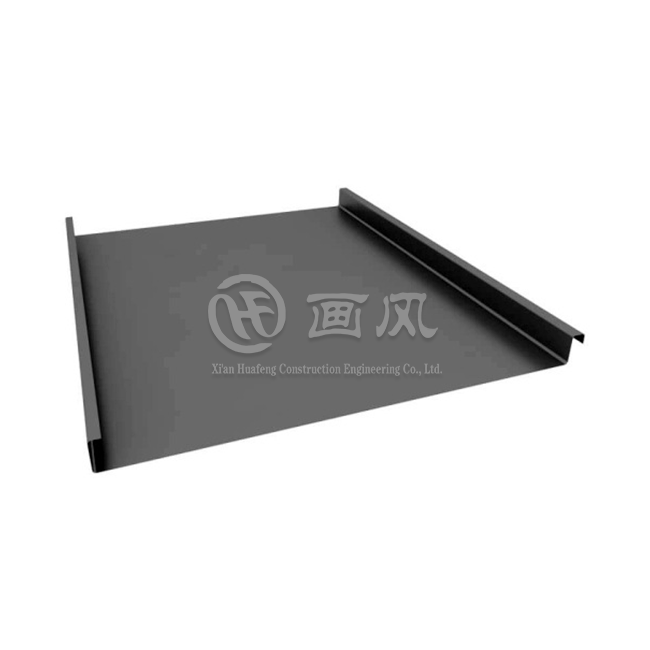
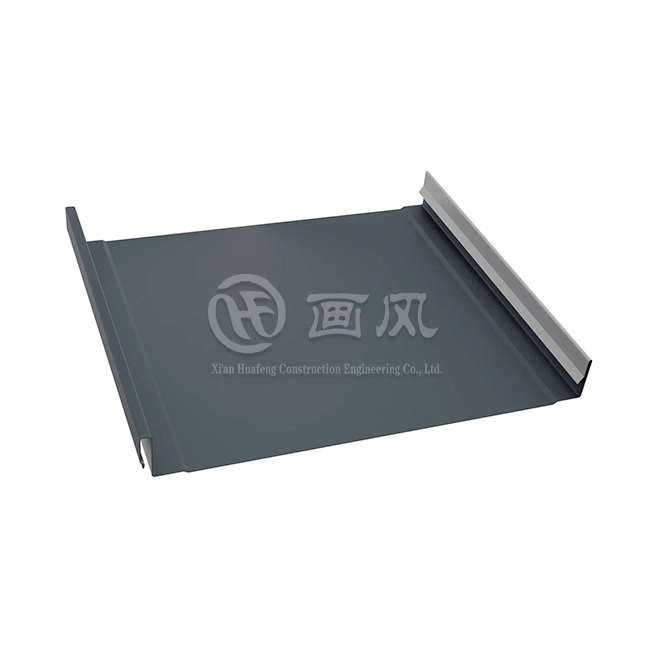
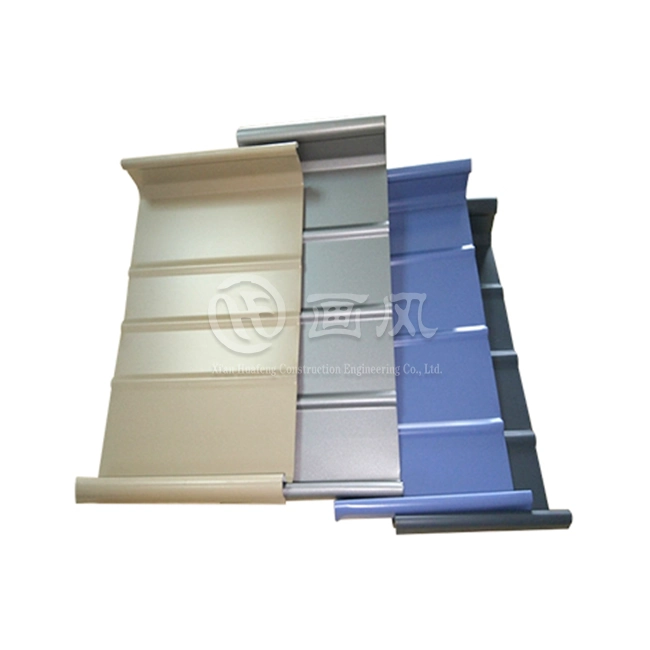
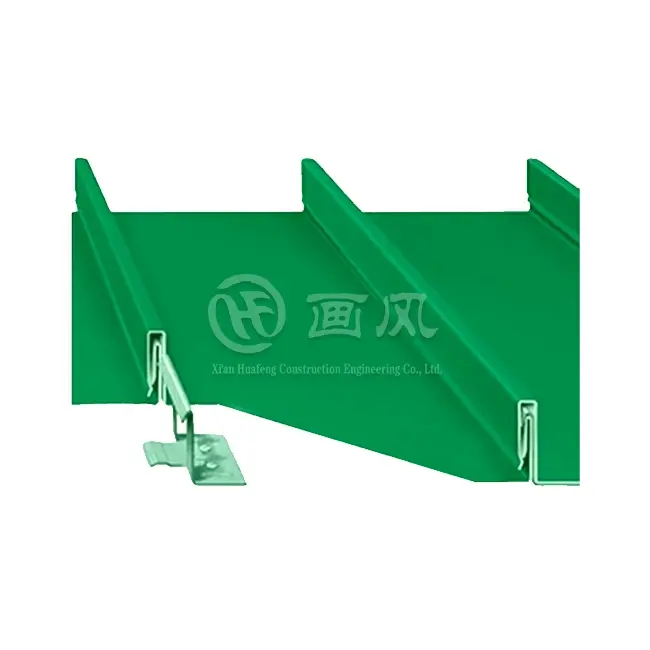
A galvanized standing seam metal roof is the best option for architects. The panels run vertically from the top to the eave and are joined by mechanical interlocks that hide the screws. It is easy to spot because of its raised seams, which are usually between 25 mm and 65 mm high and give it a unique vertical appearance while also being very useful. A hot-dip galvanized covering is put on the base steel foundation. This adds a zinc layer that protects against corrosion. This zinc coating, which is usually given the number G90 (0.90 oz per square foot), protects against cathodic damage and fixes small scratches and cuts on its own, making it last a lot longer than painted systems.
Core Benefits for Commercial Applications
These approaches have advantages beyond appearance, particularly for galvanized standing seam metal roof systems. Concealed fastening eliminates the major issue with standard metal roofs: exposed screws whose rubber washers break down under UV radiation and temperature variations. Panels with thicknesses from 0.4 to 1.2 mm meet various structural purposes. The optimum weight, stiffness, and cost-effectiveness for most commercial usage is 22-gauge steel. The overlapping seam design enables the material expand and contract with temperature without stressing the connecting points. This implies the structure will withstand decades of temperature variations. Energy savings are another advantage. Reflective PVDF or PE coatings reduce cooling loads by reflecting sun rays instead of absorbing them.
Weather-Tightness and Structural Integrity
The mechanical interlocking system makes a constant weather shield that keeps water out, even when it's pouring down rain. The raised seam shape naturally sheds water away from connection points, unlike overlapped panel systems that use sealants that can break down over time. In low-slope situations—installations on pitches as low as 1/4:12—where water pooling could damage other roofing materials, this design is especially useful. The method allows for purlin spacing of up to five feet, which lowers the need for structural steel and the costs that come with it. When put on correctly over solid substrates with the right underlayment, these roofs get Class A fire ratings and UL 90 wind uplift protection, which means they meet strict building rules in coastal areas that are prone to hurricanes.
Criteria to Choose the Best Galvanized Standing Seam Metal Roof Supplier
Production Capacity and Infrastructure
By looking at a supplier's manufacturing infrastructure, you can get an idea of how well they can meet deadlines for large orders. Look for providers that have more than one production facility with lines specifically designed for standing seam roll-forming. A strong operation usually has seven or more color coating lines, tools for lengthwise and crosswise shearing, and automatic punching systems. This system shows that the company can handle orders of more than 1,000 tons per month without affecting shipping times. Multiple factories, ideally including plants that make raw materials and processing plants in different regions, show a supply chain that is resilient and protects your project from problems caused by a single point of failure.
Quality Certifications and Standards Compliance
Material approvals are the basis of quality guarantee when buying a galvanized standing seam metal roof. Reliable providers follow many international rules, such as ASTM A653 for structural steel, DIN standards that are common in European specifications, and GB/T standards that control the manufacturing process. ISO 9001 certification shows that quality management systems are in place, and ISO 14001 certification shows that manufacturing operations are environmentally responsible. Ask for proof that the zinc coating's weight was checked using magnetic induction tests, showing that it meets G90 standards. The supplier should give mill test reports that show the coating's tensile strength, yield strength (at least 50 ksi for Grade 50 steel), and adhesion results from ASTM D4145 T-Bend tests. These tests show that the coating is flexible enough to withstand the heavy folding that needs to happen at standing seam ribs.
Customization Capabilities
For commercial projects, style and requirements need to be flexible. The best providers offer a wide range of colors from the RAL and Pantone systems, so architects can get the colors they want while still protecting the finish. Surface treatment choices should include both polyester and PVDF finishes. For projects that need to be fade-resistant for 30 years, PVDF (Kynar 500 or Hylar 5000 resin-based systems) is suggested. Panel standard levels are very important. Suppliers with seam heights ranging from 25 to 330 mm to 65 to 430 mm can meet a wide range of structural and aesthetic needs. Different thicknesses (0.4 mm to 1.2 mm) allow for the best performance based on load needs and price limitations. Custom panel lengths of up to 13 meters are possible; the only thing that limits them is how they can be transported. This cuts down on the number of seams and possible leak points in continuous roof runs.
Top Galvanized Standing Seam Metal Roof Suppliers in the Market
Evaluating the Competitive Landscape
There are a lot of companies in North America that say they are experts in metal roofing systems, but the ones that really are show certain traits that set them apart from generic providers. Leading providers run vertically integrated businesses that control the whole process, from making raw materials to putting together final panels. This makes sure that the quality is the same all the way through the supply chain. They are always spending money to improve their processes and get new tools. For example, they have modern roll-forming machines that can make panels with tight specs and consistent seam profiles. Geographic distribution is important. Suppliers with multiple processing facilities carefully placed across regions cut down on shipping costs and supply times and provide backup in case of problems in other areas.
Xi'an Huafeng Construction Engineering Co., Ltd. (HF)
Through strategic infrastructure investments and technical advancement, Xi'an Huafeng Construction Engineering Co., Ltd. has become a key metal roofing player since its founding in 2018. Three specialized facilities and a 200,000-square-meter raw material manufacturing facility in Anhui allow HF to produce big commercial galvanized standing seam metal roof projects. The company has Hangzhou and Xi'an processing units. They manufacture about 1,000 tons of metal per month with more than 40 specialized equipment, seven colour coating lines, one laminating line, ten longitudinal and transverse shearing production lines, and more than 40 colour coating lines. The firm was named a Shaanxi high-tech company in 2020. They possessed first-level curtain wall and third-level steel structural credentials. With seam heights from 25-330/400/430mm to 65-400/430mm, thicknesses from 0.4mm to 1.2mm, and PVDF and PE surface treatments, their products suit market demands. They are competitive for projects that need many specification frameworks since their certification portfolio fulfills ASTM, DIN, JIS, BS, and GB/T standards. Medium-sized projects may purchase 500 square meters, or one ton, and get it in 15 to 20 days, keeping development plans on schedule without storing too much inventory.
Supplier Comparison Considerations
Specific competitor analysis requires current market research that is outside the scope of this guide. Instead, use standards set by leaders in the industry to evaluate potential suppliers. To make sure there are enough materials during busy building seasons, production should reach or go beyond 800 to 1,000 tons per month. How close your project sites are geographically affects transportation costs and the dependability of deliveries. Suppliers with regional processing facilities often offer benefits over makers farther away, even if their base prices are higher. Having easy access to technical help is very important during the installation process, especially when questions come up about flashing details, thermal movement accommodations, or compatibility with certain materials. Ask for customer examples from projects that are similar to yours in terms of size and purpose, and make sure you ask about things like on-time delivery, consistent material quality across multiple packages, and how quickly they respond to technical questions.
Comparing Galvanized Standing Seam Roof Panels: Quality, Price, and Applications
Material Performance Characteristics
When compared to other metal roofing materials, galvanized steel standing seam panels are the best at what they do. Aluminum-zinc (Galvalume) coats break down quickly when exposed to ammonia from animal waste in farm settings. This is why galvanized is the best choice for buildings that house livestock and store fertilizer. The sacrificial zinc layer offers cathodic protection that keeps working even if the coating gets slightly damaged. This is different from aluminum panels, which don't have this ability to fix themselves. When it comes to price, galvanized steel is usually somewhere between high-end copper and low-end aluminum. It offers good performance without the huge price jumps that come with architectural metals. The steel base is stronger and lighter than aluminum, so panels can be stretched farther between supports and less structural frame is needed.
Application-Specific Advantages
The benefits of galvanized standing seam metal roof systems vary depending on the job type. For commercial low-slope storage needs, structural standing seam profiles with trapezoidal legs that span open purlins up to five-foot centers work well. These profiles make watertight units that can handle brief water pooling on slopes as low as 1/4:12. Architectural residential projects, especially modern designs and barndominiums, like snap-lock profiles because they have clean vertical lines and hidden fasteners that meet aesthetic standards and last for decades without needing any maintenance. Hot-dip galvanized coatings are better at resisting corrosion than painted systems, so industrial facilities that are exposed to harsh environments like coastal salt spray, industrial emissions, or freeze-thaw cycles depend on them. Because standing seam panels are lightweight, they can often be installed over existing roofs without any structural reinforcement. This lowers the cost of the project by cutting down on the cost of tearing off and disposing of the old panels.
Purchasing Decision Factors
When making a budget, it's important to think about more than just the original cost of the materials. Even though galvanized standing seam panels cost more up front than asphalt shingles or exposed-fastener metal panels, they have a better lifetime value because they last 30 to 50 years and don't need much upkeep. Installation difficulty affects labor costs. For example, mechanically seamed systems need specialized equipment and trained workers, so they cost more to install than snap-lock profiles, which can be done by experienced metal roofing teams without the need for special equipment. The choice of panel width affects both the cost of materials and the cost of installation. For example, 24-gauge steel makes it harder to see oil cans but also raises the cost of materials and the load on the structure. The choice of color has a small effect on the price. Standard colors are usually included in the base price, while custom color matching costs extra for minimum order amounts.
Procurement Tips: How to Buy Galvanized Standing Seam Metal Roof Panels Efficiently
Understanding Price Components
Reliable suppliers can be told apart from those who add hidden costs to the deal by having clear price systems. Base panel prices are usually given per square foot or square meter of coverage area. However, make sure that quotes include the trim parts, closing strips, and fastening clips that are needed for full installs. Zinc coating weight requirements have a direct effect on the cost of materials. For example, G90 coatings that meet minimum roofing standards cost more than G60 coatings that are too light to be used on roofs. Choosing the right surface treatment has a big effect on the price. For example, PVDF finishes are 20–30% more expensive than polyester coatings because they don't fade or chalk as easily over decades of use. Transportation costs a lot when it comes to metal roofing. To truly compare providers, especially when comparing faraway makers to local processors, ask for delivered prices instead of ex-works quotes.
Building Supplier Relationships
Building long-term ties with qualified providers has benefits that go beyond just buying things for one project, especially for galvanized standing seam metal roof systems. When suppliers know what kinds of projects you want and what level of quality you expect, they can make future transactions easier by setting clear specifications and making the approval process easier. When you commit to a certain amount of work on multiple projects, you can often get better prices and faster production schedules during times of high demand. Keep the lines of communication open about project processes. Giving suppliers advance notice of future needs lets them reserve production capacity and raw materials, which stops delays when purchase orders come in. Instead of waiting until procurement, ask for technical help during the planning phase. This way, you can use the knowledge of the provider to make the specifications as cost-effective as possible without sacrificing performance.
Logistics and Quality Verification
Plan shipping times with installation crews to cut down on the time items are stored on-site and the damage that can happen during that time. Metal roofing panels need to be stored in a dry place that is protected from ground moisture and damage. Make sure there is enough safe storage before accepting deliveries. As soon as the packages arrive, check them over and write down any damage or problems on the delivery ticket before signing it as accepted. Check the number of panels against the buy orders and make sure that the specs, such as the thickness, type of coating, and color, match the accepted samples. Ask for mill test results and coating certification papers to be sent with packages and keep them for the duration of the warranty period and for building department approvals. For big projects, you might want to use third-party inspection services. Qualified inspectors will check that the coating weights, panel sizes, and material properties match the requirements before the installation starts.
Conclusion
To find the best galvanized standing seam metal roof provider for your project, you need to compare their production capacity, quality standards, ability to customize, and after-sales support structures. Better sources have factories that can consistently make more than 1,000 tons of goods every month, are certified to meet a number of international standards, and offer full warranties that cover 30-year performance expectations. This guide gives you a decision framework that helps you find partners who can deliver quality materials on time and offer technical support throughout the installation and building lifecycles. It does this by focusing on technical specifications, material properties, and best practices for purchasing. Keep in mind that the cheapest price doesn't always mean the best value in the long run. Delivery reliability, material stability, and the effect of long-term sturdiness on building performance are all things to think about.
FAQ
1. How long do galvanized standing seam metal roofs typically last?
When installed correctly and kept up with the right maintenance, quality galvanized standing seam metal roof systems usually last between 30 and 50 years. The zinc layer acts as a sacrifice to protect the substrate and make it last much longer than painted systems alone. Coastal and farming areas are the toughest places for exposure.
2. What maintenance do these roofing systems require?
The need for maintenance is still limited, but it's not completely gone. Every year, checks should be made to make sure that any debris that builds up near chimneys and valleys is taken care of. This is because trapped organic matter keeps water against metal surfaces, which could speed up localized corrosion. Check the consistency of the sealant at penetrations and make sure that the thermal expansion clips stay in place without being too tight.
3. Can I specify custom colors beyond standard offerings?
Reliable providers offer a wide range of colors from the RAL and Pantone systems to meet the needs of different building projects. Custom color matching usually needs a minimum order quantity and can add an extra one to two weeks to the lead time compared to standard color availability. When unique colors are exposed to direct sunlight, PVDF surface treatments keep the color better than polyester finishes.
Partner With HF for Your Next Metal Roofing Project
If you need a galvanized standing seam metal roof, Xi'an Huafeng Construction Engineering Co., Ltd. can help. Commercial builders and developers count on their production capacity, technical know-how, and customer service. Our three-factory system with seven color coating lines and more than 40 specialized tools makes sure that we are always available, even when building is busy. We make panels that meet ASTM, DIN, JIS, BS, and GB/T standards. The panels' thicknesses range from 0.4mm to 1.2mm, and the seam configurations range from 25mm to 65mm in height. This means that we can meet a wide range of structural and aesthetic needs. We can easily handle jobs of all sizes because we can produce more than 1,000 tons of material every month, our minimum order size is only 500 square meters, and shipping times are between 15 and 20 days. Our 30-year warranty shows that we're confident in the performance of our materials, and our technical support team can help you optimize your specifications and figure out how to install your new products. Email our team at huafeng@hfmetalroof.com to talk about your project needs and get personalized quotes from a galvanized standing seam metal roof manufacturer that wants your project to succeed.
References
1. American Society for Testing and Materials. "ASTM A653: Standard Specification for Steel Sheet, Zinc-Coated (Galvanized) or Zinc-Iron Alloy-Coated (Galvannealed) by the Hot-Dip Process." ASTM International Standards, 2021.
2. Metal Construction Association. "Technical Bulletin: Standing Seam Roof Systems - Design, Installation and Performance Criteria." MCA Technical Standards Publication, 2020.
3. National Roofing Contractors Association. "The NRCA Metal Panel and SPF Roof Systems Manual." NRCA Professional Guidelines, 2019.
4. Construction Specifications Institute. "MasterFormat Division 07: Thermal and Moisture Protection - Metal Roofing Specifications." CSI Standards Documentation, 2021.
5. Building Research Establishment. "Zinc Coating Performance in Atmospheric Corrosion: Long-term Exposure Studies." BRE Technical Report Series, 2020.
6. U.S. Green Building Council. "LEED v4.1 Building Design and Construction: Metal Roofing Material Requirements." USGBC Certification Standards, 2022.





YOU MAY LIKE
_1769761215912.webp "Ventilation noise reduction net")