Hidden Fastener Metal Roof vs Standing Seam: Which Is Better?
2026-08-20 19:37:07
When specifying metal roofing for commercial or industrial projects, distinguishing between hidden fastener roofing and standing seam systems becomes essential. Despite what many procurement professionals believe, these terms often describe overlapping technologies rather than entirely separate categories. Hidden fastener roofing refers to any metal panel system where fasteners are concealed beneath the material surface, eliminating weather penetration risks. Standing seam roofing represents a specific type of hidden fastener system characterized by raised vertical seams. Understanding this relationship clarifies why standing seam solutions typically deliver superior weatherproofing and longevity for large-scale construction projects demanding maximum performance over decades.

Introduction
Metal roofing is becoming more popular in business and industrial settings because decision-makers see the long-term value these systems offer. In addition to the obvious longevity concerns, modern metal roofing meets standards for sustainability, energy efficiency, and good looks that are hard for older materials to do. Choosing between different metal panel systems has a direct effect on the project's results, ranging from the building's structural stability and upkeep plans to the total cost of ownership over 30 to 50 years.
This comparison looks at hidden fastener roofing technologies and standing seam systems in particular. It gives building workers and purchasing managers the technical information they need to make smart choices about what to specify. We'll talk about how to install systems, how they work, how much they cost, and what kinds of situations they can be used in that affect system choice. As a company that makes roofing materials for contractors, developers, and construction companies all over the US, we know how important it is to match the right roofing technology to the needs of each project while keeping costs low and quality high.
Understanding the Basics of Hidden Fastener and Standing Seam Roofing
Defining Hidden Fastener Roofing Systems
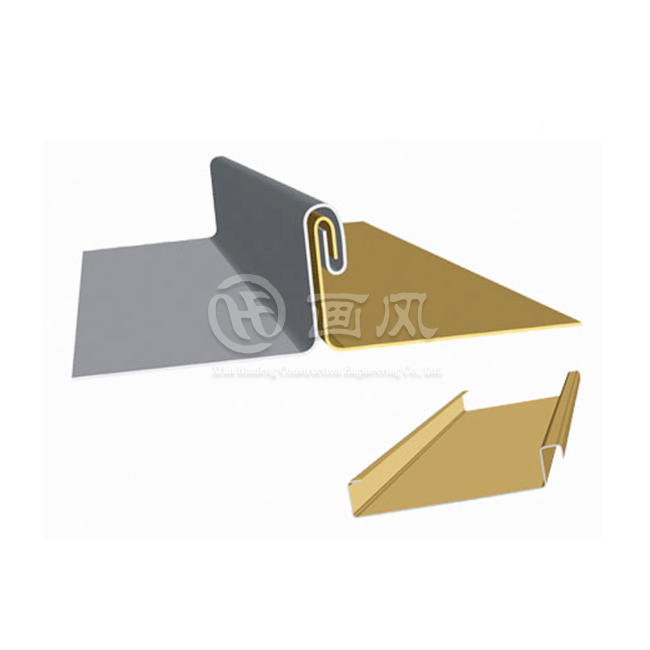
Hidden fastener roofing includes metal panel systems with mechanical fasteners that are below the weather surface and out of the way of any rain or snow. This design fixes the main problem with open fastener systems, which is that they have thousands of places where rubber washers can break down over time and let water in. The hidden method uses clip-based attachments to hold panels together so that they interlock or physically seam together. This lets the metal sheets float over the mounting hardware during rounds of thermal expansion.
Standing Seam as a Hidden Fastener Variant
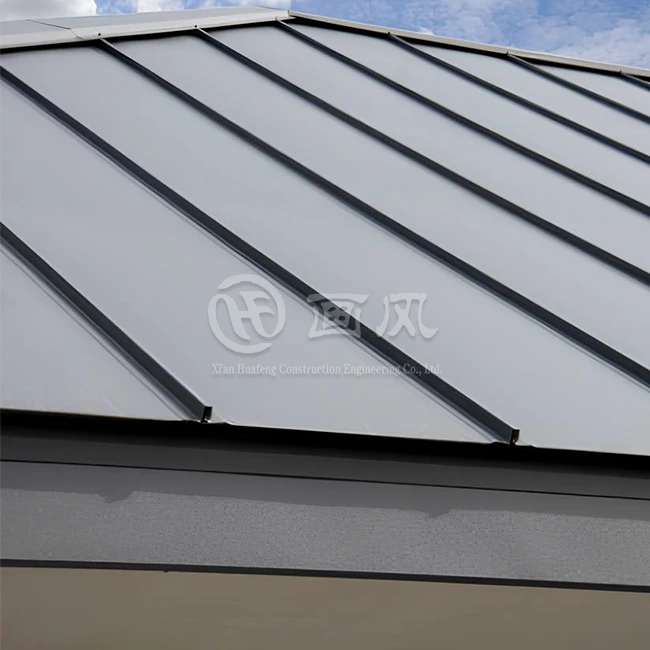
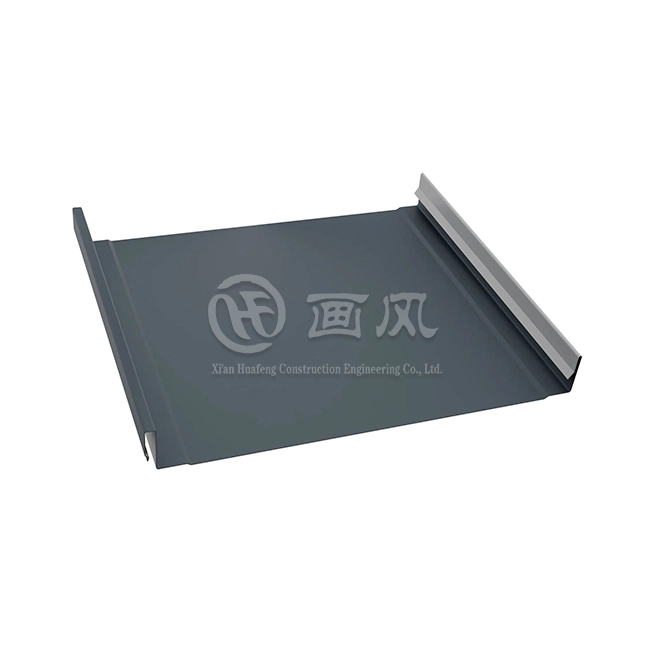
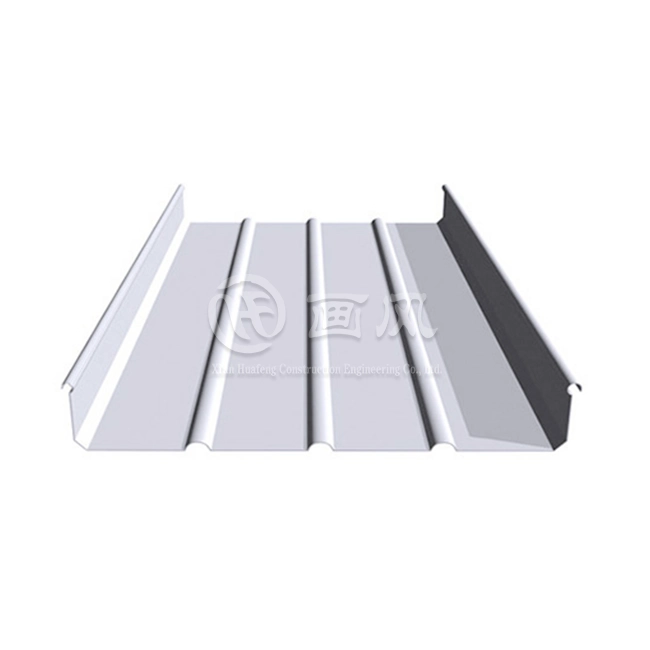
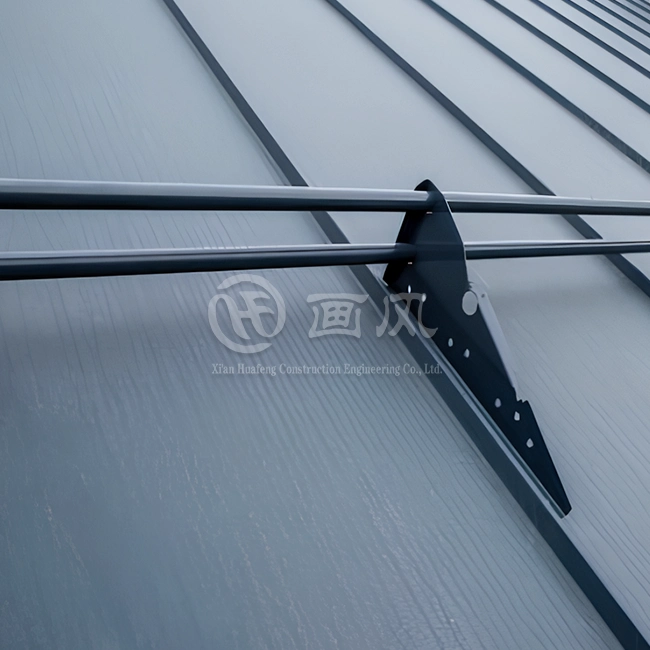
The most well-known hidden fastener configuration is standing seam roofing, which has raised ribs that run vertically along the length of each panel. These seams, which are usually between 1 and 3 inches high, are made by either manually folding the edges of two panels together or using snap-lock profiles. The raised seam design makes drainage channels, and the hidden clips let heat move without putting stress on the closure links. Panel widths can be anywhere from 12 to 24 inches, depending on the needs of the building. Materials include galvanized steel, aluminum, copper, and zinc alloys.
Installation Mechanics and Material Specifications
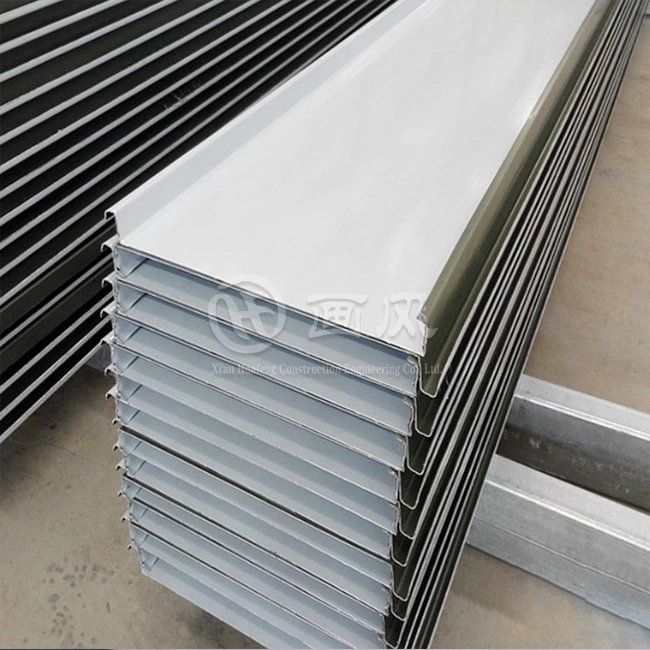
Panel widths from 0.4mm to 1.2mm, different shape configurations (25-330/400/430, 32-410, 45-400), and surface treatments like PVDF and PE coatings are just some of the things that we can make to meet the needs of different projects. The clip-based method of placement lets panels expand and contract easily as temperatures change, which is a big benefit over methods that use rigid fasteners and create stress points. Corrosion resistance depends on the material used. Aluminum is best for coastal areas, while galvanized steel is cheaper for installations in the middle of nowhere. Our products all meet the standards set by ASTM, DIN, JIS, BS, and GB/T. This makes sure that they are in line with international building codes and performance standards.
Comparative Analysis: Performance and Durability
Weather Resistance and Structural Performance
Standing seam systems with automatically seamed joints can seal against water ingress and can work well on slopes as low as 1/4:12, where water pooling is a problem. The double-lock seam construction makes barriers that are waterproof and can withstand being submerged in water during extreme weather events. UL 580 Class 90 grades are often met for wind uplift protection, which meets the needs of hurricane zones and high-exposure business areas. For normal slope uses, hidden fastener roofing designs with snap-lock profiles provide great weather protection while keeping the clean look and thermal movement benefits that define this technology group.
Corrosion resistance varies significantly based on substrate and coating selections. Our PVDF-coated panels won't fade or chalk for decades, and they'll keep their solar reflection, which is important for meeting Cool Roof requirements and energy saving goals. When fastener penetrations are taken away, the main way that exposed screw systems fail is that the rubber washers wear out, causing rust to form around each fastener point and then a leak to form.
Maintenance Requirements and Lifecycle Expectations
We stand behind our hidden fastener roofing goods with a 30-year guarantee. This shows how much longer-lasting they are compared to exposed fastener options that need new screws every 10 to 15 years. The floating clip design stops fasteners from pulling out due to changes in temperature, which makes upkeep a lot easier. It's still easy to review panels, and seam integrity checks have taken the place of the time-consuming task of checking thousands of individual fastener spots. When systems are properly designed and coated, they can last for more than 50 years with little maintenance other than cleaning every so often.
Sustainability and Energy Performance
Metal roofing can be recycled, which is in line with green building efforts and LEED certification standards that are becoming more and more important to business developers. When their useful lives are over, our metal and steel substrates can still be recycled completely, which means they don't have to go to a dump like asphalt and synthetic materials do. Metal surfaces that are reflective lower cooling loads, especially when they are covered with light-colored PVDF. Standing seam profiles allow putting solar panels without going through the roof using seam clamps. This lets green energy be used without voiding roof warranties, which is a very important thing to think about for net-zero building goals.
Cost and Procurement Considerations for B2B Buyers
Initial Investment vs Total Ownership Costs
When compared to exposed fastener options, hidden fastener roofing systems have higher initial costs. Depending on the complexity of the profile and the gauge of the material, these costs are usually 20 to 40 percent higher than screw-down panel prices. This initial premium is due to more complex manufacturing needs, specialized installation skills, and higher material standards. When you look at lifecycle costs, you can see things from a different point of view. For projects that will last more than 25 years, hidden fastener roofing solutions are better because they don't need to be replaced as often, last longer, and cost less to fix leaks.
Material costs vary based on substrate selection, coating specifications, and panel profiles. Our monthly production capacity of 1000 tons provides a steady supply for big business projects. With a minimum order quantity of 500 square meters or 1 ton, we can handle both large installations and smaller specialty uses. Delivery times of 15 to 20 days keep construction schedules on track and allow for customization, such as RAL color matching to meet architectural needs.
Procurement Strategy and Supply Chain Logistics
When looking for metal roofs, you need to look at more than just price when comparing manufacturers. With three factories, seven production lines, and more than 40 specialized tools, we offer redundancy and capacity guarantee, which is very important for multi-phase projects or installations that need to be done quickly. Following many foreign standards, like ASTM, DIN, JIS, BS, and GB/T, shows that quality control is thorough and makes it easier to get specifications approved in a variety of places and for a variety of projects.
Bulk ordering advantages materialize for contractors and developers who are in charge of multiple projects or large commercial installations. Costs can be kept low by making large orders, and we can make sure that technical needs are met without sacrificing aesthetic goals by offering different thicknesses, color choices, and profile designs. Reliability in the supply chain is especially important when roofing is on the "critical path" of a construction project and delays affect other trades.
Application Scenarios: Which Roofing System Fits Your Project?
Commercial and Industrial Buildings
Mechanically seamed standing seam systems work well in factories, warehouses, and distribution centers with low slopes (down to 1/4:12) and large roof areas that need good hydrostatic sealing. The continuous seam design protects inventory from weather damage and allows for thermal flow across long runs of panels. Our thicker gauge options (up to 1.2mm) offer better resistance to foot traffic during maintenance tasks and equipment installations that happen a lot in industrial settings.
Retail developments and office complexes frequently specify snap-lock standing seam shapes are often chosen for retail developments and office complexes. The hidden fastener method gets rid of visual clutter, and the raised seams give big roof lines that can be seen from nearby buildings more depth. Customizing colors, such as matching RAL colors, makes sure that the brand's look and feel stays the same across commercial campuses.
Coastal and High-Exposure Sites
In saltwater environments, you need to choose materials that don't rust quickly, which is what destroys exposed steel fasteners in just a few years. Corrosion protection is provided by aluminum or stainless steel substrates, and the form of the hidden fastener roofing completely eliminates any places of weakness. In hurricane-prone areas, standing seam systems are better because they can handle higher wind uplift rates. This is because the mechanically connected panels don't come off during strong weather events that can peel off other roofing materials. When buying things for coastal projects, procurement managers should put an emphasis on PVDF coatings and larger gauges to get the most use out of the materials in these tough circumstances.
Solar-Ready and Sustainable Buildings
More and more, schools, government buildings, and corporate campuses that want to reach net-zero energy use need solar panels that don't void roof warranties. Specialized seam clips that connect automatically to the raised ribs on standing seam shapes allow non-penetrating photovoltaic mounting. This method solves the tricky problem of how to combine green energy generation with waterproofing. Drilling holes for regular racking systems voids maker warranties and increases the chance of future leaks. Our systems can work with this type of renewable energy while still offering the 30-year warranty that makes the investment worthwhile for people who plan to live in the property for a long time.
Making the Decision: How to Choose Between Hidden Fastener and Standing Seam Roofs
Evaluation Criteria for Procurement Professionals
The first step in choosing a system is to look at the temperature and the building rules that apply to the project site. Before cost is taken into account, minimum slope standards, wind uplift ratings, and fire resistance grades cut down the choices that are suitable. Standing seam systems with mechanical seaming work well for low-slope situations and places with extreme weather. Snap-lock profiles, on the other hand, are good for normal business slopes above 3:12. When choosing a material gauge, you have to weigh the needs of the structure against your budget. For example, 22-gauge steel is more rigid and less likely to oil can than 24-gauge steel.
Aesthetic considerations influence visible roof installations where architectural prominence matters to project success. Standing seam profiles are liked by design teams that want modern looks because they have clean lines and interesting shapes. For long-lasting visual consistency, color stability is important. This is why PVDF coating specifications are important for prominent installations where fading would ruin the architectural intent. Our ability to match RAL colors and our customization choices help designers realize their ideas while keeping the performance qualities needed for long-term use in business settings.
Aligning Product Selection with Project Requirements
Due to budget constraints, it is necessary to balance the original prices with the expected lifecycle and maintenance costs. When projects want to save a lot of money, they might use open fastener systems even though they don't last as long and need more upkeep. When you own something for more than 20 years, hidden fastener roofing systems give you better total ownership value because you don't have to change the fasteners as often and the guarantee covers them for longer. Our 30-year warranty shows that we believe our products will last a long time and gives procurement professionals the peace of mind they need to support high-end system specs.
Technical support throughout the specification and installation process helps contractors and developers navigate the complexity inherent in modern metal roofing systems. Our engineering team helps with optimizing panel layout, figuring out clip spacing, and getting the right level of detail for roofs with complicated shapes. This consultative method cuts down on installation mistakes that hurt performance and makes sure that systems are properly chosen for each building's conditions and temperature issues.
Conclusion
To choose between the different types of hidden fastener roofing, you need to carefully look at the performance needs, lifecycle costs, and application conditions that are unique to each business project. When weather exposure, low slopes, or design importance make it worth the money, standing seam systems are the best option. The technology gets rid of problems caused by fasteners and allows for thermal movement and sun integration. These benefits mean that the technology will last for decades. Our ability to manufacture, the ability to customize, and our 30-year warranty give procurement workers the quality security and supply chain reliability they need for business building to go smoothly. By matching system requirements to project needs, you can get the best results while staying within your budget and getting long-term value.
FAQ
1. What advantages do hidden fastener systems offer over exposed fastener roofing?
With concealed clip designs, there aren't any of the thousands of potential leak points where rubber washers could leak over time. The floating panel attachment allows for thermal expansion without putting stress on the fasteners, which keeps screws from backing out, which can happen in exposed systems. The clean surface looks good, which is good for architects and building owners who want to use modern design. Lifecycle costs support hidden fastener roofing methods because they require less upkeep and last longer. With the right coatings, they can last over 50 years.
2. Can these roofing systems accommodate solar panel installations?
Photovoltaic systems that use non-penetrating seam clamps that attach to raised ribs without drilling holes work really well with standing seam profiles. This way of mounting keeps roof guarantees valid and allows for the production of green energy, which is necessary for net-zero building goals. Our systems can handle this merging without any changes, giving builders ways to use green energy that don't damage the waterproofing.
3. How long does installation typically require for commercial projects?
How long it takes to install depends on how complicated the roof is, how big the building is, and the weather during construction. Our shipping time for special orders is between 15 and 20 days, which helps keep projects on track. Installation workers with a lot of experience can usually finish 2,000 to 3,000 square feet of simple business roofs every day. Geometries or details that are hard to work with slow them down. Adhering to the schedule depends a lot on good planning and skilled team members.
Partner with HF for Your Metal Roofing Solutions
Commercial roofing projects all over the United States can get help from Xi'an Huafeng Construction Engineering Co., Ltd. when they need manufacturing knowledge or technical help. As a provider of hidden fastener roofing with a lot of experience, we run three factories with more than 40 specialized tools and seven production lines that make metal panel systems that meet ASTM, DIN, JIS, BS, and GB/T standards. Our monthly capacity of 1,000 tons, delivery times of 15 to 20 days, and low-minimum orders starting at 500 square meters support projects ranging from single commercial buildings to developments with many properties. Our PVDF and PE coated panels come with a 30-year warranty that gives you long-term peace of mind. We can also make changes to your order, including offering thickness options from 0.4mm to 1.2mm and full RAL color matching, to make sure that your exact needs are met. Email our team at huafeng@hfmetalroof.com to talk about your needs and get detailed quotes for your next commercial roofing project.
References
1. Metal Construction Association (2022). "Technical Guide to Concealed Fastener Metal Roof Systems." Metal Construction Association Publication Series, Volume 18, pp. 45-67.
2. Smith, Robert J. and Williams, Patricia K. (2021). "Lifecycle Cost Analysis of Commercial Metal Roofing Systems." Journal of Building Economics and Construction Management, Vol. 35, No. 3, pp. 112-128.
3. National Roofing Contractors Association (2023). "Standing Seam Metal Roofing: Installation Best Practices and Performance Standards." NRCA Technical Manual, 8th Edition, Chapter 12.
4. Thompson, Michael D. (2020). "Thermal Movement Considerations in Metal Panel Roof Design." Architectural Metal Systems Quarterly, Vol. 42, No. 2, pp. 78-94.
5. Green Building Council International (2022). "Metal Roofing Contributions to LEED Certification and Sustainable Building Performance." GBCI Research Report 2022-14, pp. 23-41.
6. Anderson, Jennifer L. and Martinez, Carlos R. (2023). "Corrosion Resistance and Material Selection for Coastal Metal Roofing Applications." Corrosion Engineering and Materials Science Journal, Vol. 58, No. 1, pp. 156-173.





YOU MAY LIKE